中式餐饮
Search documents
江西小炒发展报告
Hong Can Chan Ye Yan Jiu Yuan· 2025-12-26 08:11
江西小炒 发展报告2025 2025年12月 摘要 01 赛道发展概况:经过多年发展,江西小炒逐步从以夫妻店为代表的民间餐饮形态向连锁餐饮形态过渡,并 迈向规范化、产业化发展新阶段。据红餐大数据,截至2025年12月,江西小炒的全国门店数超过2万家, 但连锁化程度仍有较大提升空间,门店数在5家及以下的江西小炒品牌门店数占比高达97.5% 02 门店分布情况:受江西人口迁移及不同区域饮食口味差异的影响,超八成江西小炒门店分布在华东地区, 其中除江西省外,浙江省门店数量遥遥领先,远超其他省份。从线级城市分布来看,江西小炒在下沉市场 具备强劲的渗透力。据红餐大数据,二线城市的江西小炒门店数量占比最高,达到26.5%;三线城市紧随 其后,占比超过20%;四线城市、五线及以下城市的占比均在10%以上 03 赛道发展特征:产品策略方面,连锁化品牌正向标准化、效率化迈进,而夫妻小店则以灵活的产品策略守 住风味根基;品牌定位方面,越来越多品牌开始从江西不同地域菜系中汲取灵感形成差异化定位;经营模 式方面,从社区的"市井风"到城市核心商圈的"快时尚"与"漂亮饭",不同类型品牌在定位、选址、 装修与传播上呈现明显差异 04 未来 ...
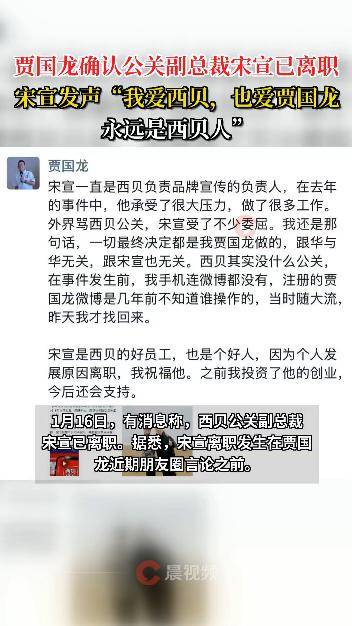
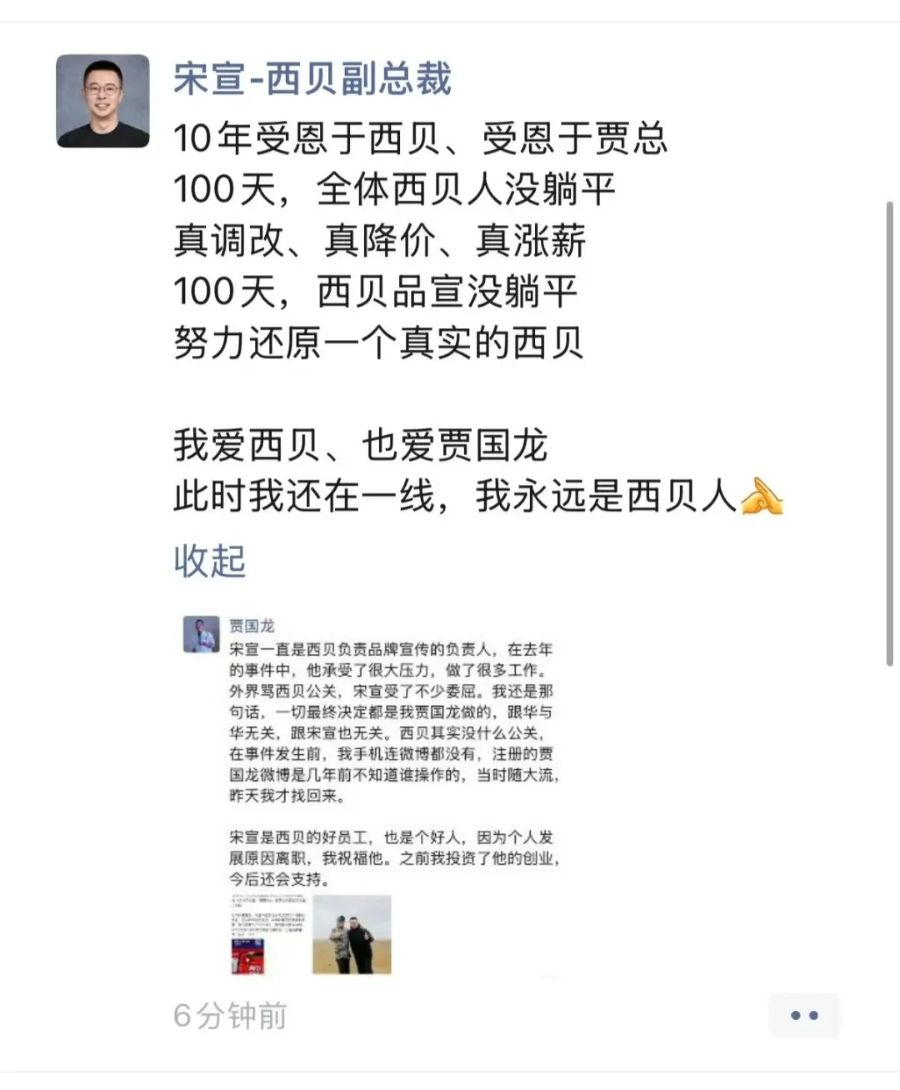
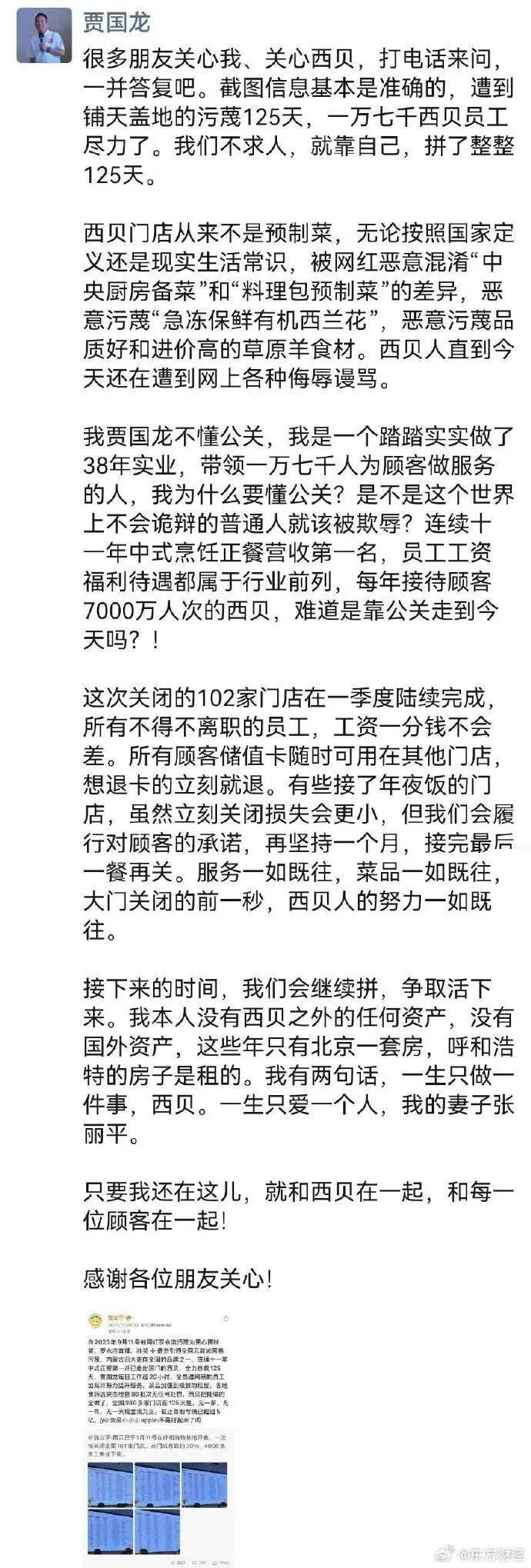
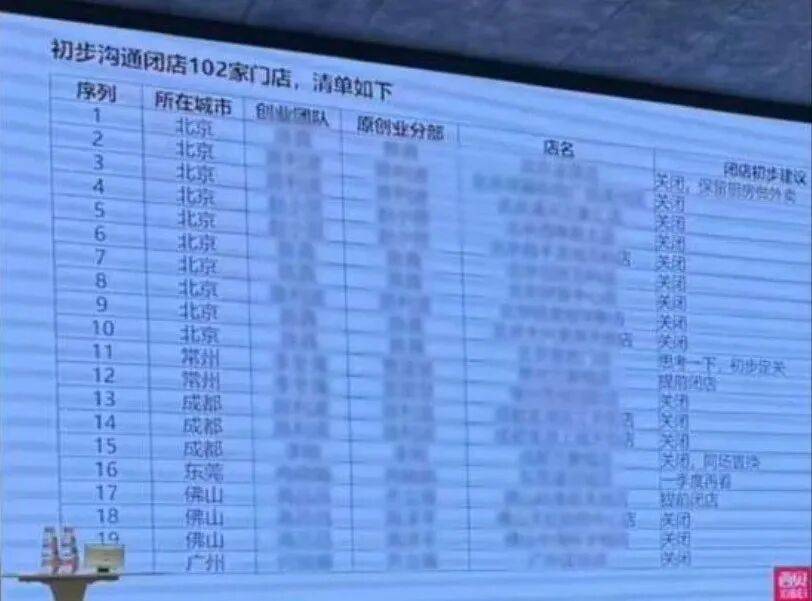
贾国龙后悔正面硬刚罗永浩|首席资讯日报
首席商业评论· 2025-12-26 03:34
Group 1 - JD Logistics has officially launched its first overseas automated warehouse, the "Smart Wolf Warehouse," in the UK, covering over 3,000 square meters and deploying nearly 200 robots, achieving a fourfold increase in picking and outbound efficiency [2] - Counterpoint Research forecasts that global spending on generative AI will grow from $225 billion in 2023 to $699 billion by 2030, with a compound annual growth rate (CAGR) of 21%, particularly highlighting the rapid growth of AI dialogue platforms [3] - The Jiangsu Province held a meeting to promote the embodied intelligent robotics industry, emphasizing a long-term and systematic approach to establish a nurturing mechanism for the industry, including planning, cultivating leading enterprises, and creating functional parks [5][6] Group 2 - The rental market for robots has seen significant price reductions, with daily rental rates for basic embodied intelligent robots dropping to around 200 yuan, while more advanced models range from 2,000 to 5,000 yuan [11] - The State Grid of China is expected to exceed 650 billion yuan in fixed asset investment in 2025, marking a historical high, with a projected total investment of over 2.85 trillion yuan during the 14th Five-Year Plan period [10] - The South Korean central bank has indicated the possibility of further interest rate cuts in 2026, while remaining vigilant about risks associated with a weak currency and rising housing prices [13]
太二“告别”酸菜鱼,开新餐厅主打鲜料川菜
Xin Lang Cai Jing· 2025-12-25 03:53
近日,有不少网友发现,太二在广州、佛山把旧招牌换成了"新太二·鲜料川菜",口号也从"酸菜比鱼好 吃",转变为"用鲜活食材,做鲜料川菜"。 12月25日,智通财经记者查询大众点评,目前显示广州已经有嘉裕太阳城广场店、嘉禾金柏广场店、黄 埔大悦汇店、佛山金柏天地店营业、广州珠影.星光城店。太二热线客服确认,"新太二·鲜料川菜"是太 二旗下的品牌升级店,目前在广州佛山有店,未来是否会在其他城市开业,目前还没有准确的信息。 智通财经记者拨打广州黄埔大悦汇店的电话进行咨询,相关负责人告知该店是在12月17日升级完成开始 营业的,广州其他几家店也差不多相继在12月营业,门店还保留传统的酸菜鱼,在份量和价格上可能与 老店有所不同,新店增加了鲜肉等更多种菜品,目前就餐人数比之前多,新店开业在平台也有新品尝鲜 套餐促销活动。 据悉,新太二围绕"五大鲜活"系列——活鱼、活虾、鲜牛肉、鲜鸡与鲜猪肉,新增超20道菜品,包括爆 炒鲜牛肉、五指毛桃焗鲜鸡、芝士香辣虾等,再加上各类家常小炒、汤品和小吃,产品种类达到40多 种。 新门店设计,也区别于太二酸菜鱼以往的黑白漫画风,偏向原木色系,明厨亮灶,顾客可以直接看到厨 师颠勺炒制的全过程。 ...
江西小炒“逆袭”,赣菜涌入购物中心
3 6 Ke· 2025-12-22 02:37
江西小炒,正在全国各地如雨后春笋般涌现。 过去,关于江西小炒是什么,没人能给一个准确的定义,但却都能联想到食材新鲜、现炒现做、锅气十足、香辣可口等标签。如今,随着《"江西小炒"术 语和定义》地方标准的发布,这一赣菜代表品类也将迈向标准化、品牌化发展之路。 01. 江西小炒"逆袭"中 其实,在标准出台之前,江西小炒已经凭借新鲜现烹、旺火快炒、香辣咸鲜的特色,俘获万千食客。数据显示,全国已有超4.6万家江西小炒门店。这其 中,一批品牌化运营的江西小炒正由街边进军商场,满足着都市人的胃与心。 「小江溪江西小炒」最具代表性。这个品牌于2024年6月首次亮相宁波万象城,随后半年迅速拓张至武汉、南昌、贵阳等城市,于2024年底迅速完成全国 50家门店布局。 进入2025年,小江溪拓店更加迅猛。截至目前,品牌已经在全国26省82座城市开出了160+门店。其中商场店占比超6成,多数进驻当地万象城、大悦城、 万达广场等主流商圈项目。 小江溪主打家常味江西小炒,如萍乡小炒肉、小炒黄牛肉拌粉、辣烧鸡脚等,在拒绝预制菜、坚持现炒的同时,强调"上菜快,下饭香",用一道道鲜辣喷 香的小炒给食客带来久违的"烟火气"。 起源于江西景德镇的「 ...
小菜园20251217
2025-12-17 15:50
Summary of the Conference Call for Xiaocaiyuan Company Overview - Xiaocaiyuan has adjusted its dine-in menu prices starting December 1, 2025, with price increases of 10%-15% on signature dishes such as stinky mandarin fish, braised pork, and garlic shrimp to enhance value and optimize the ratio of takeout to dine-in, improving customer experience [2][3] Key Points Sales Performance - From October to December, same-store sales experienced fluctuations due to seasonal factors and adjustments in takeout discount policies. Despite a decrease in takeout order volume, the average spending per order increased, indicating successful optimization of customer structure [2][5] - By the end of November 2025, same-store sales had largely recovered to the first half of the year's levels, which had seen a decline of 7.1% [6] Pricing Strategy - The price adjustment aims to adapt to the declining trend in the restaurant industry's average spending per customer, which dropped from 88 RMB to 51 RMB. The adjustments are intended to maintain market competitiveness [2][6] - The average price increase for dishes is approximately 15%, with specific examples such as the stinky mandarin fish being adjusted to 108 RMB, 98 RMB, and 92 RMB from previous prices of 128 RMB, 118 RMB, and 108 RMB [10] Store Expansion Plans - As of December 2025, Xiaocaiyuan operates 800 stores, with plans to open 200 new stores in 2026. The expansion strategy includes 20% in existing markets and 80% in emerging markets and high-tier cities, aiming for a total of 3,000 stores by 2030 [4][11] Cost Structure and Profitability - In the first half of 2025, labor costs accounted for 24%-24.5%, food and packaging costs for 29.5%, and rent for 9%. The company is optimizing costs through centralized purchasing and refined scheduling [4][15] - The company has seen an increase in profit margins due to cost-saving measures in labor and food expenses, leveraging its growing store count for better purchasing power [15] Market Dynamics - The company has noted a seasonal decline in customer traffic, particularly after the National Day holiday, which is considered a normal fluctuation [4] - The average order value for both dine-in and takeout has increased, with dine-in traffic showing double-digit growth year-on-year [7] Customer Experience Enhancements - To improve customer experience, Xiaocaiyuan has introduced additional services such as complimentary pre-meal fruits and in-store discount coupons. However, adjustments have been made to simplify pricing strategies to enhance perceived value [8][9] Future Outlook - Xiaocaiyuan anticipates a median revenue growth for 2025, with a profit target of 750 million RMB, consistent with the first half of the year due to new store openings [22] - The company plans to invest 450 million RMB in supply chain improvements and aims for a dividend payout ratio of 50%-60% of current profits [23] Delivery Business Insights - In Q3 2025, the delivery business accounted for approximately 40% of total revenue. The company did not engage in the competitive subsidy wars between Alibaba and Meituan, which mitigated potential negative impacts on its business [20] - The profit margin for dine-in is currently higher than for delivery due to platform fees and delivery costs, with a long-term goal to maintain delivery at around 30% of total sales to preserve brand integrity [21] Additional Considerations - The company’s unique employee incentive system, where many employees hold shares, enhances commitment and operational efficiency [18][19] - The profitability in lower-tier markets is generally higher due to lower rent and labor costs compared to high-tier cities, although absolute profits may be higher in urban areas [12]
遇见小面IPO,三个理工学霸,一年卖出11亿元预制面
Sou Hu Cai Jing· 2025-12-10 09:08
Core Insights - The company "Yujian Xiaomian" successfully listed on the Hong Kong Stock Exchange, becoming the first publicly traded Chinese noodle restaurant chain [1] - The founder, Song Qi, transitioned from a corporate career at McDonald's to entrepreneurship, emphasizing the importance of operational insights gained from his previous experience [2] - The brand has innovatively integrated precise measurement tools into traditional cooking methods, allowing for consistent product quality and a diverse menu [2] Company Performance - Yujian Xiaomian has expanded its store count from 170 to 360 between 2022 and 2024, with revenue increasing from 420 million to 1.15 billion yuan [3] - The company has achieved the highest offline sales in China’s chain restaurant sector for its products over three consecutive years [3] - The average customer spending has decreased from approximately 36 yuan to about 31 yuan, contributing to a significant increase in order volume, which rose from 14.16 million to 42.09 million orders annually [4] Financial Metrics - Despite achieving profitability, the net profit margins remain thin, with net profits recorded at -35.97 million, 45.91 million, and 60.70 million yuan for the years 2022 to 2024, corresponding to net profit margins of -8.6%, 5.7%, and 5.3% respectively [5] - The company's growth strategy has relied heavily on price reductions and rapid expansion rather than operational efficiency improvements [4][5] Market Challenges - The current market dynamics in the Chinese restaurant industry have shifted, making aggressive expansion less viable due to rising costs in rent and labor [5] - Following its IPO, the company's stock price fell nearly 29%, indicating market skepticism towards its growth strategy focused solely on store openings [7] - The long-term success of Yujian Xiaomian will depend on optimizing profitability per store rather than merely increasing the number of locations [6]
东吴证券晨会纪要-20251210
Soochow Securities· 2025-12-10 00:43
Macro Strategy - The report highlights a shift in policy focus from "preventing and mitigating risks in key areas and external shocks" to "better coordinating domestic economic work and international economic struggles," indicating a more proactive approach to external economic conditions [1][15] - There is a transition from stabilizing asset prices to stabilizing microeconomic entities, emphasizing the importance of employment, enterprises, markets, and expectations over real estate and stock markets [2][15] - The policy language has evolved from "extraordinary counter-cyclical adjustments" to "increasing counter-cyclical and cross-cyclical adjustment efforts," reflecting a balance between short-term stimulus and long-term economic structure considerations [2][15] Industry Insights - The food and beverage industry strategy for 2026 emphasizes stock selection based on certainty, focusing on growth and turnaround opportunities, particularly in leading snack companies and quality retail chains [9] - The report suggests a keen interest in the health products sector, driven by an aging population and expanding young consumer demographics, with a focus on innovation and iteration in product offerings [9] - In the phosphoric chemical industry, companies with phosphate iron and phosphate rock resources are recommended, highlighting the significant cost contribution of phosphate sources to phosphate iron production [10] - The non-ferrous metals sector is experiencing price increases, with copper prices rising due to supply tightening and demand fluctuations, while aluminum prices are also on the rise amid stable production [11][12]
「港股IPO观察」资本不愿“续面”?遇见小面上市首日破发,翻座率下滑成危险信号
Hua Xia Shi Bao· 2025-12-05 10:39
Core Viewpoint - The company "Yujian Xiaomian," known as the first listed Chinese noodle restaurant, faced a disappointing debut on the Hong Kong Stock Exchange, with shares dropping nearly 28% on the first day of trading, reflecting a broader downturn in the noodle restaurant industry [2][3]. Financial Performance - Yujian Xiaomian's revenue grew from 418 million yuan in 2022 to 1.154 billion yuan in 2024, with net profit turning from a loss of 35.973 million yuan to a profit of 60.7 million yuan during the same period [4]. - In the first half of 2025, the company achieved revenue of 703 million yuan, a year-on-year increase of 33.8%, and net profit of 41.834 million yuan, up 95.8% year-on-year [4]. Store Expansion and Key Metrics - The total number of Yujian Xiaomian restaurants increased from 170 at the end of 2022 to 451 by October 8, 2025, with a significant focus on first-tier and new first-tier cities [5]. - Despite the growth in store numbers, key performance indicators such as average daily sales per store and turnover rates have declined, indicating challenges in maintaining profitability [6]. Market Challenges - The noodle restaurant industry is experiencing a downturn, with increased competition and a saturated market leading to declining profitability metrics for Yujian Xiaomian and other similar brands [7]. - The company plans to open approximately 150 to 230 new restaurants annually from 2026 to 2028, aiming to double its store count despite the current market challenges [8].
天域半导体、遇见小面双双破发!11月港股IPO近半数破发
证券时报· 2025-12-05 04:45
Core Viewpoint - The newly listed stocks Tianyu Semiconductor and Yujian Xiaomian both experienced significant declines on their debut, indicating a trend of new stocks underperforming in the Hong Kong market [1][10]. Group 1: Stock Performance - Tianyu Semiconductor (2658) dropped by 24.97%, closing at 43.52 HKD with a market capitalization of 171 billion HKD and a price-to-earnings ratio of -32 [2]. - Yujian Xiaomian (2408) fell by 27.27%, closing at 5.12 HKD with a market capitalization of 36 billion HKD and a price-to-earnings ratio of 42.6 [3]. - Both stocks had poor performance in the dark market prior to their official listing, with declines exceeding 14% [3]. Group 2: Subscription and Demand - Yujian Xiaomian had an oversubscription rate of 425.97 times, while Tianyu Semiconductor had a lower rate of 60.63 times, indicating weaker demand for the latter [4][6]. - The allocation for retail investors was limited to 10% for both companies, which theoretically supports stock price stability [8]. Group 3: Investor Backing - Tianyu Semiconductor is backed by prominent investors including Huawei and BYD, while Yujian Xiaomian has a diverse group of investors including industry players like Country Garden and Jiumaojiu [4][9]. - Both companies attracted cornerstone investors, with Tianyu Semiconductor raising 1.2 billion RMB and 30 million HKD from two cornerstone investors, while Yujian Xiaomian secured 2.2 million USD from six cornerstone investors [8][9]. Group 4: Fundraising and Market Trends - Tianyu Semiconductor raised a net amount of 1.673 billion HKD, while Yujian Xiaomian raised 617 million HKD [10]. - The trend of new stocks breaking below their issue price is increasing, with 7 out of 15 newly listed stocks since November experiencing this fate, indicating a nearly 50% breakage rate [10].
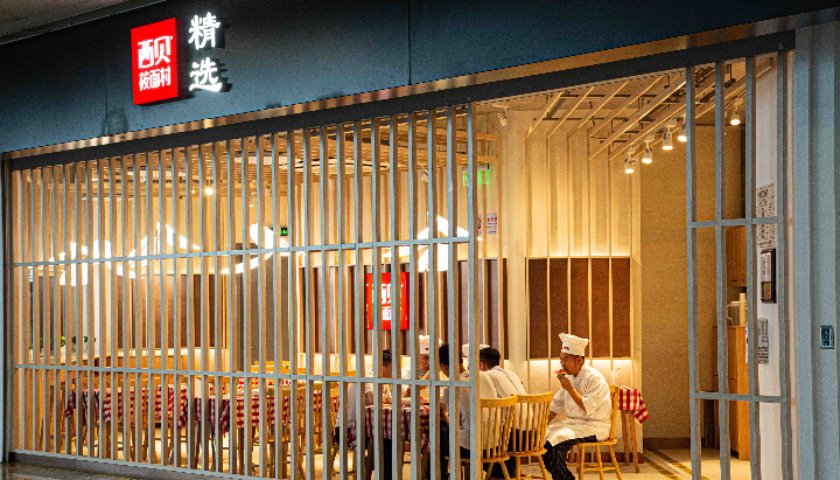
西贝北京门店又开始排队!桌面沙漏消失,41道产品价格下调…顾客「有券才消费」?
Bei Jing Shang Bao· 2025-12-05 04:02
经历风波两个多月后,西贝正积极自救并初见成效。 近日,部分西贝门店客流回升,周末高峰时段出现等位现象,11月客流与去年同期基本持平。此前,西贝通过降价、发放代金券、优化菜品、建 设"阳光厨房"等一系列举措,逐步挽回消费者信任,不过,代金券活动结束后,消费者能否持续回流仍待观察。从风波起初的开放厨房硬气回应, 再到如今的系列整改,西贝似乎也在尝试不同角度思考挽回消费者信任。 "门店菜品都是现做,所以上菜会慢一些,周末的时候门店会更忙一些。"西贝一工作人员表示。 北京商报记者丨张天元 在业内人士看来,西贝需找准定位,通过精细化运营巩固信任、优化成本结构,摆脱对短期促销的依赖,形成长期竞争壁垒。 代 金 券 拉 动 客 流 周末傍晚近六点,西贝北京望京万象汇店内已经坐满,其中不乏带着孩子的家长,门前也陆续迎来了等位的消费者。店内靠近门口处,一位工作人 员正在片烤鸭,另一位工作人员照看着五个冒着牛肉香气的小锅。后厨中工作人员忙碌的身影透过透明玻璃映入眼帘,西贝似乎在用力强化"现 制"标签。 "门店菜品都是现做,所以上菜会慢一些,周末的时候门店会更忙一些。"西贝一工作人员表示。北京商报记者也注意到,原来桌面上的沙漏也已 ...