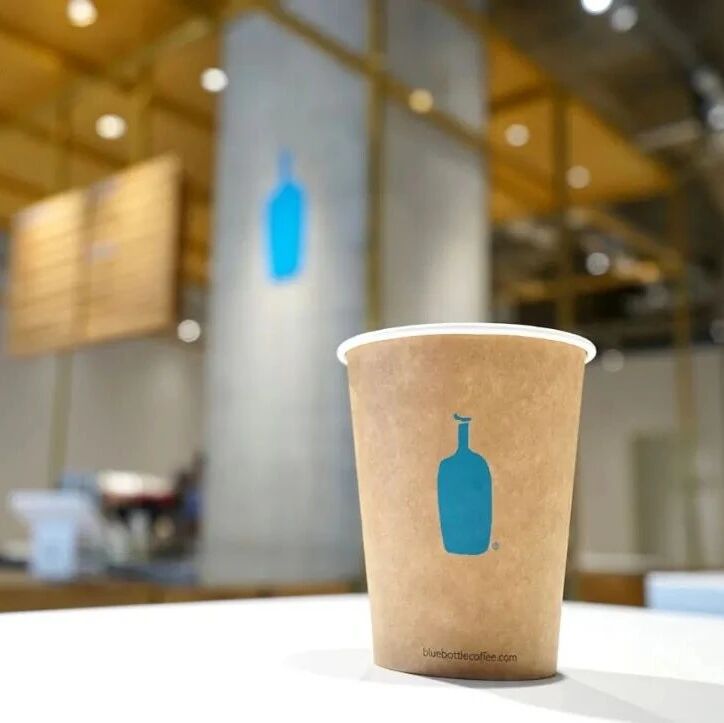
咖啡

Search documents
四五十块一杯的蓝瓶咖啡,为什么在巨头雀巢的手里难赚钱?|声动早咖啡
声动活泼· 2026-03-18 09:32
Core Viewpoint - Luckin Coffee's controlling shareholder, Dazheng Capital, has reached an agreement with Nestlé to fully acquire Blue Bottle Coffee's global store operations for less than $400 million, significantly lower than the over $700 million valuation when Nestlé acquired a stake in Blue Bottle in 2017 [3][4]. Group 1: Acquisition Details - The acquisition price for Blue Bottle Coffee's store operations is under $400 million, which is substantially lower than the valuation during Nestlé's previous investment [4]. - Nestlé retains Blue Bottle's retail-related businesses, including capsules, instant coffee, and coffee machines, while Dazheng Capital takes over the store operations [4]. - As of the end of last year, Blue Bottle Coffee had 140 stores globally, with the majority located in the U.S., and only 15 stores in mainland China [4]. Group 2: Brand Background - Blue Bottle Coffee is recognized as one of the most distinctive specialty coffee brands in the past two decades and is considered a representative of the third wave of coffee [4]. - The founder, James Freeman, started Blue Bottle Coffee in 2005 after noticing a lack of fresh coffee options and has maintained profitability since its inception, although it has struggled under Nestlé's ownership [5]. Group 3: Industry Challenges - The specialty coffee industry faces challenges such as high labor costs and low turnover rates, with barista wages in the U.S. rising by 38% from 2020 to 2023, while average retail prices increased only by 12% [6]. - Blue Bottle's high-end positioning limits its market size, as fewer consumers are willing to pay premium prices for coffee, leading to a competitive disadvantage against larger chains like Starbucks [6]. Group 4: Strategic Changes Post-Acquisition - After the acquisition, Blue Bottle's location strategy has shifted to align more closely with Starbucks, moving towards high-traffic areas rather than unique historical spaces [7]. - The brand's minimalist design, once a unique selling point, has become less distinctive as competitors adopt similar styles, and younger consumers are gravitating towards more vibrant and social coffee environments [7]. Group 5: Future Prospects and Challenges - Dazheng Capital may accelerate Blue Bottle's store expansion, but the focus should remain on brand integrity, location, design, and operational capabilities rather than just efficiency [10]. - Blue Bottle's current inability to achieve stable profitability raises concerns about the risks of blind expansion, especially given the limited supply of high-quality coffee beans and the potential need to enter price-sensitive markets [11]. - Labor issues, including unionization efforts among baristas, present additional challenges for Dazheng Capital as it navigates the U.S. market [11].


当代年轻人,失去了咖啡自由
东京烘焙职业人· 2026-03-17 08:33
Core Viewpoint - The cancellation of the 9.9 yuan promotion by Kudi Coffee marks a significant shift in the competitive landscape of the domestic coffee market, indicating a move towards more refined competition among coffee chains [5][9][20]. Group 1: Market Dynamics - Kudi Coffee announced the end of its 9.9 yuan promotion effective January 31, 2026, despite previous commitments to maintain this pricing strategy for three more years [5][9]. - The price of most drinks has increased to a range of 11.9 to 16.9 yuan, with over 50% of drinks priced above 14.9 yuan [9][10]. - The coffee market has seen a shift from a price war initiated by Kudi and Luckin Coffee to a focus on quality and consumer experience, as the market matures [20][29]. Group 2: Competitive Landscape - Kudi Coffee has rapidly expanded, opening over 18,000 stores globally within a short time, positioning itself as the third-largest coffee chain in the world [14]. - Luckin Coffee has also experienced significant growth, with over 30,000 stores, surpassing Starbucks in store count [14]. - The competitive landscape has intensified with the entry of tea brands offering coffee products at lower prices, further challenging traditional coffee pricing strategies [22][29]. Group 3: Consumer Behavior and Market Trends - The 9.9 yuan price point has become ingrained in consumer expectations, but as the market evolves, this pricing strategy is losing its effectiveness [20][24]. - The domestic coffee market is projected to reach a size of 218.1 billion yuan by 2025, with ready-to-drink coffee accounting for 86% of the market share [22]. - Starbucks continues to show resilience, reporting a revenue of 9.9 billion USD in Q1 2026, with a 6% year-on-year growth, indicating diverse consumer preferences in the coffee market [25][27]. Group 4: Future Strategies - Coffee brands are now focusing on operational efficiency and profitability for franchisees, moving away from aggressive low-price strategies [28][29]. - The emphasis will be on product innovation and expanding store presence in lower-tier markets to meet consumer demand [28][29]. - The competition among coffee giants is expected to shift towards more sophisticated operational strategies following the end of the 9.9 yuan promotion [29].

5000+红人买手集结上海西岸:BAE美妆艺术节5月启幕
FBeauty未来迹· 2026-03-16 12:35
Core Insights - The article discusses the emergence of a new space in the beauty industry that transcends traditional commercial transactions and cultural expressions, focusing on aesthetics, lifestyle, and long-term relationships between brands and consumers [2][3] - The upcoming Beauty Art Exhibition (BAE) in Shanghai aims to redefine brand expression from mere product display to a more comprehensive narrative of aesthetics and culture [3][8] Industry Trends - Over the past decade, the Chinese beauty industry has experienced rapid growth driven by e-commerce, live streaming, and social media, creating a highly efficient commercial model centered around products and traffic [6] - As the market matures, structural issues have emerged, such as price wars in live streaming and a lack of brand value construction, leading to short-lived customer loyalty and diminishing aesthetic expression [6][7] Consumer Behavior - Consumers are increasingly prioritizing the aesthetic, values, and lifestyle conveyed by beauty brands rather than just the functional aspects of products [7][8] - The concept of "uselessness" in aesthetics becomes significant as brands seek to differentiate themselves through cultural expression and emotional value rather than just product efficacy [8] BAE Exhibition Details - The BAE exhibition will take place at the Shanghai West Bund Dome Art Center, a repurposed industrial site that enhances the visual and cultural experience of the event [10][12] - Unlike traditional exhibitions, BAE will feature brands in a "room" format, allowing for a more immersive narrative that intertwines coffee culture and beauty art [12][13] Target Audience and Engagement - BAE aims to attract a diverse audience, including urban lifestyle enthusiasts, creative professionals, and high-end consumers, facilitating direct engagement with brands that share similar aesthetic values [14][15] - The event is designed to foster deeper brand recognition and storytelling, moving away from mere product transactions to a more meaningful dialogue with consumers [15][16] Long-term Brand Value - BAE emphasizes the importance of building brand assets over time rather than relying on immediate sales conversions, focusing on sustainable growth through meaningful consumer relationships [15][19] - The exhibition serves as a platform for brands to amplify their value and engage with a curated audience, ultimately seeking to establish lasting connections with consumers [20][19]
瑞幸的钱,被外卖偷了
盐财经· 2026-03-16 09:07
Core Viewpoint - Luckin Coffee's rapid expansion and low pricing strategy face challenges as its financial performance shows a disparity between revenue growth and profit margins, raising concerns about sustainability and profitability in a competitive market [3][5][8]. Financial Performance - In 2025, Luckin Coffee's total net revenue approached 50 billion RMB, marking a 43% year-on-year increase, while net profit grew only 22%, with a significant 40% decline in Q4 net profit [4][6][8]. - The company's total net profit margin decreased to 7.3%, down 1.3% year-on-year, indicating a decline in profitability despite revenue growth [7][8]. Cost Structure - Delivery costs emerged as a major factor impacting profitability, with Q4 delivery expenses reaching 1.631 billion RMB, a 94.5% increase year-on-year [5][10]. - Overall operating expenses surged, with total delivery costs for 2025 amounting to 6.879 billion RMB, a 143.8% increase [10][12]. Market Position and Competition - As of December 2025, Luckin Coffee led the market with 30,612 stores, adding 9,212 new locations, while competitors like Kudi Coffee and Xingyun Coffee also expanded significantly [6][7]. - The competitive landscape is intensifying, with a growing number of coffee shops leading to market saturation, prompting Luckin to explore new growth avenues [19][33]. Strategic Adjustments - Luckin Coffee is diversifying its product offerings beyond coffee, introducing over 140 new non-coffee beverages in 2025, aiming to capture a broader market segment [15][17]. - The company is also pursuing international expansion, with 160 overseas stores opened by the end of 2025, including locations in Singapore, Malaysia, and the United States [21][23]. Pricing Strategy - In response to competitive pressures, Luckin has begun to adjust its pricing strategy, reducing the availability of its 9.9 RMB menu items and increasing prices on certain drinks by approximately 3 RMB [24][25]. - The shift towards premium offerings is evident with the opening of flagship stores that feature higher-priced specialty coffees, indicating a move towards brand premiumization [26][27]. Acquisition and Future Outlook - The acquisition of Blue Bottle Coffee by Luckin's major shareholder, Dazhong Capital, signals a strategic shift from scale-driven growth to brand value enhancement, potentially positioning Luckin for future market opportunities [30][31][33].
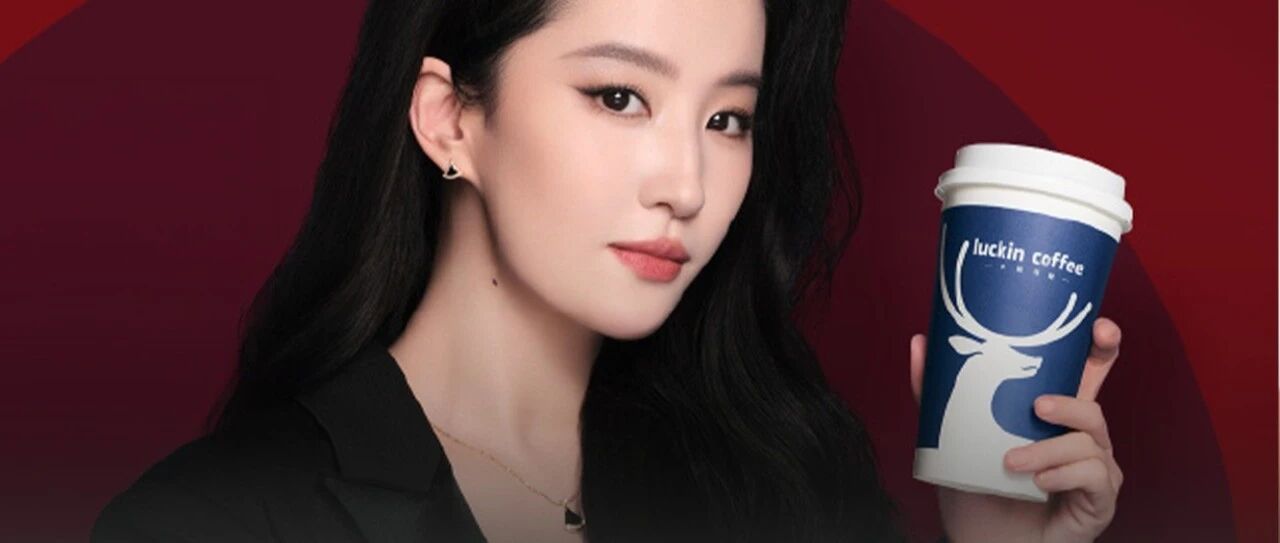
瑞幸咖啡再陷规模不经济 大钲资本收购蓝瓶能解“高端化悖论”吗?
Xin Lang Cai Jing· 2026-03-13 03:20
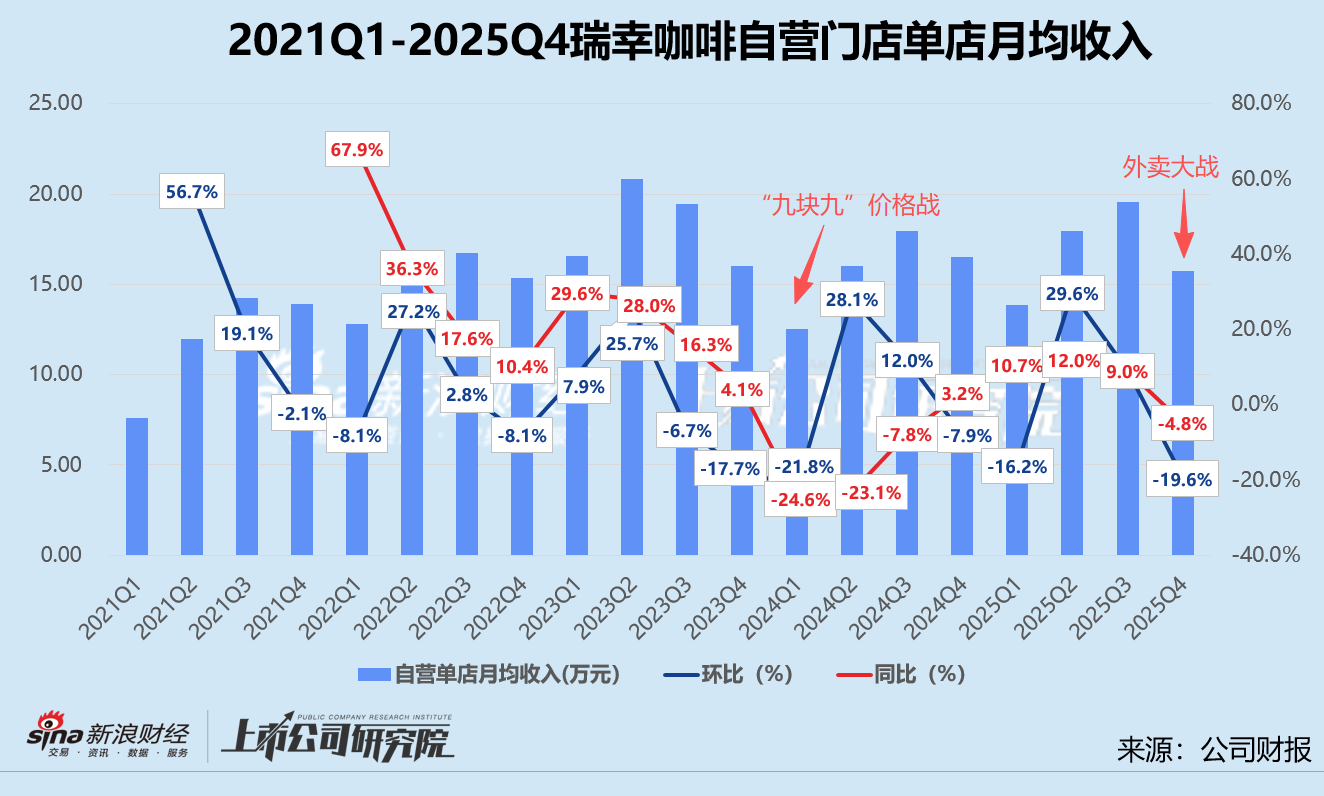
Group 1 - The core point of the news is that Dazhong Capital has acquired Blue Bottle Coffee from Nestlé for up to $400 million, focusing on the operation and brand experience of its physical stores while Nestlé retains the fast-moving consumer goods segment [1][2][17] - Blue Bottle Coffee, founded in California in 2002, is known for its fresh coffee beans and high average cup price of over 40 yuan, and it entered the Chinese market in 2022 with 22 stores [1][16] - Dazhong Capital, which has a significant stake in Luckin Coffee, aims to enhance its high-end brand portfolio and alleviate growth pressures on Luckin by acquiring Blue Bottle Coffee [2][17] Group 2 - Luckin Coffee reported a total revenue of 49.288 billion yuan in 2025, a year-on-year increase of 43.0%, but net profit decreased by 39.1% in Q4 2025 [3][17] - The company faced challenges with same-store sales growth slowing to 1.2% and a significant increase in delivery costs, which surged by 94.5% in Q4 2025 [5][21] - The competitive landscape has intensified due to a price war initiated by major platforms, leading to a decrease in average transaction value and customer numbers [6][19] Group 3 - Luckin Coffee's operational costs reached 44.215 billion yuan in 2025, with delivery costs accounting for 14.0% of total revenue, significantly impacting profitability [10][21] - The company is exploring price increases and premium product offerings to counteract the effects of the ongoing price war and to enhance its brand positioning [12][23] - Luckin's international expansion efforts, including openings in New York, face challenges due to a saturated market and the need for a more upscale brand image [14][25][26]
拿下咖啡行业爱马仕,瑞幸想做什么?
虎嗅APP· 2026-03-09 10:33
Core Viewpoint - The acquisition of Blue Bottle Coffee by Luckin Coffee's controlling entity, Dazhong Capital, signifies a shift in global coffee industry dynamics, with Chinese companies evolving from followers to integrators of premium assets [1][20][30]. Group 1: Company Profiles - Blue Bottle Coffee, founded by James Freeman in 2005, emphasizes high-quality coffee with a strict 48-hour freshness rule, creating a unique customer experience and establishing a loyal customer base [3][6][11]. - Luckin Coffee, launched in 2017, revolutionized the coffee market in China by leveraging digital infrastructure and supply chain efficiency, achieving rapid expansion with over 30,000 stores in just eight years [8][16]. Group 2: Market Dynamics - The coffee industry has historically been dominated by Western brands, with significant market share held by companies like Starbucks, which saw its market share in China drop from 42% in 2017 to an estimated 14% by 2024 [25]. - The shift in market dynamics is evident as Luckin Coffee's revenue surpassed that of Starbucks in China in 2023, positioning it as the largest coffee brand in the country [25]. Group 3: Strategic Implications - The collaboration between Luckin Coffee and Blue Bottle Coffee is expected to combine Luckin's digital capabilities with Blue Bottle's premium brand identity, potentially enhancing both companies' market positions [20][30]. - The acquisition is seen as a strategic move for Luckin to break the Western monopoly on coffee culture and redefine its role in the global coffee industry [31][32].

全球盈利崩了,星巴克在中国却赚麻了
东京烘焙职业人· 2026-03-08 08:32
Core Viewpoint - Starbucks has reported mixed results for Q1 of fiscal year 2026, with net revenue of $9.9 billion, a 6% year-over-year increase, but a significant decline in profitability metrics due to increased labor costs and inflationary pressures from high coffee prices and tariffs [6]. Group 1: Financial Performance - The net income for Starbucks in China reached $823 million, reflecting an 11% year-over-year growth, driven by a 5% increase in comparable transactions and a 2% rise in average ticket price [6]. - Global same-store sales increased by 4%, with customer traffic up by 3% [6]. - GAAP operating margin contracted by 290 basis points to 9.0%, and GAAP earnings per share fell by 62% to $0.26 compared to the same period last year [6]. Group 2: Market Position and Growth - The international segment, excluding North America, generated $2.065 billion in net revenue, with China contributing $823 million, accounting for 39.85% of the international segment [7]. - Starbucks China has maintained growth for five consecutive quarters, with a year-over-year growth rate of 11%, significantly outpacing the overall international segment growth of 10% [7]. - As of the end of the quarter, Starbucks had 8,011 stores in China, marking a net increase of 326 stores compared to the same period in fiscal year 2025 [7]. Group 3: Localization Strategy - Starbucks has focused on expanding into lower-tier cities, opening stores in 13 new county-level cities, with over half of new stores located in lower-tier cities or special business districts [9]. - The company has introduced product innovations tailored to local consumer preferences, such as the "True Taste No Sugar" series, which attracted 1.7 million customers [10]. - Collaborative marketing efforts with various IPs, including Disney and Harry Potter, have enhanced consumer engagement, with notable sales records during promotional events [10]. Group 4: Competitive Landscape - Starbucks' market share in China has declined from a peak of 42% in 2017 to 14% in 2024, while competitors like Luckin Coffee have significantly increased their store counts [12]. - In fiscal year 2025, Starbucks added only 244 new stores, while competitors like Luckin Coffee added over 8,000 stores [12][13]. Group 5: Strategic Partnerships - Starbucks has partnered with Boyu Capital, which acquired a 60% stake in Starbucks China for $4 billion, aiming to leverage Boyu's resources to penetrate lower-tier markets [16]. - The partnership aims to expand Starbucks' store count in China to 20,000, although significant challenges remain in achieving this target [16].
瑞幸咖啡投资方拟从雀巢手中收购蓝瓶咖啡。
Xin Lang Cai Jing· 2026-03-07 21:29
Core Viewpoint - Luckin Coffee's investors are planning to acquire Blue Bottle Coffee from Nestlé [1] Group 1 - The acquisition reflects a strategic move by Luckin Coffee to expand its portfolio in the premium coffee segment [1] - Blue Bottle Coffee is known for its high-quality coffee and has a strong brand presence, which could enhance Luckin Coffee's market position [1] - This potential acquisition indicates increasing competition in the coffee industry, particularly in the premium sector [1]
花4亿美元,他给瑞幸咖啡找了个“帮手”
Xin Lang Cai Jing· 2026-03-07 05:33
Core Viewpoint - Luckin Coffee is at a stage where it needs to adjust its strategy, shifting focus from scale to profitability [15] Group 1: Acquisition Details - Dazhong Capital is set to acquire Blue Bottle Coffee's global stores for under $400 million (approximately 2.76 billion RMB), with Nestlé retaining the coffee machine and capsule business [2] - Dazhong Capital, the actual controller of Luckin Coffee, became its largest external investor after leading two rounds of funding in 2018 [3] - Blue Bottle Coffee, founded in 2002, is known for its fresh coffee beans and premium pricing, with Nestlé acquiring 68% of it for $500 million in 2017 [3][9] Group 2: Financial Performance of Luckin Coffee - In 2025, Luckin Coffee reported total net revenue of 49.288 billion RMB, a 43% increase year-on-year, and a net profit of 3.6 billion RMB, up 21.8% [13] - The fourth quarter of 2025 saw a net profit decline of 39.1% to 520 million RMB, with operating expenses reaching 119.55 billion RMB, accounting for 93.6% of net revenue [14] - Same-store sales growth for the fourth quarter dropped to 1.2%, significantly lower than previous quarters [14] Group 3: Strategic Implications - The acquisition of Blue Bottle Coffee is seen as a move to enhance Luckin's brand image and expand into high-end markets [18] - Dazhong Capital aims to use Blue Bottle as a platform for global expansion, as domestic growth potential is limited [18] - The acquisition is also intended to support Luckin's plans for a potential relisting by enhancing its growth narrative [20]
大钲买下蓝瓶的真实意图
创业邦· 2026-03-07 03:40
Core Viewpoint - The article discusses a significant capital transaction where Dazhong Capital, a major shareholder of Luckin Coffee, has reached an agreement with Nestlé to acquire all global offline store assets of Blue Bottle Coffee for less than $400 million, indicating a strategic move in the coffee market amidst ongoing price wars in China [5][9]. Group 1: Transaction Details - Dazhong Capital will gain complete control over Blue Bottle Coffee's global offline stores, while Nestlé retains the fast-moving consumer goods segment, including coffee machines and capsules [5]. - The acquisition price being below $400 million represents a significant discount, as Blue Bottle was valued at over $700 million when Nestlé acquired a 68% stake for approximately $425 million in 2017 [9]. - This transaction aligns with Nestlé's recent strategy to shift towards a lighter asset model, allowing external capital to manage the heavier operational aspects of the brand [9]. Group 2: Market Context and Implications - The coffee market in China is characterized by a slow growth rate for premium coffee brands, with Blue Bottle currently having fewer than twenty stores in mainland China [5][9]. - The article highlights that the expansion of premium coffee brands in China faces challenges related to management and operational strategies rather than a lack of consumer demand [9]. - The collaboration between Dazhong Capital and Luckin Coffee may leverage Luckin's data and supply chain capabilities to enhance Blue Bottle's market presence in China [10][11]. Group 3: Future Prospects - Dazhong Capital is expected to drive Blue Bottle's expansion in China and may consider transferring some equity back to Luckin Coffee in the future [14]. - The partnership could provide a recognizable brand for Luckin Coffee's internationalization efforts, potentially enhancing its overall market valuation [14]. - Despite the support from Dazhong Capital, the challenges of expanding a premium coffee brand in China remain significant, as Blue Bottle has yet to demonstrate a stable profitability model [15].