材料研发

Search documents
谷歌计划在美国得州投资400亿美元新建三座数据中心;中国通号中标青藏铁路无人机反制示范项目丨智能制造日报
创业邦· 2025-11-16 03:38
Group 1 - China Communications Signal successfully won the bid for the drone countermeasure demonstration project on the Qinghai-Tibet Railway, utilizing a self-developed intelligent protection system that integrates three core technologies: radio detection, AI optical tracking, and multi-point collaborative countermeasures [2] - Google announced plans to invest $40 billion in building three data centers in Texas, which will create thousands of jobs and provide skills training for students and electrical apprentices, while accelerating affordable energy initiatives across Texas [2] - The construction of the steel beams for the North Navigation Bridge of the Hangzhou Bay Cross-Sea Railway Bridge has commenced, marking the transition to the superstructure construction phase of this critical project for the Tong-Ning High-Speed Railway [2] Group 2 - Researchers at the Shenyang National Research Center for Materials Science have developed a "flash annealing" process that can achieve heating rates of up to 1000 degrees Celsius per second, successfully producing wafer-level high-performance energy storage films, paving the way for next-generation energy storage capacitor devices [2]


AI应用驱动行业变革,材料研发或驶入“无人区”
2 1 Shi Ji Jing Ji Bao Dao· 2025-11-11 05:10
Core Insights - The event highlighted the transformative role of AI in the materials industry, emphasizing its potential to drive innovation and reshape research paradigms [1][3]. Group 1: AI's Impact on Material R&D - AI is fundamentally changing the way materials are developed, moving from imitation to independent innovation [3]. - Key challenges in material R&D include identifying suitable molecular structures for specific applications and optimizing synthesis routes [3]. - Companies are investing in AI capabilities, such as establishing computational simulation labs and collaborating with universities and software developers, aiming to create industry-specific models and databases by 2026 [3]. Group 2: Investment Opportunities - Investment opportunities in the materials sector are identified in two areas: materials with significant production value and import substitution potential, and those leveraging AI for breakthroughs in performance and cost efficiency [3][4]. - The integration of AI and big data is expected to unlock vast potential in biomedicine and new materials development [4]. Group 3: Future Trends and Expectations - The next five years are anticipated to mark the beginning of "AI for Science," progressing towards a cycle of AI-driven research and applications [5]. - The industry is expected to reach a tipping point in four to five years, leading to a surge in material innovation as data accumulates [4].
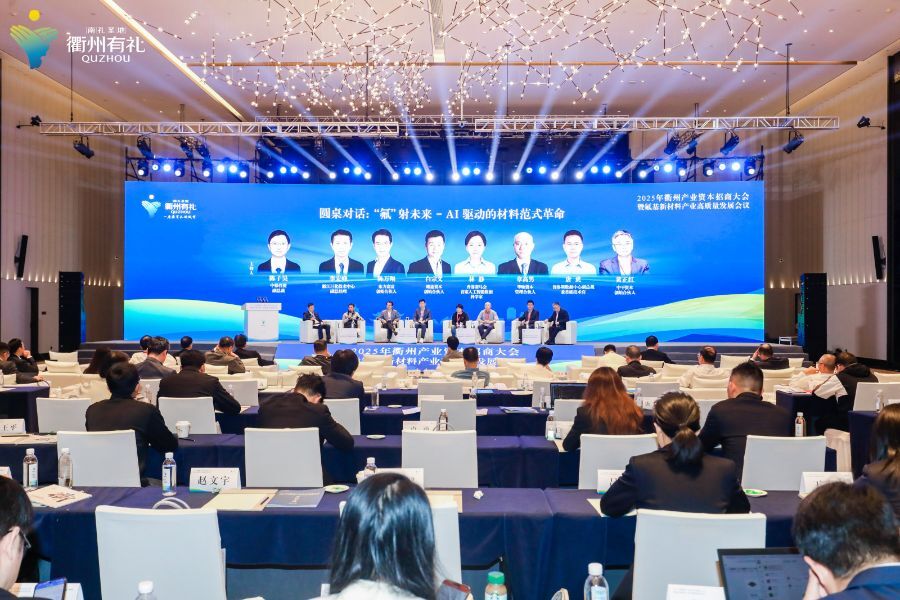
第九届材料基因工程国际论坛将于11月19-23日在陕西西安召开
Sou Hu Cai Jing· 2025-11-04 14:15
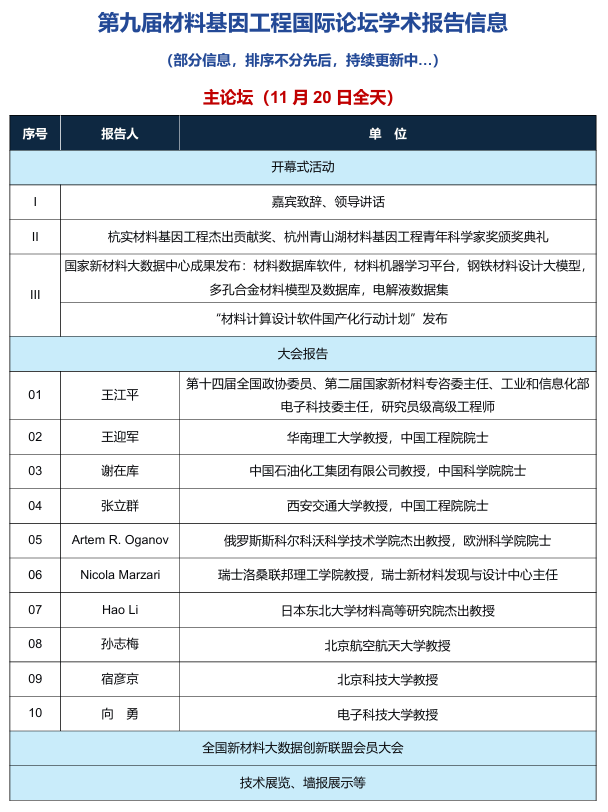
Core Points - The 9th International Forum on Materials Gene Engineering will be held from November 19-23, 2025, in Xi'an, Shaanxi Province, China, aiming to promote the development of foundational theories, cutting-edge technologies, and key equipment in the field of materials gene engineering [1][2]. Group 1: Forum Overview - The forum has successfully held 8 sessions since 2017, attracting over 310 academicians and more than 8,000 domestic representatives, significantly impacting the development and application of disruptive technologies in materials science [1]. - The event is co-hosted by the National New Materials Big Data Innovation Alliance and the Chinese Materials Research Society, with several universities and research institutes as co-organizers [2]. Group 2: Themes and Topics - Key themes include efficient material computation and intelligent design, transformative experimental technologies, AI applications in materials science, big data in materials, and the intelligent development and application of the materials industry [2][12][15][18][20]. Group 3: Event Schedule - Important dates include online registration and poster submission by November 9, 2025, on-site registration on November 19, and various sessions and meetings scheduled from November 20 to 23 [2][5]. Group 4: Organizational Structure - The organizing committee includes prominent figures from various institutions, with a focus on advancing materials science through collaboration and innovation [3][4]. Group 5: Registration Information - Registration fees are set at RMB 2,800 (approximately USD 400) for formal representatives and RMB 1,800 (approximately USD 260) for student representatives, with accommodation and meals arranged during the forum [5]. Group 6: Academic Reports - The forum will feature a range of academic reports from distinguished speakers, including members of the Chinese Academy of Engineering and international experts, covering various aspects of materials science and engineering [8][9][10]. Group 7: Supporting Institutions - Numerous supporting institutions, including universities and research centers, are involved in the forum, highlighting the collaborative effort in advancing materials gene engineering [3][4]. Group 8: Future Directions - The forum aims to accelerate the integration of artificial intelligence in materials research and development, fostering innovation and collaboration across the industry [1][2][20].
晶瑞电材入股AI驱动材料研发商新研智材
Zheng Quan Shi Bao Wang· 2025-11-03 04:57
Group 1 - Shenzhen Xinyan Zhichai Technology Co., Ltd. has undergone a business change, with new shareholders including Jingrui Electric Materials (300655) [1] - The registered capital of Xinyan Zhichai has increased to 1.1666 million yuan [1] - Xinyan Zhichai is identified as an innovative company focused on AI-driven material research and development [1]

俄高校研发出旧轮胎无废料再利用工艺
Xin Hua She· 2025-10-17 02:11
Core Insights - A Russian technical university has developed a waste-free recycling process for used car tires and has applied for a patent for this technology [1] - The new method allows for 100% conversion of old tires into raw materials for resin production, addressing the issue of waste generated in traditional tire recycling methods [1] Group 1: Technology and Process - Traditional tire recycling methods typically involve shredding tires into rubber granules, which generates waste in the form of tire cord fabric [1] - The new process treats rubber and polyester simultaneously in the same reaction unit, utilizing carbon black released during the process as a stabilizer to prevent premature curing of the resin [1] - The mechanical properties of the materials produced through this new process are significantly enhanced [1] Group 2: Applications and Market Potential - The resin produced from this process exhibits high strength and hardness after curing, making it suitable for the production of composite materials and construction materials [1] - The university claims that this innovation has broad application prospects in various industries [1]
2025年《麻省理工科技评论》“35岁以下科技创新35人”发布!
机器人圈· 2025-09-12 10:05
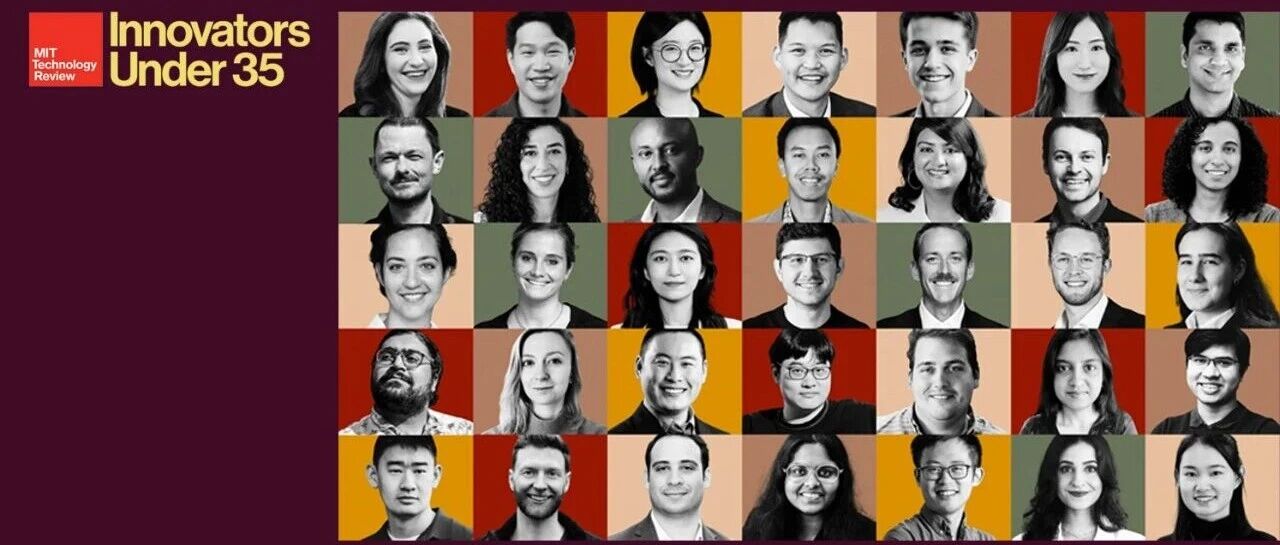
Core Viewpoint - The article highlights the achievements of 35 innovators under the age of 35 in various fields such as climate and energy, artificial intelligence, biotechnology, computing, and materials science, showcasing their groundbreaking contributions and potential impact on their respective industries [6][11][60]. Climate and Energy - Innovators in this sector are developing advanced technologies for decarbonization, with applications across shipping, fashion, and other industries. They are also exploring new methods for sustainable energy and innovative uses for carbon capture [11]. - Iwnetim Abate is working on producing ammonia using underground heat and pressure, aiming to reduce carbon emissions associated with traditional ammonia production, which contributes 1% to 2% of global CO2 emissions [13]. - Sarah Lamaison's company, Dioxycle, is developing a method to produce chemicals using electricity instead of fossil fuels, significantly reducing greenhouse gas emissions [16][17]. - Gaël Gobaille-Shaw's Mission Zero focuses on direct air capture technology to extract CO2 from the atmosphere, while his second company, Supercritical, aims to produce hydrogen efficiently [19][20]. Artificial Intelligence - Aditya Grover has developed ClimaX, an AI model that predicts weather and climate events, utilizing extensive datasets for improved accuracy [22][23]. - Neel Nanda is researching the interpretability of AI models to ensure their safe and beneficial development, focusing on understanding the decision-making processes of these models [34][35]. - Mark Chen has led advancements in AI models for image processing and code generation, contributing to the development of OpenAI's DALL·E and Codex [38][39]. - Akari Asai is working on retrieval-augmented generation technology to reduce AI hallucinations by allowing models to reference stored data before generating responses [51][52]. Biotechnology - Christian Kramme's company, Gameto, is developing artificial ovarian technology to assist IVF patients, aiming to reduce hormonal injections and stress during the process [62][63]. - Kevin Eisenfrats founded Contraline to create a long-lasting male contraceptive gel, with ongoing clinical trials to validate its effectiveness [64][65]. Computing and Materials Science - Pierre Forin's company, Calcarea, is developing a system to capture and store CO2 emissions from ships, with plans for commercial deployment by 2027 or 2028 [28][29]. - Neeka Mashouf's Rubi Laboratories is innovating a method to produce textiles by extracting CO2 directly from the atmosphere, aiming for sustainable fashion solutions [25][26].
新研智材完成千万级种子轮融资,材料研发在AI技术加持下发生范式变革
Sou Hu Cai Jing· 2025-09-10 11:57
Core Insights - Shenzhen Xinyan Smart Materials Technology Co., Ltd. has completed a seed round financing of tens of millions, led by semiconductor materials leader Jingrui Electric Materials and cornerstone investor Pujiang Capital [1][4] - The company focuses on integrating materials informatics with artificial intelligence, aiming to apply AI for Science technology in semiconductor core materials and new energy-related materials [3][4] - The proprietary "SynMatAI" system significantly reduces material performance prediction time to under 10 minutes with an accuracy rate exceeding 95%, while lowering R&D costs by over 70% [3][4] Company Overview - Xinyan Smart Materials is positioned as a technological pioneer in the fusion of materials informatics and AI, with a core team comprising members from leading institutions such as Huawei, ByteDance, and AIST Japan, boasting an 80% ratio of master's and doctoral degrees [3][4] - The company has successfully launched its intelligent R&D platform's V1 version and has been recognized as a "leading talent" in Yuhang District, indicating strong growth momentum [3][4] Investment and Strategic Partnerships - Jingrui Electric Materials will collaborate with Xinyan Smart Materials to develop joint solutions for photoresist formula optimization and advanced packaging materials [3][4] - Pujiang Capital aims to provide comprehensive post-investment support to help the company overcome technical bottlenecks and market barriers, enhancing its competitiveness and influence in the tech sector [4] Industry Context - The financing coincides with the release of the State Council's opinion on implementing "Artificial Intelligence +" actions, which emphasizes the acceleration of scientific discovery and innovation in technology development, particularly in new materials and semiconductors [4] - The AI-driven R&D model of Xinyan Smart Materials aligns well with policy directions, serving as a practical response to the challenges in high-end materials intelligent R&D [4] Future Goals - The company aims to compress the new material development cycle to one-third of the traditional model through AI-assisted design for semiconductor materials [5] - Xinyan Smart Materials is developing a "SaaS subscription + private customization" business model to efficiently meet the needs of both small laboratories and large enterprises, aligning its technological path with the intelligent upgrade of the materials industry [5]
推理速度快50倍,MIT团队提出FASTSOLV模型,实现任意温度下的小分子溶解度预测
3 6 Ke· 2025-08-26 07:23
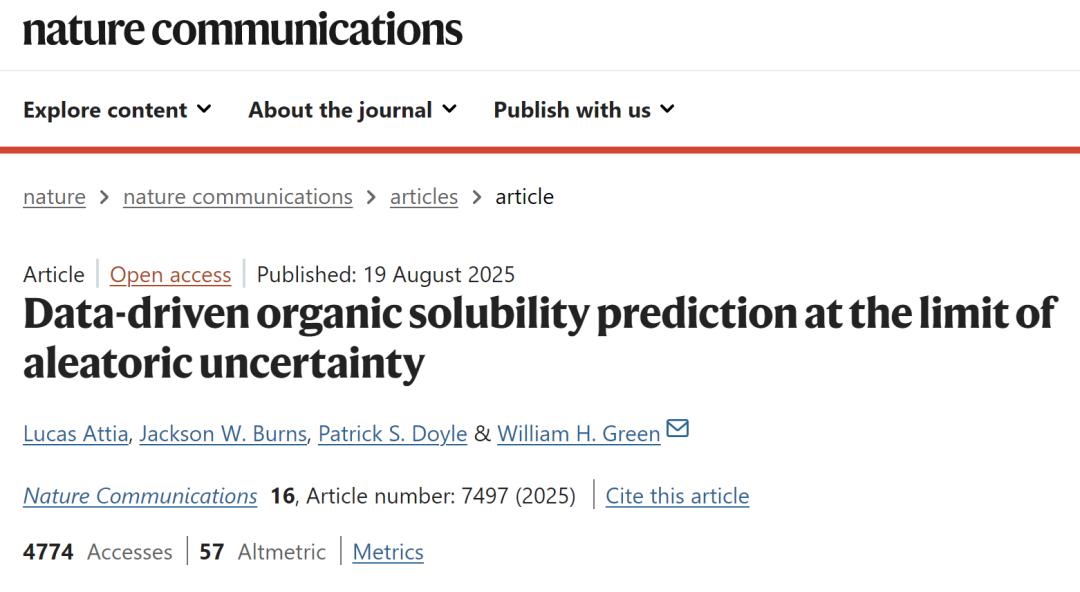
Core Insights - The research team from MIT has developed an improved model for predicting organic solubility using a new organic solubility database, BigSolDB, which enhances the accuracy and speed of solubility predictions [1][2][22] - The new model, named FASTSOLV, shows a reduction in RMSE by 2-3 times compared to existing state-of-the-art (SOTA) models and achieves a speed increase of up to 50 times [2][14][22] Group 1: Model Development and Performance - The FASTSOLV model integrates solute and solvent molecular structures along with temperature parameters to directly regress logS, improving upon traditional methods that are time-consuming and less accurate [2][11] - In strict solute extrapolation scenarios, the optimized model's RMSE is significantly lower than that of the Vermeire model, demonstrating superior performance [14][22] - The model's training and evaluation were conducted using a rigorous system that ensures independence and reliability, avoiding data overlap issues [6][9][13] Group 2: Data Utilization and Methodology - BigSolDB serves as the core data source, systematically collecting solubility data across various solvents and temperatures, which is crucial for training generalizable predictive models [6][11] - The research emphasizes the importance of a well-structured training and evaluation system to achieve reliable extrapolation without prior conditions [6][9] - The study highlights the need for high-quality organic solvent datasets to further enhance model performance, indicating that simply increasing training data may not overcome performance limits [22][25] Group 3: Industry Implications and Applications - The advancements in solubility prediction technology are seen as key solutions to industry challenges such as long experimental times and high R&D costs [24][25] - Companies in the pharmaceutical sector are particularly interested in high-throughput, low-cost solubility assessment technologies, which can significantly improve efficiency in drug development processes [25] - The integration of academic research models into industrial applications is evident, with companies leveraging data-driven models to optimize production processes and enhance product quality [25][26]
畅通经济循环 凝聚创新合力——看中国经济之“融”
Ren Min Ri Bao· 2025-08-17 01:05
Group 1: Industry Integration - The emphasis on deep integration of technological innovation and industrial innovation is highlighted, showcasing the importance of aligning technological advancements with industry needs to achieve value enhancement from "technological breakthroughs" to "industrial value addition" [2][3] - The success of Suzhou Green's harmonic drive technology, which has broken foreign monopolies, exemplifies the vitality of the integration between the innovation chain and the industrial chain, contributing to high-quality development [2] - The development of high-temperature alloy materials by China Steel Research, utilizing AI to significantly reduce R&D time, demonstrates the potential of innovative approaches in enhancing industrial capabilities [3] Group 2: Market Integration - The push for a unified national market aims to optimize market competition and eliminate barriers to resource flow, enhancing the resilience and vitality of the Chinese economy [7][8] - The establishment of a national unified market construction guideline aims to create a fair competitive environment by regulating local government behaviors and preventing excessive competition [11] - The improvement of logistics and transportation infrastructure, such as the reduction of transportation costs by 30% and time efficiency by 35%, facilitates smoother market connections across regions [9][10] Group 3: Internal and External Trade Integration - The integration of internal and external trade is crucial for constructing a new development pattern and promoting high-quality growth, as demonstrated by the expansion of Spring Snow Food Group's market share both domestically and internationally [12][13] - The establishment of Hainan Free Trade Port is set to enhance the connection between domestic and international markets, attracting global resources and facilitating trade [14] - Continuous efforts to improve the investment environment and streamline foreign investment processes are aimed at stabilizing and enhancing the quality of foreign investment in China [16]


北京大学发表最新Nature论文
生物世界· 2025-08-16 10:44
Core Viewpoint - The research introduces the first n-type thermoelectric elastomers (TEE), which combine elasticity, stretchability, and thermoelectric conversion capabilities, potentially enhancing the performance of wearable devices' thermoelectric generators (TEG) in terms of skin conformity and energy conversion efficiency [3][5][7]. Group 1: Research Development - The study integrates uniform bulk-phase nanophase separation, thermally activated crosslinking, and targeted doping techniques into a single material system to create n-type thermoelectric elastomers [5]. - The developed TEE exhibits excellent rubber-like resilience under 150% strain, with a thermoelectric figure of merit (ZT value) comparable to flexible inorganic materials even under mechanical deformation [5][7]. Group 2: Application Potential - The research team successfully manufactured the first elastic thermoelectric generator (TEG) and demonstrated its application in harvesting human body heat, showcasing its potential to power wearable electronic devices and biosensors [5][7]. Group 3: Performance Optimization - Contrary to traditional views that insulating polymers dilute the active components in organic thermoelectric materials, the study found that carefully selecting elastic matrices and dopants can create a uniformly distributed, elastic encapsulated structure with highly n-type doped semiconductor polymer nanofiber networks, leading to synergistic optimization of electrical conductivity and thermal conductivity [7].