母婴

Search documents
不同集团获纳入恒生综合指数:有望跻身港股通标的,高端母婴标的颇具稀缺性
IPO早知道· 2026-02-14 05:24
Group 1 - The core viewpoint of the article is that Different Group is expected to be included in the Hang Seng Composite Index, which will enhance its market liquidity and valuation, providing new growth opportunities through the Stock Connect program [2][3]. - Different Group has strategically focused on the high-end maternal and infant brand segment, quickly rising to prominence since launching its brand BeBeBus in 2019, and is now a leader in this niche market [4]. - The inclusion of Different Group in the Stock Connect is anticipated to enrich the asset allocation options for mainland investors and allow the company to leverage southbound capital for financing and increased market attention [4]. Group 2 - Different Group meets a series of criteria, including market capitalization, liquidity, and listing duration, making it a candidate for inclusion in the Stock Connect [3]. - The high-end positioning of Different Group's products fills a gap in the current Stock Connect consumer sector, where high-end maternal and infant brands are scarce [4]. - Recently,招商证券 initiated coverage on Different Group with an "overweight" rating, indicating confidence in its growth potential through high-end brand positioning and multi-channel strategies [4].

“高端母婴消费科技第一股”不同集团获纳入香港恒生综合指数
Ge Long Hui· 2026-02-14 03:31
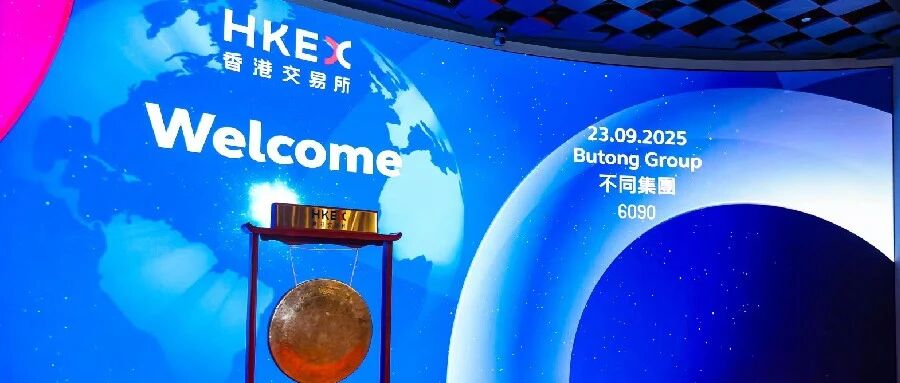
Group 1 - The Hang Seng Index Company announced the results of its quarterly review, with changes effective from March 9, 2026, increasing the number of constituents in the Hang Seng Composite Index from 507 to 532 [1] - Inclusion in the Hang Seng Composite Index is a significant condition for becoming a Hong Kong Stock Connect (allowing mainland investors to invest directly) target, potentially attracting more mainland capital in the future [1] Group 2 - Different Group, a Chinese company focused on designing and selling parenting products, has established a strong market position in the high-end parenting product sector in China since its brand BeBeBus was founded in 2019 [1] - According to Frost & Sullivan, BeBeBus ranks second among Chinese parenting product brands in terms of GMV, holding a market share of 4.2% in the high-end parenting product market in China for 2024 [1]
不同集团获纳入恒生综合指数 有望跻身港股通标的
Zhi Tong Cai Jing· 2026-02-14 00:37
Group 1 - The Hang Seng Index Company announced the quarterly review results for the Hang Seng Index series, with Different Group (06090) being included in the Hang Seng Composite Index, effective March 9, 2026 [1] - The adjustment of the Hong Kong Stock Connect investment targets is expected to enhance market liquidity and valuation for the related stocks, providing mainland investors with new quality investment opportunities [1] - The market capitalization threshold for inclusion in the Hang Seng Composite Index is approximately HKD 9.3 billion, and Different Group meets various criteria such as market capitalization, liquidity, and listing time [1] Group 2 - Different Group's industry value aligns well with the demand for the Hong Kong Stock Connect sector, as high-end maternal and infant brands are scarce in the current market [2] - Recent coverage by China Merchants Securities has given Different Group an "Overweight" rating, highlighting its growth potential through high-end brand positioning and multi-channel strategies [2] - Successful inclusion in the Hong Kong Stock Connect would not only enrich asset allocation options for mainland investors but also enhance Different Group's financing channels and market visibility, leading to a win-win situation for both the company and investors [2]
不同集团(06090)获纳入恒生综合指数 有望跻身港股通标的
智通财经网· 2026-02-13 12:57
Group 1 - The Hang Seng Index Company announced the inclusion of Different Group (06090) in the Hang Seng Composite Index, effective from March 9, 2026, following the quarterly review on December 31, 2025 [1] - The adjustment of the Hong Kong Stock Connect investment targets is expected to enhance market liquidity and valuation for the included stocks, providing mainland investors with new quality investment opportunities [1][2] - Different Group has strategically focused on the high-end maternal and infant brand segment, rapidly rising since the launch of its brand BeBeBus in 2019, and has become a leader in this niche market [1] Group 2 - The industry value of Different Group aligns well with the demand for high-end maternal and infant products in the Hong Kong Stock Connect sector, where such offerings are currently scarce [2] - Recent coverage by China Merchants Securities has given Different Group an "Overweight" rating, indicating confidence in its growth potential through high-end brand positioning and multi-channel strategies [2] - Successful inclusion in the Hong Kong Stock Connect could enhance Different Group's financing channels and market visibility, benefiting both the company and investors [2]
孩子王旗下乐友门店私收跑路引警示,济南母婴市场现状几何?
Qi Lu Wan Bao· 2026-02-12 10:47
Core Viewpoint - The incident involving the Leyou store under Kid Wang in Chengdu highlights significant regulatory gaps in the maternal and infant consumption sector, particularly concerning bulk purchases, milk powder storage, and prepayment processes, leading to widespread consumer dissatisfaction and industry scrutiny [1][4]. Group 1: Incident Overview - The Leyou store was reported to have collected over 2 million yuan from hundreds of consumers without delivering products or issuing refunds [1]. - The incident has raised concerns about the management of prepayment and storage practices in the maternal and infant product market [1][4]. Group 2: Company Response - Kid Wang's customer service stated that the Leyou store in Jinan has been shut down, and the company has reported the incident to the police, promising to complete refund registrations within five working days [3][4]. - The company emphasized that personal collection of payments is strictly prohibited and that they were unaware of the store manager's actions [3]. Group 3: Consumer Reactions - Many consumers expressed dissatisfaction with the proposed refund solutions, which included deductions for promotional gifts and additional charges for product delivery, raising questions about the fairness of these terms [4]. - There are concerns regarding the long-term use of personal QR codes for payments by store managers, indicating a significant oversight in Kid Wang's prepayment fund management [4]. Group 4: Industry Response - Local brands like Yingbeier have taken proactive measures to address industry vulnerabilities by implementing strict payment guidelines and rewarding reports of violations [5]. - Some community stores have varied attitudes towards prepayment and storage services, with recommendations for consumers to minimize risks by purchasing smaller quantities initially [8][9]. Group 5: Future Implications - The incident serves as a warning for the entire maternal and infant consumption market, emphasizing the need for improved regulatory measures in prepayment and storage practices [11]. - The industry must enhance self-regulation and establish robust systems to protect consumer funds, ensuring that every transaction is secure and trustworthy [11].

这份新锐品牌榜背后,藏着从创牌到“长红”逻辑
Sou Hu Cai Jing· 2026-02-11 08:43
Core Insights - The fast-moving consumer goods (FMCG) industry is shifting focus from GMV (Gross Merchandise Value) growth to brand recognition, customer loyalty, and repurchase rates as key indicators of brand strength [1][2] - The CBI index and the "New FMCG Brand List" released by Peking University's National Development Research Institute emphasize the importance of consumer needs and brand value beyond just GMV [1][2] Group 1: Brand Evaluation Metrics - The "New FMCG Brand List" ranks brands based on a scoring system that includes newness (29%), awareness (24%), reputation (24%), and loyalty (23%) [2] - The evaluation considers 12 indicators such as transaction performance, new product capabilities, and the scale of high-value consumer groups [2][3] Group 2: Top Brands and Their Strategies - The top brands in the "New FMCG Brand List" include Huazhi Xiao, HBN, and Zhiben, which excel in areas like high-value consumer engagement and repeat purchase amounts [3][4] - Huazhi Xiao stands out for its unique brand identity and continuous product innovation, having launched over 120 SKUs in 2025 alone [7][9] Group 3: Market Trends and Consumer Behavior - The report highlights a trend where brands focusing on niche markets and consumer emotional needs are gaining traction, with brands like Off&Relax and HBN leading in the hair care segment [9][10] - The market for functional hair care products is growing rapidly, with a projected market size of 899.95 billion yuan in 2024, reflecting a 59.32% year-on-year increase [10][15] Group 4: Emerging Opportunities - The report identifies high-potential categories such as hair cleansing, facial care sets, and baby skincare, indicating areas for future growth [14][15] - A notable metric is the "search transaction growth gap," which highlights categories with high consumer interest but low conversion rates, suggesting unmet demand in the market [17]

2025年度消费新潜力白皮书!6大赛道洞察消费市场新趋势!
Sou Hu Cai Jing· 2026-02-11 08:08
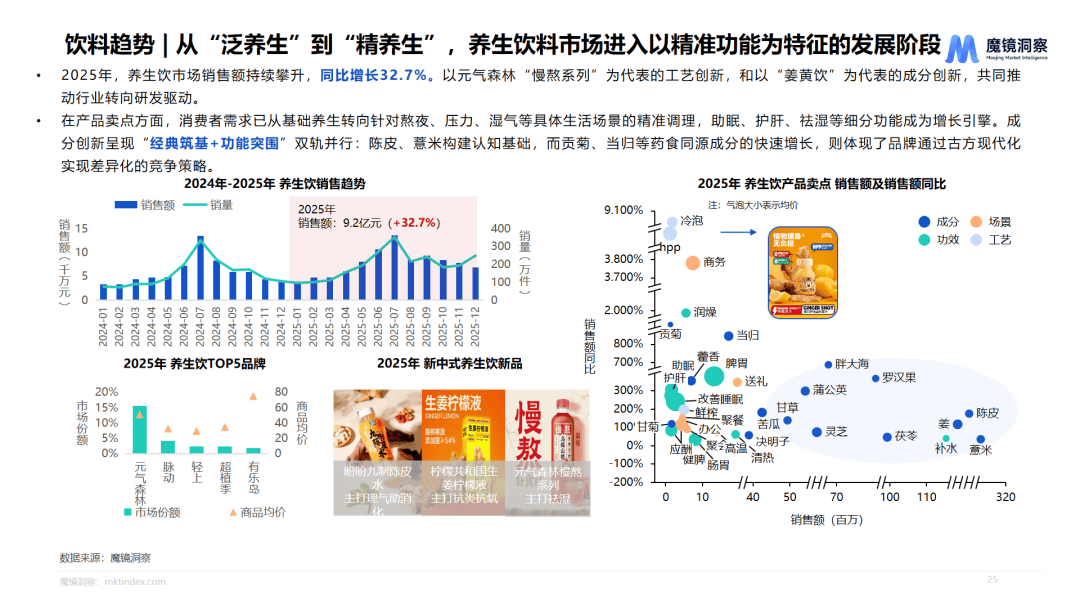
Core Insights - The Chinese consumer market in 2025 is characterized by "structural growth," with a shift from basic needs to precise health demands and personalized expressions [1][2] - Key trends include health, functionality, personalization, and intelligence, with consumers moving from "passive selection" to "active definition" of their needs [1] Group 1: Food and Beverage Sector - The food and beverage industry in China reached a market size of 593.67 billion yuan in 2025, with a sales growth of 7.8% and a volume increase of 6.3% [3] - Health-driven consumption is reshaping the industry, with premium products like fresh cakes and plant-based drinks gaining popularity [3] - The beverage market is transitioning from basic sugar reduction to targeted functionality and natural ingredients [3][6] Group 2: Health Sector - The health market achieved a sales figure of 304.38 billion yuan in 2025, growing by 15.8% year-on-year [10] - The largest segment, health supplements, saw sales of 124.48 billion yuan, with a growth rate of 19.9% [10] - The demand for products enhancing immunity is leading the market, with significant growth in categories addressing anemia and sleep management [10][14][17] Group 3: Home Appliances - The home appliance market reached a sales figure of 766.35 billion yuan in 2025, with an 18.1% year-on-year growth [20] - Major appliances dominate the market, while kitchen and lifestyle appliances show strong growth, with central air conditioning leading at a 52.1% increase [20] - The smart lock market is experiencing rapid growth, driven by consumer demand for safety features [25] Group 4: Beauty and Skincare - The beauty and skincare market reached 454.18 billion yuan in 2025, with a 9.7% increase in sales [29] - Anti-aging products are in high demand, with sales of 129.83 billion yuan, reflecting a growing focus on skincare across all age groups [29] - The beauty market is shifting towards health-oriented and high-quality products, moving away from basic offerings [32] Group 5: 3C Digital Products - The 3C digital market surpassed 1.1 trillion yuan in sales, with an 18.5% increase year-on-year [36] - The mobile power market is rapidly evolving, with certified products seeing explosive growth due to regulatory changes [36] - AI toys are experiencing significant market growth, with sales reaching 740 million yuan, reflecting a shift in consumer preferences [39] Group 6: Maternal and Infant Products - The maternal and infant market grew to 223.78 billion yuan in 2025, with a 12.6% increase [45] - The infant formula market is the largest segment, achieving sales of 50.93 billion yuan, with a growth rate of 18.1% [46] - There is a notable increase in demand for maternal nutrition products, particularly among pregnant women [46][49][52] Conclusion - The growth opportunities in 2025 are clear, focusing on the evolution of traditional demands and the deepening of consumer experiences [53] - Brands must transition from merely providing products to creating meaningful experiences that resonate with consumers' lifestyles [53][56]
穿越缩量竞争周期:贝因美凭差异化产品矩阵与效率优化获市场认可
Jin Tou Wang· 2026-02-11 01:27
Core Insights - iiMedia Research released the "Top 500 Chinese Consumer Brands" list for 2025, with Beingmate (002570) ranking 223rd, highlighting its market influence and consumer recognition in the mother and baby products sector [1] - Beingmate's strategy of "full category + high efficiency" has demonstrated resilience in a shrinking competitive landscape, serving as a model for domestic brands transitioning from scale to value [1] Business Strategy - Beingmate's growth is driven by a dual approach of deepening core categories and expanding into new markets, maintaining a top-four market share in domestic milk powder through differentiated product lines [2] - The company reported a 111.09% year-on-year increase in revenue from rice cereal, with over 50% of its product revenue coming from diapers, and new products like medical-grade wipes achieving significant sales on platforms like Douyin and Pinduoduo [2] - Beingmate's "only earn 5%" profit strategy addresses long-standing pricing issues in the industry, optimizing supply chains and enhancing channel efficiency to control costs while passing savings to consumers [2] Market Trends - The shift in domestic consumption from "emotion-driven" to "quality-driven" is exemplified by Beingmate's inclusion in the list, emphasizing the need for domestic brands to compete based on strength [3] - With plans to further develop specialized medical foods and adult nutrition, Beingmate aims to enhance its full-category matrix, contributing to the high-quality development of the mother and baby industry and the broader domestic market [3]

英氏控股北交所IPO过会:实控人亲属大秀身手成赢家
Xin Lang Cai Jing· 2026-02-05 12:18
Core Viewpoint - The IPO of Ying's Holdings Group Co., Ltd., primarily focused on infant complementary food, was successfully approved by the Beijing Stock Exchange on December 22, 2025, with a product matrix that also includes infant hygiene products, children's food, and nutritional products [2][12]. Group 1: Business Operations - Ying's Holdings has seen a year-on-year increase in transaction scale with key partners, covering both sales and procurement, with procurement service fees rising over time [2][12]. - The company has established a strong partnership with Kid's King, which has consistently been its second-largest customer during the reporting period, with sales figures of 60.41 million, 81.29 million, 79.10 million, and 39.53 million yuan, representing 71.17%, 94.69%, 95.30%, and 91.00% of offline direct sales respectively [4][14]. - The average selling price of infant complementary food has shown an upward trend, attributed to increased promotional efforts and reduced sales discounts [4][14]. Group 2: Financial Performance - The procurement service amounts from Ying's Holdings to Kid's King and its affiliates have increased from 8.53 million to 11.86 million yuan from 2021 to the first half of 2025, with the procurement service fee rate rising from 17.07% to 27.53% [5][15]. - Four investment firms, including Nanjing Xingna Yi, have exited their investments in Ying's Holdings, collectively realizing over 37 million yuan in gains [6][15]. Group 3: Shareholder Dynamics - The actual controller's relative, Lin Shaobo, was a former hidden shareholder and has connections to significant offline distributors, with Ying's Holdings reporting sales to these distributors of 10.97 million, 15.32 million, 13.72 million, and 6.08 million yuan during the reporting period [7][16]. - Lin Shaobo's associated companies have been involved in the distribution of infant food products, although the sales margins were lower than the average for offline distribution channels [17]. Group 4: Internal Control Issues - Ying's Holdings has faced internal control issues related to non-legal distributors, with significant amounts of orders placed via phone and WeChat, totaling 0.51 million, 0.91 million, 0.79 million, and 0.45 million yuan during the reporting period [9][18]. - The company reported unbilled income of 187.79 million yuan in 2022, accounting for 49.50% of the revenue from the distribution channel, which has since been resolved starting in 2023 [9][18].
800万新生儿时代的母婴行业生死局
3 6 Ke· 2026-02-05 11:32
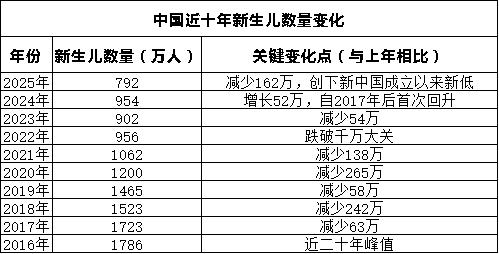
Core Insights - The Chinese maternal and infant industry is undergoing significant changes, marked by a historical low in newborn population and rising prices for infant formula products [1][2] - Major players like Feihe are facing declining revenues and profits, while companies like Kidswant are expanding through acquisitions and showing strong performance [1][4] Industry Overview - The newborn population in China has decreased from a peak of 18.67 million in 2016 to 7.92 million in 2025, marking a significant demographic shift [2][3] - The decline in birth rates has led to increased pressure on leading maternal and infant companies, with Kidswant reporting a revenue increase of 8.10% year-on-year in the first three quarters of 2025 [4][10] Company Performance - Kidswant's revenue for the first half of 2025 was 4.91 billion yuan, with a net profit of 209 million yuan, reflecting a strong performance despite challenges [4][10] - Feihe's revenue has fluctuated, with a reported decline of 9.36% in the first half of 2025, following a trend of revenue and profit decreases since 2022 [1][4] Market Trends - The maternal and infant market is shifting towards online sales, with offline sales decreasing from 69.4% in 2022 to 59.7% in 2024, indicating a change in consumer purchasing habits [5] - The average price of maternal and infant products is rising, with a reported increase of 8.1% in January 2025, as consumers show a preference for higher-quality products [12] Strategic Moves - Kidswant is expanding its business through acquisitions, including a 16 billion yuan purchase of LeYou International and a 16.5 billion yuan acquisition of SiYu Industrial, diversifying its offerings beyond traditional maternal and infant products [11] - Feihe is targeting the adult nutrition market, launching its first AI-powered nutritional product aimed at older adults, reflecting a strategic shift in response to demographic changes [11] Consumer Insights - There is a growing acceptance of higher-priced infant formula among consumers, with over 60% preferring mid to high-end products priced above 200 yuan per can [12] - Different consumer segments in various city tiers have distinct purchasing priorities, with urban consumers focusing on product safety and shopping experience [12] Conclusion - The maternal and infant industry in China is transitioning from a focus on new user acquisition to deepening customer engagement and maximizing lifetime value, necessitating product innovation and brand strengthening [18]