
营养食品制造

Search documents
10月PPI降幅比9月收窄0.2个百分点,连续第3个月收窄
Bei Ke Cai Jing· 2025-11-09 03:52
Core Insights - In October, the Producer Price Index (PPI) increased by 0.1% month-on-month, marking the first rise of the year, while the year-on-year decline narrowed to 2.1%, a reduction of 0.2 percentage points from September, continuing a trend of narrowing for three consecutive months [1][2] Group 1: PPI Trends - The narrowing of the PPI decline is attributed to ongoing capacity management in key industries, leading to reduced year-on-year price declines in related sectors [2] - The coal mining and washing industry saw a year-on-year price decline narrowing by 1.2 percentage points due to increased winter stockpiling and electricity demand [2] - The manufacturing sectors, including photovoltaic equipment, battery manufacturing, and automotive manufacturing, experienced year-on-year price declines narrowing by 1.4, 1.3, and 0.7 percentage points respectively [2] Group 2: Price Increases in Specific Industries - The construction of a modern industrial system and the orderly release of consumption potential have driven price increases in several industries [2] - Prices in the non-ferrous metal smelting and rolling processing industry rose by 6.8%, while electronic special materials manufacturing prices increased by 2.3% [2] - Other notable price increases include microwave communication equipment (1.8%), shipbuilding and related equipment (0.9%), and comprehensive utilization of waste resources (0.7%) [2] - Consumer-driven policies have led to significant price increases in specific sectors, such as arts and crafts (18.4%), sports balls (3.3%), nutritional foods (2.1%), and beverages (0.4%) [2]
宏观政策发力叠加产能治理显效,PPI同比降幅连续三个月收窄
Sou Hu Cai Jing· 2025-11-09 02:51
Group 1 - The core point of the article is that the Producer Price Index (PPI) in October decreased by 2.1% year-on-year, but the decline has narrowed compared to the previous month, with a month-on-month increase of 0.1%, marking the first increase this year [1][2] - The narrowing of the year-on-year decline in PPI is attributed to ongoing capacity management in key industries, leading to reduced price declines in related sectors [1] - The increase in prices in certain industries is driven by the accelerated construction of a modern industrial system and the orderly release of consumption potential, with notable price increases in sectors such as non-ferrous metal smelting and processing, which rose by 6.8% year-on-year [2] Group 2 - The article discusses the impact of external factors on PPI, including the effects of tariffs and intensified competition in certain industries, which have contributed to a wider year-on-year decline in PPI earlier in the year [4] - Analysts suggest that while the "anti-involution" policy is expected to improve market competition and support PPI recovery, there are still downward pressures on PPI due to weak consumer confidence and a struggling real estate market [4][5] - The report highlights that M1 money supply growth is a supportive factor for PPI improvement, but challenges remain due to weak investment and consumption willingness among businesses and households [5]

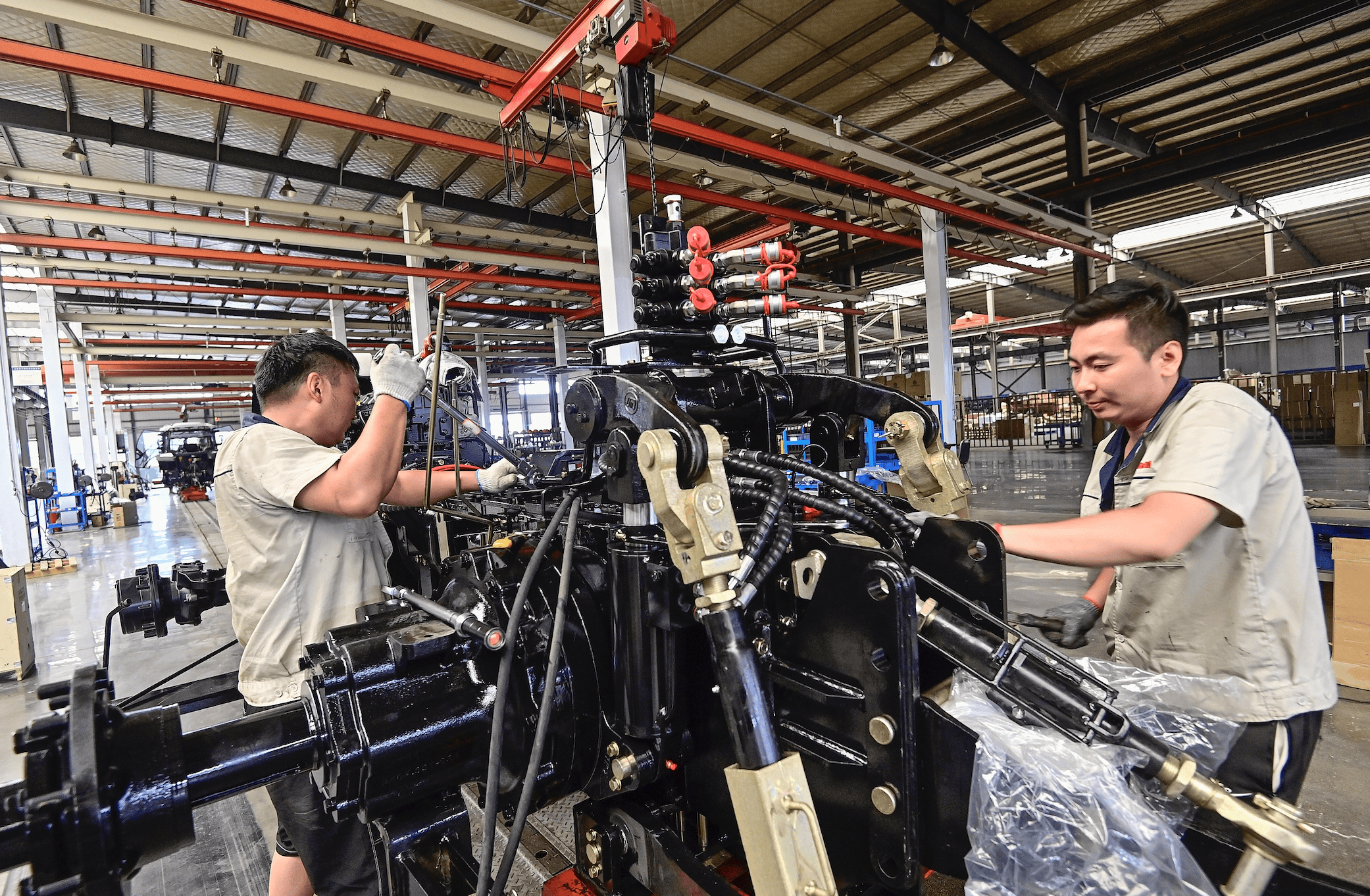
促消费政策显效 企业贷款保持增势 电商物流指数走高 多项数据释放需求端积极信号
Zhong Guo Zheng Quan Bao· 2025-10-21 22:26
Group 1: Economic Indicators - The core Consumer Price Index (CPI) has increased for the fifth consecutive month, with a year-on-year rise of 1% in September, marking the first time in 19 months that the increase has returned to 1% [2] - The narrow gap between narrow money (M1) and broad money (M2) has shrunk to 1.2 percentage points, the lowest this year, indicating improved business activity and personal investment demand [3] - The logistics industry has maintained a positive outlook, with the logistics industry prosperity index at 51.2% in September, reflecting a continuous demand for logistics services [4] Group 2: Consumer Demand and Spending - The rise in core CPI suggests accelerated consumer demand, particularly in quality and upgraded consumption, with notable price increases in sectors such as arts and crafts (14.7%), sports equipment (4%), and nutritional foods (1.8%) [2] - E-commerce logistics have shown strong demand, with the e-commerce logistics index reaching a new high of 112.7 points in September, driven by seasonal consumption and holiday factors [5][6] - The overall consumer market remains stable, with policies aimed at expanding domestic demand and promoting consumption showing positive effects [2] Group 3: Financial Sector and Lending - Corporate loans have shown a positive growth trend, particularly in key sectors like equipment manufacturing and high-tech manufacturing, with a year-on-year increase of 8.2% in medium to long-term loans for the manufacturing sector [3] - Personal credit demand has rebounded, supported by lower interest costs and adjustments in housing purchase policies in major cities, leading to a 7% year-on-year increase in housing transaction volume in September [3] - Financial mechanisms are expected to play a crucial role in stimulating effective demand in the real economy through interest rate adjustments and coordinated market rates [3]
核心CPI连续第5个月同比扩大
Chang Jiang Shang Bao· 2025-10-16 03:21
Group 1 - The core viewpoint of the articles indicates that the Consumer Price Index (CPI) showed a slight increase in September, while the Producer Price Index (PPI) continued to decline, reflecting mixed trends in the economy [1][2][3] - In September, the CPI increased by 0.1% month-on-month, while the year-on-year CPI decreased by 0.3%, with the decline narrowing by 0.1 percentage points compared to the previous month [1] - The core CPI, excluding food and energy prices, rose by 1.0% year-on-year, marking the fifth consecutive month of growth and the first time in nearly 19 months that the growth rate returned to 1% [1][2] Group 2 - The decline in the CPI was primarily influenced by a drop in food prices, which fell by 4.4%, contributing significantly to the year-on-year decrease [1] - The PPI remained flat month-on-month for two consecutive months, with a year-on-year decline of 2.3%, but the rate of decline narrowed by 0.6 percentage points compared to the previous month [2][3] - Positive changes in various industries, such as coal processing and metal smelting, have led to a reduction in the downward pressure on the PPI, with specific industries showing improved price stability [3]
核心CPI重回1% 9月物价数据透出哪些信号?
Xin Hua Wang· 2025-10-16 00:38
Group 1 - The consumer price index (CPI) in September showed a slight month-on-month increase of 0.1%, with the core CPI rising by 1% year-on-year, marking the first return to a 1% increase in 19 months [1] - Food prices contributed to the CPI increase, with a 0.7% rise in food prices month-on-month, particularly in seasonal items like fresh vegetables, eggs, and meats [1] - The year-on-year CPI decline of 0.3% was primarily due to base effects, with the tail effect contributing approximately -0.8 percentage points [2] Group 2 - The producer price index (PPI) decreased by 2.3% year-on-year in September, but the decline was less severe than the previous month, indicating positive changes in industrial pricing [3] - Improvements in supply-demand structures and the ongoing development of a unified national market have contributed to a narrowing of price declines in various industries [3] - Certain industries, such as coal processing and black metal smelting, have shown price increases, with coal processing prices rising by 3.8% month-on-month [3] Group 3 - Emerging industries are thriving, with new consumption patterns and business models driving positive price changes in related sectors [4] - The modernization of the industrial system is leading to high-end, intelligent, and green development, which is expanding market demand and causing price increases in sectors like aircraft manufacturing and electronic materials [8] - Consumer demand is shifting from quantity to quality, with significant price increases in sectors such as arts and crafts, sports equipment, and nutritional foods, reflecting a trend towards quality consumption [9]
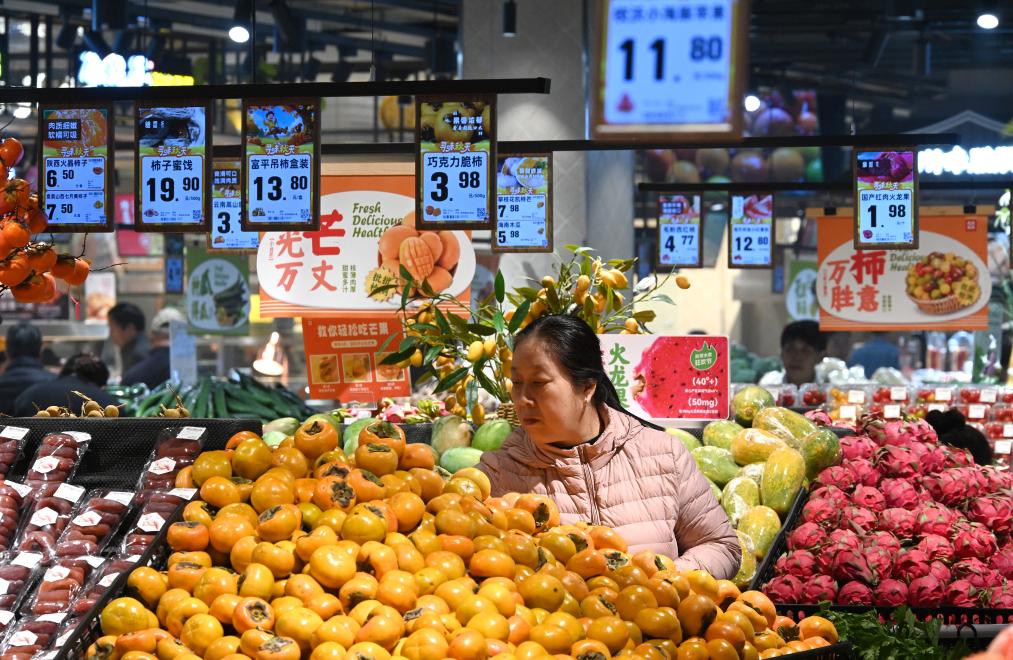
9月份核心CPI同比涨幅近19个月以来首次回到1% 部分领域市场供求关系逐步改善
Jing Ji Ri Bao· 2025-10-16 00:27
Core Insights - The consumer price index (CPI) showed a slight increase in September, with a month-on-month rise of 0.1%, marking a shift from the previous month where it was flat. The core CPI, excluding food and energy, rose by 1% year-on-year, the highest increase in 19 months, indicating a recovery in consumer prices [1][2][3] Group 1: CPI Analysis - The year-on-year CPI decreased by 0.3%, but the decline was less severe than the previous month, narrowing by 0.1 percentage points. The drop was primarily due to the "carryover effect" from previous price changes [2] - Food prices fell by 4.4% year-on-year, contributing approximately 0.83 percentage points to the CPI decline. However, the core CPI's increase of 1% reflects a more stable underlying price level [2][3] - The rise in CPI was supported by government policies aimed at boosting consumption, with significant price increases in home appliances and mobile phones [2] Group 2: PPI Analysis - The producer price index (PPI) remained flat month-on-month for two consecutive months, with a year-on-year decline of 2.3%, which is a reduction of 0.6 percentage points from the previous month. This indicates some stabilization in industrial prices [3][4] - Certain industries, such as coal processing and black metal smelting, have shown price increases for two months, reflecting improved supply-demand dynamics [3][4] - The overall decline in PPI is influenced by last year's low comparison base and the positive effects of macroeconomic policies [3] Group 3: Market Dynamics - The construction of a unified national market has led to a reduction in year-on-year price declines across various sectors, with notable improvements in market competition and order [4] - Upgrading industrial structures and releasing consumer potential have contributed to price increases in specific sectors, such as aircraft manufacturing and nutritional food production [4]
部分领域市场供求关系逐步改善
Jing Ji Ri Bao· 2025-10-16 00:07
Group 1 - The consumer price index (CPI) showed a slight increase in September, with a month-on-month rise of 0.1%, marking a shift from the previous month where it was flat [1][2] - The core CPI, excluding food and energy, rose by 1% year-on-year, the highest increase in 19 months, indicating a steady recovery in consumer prices [1][3] - Food prices increased by 0.7% month-on-month, with seasonal price rises observed in fresh vegetables, eggs, fresh fruits, lamb, and beef, while pork and aquatic product prices decreased due to sufficient supply [1][2] Group 2 - The producer price index (PPI) remained flat month-on-month for two consecutive months, with a year-on-year decline of 2.3%, but the rate of decline has narrowed by 0.6 percentage points compared to the previous month [3][4] - Improvements in supply-demand structure have led to price stabilization in certain industries, such as coal processing and black metal smelting, with some prices showing an upward trend [3][4] - The construction of a unified national market has contributed to a reduction in the year-on-year decline of prices in various sectors, with notable improvements in industries like coal mining and photovoltaic equipment manufacturing [4]
9月份核心CPI同比涨幅近19个月以来首次回到1%——部分领域市场供求关系逐步改善
Jing Ji Ri Bao· 2025-10-15 22:11
Core Insights - The consumer price index (CPI) showed a slight increase in September, with a month-on-month rise of 0.1%, marking a shift from the previous month where it was flat. The core CPI, excluding food and energy, rose by 1% year-on-year, the highest increase in 19 months, indicating a recovery in consumer prices [1][2][3] CPI Analysis - The year-on-year CPI decreased by 0.3%, but the decline was less severe than the previous month, narrowing by 0.1 percentage points. The drop was primarily due to the "carryover effect" from previous price changes, with food prices falling by 4.4% [2][3] - Food prices saw a month-on-month increase of 0.7%, driven by seasonal rises in fresh vegetables, eggs, fruits, lamb, and beef, while pork and aquatic product prices decreased due to sufficient supply [1][2] PPI Insights - The producer price index (PPI) remained flat month-on-month for two consecutive months, with a year-on-year decline of 2.3%, which is a reduction of 0.6 percentage points from the previous month. This decline is attributed to a low comparison base from the previous year and the positive effects of macroeconomic policies [3][4] - Certain industries, such as coal processing and black metal smelting, have shown price stabilization, with some experiencing price increases for two consecutive months [3][4] Market Dynamics - The ongoing construction of a unified national market has contributed to a narrowing of year-on-year price declines in various sectors. Improved market competition and capacity management have led to better price stability in industries like coal and photovoltaic equipment [4] - The upgrading of industrial structures and the release of consumer potential have driven price increases in specific sectors, such as aircraft manufacturing and specialized electronic materials, reflecting a shift towards higher-quality and upgraded consumption [4]
核心CPI同比涨幅近19个月以来首次回到1% 价格领域积极变化不断累积
Shang Hai Zheng Quan Bao· 2025-10-15 18:37
Core Insights - The Consumer Price Index (CPI) and Producer Price Index (PPI) both showed a narrowing decline in September, indicating a gradual improvement in domestic demand and price stability [1][4] - The core CPI, excluding food and energy, rose by 1% year-on-year, marking the fifth consecutive month of growth, reflecting effective domestic demand expansion policies [5][6] CPI Analysis - In September, the CPI decreased by 0.3% year-on-year, with food prices dropping by 4.4%, which was the main factor for the decline [2] - The core CPI's year-on-year increase of 1% is the first time it has reached this level in 19 months, driven by rising prices in household appliances and mobile phones [6] PPI Analysis - The PPI remained flat month-on-month and decreased by 2.3% year-on-year, with the decline narrowing by 0.6 percentage points compared to August [4] - Certain industries, such as coal processing and photovoltaic equipment manufacturing, saw a reduction in year-on-year price declines, indicating positive changes in market conditions [4] Seasonal Effects - Seasonal demand during the National Day and Mid-Autumn Festival contributed to a 0.7% month-on-month increase in food prices, with specific items like vegetables and fruits experiencing significant price rises [3] Future Outlook - Experts anticipate that ongoing policies promoting consumption and domestic demand will continue to support a moderate recovery in core CPI, despite some external pressures on domestic prices [6]
中国经济再现回暖信号 宏观政策发力持续转向扩内需
Di Yi Cai Jing· 2025-10-15 16:32
Group 1 - The continuous improvement of macro policies and financial support for the real economy has led to increased business activity and positive price changes in some industries, indicating a recovery in personal consumption and investment demand [1][6] - In September, the Consumer Price Index (CPI) and Producer Price Index (PPI) both showed a narrowing decline year-on-year, with the core CPI rising by 1%, marking the first return to this level in 19 months [2][4] - The PPI's year-on-year decline narrowed to 2.3%, with several industries showing positive price changes due to improved supply-demand structures and effective macro policies [4][5] Group 2 - The financial data released by the central bank indicates that the growth rates of broad money (M2) and social financing remain high, creating a favorable monetary environment for economic recovery [1][6] - As of the end of September, M2 balance reached 335.38 trillion yuan, with an 8.4% year-on-year growth, supported by proactive fiscal policies and moderately loose monetary policies [6][7] - The analysis suggests that the current economic challenge is not merely a lack of total demand but a structural imbalance, with excessive investment and insufficient consumption [7]