
虚拟现实

Search documents
石景山区区长万隆:在京西沃土实现规划蓝图
Xin Jing Bao· 2026-01-27 14:33
Core Viewpoint - The Shijingshan District aims to upgrade its development strategy during the "15th Five-Year Plan" period, focusing on transforming planning into reality and enhancing integration among industries, particularly in information technology and modern finance, while fostering emerging sectors like artificial intelligence and science fiction [1][2]. Group 1: Development Strategy - The core logic of development will evolve from "breaking old to establish new" to "from planning to reality and from aggregation to integration" [2]. - The goal for the "15th Five-Year Plan" is to upgrade from "physical space aggregation" to "industrial cluster ecology," creating a complete ecological chain for artificial intelligence [2][3]. - Investment of 3.8 billion yuan will be allocated for 28 key projects to enhance connectivity and integrate ecological, cultural, and industrial functions [3]. Group 2: Industry Focus - Information technology and modern finance are the district's primary industries, with a shift from "scale expansion" to "capability enhancement" planned for the "15th Five-Year Plan" [4]. - Strategies include strengthening the foundation of the information technology sector and fostering innovation in the modern finance sector through the establishment of an insurance innovation demonstration zone and a digital RMB pilot area [4]. Group 3: Emerging Industries - The district will cultivate emerging sectors like artificial intelligence and science fiction, aiming to create a diverse innovation matrix [5]. - Key initiatives include establishing the "Beijing Future Digital Space Innovation Experimental Zone" and promoting technology commercialization [5][6]. Group 4: Urban Development Projects - The "Two Parks and One River" initiative will transition from planning to execution, with projects like the revitalization of the Shilu Canal and the creation of large-scale art installations along the Yongding River [7][8]. - The district plans to enhance the waterfront area with new commercial facilities and recreational spaces, promoting a vibrant urban environment [8]. Group 5: Sports and Cultural Integration - The district aims to leverage its status as a "Double Olympic Zone" to convert sports events into economic and urban development opportunities [9][10]. - Future plans include hosting various sports and cultural events to drive tourism and local consumption, enhancing the overall value chain of events [9][10]. Group 6: Historical and Cultural Preservation - The district emphasizes the importance of preserving its industrial heritage while transforming into a modern urban area, with initiatives to protect historical sites like the Modekou Cultural Heritage District [11].
Meta千人大裁员,扎克伯格继续挥刀元宇宙,VR严冬已至?
3 6 Ke· 2026-01-27 12:41
Core Insights - Meta's Reality Labs has laid off 10% of its workforce, approximately 1,000 employees, primarily affecting VR-related projects, indicating a shift in focus from VR to AI and smart glasses [2][3] - The cumulative loss of Reality Labs has exceeded $70 billion since the end of 2020, prompting Meta to reduce its VR investments and reallocate resources [2][4] - The VR industry is perceived to be entering a "winter period," with developers expressing concerns about the future viability of VR platforms like Horizon Worlds [7][8] Group 1: Strategic Shift - Meta is reallocating resources within Reality Labs to focus more on AI and wearable devices, such as the Ray-Ban smart glasses, rather than VR hardware [3][4] - The lack of significant VR hardware updates at the recent Meta Connect conference signals a strategic downgrade for VR, with the company shifting its focus to other technologies [4][6] Group 2: Developer Sentiment - Developers are feeling the impact of Meta's layoffs, with many reporting a loss of direction for Horizon Worlds and a shrinking space for smaller developers [7][8] - The Quest app store's traffic distribution is critical for developers, and any retreat by Meta could adversely affect their survival [8] Group 3: Market Trends - The XR market is undergoing significant changes, with IDC forecasting a 41.6% growth in overall XR device shipments by 2025, while VR and MR headset shipments are expected to decline by 42.8% [12] - AI smart glasses are projected to see a dramatic increase in shipments, highlighting a shift in consumer interest away from traditional VR headsets [12][14] Group 4: Enterprise Opportunities - Apple's Vision Pro, while initially underperforming in the consumer market, is finding traction in the enterprise sector, where clients value immersive training and collaboration [16][18] - The potential for VR in vertical industry applications, such as manufacturing and healthcare, is recognized as a promising avenue for growth, despite the overall market cooling [18][19] Group 5: Conclusion - The VR industry may not have reached its peak, but it is transitioning to a more realistic phase, focusing on practical applications rather than speculative consumer products [20][21]



产业部与KOTRA举行“CES 2026”创新企业现场座谈会
Shang Wu Bu Wang Zhan· 2026-01-26 16:16
Core Insights - The Ministry of Trade, Industry and Energy and KOTRA held a meeting with 11 Korean companies at CES 2026 to discuss their participation and global market expansion strategies [2] - Representatives from innovative companies in digital health, virtual reality, and artificial intelligence shared challenges such as complex regulations, cumbersome patent application processes, and rising exhibition costs [2] - The Ministry and KOTRA introduced customized support programs, including an "Overseas Exhibition Support Plan" and "Export Subsidy Plan," to assist companies in overcoming these challenges and promote the global expansion of AI innovation ecosystems [2] Group 1 - The meeting took place on January 6, coinciding with the opening of CES 2026 in Las Vegas [2] - Korean innovative companies have won 60% of the CES Innovation Awards, highlighting their global recognition [2] - KOTRA's president emphasized the importance of listening to companies' feedback to enhance support effectiveness and help position Korea among the top three AI nations [2]
扎克伯格豪赌AI、抽身元宇宙,VR将迎来寒冬?
Feng Huang Wang· 2026-01-26 00:47
扎克伯格把重心转向AI和智能眼镜 凤凰网科技讯北京时间1月26日,据CNBC报道,Meta将重心从虚拟现实(VR)转向AI和智能眼镜,这一 战略调整让整个行业感到了寒意,引发了人们对VR未来前景的担忧。 "我能切身体会到那种进入VR寒冬的感觉。"独立VR内容创作者杰西卡.杨(Jessica Young)表示,她专门 创作适用于Meta虚拟社交网络Horizon Worlds的内容。 上周,Meta裁减了现实实验室部门大约10%的员工,裁员重点集中在Quest等VR头显相关项目上。 Horizon Worlds开发团队受到重创,一些内部工作室被关闭。CNBC称,此次裁员规模约为1000人。 曾经的VR代名词 考虑到Meta自2014年以20亿美元收购Oculus以来对行业发展的巨大推动,该公司此番削减VR投资之举 尤为引人注目。 当Meta CEO马克.扎克伯格(Mark Zuckerberg)将公司名称从脸书更改为Meta时,这家企业就成为了VR的 代名词,它代表了扎克伯格对被称为"元宇宙"的数字世界未来的执着追求。自2020年底以来,Meta现实 实验室部门已累计亏损超过700亿美元。 扎克伯格的突然转向让 ...

用VR唱响“中国戏”(我在中国·行耕记)
Ren Min Ri Bao Hai Wai Ban· 2026-01-24 00:05
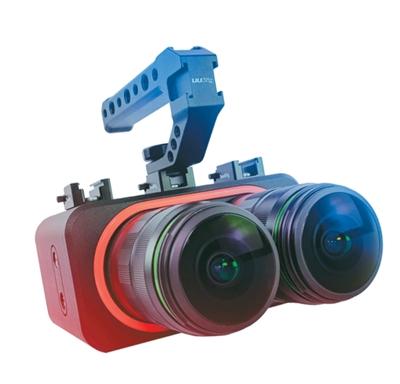
西顾视频研发的摄影设备。 尼克在测试VR效果。 公司团队正在拍摄和制作VR视频。本文图片均由受访企业提供 用VR技术复活敦煌飞天,将戏曲、良渚文化数字化呈现……在中国生活近20年,这位"洋创客"用最前 沿的科技,成为中华优秀传统文化的"数字守护者"。 从"一年计划"到"扎根中国" 高鼻梁、深眼窝,一双眼睛明亮而和善。与人交谈时,尼克手中的钩针动作有条不紊。"今天织了5个挎 包,两个帽子。"喜欢钩针的尼克解释道,"钩织真是一门很有趣的艺术,它由零散的线交织在一起组 成。这也是我眼中的中国社会,大家彼此支持、分享一切。" 尼克出生于非洲东部的肯尼亚,成长于加拿大卡尔加里市。童年电影里的中国功夫、唐人街的繁华灯 火,让尼克对这个遥远的东方国度产生了强烈的好奇。"对我来说,中国完全是另一个宇宙的概念,我 想亲自来这里看看。"他说。 2007年,怀揣着憧憬与梦想,尼克踏上了飞往中国的航班。他将旅途的第一站选在了中国东北的牡丹 江。 "刚到这里时,我的第一份工作是在培训机构当英语老师。一开始不懂中文,去饭店点餐都要靠比 画。"尼克说,自己原本计划只待一年。 然而,这片土地的魅力远远超出了他的想象。在东北的几年时间里,尼克 ...
“北方第二城”险易主?青岛未能反超天津
Sou Hu Cai Jing· 2026-01-22 10:44
搜狐城市注意到,2024年两城GDP相差1304亿。2025年前三季度,长期稳居"北方第二城"的天津GDP为 13416.08亿,同比增长4.7%;青岛以13373.47亿经济总量、5.4%增速紧追,将两城差距拉近至42.61亿。 彼时,外界对青岛争夺" 北方第二城 " 排位讨论甚嚣尘上。但根据最新数据可看出,青岛未能完成超 越。 攻擂VS守擂:2025年前三季度最小差距不足50亿 2026年1月20日,青岛市长透露预计去年全市生产总值突破1.7万亿,但未提供更具体的数字;22日,天 津公布GDP数据为1.85万亿。两城仍存在千亿左右的差距。 但近十年的发展竞速才是区域经济格局演变的生动注脚。2016年,青岛成全国第12个GDP"万亿元俱乐 部"城市。2019年,天津(GDP14104.28亿)以超2300亿经济总量优势领先青岛(GDP11741.31亿),其"北 方第二城"地位依旧无可撼动。而随着两座城市产业路径差异逐渐显现、两城发展差距逐年收窄,2024 年天津(GDP18024.32亿)与青岛(GDP16719.46亿)差距进一步压缩至1304亿。 进入2025年,青岛对天津的追赶提速,与天津的经济总量 ...

扎克伯格的“元宇宙盲区”:缺席的眼动追踪与失焦的VR帝国
Sou Hu Cai Jing· 2026-01-20 00:43
Core Insights - Meta's strategic shift from a strong push for the metaverse to a more cautious approach highlights a misalignment in timing, execution, and vision for technology deployment [1][3] - The absence of eye-tracking technology in Meta's VR headsets has significantly hindered the scalability of VR, while competitors like Google, Valve, and Apple have integrated this feature into their latest devices [3][5] - Meta's leadership decisions and design flaws have led to a loss of competitive advantage in the VR market, raising questions about the future direction of the company [8][9] Group 1: Strategic Decisions and Market Position - In 2014, Mark Zuckerberg's acquisition of Oculus VR was based on the belief that virtual reality would become a cornerstone of personal computing, but by 2026, the technology landscape has evolved with new competitors [3][4] - Meta's recent strategic adjustments, including the removal of eye-tracking from the Quest 3, have been criticized as a significant misstep, especially as competitors leverage this technology for enhanced user experiences [4][5] - The company's focus on building a metaverse has been questioned by industry experts, suggesting that the emphasis should be on practical products rather than abstract technological frameworks [8][9] Group 2: Technological Development and Competition - Eye-tracking technology has been recognized as a game-changer for VR software design, yet Meta has failed to prioritize its integration into their products, leading to a gap in their offerings compared to competitors [4][6] - The timeline for Meta's product releases has been criticized, with significant delays in launching eye-tracking headsets, allowing competitors to gain a foothold in the market [5][9] - The strategic misalignment within Meta has resulted in a workforce exodus and a reevaluation of their VR/AR initiatives, indicating a need for structural changes to regain market relevance [8][9] Group 3: Future Directions and Recommendations - As Meta looks to the future, there is a suggestion to rebrand their next generation of headsets to "Oculus," which could resonate better with consumers and align with their gaming heritage [14] - The potential for Meta to pivot towards lighter headsets that incorporate eye-tracking and other advanced features is seen as a necessary step to compete with Apple's Vision Pro and similar products [14][15] - The ongoing evolution of VR technology and user expectations necessitates a reevaluation of Meta's product strategy to ensure alignment with market demands and technological advancements [12][13]


十年前邮件分歧看Meta元宇宙困局:卡马克 vs 扎克伯格
Sou Hu Cai Jing· 2026-01-20 00:43
Core Insights - Meta's ten-year journey into the metaverse has faced significant challenges, resulting in over $70 billion in losses, layoffs, studio closures, and a strategic pivot towards AI and practical technology initiatives like smart glasses [1][9] - Despite setbacks, the existence of successful VR applications like "Gorilla Tag" and VRChat indicates that real social experiences in virtual reality are achievable, diverging from Meta's grand vision [1][9] Strategic Vision: Divergence Between Leaders - Mark Zuckerberg views VR/AR as the next major computing platform, aiming to reduce Meta's reliance on Apple and Google, while John Carmack emphasizes starting small with high-quality VR applications rather than building a vast ecosystem [2][4] - Zuckerberg's strategic goals include establishing a strong position in the next computing wave, while Carmack warns against the pitfalls of overambitious plans that may not yield immediate user benefits [2][4] Ecosystem Development: Acquisition vs. Collaboration - Zuckerberg argues for acquiring Unity to enhance Meta's VR strategy, believing it crucial for increasing platform service adoption and mitigating risks of being outpaced by competitors [5][6] - In contrast, Carmack advocates for leveraging existing successful companies' work rather than attempting to control all aspects of the ecosystem, suggesting collaboration with established services like Netflix [6][10] Technical Approach: Operating System and Practicality - Zuckerberg acknowledges the need for significant investment in hardware and systems to accelerate VR/AR development, while Carmack opposes the necessity of a proprietary operating system, arguing it could become a burden [7][12] - Carmack emphasizes the importance of focusing on user experience and practical applications rather than abstract technological frameworks [7][12] Cultural Perspective: Innovation vs. User-Centricity - Zuckerberg highlights the importance of innovation for Meta's brand, asserting that success in VR/AR will enhance the company's reputation and attract talent [8][30] - Carmack critiques the company's culture, noting a disconnect between product development and user needs, suggesting that Meta's focus on media over user experience has hindered its progress [8][10] Retrospective Analysis: Lessons from Past Communications - The emails from 2015 foreshadowed Meta's challenges in the metaverse, with Zuckerberg's vision of VR/AR as a dominant platform facing underestimation of technical challenges and timelines [9][10] - Carmack's warnings about the risks of ambitious projects and the need for a user-focused approach have proven prescient, highlighting the importance of practical solutions over grand narratives [9][10]

玩了26年《星际争霸》,他把公司做成“物理AI第一股”
3 6 Ke· 2026-01-20 00:06
Core Insights - 51WORLD, China's first "physical AI" company, went public on December 30, 2025, marking a significant milestone in its ten-year journey since its founding by Li Yi in 2015 [1] - The company has achieved a compound annual growth rate (CAGR) of over 30% in revenue from 2022 to 2024, attracting investments from notable firms such as Lightspeed, Cloud Nine, Star VC, Moore Threads, and SenseTime [1] - The company's vision, termed "Cloning Earth," aims to create a digital backup of human civilization through advanced technologies like digital twins, intelligent driving simulations, and digital earth [1][17] Company Overview - 51WORLD has developed a substantial technological foundation that includes digital twin technology (51Aes), intelligent driving simulation (51Sim), and digital earth (51Earth) [1] - The company’s revenue model initially focused on VR applications for real estate, generating over 100 million annually with a gross margin of approximately 80% [15] - The business has evolved to encompass broader applications in smart city development, integrating various urban elements such as roads, waterways, and buildings [16] Vision and Philosophy - The concept of "Cloning Earth" emerged as a guiding principle for the company, inspired by SpaceX's Mars mission and the desire to preserve human experiences and moments [17][22] - The vision is structured around five key elements: architecture, roads, vegetation, water, and terrain, with plans to complete the project by 2030 [18][19] - The ultimate goal is to democratize access to Earth's resources and experiences, allowing individuals to explore and appreciate the planet in a new, immersive way [23][24] Market Position and Future Plans - 51WORLD's approach combines long-term vision with practical applications, aiming to maintain focus on its core mission despite market challenges [21][43] - The company plans to hold annual "Cloning Earth Conferences" to publicly track progress and maintain accountability to its vision [21] - The successful IPO is seen as a stepping stone, providing the necessary resources and credibility to further develop and implement the "Cloning Earth" initiative [39][43]
亏了700亿美元之后,Meta向元宇宙“挥刀”
Hua Xia Shi Bao· 2026-01-17 07:36
Core Insights - The concept of the metaverse, once seen as the "future of the internet," is now viewed as a burden, with Meta announcing a 10% layoff in its Reality Labs division, affecting around 1,500 employees, as it shifts resources from the metaverse to AI [2][4] - Over the past five years, Meta's metaverse business has incurred losses exceeding $70 billion, with a single-year loss of $13.2 billion in 2024 against revenues of only $2.1 billion [3][4] - The decline of the metaverse reflects a broader trend of capital retreating from overly optimistic expectations to a more pragmatic approach in the tech industry [5] Financial Performance - Reality Labs has accumulated losses of over $70 billion in five years, with 2024 alone seeing a loss of $13.2 billion and revenues of only $2.1 billion [3] - The Quest VR headsets have sold millions, but user engagement is low, with many users abandoning the devices after minimal use [3] - Horizon Worlds has seen a drastic drop in active users, from 3 million at launch to fewer than 150,000 by the fourth quarter of 2024 [3] Strategic Shift - Meta plans to cut up to 30% of its metaverse-related budget and halt collaborations for the Horizon OS system, reallocating resources to AI [4] - The layoffs primarily target core developers in the metaverse projects, including game designers and VR engineers, with several VR game studios being shut down [4] - The shift towards AI is seen as a response to the immediate need for efficiency in Meta's core advertising business, contrasting with the long-term investment required for the metaverse [4] Industry Trends - Major tech companies, including Microsoft and Disney, are also retreating from metaverse initiatives, indicating a collective industry shift away from the concept [6] - The metaverse faces significant challenges due to technological maturity, business models, and content ecosystems, with a lack of compelling applications that provide unique value [7][8] - The rise of AI is creating a stark contrast, as it requires less user investment and offers immediate benefits, while the metaverse demands higher time and resource commitments from users [8][9] Future Outlook - Experts suggest that the metaverse's breakthrough will depend on developing a "killer application" in a specific vertical that can drive market adoption [7] - The integration of AI technologies is crucial for enhancing content creation efficiency and addressing the cost barriers in the metaverse [9] - Future advancements in hardware and the establishment of open industry standards are necessary to create a cohesive digital world, moving beyond isolated platforms [9]
