可再生能源

Search documents
推动绿证市场高质量发展 提升社会用电“含绿量”
Huan Qiu Wang· 2026-01-14 08:13
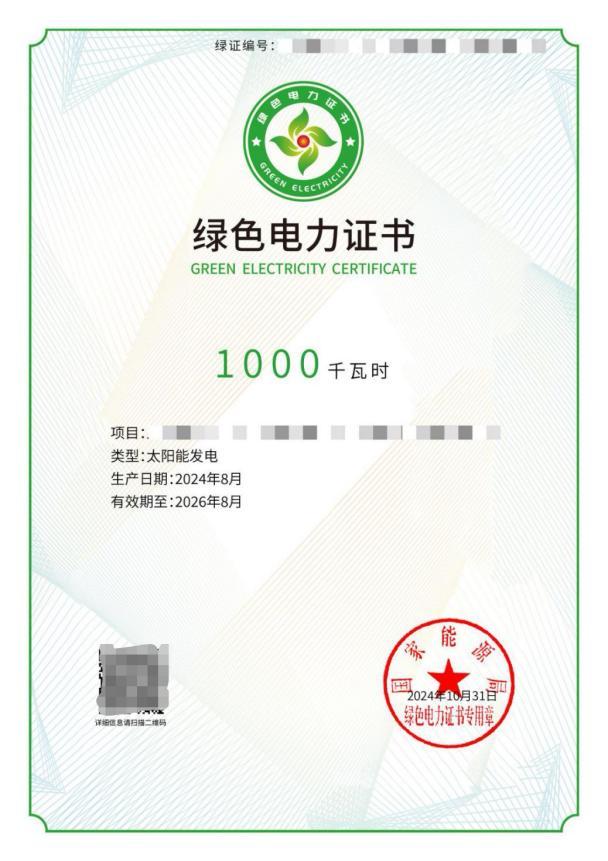
我国是世界上最大的可再生能源开发和利用大国,并将成为全球最大的绿证市场。为高质量建设绿 证市场,推动绿证价格合理体现绿色电力环境价值,国家发展改革委、国家能源局、工业和信息化部、 商务部和国家数据局近日联合印发了《关于促进可再生能源绿色电力证书市场高质量发展的意见》(下 称《意见》)。我国加快构建以绿证为基础的绿色电力消费体系,推动从"用上电"、到"用好电"、再 到"用绿电",为经济社会发展提供源源不断的绿色动力。 推动"工资卡"体现绿色电力环境价值 杭州亚运会、上海进博会等均通过绿证实现100%绿色用能,居民自主购买绿证数量不断提升…… 近年来,大型活动、用能企业、公共机构、居民用电均通过购买绿证实现绿色电力消费,绿色电力消费 理念日益深入人心。 什么是"绿电"?国家能源局近期组织编写发布的《中国可再生能源绿色电力证书百问百答(2025年 版)》介绍,绿色电力一般是指符合国家有关政策要求的风电、太阳能发电、常规水电、生物质发电、 地热能发电、海洋能发电等已建档立卡的可再生能源发电项目所生产的全部电量。 可再生能源绿色电力证书(简称绿证),是由政府或第三方机构向绿色电力核发的具有特殊标识的 电子证书,通常每1 ...

速览!政府工作报告中的能源要点
Zhong Guo Neng Yuan Wang· 2026-01-14 08:13
Core Insights - The government work report emphasizes the importance of pollution prevention, ecological construction, and the development of a green low-carbon economy, alongside the promotion of carbon peak and carbon neutrality initiatives. Energy Highlights from the Past Year - The production of new energy vehicles exceeded 13 million units [2] - The average concentration of PM2.5 in cities at the prefecture level and above decreased by 2.7%, with the proportion of days rated as good rising to 87.2%, and the proportion of surface water with good quality increasing to 90.4% [2] - The energy consumption per unit of GDP decreased by over 3% [2] - Renewable energy installations increased by 370 million kilowatts [3] Energy Work Highlights for This Year - The target for energy consumption per unit of GDP is a reduction of around 3%, with continuous improvement in ecological environment quality [12] - Structural monetary policy tools will be optimized and innovated to promote healthy development in the real estate and stock markets, with increased support for technological innovation, green development, and small and micro enterprises [12] - The government aims to enhance policy coordination across various sectors, including finance, employment, industry, and environmental protection [12] - The promotion of "Artificial Intelligence+" initiatives will integrate digital technology with manufacturing advantages, supporting the development of smart connected new energy vehicles and intelligent terminals [13][14] - The establishment of a comprehensive standard system for green finance, inclusive finance, and digital finance will be prioritized [15] - The government will continue to advance the construction of high-standard farmland and improve urban renewal projects [15] Green and Low-Carbon Development Initiatives - The government will accelerate the development of a green low-carbon economy and improve the policy and standard system supporting this sector [21][22] - The implementation of advanced technology demonstration projects for green low-carbon initiatives will be prioritized, fostering new growth points such as green buildings [23] - The promotion of waste recycling and the use of recycled materials will be emphasized [24] - A green consumption incentive mechanism will be established to encourage low-carbon production and lifestyle [25] - The government will actively promote carbon peak and carbon neutrality, establishing pilot projects for zero-carbon parks and factories [25] - The construction of a dual control system for carbon emissions will be accelerated, expanding the coverage of the national carbon trading market [26] - Initiatives for low-carbon transformation of coal and electricity will be launched, alongside planning for major projects addressing climate change [27]
国际能源署发布最新报告显示——可再生能源需求增长加速
Jing Ji Ri Bao· 2026-01-14 08:13
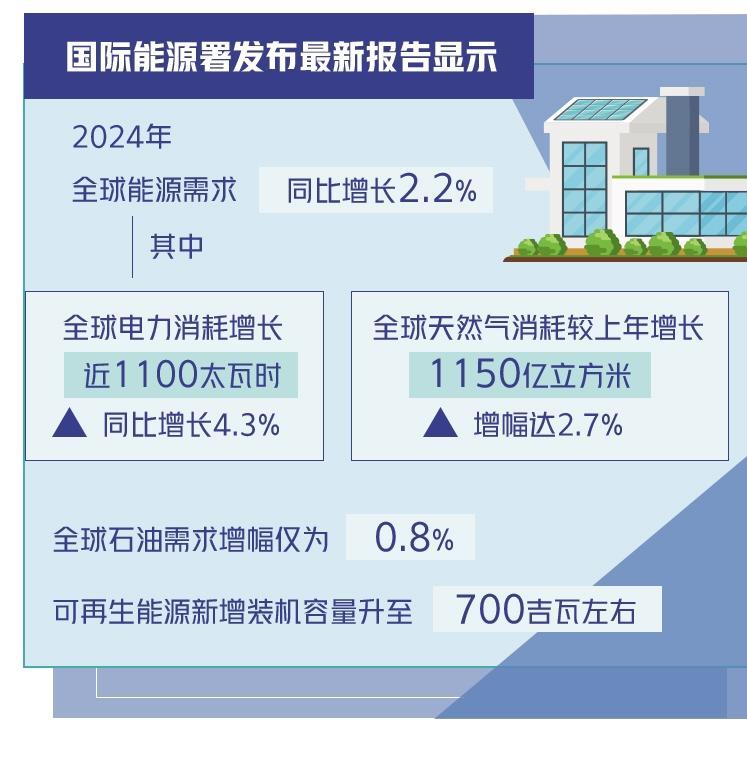
Core Insights - The International Energy Agency (IEA) has released its latest report on global energy trends for 2024, highlighting significant growth in energy demand and the role of renewable energy in meeting this demand [2][3] Energy Demand Growth - Global energy demand is projected to grow by 2.2% in 2024, surpassing the average annual growth rate of 1.3% from 2013 to 2023 [2] - Emerging markets and developing economies account for 80% of the increase in energy demand, while developed economies show signs of recovery with nearly 1% growth after years of decline [2] Electricity Consumption - Global electricity consumption is expected to increase by nearly 1,100 terawatt-hours (TWh), representing a 4.3% year-on-year growth, which is double the average annual growth rate over the past decade [2] - Factors driving this surge include record high temperatures, increased industrial electricity use, accelerated electrification of transportation, and rapid growth in data centers and AI industries [2] Renewable Energy Capacity - Renewable energy is set to dominate the new electricity capacity additions, with an expected increase of around 700 gigawatts (GW) in 2024, marking the 22nd consecutive year of record growth [2] - In 2024, 80% of the increase in global electricity generation will be met through renewable energy and nuclear power, with both sources collectively surpassing a 40% share for the first time [3] Fossil Fuel Consumption Trends - Natural gas consumption has seen the highest growth among fossil fuels, with a year-on-year increase of 115 billion cubic meters, reflecting a 2.7% rise, significantly above the average growth of 75 billion cubic meters over the past decade [3] - In contrast, oil demand growth has slowed to just 0.8%, with its share of global energy demand falling below 30% for the first time, largely due to the active electric vehicle market [3] - Coal demand growth has also decreased to 1% in 2024 [3] Carbon Emissions and Clean Technology - The acceleration of clean energy technologies has effectively suppressed the growth of energy-related carbon dioxide emissions, with a slight increase of 0.8% in 2024, totaling 3.78 billion tons [4] - Since 2019, the large-scale adoption of technologies such as solar, wind, nuclear, electric vehicles, and heat pumps has led to an annual reduction of 2.6 billion tons of CO2, equivalent to 7% of global emissions [4] - Structural changes in global energy demand, including the slowdown in oil demand growth and the strengthening role of electricity, are reshaping the energy landscape and highlighting the impact of the clean technology revolution on traditional energy systems [4]
零碳产业园标准研讨会在京召开,首个国家标准将于今年审查报批
Xin Hua Wang· 2026-01-14 08:13
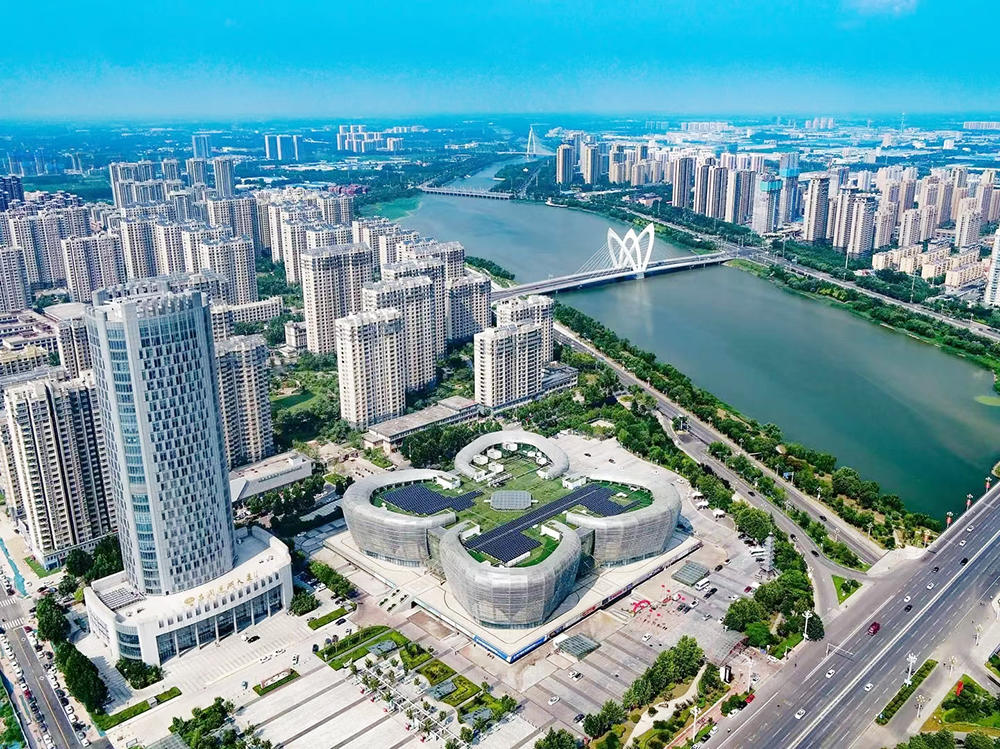
Core Insights - The seminar on "Zero Carbon Industrial Park Standards" was held in Beijing, focusing on the construction of zero carbon standards as a national strategy to promote high-quality development in China [1][6] - The development of the "Zero Carbon Industrial Park Construction Guidelines" is underway, which will serve as the first national standard for zero carbon parks, aiming to facilitate green low-carbon transformation [2] - Experts emphasized the need for a standardized system to overcome challenges in zero carbon park construction, including diverse technical paths and unclear carbon accounting boundaries [1][3] Group 1 - The construction of zero carbon industrial parks has been elevated to a national strategy, with the 2024 Central Economic Work Conference proposing the establishment of such parks [1] - The guidelines being developed will cover classifications, general principles, and construction systems for zero carbon parks, providing a model for future practices [2] - The zero carbon industrial park is seen as a crucial platform for integrating energy and industry, promoting a new era of energy civilization and industrial prosperity [4] Group 2 - The seminar gathered over 40 experts from various governmental and academic institutions to discuss the challenges and solutions for zero carbon park development [1][5] - The importance of achieving the "dual carbon" goals through zero carbon parks was highlighted, with successful pilot projects already demonstrating economic and environmental benefits [3][4] - Future efforts will focus on building a scientific, standardized, and internationally recognized evaluation system to enhance China's competitive edge in global green initiatives [6]
从七个“关键词”看2026年聊城两会热点
Qi Lu Wan Bao· 2026-01-14 06:41
Core Viewpoint - The 18th People's Congress of Liaocheng emphasizes the importance of the year 2026 as a critical period for the city's development, focusing on the "Six New Liaocheng" initiative and high-quality growth. Group 1: Consumption Boost - Consumption is identified as the primary driver of economic growth, with initiatives like the "Water City Consumption Year" and the promotion of new energy vehicles and green smart home appliances [3] - The city aims to enhance the nighttime economy and create themed markets to invigorate local economic activity [3] Group 2: Artificial Intelligence - The digital transformation of the manufacturing sector is a core strategy for building a modern industrial system, with a focus on the "AI + Manufacturing" initiative [4] - The goal is to promote the digital transformation of 1,000 small and medium-sized enterprises and establish new smart factories [4] Group 3: Innovation - Innovation is highlighted as the leading force for development, with plans to cultivate quality enterprises and establish 150 new provincial-level champions and specialized enterprises [5] - The city aims to create 20 new provincial innovation platforms and support over 50 key R&D projects [5] - A talent cultivation system will be enhanced to add over 20,000 skilled workers [5] Group 4: Green Transformation - Comprehensive green transformation is a significant focus, with initiatives to develop biomass power and geothermal projects, aiming for renewable energy capacity to exceed 7.5 million kilowatts [6] - The city plans to achieve an 80% clean transport ratio in key industries and a 56% utilization rate of urban reclaimed water [6] Group 5: Urban Renewal - Urban renewal is seen as essential for improving living standards and enhancing urban competitiveness, with a focus on upgrading key areas and renovating old neighborhoods [7] - Efforts will be made to alleviate traffic congestion and improve urban infrastructure for better living conditions [7] Group 6: Education Revitalization - The city aims to enhance education across all levels, focusing on integrated early childhood education and equitable resource distribution in high schools [9] - Support will be provided for higher education institutions to achieve doctoral degree authorization and develop high-level applied universities [9] Group 7: Quality Housing - The "Good House" initiative reflects a commitment to people-centered development, emphasizing standards in housing construction and renovation [10] - The city plans to implement a series of exemplary projects to ensure safe, comfortable, and livable housing for residents [10]
永明资产管理(香港):对未来12个月的港股前景维持中性看法
Zhi Tong Cai Jing· 2026-01-14 03:10
Group 1 - The core viewpoint is that the application of artificial intelligence (AI) in mainland China is accelerating, benefiting sectors such as technology, healthcare, and non-ferrous metals, with continuous upward adjustments in profit expectations for the technology sector [1] - The semiconductor industry is also expected to benefit from AI-driven investments and domestic substitution demand [1] - Geopolitical risks are easing, and liquidity injections are favorable for the stock markets in mainland China and Hong Kong, maintaining a neutral outlook for the Hong Kong stock market over the next 12 months [1] Group 2 - In the ESG (low-carbon) investment sector, governments reached a consensus at the 30th United Nations Climate Change Conference to significantly increase investments in clean energy and low-carbon economies [1] - The International Energy Agency (IEA) predicts that total global investment in energy transition will amount to several trillion dollars, greatly promoting the development of renewable energy, energy storage technologies, and electric vehicles [1] - Low-carbon strategies are providing higher downside protection and relatively better returns compared to traditional stock strategies amid increasing volatility in the investment environment [1] Group 3 - The CEO of the company believes that the investment boom in artificial intelligence is not over and is not in a bubble phase, as the related industrial chain is benefiting from positive spillover effects [1] Group 4 - Looking ahead, the impact of tariffs on the global economy will continue to be a focal point for the market, with expectations of volatility due to market sensitivity to related news [2] - The company maintains a neutral outlook on global equities over the next 12 months, given that economic resilience exceeds previous expectations, while remaining cautious about sudden market news related to trade negotiations and geopolitical events [2]
欧洲股市从历史高位回落 建筑板块拖累大盘
Xin Lang Cai Jing· 2026-01-13 17:35
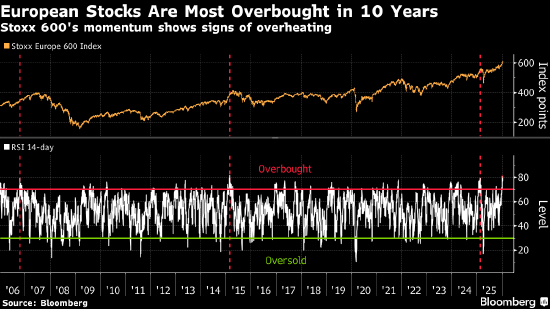
Group 1 - European stock markets are experiencing a downturn, primarily driven by the construction sector, with Sika AG's shares dropping by 9.5% due to disappointing earnings [1][4] - The Stoxx Europe 600 index closed down approximately 0.1%, with energy stocks showing relative strength while telecommunications and automotive sectors recorded the largest declines [1][4] - Ørsted's stock rose by 5.4% after a U.S. judge ruled that the renewable energy producer could resume construction on the Rhode Island offshore wind farm project while challenging the government's latest stop-work order [1][4] Group 2 - Major European stock indices started the year strongly, leading to discussions about whether positive news has been fully priced in, with the relative strength index surpassing 80, indicating a potential consolidation phase or nearing a market peak [3][6]
未来两年阿塞拜疆将投资27亿美元用于绿色能源发展
Shang Wu Bu Wang Zhan· 2026-01-13 15:21
(原标题:未来两年阿塞拜疆将投资27亿美元用于绿色能源发展) 阿塞拜疆"Media"网1月6日报道,阿塞拜疆财政部报告显示,阿计划未来两年 内投资27亿美元用于建设10座太阳能和风能发电厂,项目将由国际金融机构参 与实施。预计到2027年,阿可再生能源装机比重将达33.7%,到2030年将达 38%,到2035年将达42.5%。 ...
斯里兰卡国家电力与电价政策草案引发争议 可再生能源投资信心受挫
Shang Wu Bu Wang Zhan· 2026-01-13 11:48
在电力发展规划方面,长期规划仍采用较为陈旧的成本测算,低估了储能等新技术的商业可行性,不利 于新能源规模发展。业内反映,已有部分大型企业开始减少在斯投资,转而布局海外项目,特别是在光 伏、风电和小水电领域。分析认为,若政策环境持续不明朗,斯新能源领域外资吸引力将明显下降。 分析人士指出,斯现行国家能源政策仍停留在2019年版本,未能反映2024年新《电力法》实施、电力体 制改革、新电力法实施、可再生能源和储能成本大幅下降、电网结构变化等新情况。专家认为,如果电 力政策不能与国家能源政策协调推进,将进一步加大市场不确定性。 斯里兰卡《星期天时报》1月11日报道,斯《国家电力与电价政策》草案近日在议会监督委员会讨论后 引发业界广泛争议。部分能源企业和分析人士认为,该政策制定过程仓促,且与国家整体能源战略衔接 不足,实施基础在经济、法律、规划及执行层面存在重大不确定性,正加速可再生能源投资者撤离斯市 场。 根据现行《电力法》,电力政策须经两轮法定磋商程序,包括征求电力监管机构、国家系统运营方、行 业及公众意见。然而,部分业内人士指出,此次由内阁任命委员会起草的政策草案在形成过程中存在代 表性不足问题,观点呈现明显单 ...
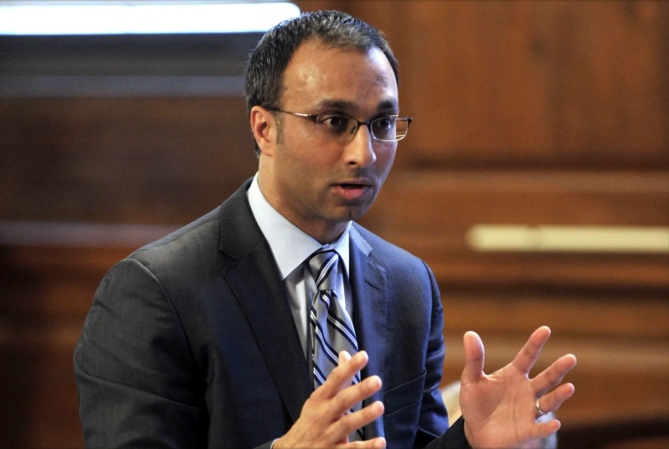
美能源部宣布终止近80亿美元新能源项目,联邦法官裁定:特朗普政府违宪
Huan Qiu Wang· 2026-01-13 07:37
Core Viewpoint - A federal judge ruled that the Trump administration's termination of nearly $8 billion in energy project funding was unconstitutional, primarily targeting "blue states" that did not support Trump in the 2024 election [1][3]. Group 1: Court Ruling - Judge Amit Mehta issued a 17-page opinion stating that the Department of Energy's funding termination violated the Equal Protection Clause of the Fifth Amendment [3]. - The ruling mandates the restoration of specific grants totaling $27.6 million, part of over 200 energy project grants that were terminated last year [3]. Group 2: Funding Termination Details - The Department of Energy announced the termination of 223 energy projects, with a total funding of approximately $7.56 billion, primarily affecting clean and renewable energy initiatives [4]. - The terminated projects predominantly impacted states that voted for the Democratic presidential candidate in the 2024 election, including California, Colorado, and New York [4]. Group 3: Political Context - The funding decisions were criticized by Democrats as "political retaliation," as they disproportionately affected states that did not support Trump [4]. - The Trump administration's actions included a broader strategy to reduce renewable energy policies and favor traditional energy sectors, culminating in the U.S. withdrawal from the Paris Agreement [5].