新材料

Search documents
福莱新材:公司将结合市场需求、订单规模及行业发展趋势,统筹规划产线配置
Zheng Quan Ri Bao Wang· 2026-02-11 12:44
Group 1 - The company, Fule New Materials (605488), is responding to investor inquiries about its production line configuration and capacity layout based on market demand, order scale, and industry development trends [1] - The business is still in the early stages of market development, indicating that there are significant uncertainties regarding the mass production rhythm and scale of future products [1] - The company advises investors to make rational investment decisions and be aware of investment risks [1]

“圩镇客厅”迎客,“龙甫制造”通全球|广货行天下
Nan Fang Nong Cun Bao· 2026-02-11 12:31
Core Viewpoint - Longfu Town is emerging as a significant player in the global manufacturing landscape, supported by local government initiatives that enhance service and innovation in the industry [6][7]. Group 1: Manufacturing and Export - Longfu Town's manufacturing enterprises are capturing global market shares in niche sectors, with products being shipped worldwide [6][7]. - Four Seasons Electronics, a top PCB manufacturer, anticipates a production value breakthrough of 2 to 3 billion yuan this year, having established a production base in Thailand [12][14]. - Guangdong Ouliya Chemical's glass adhesive products have a balanced domestic and international sales ratio, with annual exports around 80 million yuan, reaching over 130 countries [17][20][22]. - Zhaoqing Yigaowei Kitchen Technology's enameled cast iron pots primarily export to the U.S., with an annual export value of approximately 40 million yuan [23]. - Zhaoqing Chuangfu New Materials Technology's exports grew over 400% last year, reaching over 57 million yuan, supported by over 130 patents [30][32]. Group 2: Government Support and Innovation - The "Xizhen Living Room" serves as a physical representation of government-enterprise collaboration, streamlining the process of attracting investment and providing services [8][10]. - The operational model of the "Xizhen Living Room" reflects the government's innovative service approach, facilitating partnerships with local companies for urban management and monitoring services [39][42]. - Longfu Town has been recognized nationally, ranking 45 places higher in the "Thousand Strong Towns" list over three years, with 63 industrial enterprises [46][48].


关税大战,本质上是美国继美元收割战后对中国经济的第二次围剿
Sou Hu Cai Jing· 2026-02-11 11:47
Group 1 - The U.S. has maintained its dominant position in the global economy for many years, leveraging various means to uphold this status, with the dollar as the international reserve currency providing significant advantages [2] - The Federal Reserve's interest rate hikes have led to a "dollar harvesting" effect, attracting global capital back to the U.S., which began to manifest in 2015 when the dollar index rose from 90 to a peak of 103 [2] - Emerging markets have faced severe capital outflows, with China's foreign exchange reserves dropping from nearly $4 trillion to around $3 trillion [2] Group 2 - In response to capital outflows, the Chinese government has strengthened capital controls and foreign exchange approvals, while companies have reduced dollar-denominated debt in favor of financing in renminbi [4] - The dollar harvesting strategy essentially allowed the U.S. to indirectly weaken its economic rivals, with China managing to endure this phase without collapsing [4] Group 3 - The trade war initiated by the Trump administration in 2018, under the guise of intellectual property concerns, involved imposing tariffs on Chinese goods, starting with $34 billion worth at a 25% rate, to which China retaliated with equivalent tariffs on U.S. soybeans and automobiles [6] - The U.S. escalated tariffs on $200 billion worth of goods from 10% to 25%, while China responded with tariffs ranging from 5% to 25% on $60 billion worth of U.S. products, targeting China's high-tech industries [6] Group 4 - During Trump's second term starting in 2025, tariffs on all Chinese imports were increased significantly, reaching as high as 145%, while China retaliated with equivalent tariffs on U.S. coal, LNG, and agricultural products [8] - The trade war has led to significant shifts in supply chains, with U.S. importers turning to countries like Vietnam and Mexico due to port congestion in the U.S. [8] Group 5 - Chinese manufacturers have adjusted their production lines, redirecting exports to Southeast Asia and the EU, while the EU has initiated anti-subsidy investigations against China [10] - Despite the trade war, China's trade surplus reached a record high, projected to hit $1.2 trillion by 2025, while U.S. consumer prices surged, with appliance prices doubling [10] Group 6 - The trade war represents a direct confrontation, contrasting with the previous dollar harvesting strategy, and reflects the U.S.'s attempt to reshape global trade dynamics while risking self-damage [12] - The outcome of this confrontation hinges on which country can endure longer, with the U.S. employing a high-stakes strategy to dominate global resources [12] Group 7 - The trade war is viewed as the second round of economic encirclement against China, following the unsuccessful dollar harvesting attempt, with the U.S. facing increasing trade deficits with China [15] - The slow recovery of U.S. manufacturing and the lowest job growth post-pandemic highlight the challenges faced by the U.S. economy amid high inflation and interest rates [17] Group 8 - China has demonstrated strong resilience, with historical precedents suggesting it can withstand economic pressures, emphasizing the importance of endurance in the ongoing U.S.-China rivalry [18] - The trade war serves as a reminder that building a strong trade nation is fraught with challenges, prompting China to accelerate its self-sufficiency in high-tech sectors [20] Group 9 - The ultimate goal of the U.S. appears to be the destabilization of China's economic landscape, with a focus on depleting foreign reserves, while China has shown resilience against both dollar harvesting and the trade war [22]
再融资新规来了
Di Yi Cai Jing Zi Xun· 2026-02-11 08:19
Core Viewpoint - The article discusses the introduction of a comprehensive set of measures by the Shanghai and Shenzhen Stock Exchanges to optimize refinancing, focusing on enhancing support for high-quality listed companies and improving adaptability for technology innovation enterprises [2]. Group 1: Support for High-Quality Listed Companies - The measures aim to increase support for high-quality listed companies by optimizing refinancing reviews and improving efficiency, while emphasizing a selective approach to ensure quality [3]. - Adjustments have been made to the requirements for the use of raised funds, allowing high-quality companies to invest in new industries, new business formats, and new technologies that align with their main business [4]. Group 2: Introduction of "Light Asset, High R&D Investment" Standard - The Shanghai and Shenzhen Stock Exchanges plan to introduce a "light asset, high R&D investment" recognition standard for main board listed companies, following its successful implementation in the Sci-Tech Innovation Board [6]. - As of October 2024, 14 companies on the Sci-Tech Innovation Board have utilized this standard for refinancing, with a total intended financing of 35.12 billion, representing 37% of the number of companies and 76% of the financing amount for 2025 [6]. Group 3: Refinancing Interval for Unprofitable Enterprises - The new measures clarify that the refinancing interval for unprofitable companies is set at six months, allowing companies to initiate new rounds of refinancing once previous funds are fully utilized or unchanged in direction [8]. - This provision is particularly beneficial for technology companies that often face high R&D costs and uncertain profitability, providing them with a stable financing timeline [8]. Group 4: Strengthening Regulatory Oversight - The measures enhance regulatory oversight of refinancing processes, including stricter controls on refinancing plans and the use of raised funds, to prevent fraudulent activities and ensure compliance [10]. - Companies seeking to change control through refinancing must publicly commit to completing the issuance within the validity period of the approval, with increased penalties for non-compliance [9].

取消出口关税,企业加速“抢出口”!新材料ETF华夏(516710)上涨1.64%,中材科技涨停
Sou Hu Cai Jing· 2026-02-11 06:17
Group 1 - The core viewpoint of the article highlights the significant impact of the cancellation of export VAT rebates on various industries, particularly in the chemical and photovoltaic sectors, which is expected to stimulate short-term export activities and initiate long-term supply-side reforms and concentration in these industries [1] - The New Materials ETF Huaxia (516710) rose by 1.64%, with constituent stocks such as China National Materials and China Jushi hitting the daily limit, and Wanhua Chemical increasing by over 3% [1] - The Ministry of Finance and the State Taxation Administration announced the cancellation of export VAT rebates for 249 products starting from April 1, 2026, affecting over 80 chemical products including methanol, lithium hexafluorophosphate, 1,2-ethanediol, BDO, and PVC [1] Group 2 - The New Materials ETF Huaxia closely tracks the CSI New Materials Theme Index, which selects 50 listed companies involved in advanced steel, non-ferrous metals, chemicals, and inorganic non-metallic materials, reflecting the overall performance of securities in the new materials sector [1] - The new materials content in the index reaches 79.85%, ranking first across all market dimensions [1]



周期股全线走强,新材料ETF华夏(516710)上涨1.77%,中材科技涨停
Mei Ri Jing Ji Xin Wen· 2026-02-11 06:09
Group 1 - The core viewpoint of the article highlights the strong performance of cyclical stocks, particularly in the new materials sector, with the New Materials ETF Huaxia (516710) rising by 1.77% and key stocks like China National Materials and China Jushi hitting the daily limit [1] - Zhejiang Longsheng has raised prices for certain disperse dyes, with a recent cumulative increase of 5000 yuan per ton as of February 8 [1] - A total of 94 pesticide varieties, including glyphosate, will see an export VAT rebate starting April 1, 2026, which may impact the agricultural chemicals market [1] Group 2 - Japanese company Nitto Denko plans to launch next-generation T-type glass fiber cloth for AI chips by 2028, aimed at enhancing heat deformation resistance [1] - Huatai Securities noted that leading companies in the fiberglass sector, such as Guangyuan New Materials and International Composites, have significantly raised prices for electronic fabrics, indicating a tightening supply from high-end products to standard products [1] - The New Materials 50 ETF (516710) closely tracks the CSI New Materials Theme Index, which includes 50 listed companies involved in advanced steel, non-ferrous metals, chemicals, and inorganic non-metallic materials, reflecting the overall performance of the new materials sector [1]


桐庐:从“美丽颜值”到“共富价值”的新实践
Hang Zhou Ri Bao· 2026-02-11 05:01
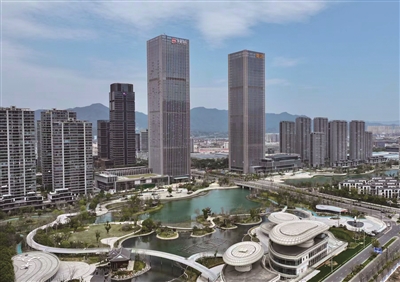
Core Viewpoint - The article highlights the ongoing transformation in Tonglu County, emphasizing the integration of urban and rural development through the "Ten Million Project," which aims to enhance the quality of life and economic prosperity for residents [7][21]. Group 1: Urban-Rural Integration - Tonglu is actively integrating with the main urban area, reducing travel time to Hangzhou to 18 minutes via the Hangzhou-Wenzhou High-Speed Railway, marking the beginning of a "same city era" [9]. - The county is establishing a dual-driven model for economic development, focusing on both economic and technological development zones to enhance overall growth [10][11]. Group 2: Economic Development - A significant investment of 10.3 billion yuan in a new materials project is set to boost Tonglu's industrial landscape, with expectations of a 5.7% GDP growth by 2025 [10]. - The county's industrial output is projected to exceed 60 billion yuan, with high-tech and emerging industries showing substantial growth rates of 13.8%, 17.5%, and 17.6% respectively [10]. Group 3: Rural Revitalization - The "Tonglu Flavor" brand has been established to promote local agricultural products, with 137 companies authorized under the brand, aiming for a 20% sales growth by 2025 [13]. - Initiatives to create job opportunities for low-income households are in place, with plans to employ 7,500 villagers through public service positions by 2025 [14]. Group 4: Talent Development - Tonglu is focusing on talent cultivation in rural areas, aiming for all administrative villages to achieve specific economic targets by 2025, enhancing local economic resilience [15]. - The county is implementing a "micro-renovation" approach to improve rural living conditions, fostering a vibrant and attractive environment for residents [15]. Group 5: Collaborative Development - The "Horizontal Beautiful Two Mountains" initiative aims to enhance cooperation among three towns, promoting shared development and resource optimization [17][19]. - A comprehensive reform pilot has been approved to stimulate rural development, integrating various sectors and enhancing logistical support for agricultural products [18][19].
【掘金行业龙头】染料+新材料+低空经济,多种产品用于染料生产,碳纤维树脂固化剂最终应用于波音、空客机型
财联社· 2026-02-11 04:44
Group 1 - The article emphasizes the importance of timely and professional information interpretation in investment, focusing on extracting investment value from significant events and analyzing industry chain companies [1] - The company is involved in dye production, new materials, and low-altitude economy, indicating a diverse product range that includes carbon fiber resin curing agents used in Boeing and Airbus aircraft [1] - The company is also engaged in the development of flying cars through its invested enterprises, suggesting potential growth opportunities from the demand increase due to domestic product import substitution [1]

县域发展上台阶 重要瓶颈待突破 ——广东“千亿县”零突破后的新观察
Xin Hua Wang· 2026-02-11 02:28
Core Viewpoint - The emergence of Bo Luo County as Guangdong's first "trillion county" marks a significant milestone in the county's economic development, reflecting the province's efforts to address regional economic imbalances, although challenges remain in achieving sustainable growth [1][2]. Economic Performance - Bo Luo County's GDP is projected to reach 100.545 billion yuan in 2025, with a year-on-year growth of 5.5% [2]. - The county's industrial development is supported by five major industry clusters, including new-generation electronic information and intelligent equipment, each valued at over 10 billion yuan [2]. Regional Development Disparities - Guangdong's county-level GDP accounts for only 12.4% of the province's total, significantly lower than the national average of 38.3% [3]. - The disparity in economic performance is evident when comparing Guangdong to other provinces like Jiangsu and Zhejiang, where county-level GDP constitutes over 40% of their respective totals [3]. Structural Challenges - Experts highlight that while the achievement of a "trillion county" is commendable, many counties in Guangdong still rely on traditional agriculture or low-value manufacturing, lacking high-tech and high-value industries [6][8]. - The industrial structure in many counties is characterized by homogeneity and low-end development, which hampers their ability to attract investment and create jobs [6][8]. Urbanization and Development Strategies - The urbanization development levels in Guangdong show significant regional disparities, with the Pearl River Delta leading, while other areas lag behind [5]. - To stimulate county-level economic vitality, there is a call for tailored development strategies that leverage local resources and capabilities, moving away from a one-size-fits-all approach [8]. Future Outlook - The number of "trillion counties" is expected to increase, with competition intensifying among counties aiming for this status [2]. - The need for systemic reforms to enhance county-level governance and economic management is emphasized to foster sustainable growth and development [7][8].
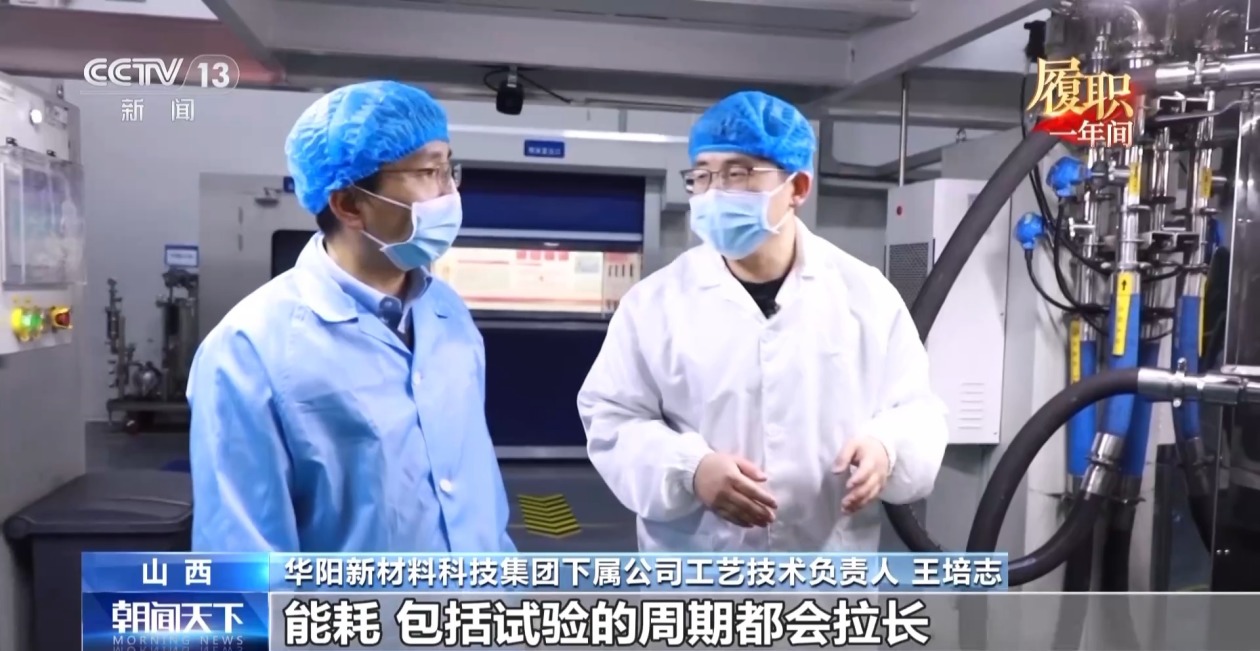
走车间、进院所、访企业 他用行动推进“中试”体系完善
Huan Qiu Wang· 2026-02-11 02:26
Core Viewpoint - The article emphasizes the importance of the "pilot test" phase, which serves as a critical bridge between laboratory research and industrial production, highlighting the challenges and systemic issues faced in this process [1][11]. Group 1: Importance of Pilot Testing - The "pilot test" is essential for transforming laboratory results into production-ready products, addressing issues such as scalability, cost-effectiveness, safety, and environmental compliance [3][11]. - The success rate of projects that undergo the "pilot test" phase can exceed 80%, indicating its significance in the innovation chain [9]. Group 2: Challenges in the Pilot Testing Process - Companies face bureaucratic hurdles and lengthy approval processes that complicate the pilot testing phase, leading to frustrations among innovators [4][5]. - There is a lack of formal management guidelines for constructing pilot testing facilities, which creates uncertainty for enterprises [5][7]. - Universities and small enterprises struggle to find affordable and accessible public resources for pilot testing, leading to a mismatch between supply and demand for pilot testing facilities [7][9]. Group 3: Recommendations for Improvement - A "cross-cutting" solution is needed to address the systemic challenges in the pilot testing phase, which includes improving the approval mechanism, funding, platform sharing, talent supply, and policy coordination [9][11]. - Enhancing the pilot testing phase is crucial for ensuring that scientific innovations can transition from research to market effectively, thereby contributing to high-quality development [11].