
T型玻璃纤维布

Search documents
玻璃纤维第二轮涨价即将启动,月涨10%至15%,2026年底价格或较当前翻倍
Jin Rong Jie· 2026-02-21 17:04
Group 1 - The supply of fiberglass is tightening further, with manufacturers expected to initiate a second round of price increases of 10% to 15% due to rising costs and ongoing supply constraints [1] - Since 2025, the cumulative annual increase in fiberglass prices has exceeded 50%, indicating that the upcoming price hike is on top of previous significant increases [1] - The price increase signals have been prevalent since the beginning of the year, with multiple price hikes for ordinary electronic cloth recorded in late 2025 and early 2026 [1] Group 2 - Nitto Denko dominates over 90% of the low thermal expansion electronic cloth supply globally, and due to quality considerations, it cannot rapidly expand production, with new capacity expected to come online only in 2027 [2] - Some manufacturers are shifting their production focus from traditional E-glass to low dielectric glass cloth, exacerbating the supply gap for ordinary fiberglass cloth [2]
聊一聊盖住AI的那块布
债券笔记· 2026-02-12 10:04
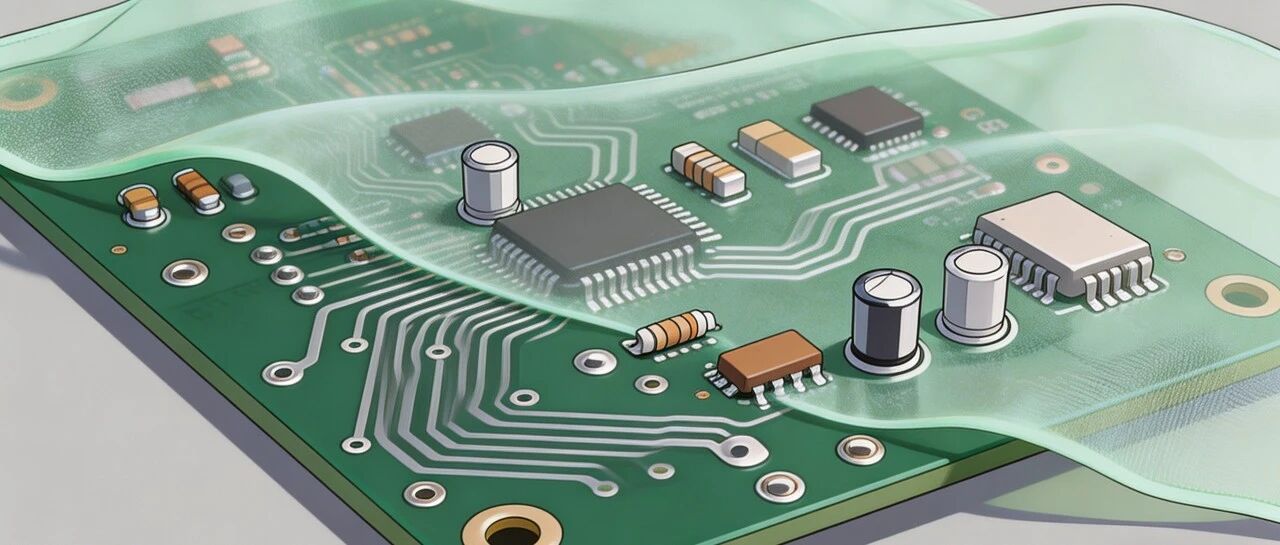
Core Viewpoint - The article discusses the investment logic behind T-type glass fiber cloth, which is essential for AI chips, highlighting its monopolistic market position and the increasing demand due to the AI boom [2][3][4]. Group 1: Market Dynamics - T-type glass fiber cloth is crucial for AI chips, acting as a protective layer that prevents overheating, which is vital for high-performance chips like NVIDIA GPUs and Google TPUs [2][3]. - The market is dominated by Nitto Denko, which holds a 90% market share, creating a significant barrier to entry for new competitors due to stringent production requirements [3][4]. - Current demand for T-type cloth is skyrocketing, with supply unable to keep pace, leading to a substantial supply gap reminiscent of the early pandemic mask shortages [3][4]. Group 2: Pricing and Profitability - Analysts predict that prices for T-type cloth could increase by 25% or more due to its monopolistic nature and the lack of alternatives for chip manufacturers [3][4]. - The combination of essential demand and monopoly power allows Nitto Denko to significantly increase profits, while domestic companies that can produce T-type cloth are also expected to benefit [4]. Group 3: Investment Opportunities - The article suggests that the ongoing supply-demand gap for T-type cloth will persist until at least 2027, making it a stable investment opportunity as AI chip demand continues to rise [4]. - Companies producing T-type cloth are compared to "substitute players" that can thrive in the current market conditions, presenting hidden investment opportunities [4].

600589,4连板!算力租赁概念,集体爆发!
Xin Lang Cai Jing· 2026-02-12 02:31
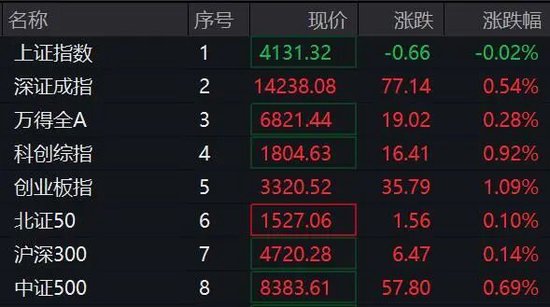
Group 1: Market Performance - The computing power leasing concept has seen significant gains, with Dawi Technology (600589) achieving four consecutive trading limits and Meili Cloud recording two trading limits in three days [1][2] - As of February 12, the Shenzhen Component Index rose by over 0.5% and the ChiNext Index increased by over 1% [1][2] Group 2: Company Announcements - UCloud announced a price increase for its products and services effective March 1, 2026, due to significant and structural increases in core hardware procurement costs amid global supply chain disruptions [4][13] - The Ministry of Industry and Information Technology issued a notice on February 6, 2026, regarding the construction of national computing power interconnection nodes, aimed at improving the efficiency and service level of public computing resources [4][13] Group 3: Industry Trends - Major domestic internet companies are increasing efforts to attract users to AI applications, which is expected to significantly boost the number of active users in AI applications [5][14] - The demand for AI applications is driving growth in the domestic computing power industry chain, presenting key development opportunities [5][14] Group 4: Supply Chain Dynamics - Recent reports indicate that the surge in demand for AI chips has led to a tightening supply of T-type glass fiber cloth, with major supplier Nitto Denko planning to triple its production capacity by 2028 [7][17] - Nitto Denko anticipates raising prices by up to 25% due to the supply-demand gap, which may impact the prices of end products like smartphones and laptops [7][17] Group 5: Company Clarifications - Jili Rigging issued a statement addressing false media claims regarding its status as a leader in commercial aerospace, clarifying that its primary products are general lifting rigging products and that it has not signed significant contracts in the aerospace sector [9][20][21] - The company reported minimal revenue from commercial aerospace orders, with amounts being less than 0.50% of its total revenue for 2025 [9][21]


周期股全线走强,新材料ETF华夏(516710)上涨1.77%,中材科技涨停
Mei Ri Jing Ji Xin Wen· 2026-02-11 06:09
Group 1 - The core viewpoint of the article highlights the strong performance of cyclical stocks, particularly in the new materials sector, with the New Materials ETF Huaxia (516710) rising by 1.77% and key stocks like China National Materials and China Jushi hitting the daily limit [1] - Zhejiang Longsheng has raised prices for certain disperse dyes, with a recent cumulative increase of 5000 yuan per ton as of February 8 [1] - A total of 94 pesticide varieties, including glyphosate, will see an export VAT rebate starting April 1, 2026, which may impact the agricultural chemicals market [1] Group 2 - Japanese company Nitto Denko plans to launch next-generation T-type glass fiber cloth for AI chips by 2028, aimed at enhancing heat deformation resistance [1] - Huatai Securities noted that leading companies in the fiberglass sector, such as Guangyuan New Materials and International Composites, have significantly raised prices for electronic fabrics, indicating a tightening supply from high-end products to standard products [1] - The New Materials 50 ETF (516710) closely tracks the CSI New Materials Theme Index, which includes 50 listed companies involved in advanced steel, non-ferrous metals, chemicals, and inorganic non-metallic materials, reflecting the overall performance of the new materials sector [1]


盘中线索丨日东纺拟年内上调T型玻纤价格,玻璃玻纤板块活跃
2 1 Shi Ji Jing Ji Bao Dao· 2026-02-09 06:16
Group 1: Industry Overview - The glass fiber sector is experiencing significant activity, with companies like Jinjing Technology hitting the daily limit and Honghe Technology rising over 6% [1] - The demand for AI chips is causing a tightening supply of T-type glass fiber cloth, leading to price increases [1] - Nitto Denko, a major supplier, plans to triple its production capacity by 2028, but still anticipates a supply-demand gap, prompting a price increase of potentially 25% or more [1] Group 2: Company Developments - Zhongcai Technology's subsidiary, Taishan Glass Fiber, has successfully developed and mass-produced special fiber products for AI applications, gaining certification from several well-known domestic and international manufacturers [2] - Honghe Technology's high-performance electronic cloth products have entered the supply chains of multiple leading copper-clad laminate manufacturers, with major clients including Taiming Electronics and Panasonic [2] - Lite-On Optoelectronics has formed a team with experience in Q cloth R&D and has acquired some production equipment [3]
半导体材料T型玻纤主要供应商日东纺拟年内上调价格,高“设备”含量的科创半导体ETF(588170)领涨同类
Mei Ri Jing Ji Xin Wen· 2026-02-09 03:32
Group 1 - The semiconductor materials and equipment theme indices have shown strong performance, with the STAR Market Semiconductor Materials Equipment Index rising by 2.34% and the CSI Semiconductor Materials Equipment Index increasing by 2.14% as of February 9, 2026 [1][2] - Key stocks such as Xingfu Electronics and Huahai Chengke have experienced significant gains, with increases of 9.19% and 7.69% respectively [1] - The STAR Market Semiconductor ETF has seen a notable increase in scale, growing by 3.384 billion yuan in the past month, while the Semiconductor Equipment ETF has reached a scale of 2.691 billion yuan [1] Group 2 - The STAR Market Semiconductor ETF has recorded a net inflow of 87.4407 million yuan, with a total of 337 million yuan net inflow over the past 10 trading days [2] - In contrast, the Semiconductor Equipment ETF has experienced a net outflow of 3.7803 million yuan, although it has seen a total net inflow of 1.604 billion yuan over the past 21 trading days [2] - The demand for AI chips is driving a tightening supply of T-type glass fiber cloth, with major supplier Nitto Denko planning to triple its production capacity by 2028 [2] Group 3 - Domestic semiconductor material manufacturers are expected to benefit from the continuous expansion of wafer production capacity and the increasing demand for domestic suppliers [3] - The domestic market is seeing significant opportunities for growth in the variety and market share of local suppliers, particularly in areas where domestic production rates need improvement [3] - The semiconductor equipment and materials industry is positioned as a key area for domestic substitution, benefiting from the AI revolution and advancements in lithography technology [3]
下一代电子布,要被英伟达们抢爆了
3 6 Ke· 2026-02-04 12:10
Group 1 - Nittobo plans to launch next-generation T-type glass fiber cloth for AI chips by 2028, reducing the thermal expansion coefficient from 2.8 ppm to 2.0 ppm, a decrease of approximately 30% [1] - T-type glass fiber cloth is widely used in integrated circuit substrates and advanced packaging substrates, enhancing dimensional stability and supporting large-scale AI packaging [1] - Nittobo holds about 90% market share in the global T-type glass fiber cloth market and is currently evaluating and improving the new glass cloth based on copper-clad laminate samples [1] Group 2 - The demand for glass fiber cloth is driving price increases, with the price of 7628 electronic cloth rising from 4.15 yuan/meter at the end of September 2025 to 4.75 yuan/meter currently, with multiple price hikes occurring [2] - Upstream materials like electronic yarn are also expected to see price increases due to stable supply and structural adjustments, leading to a tight supply of traditional electronic yarn and strong support for high-end products [2] - Companies like International Composites and Honghe Technology are expected to report significant profit increases due to rising glass fiber product prices, with International Composites projecting a net profit of up to 350 million yuan in 2025 [2] Group 3 - AI servers require higher performance in signal transmission rates and data loss, driving the demand for low dielectric constant electronic cloth, which is a core material for high-frequency and high-speed copper-clad laminates [3] - The supply of low thermal expansion coefficient electronic cloth is expected to remain tight in 2026, with potential for further price increases [3] - The shortage of high-end electronic cloth is anticipated to accelerate the domestic substitution process in the industry, presenting a golden development period for domestic electronic cloth manufacturers [3]





电子布龙头谋划新品 英伟达、谷歌或竞相争购 国内产业链已现“涨价潮”
Xin Lang Cai Jing· 2026-02-04 09:04
Group 1 - Nittobo plans to launch a next-generation T-type glass fiber cloth for AI chips by 2028, reducing the thermal expansion coefficient from 2.8 ppm to 2.0 ppm, which is a 30% decrease [1] - T-type glass fiber cloth is widely used in integrated circuit substrates and advanced packaging substrates, enhancing dimensional stability and supporting large-scale AI packaging [1] - Nittobo holds approximately 90% market share in the global T-type glass fiber cloth market and is currently evaluating and improving the new glass cloth based on copper-clad laminate samples [1] Group 2 - The demand for glass fiber cloth is driving price increases, with the price of 7628 electronic cloth rising from 4.15 yuan/meter to 4.75 yuan/meter since September 2025 [2] - Upstream materials like electronic yarn are also expected to see price increases due to supply constraints and structural adjustments, supporting price growth [2] - Companies like International Composites and Honghe Technology are projected to see significant profit increases due to rising glass fiber product prices [2] Group 3 - AI servers require lower dielectric constants and loss factors, driving the upgrade of copper-clad laminates towards high-frequency and high-speed applications, leading to increased demand for low dielectric constant electronic cloth [3] - The supply of low thermal expansion coefficient electronic cloth is expected to remain tight in 2026, with potential for further price increases [3] - The shortage of high-end electronic cloth is anticipated to accelerate the domestic substitution process, presenting growth opportunities for local electronic cloth manufacturers [3]

