
智能穿戴设备

Search documents
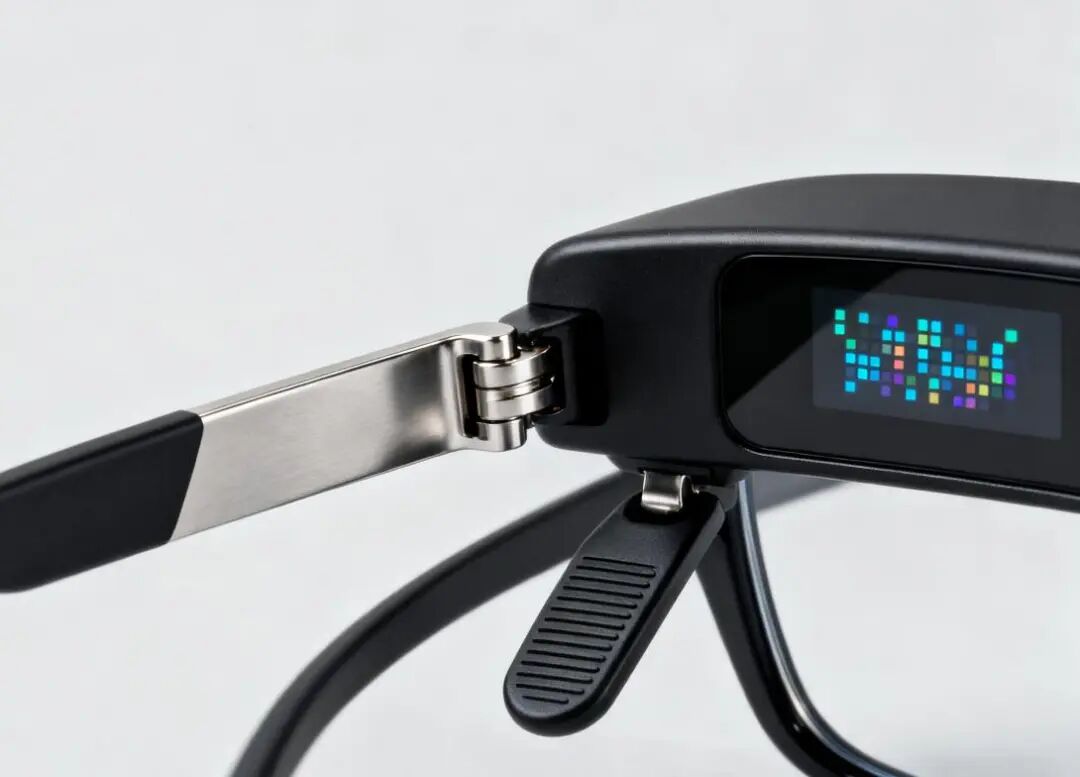
利亚德:利亚德AR眼镜可实现的功能包括专业级同声传译等
Zheng Quan Ri Bao· 2025-11-03 14:08
Core Viewpoint - The company Liard has announced that its AR glasses currently do not support shopping functionality, focusing instead on features like professional-level simultaneous translation, speech prompting, and AI meeting minutes [2] Product Features - The Liard AR glasses weigh only 49 grams, making them lightweight and comfortable for extended wear [2] - They utilize a friction hinge design for enhanced usability and comfort [2] - The glasses offer an impressive battery life, with a single charge lasting up to 8 hours [2] - Additionally, they come with a mobile charging case that can recharge the glasses more than 12 times [2]


探馆HICOOL 2025全球创业者峰会:未来每一步都是惊叹号
Ren Min Ri Bao Hai Wai Ban· 2025-11-03 09:22
Group 1: Robotics and AI Technology - The HICOOL 2025 Global Entrepreneur Summit showcased advanced robotics, including piano-playing robots and precision surgical navigation systems [1][2] - Lingxin Qiaoshou Technology Company presented a piano robot capable of performing complex musical pieces with high accuracy and emotional expression, highlighting its development of the Linker Hand series [3][4] - He Shan Technology demonstrated a robot with tactile sensing capabilities that can perform delicate tasks, such as delivering water, by adjusting grip strength based on real-time feedback [4] Group 2: Augmented Reality and Translation Technology - Liangliang Vision introduced the second-generation AR translation glasses, Leion Hey2, which can display real-time subtitles for over 100 languages with a translation delay of less than 0.5 seconds [5][6] - The Leion Hey2 glasses weigh only 49 grams and offer an 8-hour battery life, extendable to 96 hours with a charging case, making them suitable for various scenarios [6] - Hive Technology's "Jiehuan AI Audio Glasses" combine glasses, Bluetooth headphones, and AI technology, providing a personalized AI assistant experience [7] Group 3: Health and Medical Innovations - The Capital Medical University showcased a respiratory device designed to assist patients in clearing phlegm, demonstrating advancements in medical technology [8] - The My Nutrition AI model, developed by the Chinese Academy of Medical Sciences, offers personalized dietary recommendations and nutrition prescriptions based on health data [9] - Peking Union Medical College introduced a monitoring system for patients undergoing oral sedation, utilizing AI and computer vision to enhance safety during procedures [10]

未来每一步都是惊叹号(科技瞭望)
Ren Min Ri Bao Hai Wai Ban· 2025-11-02 22:47
Core Insights - The HICOOL 2025 Global Entrepreneur Summit showcased a variety of cutting-edge technologies, including robotics, AR translation glasses, and AI-driven health solutions [5][10][12]. Robotics and AI Technology - Lingxin Qiaoshou Technology Company presented piano-playing robots that demonstrated high dexterity and emotional expression, highlighting advancements in robotic hand technology [6][9]. - HeShan Technology showcased a robot with tactile sensing capabilities, able to perform delicate tasks such as delivering water and handling fragile items, emphasizing the importance of tactile feedback in robotics [7][9]. - The company has developed an AI chip and innovative structures to enhance tactile sensing, creating a comprehensive system for robotic applications [9]. Augmented Reality and Translation Solutions - Liangliang Vision introduced the second-generation AR translation glasses, Leion Hey2, which provide real-time translation for over 100 languages with a low latency of under 0.5 seconds and a high accuracy rate of 98% [10][11]. - The glasses weigh only 49 grams and offer an 8-hour battery life, extendable to 96 hours with a portable charging case, making them suitable for various scenarios like international travel and business meetings [10][11]. Health and Nutrition Innovations - The summit featured a medical-grade AI nutritionist, My Nutrition, developed to provide personalized dietary recommendations and nutritional prescriptions, addressing the shortage of clinical nutritionists [13]. - The Capital Medical University showcased a novel respiratory device designed to assist patients in clearing phlegm, demonstrating advancements in medical technology for patient care [12][14]. - Beijing Union Medical College presented an AI and computer vision-based monitoring system for oral sedation, aimed at enhancing patient safety during dental procedures [14].

玩腻了智能手表的年轻人,又被智能戒指伤了心
创业邦· 2025-11-02 10:36
Core Viewpoint - The article discusses the emerging market of smart rings, particularly focusing on the Samsung Galaxy Ring, highlighting both its innovative health monitoring features and the significant issues related to battery performance and design flaws [5][16][50]. Summary by Sections Product Features and User Experience - The Samsung Galaxy Ring is designed as a health and sleep monitoring device, tracking metrics such as heart rate, sleep quality, and stress levels, while being lightweight and unobtrusive [16][21]. - Users appreciate the comfort of wearing the ring compared to traditional smartwatches, especially during sleep, as it does not disturb their rest [52][54]. - However, there are complaints about the ring's battery life, with reports of rapid depletion and swelling issues, leading to safety concerns [10][11][14]. Market Landscape - The smart ring market is growing rapidly, with brands like Oura leading the high-end segment, having raised $900 million and achieving a valuation of $11 billion [26]. - Domestic brands like RingConn are also gaining traction, showcasing strong sales performance during major shopping events [28]. Competitive Analysis - The competition among smart rings has intensified, with various brands focusing on specialized health features, such as non-invasive glucose monitoring and ECG capabilities [33]. - The aesthetic appeal of smart rings is also emphasized, as they are seen as fashionable accessories that blend technology with style [38][41]. Limitations and Challenges - The article points out the limitations of smart rings, such as their inability to provide real-time feedback during workouts compared to smartwatches, which can display live data [56][62]. - The design of the Galaxy Ring is criticized for being non-repairable, leading to concerns about electronic waste and sustainability [14][50]. Future Outlook - The article suggests that smart rings and smartwatches serve different purposes and can coexist, with Samsung promoting a synergistic approach where both devices can enhance user experience [66][68]. - Ultimately, the choice between a smart ring and a smartwatch depends on individual user needs, with smart rings offering a more discreet and comfortable option for health monitoring [72].

以数据见证专业:QYResearch行业数据引用案例精选( 2025年10月)
QYResearch· 2025-10-31 10:48
Core Insights - QYResearch has established a strong brand reputation due to frequent citations by renowned domestic and international companies, securities firms, and media outlets, ensuring the credibility and professionalism of its industry analyses and customized reports [1] Group 1: Market Predictions - The global sodium-ion battery market is projected to reach a sales figure of 152.13 billion yuan by 2031, with a compound annual growth rate (CAGR) of 88.9% [3] - The global medical device market is expected to reach 862.6 billion USD by 2030, driven by factors such as aging population, rising chronic disease prevalence, and advancements in medical technology [5][51] - The global eVTOL market is anticipated to grow from 14.8 billion USD in 2024 to 220 billion USD by 2031, with a CAGR of 45% [7] - The global automotive interior and exterior parts market is expected to reach 149 billion USD in 2024, 157.18 billion USD in 2025, and 224.23 billion USD by 2031, with a CAGR of 6% [9] - The global commercial cleaning robot market is projected to reach 1.71 billion USD by 2031, indicating significant growth potential [11] - The global MLCC release film market is estimated to grow from 3.678 billion USD in 2024 to 5.792 billion USD by 2031, with a CAGR of approximately 6.8% [21] - The global household NAS device market is expected to grow from 2.44 billion yuan in 2023 to 28.93 billion yuan by 2030 [25] Group 2: Company Performance - Shenzhen Mindray Bio-Medical Electronics Co., Ltd. is leveraging the AI wave in healthcare to tap into a 6 trillion yuan international market [5] - Zhejiang Tiancheng Self-Control Co., Ltd. reported a 158% increase in net profit in Q3, driven by the low-altitude economy [7] - Huaxi Biological Technology Co., Ltd. reported nearly 1 billion yuan in revenue for Q3, with a net profit increase of over 50% [17] - Jiangsu Double Star Plastic New Materials Co., Ltd. is breaking through technology monopolies in the MLCC release film and carrier copper foil sectors [21] Group 3: Industry Trends - The global market for sodium-ion batteries is expected to see rapid growth, reflecting a shift towards alternative energy storage solutions [3] - The medical device sector is experiencing robust growth due to demographic changes and technological advancements [5][51] - The eVTOL market is gaining traction as urban air mobility solutions become more viable [7] - The automotive parts market is evolving with increasing demand for innovative interior and exterior solutions [9] - The commercial cleaning robot market is expanding as automation in cleaning processes becomes more prevalent [11]

一年赚6万,小天才批量制造未成年「大佬」
36氪· 2025-10-31 09:17
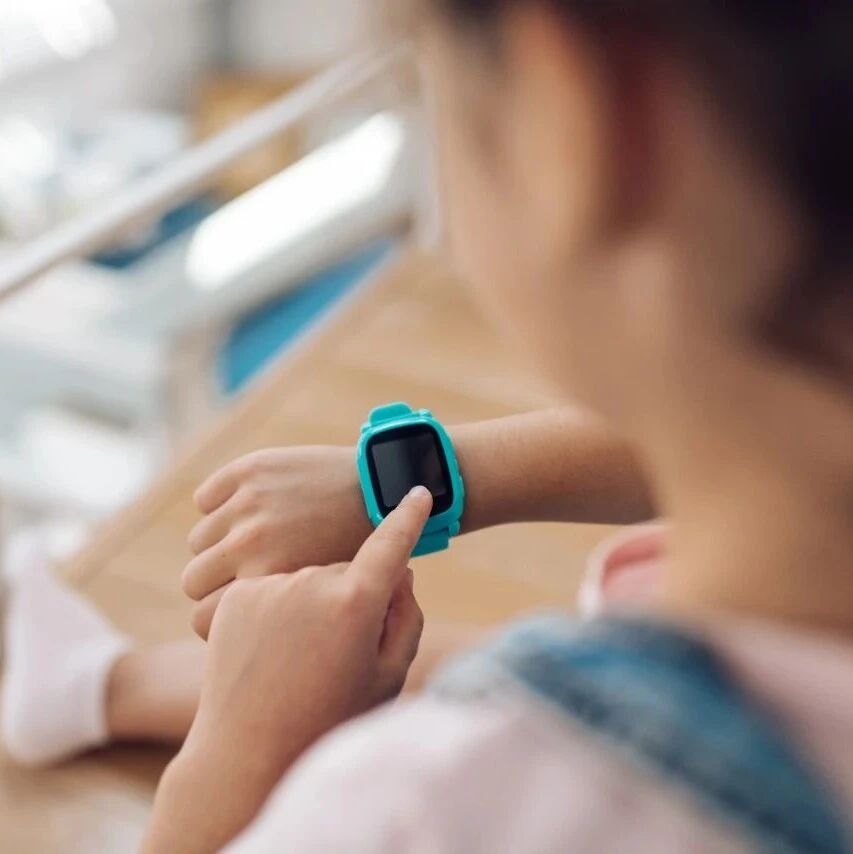
Core Viewpoint - The article discusses the complex social dynamics and commercial activities surrounding the "小天才" (Little Genius) children's smartwatch, highlighting issues such as virtual transactions, social status, and the prevalence of scams and cyberbullying among its young users [2][5][33]. Group 1: Social Dynamics - The "小天才" smartwatch has become a status symbol among children, with users needing a significant number of likes (starting from 600,000) to be recognized as "大佬" (big shots) in the community [3][4]. - The community is primarily composed of children from affluent families, with many parents being professionals such as civil servants or academics [4][5]. - The culture surrounding the smartwatch has led to a social hierarchy where children without the device may feel excluded from peer groups [5][17]. Group 2: Commercial Activities - Young users engage in various commercial activities, including selling "bot" services to artificially inflate likes on their profiles, with some earning substantial amounts during peak seasons [6][7]. - The market for virtual goods related to the smartwatch is thriving, with transactions for accounts with high likes being common, and services for account management and content creation being offered [10][12]. - The article notes that the "小天才" ecosystem has fostered a form of "light entrepreneurship" among children, creating a unique marketplace driven by social media dynamics [13][33]. Group 3: Risks and Challenges - The article highlights the risks associated with the smartwatch's social network, including scams, cyberbullying, and exposure to inappropriate content, which have become prevalent issues [5][33]. - Young users often engage in risky behaviors, such as sharing personal information and participating in online harassment, reflecting a lack of understanding of the consequences [18][33]. - The article mentions that regulatory measures are being considered to address these issues, as the original purpose of the smartwatch—to ensure safety and communication—has been overshadowed by its entertainment features [34][35]. Group 4: Market Position - "小天才" holds a dominant position in the children's smartwatch market, with a market share of 35.3% and a year-on-year growth of 47.6%, significantly outpacing industry averages [22]. - The brand's success is attributed to its unique social features that differentiate it from competitors, making it a preferred choice among children and parents alike [9][24]. - The article notes that the increasing complexity of the social dynamics and commercial activities surrounding the smartwatch may lead to further challenges in maintaining a healthy ecosystem for its young users [35].
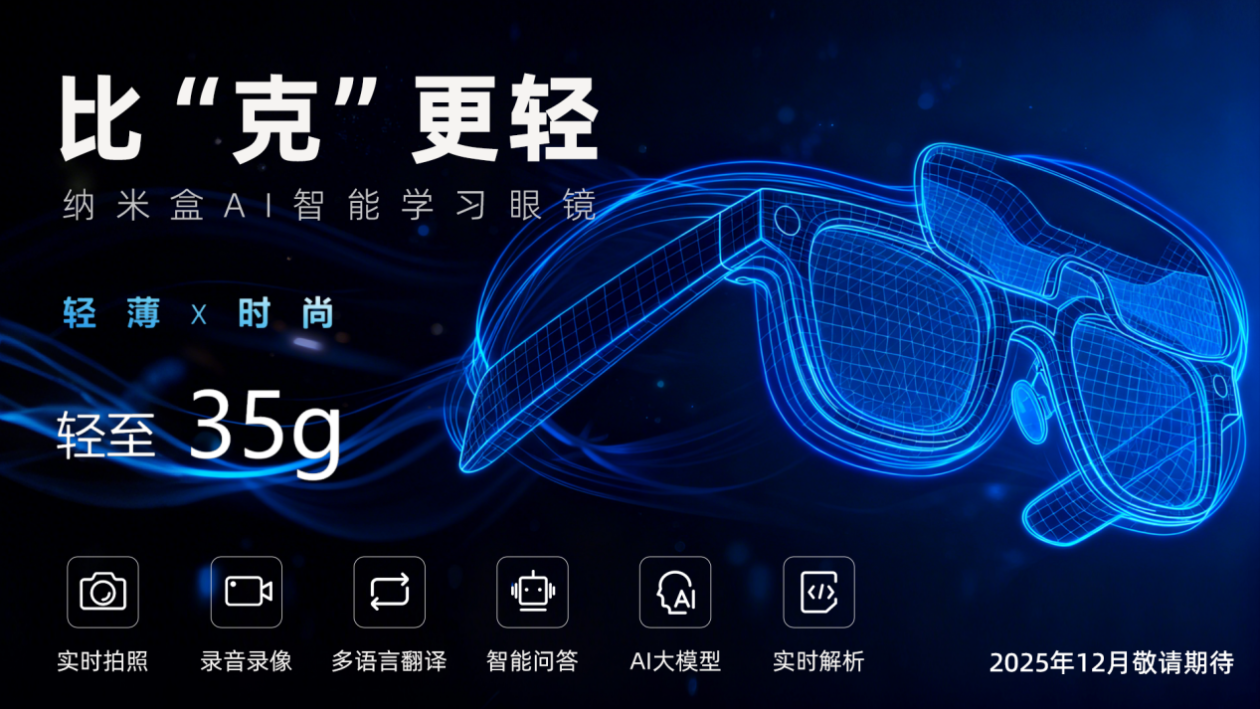
仅35g,双目全彩:纳米盒AI智能学习眼镜轻盈来袭,12月敬请期待!
Huan Qiu Wang· 2025-10-30 01:17
Core Insights - The launch of the world's first AI smart learning glasses by NAMI's brand NanoBox marks a significant development in the AI smart glasses market, focusing on the educational sector [1][8] - The product emphasizes a lightweight and stylish design, catering to diverse lifestyle scenarios while addressing the challenges of weight, computing power, and battery life in the AR industry [1][3] Group 1: Product Features - The NanoBox AI smart learning glasses weigh only 35 grams, making them 10-20% lighter than currently popular models, ensuring comfort during prolonged use [1] - The glasses feature a pioneering MINI AR display and dual full-color waveguide lenses, providing a private viewing experience equivalent to a 126-inch screen from 6 meters away [3] - The device supports various learning scenarios, including real-time translation and AI object recognition, enhancing the learning experience through voice interaction and simple touch controls [5] Group 2: Market Positioning - The introduction of these glasses is seen as a strategic move towards creating a "boundaryless learning" ecosystem, responding to the growing specialized needs in the education sector [8] - The product aims to invigorate the smart education market by making learning more accessible and engaging, aligning with the trend of integrating technology into educational tools [8]
中国成智能眼镜增长最快市场,谁能成为扛旗者?
3 6 Ke· 2025-10-29 09:59
Core Insights - Meta's AI glasses have sold out again, indicating strong demand for its products, including the Oakley Meta Vanguard and upgraded Ray-Ban Meta AI glasses [1] - The overall smart glasses market in China is still in its early stages, with no clear leading brand yet, suggesting potential for various brands to emerge as market leaders [2] - The Chinese smart glasses market is experiencing significant growth, with a reported 116.1% year-on-year increase in shipments [4] Group 1: Meta's Performance - Meta's smart glasses series sold approximately 750,000 units in Q2, a 50% increase from Q1, with total sales for the first half of the year reaching 1.26 million units [1] - The total sales of Meta's smart glasses are nearing 3 million units, showcasing the brand's strong market presence [1] Group 2: Competitor Landscape - Domestic brands like Alibaba, Baidu, and Xiaomi are entering the smart glasses market, with Xiaomi's AI glasses achieving 30,000 activations in the first week, setting a record for sales speed [2][3] - Rokid announced a sales figure of 300,000 units for its Rokid Glasses, although this figure has been met with skepticism due to lack of transparency in actual sales data [3] Group 3: Market Dynamics - The smart glasses market in China is characterized by rapid growth, with a reported 82.3% increase in global shipments, and a 145.5% increase in China's shipments in Q2 [4] - Despite the growth, the overall scale of the smart glasses market remains small compared to smartphones, indicating that it is still a niche market [4] Group 4: Supply Chain Challenges - The industry faces supply chain issues, with manufacturers inflating sales figures to gain leverage in negotiations, which complicates the development and production processes [5][7] - Companies like Rokid are experiencing delays and price increases, attributed to supply chain problems and the inability to meet production standards [10] Group 5: Future Outlook - The smart glasses industry lacks a clear development path, with questions about whether products will focus on high-performance hardware or serve as ecosystem platforms [11] - The entry of larger companies into the market may lead to a reshuffling of existing players, with smaller brands potentially facing challenges in maintaining market share [11]



“制造强国”实干系列周报-20251029
Shenwan Hongyuan Securities· 2025-10-29 04:14
Group 1: Aerospace Industry - The "Aerospace Power" has been included in the 14th Five-Year Plan, indicating a potential rapid development phase over the next five years[10] - The deep space economy is expected to become a core engine for transforming China from a space power to a space superpower, with significant breakthroughs in key technologies like satellite internet and reusable rockets[10] - The aerospace industry value chain is structured like a pyramid, with high profit margins in the mid and downstream sectors, which include satellite services and ground equipment[12] Group 2: PCB Equipment - Demand for drilling equipment is increasing due to the rise in the number of holes required for high-speed materials, leading to a significant increase in the number of machines needed for PCB production[33] - The market for laser drilling equipment is experiencing both volume and price increases, driven by the growing complexity of PCB designs[33] - Major players in the PCB equipment market, such as Dazhu CNC and Dingtai High-Tech, are expected to see substantial revenue growth, with Dazhu reporting a 95.19% year-over-year increase in revenue for Q3 2023[35] Group 3: Automotive Industry - The automotive industry is expected to focus on "expanding domestic demand" and "high-quality development" during the 14th Five-Year Plan, emphasizing smart and green technologies[51] - The integration of AI and green technologies is projected to enhance the competitiveness of the automotive sector, with a focus on electric and hybrid vehicles[54] Group 4: AI Glasses - The market for AI glasses is rapidly expanding, with major players like Meta launching products that have received strong market responses, indicating a growing consumer interest[60] - AI glasses are expected to enhance user interaction through integrated functionalities, positioning them as a significant advancement in wearable technology[64] Group 5: Floor Cleaning Machines - The floor cleaning machine market has seen significant sales growth since Q4 2024, driven by government subsidies, with a projected increase in sales volume[89] - The market is currently dominated by a few key players, indicating a trend towards increased market concentration[89]


小度AI眼镜将开启预售;高通推出人工智能芯片
Mei Ri Jing Ji Xin Wen· 2025-10-28 23:21
Group 1 - Baidu's "Xiao Du AI Glasses" will start pre-sale on November 1, with official release on November 10, featuring functions like AI translation, AI object recognition, AI reminders, and AI recording [1] - The initial release will include the Boston sunglasses model, with other styles to follow, indicating a strategic approach to market entry and product diversification [1] - The product's success will depend on continuous updates and enhancements to meet the evolving expectations of consumers in the smart wearable device market [1] Group 2 - Qualcomm has launched AI chips, the AI200 and AI250, aiming to compete with AMD and NVIDIA, with commercial use expected in 2026 and 2027 respectively [2] - NVIDIA currently holds approximately 70% market share in the AI inference market, primarily through its H100 and H200 GPUs, highlighting the competitive landscape [2] - Qualcomm's shift from mobile to data center with dedicated inference chips is expected to intensify competition in the data center AI chip market and challenge NVIDIA's dominance [2] Group 3 - IDC reported that China's MaaS market experienced explosive growth in the first half of 2025, reaching 1.29 billion RMB, a year-on-year increase of 421.2% [3] - The AI large model solution market also showed significant growth, with a market size of 3.07 billion RMB, reflecting a 122.1% year-on-year increase [3] - The rapid growth of MaaS and AI large model solutions is attributed to continuous breakthroughs in AI technology, making deployment more accessible and cost-effective for businesses [3]
