演出

Search documents
小票根”撬动文旅“大消费” 优秀文化产品成激发文旅消费重要“引擎
Zhong Guo Chan Ye Jing Ji Xin Xi Wang· 2025-08-28 00:08
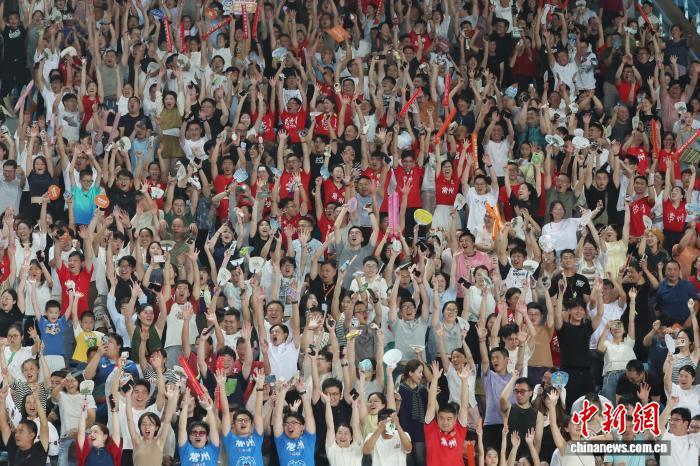
Group 1 - The rise of various grassroots sports events like "Su Super" and "Village Super" during the summer has attracted a large number of fans and tourists, boosting local consumption and prompting cultural and tourism departments to launch promotional activities [1] - "Su Super" has transformed multiple cities in Jiangsu into popular destinations, with 87 secondary viewing points leading to over 7.14 million visitors, significantly enhancing local cultural tourism consumption [1] - A shopping mall manager in Jiangsu reported a projected 21% year-on-year increase in revenue, indicating a strong trend towards creating "event + commercial" IPs to meet fan demands [1] Group 2 - The combination of "cultural, sports, and travel" has emerged as a powerful driver for consumption and domestic demand, with Shanghai hosting over 21,000 commercial performances in the first five months of the year, attracting over 10 million attendees and generating ticket sales of 1.63 billion yuan [2] - Major cultural products, including popular films and large-scale sports events, have increasingly stimulated tourism consumption, with notable increases in tourist numbers to cities like Xi'an, Guangzhou, and Nanjing due to summer films [2] - In the first half of the year, key sporting events in seven regions, including Hebei and Zhejiang, generated over 16 billion yuan in related consumption, averaging over 30 million yuan per event, effectively expanding domestic demand [2]
(经济观察)小“票根”解锁中国暑期旅游消费密码
Zhong Guo Xin Wen Wang· 2025-08-26 03:44
Core Insights - The concept of "ticket economy" is emerging as a popular trend among young Chinese tourists, transforming a single ticket purchase into a chain of consumption experiences [1][3][5] - Various cities are leveraging events like music festivals and sports competitions to stimulate local economies through ticket-based discounts and promotions [1][3] Group 1: Ticket Economy Overview - "Ticket economy" allows consumers to enjoy discounts on subsequent purchases based on their ticket purchases for events, thus enhancing the overall consumption experience [1][3] - The model has led to significant increases in tourist numbers and local spending, with some cities reporting a 25% increase in visitors to key attractions due to ticket promotions [1] Group 2: Economic Impact - The "ticket economy" has generated substantial economic activity, with the Jiangsu province's sports events alone driving consumption worth 380 billion RMB [3] - Local governments are actively promoting consumption through initiatives like issuing consumption vouchers, which have proven effective in boosting sectors such as dining and retail [3][5] Group 3: Consumer Behavior - The rise of the "ticket economy" aligns with younger consumers' desires for meaningful experiences and cultural engagement, indicating a shift in tourism product expectations [5][6] - Experts suggest that the success of this model relies on creating deeper emotional connections and unique local experiences rather than just offering discounts [6] Group 4: Future Considerations - For sustainable growth, the "ticket economy" should evolve from simple discounts to more personalized and culturally rich experiences, enhancing customer loyalty and repeat visits [6] - The development of a digital platform for the "ticket economy" could facilitate personalized recommendations and long-term user engagement, transforming one-time transactions into lasting brand loyalty [6]

线下演出旺季,撑起八大衍生消费场景
21世纪经济报道· 2025-08-25 08:58
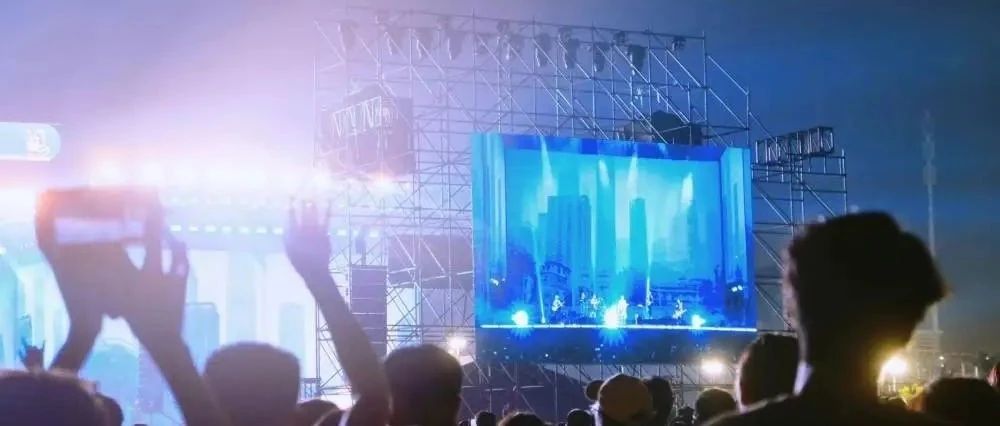
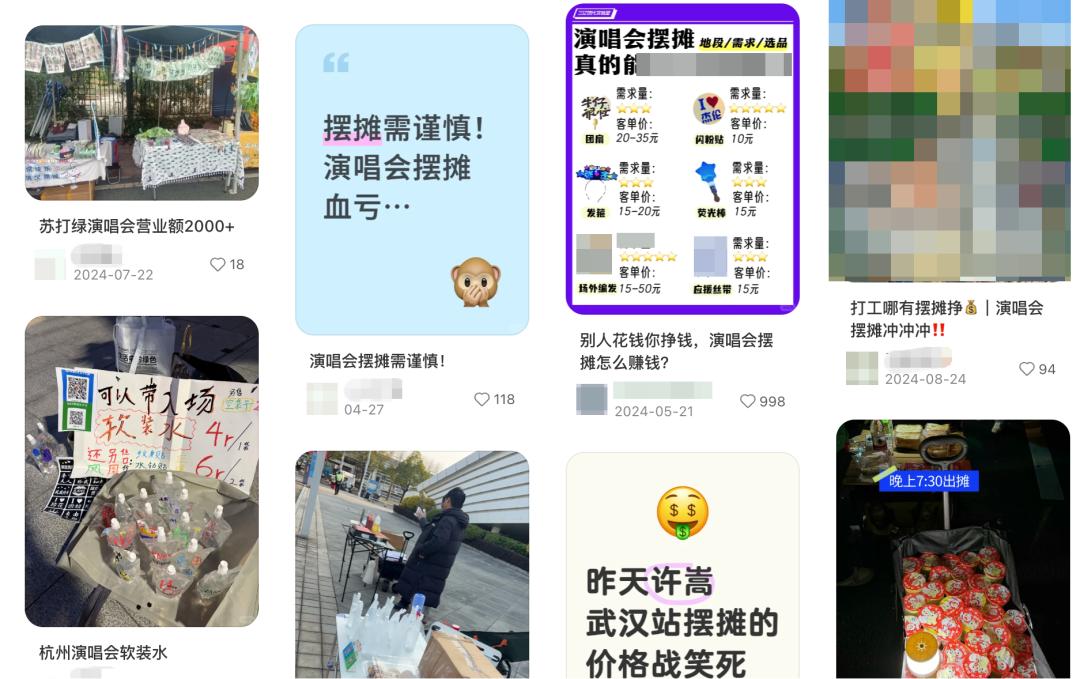
Core Viewpoint - The offline performance market is experiencing explosive growth, with various types of performances such as concerts, music festivals, and dramas driving new consumption scenarios and activating consumer demand [2][4]. Group 1: Offline Performance Market - The offline performance market's total box office exceeded 3.4 billion in July 2025, marking a nearly 60% year-on-year increase, closely following the film market scale [4]. - The surge in performances has led to a vibrant commercial ecosystem around venues, with a unique "street stall economy" emerging to cater to the immediate needs of thousands of attendees [4][5]. - Street vendors benefit from low startup costs and short return cycles, often seeing significant profits from single events due to concentrated consumer demand [4][5]. Group 2: Emotional Consumption and Fan Economy - Vendors are successfully tapping into audience emotional needs by offering themed merchandise that enhances the concert experience, such as fan items that foster a sense of participation [5][7]. - The fan economy is transitioning from niche online activities to mainstream consumer behavior, with shopping centers actively organizing fan events to convert "idol traffic" into actual foot traffic and sales [9][12]. - The balance between respecting fan emotional needs and avoiding over-commercialization is crucial for sustaining the fan economy's growth [12][13]. Group 3: Beauty and Photography Services - The rise of concert-related beauty services reflects a shift in consumer expectations, where makeup becomes part of the concert experience, creating a high-demand market for makeup artists [15][17]. - The demand for professional photography services at events is growing, driven by the need for high-quality memories, leading to a rise in rental services for photography equipment [19][21]. - The convenience of booking photography services enhances the overall concert experience, although the industry faces challenges in standardization and service quality [22][16]. Group 4: Accommodation and Dining - Concerts significantly boost local accommodation demand, with 61.3% of additional spending during performances directed towards lodging [24]. - Hotels near concert venues often see price surges of 3 to 5 times during events, reflecting the high demand from concertgoers [26]. - Dining experiences are evolving to cater to concert attendees, with restaurants optimizing services and creating themed dining experiences that enhance the emotional connection post-performance [28][31]. Group 5: Merchandise and IP Value - Merchandise has evolved from simple memorabilia to dual-purpose products that enhance the fan experience, significantly impacting the revenue structure of concerts [33][37]. - Pop-up stores near venues create immersive shopping experiences, leveraging scarcity to drive sales and enhance fan engagement [33][34]. - The transformation of merchandise into everyday items strengthens the emotional connection between fans and idols, creating a sustainable revenue stream for brands [37][38]. Group 6: Integration of Performance and Tourism - The combination of concerts and travel is becoming a popular trend, with audiences seeking to explore cities while attending performances, thus driving a new consumption model [39][40]. - This "performance + tourism" model enhances local economies by attracting large crowds and stimulating various sectors, including hospitality and retail [41][42]. - The integration of cultural events into tourism strategies is becoming a vital part of urban development, providing lasting economic benefits [42][44].
线下演出旺季,撑起八大衍生消费场景
3 6 Ke· 2025-08-25 04:07
Core Insights - The offline performance market has seen explosive growth, with concerts, music festivals, and theatrical performances driving a surge in consumer demand and creating new consumption scenarios [1][31] - The rise of the "stall economy" around concert venues has become a unique aspect of the overall performance economy, capitalizing on the immediate needs of thousands of attendees [2][31] - The integration of fan culture into commercial spaces is transforming how businesses engage with consumers, turning fan events into significant traffic and sales opportunities [6][10] Group 1: Offline Performance Market - The offline performance market has experienced a significant increase in ticket sales, with July's total box office exceeding 34 billion, marking a nearly 60% year-on-year growth [2] - The demand for offline performance experiences has led to the emergence of various niche markets, enhancing consumer engagement and spending [1][31] Group 2: Stall Economy - The stall economy thrives on the concentrated foot traffic generated by large events, allowing vendors to quickly meet consumer needs with low startup costs [2][4] - Vendors are successfully tapping into both practical and emotional consumer needs, offering items like cold drinks, snacks, and themed merchandise that enhance the concert experience [4][5] Group 3: Fan Economy in Commercial Spaces - Shopping centers are leveraging fan events to convert idol traffic into actual sales, creating a new commercial ecosystem that captures the emotional connection fans have with their idols [6][9] - The strategy of offering exclusive fan events and promotions has proven effective in attracting young consumers and enhancing the shopping experience [10][31] Group 4: Beauty and Photography Services - The rise of concert-related beauty services, such as makeup appointments, reflects a growing trend where fans seek to enhance their concert experience through personal expression [11][13] - The demand for professional photography services at events is increasing, as fans look for ways to capture their experiences without the limitations of personal devices [14][16] Group 5: Accommodation and Dining - Concerts significantly boost local accommodation demand, with 61.3% of additional spending during events directed towards lodging [17][19] - Restaurants near concert venues are adapting their services to cater to the influx of concertgoers, focusing on quick service and themed dining experiences [21][23] Group 6: Merchandise and IP Value - Merchandise has evolved from simple memorabilia to experiential products that enhance fan engagement and create new revenue streams [24][26] - The integration of limited-time pop-up stores and experiential marketing strategies is maximizing the commercial value of performance IPs [26][30] Group 7: Travel and Tourism Integration - The "performance + tourism" model is gaining traction, as fans combine concert attendance with travel, driving new consumption patterns in the tourism sector [27][29] - Local governments are increasingly promoting events to attract tourists, enhancing the visibility of regional attractions and boosting local economies [29][30]
成都:1-7月新能源汽车产量增长326.2%|首席资讯日报
首席商业评论· 2025-08-23 04:48
Group 1 - Chengdu's new energy vehicle production increased by 326.2% from January to July this year, with overall industrial added value growing by 8.0% and fixed asset investment rising by 4.5% [2] - The automotive manufacturing industry in Chengdu saw a growth of 22.9%, while the production of lithium-ion batteries increased by 41.4% [2] Group 2 - Elon Musk attempted to persuade Mark Zuckerberg to participate in an informal acquisition offer for OpenAI, but Zuckerberg and Meta did not sign any letter of intent [3] - OpenAI's board formally rejected Musk's acquisition offer in February [3] Group 3 - During the "14th Five-Year Plan" period, national market regulatory authorities handled 89.03 million complaints and recovered economic losses of 21.71 billion yuan for consumers [4] - Consumer complaints received by national consumer associations totaled 5.75 million, recovering 5.78 billion yuan in losses [4] Group 4 - The summer box office in 2025 surpassed 10.5 billion yuan as of August 22 [5] Group 5 - Citic Securities estimates that over 90 trillion yuan in deposits will mature in 2025, with 4.5 to 9 trillion yuan potentially seeking higher returns, likely flowing into "fixed income+" products rather than directly into equity markets [6] Group 6 - The low-altitude tourism market in Shenzhen has seen a 30% increase in flight orders compared to last year, with family bookings making up 60% of the total [7] - Educational low-altitude tourism activities for students are also experiencing significant growth, providing insights into the low-altitude economy [7] Group 7 - Since the beginning of the "14th Five-Year Plan," China has seen a net increase of 19.99 million enterprises and 33.94 million individual businesses [8] Group 8 - The African smartphone market grew by 7% year-on-year in Q2 2025, with shipments reaching 19.2 million units, driven by improved purchasing power in key markets like Egypt, Nigeria, and South Africa [9] - The market is expected to maintain a compound annual growth rate (CAGR) of 2.1% from 2025 to 2029 [9] Group 9 - Tianfeng Securities predicts that the overall electricity price level for coal-fired power plants in Guangdong will remain relatively stable in 2026, with limited downward space due to the near-bottom trading prices [10] Group 10 - The China Consumers Association reported a doubling of complaints related to concert ticket refunds in the first half of 2025, with over 90% of these complaints concerning refund requests [11] - Recommendations include establishing a tiered refund standard similar to those in the railway and aviation sectors [11] Group 11 - Google's report on its Gemini model indicates that each query consumes approximately 0.24 watt-hours of energy, equivalent to running a microwave for one second [12] Group 12 - Many cities have seen land plots being "re-planned and re-sold," increasing the proportion of residential land and boosting the enthusiasm of real estate companies for land acquisition [13][14]
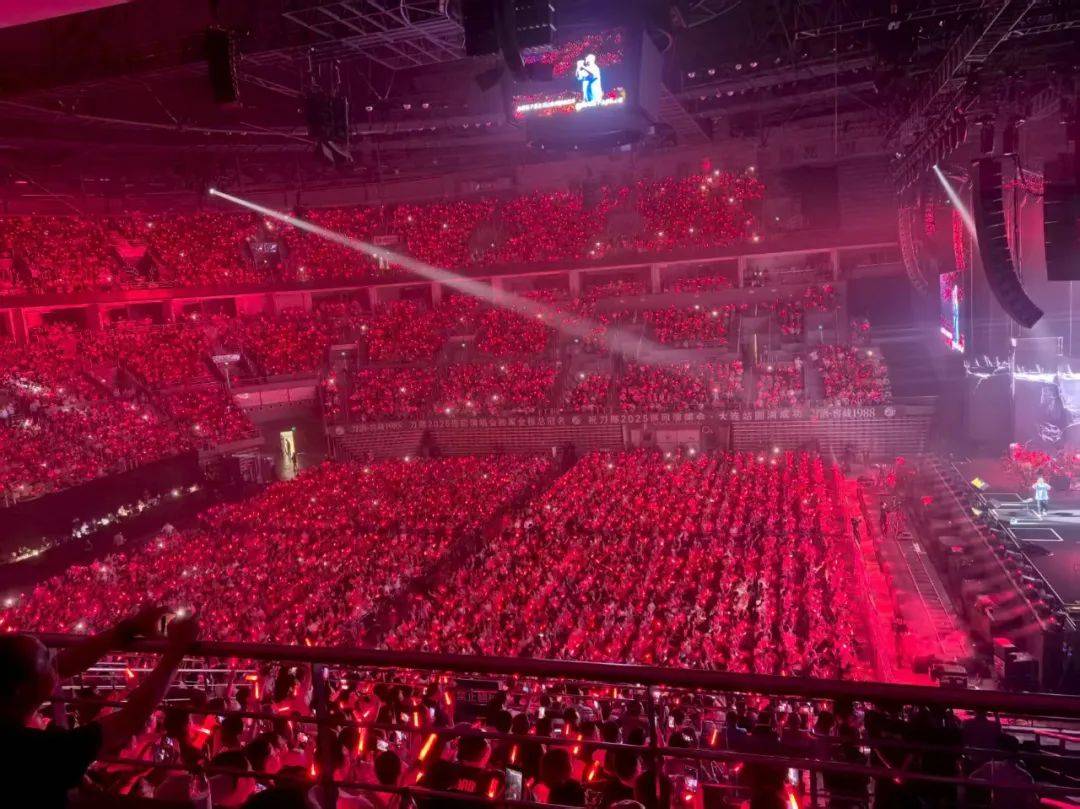
“演唱会+城市” 叠加效应激发粉丝经济新活力
Xiao Fei Ri Bao Wang· 2025-08-22 03:39
Group 1 - The core idea of the articles is that concerts, particularly large-scale events like Mayday's 25th anniversary tour, are transforming into significant drivers of urban consumption and cultural engagement, creating a new model of "concert + tourism" that enhances the overall city experience [2][3][4] - The concert economy is not just about ticket sales; it significantly boosts the entire urban consumption chain, including transportation, accommodation, dining, and shopping, with concert-related spending leading to a 240% increase in surrounding hotel bookings during the Mayday concert [3][4] - The integration of concerts with urban experiences is creating immersive cultural routes and commercial spaces, allowing fans to engage with the city beyond just attending the event, thus enhancing the emotional connection and cultural participation [5][6] Group 2 - The phenomenon of "concert special forces" is emerging, where fans travel to cities for short, intensive experiences, contributing to local economies and enhancing the city's visibility [7] - Cities are encouraged to develop long-term strategies around concert IPs, creating permanent landmarks and narrative spaces to convert transient fan engagement into lasting cultural capital [7] - Urban management and security challenges are being addressed through comprehensive service mechanisms and policy support to ensure the smooth execution of large-scale events, highlighting the need for coordinated efforts across various city departments [8]
把退票权还给消费者
Jing Ji Ri Bao· 2025-08-21 22:11
Group 1 - The core viewpoint of the articles highlights a significant increase in consumer complaints related to concert tickets, with complaints doubling year-on-year, and over 90% of these complaints being about ticket refunds [1] - The current ticketing system, which includes non-transferable and non-refundable tickets, places the burden of risk on consumers, leading to financial losses when they cannot attend events [1] - Compared to other industries like aviation and rail, which have implemented tiered refund policies, the concert ticketing industry continues to enforce strict non-refundable policies, citing tickets as "special goods" [1] Group 2 - There is a call for returning refund rights to consumers, which could enhance consumer enthusiasm and contribute to the long-term development of the concert market [2] - The proposal includes establishing a unified standard for tiered refunds across all platforms, similar to those in the railway and aviation sectors, where refund fees increase as the event date approaches [2] - A multi-department regulatory model is suggested to strengthen enforcement and address issues related to ticket scalping, aiming to create a more orderly and consumer-friendly market environment [2]
现场直击时代少年团上海演唱会,拉动这些消费
第一财经· 2025-08-21 09:09
Core Viewpoint - The concert industry in Shanghai is significantly boosting consumption in related sectors such as performances, accommodation, dining, and shopping, with businesses leveraging the "ticket root economy" to connect concerts with other consumer activities [5]. Group 1 - The concert events are driving economic activity in Shanghai, particularly in the performance, lodging, dining, and retail sectors [5]. - Businesses are adopting a "ticket root economy" strategy to link concert attendance with additional consumer spending [5]. - The popularity of stars is supported by management companies that create a "idol cultivation" business model, utilizing data and traffic to unlock more business opportunities [5].

游客脚步慢下来 服务业态多起来 消费链条长起来
Hang Zhou Ri Bao· 2025-08-20 10:05
ITSHA 25 The Bear C- 故事 傍晚的奥体中心体育馆,热浪未消,人潮已至。"孩子买的票,我们也来赶赶时髦。"两位"妈妈 级"观众正在互相拍照留念,言语间流露出兴奋之情。她们看的是伍佰演唱会,这场演出吸引了从"60 后"到"00后"的各年龄段观众。 场外,海宁的李女士带着孩子,指着手机直播画面说:"看,这就是伍佰。"顺路而来的她,觉得在 场馆外感受氛围也是特别的体验,"地铁2小时就到了杭州市区,我们常来玩。" 另一边,两位从温州专程赶来的"90后"姑娘静静守候,虽未抢到票,但她们说,"就想在场外听听 歌声,感受这份情怀。"她们的行程并未结束,"明天逛逛西湖,也算不虚此行。" 一张演出票,无形中延长了游客的驻足时间,链接着城市更广阔的风景。 对杭州大学生陶陶而言,追随偶像的巡演足迹,是青春珍贵的注脚。"去年追了11场,每次演唱会 前都很期待,很有盼头,感觉特别开心。"当演出落地陌生城市,她便开启"观演+旅行"模式,"让行程 更充实,也体验了不同城市的风土人情。"这是她内心的真实感受。 演唱会的辐射力,远不止于场馆。社交媒体上,粉丝团应援妆容教程刷屏,美甲店"偶像同款"档期 爆满;应援扇、明星专辑小 ...
文化执法护航演出市场繁荣
Sou Hu Cai Jing· 2025-08-18 14:06
Group 1 - The article highlights the vibrant cultural scene in Dalian, with various performances and events attracting both locals and tourists, contributing to the city's cultural and tourism economy [4][6]. - Dalian's cultural market regulatory team is enhancing service awareness and strengthening oversight of performance activities to ensure a safe and healthy environment for audiences [4][6]. - The city aims to create a new cultural tourism ecosystem by promoting large concerts to drive smaller events, thereby boosting consumption in the tourism sector [4][6]. Group 2 - The regulatory team has held meetings to analyze and prepare for the busy tourism season, ensuring that performance activities are conducted safely and orderly [6]. - A variety of performances, including concerts by well-known artists and diverse shows, have been organized to provide entertainment for citizens and visitors [9]. - The enforcement team is implementing a comprehensive regulatory approach, including pre-event guidance, on-site supervision, and post-event evaluations to maintain order and safety in the performance market [9][12]. Group 3 - The enforcement team is committed to a service-oriented approach, assisting event organizers in connecting with local administrative departments to improve the business environment [12]. - Since June, the enforcement team has deployed personnel for 348 instances, overseeing 91 performance events and conducting 491 online inspections [12]. - The team plans to continue regular oversight of the performance market to safeguard cultural and ideological security while promoting healthy market development [12].