
电气机械

Search documents
下半年,工业稳增长如何部署?
第一财经· 2025-07-21 01:24
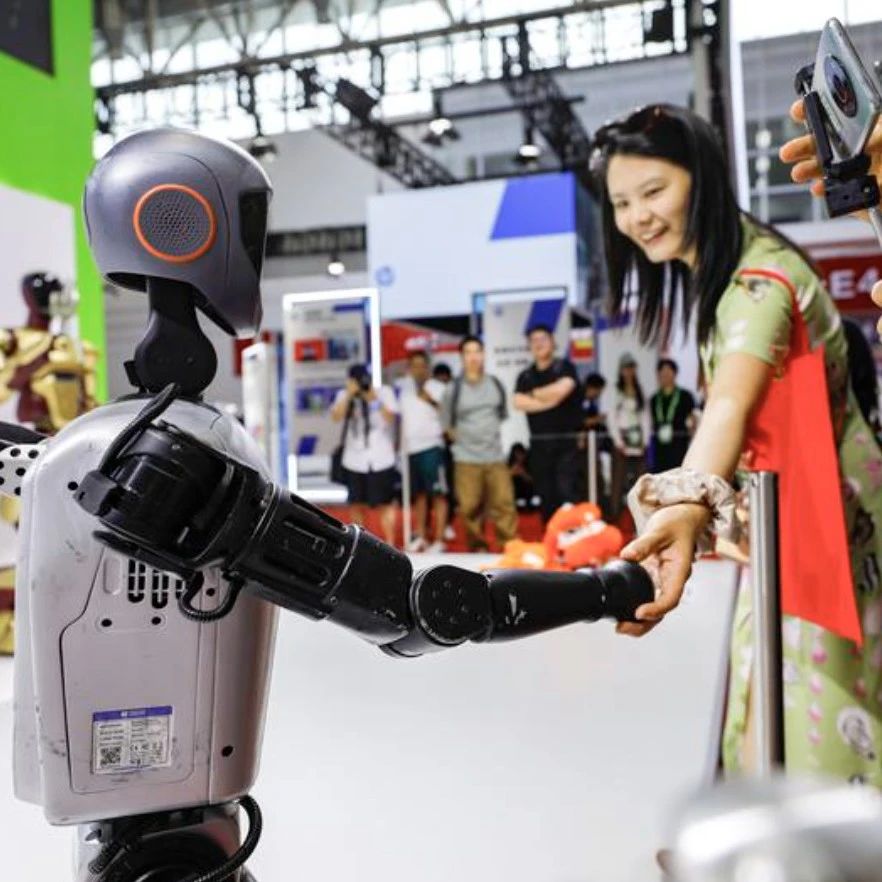
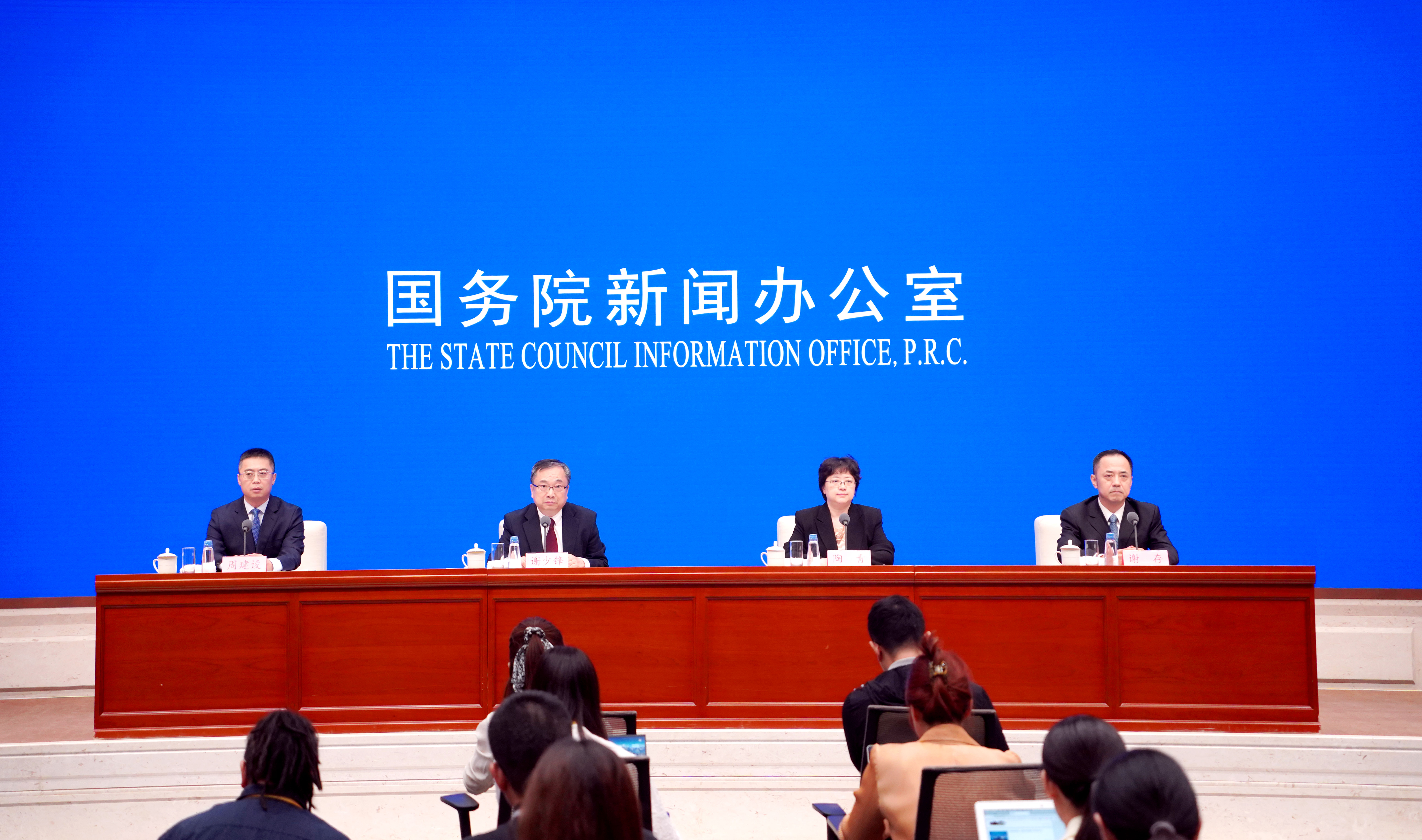
2025.07. 21 本文字数:3393,阅读时长大约5.5分钟 作者 | 第一财经 祝嫣然 封图 | 7月19日,观众在第三届链博会数字科技链展区与机器人握手。来源:新华社 二季度中国经济能实现5.2%的增速,工业发挥了"压舱石"作用。下半年,除钢铁、石化等重点行业将陆 续公布新一轮稳增长方案外,工信部还将推进培育各类未来产业。 国家统计局数据显示,今年上半年,规上工业增加值同比增长6.4%,增速较2024年全年加快0.6个百分 点。6月份,规模以上工业增加值同比增长6.8%,比上月大幅加快1个百分点,远超市场预期。 工信部总工程师谢少锋日前在国新办发布会上表示,下半年将实施新一轮钢铁、有色金属、石化、建材 等十大重点行业稳增长工作方案,具体工作方案将在近期陆续发布。与此同时,持续培育发展动能。加 快发展生物制造、低空产业。推动人形机器人、元宇宙、脑机接口等未来产业创新发展,超前布局新领 域新赛道。 7月18日,国务院新闻办公室在北京举行新闻发布会,工业和信息化部总工程师谢少锋,工业和信息化部新闻发言人、运行监 测协调局局长陶青,工业和信息化部信息通信发展司司长谢存介绍2025年上半年工业和信息化发展情况 ...

工业经济运行“向稳、向新、向优”
Ren Min Ri Bao Hai Wai Ban· 2025-07-20 21:30
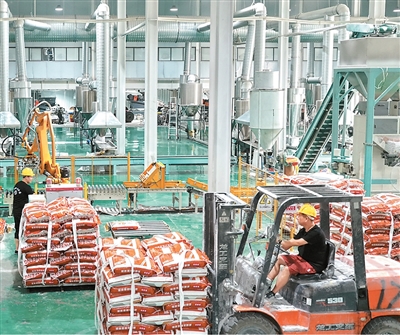
Core Insights - The industrial economy in Hebei's Xingtai City is experiencing positive developments through smart workshop upgrades and digital transformation, leading to enhanced capacity and efficiency [2] - The industrial economy is characterized by stability, innovation, and quality improvement, with significant growth in key sectors [3][4][5] Group 1: Industrial Performance - The industrial added value for large-scale enterprises increased by 6.4% year-on-year in the first half of the year, demonstrating strong resilience [3] - The manufacturing sector's added value accounted for 25.7% of GDP, maintaining stability [3] - Key industries such as electrical machinery, automotive, electronics, and chemicals have shown rapid growth, contributing significantly to overall industrial growth [3] Group 2: Digital Transformation - The digital industry achieved a business revenue growth of 9.3% year-on-year, with a notable acceleration compared to the previous year [4] - By the end of June, the total number of 5G base stations reached 4.55 million, with 2.26 million users of gigabit broadband [4] - The digital transformation of industries is accelerating, with a digital R&D tool penetration rate of 86.2% among large-scale light industry enterprises [6] Group 3: Innovation and Technology - There were nearly 410,000 registered technology contracts nationwide, with a transaction value exceeding 3 trillion yuan, reflecting a year-on-year growth of 14.2% [5] - The integration of artificial intelligence in various sectors is creating new business models and driving economic growth [6] - The establishment of national manufacturing innovation centers and pilot platforms is ongoing, with a goal to cultivate over five national-level pilot platforms by the end of the year [5] Group 4: Future Development Strategies - The Ministry of Industry and Information Technology plans to implement strategies to stabilize growth in key industries such as steel and non-ferrous metals [7] - There is a focus on enhancing the quality of development through technological innovation and the integration of industry and technology [7] - Efforts will be made to optimize the business environment, reduce the burden on small and medium-sized enterprises, and strengthen industry standards [8]
工业下半年稳增长部署:传统行业和未来产业并进
Di Yi Cai Jing· 2025-07-20 13:14
Core Viewpoint - The industrial production growth in China is expected to slow down in the second half of the year due to export-related factors, but supportive policies and the cultivation of new growth drivers will help maintain stable industrial growth [1][5][8]. Group 1: Industrial Production and Economic Growth - The export delivery value accounts for nearly 40% of China's industrial output, indicating a significant reliance on exports [1][5]. - In the first half of the year, the industrial added value of large-scale enterprises grew by 6.4% year-on-year, with June seeing a notable increase of 6.8%, exceeding market expectations [1][6]. - The Ministry of Industry and Information Technology (MIIT) plans to implement new growth stabilization plans for key industries such as steel and petrochemicals in the second half of the year [1][6][9]. Group 2: Key Industry Performance - Major industrial provinces have shown strong performance, with all 31 provinces reporting year-on-year growth in industrial added value, and several provinces achieving over 8% growth [6][7]. - Key industries such as electrical machinery, automobiles, and electronics have contributed significantly to industrial growth, with high-tech manufacturing sectors showing robust performance [6][7]. Group 3: Future Growth Drivers - Emerging industries like humanoid robots and 3D printing are expected to provide new growth points for the economy, with the potential to become new pillars of growth [7][12]. - The MIIT is focusing on nurturing new industries and developing future sectors such as bio-manufacturing and low-altitude industries [9][11]. Group 4: Support for Small and Medium Enterprises (SMEs) - The MIIT plans to enhance the development environment for SMEs by addressing issues like overdue payments and providing policy support [13][14]. - The National SME Development Fund has completed the establishment of its seventh batch of sub-funds, with a total scale of 8.287 billion yuan, focusing on hard technology sectors [14][15].
北交所行业周报:本周北证50小幅回调,宏远股份注册通过,下周鼎佳精密申购-20250720
Guohai Securities· 2025-07-20 12:39
Investment Rating - The report maintains a positive outlook on the industry, suggesting a focus on high-quality stocks with stable growth and reasonable valuations, particularly in the context of the North Exchange market [6][7]. Core Insights - The North Exchange 50 Index experienced a slight decline of 0.16% this week, closing at 1418.61 points, while the Shanghai and Shenzhen 300 Index, ChiNext Index, and Sci-Tech 50 Index saw increases of 1.09%, 3.17%, and 1.32% respectively [6][12]. - The report highlights that among the 268 stocks listed on the North Exchange, 101 stocks rose, 165 fell, and 2 remained flat, indicating a decrease in the proportion of rising stocks by 28.36 percentage points week-on-week [6][18]. - Key sectors showing positive performance include light industry manufacturing, environmental protection, petroleum and petrochemicals, electronics, and telecommunications, with respective gains of 3.83%, 3.17%, 1.78%, 0.75%, and 0.25% [6][19]. - The report emphasizes the importance of focusing on undervalued stocks and thematic investments, recommending companies such as Tongli Co., Ltd. (low valuation), Wuxin Tunnel Equipment (benefiting from western infrastructure), and others in semiconductor and photovoltaic sectors [6][7]. Summary by Sections North Exchange Market Overview - As of July 18, 2025, the North Exchange A-share component consists of 268 stocks with an average market capitalization of 3.105 billion [12]. - The North Exchange 50 Index's performance reflects a broader market trend, with notable fluctuations compared to other indices [6][12]. Stock and Industry Performance - The report details the performance of individual stocks and sectors, noting a significant drop in the number of rising stocks and highlighting the top and bottom performing industries [6][19]. - The report also tracks liquidity, indicating a daily average trading volume of 21.834 billion, up 1.31% from the previous week [22]. New Stock Updates - No new stocks were listed this week, but Huanyuan Co., Ltd. received registration approval, with Dingjia Precision scheduled for subscription next week [28][29].
上半年规模以上工业增加值同比增长6.4% 工业经济向稳向新向优发展(权威发布)
Ren Min Ri Bao· 2025-07-18 21:31
Core Viewpoint - The industrial economy in China has shown resilience in the first half of the year, with significant growth in various sectors, particularly high-tech manufacturing and equipment investment, while facing challenges from external uncertainties and structural issues in the industry [1][2][3]. Group 1: Industrial Growth - The industrial added value for large-scale industries grew by 6.4% year-on-year in the first half of the year, with a contribution rate from high-tech manufacturing of 23.3% [1][2]. - The manufacturing value added accounted for 25.7% of GDP, indicating stability in the industrial sector [2]. - Key industries such as electrical machinery, automobiles, electronics, and chemicals have experienced rapid growth, contributing significantly to the overall industrial growth [2]. Group 2: Investment and Innovation - Manufacturing investment increased by 7.5% year-on-year, supported by large-scale equipment updates and technological upgrades [1]. - The number of large-scale industrial enterprises reached 520,000, with a year-on-year profit growth of 5.4% in the manufacturing sector [2]. - The production of industrial robots and service robots increased by 35.6% and 25.5% respectively, highlighting the acceleration of technological innovation [4]. Group 3: Digital Transformation and Green Development - Over 18,500 "5G + Industrial Internet" projects have been established, with a digital R&D tool penetration rate of 86.2% among large-scale light industry enterprises [7]. - The green development of industries has made significant progress, with over 20% of manufacturing output coming from green factories [7][8]. - The focus on traditional industries for transformation and upgrading is emphasized, particularly in steel, non-ferrous metals, petrochemicals, and building materials [8]. Group 4: Future Directions - The Ministry of Industry and Information Technology plans to enhance pilot programs for digital transformation in small and medium-sized enterprises and improve the capabilities of testing platforms to support innovation [5][7]. - Continued efforts will be made to address external uncertainties and structural contradictions within the industry to ensure stable and high-quality development [3].
完善全产业链多层次金融体系
Zhong Guo Zheng Quan Bao· 2025-07-18 20:59
Core Viewpoint - The Ministry of Industry and Information Technology (MIIT) is enhancing financial support for new industrialization, focusing on integrating finance with industry to promote innovation and development in key sectors [1][2]. Financial Support and Policy Initiatives - MIIT plans to improve financial policies to support new industrialization, emphasizing the integration of technology and industry [1]. - Over 3,100 financial and investment institutions have launched more than 800 financial products, resulting in a cumulative financing scale exceeding 1.2 trillion yuan, with an average of nearly 34 million yuan in financing support per benefiting enterprise [1]. - In the first half of the year, the A-share market raised 148.8 billion yuan for industrial enterprises, marking a 51.6% year-on-year increase [1]. Focus on Key Industries - The MIIT is collaborating with the People's Bank of China to direct more financial resources towards technology innovation, advanced manufacturing, green development, and support for small and medium-sized enterprises [2]. - The industrial added value of large-scale industries grew by 6.4% year-on-year, with the manufacturing sector's contribution to GDP stabilizing at 25.7% [2][3]. - Key industries such as electrical machinery, automotive, electronics, and chemicals have shown significant growth, contributing positively to the overall industrial economy [3]. New Growth Strategies - A new round of growth stabilization plans will be implemented for ten key industries, including steel and non-ferrous metals, focusing on structural adjustments and eliminating outdated production capacity [3]. - MIIT aims to accelerate the development of 6G technology and foster new industries, including bio-manufacturing and low-altitude industries [3][4]. Technological Advancements - The domestic hardware ecosystem has seen breakthroughs with several companies releasing globally significant products in high-growth areas such as AI and smart devices [4]. - The demand for digital consumption continues to rise, with mobile internet traffic experiencing double-digit growth for six consecutive months [4]. - As of June, China had 4.55 million 5G base stations and 1.118 billion 5G mobile users, indicating robust growth in telecommunications infrastructure [4].
向稳、向新、向优——工业和信息化部有关负责人详解上半年工业经济
Xin Hua Wang· 2025-07-18 15:15
Core Viewpoint - The industrial economy in China showed steady growth in the first half of the year, with significant contributions from key industries and advancements in technology and innovation [2][4]. Group 1: Industrial Economic Performance - The industrial added value of large-scale enterprises increased by 6.4% year-on-year, with the manufacturing sector's contribution to GDP remaining stable at 25.7% [2]. - Key industries such as electrical machinery, automotive, electronics, general equipment, chemicals, and non-ferrous metals experienced rapid growth, enhancing their contribution to overall industrial growth [2]. - All 31 provinces reported growth in industrial added value, with eight major industrial provinces exceeding the national average profit growth rate [2]. Group 2: New Growth Drivers - The equipment manufacturing sector maintained a strong growth trend, accounting for 35.5% of the total industrial added value [2]. - The digital industry saw a business revenue increase of 9.3% year-on-year, with a 3.4 percentage point acceleration compared to the previous year [2]. - Green factories contributed over 20% to the total manufacturing output, and energy consumption per unit of industrial added value continued to decline [2]. Group 3: Innovation and Technology Integration - The Ministry of Industry and Information Technology supported the high-quality development of 1,241 specialized "little giant" enterprises [3]. - The number of registered technology contracts reached nearly 410,000, with a transaction value exceeding 3 trillion yuan, marking a 14.2% year-on-year increase [4]. - The establishment of 33 national manufacturing innovation centers was reported, with a focus on key strategic areas [4]. Group 4: Industrial Transformation and Upgrading - The added value of high-tech manufacturing increased by 9.5% year-on-year, contributing 23.3% to the overall industrial growth [5]. - As of June, the total number of 5G base stations reached 4.55 million, with 5G applications integrated into 86 out of 97 major categories of the national economy [5]. - Software business revenue reached 55.788 billion yuan from January to May, reflecting an 11.2% year-on-year growth [6].
工信部:新一轮钢铁行业稳增长工作方案即将发布!
Sou Hu Cai Jing· 2025-07-18 12:00
Group 1 - The Ministry of Industry and Information Technology (MIIT) will implement a new round of growth stabilization work plans for key industries, including steel, non-ferrous metals, petrochemicals, and building materials [3] - MIIT aims to strengthen the industrial economy by promoting structural adjustments, optimizing supply, and eliminating outdated production capacity in key industries [3] - The "Artificial Intelligence +" initiative will be accelerated to enhance the deployment of large models in key manufacturing sectors, improving the level of intelligence [3] Group 2 - In the first and second quarters, the industrial added value above designated size grew by 6.5% and 6.3% year-on-year, respectively, indicating further growth on a high base from the previous year [3] - Key industries such as electrical machinery, automobiles, electronics, general equipment, chemicals, and non-ferrous metals have significantly contributed to the growth of industrial added value [3] - The proportion of added value from equipment manufacturing and high-tech manufacturing reached 35.5% and 16.4%, respectively, with profits in industries like electronics, electrical machinery, and general equipment growing by over 10% [3] Group 3 - The previous round of the steel industry growth stabilization plan was released on August 21, 2023, with a focus on maintaining dynamic balance in supply and demand, stable growth in fixed asset investment, and significant improvement in economic efficiency [4] - For 2023, the steel industry aims for a 3.5% growth in industrial added value and a research and development investment target of 1.5% [4] - In 2024, the industry plans to further optimize the development environment and industrial structure, with an expected growth in industrial added value of over 4% [4]
今年上半年规上工业增加值同比增长6.4%
Xin Jing Bao· 2025-07-18 10:53
Core Insights - The industrial added value of large-scale industries in China grew by 6.4% year-on-year in the first half of the year, demonstrating strong resilience following a good start in the first quarter [1] - The manufacturing added value accounted for 25.7% of GDP, remaining stable [1] - Key industries such as electrical machinery, automobiles, electronics, general equipment, chemicals, and non-ferrous metals showed rapid growth, contributing significantly to the overall industrial growth [1] Group 1: Industrial Performance - In the first quarter and second quarter, the industrial added value grew by 6.5% and 6.3% year-on-year, respectively, building on a high base from the previous year [1] - The contribution rates of equipment manufacturing and high-tech manufacturing increased, with their added values reaching 35.5% and 16.4% of large-scale industries, respectively [1] - Profits in industries such as electronics, electrical machinery, and general equipment grew by over 10% [1] Group 2: Regional Contributions - All 31 provinces reported growth in industrial added value, with provinces like Fujian, Anhui, Henan, and Hunan achieving over 8% growth [1] - Eight industrial provinces saw profit growth rates exceeding the national average, with Henan, Hunan, Hubei, and Jiangsu achieving double-digit growth [1] Group 3: Future Initiatives - The Ministry of Industry and Information Technology plans to implement a new round of growth stabilization work for ten key industries, including steel, non-ferrous metals, petrochemicals, and building materials [1] - Support will be provided to key industrial provinces to enhance their roles, including policy implementation, new growth point cultivation, and industrial transformation [1] - The ministry aims to accelerate the "Artificial Intelligence +" initiative, promoting the deployment of large models in key manufacturing sectors to enhance intelligence levels [1]
工信部:实施新一轮钢铁、有色金属、石化等重点行业稳增长行动
2 1 Shi Ji Jing Ji Bao Dao· 2025-07-18 09:39
Core Insights - The industrial sector in China showed a robust performance in the first half of 2023, with a year-on-year growth of 6.4% in industrial added value, surpassing GDP growth by 1.1 percentage points [1] - Manufacturing investment increased by 7.5% year-on-year, supported by major engineering projects and technological upgrades [1] - Key industries such as electrical machinery, automotive, electronics, and chemicals contributed significantly to industrial growth, with high-tech manufacturing accounting for 16.4% of the total industrial added value [1][4] Group 1: Industrial Growth and Performance - All 31 provinces in China reported growth in industrial added value, with notable increases in Fujian, Anhui, Henan, and Hunan exceeding 8% [2] - Eight major industrial provinces achieved profit growth rates above the national average, with Henan, Hunan, Hubei, and Jiangsu recording double-digit growth [2] - The equipment manufacturing sector played a stabilizing role, representing 35.5% of total industrial added value, with profits increasing by 7.2% from January to May [4] Group 2: Policy and Future Directions - The government plans to implement a new round of growth stabilization measures across ten key industries, focusing on structural adjustments and eliminating outdated production capacity [2][5] - Emphasis will be placed on enhancing development quality through technological innovation and promoting high-end manufacturing [3] - Initiatives will be taken to support small and medium enterprises, reduce their burdens, and improve the overall business environment [3]