连锁餐饮

Search documents
餐饮老板眼中的预制菜和现做
Sou Hu Cai Jing· 2025-09-14 07:53
Core Viewpoint - The debate over pre-prepared dishes (pre-cooked meals) in the restaurant industry highlights differing interpretations among restaurant owners and consumers regarding what constitutes pre-prepared food [2][3][4]. Group 1: Definitions and Standards - According to the 2024 definition by six ministries, pre-prepared dishes are made from one or more food products, using or not using seasonings, without preservatives, and require heating or cooking before consumption [3]. - Chain restaurants like Xibei, if using semi-finished products from a central kitchen or frozen semi-finished products, do not fall under the national definition of pre-prepared dishes unless they are fully cooked beforehand [3]. Group 2: Perspectives from Industry Leaders - Luo Yonghao claims that Xibei's assertion of not using pre-prepared dishes is a complete lie, emphasizing that consumer understanding of freshly made food is clear [4]. - Liu Jingjing, founder of Jiahe Yipin, argues that establishing a central kitchen with quality control ensures food safety, while a Beijing restaurant executive believes that central kitchens are necessary for standardization and hygiene [5]. Group 3: Diverging Opinions on Cooking Methods - Some restaurant owners, like Li Hong of Xiangcunji, prefer fresh cooking over standardization, believing it retains the home-cooked flavor that consumers desire [5]. - The debate continues with varying opinions on the necessity of pre-prepared ingredients versus freshly made dishes, with some suggesting that the essence of food quality lies in the cooking method [6]. Group 4: Consumer Expectations - Consumers prioritize food safety, health, taste, and value for money, indicating that clarity in standards and transparency in information could resolve the ongoing debate [6].

罗永浩最新发文:西贝的事情告一段落
Sou Hu Cai Jing· 2025-09-14 05:43
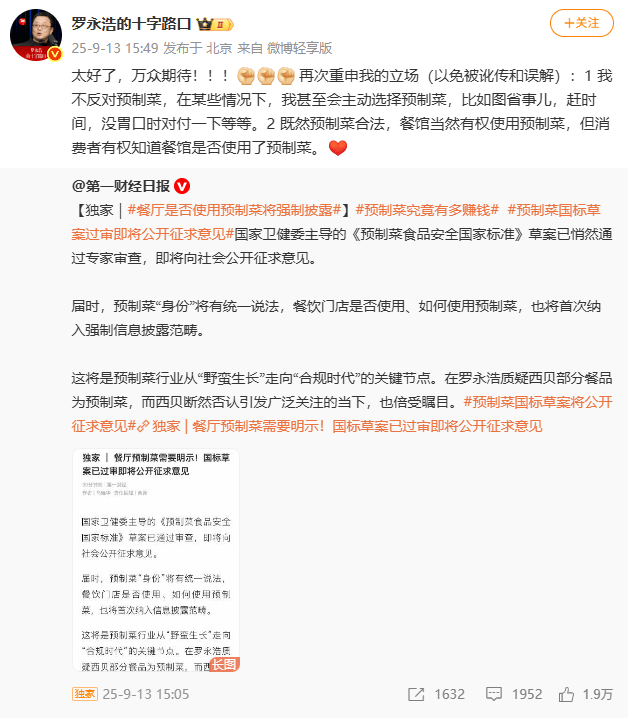
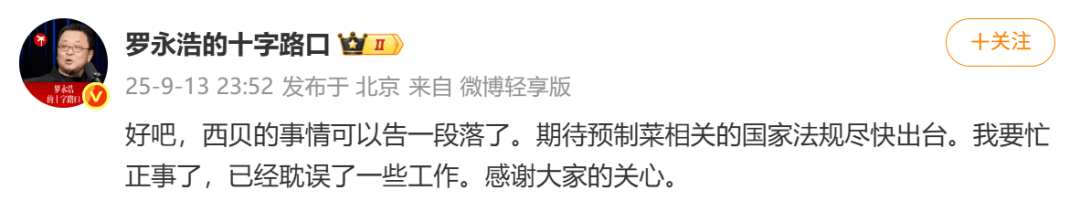
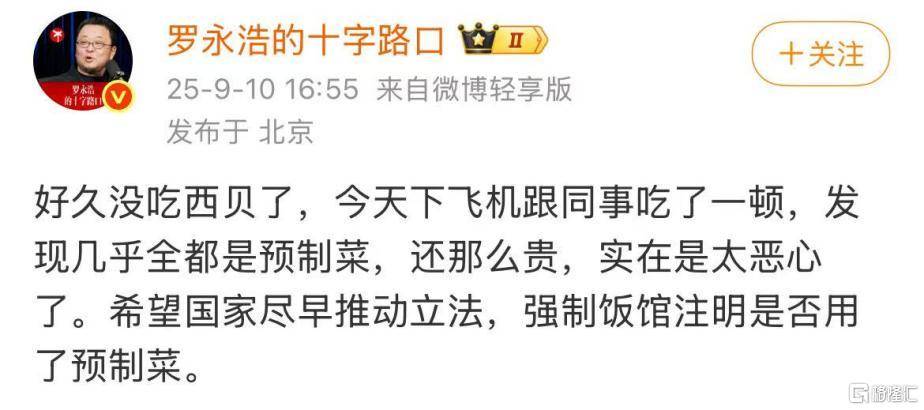
Group 1 - The chain restaurant group Xibei is currently facing public scrutiny regarding the use of pre-prepared dishes, following a social media post by Luo Yonghao criticizing the high prices and prevalence of such dishes at Xibei [1] - Xibei's founder, Jia Guolong, refuted claims that any dishes served are pre-prepared, clarifying that while some items are pre-processed, they do not fall under the strict definition of pre-prepared dishes as per national standards [1] - Jia emphasized that the central kitchen prepares raw materials, such as cutting lamb chops into standard shapes, and that the cooking process occurs at the restaurant, distinguishing between pre-prepared and pre-prepared dishes [1] Group 2 - Luo Yonghao later stated that the discussion regarding Xibei could be concluded, expressing hope for the swift introduction of national regulations on pre-prepared dishes [1] - A draft national standard for food safety concerning pre-prepared dishes, led by the National Health Commission, has passed review and is set to be opened for public consultation [2] - The forthcoming regulations will provide a unified definition of pre-prepared dishes and will require restaurants to disclose whether and how they use such dishes, with experts suggesting that this information should be mandatory [2]
罗永浩称西贝的事情告一段落
Sou Hu Cai Jing· 2025-09-14 04:59
Core Viewpoint - The recent controversy surrounding the use of pre-prepared dishes by the well-known restaurant chain Xibei has sparked significant public discussion, particularly following comments made by entrepreneur Luo Yonghao, who criticized the brand for its reliance on pre-prepared food [4][5][11]. Group 1: Events Timeline - On September 10, Luo Yonghao publicly criticized Xibei, claiming that most of the dishes were pre-prepared and expressed his dissatisfaction with the high prices [4]. - In response, Xibei's founder, Jia Guolong, announced plans to sue Luo Yonghao, stating that his comments had severely damaged the brand's reputation and operations [5]. - Luo Yonghao responded to the lawsuit threat with a dismissive attitude, suggesting that Xibei's ability to make reheated dishes taste fresh was a form of high technology [5]. - Luo later offered a reward of 100,000 yuan for evidence of Xibei's use of pre-prepared dishes [9]. - On September 12, Luo held a nearly one-hour live stream addressing the controversy, asserting that Xibei's claims of not using pre-prepared dishes were false, as there are currently no national standards regulating such practices [11]. Group 2: Industry Implications - Luo Yonghao expressed support for the pre-prepared food industry, indicating that he does not oppose its use in restaurants, provided that consumers are informed about its usage [1]. - The ongoing debate highlights the need for clearer regulations and standards regarding pre-prepared food in the restaurant industry, which could impact consumer trust and brand reputation [1][11].
你相信罗永浩,那就不要再去购物中心吃饭
Sou Hu Cai Jing· 2025-09-14 04:33
最近,著名大V罗永浩和西贝因为"预制菜"争议闹得沸沸扬扬。很多人看了罗永浩的直播,更加积极地去西贝的门店探店,看到各种中央厨房预处理食材, 还真有人发问,为什么西贝不每天进货(有部分商品是每天进货)。殊不知,他们已经被狡猾的罗永浩抛弃了,因为罗永浩自己的口风,从一开始就变了。 按照直播信息,罗永浩强调,自己不是反对预制菜,只是反对没有告知。且不说公众对于预制菜的负面情绪,以及行业标准和公众认知之间的差距。但是, 在罗永浩发微博的时候他自己也很清楚,那就是预制菜三个字是引发大众情绪的最重要的因素之一。 但是很快罗永浩应该明白过来,六部委发文曾经明确过预制菜的"定义范围",自己煽动大家反对预制菜,似乎有点不妥,所以很快见风使舵。那么食品和餐 饮行业为什么需要预制菜?为什么国家允许预制菜的存在? 其实那位发问者虽然是门外汉,但是却问到了"点子"上?答案恰恰是,国家允许预制菜存在的理由之一,就是连锁企业这样就不必要每天进货了(在某些品 类)。因为效率,因为安全问题。 在西贝和罗永浩事件爆发后,和很多公众支持罗永浩不同,很多行业人士几乎一边倒地支持西贝,原因何在?不明原因的人可能以为是所谓的企业家阶 层"抱团",但是实 ...
罗永浩发文:西贝的事可以告一段落了
Sou Hu Cai Jing· 2025-09-14 03:49
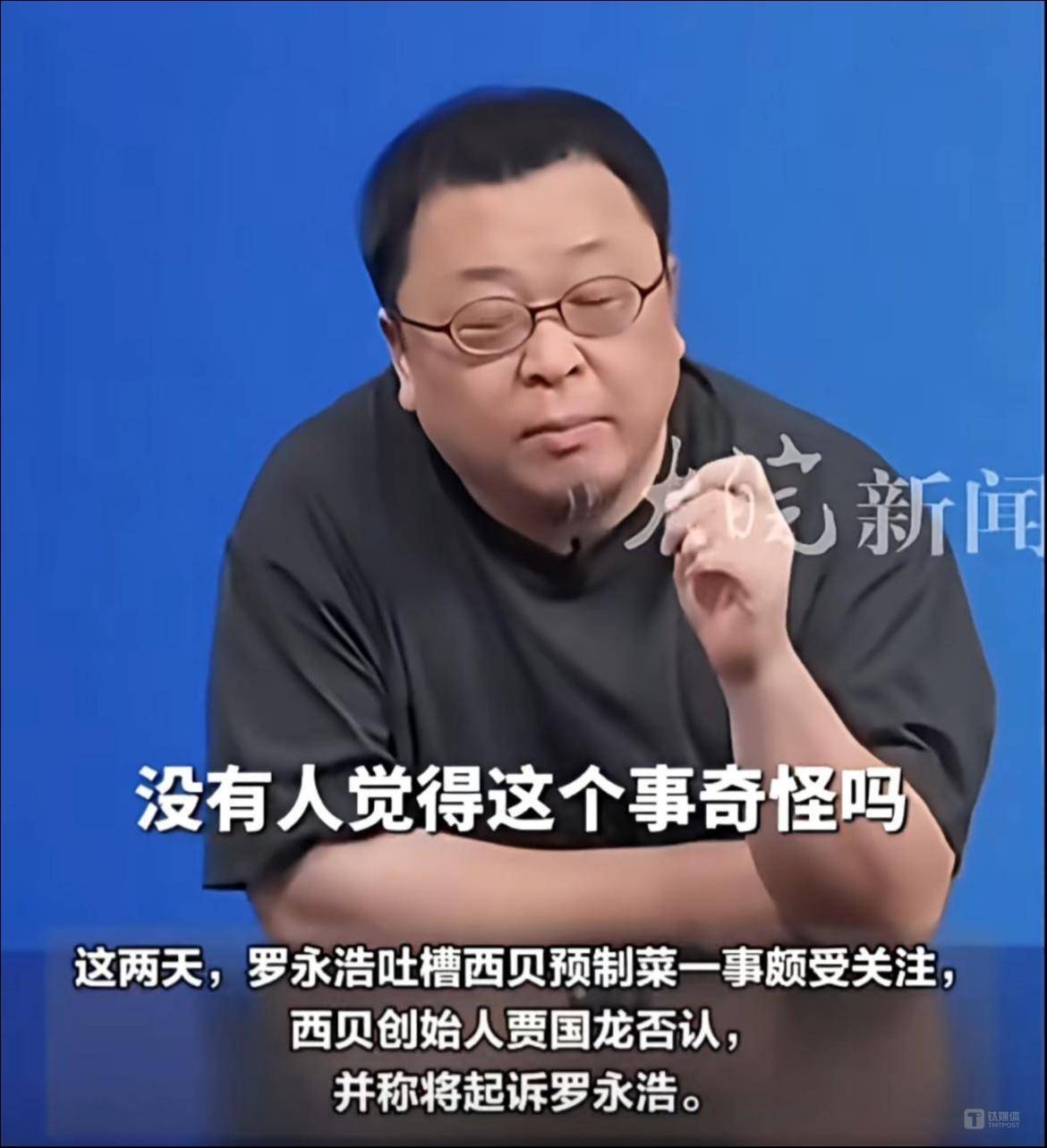
Core Viewpoint - The discussion around pre-prepared meals (pre-cooked dishes) has intensified, particularly following the controversy involving the restaurant chain Xibei and its use of such meals, with calls for clearer regulations in the industry [1][4]. Group 1: Industry Developments - The draft national standards for pre-prepared meals have passed review and are expected to be open for public consultation soon, indicating a move towards formal regulation in this sector [1]. - The controversy surrounding Xibei has highlighted the transparency issues regarding the use of pre-prepared meals in restaurants, with the company claiming all 370 of its locations are open to public scrutiny [4]. Group 2: Company Reactions - Luo Yonghao, a prominent figure in the discussion, expressed his support for pre-prepared meals under certain circumstances, emphasizing the need for consumer awareness regarding their use in restaurants [1]. - Following Luo's criticism of Xibei for its reliance on pre-prepared meals, the company’s representative, Jia Guolong, announced intentions to sue Luo, escalating the public dispute [4].
罗永浩:西贝的事情告一段落
财联社· 2025-09-14 02:41
Core Viewpoint - The ongoing dispute between Luo Yonghao and Xibei regarding the use of pre-prepared dishes in restaurants has drawn significant public attention, with both parties taking strong stances on the issue [5][6][9]. Group 1: Background of the Incident - On September 10, Luo Yonghao criticized Xibei on social media, claiming that the restaurant primarily served pre-prepared dishes, which he found unappetizing and overpriced [5]. - In response to Luo's comments, Xibei's founder, Jia Guolong, announced plans to sue Luo, asserting that the remarks had severely damaged Xibei's brand reputation and business [6]. - Luo responded to the lawsuit threat with a dismissive attitude, suggesting that Xibei's food quality was questionable [7]. Group 2: Financial Impact - Jia Guolong reported a significant drop in daily revenue for Xibei, with a loss of approximately 1 million yuan on September 11 and an estimated loss of 2 to 3 million yuan on September 12 [4]. - The ongoing controversy has led to a tense standoff between the two parties, with Jia stating that he would pursue legal action regardless of the financial implications [4]. Group 3: Public Statements and Reactions - Luo Yonghao reiterated his position on pre-prepared dishes, stating that while he does not oppose them, consumers have the right to know if restaurants use them [3]. - He also offered a reward of 100,000 yuan for evidence of Xibei's use of pre-prepared dishes, further escalating the public debate [8]. - In a live broadcast, Luo claimed that Xibei's assertion of not using pre-prepared dishes was a lie, emphasizing the lack of national standards on the matter [9].
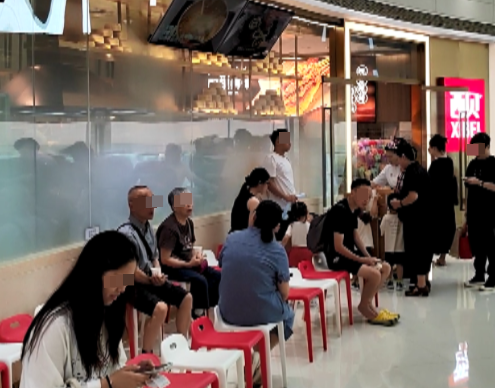
记者探访成都西贝:“罗永浩菜单”已上线 食客表示以为不用排队,结果还是等了
Xin Lang Cai Jing· 2025-09-14 02:15
Core Viewpoint - The ongoing dispute between Luo Yonghao and the restaurant chain Xibei regarding "pre-prepared dishes" has sparked significant public interest, with Luo advocating for transparency in the pre-prepared food market to protect consumer rights [1][8]. Group 1: Impact on Xibei - Following the controversy, Xibei has introduced a "Luo Yonghao menu" and allowed customers to tour the kitchen and view detailed ingredient lists [1][3]. - Despite the controversy, a visit to a Xibei location in Chengdu showed that the restaurant was still busy, with customers primarily being families [1][11]. - Some staff reported a slight decrease in customer traffic due to the controversy, but the restaurant remained popular, especially among families with children [3][11]. Group 2: Customer Reactions - Many customers expressed that they were unaware of the "pre-prepared dishes" debate and were primarily motivated to dine at Xibei because their children enjoy the food [1][11]. - A significant number of diners were parents who did not seem concerned about the ongoing dispute, focusing instead on their children's preferences [11]. Group 3: Xibei's Response to the Controversy - Xibei has publicly opened its kitchen for tours and provided detailed ingredient lists to enhance transparency [5][6]. - The restaurant has implemented a health declaration form for visitors wishing to tour the kitchen, ensuring compliance with health standards [6]. - Staff confirmed that while some dishes are pre-prepared, others are cooked fresh upon order, indicating a mix of preparation methods [10].
预制菜,又摊上事了
Sou Hu Cai Jing· 2025-09-13 11:00
Core Viewpoint - The ongoing dispute between Luo Yonghao and Xibei over the definition and use of prepared dishes has escalated, drawing significant public attention and impacting Xibei's business [1][3][4]. Group 1: Company Responses - Luo Yonghao initiated the controversy with a social media post, leading to Xibei's founder, Jia Guolong, announcing plans to sue him for defamation [1][3]. - Jia Guolong emphasized that Xibei does not use prepared dishes but rather "pre-processed ingredients," aiming to clarify the company's position [2][4]. - Following the backlash, Xibei opened its kitchen for media visits and shared its cooking processes to demonstrate transparency [4][7]. Group 2: Financial Impact - The controversy has reportedly led to a significant decline in Xibei's revenue, with a loss of over 2 million yuan in a single day [3]. - Jia Guolong acknowledged that the pricing strategy of Xibei has faced criticism, admitting past mistakes that contributed to the perception of Xibei as expensive [12][16]. Group 3: Industry Context - The debate centers around the definition of "prepared dishes," with many consumers equating any non-cooked meal as prepared, despite regulatory definitions differing [4][10]. - The prevalence of prepared dishes in the restaurant industry is increasing, with many chains reportedly using them to streamline operations and maintain consistency [24]. - Luo Yonghao's comments highlighted the need for transparency in the prepared dish industry, advocating for consumer awareness regarding food sourcing and preparation methods [27][30]. Group 4: Consumer Sentiment - Consumer trust is a critical issue, with many willing to accept higher prices if they believe the quality justifies the cost [13][16]. - The public's perception of Xibei's pricing and quality has been a longstanding topic of discussion, with many consumers expressing dissatisfaction with the value offered [10][12]. - The relationship between consumers and restaurants is complex, with transparency and quality being key factors in maintaining trust [20][34].
西贝营业额大降,于东来力挺西贝视频已不可见
Zheng Quan Shi Bao· 2025-09-13 10:28
Core Viewpoint - The ongoing dispute between Luo Yonghao and the restaurant chain Xibei regarding the use of "pre-prepared dishes" has led to significant financial repercussions for Xibei, with reported daily revenue losses of 1 million yuan on September 10 and 11, and an expected decrease of 2 to 3 million yuan starting September 12 [1][2]. Group 1: Financial Impact - Xibei's revenue has been adversely affected, with a direct loss of 1 million yuan per day on September 10 and 11, and an anticipated loss of 2 to 3 million yuan per day from September 12 onwards [1]. - The controversy has resulted in a noticeable decline in customer traffic for Xibei, indicating a broader impact on the brand's reputation and financial health [1]. Group 2: Industry Reactions - Several prominent figures in the restaurant industry have publicly supported Xibei, emphasizing the challenges faced by businesses and the importance of constructive criticism rather than damaging accusations [2]. - Luo Yonghao has expressed concerns about the potential harm to Xibei and the restaurant industry as a whole, advocating for legislative measures to ensure transparency in the use of pre-prepared dishes [2]. Group 3: Legal and Regulatory Aspects - Legal opinions suggest that Xibei's use of certain ingredients may classify them as pre-prepared dishes under current regulations, raising questions about the company's marketing claims [3]. - A draft national standard for food safety regarding pre-prepared dishes is set to be publicly reviewed, which could lead to clearer definitions and regulations for the industry [3][4]. Group 4: Consumer Awareness - Luo Yonghao has emphasized the need for transparency in the restaurant industry, asserting that consumers have the right to know whether pre-prepared dishes are used [4]. - The discussion highlights a growing demand for clarity and honesty in food sourcing and preparation, as consumers increasingly seek fresh and authentic dining experiences [5].
贾国龙得认
投中网· 2025-09-13 08:55
Core Viewpoint - The article discusses the public dispute between Luo Yonghao and Jia Guolong regarding the use of pre-prepared dishes at the restaurant chain Xibei, highlighting the implications for consumer rights and industry standards [5][12]. Group 1: Background of the Dispute - Luo Yonghao criticized Xibei for using pre-prepared dishes, claiming they were overpriced and lacked transparency [5][6]. - Jia Guolong, the CEO of Xibei, responded by denying the use of pre-prepared dishes and threatened legal action against Luo for defamation [5][6]. - The situation escalated into a public relations crisis, with both parties holding firm to their positions [5][12]. Group 2: Industry Implications - The article notes that the National Health Commission is working on a national standard for pre-prepared dishes, which may require restaurants to disclose their use of such products [8]. - There is a growing trend in the restaurant industry towards pre-prepared dishes, which some see as a necessary adaptation to market demands [9][15]. - The lack of clear definitions and standards for what constitutes a pre-prepared dish complicates the public's understanding and acceptance of these practices [14]. Group 3: Consumer Perspective - Consumers are increasingly concerned about the quality and transparency of food products, with many feeling uncomfortable about the use of pre-prepared ingredients [9][14]. - Luo Yonghao's position resonates with consumers who demand more transparency and accountability from restaurants regarding their food sourcing and preparation methods [12][15]. - The article emphasizes the importance of consumer rights and the need for clear communication from businesses about their practices [12][14]. Group 4: Leadership and Management - Jia Guolong's strong reaction to the criticism reflects a broader challenge for business leaders in managing public perception and maintaining brand integrity [10][12]. - The article suggests that effective communication and conflict resolution are crucial for business leaders, especially in the face of public scrutiny [12][13]. - The contrasting approaches of Luo Yonghao and Jia Guolong highlight the complexities of navigating consumer expectations and industry standards in the restaurant sector [12][15].