
黑色金属冶炼和压延加工业

Search documents
7月核心CPI同比涨幅连续3个月扩大,下半年价格低位温和回升支撑因素有哪些
Di Yi Cai Jing· 2025-08-09 03:20
Group 1: CPI Analysis - The core CPI, excluding food and energy prices, increased by 0.8% year-on-year, marking the highest growth since March 2024, with a 0.1 percentage point increase from the previous month [2] - In July, the CPI rose by 0.4% month-on-month, reversing a 0.1% decline from the previous month, primarily driven by increases in service and industrial consumer goods prices [4] - The decrease in food prices, particularly fresh vegetables and fruits, significantly impacted the CPI, with fresh vegetable prices down 7.6% year-on-year and fruit prices up 2.8% [1][4] Group 2: PPI Analysis - The PPI fell by 0.2% month-on-month in July, but the decline was less than the previous month, marking the first narrowing of the month-on-month decline since March [6] - Seasonal factors and uncertainties in the international trade environment contributed to price decreases in several industries, including non-metallic mineral products and coal mining [6][7] - The competitive market environment in industries such as coal, steel, and photovoltaic manufacturing has led to a reduction in price declines compared to the previous month [7] Group 3: Future Price Trends - The National Bureau of Statistics anticipates a moderate recovery in prices in the second half of the year, supported by stable economic performance, effective demand expansion policies, and reduced low-price competition among enterprises [7]

曼恩斯特取得集成有切边除尘功能的锂带处理装置及极片收卷复合系统专利,提升复合得到的极片的质量
Jin Rong Jie· 2025-08-09 02:49
Group 1 - Shenzhen Mannester Technology Co., Ltd. has obtained a patent for a "lithium strip processing device with edge trimming and dust removal functions" [1] - The patent was granted with the announcement number CN223198131U, and the application date was August 2024 [1] - The device includes a trimming component and two spaced dust collection components, designed to enhance the efficiency of lithium strip processing [1] Group 2 - Shenzhen Mannester Technology Co., Ltd. was established in 2014 and is primarily engaged in the black metal smelting and rolling processing industry [2] - The company has a registered capital of 1,438.9266 million RMB [2] - Mannester has invested in 20 enterprises and participated in 77 bidding projects, holding 517 patents and 30 trademark registrations [2]

重磅发布!0.4%↑
Zheng Quan Shi Bao Wang· 2025-08-09 02:48
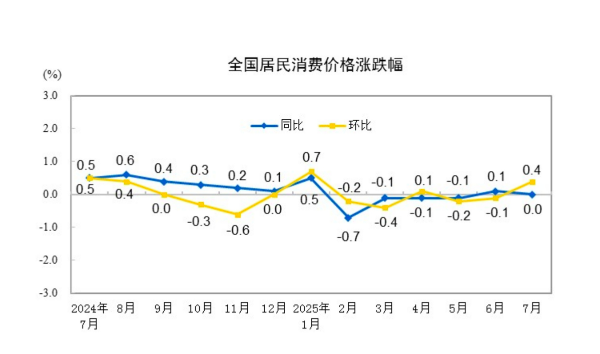
Group 1: CPI Analysis - The Consumer Price Index (CPI) increased by 0.4% month-on-month in July, reversing a previous decline of 0.1%, with a year-on-year change remaining flat [1][2] - The core CPI, excluding food and energy, rose by 0.8% year-on-year, marking the highest increase since March 2024, with a continuous expansion in growth for three consecutive months [2][3] - Service prices contributed significantly to the CPI increase, with a month-on-month rise of 0.6%, driven by seasonal factors such as summer travel, impacting the CPI by approximately 0.26 percentage points [2] Group 2: PPI Analysis - The Producer Price Index (PPI) decreased by 0.2% month-on-month, but the decline was less than the previous month, marking the first narrowing of the month-on-month decline since March [4][5] - Year-on-year, the PPI fell by 3.6%, with the decline remaining consistent with the previous month, indicating some improvement in supply-demand relationships in certain industries [5] - Seasonal factors and uncertainties in international trade affected prices in several sectors, with notable decreases in construction materials and energy-related prices [4][5]
7月核心CPI同比持续回升,PPI环比降幅收窄
Di Yi Cai Jing Zi Xun· 2025-08-09 02:29
2025.08.09 多,一方面建筑项目施工进度放缓影响建材需求;另一方面部分地区河流水量充沛,水力发电对火力发 电的补充替代作用明显增强,电煤需求减少,电价下降。受此影响,非金属矿物制品业价格环比下降 1.4%,黑色金属冶炼和压延加工业价格下降0.3%;煤炭开采和洗选业价格下降1.5%,电力热力生产和 供应业价格下降0.9%。国际贸易环境不确定性影响下,计算机通信和其他电子设备制造业价格下降 0.4%,汽车制造业价格下降0.3%,电气机械和器材制造业价格下降0.2%,通用设备制造业价格下降 0.2%。上述8个行业合计影响PPI环比下降约0.24个百分点。二是国内市场竞争秩序持续优化带动相关行 业价格降幅收窄。全国统一大市场建设纵深推进,煤炭、钢材、光伏、水泥和锂电等行业市场竞争秩序 持续优化,煤炭开采和洗选业、黑色金属冶炼和压延加工业、光伏设备及元器件制造、水泥制造、锂离 子电池制造价格环比降幅比上月分别收窄1.9个、1.5个、0.8个、0.3个和0.1个百分点,合计对PPI环比的 下拉影响比上月减少0.14个百分点。此外,国际输入性因素拉动国内石油和有色金属相关行业价格上 行,石油和天然气开采业价格上涨3 ...
7月份物价数据发布!金饰品价格同比上涨37.1%
Zheng Quan Ri Bao Wang· 2025-08-09 02:27
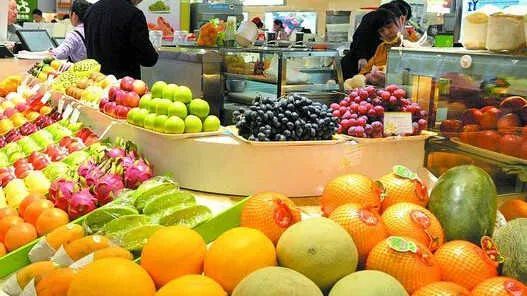
Group 1: CPI Analysis - The Consumer Price Index (CPI) increased by 0.4% month-on-month in July, which is 0.1 percentage points higher than the seasonal level [3] - The rise in CPI was primarily driven by increases in service and industrial consumer goods prices, with service prices up 0.6% and industrial consumer goods prices up 0.5% [3] - Seasonal factors, such as the summer travel peak, contributed to significant price increases in air tickets (17.9%), tourism (9.1%), hotel accommodation (6.9%), and vehicle rentals (4.4%) [3] Group 2: Core CPI Insights - The core CPI, excluding food and energy, rose by 0.8% year-on-year, marking the highest level since March 2024 [4] - Jewelry prices, particularly gold and platinum, saw substantial increases of 37.1% and 27.3% respectively, contributing approximately 0.22 percentage points to the CPI [4] - Food prices experienced a year-on-year decline of 1.6%, primarily due to high base effects from the previous year, which negatively impacted the overall CPI [4] Group 3: PPI Overview - The Producer Price Index (PPI) decreased by 0.2% month-on-month, but the decline was less severe than in previous months, marking the first month of narrowing decline since March [5] - Seasonal factors and uncertainties in international trade contributed to price decreases in certain industries, while domestic market competition improved, leading to reduced price declines in sectors like coal, steel, and solar energy [5][6] - Year-on-year, the PPI fell by 3.6%, with some industries experiencing price recoveries due to macroeconomic policies and demand improvements [6]
7月核心CPI同比持续回升,PPI环比降幅收窄
第一财经· 2025-08-09 02:11
Group 1 - The core viewpoint of the article highlights the ongoing effects of domestic demand expansion policies, leading to a rise in the Consumer Price Index (CPI) and a narrowing decline in the Producer Price Index (PPI [3][4][6] - In July, the CPI increased by 0.4% month-on-month, driven by rising prices in services and industrial consumer goods, with service prices up 0.6% and industrial consumer goods prices up 0.5% [4][5] - The core CPI, excluding food and energy, rose by 0.8% year-on-year, marking the highest increase since March 2024, with significant contributions from jewelry prices [4][5] Group 2 - The PPI decreased by 0.2% month-on-month, but the decline was less than the previous month, marking the first narrowing of the month-on-month decline since March [6][7] - Seasonal factors and uncertainties in the international trade environment contributed to price declines in certain industries, such as construction materials and electricity generation [6][7] - Year-on-year, the PPI fell by 3.6%, with some industries experiencing price increases due to improved supply-demand relationships and ongoing macroeconomic policies [8]
国家统计局:2025年7月份核心CPI同比持续回升 PPI环比降幅收窄
Yang Shi Wang· 2025-08-09 02:11
Group 1: CPI Analysis - The Consumer Price Index (CPI) increased by 0.4% month-on-month in July, reversing a previous decline of 0.1%, with year-on-year growth remaining flat [1][2] - Core CPI, excluding food and energy, rose by 0.8% year-on-year, marking the highest increase since March 2024, with a continuous expansion in growth for three consecutive months [2][3] - The rise in CPI was primarily driven by service prices, which increased by 0.6% month-on-month, contributing approximately 0.26 percentage points to the overall CPI increase [2] Group 2: PPI Analysis - The Producer Price Index (PPI) decreased by 0.2% month-on-month, but the decline was less than the previous month, marking the first month-on-month narrowing of the decline since March [4][5] - Year-on-year, the PPI fell by 3.6%, with the decline remaining consistent with the previous month, indicating some stabilization in certain industries [4][5] - The decrease in PPI was influenced by seasonal factors and uncertainties in the international trade environment, affecting prices in several sectors, including construction materials and electronics [4][5] Group 3: Sector-Specific Price Changes - Prices in the manufacturing of traditional and emerging industries showed positive changes, with specific increases noted in sectors such as glass manufacturing and wearable smart devices [5][6] - Notable price increases were observed in the manufacturing of arts and crafts (up 13.1%), sports balls (up 5.3%), and nutritional foods (up 1.3%) [6]
国家统计局:7月核心CPI同比持续回升 PPI环比降幅收窄
Di Yi Cai Jing· 2025-08-09 01:58
Group 1: CPI Analysis - The Consumer Price Index (CPI) showed a month-on-month increase of 0.4% in July, reversing a previous decline of 0.1% in June, primarily driven by rising service and industrial goods prices [2][3] - The core CPI, excluding food and energy, rose by 0.8% year-on-year, marking the highest increase since March 2024, with jewelry prices significantly contributing to this rise [2][3] - Food prices decreased by 1.6% year-on-year, influenced by a high base from the previous year, which negatively impacted the overall CPI [3] Group 2: PPI Analysis - The Producer Price Index (PPI) decreased by 0.2% month-on-month, but the decline was less severe than in previous months, indicating a potential stabilization in certain sectors [4][5] - Year-on-year, the PPI fell by 3.6%, with some industries experiencing price recovery due to improved supply-demand dynamics and ongoing industrial upgrades [5][6] - Specific sectors such as traditional industries and emerging industries showed positive price movements, with notable increases in prices for products like caustic soda and aircraft manufacturing [5][6]
国家统计局:7月份核心CPI同比持续回升,PPI环比降幅收窄
Xin Lang Cai Jing· 2025-08-09 01:40
Group 1 - The Consumer Price Index (CPI) increased by 0.4% month-on-month in July, reversing a previous decline, driven by rising prices in services and industrial consumer goods [1][2] - The core CPI, excluding food and energy, rose by 0.8% year-on-year, marking the highest increase since March 2024, with significant contributions from gold and platinum jewelry prices [1][3] - Food prices decreased by 1.6% year-on-year, primarily due to a high base from the previous year, impacting the overall CPI [2] Group 2 - The Producer Price Index (PPI) decreased by 0.2% month-on-month, but the decline was less than the previous month, indicating a potential stabilization in certain sectors [2][3] - Year-on-year, the PPI fell by 3.6%, with some industries experiencing price recovery due to improved supply-demand relationships and ongoing macroeconomic policies [3][4] - Specific industries such as traditional manufacturing and emerging sectors showed price increases, with notable rises in the prices of caustic soda and aircraft manufacturing [3][4]
国家统计局城市司首席统计师董莉娟解读2025年7月份CPI和PPI数据
Guo Jia Tong Ji Ju· 2025-08-09 01:39
Group 1: CPI Analysis - In July, the Consumer Price Index (CPI) increased by 0.4% month-on-month, reversing a previous decline of 0.1%, with a year-on-year change remaining flat [1][2] - The core CPI, excluding food and energy, rose by 0.8% year-on-year, marking the highest increase since March 2024, and has expanded for three consecutive months [1][2] - Service prices contributed significantly to the CPI increase, with a month-on-month rise of 0.6%, driven by seasonal factors such as summer travel [2] Group 2: PPI Analysis - The Producer Price Index (PPI) decreased by 0.2% month-on-month, but the decline was less than the previous month, indicating a narrowing of the drop for the first time since March [1][4] - Year-on-year, the PPI fell by 3.6%, with the decline remaining consistent with the previous month, reflecting ongoing macroeconomic policies and improvements in supply-demand relationships in certain industries [1][5] - Seasonal factors and international trade uncertainties have influenced price changes in various sectors, with notable decreases in construction materials and energy-related prices [4][5]