
生物制造

Search documents
江苏“十五五”规划建议发布:打造有国际竞争力的战略性新兴产业集群
Zheng Quan Shi Bao Wang· 2025-12-11 06:47
Core Insights - The Jiangsu Provincial Committee has officially released recommendations for the 15th Five-Year Plan, emphasizing the enhancement of strategic emerging industries such as new generation information technology, new energy, new materials, biomedicine, and high-end equipment [1][2] Group 1: Industry Development - The plan aims to cultivate new growth engines in aerospace and low-altitude economy while maintaining a strong manufacturing sector [2] - It emphasizes the need for traditional industries to upgrade and for the development of strategic emerging industries, ensuring a balanced approach [2] - The focus is on high-quality development of key industrial chains and strengthening traditional industries like metallurgy, chemicals, textiles, and machinery [2] Group 2: Technological Innovation - The recommendations call for significant breakthroughs in core technologies in fields such as integrated circuits, high-end instruments, and biomanufacturing [4] - There is a push for a comprehensive innovation system that integrates technology and industry, with a focus on establishing a network of laboratories to support research and development [4] Group 3: Digital Economy - The plan includes initiatives to deepen the development of a digital economy, aiming to create a national digital economy innovation development pilot zone [5] - It emphasizes the importance of artificial intelligence and its integration into various sectors, promoting a comprehensive digital transformation [5] Group 4: International Cooperation - The recommendations advocate for high-level openness and the establishment of a two-way open hub to enhance international cooperation and resource allocation [7] - There is a focus on expanding trade and investment, promoting new business models, and enhancing the service system for foreign investment [8] Group 5: Future Industries - The plan encourages the exploration of future industries such as third-generation semiconductors, hydrogen energy, and quantum technology, aiming to transform these into productive forces [3] - It highlights the need for innovative regulatory approaches and investment mechanisms to support the growth of these industries [3]
山东大学祁庆生团队开发新途径解决丁二酸生物制造瓶颈
合成生物学与绿色生物制造· 2025-12-11 04:20
Core Viewpoint - The research team from Shandong University has developed a novel non-canonical reductive TCA (Nc-rTCA) pathway for high-yield succinic acid biosynthesis in Yarrowia lipolytica, addressing the limitations of the traditional reductive TCA pathway [2][5]. Group 1: Research Background - C4 dicarboxylic acids, particularly succinic acid, are valuable compounds used in pharmaceuticals, chemicals, and food industries. Succinic acid serves as a platform compound for synthesizing various high-value chemicals [3]. - Yarrowia lipolytica is identified as a promising host for succinic acid biosynthesis due to its excellent acid tolerance and compatibility with low-cost raw materials [3]. Group 2: Challenges and Solutions - The traditional reductive TCA (rTCA) pathway faces challenges due to insufficient NADH levels in yeast, leading to lower than theoretical conversion rates for succinic acid production [3][5]. - The research team previously constructed a high-yield succinic acid-producing strain using alternative pathways but noted that conversion rates still had room for improvement [5]. Group 3: Novel Pathway Development - The team proposed the Nc-rTCA pathway to circumvent the redox imbalance associated with the traditional rTCA pathway. This new pathway utilizes endogenous aspartate transaminase (YlAAT) and heterologous aspartate ammonia-lyase (AAL) to convert oxaloacetate into fumarate, bypassing the NADH-dependent malate dehydrogenase [5]. - The introduction of NADPH-dependent glutamate dehydrogenase (YlGDH) facilitates the synthesis and utilization cycle of NH4, significantly improving the conversion rate of succinic acid [5]. Group 4: Experimental Results - The engineered Yarrowia lipolytica strain Ncr12 achieved a succinic acid yield of 98.16 g/L and a conversion rate of 0.91 g/g glucose in a 5-L fermentation tank, marking the highest conversion rate for succinic acid production from glucose in yeast [6]. - Using non-food low-cost raw materials such as crude glycerol and lignocellulose, the strain produced succinic acid yields of 117.74 g/L and 74.34 g/L, with conversion rates of 0.74 g/g glycerol and 0.98 g/g glucose, respectively, also representing the highest conversion rates for these carbon sources in yeast [6]. Group 5: Broader Implications - The Nc-rTCA pathway is theoretically universal and scalable, providing a new route for succinic acid production and a platform for the industrial production of other bio-based C4 dicarboxylic acids [6].


吉林“十五五”规划建议:打造全链条具身智能与人形机器人产业
Di Yi Cai Jing· 2025-12-11 02:12
Core Viewpoint - The Jilin Provincial Committee of the Communist Party of China has released recommendations for the 15th Five-Year Plan for the province's economic and social development, focusing on future industries and strategic positioning in emerging sectors [1] Group 1: Future Industry Development - The plan emphasizes the importance of seizing opportunities in future industries such as artificial intelligence, hydrogen energy, new energy storage, aerospace information, biomanufacturing, and atomic-level manufacturing [1] - A high-performance computing cluster will be established to promote the "Artificial Intelligence +" initiative, aiming to develop a comprehensive intelligent and humanoid robotics industry [1] - The hydrogen energy industry will be accelerated, with a focus on creating a "Hydrogen +" industrial ecosystem and promoting applications like hydrogen-powered intercity trains to establish hydrogen transportation corridors [1] Group 2: Technological Advancements - The plan advocates for the development of high-efficiency, low-cost new battery products and the research of next-generation satellite products [1] - It aims to build an integrated information infrastructure and service system that combines space, ground, and remote sensing technologies [1] - There is a strong emphasis on advancing bioproducts and developing new biological health products, alongside tackling key technologies in high-precision equipment, advanced materials, and micro-nano manufacturing processes to accelerate industrialization [1]

双城联展,深圳国际高性能医疗器械展暨创新医药展将开展
Nan Fang Du Shi Bao· 2025-12-11 01:09
Core Viewpoint - The 2025 Shenzhen International High-Performance Medical Device and Innovative Pharmaceutical Exhibition will take place in two phases, with the Hong Kong station starting on December 11 and the main exhibition in Shenzhen from December 18 to 20, showcasing advancements in the medical device and pharmaceutical industries [1][2]. Group 1: Exhibition Overview - The exhibition adopts a "one exhibition, two cities" model, focusing on the latest achievements from innovation to industrial transformation, and aims to create a platform for industry exchange, resource integration, and trade [2][3]. - The Hong Kong station will emphasize international clinical trials, technology and product exports, and new fields such as AI in medical devices and brain science, while the Shenzhen station will cover the entire pharmaceutical and medical device supply chain [2][3]. Group 2: Industry Development - Shenzhen's pharmaceutical and medical device output is projected to grow from 128 billion yuan in 2020 to 157.6 billion yuan by 2024, with an annual growth rate of 5.3%, maintaining its position as the national leader in medical device output [3]. - The city plans to establish a development framework consisting of "one corridor, two zones, and three bases" to enhance its biopharmaceutical and medical device industries [3]. Group 3: Regional Focus - Pingshan District, as a national biopharmaceutical industry base, has established 13 specialized parks covering over 2.79 million square meters, with a compound annual growth rate of 39.8% in enterprise numbers [4]. - The Guangming District has attracted over 900 medical device companies and is focusing on building a comprehensive ecosystem for biomanufacturing and innovative medical devices [5][6]. Group 4: Exhibition Highlights - The exhibition will feature over 300 participating companies, including international giants like Siemens and Medtronic, and will host more than 20 sub-forums covering key topics such as policy interpretation and cutting-edge technologies [7][8]. - This year's exhibition will continue to emphasize the dual focus on pharmaceuticals and medical devices, showcasing a wide range of innovations and establishing a complete industry chain from research to application [7][8].
深圳医疗器械出口全国居首
Shen Zhen Shang Bao· 2025-12-10 17:29
Core Insights - Shenzhen has identified biomedicine, high-end medical devices, and the health industry as key sectors within the "20+8" industrial cluster, aiming to create a vibrant and complete ecosystem for pharmaceutical and medical device development [1][2] Industry Growth - The output value of Shenzhen's pharmaceutical and medical device industry is projected to increase from 128 billion yuan in 2020 to 157.6 billion yuan by 2024, with an average annual growth rate of 5.3% [1] - The medical device output is expected to rise from 83.1 billion yuan to 102.8 billion yuan, maintaining its position as the highest in the country [1] - By 2024, the total export value of pharmaceuticals and medical devices is anticipated to reach 41.38 billion yuan, with medical device exports alone accounting for 29.85 billion yuan, also the highest in the nation [1] Development Strategy - Shenzhen plans to establish an industrial development framework consisting of "one corridor, two zones, and three bases," focusing on biomedicine innovation and institutional innovation [2] - The "4+4+N" development strategy will target four emerging sectors, including cell and gene therapy, and will promote key projects in research and development as well as international expansion [2] Specialized Bases - The Pingshan District, recognized as a national-level biomedicine industrial base, has developed a support system with 13 specialized parks covering over 2.79 million square meters, achieving an annual compound growth rate of 39.8% in enterprise numbers [2] - The Guangming District has attracted over 900 medical device companies and over 100 biopharmaceutical companies, with the National Biomanufacturing Industry Innovation Center recently commencing operations to enhance collaborative innovation in the Greater Bay Area [3]
李迅雷专栏 | 中国不是日本,没有国家能代替中国崛起!明年对A股可以更乐观一些
中泰证券资管· 2025-12-10 11:32
Core Viewpoint - The article emphasizes the investment opportunities and macroeconomic trends arising from China's "14th Five-Year Plan" and the upcoming "15th Five-Year Plan," highlighting the importance of high-quality development and the need for structural reforms in the economy [5][6][13]. Group 1: Macroeconomic Trends - The global economy is facing significant changes, particularly due to the U.S.-China relationship, which is a crucial factor influencing both economies and the global landscape [6][9]. - China's economic growth is projected to achieve around 5% for the year, despite challenges such as a decline in fixed asset investment and lower consumer spending [10][11]. - The current economic environment is characterized by a long-term real estate cycle, with adjustments expected in the housing market, particularly in major cities [10][20]. Group 2: Investment Opportunities - The "15th Five-Year Plan" presents numerous investment opportunities, particularly in technology, consumer sectors, and infrastructure, as the government emphasizes economic construction and reform [13][19]. - The focus on technological self-reliance and innovation is highlighted as a key area for future growth, with significant potential for companies involved in AI and other advanced technologies [14][17]. - The article notes that consumer spending is expected to rise, driven by demographic changes and government policies aimed at boosting consumption [19][20]. Group 3: Market Outlook - The A-share market is anticipated to perform well, with a positive outlook for corporate earnings growth, despite current challenges in ROE [26][27]. - The article suggests that structural opportunities exist within the market, as companies adapt to changing economic conditions and consumer demands [27][28]. - A diversified asset allocation strategy is recommended, with gold being highlighted as a valuable asset for long-term investment [28].

深圳医疗器械产值全国第一 将构建“一廊两区三基地”产业格局
2 1 Shi Ji Jing Ji Bao Dao· 2025-12-10 10:07
Core Viewpoint - Shenzhen is positioning itself as a leading hub for the biopharmaceutical and high-end medical device industries, with significant growth in production value and exports projected through 2024 [1][2]. Group 1: Industry Growth and Development - From 2020 to 2024, the production value of Shenzhen's biopharmaceutical and medical device sectors is expected to increase from 128 billion to 157.6 billion yuan, with an average annual growth rate of 5.3% [1][2]. - Medical device production value is projected to rise from 83.1 billion to 102.8 billion yuan, maintaining the top position in the country [1][2]. - In 2024, the total export value of pharmaceuticals and medical devices is anticipated to reach 41.38 billion yuan, with medical device exports alone accounting for 29.85 billion yuan, also ranking first nationally [1][2]. Group 2: Strategic Initiatives - Shenzhen plans to establish an "industrial development pattern" consisting of "one corridor, two zones, and three bases" to enhance its biopharmaceutical sector [2]. - The "4+4+N" development strategy will focus on four emerging tracks, including cell and gene therapy, and will promote key projects in research and development and international expansion [2]. Group 3: Infrastructure and Ecosystem - The Pingshan District, as a national-level biopharmaceutical industrial base, has developed 13 specialized parks covering over 2.79 million square meters, with an annual compound growth rate of enterprises at 39.8% [2]. - The Guangming District hosts over 900 medical device companies and is developing a comprehensive ecosystem that includes technological innovation, clinical research, and policy support [3]. Group 4: Upcoming Events and Innovations - The Shenzhen International High-Performance Medical Device and Innovative Pharmaceutical Exhibition will take place from December 18 to 20, showcasing advancements in biomanufacturing, AI in pharmaceuticals, and other emerging fields [4][5]. - The exhibition will feature over 300 participating companies, including major international and domestic players, and will highlight new drug developments and clinical trials [5][6].
工信部:所属7所高校均获批建设国家卓越工程师学院,首届毕业生1/3以上在联培企业就业
Huan Qiu Wang· 2025-12-10 09:05
Core Viewpoint - The Ministry of Education emphasizes the importance of reforming the training of outstanding engineers to support the development of a strong education, technology, and talent nation, aligning with the national strategic talent cultivation goals [1][3]. Group 1: Policy and Strategic Initiatives - The "14th Five-Year Plan" suggests a comprehensive approach to advancing education, technology, and talent development, highlighting the need for more outstanding engineers [1]. - The Ministry of Industry and Information Technology (MIIT) has implemented various policies to enhance the training of outstanding engineers, including the "Manufacturing Talent Support Plan" which selects around 300 advanced manufacturing technology talents annually [3][4]. - MIIT has established a collaborative framework with educational institutions and industries to ensure that talent policies align with industrial needs, thereby enhancing the effectiveness of engineer training [3][4]. Group 2: Educational Framework and Industry Collaboration - MIIT has developed a "1+5+N" working system to promote practical training for engineers, focusing on key areas such as new materials and new energy vehicles [4][5]. - The establishment of national engineering practice bases and innovation centers aims to improve students' practical skills and facilitate collaboration between universities and specialized enterprises [4][5]. - The MIIT has initiated strategic cooperation with the Ministry of Education to enhance data sharing and talent supply-demand matching [4][5]. Group 3: Future Directions and Talent Development - MIIT plans to continue implementing the Manufacturing Talent Support Plan and host national technology skill competitions to elevate the recognition of engineers in society [6]. - The focus will be on predicting talent needs in key sectors like artificial intelligence, ensuring that educational programs align with high-quality industrial development [6]. - MIIT aims to guide universities in closely aligning their engineering programs with national strategic needs, thereby fostering a robust pipeline of outstanding engineers [6].
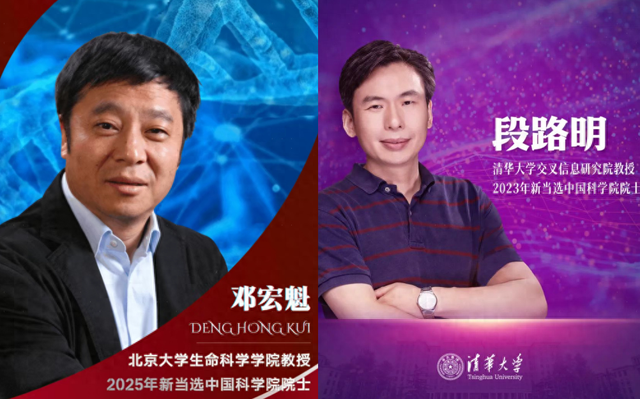
三七互娱再次“投中”中国科学院院士项目 锚定新质生产力高地
Xin Lang Cai Jing· 2025-12-10 03:45
Core Insights - The recent election of Professor Deng Hongkui, a scientific founder of Beijing Beiqi Biopharmaceutical Co., Ltd., as an academician highlights the strategic investments made by 37 Interactive Entertainment in top-tier scientific projects [1][3] - The company has effectively aligned its investment strategy with national strategic development priorities, focusing on cutting-edge fields such as quantum computing and biomanufacturing [3][4] Investment Strategy - 37 Interactive Entertainment's investment logic is based on penetrating the uncertainties of technological iterations and capturing key turning points in industry explosions, guided by national strategic planning [4] - The company has concentrated its investments in areas with significant policy support and high growth potential, such as quantum computing, brain-computer interfaces, and biomanufacturing, as outlined in the "14th Five-Year Plan" [4][12] Case Studies - The cases of Huayi Quantum and Beiqi Biopharmaceutical exemplify the company's investment logic, with Huayi Quantum being a leader in the ion trap quantum computing sector and Beiqi Biopharmaceutical focusing on innovative stem cell technologies [5][6] - Huayi Quantum, emerging from Tsinghua University, has made significant advancements in quantum computing, while Beiqi Biopharmaceutical has developed groundbreaking solutions for cell therapy and regenerative medicine [5][6] Selection Criteria - The company emphasizes selecting top scientists with the ability to translate technology into industry applications, focusing on their technical accumulation and capacity for results transformation [8][11] - The founders of both Huayi Quantum and Beiqi Biopharmaceutical have demonstrated substantial contributions to their respective fields, showcasing their potential to drive industry advancements [11][12] Future Outlook - 37 Interactive Entertainment has developed a methodology for early-stage hard technology investments, focusing on selecting the right sectors and founders to ensure successful outcomes [12] - The company aims to continue supporting high-potential projects that can transition from technological value to industrial value, contributing to the development of new productive forces [12]

海南“十五五”规划建议:聚焦新领域新赛道 推动生物制造、氢能、脑机接口、具身智能等未来产业创新发展
Zheng Quan Shi Bao Wang· 2025-12-10 02:32
人民财讯12月10日电,中共海南省委关于制定国民经济和社会发展第十五个五年规划的建议发布,其中 提出,前瞻布局"四新"未来产业。聚焦新领域新赛道,推动生物制造、氢能、脑机接口、具身智能等未 来产业创新发展。探索多元技术路线、典型应用场景、可行商业模式、市场监管规则,建立投入增长和 风险共担机制。完善生物原料多元供给体系,培育建设高能级创新平台,巩固海洋生物制造、生物育种 领域竞争优势,打造具有海南特色和优势的生物制造产业集群。支持海上风电制氢示范,结合多场景应 用,带动氢能"制储输用"全产业链发展。打造脑机接口省级技术创新中心,攻关脑科学和电极、芯片等 核心技术,加速实现科研成果产业化。推动具身智能在多元场景中广泛应用,打造集生产、学习、研 究、应用为一体的产业生态体系。 ...