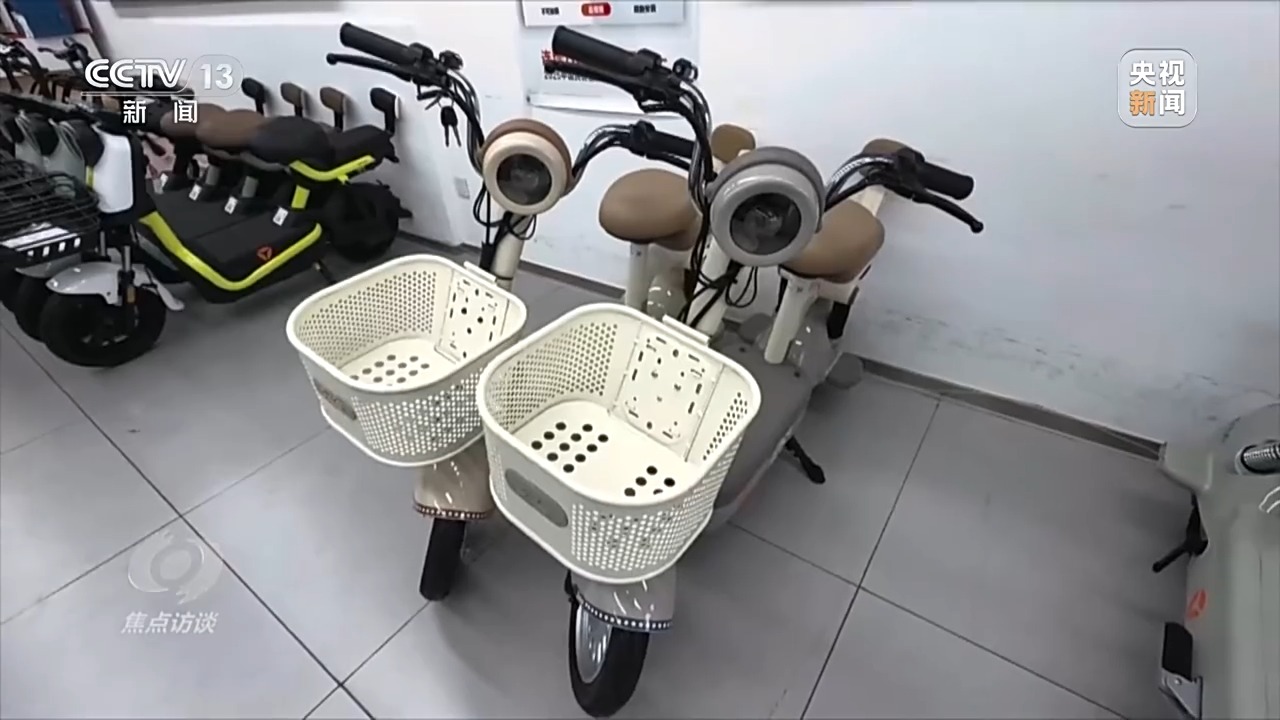
电动自行车

Search documents
2025年安徽省淮北市电动自行车及相关产品、儿童学生用品、烟花爆竹等产品抽检结果公布
Zhong Guo Zhi Liang Xin Wen Wang· 2025-11-18 08:04
Group 1 - The Anhui Province Huai Bei City Market Supervision Administration released inspection results for electric bicycles and related products, children's school supplies, and fireworks on November 18, 2023 [1] - The inspection included various brands of electric bicycles, with some failing to meet standards, such as "绿驹" and "雅迪," while others like "台铃" and "爱玛" passed [2] - A total of 100 products were tested, with a significant number passing the quality standards, indicating a generally positive compliance rate in the market [3] Group 2 - The inspection results showed that several children's toys and supplies, including traffic toys and educational toys, were compliant with safety standards [3] - Various brands of children's strollers and hygiene products, such as sanitary napkins and wet wipes, also passed the quality checks, reflecting a focus on safety in children's products [3][4] - The fireworks tested, including "金旺玫瑰红" and "财神道," were found to be compliant, ensuring safety for consumers during festive seasons [4]

下月起,未取得新国标3C认证的电动自行车将被禁售!
Nan Fang Du Shi Bao· 2025-11-18 06:12
近日,国家认证认可监督管理委员会发布2025年第25号公告,要求各电动自行车指定认证机构对依据旧版标准出具的有效CCC认证证 书,于2025年12月1日全部予以注销;对依据旧版标准出具、处于暂停状态且不能恢复有效的CCC认证证书,于2025年12月1日全部予以 撤销。各电动自行车销售企业自认证证书注销、撤销之日起不得继续销售。若违反上述规定,各级市场监管部门将依法查处。为规范广 东省电动自行车销售,切实保护消费者权益,广东省市场监管局发布对销售单位及消费者的提示。 不符合新国标的电动自行车 将于12月1日起禁止销售 面向销售者的监管提示方面,为严格落实《电动自行车安全技术规范》(GB17761—2024,以下简称"新国标")及国家认监委2025年第 25号公告要求,规范市场经营秩序,保障产品质量安全,现提示如下: (一)严格遵守销售时限要求:2025年12月1日起,禁止销售不符合新国标、未取得新国标CCC认证的电动自行车;2025年8月31日及之 前出厂/进口的旧标合规产品,销售截止日期为2025年11月30日,逾期不得继续销售。 (二)规范进货查验与库存管理:进货时须严格核验产品合格证明、新国标CCC认证证 ...
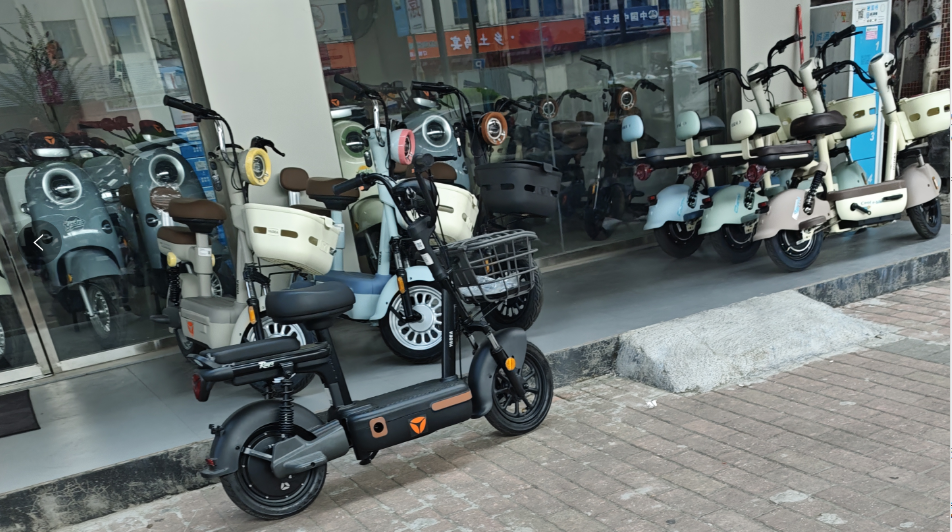
12月起禁售不符新国标电动自行车 广东发布提示
Guang Zhou Ri Bao· 2025-11-15 01:56
Core Points - The National Certification and Accreditation Administration has announced the cancellation of all valid CCC certification certificates based on the old standards by December 1, 2025 [1] - The Guangdong Provincial Market Supervision Administration has issued guidelines for sellers and consumers to comply with the new national standard for electric bicycles [1] Group 1: Sales Regulations - From December 1, 2025, the sale of electric bicycles that do not meet the new national standard and have not obtained the new CCC certification will be prohibited [1] - The deadline for selling old standard compliant products manufactured or imported before August 31, 2025, is November 30, 2025 [1] Group 2: Inventory Management - Sellers must strictly verify product compliance documents and new CCC certification during procurement to ensure products meet the required standards [1] - There is a transitional period until November 30, 2025, for managing old standard inventory to avoid losses from excess stock [1] Group 3: Quality and Safety Traceability - The implementation of "scan verification" will be promoted, utilizing platforms like "E-code" to establish a complete electronic ledger for procurement and sales [2] - Companies are encouraged to cooperate with market supervision departments for inspections and traceability investigations [2]
政企早餐会“小餐桌” 承载共谋发展“大担当”
Sou Hu Cai Jing· 2025-11-13 22:19
Group 1 - The core value of the breakfast meetings organized by the National Development and Reform Commission (NDRC) is to break down the invisible barriers between government and enterprises, allowing entrepreneurs to express their concerns freely in a relaxed atmosphere [1] - The NDRC has held 20 breakfast meetings and over 160 discussions with private enterprises, demonstrating a proactive approach to communication and problem-solving [1] - Specific issues raised by companies, such as the weight limit on electric bicycles and accounts receivable challenges, have been addressed effectively through government coordination and follow-up actions [1] Group 2 - The breakfast meetings reflect a significant transformation in government governance philosophy, shifting from a passive response to proactive engagement with businesses [2] - The implementation of a closed-loop management system enhances the efficiency and quality of problem resolution, ensuring that every enterprise request receives a response and follow-up [2] - The regular and institutionalized communication mechanism fosters confidence in development and stimulates market vitality, particularly in the context of promoting high-quality development of the private economy [2]
市场监管总局撤销1557张强制性产品认证证书
Yang Shi Xin Wen Ke Hu Duan· 2025-11-13 08:26
Core Points - The State Administration for Market Regulation has conducted a validity inspection of mandatory product certifications across 23 categories, including household gas stoves, electric bicycles, fire extinguishers, and small appliances [1] - A total of 3001 batches of products were inspected, with a coverage rate of 73.5% for certification agencies [1] - Additionally, 123 batches of low-voltage components and power tools were also inspected for certification validity [1] Regulatory Actions - Non-compliant certified manufacturers and products have been reported to relevant certification agencies, which are now required to enhance quality control and risk assessment [1] - A total of 1557 certification certificates have been revoked for products and manufacturers that did not meet certification requirements [1] - For products with serious non-compliance that had their certifications revoked, certification agencies will not accept new certification applications for six months [1] Compliance Requirements - Manufacturers whose self-declarations were revoked cannot reapply for self-declaration for six months and must cease production, import, or sale of the affected products [1] - Manufacturers are also required to conduct risk assessments and implement corrective actions [1]
多个品牌开始上“新”,门店“老”车所剩不多
Qi Lu Wan Bao· 2025-11-11 21:44
Core Viewpoint - The implementation of the new national standard for electric bicycles in China has led to significant changes in the market, with a surge in sales of old standard models before their mandatory discontinuation [2][3][4] Group 1: Market Changes - The new national standard for electric bicycles, effective from September 1, mandates that all vehicles sold after November 30, 2025, must comply with the new regulations, leading to the phasing out of old standard models [2] - Sales of old standard electric bicycles are strong, with some stores reporting low inventory levels and high customer interest as consumers rush to purchase before the deadline [3][4] - Some brands have begun selling new standard electric bicycles, but the selection is limited, and many stores are waiting to introduce a wider range until old models are sold out [4] Group 2: Industry Insights - Industry experts note that the current market for new standard electric bicycles is experiencing a temporary slowdown due to limited consumer acceptance and a lack of variety in models [6] - The pricing landscape remains stable, with no significant price increases observed, and some models even seeing slight price reductions during promotional periods [6] - The competitive landscape is shifting from a "price war" to a "value war," with future competition focusing on new designs, diversified production, and enhanced after-sales service [6]
壹点调查|“缓冲期”不足一个月,济南电动自行车市场:新款不多,老款将空
Sou Hu Cai Jing· 2025-11-11 04:53
Core Points - The new mandatory national standard for electric bicycles, effective from September 1, 2023, requires all bicycles sold after November 30, 2025, to comply with the new regulations, leading to the discontinuation of non-compliant models [1][4] - The sales of old standard electric bicycles remain strong as consumers rush to purchase before the deadline, with some stores reporting low inventory levels [3][4] - Many brands have introduced new standard models, but most only offer one model, with plans to expand offerings after the old models are phased out [4][5] Market Dynamics - The current market for new standard electric bicycles is experiencing slow sales due to limited consumer acceptance and a lack of model variety [5][7] - Price differences between old and new standard models range from 300 to 700 yuan, with new models priced around 3000 yuan compared to approximately 2300 yuan for old models [4][5] - The market is transitioning from a "price war" to a "value war," with brands needing to focus on new styles, diversified production, and improved after-sales service to enhance competitiveness [5][7]

商家“清库存”帮违规电动自行车申领牌照,10名销售员被抓
Xin Jing Bao· 2025-11-10 12:01
Core Points - The Shanghai police have arrested 10 individuals involved in illegally applying for electric bicycle licenses by temporarily replacing batteries to meet compliance standards [1] - A new mandatory national standard for electric bicycles (GB17761—2024) was implemented on September 1, 2023, requiring all newly produced electric bicycles to comply with these standards [1] - Businesses are attempting to clear inventory by engaging in illegal practices, which has led to police investigations and potential license cancellations for non-compliant bicycles [1] Industry Regulations - The new standard allows electric bicycles produced or imported before September 1, 2023, to be sold until November 30, 2025, provided they meet the old standards [1] - From December 1, 2025, all electric bicycles sold must comply with the new standards [1] Enforcement Actions - The Shanghai traffic police have established a mechanism to trace illegal modifications and have identified over 100 illegal modification cases this year, leading to more than 80 administrative cases being filed [2] - The police are intensifying checks on electric bicycle registrations, ensuring that all necessary documentation aligns with the actual technical parameters of the vehicles [2] - Since 2025, the Shanghai police have conducted a special campaign against illegal modifications, resulting in over 31,000 violations being addressed [2]
电动车“新国标”多重升级,守护百姓出行安全
Nan Fang Du Shi Bao· 2025-11-09 03:25
Core Viewpoint - The implementation of the new national standard for electric bicycles, regarded as the strictest to date, aims to enhance safety and quality in the industry, addressing significant safety concerns related to fire hazards and unauthorized modifications [1][18]. Industry Overview - The social ownership of electric bicycles in China has reached 380 million, with an average of one bicycle for every four people [1]. - The new standard, effective from September 1, 2025, has already begun to influence consumer behavior, with safety performance becoming the primary consideration for buyers [3][5]. Product Changes - The new standard imposes strict controls on the use of plastic materials, limiting it to 5.5% of the total vehicle weight, and mandates the use of fire-resistant materials for critical components [5][17]. - Enhanced fire safety measures are a key feature of the new standard, as 80% of electric bicycle fire-related deaths are attributed to toxic smoke [7][15]. Market Dynamics - The market is witnessing a shift as consumers increasingly prefer new standard-compliant models over older versions, driven by heightened safety awareness [9][22]. - The introduction of smart anti-theft and positioning features in new standard bicycles, such as built-in Beidou positioning systems, is attracting consumer interest [9][18]. Regulatory Environment - The new standard includes provisions for preventing unauthorized modifications, with a focus on technical safeguards that render modified bicycles inoperable [15][17]. - The industry is expected to undergo a "shakeout," with weaker companies likely to be eliminated, while those with robust production capabilities will thrive [18][20]. Transition Period - A transitional period has been established, allowing old standard bicycles to be sold until November 30, 2025, to facilitate market adaptation [20][22]. - Manufacturers are actively preparing for the transition, ensuring that they can meet the demand for new standard bicycles post-implementation [22]. Consumer Assurance - Companies are addressing consumer concerns regarding the maintenance and parts supply for older models, committing to provide service for at least five years [22].
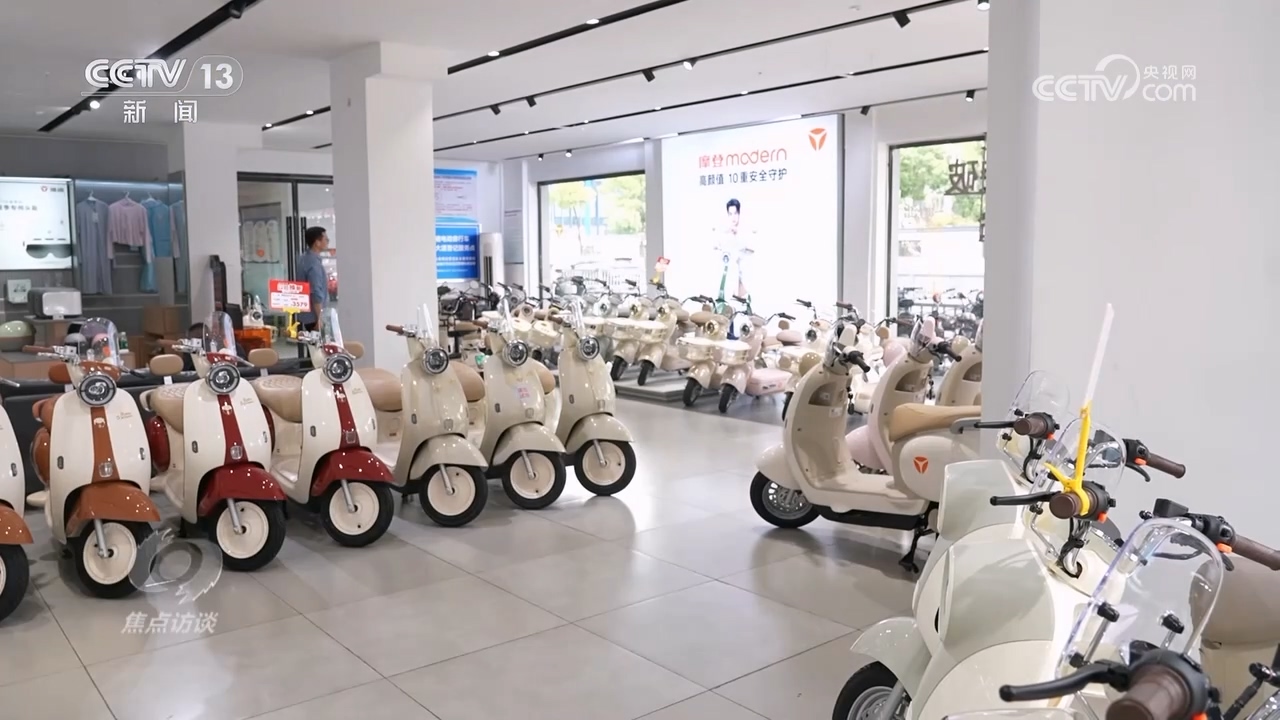
电动自行车新国标落地 企业与消费者在经历哪些变化?
Yang Shi Xin Wen· 2025-11-08 15:49
Core Viewpoint - The implementation of the new national standard for electric bicycles, regarded as the strictest to date, aims to enhance safety and quality in the industry, addressing rising concerns over accidents and fire hazards associated with electric bicycles [1][55]. Group 1: Industry Changes - The new standard mandates significant changes in materials and fire resistance, limiting plastic use to 5.5% of the total vehicle weight and requiring key components to be made from high flame-retardant materials [8][10]. - As of November 4, 2023, 99 companies have received mandatory product certification for 468 models compliant with the new standard, indicating a shift in production capabilities [46]. - The new regulations are expected to lead to a market "shakeout," where weaker companies may be eliminated, while those with R&D and production capabilities will thrive [42][55]. Group 2: Consumer Behavior - Consumers are increasingly prioritizing safety features when purchasing electric bicycles, with the new standard's enhanced fire safety and anti-theft measures becoming key selling points [3][16]. - The new standard includes advanced anti-theft technology, such as built-in Beidou positioning systems and mobile app monitoring, which were largely absent in older models [16][18]. Group 3: Regulatory and Compliance Aspects - The new standard introduces a tamper-proof design to prevent modifications that could increase speed beyond legal limits, addressing a significant safety concern [33][35]. - Enforcement measures are being strengthened, with authorities prepared to penalize businesses that engage in illegal modifications and users of modified bicycles [28][30][32]. Group 4: Transition Period and Market Adaptation - A transition period has been established, allowing old standard bicycles to be sold until November 30, 2025, to facilitate market adaptation [49][51]. - Companies are actively preparing for the transition, ensuring that they can meet the demand for new standard bicycles while continuing to support existing customers with old models [54][53].