
黄酒

Search documents
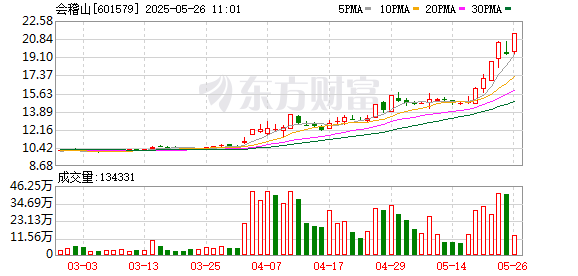
三大黄酒股集体拉升,会稽山涨停,近6日大涨超40%
Zheng Quan Shi Bao Wang· 2025-05-26 03:00
Group 1 - The core viewpoint is that the yellow wine industry is experiencing significant growth due to rising consumer demand for healthier and more diverse alcoholic beverages, particularly among younger generations [2] - Major yellow wine stocks have seen substantial price increases, with Kuaijishan reaching a limit-up and gaining over 40% in the past six days, while Guyue Longshan and Jinfeng Wine Industry rose approximately 5% [2] - The China Alcoholic Drinks Association noted that the consumer base for yellow wine is expanding, with new consumption scenarios emerging beyond traditional settings, indicating a shift towards daily drinking and leisure gatherings [2] Group 2 - Huatai Securities highlighted that the yellow wine industry's volume and price dynamics are expected to undergo reconstruction, with leading companies having significant market expansion and profit enhancement potential [3] - The report suggests that the consumption scenarios are steadily upgrading, starting from increased penetration in Jiangsu, Zhejiang, and Shanghai, and gradually expanding to the national market [3] - The long-term growth of the industry will depend on how brands and categories can break through regional cultural barriers and achieve nationwide consumer consensus, leading to further price increases [3]


创新驱动 中国制造品牌发展韧性十足
Zhong Guo Chan Ye Jing Ji Xin Xi Wang· 2025-05-26 01:21
Group 1 - The core viewpoint of the articles emphasizes the transformation of Chinese manufacturing brands from being "world factories" to "value highlands," driven by technological breakthroughs and quality improvements [1] - The "dual circulation" strategy is highlighted as a key driver for stimulating domestic consumption and investment, with government initiatives aimed at expanding domestic demand [2][3] - The importance of brand value competition shifting from market share to technological leadership is noted, with companies investing in R&D to enhance their competitive edge [4] Group 2 - Companies like Libode and Shanghai Laofengxiang are leveraging technology and cultural heritage to enhance product quality and brand value, demonstrating successful integration of traditional craftsmanship with modern manufacturing [5][6] - The shift from product output to value output is discussed, emphasizing the role of brands as essential components of corporate competitiveness and national strength [9] - The "China Manufacturing·Consumer Trusted Brands" promotion activity has recognized over 200 companies, highlighting the importance of consumer satisfaction in brand strategy [10]
迎驾贡酒股价再创“新低”!黄酒股却涨疯了,古越龙山恐失“一哥”地位?
Mei Ri Jing Ji Xin Wen· 2025-05-25 11:37
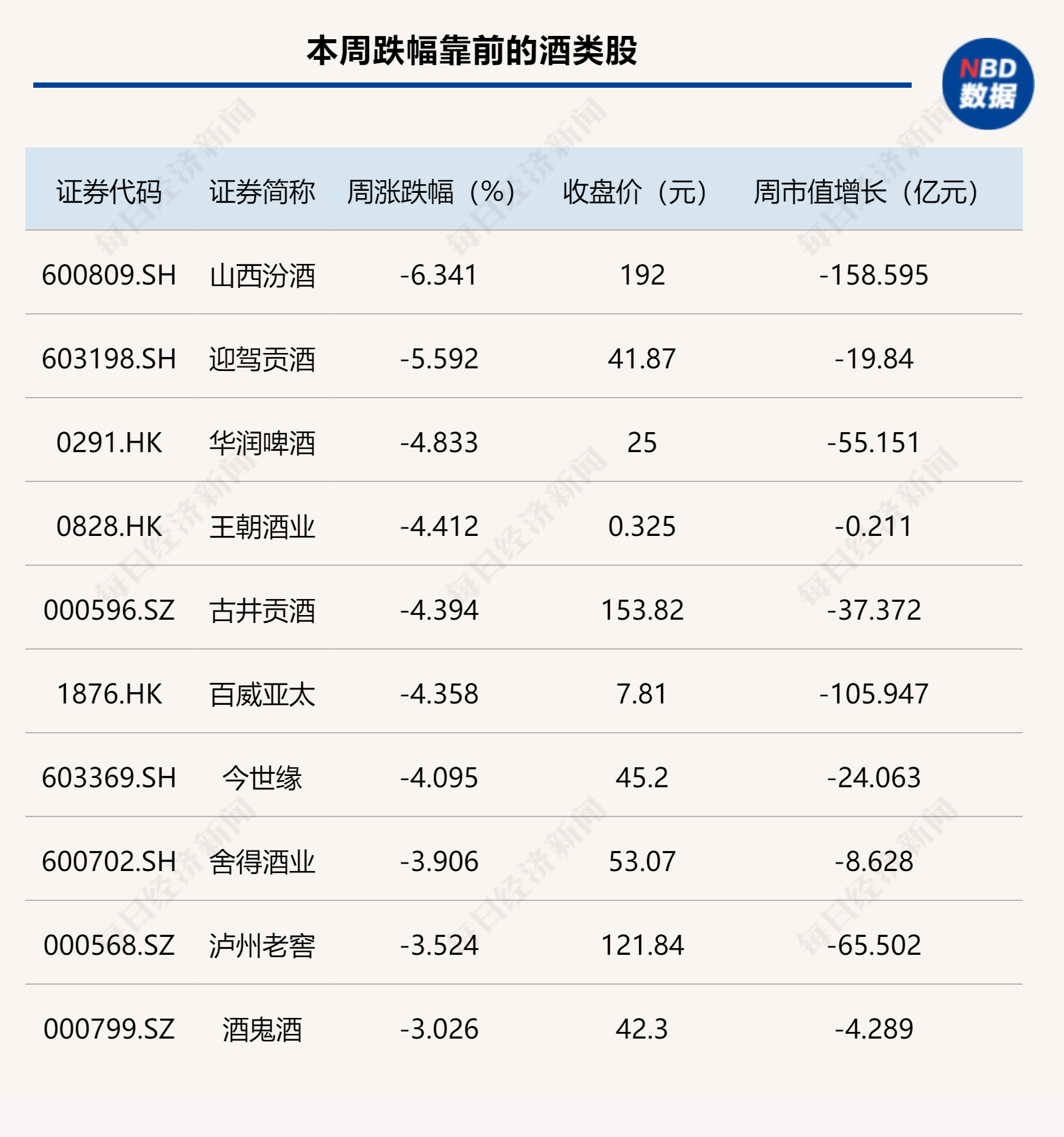
Core Viewpoint - The yellow wine sector is experiencing a significant surge in stock prices, contrasting sharply with the declining performance of the white wine sector, which has seen a notable drop in stock values ahead of the Dragon Boat Festival [1][6]. Yellow Wine Sector - Major yellow wine companies such as Kuaijishan and Guyue Longshan have seen stock price increases of 31.37% and 13.73% respectively, while Jinfeng Wine also reported a 6.77% rise [6][8]. - Kuaijishan's market capitalization has recently surpassed that of Guyue Longshan, marking a shift in the competitive landscape of the yellow wine market [9]. White Wine Sector - The white wine sector continues to face challenges, with the WIND white wine index experiencing a weekly decline of 2.43%, underperforming compared to the Shanghai and Shenzhen indices [2][4]. - Individual stocks such as Yingjia Gongjiu and Shanxi Fenjiu have seen significant weekly declines of 5.59% and 6.34% respectively, contributing to a broader trend of falling stock prices in the sector [2][3]. - Yingjia Gongjiu's stock has dropped 22% year-to-date, with the company recently announcing a revenue target of 7.6 billion yuan and a net profit target of 2.62 billion yuan for 2025, indicating a significant slowdown compared to previous ambitious targets [4][5]. Competitive Dynamics - The competitive dynamics within the yellow wine sector are shifting, with Kuaijishan's revenue growth of 10.1% in Q1 contrasting with Guyue Longshan's revenue decline of 4.9% [9]. - The strategic focus of Guyue Longshan on national brand expansion has led to a loss of market share in key regions, while both companies are vying for appeal among younger consumers, which will be crucial for future growth [9].

古越龙山: 古越龙山关于以集中竞价交易方式回购股份的回购报告书
Zheng Quan Zhi Xing· 2025-05-22 12:47
Core Viewpoint - The company, Zhejiang Guyue Longshan Shaoxing Wine Co., Ltd., has announced a share repurchase plan to enhance shareholder value and demonstrate confidence in its future development [1][4]. Summary by Sections Share Repurchase Plan - The repurchase aims to utilize the shares for employee stock ownership plans or equity incentives, with any unutilized shares to be canceled if not used within 36 months [4][11]. - The total amount for the repurchase is set between RMB 200 million and RMB 300 million [4][7]. - The repurchase period is limited to 12 months from the board's approval date [5][7]. - The maximum repurchase price is capped at RMB 12.83 per share, which is 150% of the average trading price over the previous 30 trading days [4][7]. Approval and Implementation - The board of directors approved the repurchase plan with unanimous support, meeting the necessary legal and regulatory requirements [4][5]. - The repurchase will be conducted through the Shanghai Stock Exchange using a centralized bidding method [5][7]. Financial Impact - As of March 31, 2025, the company's total assets are RMB 671,142.70 million, with net assets of RMB 595,439.39 million. The repurchase amounts represent 4.47%, 5.04%, and 7.34% of total assets, net assets, and current assets, respectively [8]. - The company’s debt-to-asset ratio stands at 10.71%, indicating that the repurchase will have a minimal impact on daily operations and financial stability [8]. Share Structure Changes - The repurchase is expected to reduce the number of publicly held shares, with estimates showing a decrease in the proportion of unrestricted shares from 100% to approximately 97.43% at the upper limit of the repurchase [7][8]. Governance and Compliance - The company has ensured that there are no conflicts of interest or insider trading related to the repurchase plan, with all relevant parties confirming no plans for share sales in the near future [9][10]. - The board has authorized the chairman to manage the repurchase process within the legal framework, ensuring compliance with all regulations [12].
【VIP机会日报】军工板块盘中活跃 栏目梳理机构龙虎榜 Ta收购军工高科技企业股权 今日涨停
Xin Lang Cai Jing· 2025-05-22 09:14
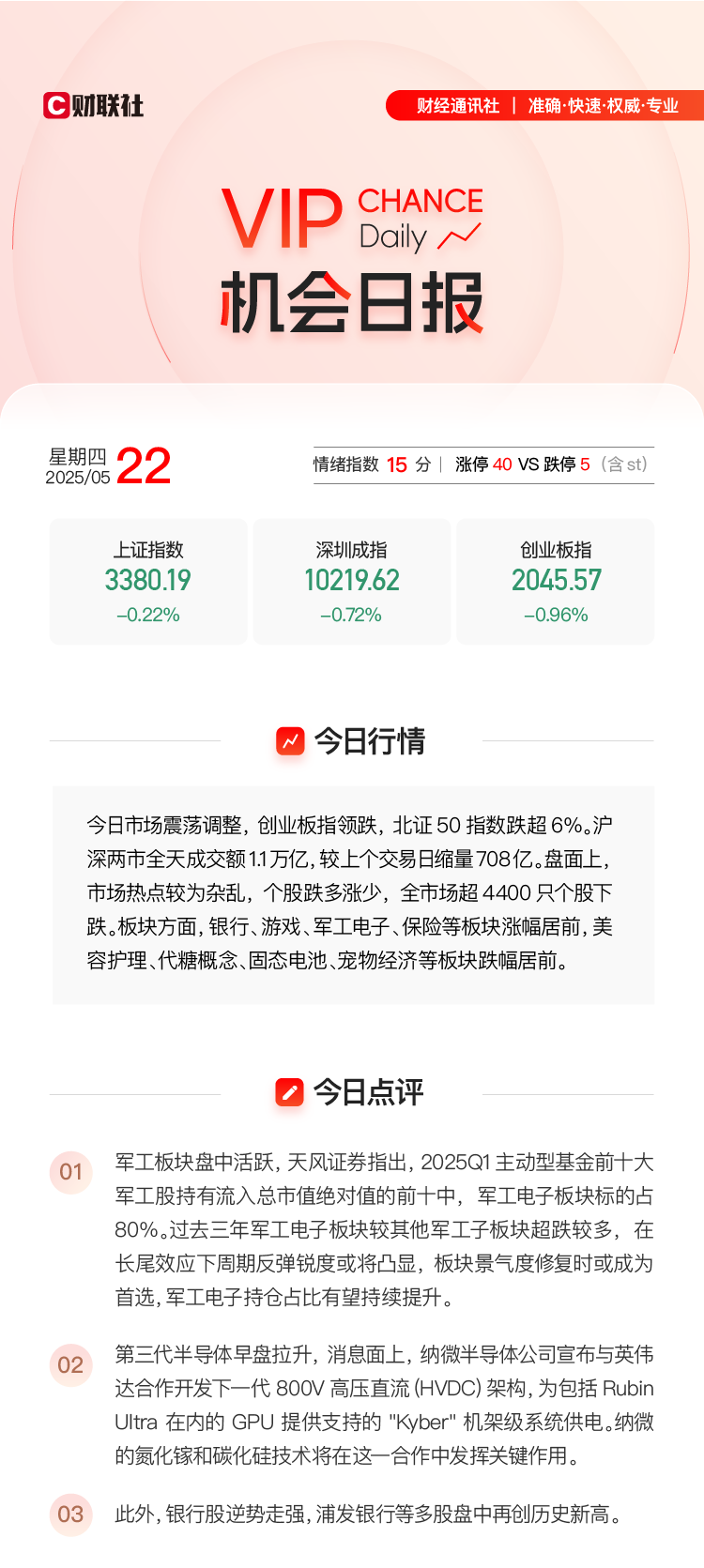
Market Highlights: Military Industry - Tianfeng Securities indicates that in Q1 2025, the top ten military stocks held by active funds will see 80% of their value in military electronics, suggesting a potential rebound in this sector after significant underperformance over the past three years [6] - Wangzi New Materials, with over 20 years in plastic packaging and partnerships with major clients like Foxconn and Haier, has expanded into military technology through a 51% acquisition of a military high-tech firm, enhancing its product applications in military and aerospace [6] Market Highlights: Third Generation Semiconductors - Nanwei Semiconductor announced a partnership with NVIDIA to develop the next-generation 800V high-voltage direct current (HVDC) architecture, which is expected to boost HVDC penetration in AI data centers [9] - Following the announcement, Nanwei's stock surged by over 190%, indicating strong market interest in HVDC technology and its applications [9] Market Highlights: Innovative Drugs - On May 20, 2023, 3SBio announced an exclusive agreement with Pfizer for the global development and commercialization rights of its PD-1/VEGF bispecific antibody SSGJ-707, excluding mainland China [12] - 3SBio is focusing on autoimmune diseases after divesting its oncology and ophthalmology assets, with a pipeline of 14 autoimmune projects expected to drive future growth [12] Market Highlights: Consumer Sector - The Shanghai Municipal Government has launched a plan to boost consumption, focusing on expanding silver-haired consumer offerings and enhancing cruise consumption potential [17] - The Huangjiu (yellow wine) industry is expected to see short-term growth due to increased consumption density and long-term growth through brand and category development beyond regional cultural boundaries [17] Market Highlights: Ride-Hailing - Baidu's autonomous driving platform, Apollo Go, has expanded to 15 cities with over 1,000 self-driving cars, while Tesla plans to launch its Robotaxi service in Austin, Texas, by the end of June [19] - Tencent Cloud is collaborating with WeRide to enhance Robotaxi commercialization, indicating a shift in the automotive transportation ecosystem [19]
会稽山超古越龙山,荣登“新王”,市值90亿,市值碾压多家白酒,黄酒迎新局?
Sou Hu Cai Jing· 2025-05-21 14:18
Group 1: Industry Overview - The yellow wine sector has gained significant market attention, with companies like Kuaijishan and Guyuelongshan reaching near all-time high stock prices, indicating a potential restructuring of the industry's volume and price logic [1] - The overall growth of the yellow wine sector has outpaced that of the white wine sector this year, with Kuaijishan's market capitalization surpassing several white wine companies [1] - The consumption scenarios are steadily upgrading, starting from the Jiangsu, Zhejiang, and Shanghai regions and gradually expanding to the national market [1] Group 2: Company Strategies and Developments - Guyuelongshan's high-end product strategy has shown good progress, with the Guoniang series selling over 40,000 boxes in 2024, and the company plans to further optimize its product structure [2] - The company is implementing a controlled quantity and price strategy to maintain product quality while focusing on mid-tier products that have high market acceptance [2] - Guyuelongshan aims to enhance its online sales through a young consumer-focused product lineup, including innovative combinations like coffee yellow wine and sparkling yellow wine [2][9] Group 3: Cost Management and Efficiency - Guyuelongshan is accelerating its relocation and capacity evolution, with a new industrial park set to be fully operational by August, which is expected to reduce production costs by 5% and logistics costs by 5% [4] - The company has implemented a personalized cost reduction plan, targeting a decrease in raw material costs by over 2.5% by winter 2025 [4] Group 4: Market Position and Future Goals - Guyuelongshan holds a 90% market share in the Shanghai restaurant channel, but its market share decreases further south, indicating a need for strategic growth in these areas [8] - The company has set a revenue growth target of 6% and a net profit growth target of 3% for the year, adjusting its goals in response to the overall downward trend in the liquor industry [10] - The company plans to gradually increase prices based on operational costs and market trends, with a focus on maintaining a healthy inventory level among distributors [11][14] Group 5: Young Consumer Engagement - Guyuelongshan is actively targeting younger consumers with innovative product combinations and marketing strategies, aiming to sell 180,000 boxes of new products by October [9] - The company is focusing on low-alcohol and low-sugar products to cater to the preferences of younger consumers while maintaining traditional offerings [9]
花6.65亿收购即墨黄酒!青岛啤酒“在做赔本生意”?
Sou Hu Cai Jing· 2025-05-21 10:06
Core Viewpoint - Qingdao Beer Group is accelerating its diversification and strategic restructuring, aiming to transform from a single beer manufacturer to a comprehensive beverage group, targeting growth in non-beer businesses [2][5]. Group 1: Acquisition and Financial Performance - Qingdao Beer announced plans to acquire 100% of Jimo Yellow Wine for 665 million yuan, a company with a 45-year history, which is expected to enhance product lines and create seasonal synergies [3][5]. - Jimo Yellow Wine is projected to achieve revenue of 166 million yuan (+13.5%) and a net profit of 30.47 million yuan (+38%) in 2024, with a net profit margin of 18.4% [3]. - Despite the acquisition, concerns arise regarding the high premium paid (over 2 times its net assets) and the lack of performance guarantees, raising questions about the investment's viability if the yellow wine market continues to shrink [3][5]. Group 2: Market Challenges and Strategic Moves - Qingdao Beer faced challenges in 2024, with total revenue declining to 32.138 billion yuan (-5.3%) and sales dropping to 7.538 million kiloliters, highlighting seasonal volatility in the beer industry [7]. - The company reported a net profit growth of 1.81% despite revenue decline, attributed to decreasing raw material costs, with procurement for 2025 already locked in [7]. - The strategic restructuring includes the transfer of Qingdao Beverage Group to Qingdao Beer Group, marking a significant step in expanding non-beer business operations [8]. Group 3: Product Line Expansion and Market Potential - Qingdao Beverage Group owns well-known brands like Laoshan Mineral Water and Qingdao Wine, valued at 44 billion yuan, with the wine segment showing strong growth [10]. - Qingdao East Wine has maintained double-digit growth since 2015, with a 13% revenue increase and a 20% profit increase in the first half of 2024 [10]. - The company is exploring opportunities in whiskey and brandy, indicating potential for further growth in the alcoholic beverage market [10][13].
黄酒行业:格局优化,剑指高端
HTSC· 2025-05-20 02:50
Investment Rating - The report maintains a "Buy" rating for Kuaijishan (601579 CH) with a target price of 20.80 and for Guyuelongshan (600059 CH) with a target price of 10.87 [8]. Core Viewpoints - The yellow wine industry is experiencing a transformation with a focus on high-end products, driven by leading companies actively seeking change and enhancing brand value [3][4]. - The industry is witnessing a recovery opportunity after a prolonged period of decline, with significant changes in competition and supply dynamics [10][11]. - The overall revenue for the yellow wine industry in 2023 is approximately 21 billion, with a slight year-on-year growth of 2%, while the revenue from large-scale enterprises has decreased by 16% [15][20]. Summary by Sections Industry Investment Rating - The report recommends a "Buy" rating for Kuaijishan and Guyuelongshan, indicating confidence in their growth potential [8]. Current Industry Status - The yellow wine industry has faced challenges, with a decline in revenue and the number of large-scale enterprises dropping from 121 in 2017 to 81 in 2023 [20][21]. - Despite these challenges, the average profit margin for large-scale enterprises increased by 5 percentage points to 17.5% in 2023, indicating a potential bottoming out of the industry [20][21]. Positive Changes in the Industry - The competitive landscape has become clearer, with the concentration of market share among leading companies increasing significantly from 15% to 37% for the top two companies from 2017 to 2023 [22]. - Leading companies are focusing on high-end products, actively raising prices and launching new products to break through market constraints [11][12]. Future Development Outlook - The report predicts a restructuring of the volume-price logic in the yellow wine industry, with an expected revenue growth from approximately 8.5 billion in 2023 to 13-14 billion by 2027 [12][20]. - The demand for yellow wine is expected to expand beyond traditional regions, with a gradual penetration into younger consumer demographics and new consumption scenarios [42][45].
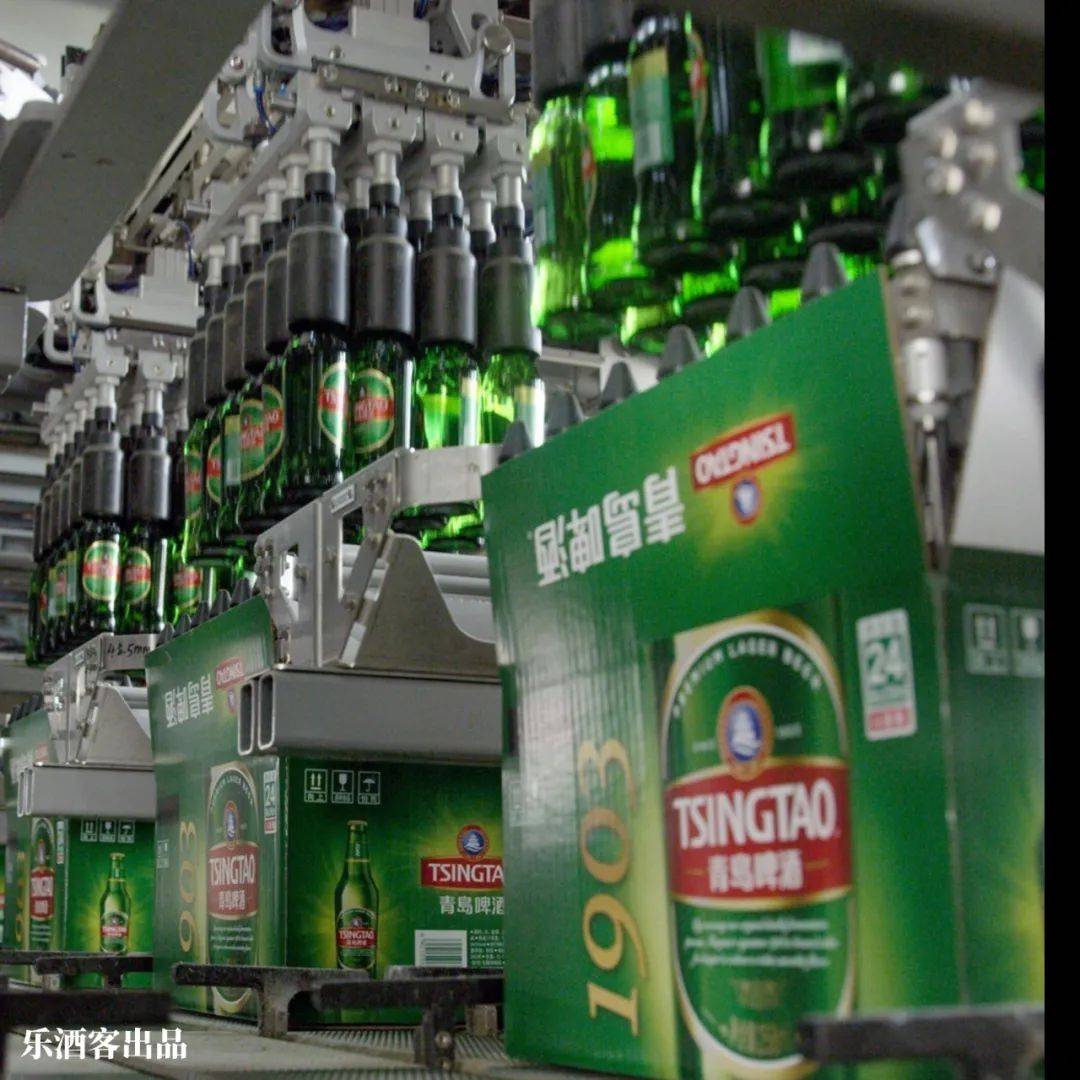
青啤喝黄酒,会晕否?
IPO日报· 2025-05-17 06:56
Core Viewpoint - Qingdao Beer is acquiring 100% equity of Jimo Yellow Wine Factory for 665 million yuan as a strategy to seek new growth points amid slowing beer industry growth [1][10]. Industry Overview - The Chinese beer industry has experienced a decline since reaching a peak production of 35 million kiloliters in 2013, with a 28.6% decrease compared to 2013 levels by 2023 [3][6]. - In 2024, the beer production is projected to be 35.213 million kiloliters, a year-on-year decrease of 0.6% [4]. - The industry is now in a mature market phase, where growth relies on capturing market share from competitors rather than overall market expansion [6]. Company Performance - Qingdao Beer reported a slight increase in net profit of 1.81% to 4.345 billion yuan in 2024, but revenue declined by 5.3% to 32.14 billion yuan, ranking third in the industry [6][8]. - Revenue across key regions, including Shandong, North China, and South China, showed varying degrees of decline, with Shandong's sales dropping from 22.869 billion yuan in 2023 to 22.095 billion yuan in 2024 [8][9]. Acquisition Rationale - The acquisition of Jimo Yellow Wine is aimed at diversifying Qingdao Beer's product line and expanding market channels, potentially providing a complementary sales effect between beer and yellow wine [12][10]. - Jimo Yellow Wine, established in 1949, has a small revenue scale of 166 million yuan in 2024, with a year-on-year growth of 13.5% [16]. Market Dynamics - The beer industry is facing intensified competition, particularly from brands like China Resources Snow Beer and AB InBev, which is pressuring Qingdao Beer's growth [6][10]. - The seasonal nature of beer sales has been highlighted, with the fourth quarter traditionally being a low sales period for Qingdao Beer [13].

青啤6.6亿“喝”黄酒,能否酿出“第二春”?
3 6 Ke· 2025-05-15 01:29
Core Viewpoint - Qingdao Beer is acquiring 100% of Jimo Yellow Wine for 665 million yuan to optimize its seasonal losses and diversify its business, leveraging the complementary seasonal sales of beer and yellow wine [1][3][5] Group 1: Acquisition Details - The acquisition price of 6.65 billion yuan represents a premium of over 200% compared to Jimo Yellow Wine's net assets of 203 million yuan [1] - Jimo Yellow Wine reported a revenue of 166 million yuan in 2024, a year-on-year increase of 13.5%, and a net profit of 30.47 million yuan, up 38% [2] Group 2: Market Context - Qingdao Beer has faced declining sales, with a 5.3% drop in revenue to 32.138 billion yuan in 2024, marking the lowest growth rates for net profit since 2017 [5] - The beer industry in China is experiencing a downturn, with a 0.6% decrease in production among major breweries in 2024 [6] Group 3: Strategic Implications - The acquisition aims to address Qingdao Beer’s seasonal losses, as the fourth quarter is a peak season for yellow wine, contrasting with beer's summer peak [3][6] - Analysts express caution regarding the acquisition, highlighting challenges in integrating the two distinct product lines and the need for effective market education for yellow wine [8]