
智能驾驶

Search documents
【机构策略】预计A股市场牛市仍将延续
Zheng Quan Shi Bao Wang· 2026-01-07 02:44
Group 1 - The A-share market showed a strong upward trend on Tuesday, with sectors such as insurance, securities, non-ferrous metals, and automotive parts performing well, while beauty care, light industry, electric machinery, and banking sectors lagged behind [1] - Key factors supporting the market's positive performance include the increasing attractiveness of RMB assets, expectations for early-year credit issuance, and subsequent policies, along with a positive shift in corporate profit structures driven by advanced manufacturing and overseas enterprises [1] - The domestic monetary policy is expected to maintain a stance of "moderate easing," while the market anticipates that the Federal Reserve will continue its rate-cutting cycle into 2026, contributing to a more accommodative global liquidity environment [1] Group 2 - The A-share market continued to rise on Tuesday, with the Shanghai Composite Index breaking through previous highs, led by sectors such as non-ferrous metals, large financials, chemicals, commercial aerospace, and intelligent driving, while computing hardware lagged [2] - The market is experiencing a trend of volume and price increase, establishing a bullish sentiment, and investors are encouraged to increase their risk appetite to seize thematic investment opportunities during the "spring rally" [2] - The ongoing resilience of the overseas economy, likely continued dollar liquidity easing, and the domestic policy of "dual easing" are expected to sustain the bullish trend in the A-share market [2]
1.7盘前速览 | 两市成交破2.8万亿,卫星持续冲高,关注有色矿业与半导体
Jin Rong Jie· 2026-01-07 02:01
Macro - The People's Bank of China plans to implement a moderately loose monetary policy by 2026, establishing a mechanism to provide liquidity to non-bank institutions under specific scenarios to support capital markets [1] Satellite Internet - The first commercial rocket company in China, Kegong Rocket, is set to change ownership with an overall valuation of approximately 11.2 billion yuan [2] Semiconductor - NVIDIA's BlueField-4 is expected to reconstruct the AI storage hierarchy, potentially opening up new demand for NAND [3] - NVIDIA's CEO Jensen Huang announced at CES that the era of "physical AI" has arrived [7] Pricing Strategies - Seagate plans to increase product prices by 10% each quarter [4] Non-ferrous Metals - China has announced a ban on all dual-use items for military purposes to Japan, affecting critical metal materials such as rare earths, tungsten, molybdenum, indium, lithium, and titanium alloys [5] Artificial Intelligence - Market discussions regarding NVIDIA's next-generation Rubin platform specifications indicate no issues with downgrading [6] Robotics - Tesla's official recruitment platform has posted job openings related to "covering materials and soft products" for the Optimus robot [8] New Energy - A meeting for the power and energy storage battery industry is scheduled for January 7 [9] - Feedback from the industry indicates extremely low inventory levels of lithium carbonate and strong demand, with two listed companies in lithium iron phosphate confirming price increases [10] - Australia has significantly increased subsidies for home battery systems [11] - The organic silicon industry plans to intensify production cuts [12] Brain-Computer Interface - The brain-computer interface "unicorn" Qiangna Technology has completed a financing round of 2 billion yuan [13] Intelligent Driving - NVIDIA has released an open-source model family for autonomous driving, aimed at addressing long-tail issues and accelerating the implementation of intelligent driving [14] Market Dynamics - Guosheng Technology and Jiamei Packaging are under suspension for verification; Fenglong Co. has issued a warning about stock fluctuations; several commercial aerospace and brain-computer interface companies have released announcements regarding stock movements [15] - In December 2025, the number of new A-share accounts opened on the Shanghai Stock Exchange increased by approximately 9% month-on-month and surged by 30.55% year-on-year [15] Strategy Observation - On Tuesday, trading volume reached 2.81 trillion yuan, with a significant increase in market sentiment; however, rapid gains and the activation of financial sectors may raise concerns about the "healthy bull" rhythm [16] - The regulatory authorities have released signals of concern through suspensions and announcements, which may provide divergence opportunities for the market, but substantial cooling requires sustained measures [16] - Sectors such as non-ferrous metals, non-bank financials, and chemicals led the gains, indicating active institutional investment [16] - The thematic sectors, particularly those related to Musk's industries (intelligent driving and robotics), performed actively; while the semiconductor sector (e.g., storage) has solid logic, it has not yet become a focal point, with potential for future attention [16] - Currently, large funds tend to operate around mainline capacity varieties [16]


核心股东不减持+回购护航,佑驾创新(2431.HK)解禁后领跑港股科技估值修复
Ge Long Hui· 2026-01-07 01:53
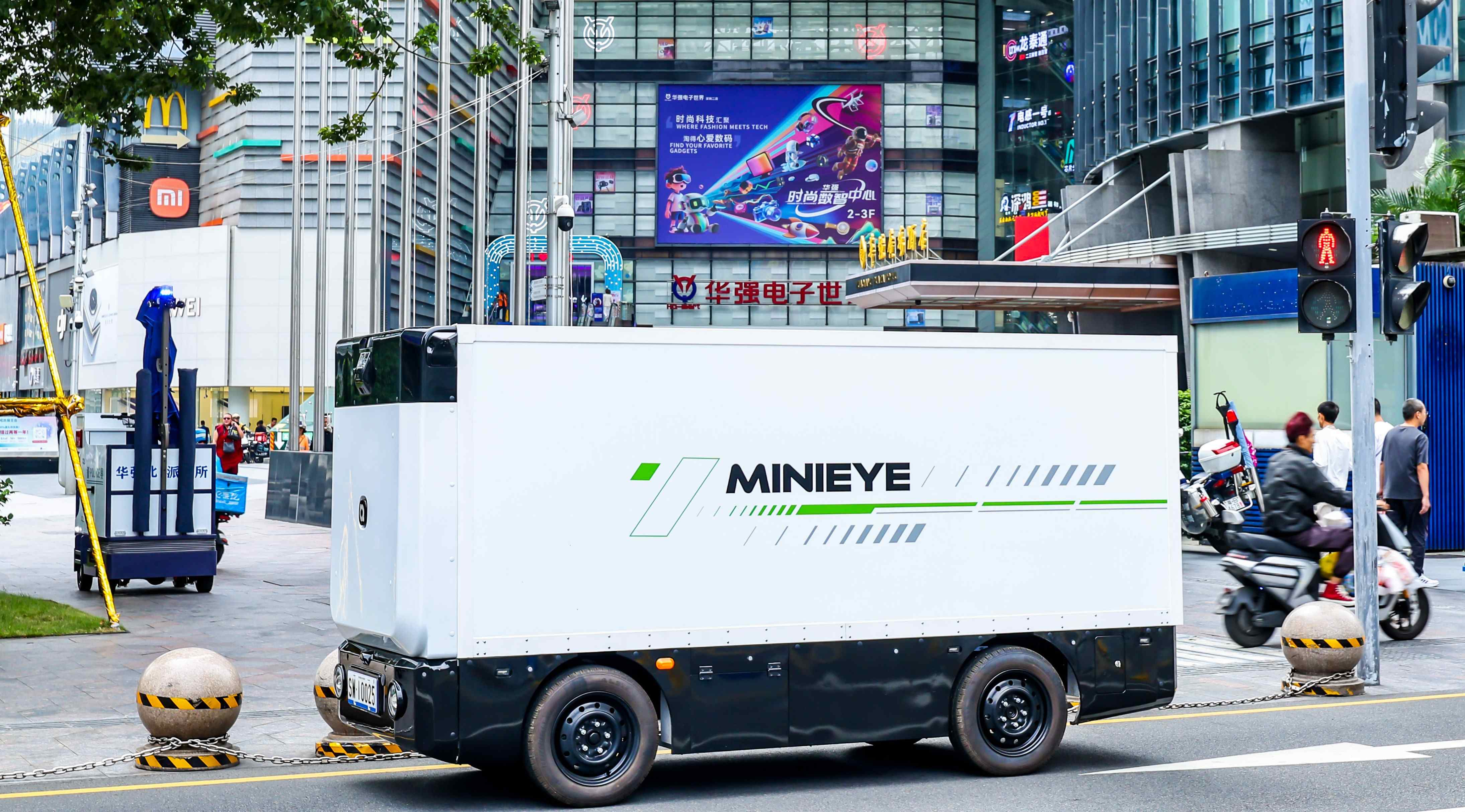
Group 1 - The Hong Kong technology sector is expected to remain a focal point for institutional investors as it enters 2026, despite lagging behind global markets since October last year [1] - The Hang Seng Index currently has a price-to-earnings ratio of around 11 times, while the Hang Seng Technology Index has seen a decline from approximately 26 times in October 2025, indicating relatively "cheap" valuations [1] - The recent adjustments in the Hong Kong technology sector are primarily attributed to market liquidity disturbances rather than fundamental changes in the sector [2] Group 2 - The peak of the "unlocking tide" has intensified adjustment pressures, with significant stocks like Yujia Innovation and Yujian experiencing high percentages of unlocked shares, approximately 71.34% and 64.27% respectively [2] - Following the unlocking, stocks like Yujia Innovation saw price increases, indicating that the market has absorbed the pressure from the unlocking events [3] - Major shareholders of Yujia Innovation have expressed a commitment to long-term investment, with announcements of shareholding extensions and stock repurchases, signaling confidence in the company's future [3][4] Group 3 - Yujia Innovation is positioned in a high-growth trajectory, with a projected compound annual growth rate of over 50% in revenue from 2022 to 2024, and a revenue of 346 million yuan in the first half of 2025, reflecting a year-on-year growth of 46.1% [7][8] - The company has secured new projects with 18 new clients, expanding its customer base and enhancing its revenue growth potential [8] - Yujia Innovation's product offerings in intelligent driving and cabin solutions align with the growing demand for AI-driven technologies, reinforcing its position as a key player in the market [8][13] Group 4 - The Hong Kong technology sector is anticipated to experience a rebound, with the first quarter of 2026 presenting opportunities for left-side positioning in quality tech assets [10] - The easing of liquidity pressures from the unlocking tide is expected to facilitate a recovery in the sector, supported by favorable macroeconomic conditions and policies promoting technological innovation [10] - Yujia Innovation's unique positioning as a leading player in the autonomous logistics sector enhances its value proposition within the Hong Kong technology landscape [10][11]
信心加码!佑驾创新(02431)启动2亿港元回购计划,董事长个人再度增持5万股
智通财经网· 2026-01-07 01:39
Core Viewpoint - The company, Youjia Innovation, is demonstrating confidence in its business outlook through a combination of share buybacks and the chairman's increased shareholding, signaling a commitment to long-term value creation [1][2][3]. Group 1: Share Buyback and Chairman's Purchase - Youjia Innovation plans to repurchase up to HKD 200 million of its H-shares in the open market, reflecting the board's confidence in the company's business prospects [1]. - The chairman, Liu Guoqing, has purchased an additional 50,000 shares at an average price of approximately HKD 13.94 per share, totaling 100,000 shares over two days, reinforcing his commitment to the company's growth [2][3]. Group 2: Company Performance and Market Position - In the first half of 2025, Youjia Innovation achieved revenue of CNY 346 million, a year-on-year increase of 46%, with gross profit rising by 54.8% to CNY 52 million, and gross margin improving to 15% [6]. - The company has established a diverse product matrix and has successfully commercialized both L2 and L4 autonomous driving technologies, making it one of the few players in the market with capabilities across these segments [6]. - Youjia Innovation has partnered with 42 vehicle manufacturers, including major brands, and is expanding its international presence, with recent successes in its autonomous driving and cockpit business [6]. Group 3: Industry Trends and Future Growth - The company is well-positioned to benefit from industry policy incentives and the commercialization wave in autonomous driving, particularly with the recent green light for L3-level autonomous driving [7][8]. - The transition to human-machine co-driving and the anticipated standardization of driver status monitoring in smart vehicles align with the company's long-standing focus on intelligent cockpit solutions, indicating a growth trajectory [8]. - Youjia Innovation's robust fundamentals and strategic positioning are expected to enable it to navigate market volatility and continue delivering long-term value through technological advancements and global expansion [8].

中金:12月市场风险偏好改善 春季行情有望延续
Di Yi Cai Jing· 2026-01-07 00:14
Group 1 - The core viewpoint is that market risk appetite improved in December, and the spring market is expected to continue [1] Group 2 - Investment suggestions for January include focusing on sectors benefiting from the spread of AI technology and applications, such as optical modules, cloud computing infrastructure, robotics, consumer electronics, and intelligent driving [1] - Certain sub-sectors of non-ferrous metals are expected to benefit from the restructuring of global monetary order and supply-demand imbalances [1] - The cyclical market represented by real estate and general consumption remains tilted towards the left side, with attention on chemicals, power grid equipment, engineering machinery, white goods, and commercial vehicles [1] - Long-term capital inflow into the market is a prevailing trend, with a focus on high-dividend leading companies based on quality cash flow, volatility, and dividend certainty [1] - Improved risk appetite in the capital market is expected to boost the performance of the non-bank financial sector, with a focus on insurance and brokerage firms [1]
天龙股份拟2.32亿控股苏州豪米波 业绩稳健跨界布局智能驾驶赛道
Chang Jiang Shang Bao· 2026-01-06 23:51
Core Viewpoint - Tianlong Co., Ltd. is making a significant strategic shift from a traditional automotive parts supplier to an intelligent perception integrator by acquiring a controlling stake in Suzhou Haomibo Technology Co., Ltd. for 232 million yuan [1][2]. Group 1: Acquisition Details - Tianlong plans to acquire 54.87% of Suzhou Haomibo through a combination of equity transfer and capital increase, with a total investment of 232 million yuan [1][2]. - The acquisition consists of two parts: 131.84 million yuan for acquiring 32.2998% equity from seven shareholders and 100 million yuan for capital increase to subscribe to the new registered capital of 7.608 million yuan [2]. - The deal includes performance-based clauses, requiring Suzhou Haomibo to achieve a cumulative revenue of 1.2 billion yuan and a net profit of 48 million yuan from 2026 to 2029 [2]. Group 2: Company Performance - Tianlong's financial performance remains robust, with a revenue of 947 million yuan and a net profit of 82.7036 million yuan for the first three quarters of 2025 [4]. - In Q3 2025, the company reported a revenue of 333 million yuan, a year-on-year increase of 2.03%, and a net profit of 26.1814 million yuan, up 6.31% [4]. - The company's net profit excluding non-recurring items grew by 21.56%, indicating strong resilience in its core business [4]. Group 3: Suzhou Haomibo's Growth - Suzhou Haomibo, established in 2016, focuses on R&D in intelligent perception devices, including 4D millimeter-wave radar and UWB sensors [2]. - The company has shown rapid revenue growth, achieving 33.7945 million yuan in revenue for the first three quarters of 2025, a staggering increase of 288.64% compared to the entire year of 2024 [3]. - With the increasing penetration of intelligent driving technology and the gradual mass production of projects, Suzhou Haomibo's operational performance is expected to continue improving [3]. Group 4: Market Outlook - The acquisition positions Tianlong to leverage Suzhou Haomibo's technological expertise in intelligent perception to enter high-growth sectors such as intelligent driving, low-altitude flight, smart transportation, and robotics [5]. - The market for 4D millimeter-wave radar is projected to experience explosive growth, with the Chinese market expected to reach 12.8 billion yuan in 2024 and 37 billion yuan by 2030, reflecting a compound annual growth rate of 20% [5].

影响市场重大事件:星河动力将于近期择机发射“谷神星一号海射型”商业运载火箭;中国科大团队率先实现异构量子通信网络,打破单一系统限制
Mei Ri Jing Ji Xin Wen· 2026-01-06 22:23
Group 1 - Xinghe Power plans to launch the "Ceres-1 Sea Launch" commercial rocket soon, potentially becoming the first private aerospace company to complete a launch in 2026, marking a significant development for China's private aerospace industry [1] - The Ceres-1 rocket is a small solid-fuel launch vehicle developed independently by Xinghe Power, recognized as a "star model" in China's private aerospace sector [1] Group 2 - The Chinese University of Science and Technology has achieved a breakthrough in heterogeneous quantum communication networks, proposing a fully heterogeneous quantum network architecture that supports open interconnection between different quantum systems [2] - This innovation lays the technical foundation for a diverse quantum internet, enabling parallel and automated optimization of various quantum tasks [2] Group 3 - Shanghai has introduced 20 measures to encourage foreign investment enterprises to reinvest domestically, including support for various reinvestment methods and promoting technological upgrades [3] - The measures aim to enhance R&D innovation, simplify processes for medical device production, and optimize foreign exchange registration and fund usage [3] Group 4 - Shanxi Province has issued a plan to accelerate energy technology innovation, focusing on the development of new energy technologies, including perovskite solar cells and cadmium telluride thin-film batteries [4] - The plan also emphasizes the extraction and research of new energy metals like lithium and aluminum, as well as the demonstration of electric and hydrogen-powered heavy-duty vehicles [4] Group 5 - The National Radio and Television Administration has outlined key tasks for 2026, including promoting the development of high-quality micro-short dramas and enhancing the management of online variety shows [5] - The focus will also be on integrating artificial intelligence into broadcasting and improving the quality of audiovisual data [5][6] Group 6 - The State Drug Administration has announced new regulations to strengthen the supervision of entrusted drug production, clarifying the responsibilities of both drug license holders and contract manufacturers [7] - The regulations aim to ensure the quality and safety of drugs produced under contract [7] Group 7 - The Ministry of Commerce plans to enhance the promotion of biodegradable and bamboo-based alternatives to plastic, in line with national plastic pollution control efforts [8] - The initiative aims to deepen reduction efforts in key sectors like catering and establish a long-term governance mechanism for plastic pollution [8]


A股,正在被外资与情绪资金同时推动向前
Sou Hu Cai Jing· 2026-01-06 20:13
Group 1 - The core narrative has shifted, with global liquidity expectations rising again, leading to a bullish trend in risk assets, including A-shares, driven by both foreign and emotional capital [1][3] - The Shanghai Composite Index has reached a new high, with the Asia-Pacific stock market moving upward in unison, and the KOSPI in South Korea hitting a historical record [1] - The weakening of the US dollar has led to a revaluation of risk assets globally, with the ISM Manufacturing PMI in the US hitting a new low for the phase, and the Minneapolis Fed President adopting a dovish stance [1][2] Group 2 - The main narrative now suggests that being absent from the market could result in missing out on significant revaluation opportunities [5] - Despite short-term overbought conditions in A-shares, trading volume continues to increase, indicating strong market momentum [6] - The brain-computer interface sector has seen renewed interest, with companies like Innovative Medical positioned at the intersection of AI applications and healthcare, making them attractive to investors [6] Group 3 - The market is currently in a phase of global liquidity elevation, where the primary risk is not a market correction but rather being excluded from the prevailing narrative [10] - Companies involved in AI applications, such as Lianchuang Electronics, are positioned well as the market shifts from a focus on computing power to practical applications, making them likely candidates for revaluation [8] - The overall market sentiment is strong, with various sectors, including intelligent driving and robotics, experiencing significant upward movement [8]

沪指13连阳,再创十年新高,春季行情值得期待
Sou Hu Cai Jing· 2026-01-06 17:37
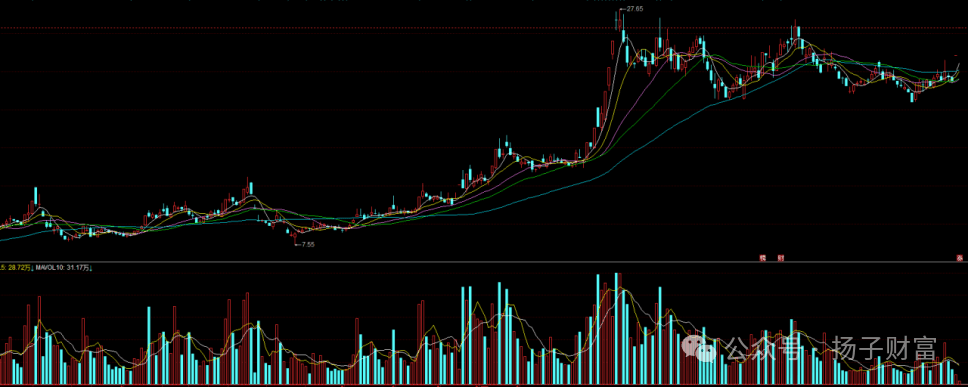
Market Overview - The A-share market continues its "opening red" trend, with the Shanghai Composite Index reaching a ten-year high. All three major indices closed higher, with the Shanghai Composite Index gaining 1.5%, the Shenzhen Component Index up 1.4%, and the ChiNext Index increasing by 0.75% [1] - The trading volume in the Shanghai and Shenzhen markets reached 2.81 trillion yuan, an increase of 260.2 billion yuan compared to the previous trading day. The market saw over a hundred stocks hitting the daily limit for two consecutive days, with high interest in sectors such as intelligent driving, commercial aerospace, and brain-computer interfaces [1] Intelligent Driving Sector - The intelligent driving concept was active today, with the Intelligent Automobile ETF rising by 4.16%. The industry is expected to see breakthroughs due to technological advancements and the implementation of policies and regulations. The Ministry of Industry and Information Technology has conditionally approved L3 product applications from two car manufacturers, marking a new phase of commercialization for intelligent driving in China [2] - At the CES 2026 conference, NVIDIA's CEO announced new AI inference technology for intelligent driving and a partnership with Mercedes to produce autonomous vehicles. Companies like Qianli Zhijia and Geely also launched new assisted driving brands at CES, indicating significant advancements in the sector [2] Chemical Industry - The chemical industry is expected to see improvements in supply-demand dynamics as supply-side reforms deepen and carbon peak initiatives progress. The Shaanxi Development and Reform Commission has proposed increasing electricity prices for high-energy-consuming products, which could raise costs for industries like chlor-alkali and calcium carbide, potentially leading to the exit of high-cost facilities [3] - The current "14th Five-Year Plan" is crucial for advancing carbon peak goals, with measures being implemented to control energy consumption, including the elimination of preferential electricity prices for high-energy-consuming products and the phasing out of chemical facilities over 20 years old. Investors are advised to pay attention to opportunities in leading chemical ETFs [3] Gold Market - The rising tensions in South America are increasing global uncertainty, which may enhance the safe-haven appeal of gold in the short term. In the medium to long term, loose liquidity and de-dollarization are expected to support gold prices. The long-term investment value of gold is viewed positively, with recommendations for investors to consider gold fund ETFs during market pullbacks to lower costs [3] - Central banks remain significant buyers of gold, and despite substantial increases in holdings over the past three years, the amount held is still relatively low compared to historical geopolitical turning points. Surveys indicate a continued moderate increase in gold purchases by central banks [3]
资产配置日报:上证新高,TL新低-20260106
HUAXI Securities· 2026-01-06 15:37
Market Performance - The Shanghai Composite Index achieved a 1.5% increase, reaching 4084 points, marking a nearly ten-year high with a consecutive thirteen-day rise[1] - The Wande All A Index rose by 1.59%, with a total trading volume of 2.83 trillion yuan, an increase of 265 billion yuan compared to the previous day[1] - The Hang Seng Index increased by 1.38%, while the Hang Seng Technology Index rose by 1.46%[1] Capital Flows - Southbound capital inflow was 2.879 billion HKD, lower than the previous day's inflow of 18.72 billion HKD[1] - Major inflows were seen in China Ping An and Alibaba, with net inflows of 1.84 billion HKD and 1.62 billion HKD respectively, while China Mobile and Tencent saw outflows of 875 million HKD and 804 million HKD[1] Bond Market Trends - The bond market continued to show weakness, with the 30-year government bond futures falling by 0.31% to 110.93 yuan, a new low since 2025[1] - The yields on 7-year, 10-year, and 30-year government bonds rose by 2.4 basis points, 2.2 basis points, and 2.6 basis points to 1.76%, 1.88%, and 2.31% respectively[4] Investment Sentiment - The implied volatility increased, indicating a rising FOMO (Fear of Missing Out) sentiment in the market, although the CSI 300 ETF IV index remains at a relatively low level[2] - The market is characterized by a bullish atmosphere, with traditional sectors like finance, consumption, and real estate performing well, alongside strong performances in technology and battery storage sectors[2] Commodity Market Insights - Precious metals led the commodity market, with silver rising by 7.06% and gold increasing by 1.27%[6] - The copper market showed strong performance due to supply constraints and inventory optimization, with significant price increases expected[8]