生物制造

Search documents
国投、招商局参与 生物制造领域唯一国家级产业创新中心试运行
2 1 Shi Ji Jing Ji Bao Dao· 2025-12-04 09:57
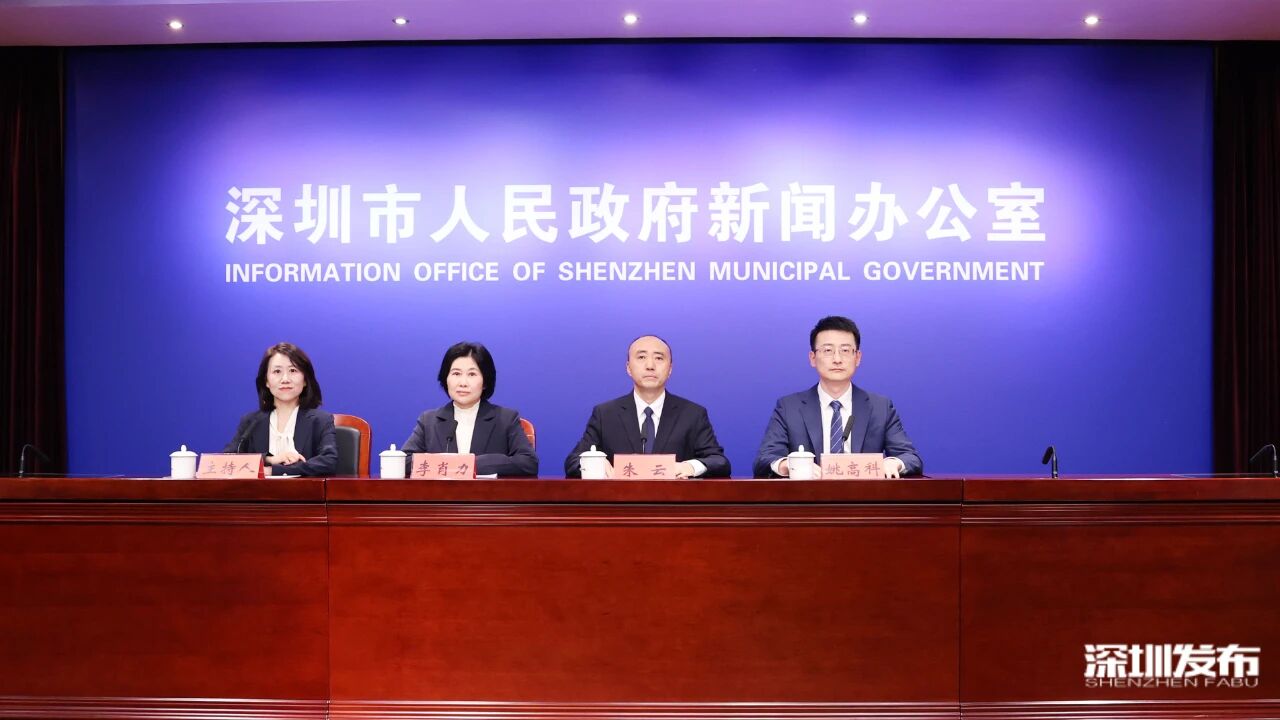
(原标题:国投、招商局参与 生物制造领域唯一国家级产业创新中心试运行) 21世纪经济报道记者 陈思琦 深圳报道 深圳迎又一国家级平台落地。 12月4日,在由深圳市政府主办的"光明科学城论坛·2025"开幕式上,国家生物制造产业创新中心启动试 运行。据悉,该中心由中国科学院深圳先进技术研究院牵头组建,是我国生物制造领域唯一的国家级产 业创新平台。 会上介绍,中心将围绕绿色低碳、生物农业、医疗健康三大领域,建设自动化生物制造平台、跨尺度生 物多模态验证平台、生产工艺高通量开发平台、中试放大及GMP平台、大规模载体制备与质控平台、 生物信息计算支撑平台等六大技术平台,助力实验室创意进入新产品创制的"0—1—10"进程。 当前,深圳已集聚合成生物研究重大科技基础设施、深圳市工程生物产业创新中心、深圳理工大学合成 生物学院等各类产学研平台。《深圳市生物制造发展白皮书(2025)》显示,近三年,中国每新成立 100家生物制造企业,就有40家在深圳,其中30家在光明区。 事实上,参与共建的两大央企,对生物制造领域的关注和布局由来已久。 招商局集团官网显示,集团牵头承担国务院国资委焕新行动生物制造专项,"系列生物基聚酰胺开发 ...
国家生物制造产业创新中心启动试运行
2 1 Shi Ji Jing Ji Bao Dao· 2025-12-04 02:30
(文章来源:21世纪经济报道) 在4日上午举行的"光明科学城论坛·2025"开幕式上,国家生物制造产业创新中心正式启动试运行。该中 心2023年7月由国家发展改革委批复成立,由中国科学院深圳先进技术研究院牵头组建,是我国生物制 造领域唯一的国家级产业创新平台,将聚焦绿色低碳、生物农业、医疗健康三大领域。 ...
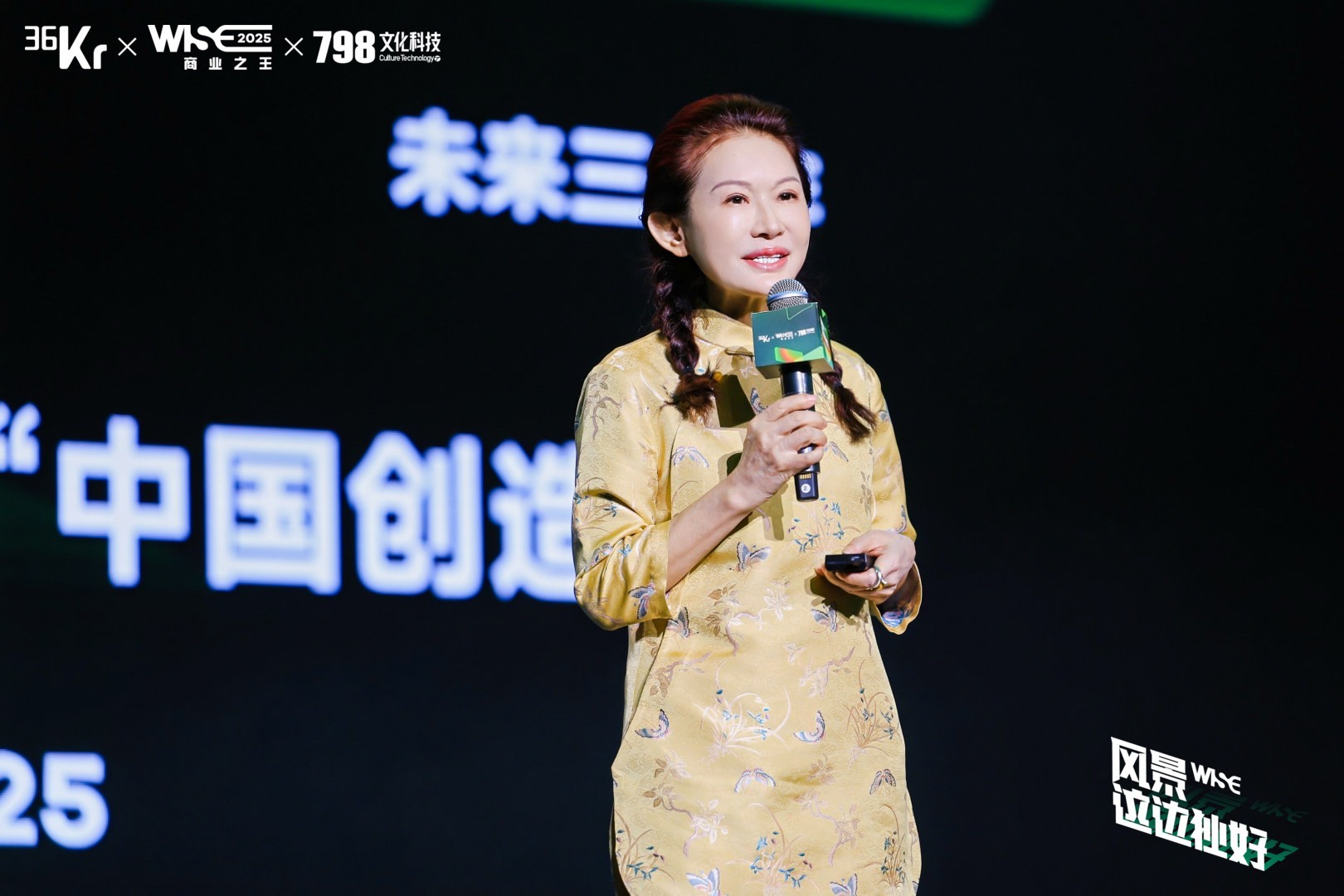
华熙生物赵燕:共生的力量,中国制造与生命再生|WISE2025 商业之王大会
3 6 Ke· 2025-12-04 00:41
Core Viewpoint - The WISE 2025 Business King Conference aims to anchor the future of Chinese business amidst uncertainty, emphasizing the importance of collaboration and innovation in the face of technological advancements and market changes [1][2]. Group 1: Conference Overview - The WISE 2025 Business King Conference, held on November 27-28 in Beijing, is described as an immersive experience rather than a traditional industry summit, focusing on the intersection of technology and business [2]. - The conference features various themes, including AI's impact on hardware, global brand expansion, and the integration of traditional industries with advanced technologies [2]. Group 2: Speaker Insights - Zhao Yan, Chairman of Huaxi Group and Huaxi Bio, delivered a keynote speech titled "The Power of Symbiosis: Chinese Manufacturing and Life Regeneration," highlighting the significance of hyaluronic acid beyond its cosmetic applications [4][5]. - Hyaluronic acid is presented as a fundamental active substance in human life, essential for tissue repair and regeneration, and is crucial in various medical applications [5][6]. Group 3: Industry Positioning - Huaxi Bio holds over 70% market share in the global pharmaceutical raw material sector and more than 40% in the cosmetic-grade raw material sector, showcasing its leadership in the biomanufacturing industry [6]. - The company emphasizes the parallel between macro-manufacturing and micro-repair processes, illustrating how both realms share similar principles of connection and collaboration [7][8]. Group 4: Future Directions - The company aims to transition from "Chinese manufacturing" to "Chinese creation," focusing on biomanufacturing and the mastery of core technologies to enhance product quality and innovation [15][16]. - Huaxi Bio is investing in a biomanufacturing pilot platform in Tianjin, with a goal to increase the technology transfer rate from below 10% to 35%-50% over the next five years [17]. Group 5: Vision and Values - The company seeks to create a collaborative ecosystem in the biomanufacturing industry, promoting shared growth and innovation among enterprises and research institutions [16][18]. - The ultimate goal is to respect and enhance every life, ensuring that individuals can achieve quality longevity through health and vitality [21].


为什么要全链条推动集成电路等重点领域关键核心技术攻关取得决定性突破
Xin Lang Cai Jing· 2025-12-03 13:20
Core Viewpoint - The article emphasizes the importance of overcoming key core technology challenges in critical sectors such as integrated circuits, industrial mother machines, high-end instruments, basic software, advanced materials, and biomanufacturing to ensure national security and promote high-quality economic development [1][5]. Group 1: Importance of Key Core Technologies - Key core technologies are essential for national security and high-quality economic development, necessitating a strong focus on improving the ability to tackle these challenges [1][5]. - Recent advancements have been made in areas like 5G, Beidou navigation, high-speed rail, and nuclear power, but significant gaps remain in integrated circuits and other critical fields that require intensified efforts [1][5]. Group 2: Systematic Approach to Innovation - A systematic and comprehensive approach to deploying key core technology initiatives is crucial for accelerating breakthroughs and shortening innovation cycles [2][6]. - Optimizing the organization of major technological innovations and fostering a collaborative development of innovation forces, resource allocation, and talent is essential for overcoming the current limitations [2][6]. Group 3: Addressing Fundamental Research Gaps - The root cause of the "bottleneck" technology issue lies in inadequate foundational theoretical research, which must be addressed to strengthen the basis for technological innovation and industrial development [3][7]. - Emphasizing original and disruptive innovation is necessary to avoid falling into a cycle of imitation and to secure a competitive edge in the global value chain [3][7]. Group 4: Collaborative Framework for Technology Advancement - A collaborative framework that leverages the advantages of a new type of national system is needed to effectively coordinate government, market, and societal resources in technology research and application [4][7]. - Implementing extraordinary measures to enhance goal orientation and demand-driven approaches will facilitate better collaboration among enterprises, universities, and research institutions [4][7]. Group 5: Incentives and Application of Innovations - Strengthening incentives for researchers to focus on high-quality, original, and disruptive technological innovations aligned with national strategic needs is critical [8]. - Promoting the application of self-innovated products and establishing policies for the first batch of applications will create a virtuous cycle that encourages research and development [9].
奋楫“十五五”,资本与国策共创
Sou Hu Cai Jing· 2025-12-03 01:52
Core Insights - The focus of national development is shifting from "quantitative recovery" post-pandemic to "qualitative leap" in the "15th Five-Year Plan" [1] - The "15th Five-Year Plan" emphasizes "high-level technological self-reliance" and aims for a dual goal of "effective qualitative improvement and reasonable quantitative growth" [5][11] Group 1: Economic and Industrial Strategy - The national strategy is entering a new cycle centered on innovation efficiency, industrial structure, and regional collaboration, marking a shift from "policy following" to "system co-creation" [4] - The plan aims to build a modern industrial system with advanced manufacturing as the backbone, focusing on future industries like quantum technology, biomanufacturing, and hydrogen energy [11] - The transition from "incremental manufacturing" to "efficiency manufacturing" indicates a shift in focus from merely increasing production to optimizing resource allocation [12] Group 2: Investment Opportunities - Hard technology investment, including semiconductors and advanced materials, is positioned as a foundational logic for "systematic breakthroughs" [10] - Investment institutions are encouraged to engage in pre-financing and result transformation for national technology tasks, fostering capital co-creation [10] - The emphasis on "entrepreneurial investment + risk-sharing mechanisms" presents opportunities for investment firms to participate in national innovation initiatives [10] Group 3: Green Development - The "15th Five-Year Plan" elevates green development from a secondary goal to a structural institution, influencing all industrial allocations [17] - The integration of green issues into financial and market mechanisms signifies a shift in perspective, making green development a capital issue [17] - Sustainable investment opportunities in green infrastructure and carbon asset management are expected to grow [20] Group 4: Consumer and Market Dynamics - The plan positions consumption upgrade as a core driver of economic structural transformation, moving from recovery to quality enhancement [22] - The "silver economy" is recognized as a significant industrial opportunity, transforming aging issues into growth engines [22][25] - Investment opportunities in healthcare, elder care, and technology-assisted living are anticipated to rise due to demographic shifts [25] Group 5: Regional Development - The focus of regional policy is shifting from "development gradient" to "structural coordination," promoting a unified market and efficient resource allocation [27] - Investment institutions are encouraged to collaborate with local guiding funds to strengthen project foundations and facilitate new industry development in less developed regions [30] Group 6: Financial Market Reforms - The "15th Five-Year Plan" emphasizes structural improvements in capital markets, transitioning from a focus on financing to a comprehensive investment-funding-exit cycle [32] - Direct investment institutions are identified as key players in building a strong financial nation, with multiple exit pathways being developed [35] - The plan aims to enhance the inclusivity and adaptability of capital market systems, promoting direct financing methods [31] Strategic Summary - The "15th Five-Year Plan" outlines new engines for China's economic growth, including technological innovation and green transformation, while establishing a more inclusive capital market system [36] - Investment institutions are encouraged to align their strategies with national planning, leveraging professional judgment to identify promising sectors and companies for investment [36]

浙江“十五五”规划建议:聚焦人形机器人、脑机接口等领域,布局建设一批未来产业先导区
Zheng Quan Shi Bao Wang· 2025-12-03 00:13
Core Viewpoint - The Zhejiang Provincial Committee emphasizes the integration of advanced manufacturing clusters to promote the upgrading of traditional industries, the growth of emerging industries, and the scientific layout of future industries [1] Group 1: Traditional Industry Upgrading - The initiative aims to implement "tenglong huan niao" (transformation) and "phoenix nirvana" actions to deepen the construction of national traditional manufacturing upgrade demonstration zones [1] - There will be a strong push for technological transformation, equipment updates, and ecological upgrades in traditional industries to enhance quality and technical capabilities [1] - Key industries such as green petrochemicals, textiles and apparel, electrical machinery, and home appliances will be prioritized for quality upgrades to strengthen their competitive positions [1] Group 2: Emerging Industry Development - The plan focuses on building new pillar industries, accelerating the development of clusters in artificial intelligence, new materials, new energy, aerospace, low-altitude economy, and biomedicine [1] - A future industry investment growth mechanism will be established to explore various technological routes, typical application scenarios, feasible business models, and market regulation rules [1] - Key areas for future industry development include humanoid robots, brain-machine interfaces, brain-like intelligence, quantum information, and biomanufacturing [1] Group 3: Service Industry Enhancement - The implementation of high-quality development projects in the service sector will be prioritized, aiming to improve the integration of modern services with advanced manufacturing and modern agriculture [1] - The initiative will promote the specialization and high-end extension of productive services and enhance the quality and diversity of life services [1]

生物制造唯一国创中心明日试运行
Nan Fang Du Shi Bao· 2025-12-02 23:21
Core Viewpoint - The Shenzhen government is hosting the Guangming Science City Forum 2025 from December 4 to 5, focusing on themes of "Openness," "Intelligence Creation," and "Leadership" under the permanent theme "Guangming: Building Dreams for the Future" [1][2]. Group 1: Forum Structure and Activities - The forum will adopt a "1+1+7" format, including one opening ceremony, one plenary session, and seven parallel forums [1]. - Significant activities include the launch of the National Bio-Manufacturing Industry Innovation Center, the unveiling of the Shenzhen branch of the National University Technology Transfer Center (Greater Bay Area), and the establishment of the Guangming Science and Technology Innovation Fund [2]. Group 2: Development of Guangming Science City - Guangming Science City has attracted over 3,000 high-level talents, including renowned academicians, and has been recognized as one of the top 100 science cities in China, improving its ranking from 24th in 2022 to 7th in 2024 [1][3]. - The city is home to major scientific facilities and institutions, including two high-level research universities and multiple research institutes, contributing to significant advancements in various scientific fields [3]. Group 3: Industrial Development - Guangming District hosts two trillion-level industrial clusters in ultra-high-definition video display and high-performance materials, with a high-end medical device cluster valued at 50 billion [4]. - The district is also capitalizing on the artificial intelligence trend, with an AI industry cluster reaching 30 billion, and a biopharmaceutical industry cluster valued at approximately 10 billion [4].
这6大未来产业,加快跑进现实(这些新提法,写入“十五五”规划建议④)
Ren Min Ri Bao Hai Wai Ban· 2025-12-02 22:46
Core Viewpoint - The article emphasizes the strategic importance of future industries in China's economy, highlighting the rapid development and application of technologies such as hydrogen energy, quantum technology, and embodied intelligence, which are expected to drive economic growth and innovation [4][5][7]. Group 1: Future Industries Overview - Future industries are a crucial part of China's "three new" economy, contributing over 18% to GDP last year [4]. - The "14th Five-Year Plan" identifies six key future industries, including quantum technology and biological manufacturing, which are at a critical stage of moving from laboratory to commercialization [5][6][10]. Group 2: Technological Advancements - China has achieved significant progress in hydrogen energy, with production capacity exceeding 50 million tons per year and over 600 renewable energy hydrogen production projects planned [8]. - In nuclear fusion, the EAST facility has set world records for plasma operation times, achieving 1 billion degrees Celsius for 1066 seconds [9][10]. - The development of the BEST facility aims for commercial nuclear fusion power generation by 2030, with a goal to light the first lamp by then [10]. Group 3: Market Potential and Applications - The market for brain-computer interfaces is expected to exceed 5.5 billion yuan, while the embodied intelligence market could surpass 400 billion yuan by 2030 [14]. - The application of embodied intelligence in various sectors, such as manufacturing and service industries, is being explored, with robots like NAVIAI demonstrating capabilities in tasks ranging from sewing to household chores [13][14]. Group 4: Policy and Support - The Chinese government is promoting the integration of technology and industry through policies aimed at fostering new application scenarios and supporting innovation [12][14]. - The focus on creating a supportive ecosystem for future industries includes investment in R&D and the establishment of platforms for biological manufacturing and brain-computer interfaces [14].
科创企业加速聚集 湖南津市生物制造产业转型中
Xin Hua Cai Jing· 2025-12-02 15:04
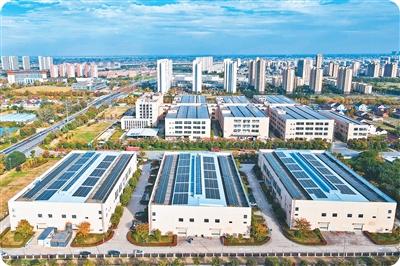
Core Insights - The "14th Five-Year Plan" suggests promoting quantum technology, biomanufacturing, hydrogen energy, nuclear fusion, brain-computer interfaces, embodied intelligence, and 6G mobile communication as new economic growth points [1] Biomanufacturing Industry Development - Jinshi City has gathered 27 core biomanufacturing enterprises capable of producing over 200 high-end synthetic biological products, indicating a rapid transformation and upgrade of the biomanufacturing industry [1] - The history of biomanufacturing in Jinshi dates back to 1978 with the establishment of the Jinshi Enzyme Factory, which evolved into Hunan Hongying Biological Engineering Co., continuing to develop enzyme products [1] - Leading local enterprise, Xinhong Biological Technology Co., established in 2013, focuses on the R&D, production, and sales of steroid intermediates and raw materials, forming a complete industrial chain for steroid drugs [1] Strategic Collaborations and Investments - Jinshi has partnered with leading institutions like AstraZeneca and CICC to establish 16 funds totaling 20 billion yuan, with 104 projects invested and 23 projects settled in Jinshi [2] - Hunan Yihang Biotechnology Co. received over 5 million yuan in government support and secured 1.2 billion yuan in industrial fund investment and 1 billion yuan in bank financing for its production base [2] - Lier Biological Technology Co. achieved the world's largest sales volume for its herbicide product, with a global market share of 62% last year [2] Technological Advancements and Infrastructure - Muen (Guangzhou) Biotechnology Co. established a complete microbial industrialization technology system in Jinshi, becoming an international leader in microbial platform technology [3] - Jinshi has created a comprehensive incubation system for biomanufacturing, including a "scientific innovation platform—pilot base—acceleration factory—industrial park" model [3] - The Hunan Biomanufacturing Pilot Base Co. was established in 2023 to assist companies in conducting pilot tests for amino acids, vitamins, and cosmetic products [3] Support for Innovation and Talent Attraction - Jinshi promotes the "Acceleration Factory" project to assist companies in overcoming challenges from pilot testing to mass production [4] - The Shenzhen Innovation Platform is operational, with two companies settled and three awaiting entry, while the Jinshi (Changsha) Biomanufacturing Research Institute focuses on key areas like pharmaceuticals and health products [4] - The Jinshi (Shanghai) Technology Achievement Transformation Center was established to enhance collaboration with universities and attract high-level talent for synthetic biology projects [4]
生物制造领域唯一国家产业创新中心,即将试运行
2 1 Shi Ji Jing Ji Bao Dao· 2025-12-02 13:05
Core Insights - The "Guangming Science City Forum 2025" will be held from December 4 to 5, showcasing significant achievements such as the launch of the National Bio-Manufacturing Industry Innovation Center and the establishment of various research facilities and funds [1][6]. Group 1: Achievements and Developments - The Guangming Science City has made substantial progress since its planning in 2018, with over 3,000 high-level talents and a ranking of 7th in the national science city list for 2024 [1][4]. - Major scientific facilities, including synthetic biology and brain simulation devices, have been operational, serving over 200 users and providing more than 330,000 hours of effective equipment time [4][5]. - The National Bio-Manufacturing Industry Innovation Center is set to begin trial operations, facilitating key processes in technology transfer and commercialization [5][8]. Group 2: Collaborative Efforts and Infrastructure - Guangming Science City is collaborating with Dongguan Songshan Lake and other institutions to enhance new material development and has established a cross-city public transport line [5][8]. - The region has initiated mechanisms for collaboration with Hong Kong and Macau, including the establishment of the Guangdong-Hong Kong-Macau Greater Bay Area International Clinical Trial Center [5][8]. Group 3: Financial and Policy Support - Guangming District has created a multi-layered fund support system totaling approximately 30 billion yuan, which includes government-guided funds and various types of innovation funds [6][7]. - The district focuses on strategic emerging industries, with significant clusters in high-performance materials and high-end medical devices, aiming for high-quality development [7][8]. Group 4: Talent and Living Environment - Guangming District is enhancing its living environment by attracting quality educational institutions, improving healthcare facilities, and providing affordable housing [8].