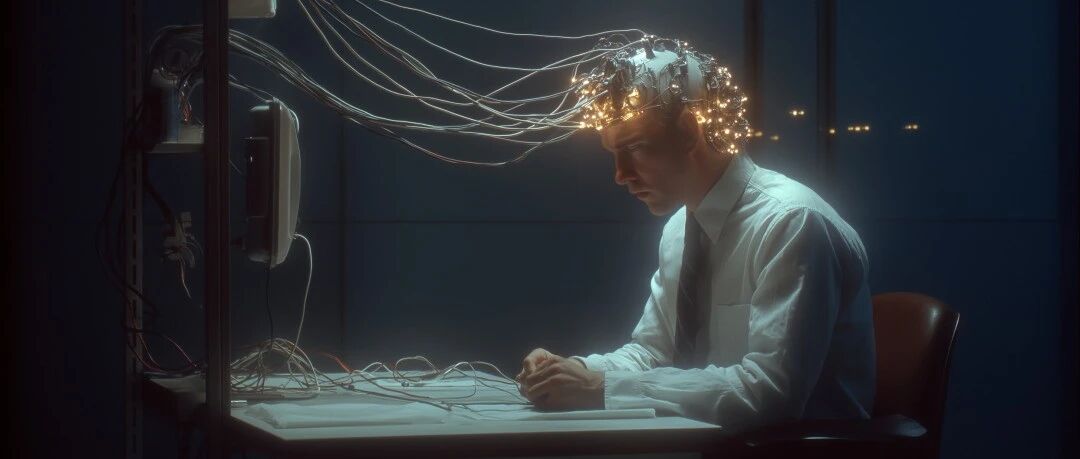
脑机接口

Search documents
星辰大海:马斯克六大产业链映射
Huachuang Securities· 2026-01-21 10:07
Group 1: Commercial Space Industry - SpaceX - SpaceX is reshaping the cost structure of space launches through reusable rocket technology, with a potential IPO in 2026 valued at $1.5 trillion, aiming to raise over $30 billion [20] - In 2023, SpaceX achieved breakeven, with projected revenue of $15.5 billion in 2025, and plans to produce 10,000 Starship spacecraft annually, boosting its supply chain [20] Group 2: Autonomous Driving - Tesla's Full Self-Driving (FSD) technology is transitioning from an assistive tool to a reliable autonomous workforce, with the Robotaxi fleet expected to grow from 200 vehicles in 2025 to 1,000 in 2026 [2] - The commercialization of autonomous driving is accelerating as the industry approaches a critical inflection point [2] Group 3: Robotics - The third generation of Tesla's Optimus robot is set to be released in Q1 2026, with mass production expected by the end of the year, presenting significant growth opportunities for core suppliers [3] Group 4: Artificial Intelligence - xAI completed a Series E funding round in January, raising $20 billion from major investors like NVIDIA and Cisco, and is a crucial part of Musk's cross-industry collaborative network [4] - xAI leverages real-time data from social media and Tesla to train large models, with potential support from SpaceX's Starlink for computational needs, creating a closed-loop ecosystem [4] Group 5: Brain-Computer Interface - Neuralink plans to begin large-scale production of brain-computer interface devices within the year, focusing on simplifying surgical procedures to lower application barriers [5] Group 6: Underground Tunnel Network - The Boring Company aims to alleviate urban traffic congestion by constructing extensive underground tunnel networks, reducing construction costs and time, and promoting the development of underground transportation systems [6]
17.6亿种子轮!OpenAI 押注脑机接口
思宇MedTech· 2026-01-21 09:00
Core Viewpoint - OpenAI has confirmed its investment in brain-computer interface (BCI) startup Merge Labs, marking its entry into a cutting-edge technology sector with a significant seed funding of $252 million (approximately 1.76 billion RMB) [2][4]. Group 1: Investment Context - The investment was anticipated in mid-2025 and is notable for its size in the BCI field, indicating OpenAI's strategic interest in the evolution of human-AI interaction [2][4]. - OpenAI's involvement is seen as a long-term bet on the development of higher bandwidth human-AI interfaces, addressing the limitations of current interaction methods [5][14]. Group 2: Merge Labs' Approach - Merge Labs, co-founded by OpenAI's CEO Sam Altman and other tech entrepreneurs, is pursuing a distinct technological path in BCI development [6][9]. - The core direction of Merge Labs includes creating a BCI system that integrates biological, device, and AI attributes, aiming for a user-friendly technology that people are willing to adopt [9][10]. Group 3: Comparison with Neuralink - Merge Labs' philosophy contrasts with Neuralink, which focuses on invasive, high-density electrode systems for clinical applications [10][12]. - Merge Labs aims to explore non-invasive or low-invasiveness methods for long-term interfaces, potentially reducing tissue damage and enhancing user acceptance [13][14]. Group 4: Industry Implications - Merge Labs is currently positioned as a research lab rather than a product-focused medical device company, aligning with OpenAI's long-term vision [14]. - The investment signals a shift in how AI companies view the integration of human neural systems into their technological narratives, suggesting a broader exploration of human-AI connections [16]. Group 5: Market Potential - Analysts have estimated the potential market size for brain-computer interfaces to reach $400 billion, highlighting the significance of this technology in future human-AI interactions [15][16].


Neuralink首例受试者脑机接口已能实现OTA升级,医疗设备ETF(159873)近20日实现规模翻倍,今日盘中获申购500万份
2 1 Shi Ji Jing Ji Bao Dao· 2026-01-21 07:11
Group 1 - The three major indices collectively rose, with the medical equipment sector showing active performance, as evidenced by the CSI All Index Medical Care Equipment and Services Index (H30178) increasing by 0.53% [1] - Notable performers within the index included Tianzhihang, which rose over 14%, Shuoshi Bio, which increased over 9%, and Sanyou Medical, which saw a rise of over 6% [1] - The Medical Equipment ETF (159873) recorded a trading volume exceeding 16 million yuan, with a subscription of 5 million units during the trading session [1] Group 2 - The Medical Equipment ETF has experienced a net inflow of funds for nine consecutive trading days, accumulating a total net inflow of 117 million yuan as of January 20 [1] - The ETF's scale has doubled over the past 20 days, reaching a latest circulating scale of 233 million yuan [1] - The ETF closely tracks the CSI All Index Medical Care Equipment and Services Index, which selects listed companies in the medical care theme to reflect the overall performance of these securities [1] Group 3 - The first human subject implanted with Neuralink's brain-machine interface, Nolan Arbo, reported that the module in his brain can be wirelessly upgraded remotely, similar to Tesla's OTA updates [2] - This marks a historic first where a human brain can be updated without surgery, allowing for performance improvements through software updates [2] - Merge Labs, a Silicon Valley startup, has raised $252 million in seed funding from investors including OpenAI, indicating strong interest in advancements in medical technology [2] Group 4 - Guotai Junan Securities noted that the scale of medical equipment bidding continues to grow, supported by ongoing implementation of equipment upgrade policies, which are expected to drive long-term procurement levels [2] - The report recommends medical equipment companies that are likely to benefit from the performance recovery driven by the implementation of these upgrade policies [2]



海南省脑空间信息学与脑机接口技术创新中心正式揭牌
Hai Nan Ri Bao· 2026-01-21 00:59
Core Insights - The establishment of the Hainan Provincial Brain Space Informatics and Brain-Machine Interface Technology Innovation Center marks a significant advancement in the field of brain science and brain-machine interfaces in Hainan Province [1] - The center aims to focus on breakthroughs in core technologies related to brain science and brain-machine interfaces, including brain space informatics, specialized chips, and neural electrodes [1] Group 1: Innovation Center Overview - The innovation center is a provincial-level platform dedicated to brain-machine interface technology, aligning with national industrial development priorities [1] - It will facilitate close integration of research and clinical practice through the establishment of a clinical and translational base in collaboration with local hospitals [1] Group 2: Research and Development Focus - The center will concentrate on tackling "bottleneck" technologies and advancing foundational theories, clinical applications, and industrial innovation [1] - It will gather multiple professional teams in brain space informatics and brain chip neuroengineering, collaborating with specialized hospitals and technology enterprises [1]
北京国际商业航天展览会即将开幕,287家核心采购商携万亿订单捧场;Neuralink首例受试者脑机接口已能实现OTA升级——《投资早参》
Mei Ri Jing Ji Xin Wen· 2026-01-21 00:24
Market News - The US stock market experienced a significant decline, with the Dow Jones falling by 1.76%, the S&P 500 dropping by 2.06%, marking the largest single-day drop since October of the previous year, and the Nasdaq Composite decreasing by 2.39% [1] - The 10-year US Treasury yield rose by 6.76 basis points to 4.2906%, while the 30-year yield increased by 7.92 basis points to 4.9158%, reaching a new high since September of the previous year [1] - The Danish pension fund "AkademikerPension" plans to sell all its US Treasury holdings by the end of January due to perceived credit risks associated with Trump's policies [1] Industry Insights - The Beijing International Commercial Space Exhibition will take place from January 23 to 25, 2026, featuring over 300 exhibitors and covering key areas such as rocket systems, satellite manufacturing, and space applications, with an expected procurement and investment total exceeding 1.2 trillion yuan [3] - The satellite communication industry is projected to reach between 200 billion to 400 billion yuan by 2030, with an annual growth rate of 10%-28%, driven by technological advancements and cost reductions [4] - The global brain-computer interface market is expected to reach $40 billion by 2030 and $145 billion by 2040, with significant potential in treating neurological disorders [6] - The National Healthcare Security Administration has issued guidelines for pricing medical services related to robotic and remote surgeries, aiming to enhance the accessibility of quality medical resources [7] Investment Opportunities - Key stocks in the satellite communication sector include Yinbang Co., Chunhui Zhikong, and Tianyin Electromechanical [4] - In the brain-computer interface space, potential investment targets include Zhongke Information, Guanhao Biological, and Aipeng Medical [6] - Companies involved in robotic surgery and remote surgical assistance include Chutian Technology, Dafu Technology, and Tianzhihang [7] Stock Alerts - A shareholder of Aolian Electronics plans to reduce their stake by up to 3% through various trading methods [8] - Desheng Technology's controlling shareholder intends to sell up to 1% of the company's shares due to personal financial needs [8] - Other companies such as Lanfeng Biochemical and Zhixin Precision are also planning to reduce their shareholdings by up to 3% [8]
四大证券报精华摘要:1月21日
Zhong Guo Jin Rong Xin Xi Wang· 2026-01-20 23:53
Group 1 - The Ministry of Finance will continue to implement a more proactive fiscal policy in 2026, focusing on increasing total volume, optimizing structure, improving efficiency, and enhancing momentum to support employment, enterprises, markets, and expectations [1] - The A-share market has seen structural opportunities emerge, particularly in popular sectors such as brain-computer interfaces, commercial aerospace, and embodied intelligence, with several listed companies becoming attractive to institutional investors [1] - Despite recent market fluctuations, industry insiders believe that investment opportunities in sectors like brain-computer interfaces and satellites remain significant due to policy support and technological breakthroughs [1] Group 2 - In 2025, quantitative index enhancement strategies performed exceptionally well in the A-share market, with an average return rate of 45.08%, and nearly 90% of products achieving positive excess returns [2] - Small and mid-cap index enhancement strategies have outperformed, highlighting the continued prominence of industry leaders, while AI integration in strategy design has become mainstream [2] - The private equity industry anticipates structural opportunities in 2026, but also warns of challenges from strategy crowding and style shifts [2] Group 3 - The Ministry of Finance has introduced six policies to support small and micro enterprises, including loan interest subsidies and investment guarantees, aimed at boosting private investment and consumption [3] - Major listed insurance companies are expected to see growth in premium and profit metrics in 2025, benefiting from a strong equity market performance [3] - The overall performance of listed insurance companies is projected to maintain high growth due to favorable market conditions in 2025 [3] Group 4 - Shanghai has launched an action plan to enhance the competitiveness of non-ferrous metal commodities, aiming to strengthen the link between spot and futures markets [4] - The action plan is designed to elevate Shanghai's global pricing influence in the non-ferrous metals sector [4] Group 5 - As of January 20, 2025, 525 A-share companies have disclosed earnings forecasts, with around 200 expecting growth and over 100 projecting net profit increases exceeding 100% [5] - The technology sector, particularly driven by AI, is maintaining high growth, while industries like photovoltaics and liquor are facing performance pressures due to market fluctuations [5] - The global precious metals market has shown strength, with gold and silver prices reaching new historical highs [5] Group 6 - The industrial application of silver is significant, with over 60% of demand coming from industries like photovoltaic energy, which is currently facing cost pressures due to rising silver prices [7] - Companies in the photovoltaic sector are exploring alternatives to silver, such as copper and aluminum, due to cost considerations [7] Group 7 - The high-tech manufacturing sector in China is experiencing robust growth, particularly in robotics, with significant increases in the production of gear reducers and various types of robots [8] - The market for reducers is projected to grow to 151 billion yuan by 2025, with specific increases in the sales of harmonic and RV reducers [8] - Several listed companies are actively expanding their operations in the robotics reducer market [8]
中文失语患者有望重获“新声”
Ren Min Ri Bao· 2026-01-20 19:10
近日,中国科学院上海微系统与信息技术研究所联合相关团队,在语言脑机接口领域取得突破性进展。 研究人员开发出植入式高通量柔性脑机接口系统和汉语言实时神经网络解码算法,并在国际上首次实现 脑机接口实时汉语解码和语句合成。这项研究不仅让中文失语患者有望重新"开口说话",也为脑机接口 在多语言、多场景下的应用打开了新空间。 据科研人员介绍,与音素相比,音节是更完整、更充分的发音单位,持续时间更长、神经表征更稳定, 更有利于从脑电信号中提取区分特征。同时,通过直接解码音节,可以省去声母、韵母再组合的复杂中 间步骤,大幅提升解码效率。 在具体实现上,研究团队通过构建多级实时解码数据流,以50毫秒滑动窗口提取70Hz至170Hz的High-γ 频段脑电信号,并对齐脑电信号与发音起始点,驱动双流解码器同步生成音节与声调的概率分布,进而 融合语言模型进行最合适的句子组合选择,实现实时汉语语句输出。 这一流程,实现了从"脑电—音节—汉字—语句"的闭环。 研究显示,受试者经过9天的语言解码任务后,394个汉语音节(解码未覆盖音节为生僻音节且受试者不 认识)纯神经解码平均准确率达到71.2%,单音节解码延时65ms,实时汉语语句解码 ...
开年最大核聚变融资诞生 | 上海融资周报(2026年第3期)
Sou Hu Cai Jing· 2026-01-20 07:32
Financing Overview - From January 12 to January 18, Shanghai enterprises experienced 24 financing events, with 15 disclosing financing amounts, totaling 2.8485 billion yuan [2] - The number of financing events remained the same as the previous week, with the highest number occurring in the Pudong New Area, which had 7 events [2] Artificial Intelligence - SenseTime Medical completed nearly 100 million yuan in strategic financing on January 12, with investment from Henan Huirong Fund [4] - Wuzhitai Technology, a robot leasing platform, secured several tens of millions in Pre-A round financing on January 15, with investments from Lion City Capital, Baidu Investment, and existing shareholder Jingya Capital [5] - Qingtian Rental, another robot leasing platform, completed seed round financing on January 15, led by Hillhouse Venture Capital and supported by several other investors [6] - Futuring Robotics, focusing on dual-arm household service robots, raised 200 million yuan in angel round financing on January 12, with investments from ZhenFund, Yuanlai Capital, and Lianxin Capital [7] Integrated Circuits - Zhanwang Technology, an IC design company, completed 100 million yuan in angel round financing on January 14, led by Zijin Port Investment and金沙江联合资本 [8] - Lijiao Technology, specializing in semiconductor RF and plasma systems, completed Pre-A+ round financing on January 14, with investments from Shangrong Capital, Zhongbi Fund, and Shanghai Dingyu [9] - Yunshen Technology, focusing on semiconductor materials and equipment, completed A round financing on January 14, with investment from Yida Capital [10] Biomedicine - Yuanqi Bio, specializing in tumor immunotherapy, completed 70 million USD in C round financing on January 12, led by Beijing Pharmaceutical Health Industry Investment Fund and QIA [11] - Fanfang Medical, focusing on medical devices, completed angel round financing on January 12, with investment from Tianshi Innovation Capital [12] - Ailios, specializing in pharmaceutical process filtration, completed over 100 million yuan in Pre-B round financing on January 15, led by Guotou Chuanghe [13] - Xinyao Paike, focusing on drug packaging materials and medical devices, completed 100 million yuan in B+ round financing on January 15, led by Guangfa Xinde [14] - Shengshengji, specializing in precision intelligent health technology, completed several tens of millions in angel financing on January 15 [15] Future Industries - Shuli Innovation, focusing on brain-machine interfaces, completed several hundred million yuan in B+ round financing on January 16, with investments from the National SME Development Fund and Dongfang Fuhai [16] - Jinghai Weixiang, specializing in synthetic biology, completed nearly 100 million yuan in B round financing on January 12, with investment from Jiazhizhi Fund [17] - Huanliang Technology, focusing on AI new materials, completed strategic financing on January 13, with investment from Qicai Chemical [18] - Jingxiang Technology, specializing in flexible tactile sensors, completed angel round financing on January 14, with investments from Zhongke Chuangxing and Pudong Fund [19] - Xinhang Micro, focusing on vacuum components, completed several tens of millions in angel round financing on January 12, with investments from Yushan Capital and Daohua Investment [20] - Youji Technology, specializing in machine tool intelligence, completed B round financing on January 14, with investment from Changyingxin Investment [21] - Xinghuan Juneng, focusing on fusion energy commercialization, completed 1 billion yuan in A round financing on January 12, with investments from multiple institutions [22] - Chaomagnet New Energy, specializing in high-temperature superconducting strong field magnets, completed several hundred million yuan in angel round financing on January 16, led by Dingfeng Chuangke [23]
科技巨头竞争:从AI迈向脑机接口
Xin Lang Cai Jing· 2026-01-20 05:30
Core Insights - OpenAI's investment in Merge Labs signals a competitive shift in the brain-computer interface (BCI) sector, indicating it may become a focal point in the next wave of technological competition [1][5] - The BCI market is projected to grow significantly, with estimates suggesting it could exceed $10 billion by 2030 [8] Group 1: Company Developments - Merge Labs has raised $252 million in funding, led by Bain Capital, with OpenAI as the largest investor, bringing the company's valuation to $850 million [2][3] - Unlike Neuralink, Merge Labs aims to develop non-invasive BCI technologies that connect neurons using molecules rather than electrodes, avoiding the need for surgical implantation [3] - OpenAI plans to collaborate with Merge Labs to develop foundational models and advanced tools, enhancing the technological progress in the BCI field [4] Group 2: Competitive Landscape - The competition between OpenAI and Neuralink is intensifying, as both companies are vying for dominance in the BCI market, which is characterized by significant financial stakes and long-term public rivalry [5][6] - Other startups like Paradromics, Precision Neuroscience, and Synchron are also actively developing BCI technologies, indicating that the competition extends beyond just OpenAI and Neuralink [6] Group 3: Market Potential - The global BCI market is expected to reach approximately $1.27 billion by 2025, with a potential to surpass $10 billion by 2030, highlighting the substantial growth opportunities in this sector [8] - China's BCI sector is rapidly advancing, with significant investments and government support aimed at achieving key technological breakthroughs by 2027 [9][10] Group 4: Industry Trends - The integration of AI in BCI technology is anticipated to enhance user interaction and operational reliability, positioning BCI as a critical interface for future human-computer interactions [4][7] - The BCI field is evolving into a strategic battleground for major tech companies, with the potential to redefine human capabilities and interactions with technology [7][10]
脑机接口第一股来了,“DeepSeek时刻”还没来
创业邦· 2026-01-20 03:29
Core Viewpoint - The brain-computer interface (BCI) sector is gaining significant attention and investment, with major developments from companies like Neuralink and Qiangnao Technology, indicating a potential shift towards commercialization and broader application in various fields [6][12]. Group 1: Industry Developments - Neuralink plans to begin large-scale production by 2026, showcasing the growing momentum in the BCI field [6]. - Qiangnao Technology has completed a financing round of 2 billion yuan and has submitted an IPO application to the Hong Kong Stock Exchange [6]. - The BCI market is projected to reach a size of $400 billion in the U.S. medical market by 2045, with the overall market potentially exceeding $1 trillion [13]. Group 2: Technological Advancements - BCI technology has evolved from a theoretical concept to practical applications, with significant breakthroughs in invasive techniques, such as reducing the time to implant a single electrode from 17 seconds to 1.5 seconds [9][11]. - Non-invasive BCI technologies are emerging, allowing for applications in cognitive enhancement and entertainment, expanding the commercial potential beyond medical uses [11]. Group 3: Challenges to Commercialization - The BCI sector faces several challenges, including the need for technological maturity in signal acquisition and decoding algorithms, as current methods are limited in their ability to capture complex neural signals [16][17]. - High costs associated with BCI devices and procedures, ranging from 150,000 to 350,000 yuan for implantation, hinder widespread adoption [18]. - Privacy concerns regarding the data collected from BCIs necessitate the establishment of legal and ethical frameworks to protect sensitive information [19][20].