连锁餐饮

Search documents
罗永浩悬赏10万元,征集西贝预制菜证据
中国基金报· 2025-09-12 01:44
昨天,西贝创始人贾国龙在接受媒体采访时表示,"复盘了罗永浩来西贝吃饭时的菜品和接待服 务,我们的总结是,做的饭中规中矩,他点的13道菜里没有一道是预制菜,我们每一道菜都有制 作标准和工艺。"在结束回应"预制菜"风波的新闻发布会后, 西贝创始人、董事长贾国龙表示将 会起诉罗永浩。 西贝创始人、董事长贾国龙在接受采访时,就"是否会起诉罗永浩"一问做出明确且强硬的表态。 "一定会,我们一定会起诉他,一定一定会起诉他!" 贾国龙连用三个"一定"来强调他的决心。 他表示:"他对我们的伤害是很大的,一定会起诉。" 来源:综合澎湃新闻、 红星资本局、中国新闻网、新黄河等 连锁餐饮集团"西贝" 陷入的预制菜舆论风波愈演愈烈。 同时,他还 发布10万元悬赏,公开征集西贝使用预制菜的"真凭实据"。 与此同时,为了让消费者亲身体验"值不值",西贝宣布将从今天起,在全国所有门店上线"罗永 浩菜单"。贾国龙澄清,这不是一个固定的套餐,而是罗永浩点过的菜品列表,消费者可以任意 点选。西贝为此提供了两大承诺:第一, "不好吃,不要钱", 顾客可以随时退单;第二, 欢迎 顾客随时进入后厨,参观任何一道菜的制作全过程。 "在大家看来,中央厨房 ...

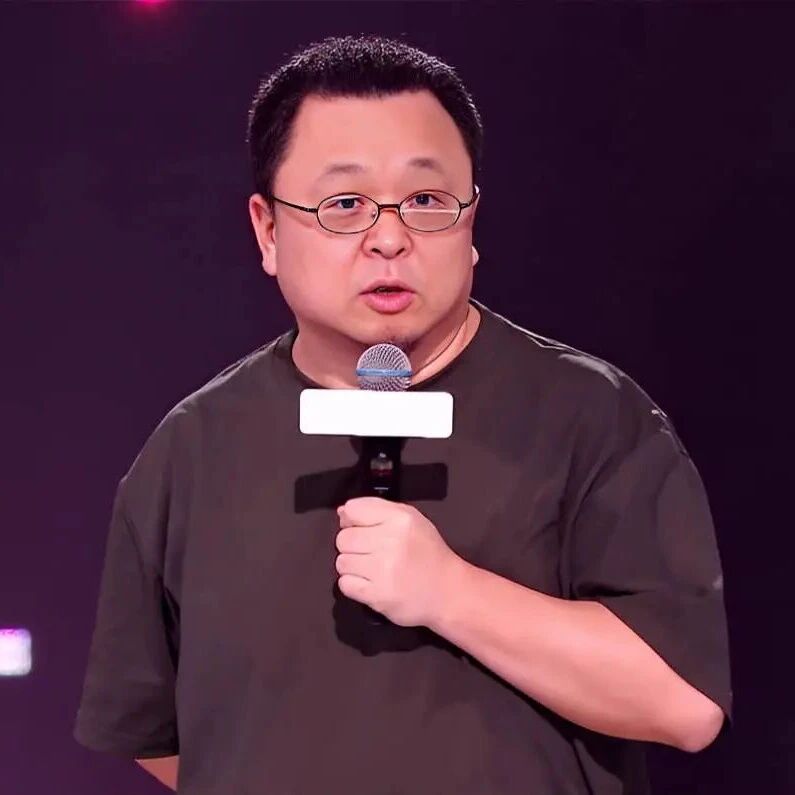
贾国龙:罗永浩结账时曾表示“挺好”
Xin Lang Ke Ji· 2025-09-12 01:41
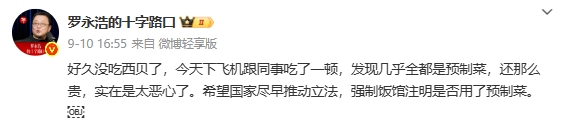
9月10日,罗永浩发博公开吐槽连锁餐饮品牌西贝:"好久没吃西贝了,今天下飞机跟同事吃了一顿,发 现几乎全都是预制菜,还那么贵。希望国家尽早推动立法,强制饭馆注明是否用了预制菜。" 9月11日,西贝创始人贾国龙在罗永浩就餐的餐厅对外界多方面问题进行回应,并称"将要起诉罗永 浩。" 贾国龙还称,罗永浩在结账时还曾表示"挺好"。 近日,"西贝"陷入的预制菜舆论风波。 该西贝餐厅负责人称:"15道菜只有两道菜没吃完,分别是'葱香烤鱼'和'嫩烤羊排',而这两道菜是最后 上的。" 责任编辑:李思阳 贾国龙表示,餐饮行业不回避预加工菜品,但"我们不是预制菜,国家对预制菜有严格定义","按国家 规定,我们没有一道是预制菜,而且100%不是预制菜"。"罗永浩说全是预制菜,太恶心了,挺伤我们 的"。 ...
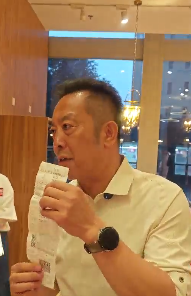
罗永浩悬赏10万元,公开征集西贝预制菜证据
Hu Xiu· 2025-09-12 01:27
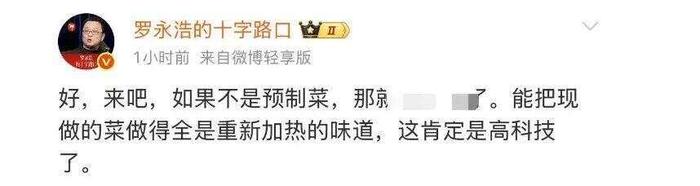
Group 1 - The incident involving Luo Yonghao criticizing Xibei for using pre-made dishes has escalated significantly [1] - Xibei's founder, Jia Guolong, announced intentions to sue Luo Yonghao in response to the negative comments, indicating that these remarks have severely harmed Xibei's brand reputation and operations [2][4] - Luo Yonghao responded to the lawsuit announcement by offering a reward of 100,000 yuan for evidence proving Xibei's use of pre-made dishes, shifting the dispute from verbal confrontation to a battle over evidence [2][8] Group 2 - On September 10, Luo Yonghao expressed his dissatisfaction with Xibei on Weibo, claiming that most of the dishes were pre-made and criticizing their high prices [3] - In his social media response, Luo Yonghao remarked that if Xibei could make freshly prepared dishes taste like reheated food, it would be a sign of high technology [5]
罗永浩悬赏10万元征集西贝预制菜线索 西贝上线“罗永浩菜单”
Xin Lang Cai Jing· 2025-09-12 01:24
Core Points - The founder of Xibei, Jia Guolong, provided details about a dining experience involving Luo Yonghao, highlighting that the group had a positive experience and accumulated membership points before Luo's negative comments on social media [1] - Luo Yonghao criticized Xibei on social media, claiming that most of the dishes were pre-made and expressed his dissatisfaction with the pricing [9] - In response to the controversy, Xibei announced the launch of a "Luo Yonghao Menu" across all locations, allowing customers to choose from dishes previously ordered by Luo, with a money-back guarantee if unsatisfied [1] Summary by Sections Company Overview - Xibei was founded in 1988 in Bayannur, Inner Mongolia, and is projected to have nearly 400 locations across 62 cities in China by 2025, employing approximately 17,000 staff [9] Incident Details - Luo Yonghao's dining group ordered 15 dishes, mostly finished, and provided positive feedback during the meal, which contrasts with his later social media comments [1] - Luo offered a reward of 100,000 yuan for evidence of Xibei using pre-made dishes [3] Company Response - Xibei clarified that the "Luo Yonghao Menu" is not a fixed set but a selection of dishes he has ordered, with commitments to customer satisfaction and transparency in food preparation [1]
罗永浩征集西贝预制菜线索!贾国龙:上线“罗永浩菜单”
Sou Hu Cai Jing· 2025-09-12 00:59
连锁餐饮集团"西贝" 陷入的预制菜舆论风波愈演愈烈。 昨天,西贝创始人贾国龙在接受媒体采访时表示,"复盘了罗永浩来西贝吃饭时的菜品和接待服务,我们的总结是,做的 饭中规中矩,他点的13道菜里没有一道是预制菜,我们每一道菜都有制作标准和工艺。"在结束回应"预制菜"风波的新闻 发布会后,西贝创始人、董事长贾国龙表示将会起诉罗永浩。 西贝创始人、董事长贾国龙在接受采访时,就"是否会起诉罗永浩"一问做出明确且强硬的表态。"一定会,我们一定会起 诉他,一定一定会起诉他!"贾国龙连用三个"一定"来强调他的决心。他表示:"他对我们的伤害是很大的,一定会起 诉。" 与此同时,为了让消费者亲身体验"值不值",西贝宣布将从今天起,在全国所有门店上线"罗永浩菜单"。贾国龙澄清,这 不是一个固定的套餐,而是罗永浩点过的菜品列表,消费者可以任意点选。西贝为此提供了两大承诺:第一,"不好吃, 不要钱",顾客可以随时退单;第二,欢迎顾客随时进入后厨,参观任何一道菜的制作全过程。 "在大家看来,中央厨房、食品工厂出来的菜都是预制菜。而且网上有证据表明,西贝的中央厨房部分的菜品就是采购的 工厂预制菜,贾国龙已经犯了'众怒'。" 9月11日,面 ...
“砸我们牌子”!贾国龙称将起诉罗永浩,被说“恶心”挺受伤,罗永浩悬赏10万征集西贝预制菜线索
Sou Hu Cai Jing· 2025-09-12 00:44
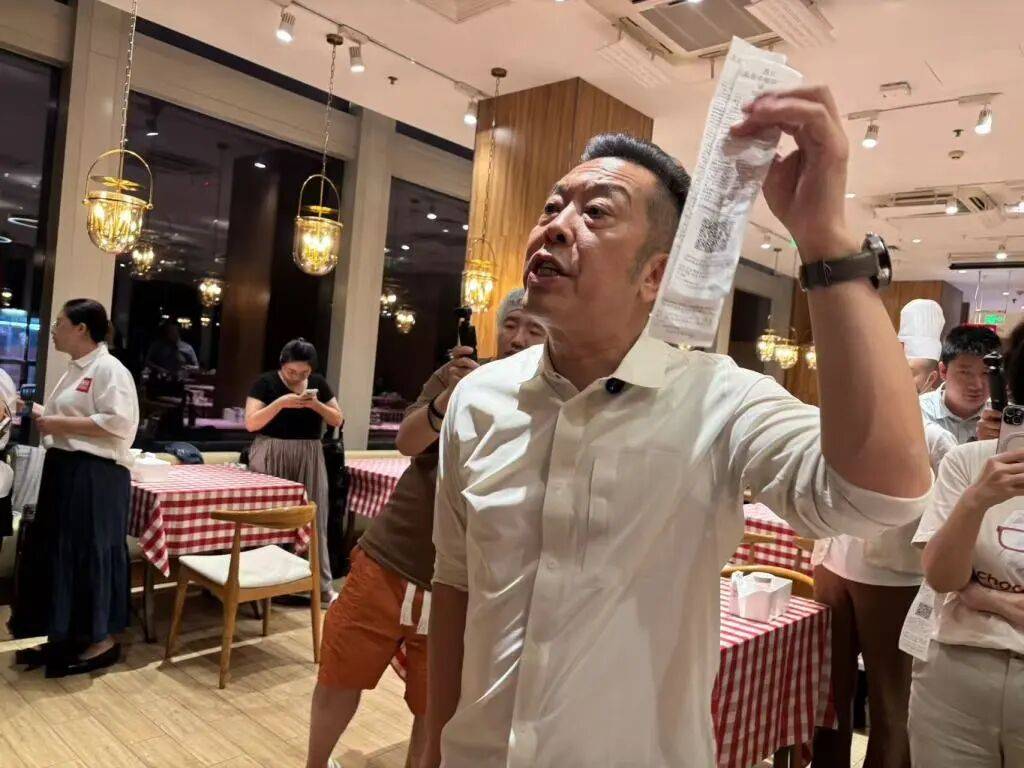
近日,连锁餐饮集团"西贝"陷入预制菜舆论风波。9月11日晚, "西贝门店没有一道是预制菜" 创始人贾国龙称将起诉罗永浩 据智通财经报道,9月11日晚间,针对罗永浩发微博公开吐槽连锁餐饮品牌西贝预制菜一事,西贝创始人贾国龙在西贝北京门店接受媒体采访时表示,"复 盘了罗永浩来西贝吃饭时的菜品和接待服务,我们的总结是,做的饭中规中矩,他点的13道菜里没有一道是预制菜,我们每一道菜都有制作标准和工 艺。" 据透露,罗永浩一行五人于9月10日14点40分左右到店,在一个包间内就餐。他们总共点了13道不同的菜,其中"牛肉土豆条"和"一把羊肉串、烤馕"点了 双份,合计15份菜品。一行人于下午3点30分左右用餐完毕并离店,全程约50分钟。 西贝负责人称:"15道菜只有两道菜没吃完,分别是'葱香烤鱼'和'嫩烤羊排',而这两道菜是最后上的。" 据悉,罗永浩在结账时还曾表示"挺好"。 在结账环节,据贾国龙透露,服务员当时询问是否需要累积会员积分,付款的随行人员表示"要"。这一举动,通常被视为消费者对品牌有一定认可度、并 愿意进行复购或深度绑定的信号。贾国龙推断,付款和操作积分的应该不是罗永浩本人,而是其助理或朋友。 西贝创始人贾国 ...
罗永浩悬赏10万元,公开征集西贝预制菜证据
财联社· 2025-09-12 00:35
Core Viewpoint - The incident involving Luo Yonghao criticizing Xibei for using pre-prepared dishes has escalated, leading to a legal confrontation and a public evidence collection initiative [1][2][4]. Group 1: Incident Overview - On September 10, Luo Yonghao publicly criticized Xibei, a well-known restaurant chain, claiming that most of their dishes were pre-prepared and overpriced [3]. - In response to Luo's comments, Xibei's founder, Jia Guolong, announced plans to sue Luo for damaging the brand's reputation and business [4]. - Luo Yonghao reacted to the lawsuit announcement by challenging Jia and offering a reward of 100,000 yuan for any evidence proving Xibei's use of pre-prepared dishes [7][8]. Group 2: Legal and Public Reactions - Jia Guolong's strong stance against Luo's allegations indicates the seriousness of the situation, as he believes the comments have significantly harmed Xibei's brand image [4]. - Luo's response to the potential lawsuit was confrontational, suggesting that Xibei's ability to make reheated dishes taste fresh is a form of high technology [4]. - The public engagement through the reward for evidence signifies a shift from verbal disputes to a more evidence-based confrontation [2][7].

西贝贾国龙:没有任何一道预制菜,一定会起诉罗永浩!罗永浩连发数十条微博回应;小红书回应被查;星巴克中国出售或10月底敲定丨邦早报
创业邦· 2025-09-12 00:12
Group 1 - The founder of Xibei, Jia Guolong, has announced plans to sue Luo Yonghao over allegations related to "pre-made dishes," emphasizing that Xibei does not serve any pre-made dishes and expressing the significant harm caused by Luo's comments [3][6] - Luo Yonghao responded on social media, stating that he is prepared for the lawsuit and believes it will contribute to consumer awareness and potential legislative changes in the pre-made food sector [3][6] Group 2 - Xiaohongshu has acknowledged its shortcomings in managing its trending topics and has committed to implementing corrective measures following a meeting with regulatory authorities [8] - JD.com has denied rumors regarding the hiring of Wang Teng, a former Xiaomi executive, for a purchasing role, stating there are currently no such plans [11] Group 3 - Starbucks is reportedly in the process of selling its China business, with four private equity firms shortlisted as final candidates, and the outcome expected by the end of October [11] - The CEO of Yushutech expressed regret for not pursuing AI earlier, highlighting the rapid advancements in AI capabilities and the potential for integration with robotics [11] Group 4 - NaaS (Nezha Automobile) has faced service interruptions due to unpaid fees, with management asserting their commitment to resolving the issue while retaining the right to pursue legal action against the service provider [13] - Chasing Technology's founder announced a significant increase in his ownership stake following a share buyback, indicating strong cash flow and operational health [13] Group 5 - Tesla's Model Y L has sold out for October deliveries, with the next available orders set for November, indicating strong demand for the vehicle [17] - Apple is working closely with regulatory bodies to expedite the launch of the iPhone Air in China, which has faced delays due to its eSIM design [17] Group 6 - OpenAI has signed a non-binding agreement with Microsoft to transition its for-profit division into a Public Benefit Corporation, potentially opening new funding avenues and preparing for future public offerings [18] - Oracle is reportedly entering a massive $300 billion cloud services agreement with OpenAI, marking one of the largest contracts in the industry [21] Group 7 - Tata Capital plans to raise up to ₹170 billion (approximately $19 billion) through an IPO, which would be one of the largest in India since last year [24] - Replit has completed a $250 million funding round, achieving a valuation of $3 billion, with plans to expand operations and product development [25] Group 8 - Perplexity has secured $200 million in new funding, raising its valuation to $20 billion, with annual recurring revenue nearing $200 million [25] - Vantage Data Centers has received $1.6 billion in investments to expand its operations in the Asia-Pacific region [25] Group 9 - The Chinese short drama market is projected to reach a scale of $10 billion, with significant growth in overseas applications and downloads [33] - Counterpoint Research reported a record high in global premium smartphone sales in the first half of 2025, with Apple leading the market [33]






罗永浩又开炮了,“怒喷”西贝预制菜
阿尔法工场研究院· 2025-09-12 00:06
Core Viewpoint - The article discusses the controversy surrounding the use of pre-prepared dishes (pre-cooked meals) in the restaurant industry, particularly focusing on the well-known chain, Xibei, and the criticism from internet celebrity Luo Yonghao regarding the quality and pricing of Xibei's offerings [3][5][25]. Summary by Sections Luo Yonghao's Criticism - Luo Yonghao criticized Xibei for serving mostly pre-prepared dishes and labeled the experience as disappointing and overpriced, calling for legislation to require restaurants to disclose the use of pre-prepared meals [3][9][43]. - His comments quickly gained traction on social media, sparking a heated debate among netizens, with mixed reactions regarding the use of pre-prepared dishes in the restaurant industry [5][19]. Xibei's Response - Xibei's customer service claimed that their signature dishes are freshly made, but this response was seen as vague and unconvincing, especially in light of previous statements from Xibei's founder advocating for the benefits of pre-prepared meals [12][13]. - The founder had previously stated that high-quality dishes often involve a significant degree of pre-preparation, indicating that Xibei may rely heavily on pre-prepared meals [13][15]. Public Perception and Market Trends - The article highlights a growing consumer skepticism towards the quality and value of chain restaurants like Xibei, particularly as they face competition from local eateries offering unique flavors at lower prices [31][41]. - Xibei's pricing strategy has come under scrutiny, especially after price increases during the pandemic, which led to a perception of being out of touch with consumer expectations [32][33]. Industry Insights - The use of pre-prepared meals is not inherently negative; when made with fresh ingredients and adhering to safety standards, they can enhance efficiency in the restaurant industry [24][22]. - The central kitchen model, while efficient, has led to consumer concerns about transparency and perceived value, as many diners expect freshly cooked meals for the prices charged [35][37][38]. Future Challenges - Xibei faces the challenge of reconciling its brand image with consumer expectations for quality and value, especially as the market becomes more competitive and consumers demand more transparency regarding food preparation [41][42]. - The article concludes that the restaurant industry, including Xibei, must adapt to changing consumer preferences and perceptions to maintain relevance and customer loyalty [41][42].

早报 | 罗永浩回应西贝起诉;小红书回应被约谈;巴西前总统因政变未遂被判刑27年3个月;追觅创始人辟谣破产传闻
虎嗅APP· 2025-09-11 23:58
Group 1 - The founder of the restaurant chain Xibei, Jia Guolong, announced that they will take legal action against Luo Yonghao for damaging their reputation regarding pre-made dishes [2] - Tesla's Model Y L, a long-wheelbase electric SUV, has sold out in China, with the earliest delivery expected in November 2025, leading to a 6% increase in Tesla's stock price [6][7] - Starbucks is in the final stages of selling its China business, with four firms including Sequoia China and Hillhouse Capital as finalists [15] Group 2 - China Evergrande Group has been executed for a total of 19.8 billion yuan recently, with ongoing legal issues totaling over 70 billion yuan [11] - The National Health Commission announced that China's per capita life expectancy is expected to reach 79 years in 2024, an increase of 1.1 years since 2020 [12][13] - Ant Group's CEO, Han Xinyi, emphasized that the company will not issue virtual currencies or engage in any form of speculation, focusing instead on compliance and technological infrastructure [27]