奢侈品制造

Search documents
罕见大逆袭!全球牛市排行榜竟被欧洲霸屏
Hua Er Jie Jian Wen· 2025-11-30 11:10
Core Insights - The European stock markets are experiencing a remarkable turnaround, outperforming expectations and dominating global rankings as of 2025, with significant gains in countries like Hungary, Slovenia, and the Czech Republic, all exceeding 60% in USD terms [1][2] - Investor confidence has notably returned to Europe, as evidenced by a shift in capital flows, with investors now net buyers of European stocks while slightly reducing their holdings in U.S. equities [1][2] - The Stoxx 600 Index is poised to achieve its largest advantage over the S&P 500 since 2006, reflecting a significant change in market dynamics [1] Market Performance - European indices have significantly outperformed expectations this year, with Hungary, Slovenia, and the Czech Republic leading with over 60% gains in USD [2] - Germany's stock index has risen 20% in EUR and 34% in USD, while the S&P 500 ranks 63rd among 92 global indices tracked by Bloomberg [2][3] - Investor sentiment has shifted positively towards Europe, with expectations for continued outperformance in the coming year [2] Economic Factors - The strengthening euro, which has appreciated by 12% against the dollar this year, is a key driver of the European market's performance [3] - Germany's commitment to significant investments in defense and infrastructure, including a €2.9 billion military procurement contract, is expected to boost the economy [3] Inflation and Monetary Policy - European inflation has returned to target levels, allowing the European Central Bank to potentially lower interest rates faster than the Federal Reserve [3] - The decline of the dollar amid concerns over U.S. trade policies has further enhanced Europe's attractiveness to investors [3] Sector Performance - The banking sector leads the rebound in European stocks, with a 67% increase driven by strong earnings, rising M&A activity, and stable interest rate outlooks [4] - Defense stocks have surged due to anticipated increases in military spending, while renewable energy stocks benefit from strong demand for AI infrastructure [4] - The luxury goods sector, particularly LVMH, is showing signs of recovery after previous downturns, indicating a rebound in consumer demand [4] Future Outlook - Analysts expect European corporate earnings to grow by 11% next year, narrowing the gap with U.S. earnings growth projections of 13% for 2026 [5] - Despite the recent surge, European stocks remain relatively undervalued, with a 35% discount compared to the S&P 500 based on expected price-to-earnings ratios [5] - Even with minimal earnings growth, the market could reach new highs, indicating continued investment potential [5]
美经济学家:美国战略出现了严重误判,根本没想到中国竟如此强大
Sou Hu Cai Jing· 2025-11-30 07:40
有一个许多人意想不到的事实,那就是在中国,一些民间作坊竟然能手工制造出可以飞行的小飞机。普通老百姓都有这个能力,而正规的工厂更是有强大的 制造实力。近年来,美国的经济学家和学者们一直在警告华盛顿的政客们,他们对中国的认知有很大问题。然而,美国的政客们却不愿听从这些意见,仍然 坚持自己的看法。这种固执己见的态度,最终会把美国带向何方呢? 美国曾寄希望于印度,结果却事与愿违。华盛顿的政策制定者们曾根据一个经济学规律,认为随着中国的经济发展,工人工资将会上涨,这会促使许多企业 将工厂迁往工资更低的地方。根据这一推测,制造业肯定会离开中国,而印度则被认为是最理想的目的地——因为印度人口多,工资低,而且讲英语。过去 的十年里,美国媒体不断报道印度经济的火热,声称印度即将成为接班中国的全球工厂。美国的政客们认为,只要中国的制造业流失,那么中国的经济必定 会遭遇困境,综合国力也会下降。 然而,十年过去了,印度交出的成绩单令美国十分尴尬。外国资本没有如预期般涌入,反而开始撤出。近两年,印度的外资净流入甚至变成了负数,意味着 流失的资本远远超过了流入的资本。印度的制造业进展缓慢,依旧只能进行一些基础的组装工作,技术含量较高的产 ...


LVMH集团大中华区总裁吴越:聚人聚事,消费会自然发生
Sou Hu Cai Jing· 2025-11-29 17:10
Core Insights - The Year Ahead 2026 summit, hosted by Bloomberg Businessweek and supported by Mercedes-Benz, focuses on macroeconomic trends and various industries, providing valuable insights for business decision-makers [3] - The summit emphasizes three main themes: "China and the World," "Urban Culture and Business," and "Technology and Sustainability," making it a significant platform for understanding industry developments [3] Group 1: Event Overview - The Year Ahead summit has been influential in the Chinese business community for eleven years, serving as a key forum for connecting resources and insights [3] - The event features discussions on urban and commercial connections, highlighting the importance of cultural and emotional engagement in business [5] Group 2: Case Study - Louis Vuitton's "Louis" Project - The "Louis" project by LVMH has transformed from a brand initiative to a significant cultural phenomenon, attracting over 100,000 daily visitors and generating a vibrant commercial atmosphere [5][6] - The project's success is attributed to effective government and corporate collaboration, which ensured compliance with regulations while fostering innovation [6] - The "Louis" project has also drawn international attention, with tax refund records from over 70 countries, indicating its appeal as a high-end consumer destination [6] Group 3: Insights on Consumer Behavior - The project illustrates that consumption is a byproduct of emotional engagement and social resonance, rather than a primary goal [6] - In modern urban settings like Shanghai, consumers seek emotional fulfillment beyond material needs, which is a key factor in the project's success [6] Group 4: Ongoing Exploration of Urban and Commercial Connections - The Bloomberg Businessweek's CityLab initiative continues to explore urban narratives, focusing on individual stories that reflect broader economic and cultural trends [7] - The initiative highlights the importance of grassroots insights in understanding urban development and consumer behavior [7][8]


When 401(k)s Fail, Bring Out the Birkin? 1 In 10 Americans Think Luxury Handbags Are A Retirement Plan
Yahoo Finance· 2025-11-06 18:31
Core Insights - A survey indicates that 1 in 10 Americans view luxury handbags or lottery winnings as potential retirement strategies, reflecting widespread financial uncertainty [1][3] - Only 37% of U.S. adults find it realistic to retire between ages 65 and 70, with 30% lacking confidence in covering daily expenses throughout retirement [2][4] - The desire for guaranteed retirement income is high, with 92% of respondents seeking alternatives to Social Security [4] Group 1: Financial Anxiety and Retirement Planning - The survey highlights a growing sense of desperation regarding traditional retirement planning, leading some to consider unconventional assets like luxury handbags as viable options [3] - Many Americans feel that traditional retirement tools, such as 401(k)s, are flawed due to market risks and lack of guaranteed income [4] - The perception that luxury items could serve as a fallback retirement strategy underscores a significant shift in how individuals view financial security [1][3] Group 2: Investment Strategies and Portfolio Diversification - While luxury handbags may retain value better than fast fashion, they are still considered speculative investments and not substitutes for a diversified retirement portfolio [5] - 401(k) plans are recognized as a straightforward method for saving for retirement, but reliance solely on stock market investments is deemed risky [6] - A diversified portfolio should include a mix of cash savings, bonds, and income-generating assets to mitigate risks associated with market fluctuations [6]
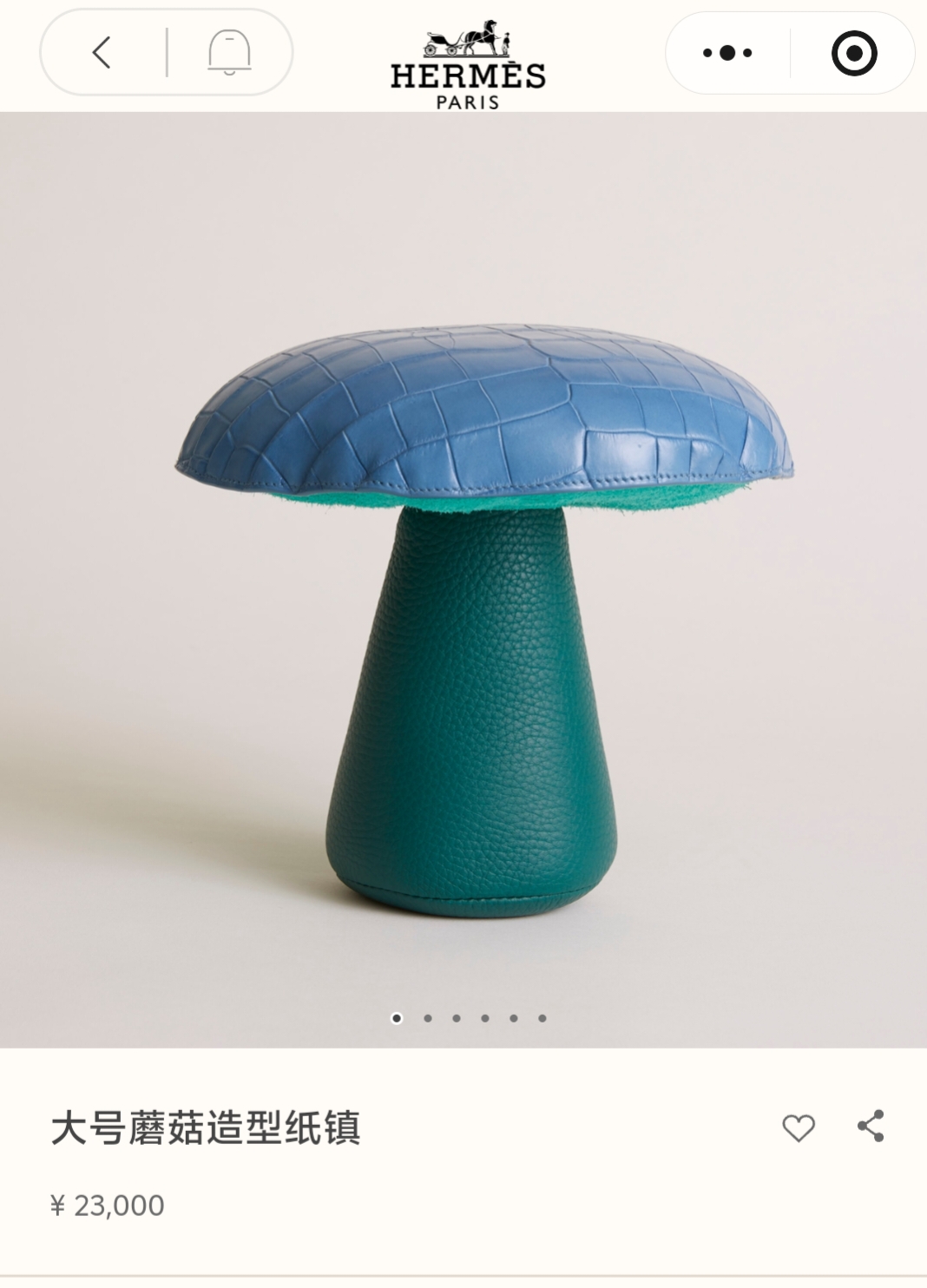
23000元的蘑菇造型纸镇被嘲“蓝瘦香菇”,爱马仕:仅存少量现货 | 贵圈
Xin Lang Ke Ji· 2025-11-05 02:38
Core Insights - A recent social media post highlighted a Hermès product, a large mushroom-shaped paperweight priced at 23,000 yuan, sparking humorous comments from users [1][4] - The product is made in France using a combination of alligator leather, calfskin, and cowhide, featuring glass and polystyrene beads for added flexibility [4] - Hermès' official customer service explained that the pricing reflects the materials and craftsmanship involved, with unique items like this one being priced higher due to the rarity of the leather used [4] - The customer service representative noted that sales figures for the product are not available, but a limited stock is currently available for purchase on their mini-program [4]
关于欧洲的消费力,还有欧洲光环问题
Hu Xiu· 2025-09-28 01:58
Group 1 - The average salary for ordinary people in Germany is around 4,000 to 5,000 euros, with a net income of approximately 2,800 to 3,000 euros after taxes [3] - Dining out in Berlin is expensive, with meals costing between 30 to 40 euros and beers around 10 euros [4] - The high cost of living in Germany limits entertainment and consumption for young people, leading to a lack of confidence and entrepreneurial spirit [6] Group 2 - Many Germans and French are traveling to Southeast Asia for cheaper consumption, highlighting the disparity in local living costs [7] - Discount supermarkets in Germany, such as Aldi and Lidl, provide affordable options for the public, helping to alleviate social tensions related to income inequality [8] - The pricing strategy of discount supermarkets contrasts sharply with the high costs of dining out, raising questions about the underlying factors contributing to these price differences [13][14] Group 3 - The high cost of living in France, particularly in urban areas, makes it expensive for tourists, with daily expenses averaging around 150 euros [18] - The luxury goods market in France is robust, with brands like LV and Dior maintaining strong global demand [20][21] - The French film industry, particularly through events like the Cannes Film Festival, plays a significant role in shaping cultural perceptions and maintaining the country's influence in global cinema [23][27]
法国首富阿尔诺呛声财富税,富人会再次“集体出走”吗?
Di Yi Cai Jing· 2025-09-23 09:29
Core Points - The current wealth tax proposal in France is primarily politically motivated, aiming to address widespread anxiety over wealth distribution in society [1] - The wealth tax debate has resurfaced as a central political issue in France, with significant public demonstrations against government austerity measures [3][4] - The proposed "Zucman tax" targets individuals with net assets exceeding €100 million, suggesting a minimum tax rate of 2%, potentially generating between €10 billion to €25 billion in revenue [1][3] - The wealthiest 75 families in France pay an effective tax rate that is only half of the next income tier, indicating a regressive tax system [5] - Critics warn that the wealth tax could lead to capital flight, as seen in previous attempts to tax the wealthy [5][6] Industry Insights - The wealth tax proposal has been met with strong opposition from business leaders, who argue it could undermine economic freedom and discourage investment [6] - The debate reflects broader economic dissatisfaction among the French populace, particularly in the context of rising inflation and stagnant economic reforms [4][7] - There is a call for a shift in focus from wealth redistribution to expanding the overall economic "cake," emphasizing the need for growth in sectors like digitalization and green energy [7][8]

美国特使撒弥天大谎,特朗普再向北约喊话,要求必须“对华动手”
Sou Hu Cai Jing· 2025-09-17 07:46
Group 1 - The U.S. government is pressuring allies to impose high tariffs of 50-100% on Chinese goods, but both the EU and G7 have largely ignored these calls due to their deep economic ties with China [1] - The U.S. is attempting to shift focus to China amid difficulties in mediating the Russia-Ukraine conflict, claiming that China should be held responsible for the war [3] - Trump's call for NATO members to collectively impose tariffs on China is seen as an inappropriate extension of a military alliance into economic disputes, with no NATO country responding to this request [5] Group 2 - The U.S. strategy to extend NATO's influence into economic matters contradicts its founding principles and undermines international rules, as it seeks to contain China's rise through trade barriers [7] - Major NATO members, such as Germany and France, have significant economic dependencies on China, and following the U.S. in imposing tariffs could lead to increased costs and loss of market share for European companies [9] - Some NATO countries, like Hungary, are resistant to U.S. demands, indicating a divide within the alliance regarding the approach to China [9]
美议员访华示好,特朗普却逼欧盟对华加税,欧洲作何选择?
Sou Hu Cai Jing· 2025-09-13 07:48
Group 1 - The article highlights the contradictory actions of the U.S. government, where President Trump is seeking assistance from the EU to impose tariffs, indicating a shift from unilateralism to a more collaborative approach [1][4][10] - The potential impact of a 100% tariff on U.S. companies like Ford and Apple is significant, with Ford's vehicle prices potentially doubling, leading to a drastic reduction in market share in China [12][14] - European companies, particularly in the automotive and luxury goods sectors, are expressing strong opposition to U.S. tariffs, emphasizing their deep integration with the Chinese market [51][53] Group 2 - The article discusses the rising global trade tariffs, which have reached their highest levels in 15 years, and the implications of a trade war involving over $750 billion in trade [10][49] - The response from emerging markets like China and India is proactive, as they seek to diversify their trade partnerships and reduce reliance on the U.S. [29][33] - The article notes that multinational companies are planning to reconfigure their supply chains to mitigate risks associated with trade tensions, with 41% of companies indicating plans to do so within 18 months [53][55]
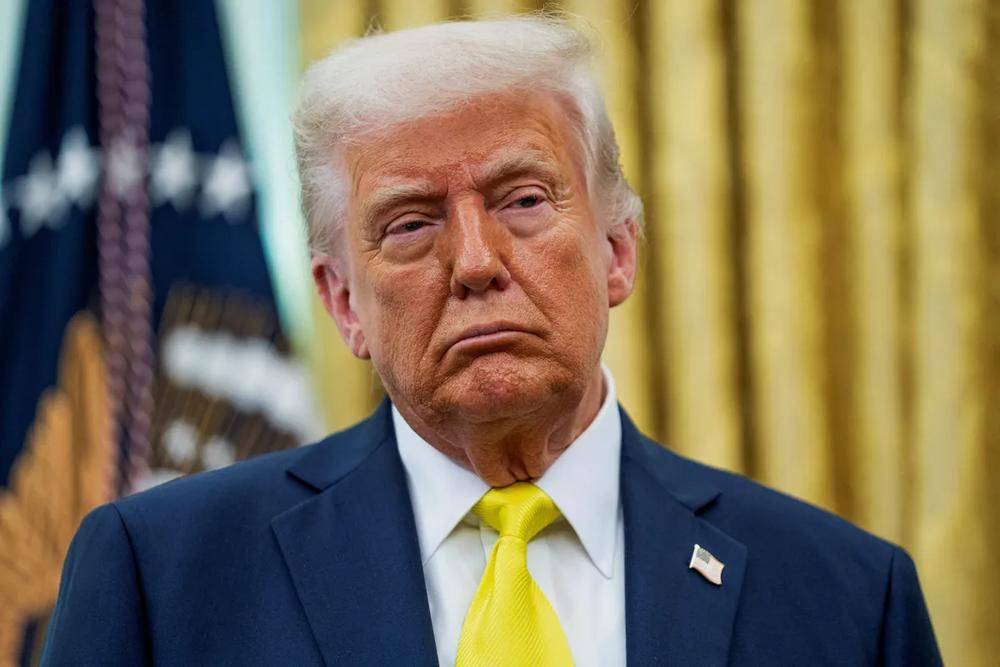
欧盟危险了!特朗普刚给欧盟下达死命令,中国对欧盟的反制就来了
Sou Hu Cai Jing· 2025-09-06 13:10
Group 1 - The trade volume between China and Europe is nearly 800 billion euros annually, covering a wide range of sectors from consumer goods to industrial equipment [5] - Major German automotive companies generate over 30% of their global revenue from sales in China, indicating a significant dependency on the Chinese market [5] - If Europe follows the U.S. in imposing new sanctions on China, it could lead to a 1.2% decline in GDP for Europe next year, exacerbating the economic recovery from the energy crisis [5] Group 2 - The EU is experiencing severe internal divisions regarding its economic strategy towards China, as evidenced by differing stances on tariffs on Chinese electric vehicles [5] - Countries like France, the Netherlands, Denmark, and Ireland supported tariffs, while Germany and Hungary opposed them, highlighting varying levels of economic dependence on China [5] - The geopolitical tension and potential trade friction initiated by Trump's commands could lead to a fragmented global supply chain, impacting technological advancements in sectors like renewable energy and artificial intelligence [9] Group 3 - China's Ministry of Commerce announced an anti-dumping investigation into EU-origin pork and related products, implementing temporary anti-dumping measures with deposit rates ranging from 15.6% to 62.4% starting September 10 [9] - The EU is at a critical juncture, needing to decide whether to continue relying on external powers or to pursue strategic autonomy in its foreign, security, and economic policies [11] - The decisions made by the EU will not only affect its own prosperity and stability but will also significantly shape the future global landscape [11]