文旅消费

Search documents
经济政策一线微观察|跟着兴趣去旅行:“知识型体验消费”为何走红?
Xin Hua Wang· 2026-01-29 13:55
Core Insights - The travel market is shifting towards "knowledge-based experiential consumption," driven by policies aimed at expanding domestic demand and fostering new growth points in service consumption [1][4]. Group 1: Trends in Consumer Preferences - There is a noticeable shift in consumer preferences from material consumption to service-oriented consumption, with a focus on experiential learning rather than traditional sightseeing and shopping [4]. - The traditional tourism industry, characterized by standardized products, is evolving to meet the demand for personalized and participatory experiences [4]. Group 2: Development of Knowledge-Based Experiences - Knowledge-based experiential consumption is expanding the boundaries of cultural and tourism consumption, with offerings such as coffee-making classes and interactive cultural heritage workshops [3]. - The integration of intangible cultural heritage projects into tourism routes is creating unique and differentiated consumption experiences across various regions [3][4]. Group 3: Policy Support and Future Outlook - The State Council's 2024 directive emphasizes innovation to stimulate endogenous growth in service consumption, aiming to support high-quality economic development [3]. - By 2025, there is an expectation of significant participation in experiential learning programs, such as coffee training, with projections of nearly 1,000 students obtaining certificates [3].


聪明的中国生意:当小县城开始大搞“演唱会”
3 6 Ke· 2026-01-26 04:28
Core Insights - The trend of hosting concerts in county-level cities has emerged, shifting from first and second-tier cities to third and fourth-tier cities, with county towns becoming the new battleground for concerts [1][4][6] Group 1: Economic Impact - The "cultural platform, economic performance" strategy is a key part of the cultural tourism economic strategy in county towns, with concerts driving significant economic benefits [4][9] - For example, a concert in Sichuan's Shunqing County attracted 46,000 attendees and generated approximately 170 million yuan in surrounding consumption, boosting hotel occupancy rates by 30% and increasing restaurant foot traffic by 50% [4][10] - Local governments see concerts as a way to generate revenue, with an estimated income of 20 million yuan from a concert based on average spending of 2,000 yuan per person [10][12] Group 2: Changing Dynamics - The motivations for hosting concerts in county towns have evolved; they are no longer merely tasks assigned by higher authorities or promotional events for real estate but are now seen as essential for local economic revitalization [6][9] - The audience for concerts in county towns is primarily local residents, with a significant portion being middle-class individuals seeking cultural experiences [17][19] - The concert market in lower-tier cities has seen a dramatic increase, with ticket sales in five-tier cities rising over 600% compared to 2019, indicating a significant market shift [12][13] Group 3: Strategic Positioning - County concerts are not just low-cost versions of urban events; they represent a complex system integrating policy, culture, and consumer behavior, transforming concerts into economic events rather than mere cultural occurrences [18][19] - The focus is on creating a consumption ecosystem that includes tickets, cultural tourism, and merchandise, thereby enhancing the overall economic impact [18][21] - As county towns compete for population retention and attraction, concerts serve as a powerful tool in the broader strategy of urban branding and cultural appeal [22][24]

福建启动文旅消费主题年
Xin Lang Cai Jing· 2026-01-25 23:27
Core Viewpoint - The implementation of the "2026 'Fresh Fujian · Min-style Life' Cultural and Tourism Consumption Theme Year" aims to boost cultural tourism consumption and establish a new ecosystem with cultural recognition, immersive experiences, and significant influence [1][2]. Group 1: Overall Requirements - The "Implementation Plan" consists of three main parts: overall requirements, key tasks, and support measures, with a total of 14 measures proposed to enhance cultural tourism consumption [1]. Group 2: Key Tasks - The first key task is to cultivate new business formats for "Min-style Life" cultural tourism consumption, which includes constructing cultural identifiers and promoting the active protection and innovative use of cultural heritage [2]. - The second key task focuses on exploring new models for "Min-style Life" cultural tourism consumption, such as integrating cultural tourism with commerce and developing various economic sectors like ticketing, performing arts, and events [2]. - The third key task is to create new scenarios for "Min-style Life" cultural tourism consumption, including organizing province-wide activities during the Spring Festival and developing seasonal products that reflect local characteristics [2].
把“一次消费”变成“一程体验”
Xin Lang Cai Jing· 2026-01-22 22:13
Core Insights - The rise of ticket root economy in Guizhou's cultural tourism consumption has transformed single transactions into multi-scenario experiences, enhancing consumer engagement and spending [1][2] Group 1: Core Logic of Ticket Root Economy - The ticket root economy is viewed as a way to organize a single transaction into a journey, where tickets serve as redeemable and transferable consumption interfaces rather than just entry passes [1][2] - Unlike traditional promotions that focus on price reductions, the ticket root economy connects high-attention events to subsequent services like accommodation and dining, creating a network of consumption [1][2] Group 2: Incremental Value and Mechanisms - The incremental value of the ticket root economy is primarily seen in "two ends and a middle," enhancing flow efficiency, extending stay duration, and creating multiplier effects on related consumption [2][3] - The mechanism involves four steps: attracting flow through high-attention events, extending time windows for consumption, linking various scenarios, and fostering repeat purchases through seamless experiences [2][3] Group 3: Key Mechanisms for Guizhou - The most critical mechanism for Guizhou is the combination of extended stays and cross-scenario connections, which can upgrade visitor experiences from mere check-ins to longer, more engaging stays [3][4] - The proposed main ticket roots include A-level scenic area tickets, cultural performance tickets, and event entry tickets, which are linked to various consumption scenarios [3][4] Group 4: Principles for Scene Combination - The design of ticket root linkages should focus on creating a structured itinerary rather than just a list of discounts, addressing key visitor questions about their journey [4] - Suggested principles for effective scene combinations include proximity to visitor pathways, addressing essential needs first, ensuring high density of redeemable points, and facilitating smooth redemption processes [4]
A股分析师前瞻:增量资金入市,春季做多的时间窗口连续不断
Xuan Gu Bao· 2026-01-11 13:37
Group 1 - The core viewpoint is that the spring season presents a favorable environment for investment, characterized by ample liquidity and positive macroeconomic indicators, which are expected to drive market performance [1][2] - The analysis indicates that the current market is experiencing a "spring rally," supported by increased inflows from various types of investors, including ETFs, insurance funds, and foreign capital, which collectively enhance market risk appetite [1][2] - The upcoming political events, such as the Two Sessions and potential visits from foreign leaders, are anticipated to provide additional policy catalysts that could further stimulate market activity [1][2] Group 2 - The short-term market sentiment is currently high, with indicators suggesting that the upward trend may continue until the Two Sessions, driven by improved domestic demand expectations [2][3] - Historical data suggests that A-shares have not experienced three consecutive years of valuation increases, but 2026 may break this trend, with a potential recovery in overall ROE [2][4] - Various sectors, particularly those related to technology and materials, have shown signs of short-term consolidation after previous upward trends, indicating a potential for further investment opportunities [2][4] Group 3 - The analysis highlights that the current market dynamics are influenced by a combination of macroeconomic factors and investor sentiment, creating a positive feedback loop that encourages further capital inflow [1][2] - The spring season is marked by a series of favorable time windows for investment, with specific months identified as having historically high success rates for market performance [1][2] - The focus on thematic investments, particularly in sectors like commercial aerospace and robotics, is expected to remain strong, with potential for significant returns as these industries continue to develop [3][4]
老钢厂蝶变文化公园
Xin Lang Cai Jing· 2026-01-11 11:00
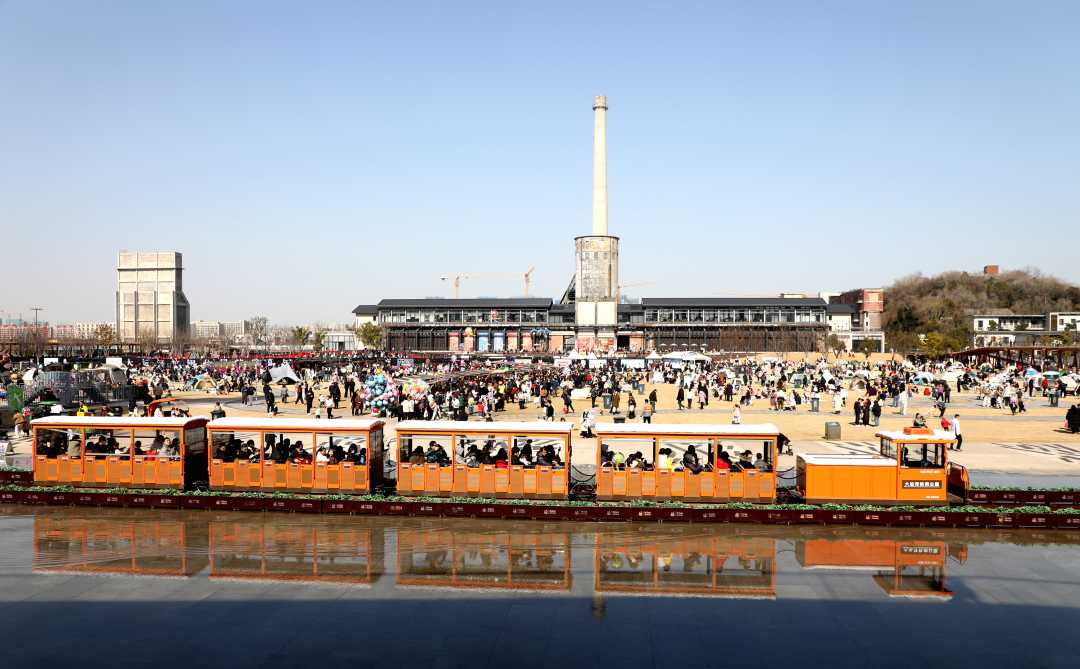
Core Viewpoint - The article highlights the transformation of the former Hangzhou Steel Plant into a modern cultural and recreational site, integrating industrial heritage with contemporary tourism and leisure activities [3]. Group 1: Industrial Heritage and Cultural Integration - The Hangzhou Steel Plant, with a history of over 60 years, has been repurposed into the Hangzhou Grand Canal Hanggang Park, showcasing a successful model of industrial heritage preservation [3]. - The site has become a new urban landmark for cultural protection and utilization, attracting both citizens and tourists for leisure activities [3]. Group 2: Tourism and Recreation - The park offers a recreational space for visitors, enhancing the local tourism experience by blending historical industrial elements with modern leisure facilities [3].
今年经济大省向哪拼?广东、江苏、河南等各有侧重
Sou Hu Cai Jing· 2026-01-11 05:06
Group 1: Economic Focus of Major Provinces - Major provinces in China are prioritizing economic development themes for 2026, with a focus on manufacturing, artificial intelligence, agriculture, and cultural tourism [1][4][10] - Henan province emphasizes high-quality development in manufacturing, aiming to implement significant infrastructure projects and align with national industrial policies [4][5] - Jiangsu province is concentrating on artificial intelligence, with local governments holding meetings to enhance AI integration in various industries [6][7][8] Group 2: Specific Initiatives and Goals - Henan plans to implement over 150 digital transformation projects with an investment of more than 19 billion yuan in the first quarter of 2026 [5] - Zhejiang province's government meeting focused on setting economic indicators for the first quarter without specifying numerical targets, aiming for stability and growth in the service sector [5] - Guangdong's leadership is prioritizing low-altitude economy and biomedicine, with a goal to significantly contribute to the province's economic growth [10][11] Group 3: Agricultural and Cultural Tourism Development - Shandong province is focusing on enhancing agricultural production and water conservancy to ensure food security, with a grain output target of over 1.14 billion jin in 2025 [13] - Sichuan province is promoting cultural tourism and consumption, emphasizing the development of modern regional centers and the integration of tourism with local resources [14]

八条专项措施,山东“真金白银”力挺服务业
Da Zhong Ri Bao· 2026-01-04 01:02
Core Viewpoint - Shandong Province has introduced eight special measures to support the service industry, aiming to enhance economic stability and quality improvement through financial backing and precise deployment [2] Financial Support - The policy allocates 50 million yuan from provincial service industry development funds to support eligible enterprises' construction projects [2] - An additional 150 million yuan is designated for subsidies to modern service industry projects, with 90 million yuan focused on high-end productive service sectors such as artificial intelligence and industrial internet [2][3] - 60 million yuan is aimed at quality projects in key areas like internet wholesale and logistics [3] Housing Policy - A "sell old for new" housing model is promoted, allowing real estate agencies and developers to sign tripartite agreements with buyers, ensuring a safety net for unsold old properties [3] - Local governments are encouraged to provide subsidies for citizens selling their own homes and purchasing new ones [3] Sector-Specific Focus - The policy emphasizes funding for the marine service industry, with 100 million yuan allocated for areas like marine public management and tourism [3] - A budget of 5 million yuan is set aside to support artificial intelligence application projects, with up to 1 million yuan in subsidies for approved national-level application bases [3] Cultural and Tourism Consumption - Initiatives in the cultural and tourism sector aim to align with public demand, including a plan to host over a thousand cultural and tourism events during key holidays [4] - Financial incentives include a total of at least 30 million yuan in discounts for qualifying tourist sites and accommodations [4] - Cities that successfully create national-level tourism districts or attractions will receive one-time rewards of 3 million and 5 million yuan, respectively [4]
新业态、新供给澎湃假日文旅消费新动能 文化之美“百花齐放”添彩元旦假期
Yang Shi Wang· 2026-01-01 06:36
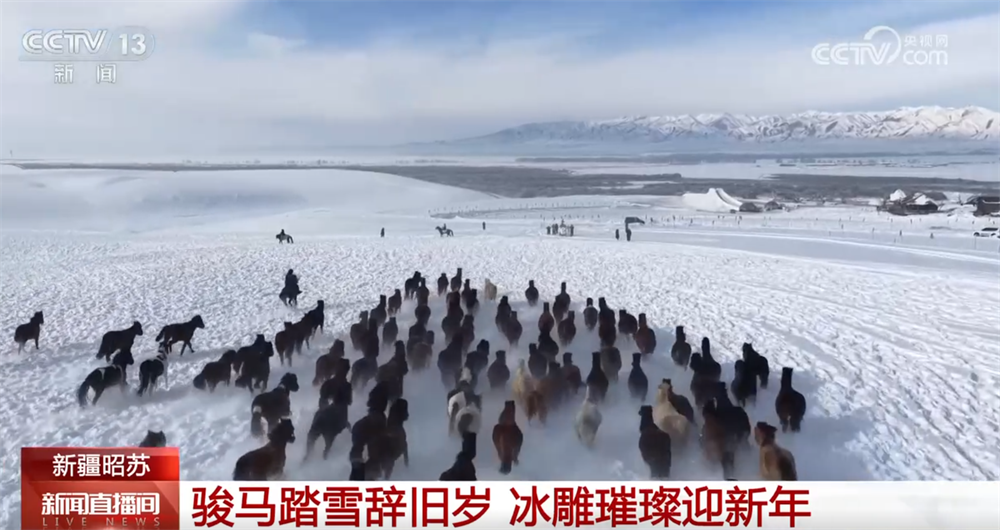
Group 1 - Various regions across China celebrated New Year's Eve with fireworks and traditional activities, welcoming the year 2026 [1][3] - In Xinjiang's Ili Prefecture, local herders showcased their culture by riding horses across snowy landscapes to greet the New Year [1] - The ice sculptures in the wetland park transformed the area into a magical winter wonderland, attracting visitors to enjoy the unique experience [3] Group 2 - In Dunhuang, Gansu, over 1,200 decorative lanterns illuminated the night, with the winged horse lantern becoming a popular photo spot as the Year of the Horse approaches [6] - In Enshi, Hubei, traditional customs such as making glutinous rice cakes and performing folk dances were part of the New Year celebrations, emphasizing community spirit [7][11] - Jiangsu's Yangzhou featured a vibrant fish lantern parade, along with food tasting and cultural performances, enhancing the festive atmosphere [15] Group 3 - In Shaoxing, Zhejiang, a traditional temple fair attracted many visitors with diverse cultural displays and a bustling market featuring local delicacies and crafts [16][20] - In Xi'an, Shaanxi, an outdoor concert titled "Qin Wind and Elegance" showcased a blend of traditional and modern music, creating an immersive experience for attendees [21] - Beijing hosted a series of 49 New Year concerts, including a grand performance at the Great Hall of the People, featuring a mix of orchestral and traditional music [22][24][26]
从中央经济工作会议看企业发展新机遇
Xin Lang Cai Jing· 2025-12-23 15:59
Group 1 - The central economic work conference proposed significant measures to enhance enterprise development, including reinforcing the innovation role of enterprises and expanding the supply of quality goods and services [1] - The conference emphasized the importance of "innovation-driven" strategies and the establishment of international technology innovation centers in key regions such as Beijing, Shanghai, and the Guangdong-Hong Kong-Macao Greater Bay Area [4][5] - Financial support for technology innovation has been strengthened, with technology loans accounting for 30.5% of new loans by the end of September, and loans to technology-based SMEs increasing by 22.3% year-on-year [5] Group 2 - The conference prioritized domestic demand as a key focus for economic work, highlighting the need to expand the domestic market and improve the quality of goods and services [6] - The integration of cultural tourism and industry has been explored by companies like Yiweng Group, which aims to create new consumption models that cater to domestic consumer needs [6] - Urban renewal projects are expected to stimulate effective investment and create new economic growth points, with a focus on improving public services and infrastructure [6] Group 3 - The conference's directives on promoting integrated development of domestic and international trade will provide companies with more opportunities to expand in both markets [7] - The emphasis on reducing "involution" competition is expected to lead to a more value-driven competitive landscape, allowing companies to focus on core technology advancements [8] - Measures to improve the business environment include clearing government debts to enterprises and enhancing the regulatory framework for key industries [8]