植物蛋白饮料

Search documents
从黄金产区到绿色工厂,养元饮品构建核桃乳产业生态共赢链
Sou Hu Cai Jing· 2025-08-07 03:59
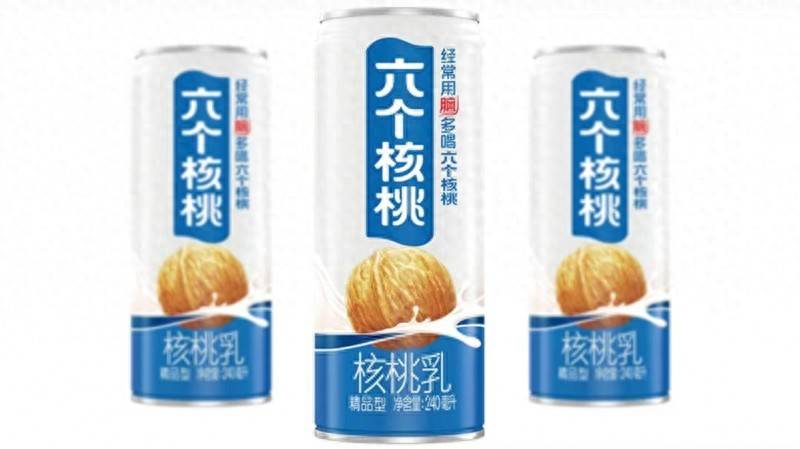
Core Insights - The company, Yangyuan Beverage, is leading the plant-based protein beverage industry in China with its product "Six Walnuts," focusing on high-end, intelligent, and green production methods [1][9] - Six Walnuts holds over 80% market share in the ready-to-drink walnut milk segment, and is recognized as the top walnut raw material purchaser in China by Frost & Sullivan [2][4] Industry Position - China accounts for 28.58% of the global walnut planting area and 36.14% of the production, establishing itself as the largest walnut producer and consumer worldwide [2] - The walnut milk industry is experiencing significant growth, with Six Walnuts driving the development of the entire walnut industry chain through its large-scale procurement and quality assurance practices [2][4] Raw Material Sourcing - Six Walnuts sources its raw materials from three premium regions: Xinjiang, Yunnan, and Taihang Mountain, ensuring high quality and unique flavor profiles [2] - The company has implemented a strict "3·6·36" procurement standard to ensure the quality of its walnuts, focusing on various physical and chemical indicators [2] Technological Innovations - Six Walnuts has developed several innovative processing techniques, including the "5·3·28" process and CET cold extraction technology, which enhance nutrient retention and absorption rates [4] - The company collaborates with top research institutions and has established national-level laboratories to advance walnut milk's nutritional value [4] Sustainability Efforts - Six Walnuts is committed to building a green factory model, focusing on sustainable practices from raw material sourcing to production and packaging [6] - The company has been recognized as a "National Green Factory" in 2023, highlighting its efforts in green supply chain management and automated production processes [6] Future Outlook - As an industry leader, Six Walnuts aims to continue enhancing product quality and driving the walnut milk industry towards high-quality development through innovation and standard-setting [9]


一季度业绩变脸 承德露露临阵换将
Bei Jing Shang Bao· 2025-07-31 02:17
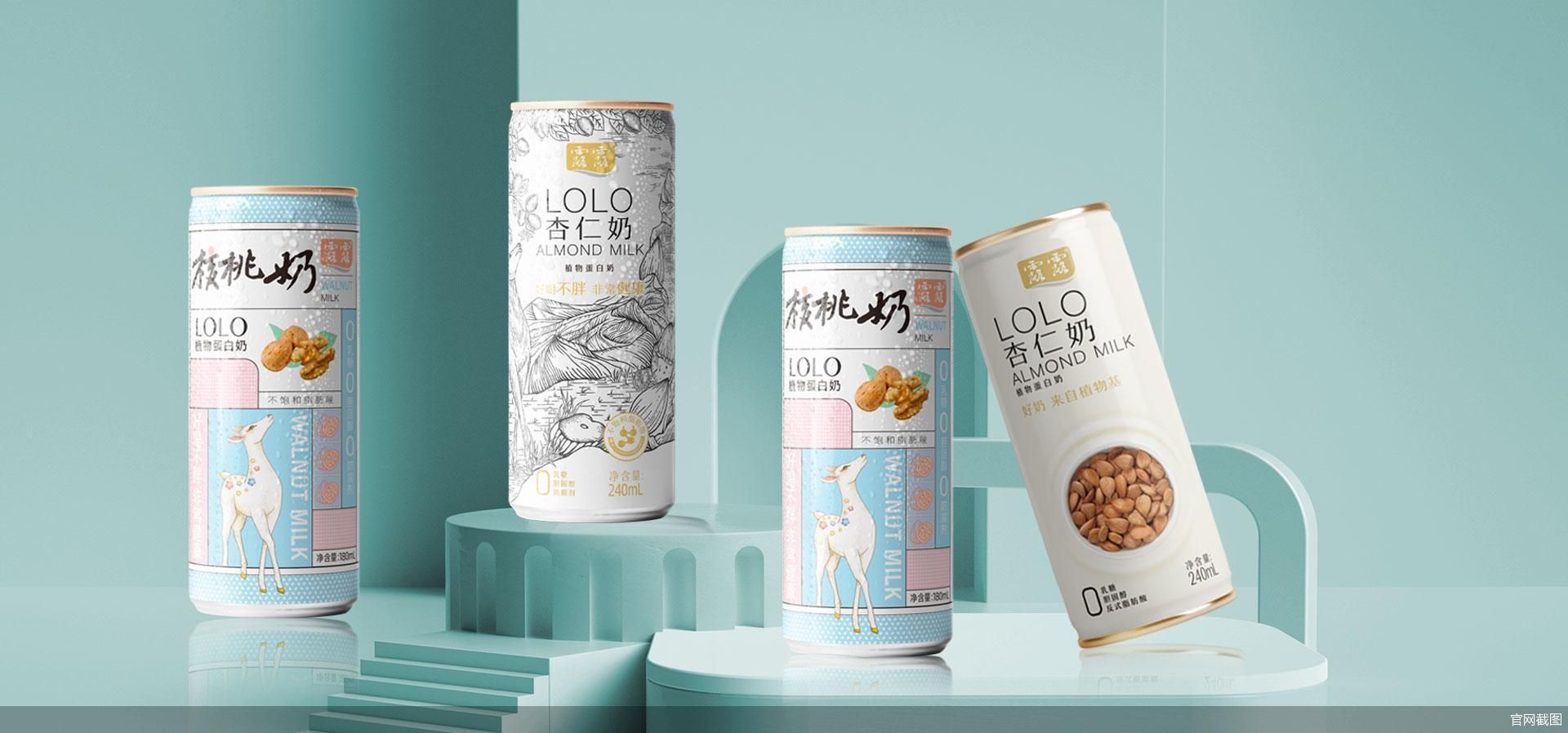
Core Viewpoint - The recent resignation of Liang Qichao as the general manager of Chengde Lulux is significant, especially as the company faces a sudden decline in performance after four years of growth, indicating a critical transition period for the company as it attempts to expand its market presence beyond the northern regions of China [1][7]. Management Changes - Liang Qichao resigned for personal reasons but will continue to serve as vice chairman and executive director. Ding Xingxian, also from the "Wanxiang system," has been appointed as the new general manager [2][3]. - Ding Xingxian is the fifth general manager of Chengde Lulux, with all recent managers closely tied to the "Wanxiang system," which has been the controlling shareholder since 2006 [3][4]. Recent Performance Issues - In Q1 2025, Chengde Lulux reported a revenue of approximately 1 billion yuan, a year-on-year decrease of 18.36%, and a net profit of about 215 million yuan, down 12.53% [7]. - The company has faced challenges such as aging distribution channels and a declining overall gross margin, which has dropped from 52.62% in 2019 to 40.94% in 2024 [7][8]. Market Position and Challenges - Chengde Lulux is currently struggling with a single product structure and limited market expansion, particularly as competitors in the plant-based beverage sector gain traction [8]. - The company has announced new product launches, including herbal drinks, but faces significant competition and a late entry into the market [8][9]. Strategic Recommendations - Experts suggest that Ding Xingxian should focus on brand rejuvenation and product innovation while enhancing team dynamics to adapt to market changes [9].

一季度业绩变脸,承德露露临阵换将
Bei Jing Shang Bao· 2025-07-30 14:07
Core Viewpoint - The recent management change at Chengde Lululemon, with Liang Qichao resigning and Ding Xingxian taking over, is seen as a strategic move by the "Wanxiang system" to navigate the company's challenges, particularly after a significant decline in performance in Q1 2025 [1][7]. Management Changes - Liang Qichao resigned as general manager but will continue as vice chairman and executive director. Ding Xingxian, also from the "Wanxiang system," has been appointed as the new general manager [3][4]. - This marks the fifth general manager for Chengde Lululemon, with all but the first being closely tied to the "Wanxiang system" since it became the controlling shareholder in 2006 [4]. Performance Overview - Chengde Lululemon reported a significant decline in Q1 2025, with revenue dropping by 18.36% to approximately 1 billion yuan and net profit decreasing by 12.53% to about 215 million yuan [7]. - The company has faced challenges in the plant-based beverage sector, with issues such as aging distribution channels contributing to its performance decline [8]. Market Position and Strategy - The company is transitioning from a reliance on the northern market to a nationwide strategy, but analysts believe this shift will be difficult for Ding Xingxian to achieve [1][9]. - Chengde Lululemon's sales gross margin has been declining, from 52.62% in 2019 to 40.94% in 2024, indicating increasing competitive pressure [9]. Product and Innovation Challenges - The company has been slow to innovate and expand its product offerings, facing competition from new entrants in the market [9]. - Despite launching new products like the herbal "nourishing drink," the company is perceived to be late to the market, with limited online presence and a narrow sales radius [9][10]. Capacity and Production Issues - Chengde Lululemon is increasing production capacity despite facing overcapacity issues, with a designed capacity of 510,000 tons per year but only achieving 315,000 tons in actual production [10]. - The company is currently constructing additional capacity, which raises questions about its strategic direction and market demand [10].
造纸行业首封“反内卷”倡议书来了;九阳股份注销400万股股份丨消费早参
Mei Ri Jing Ji Xin Wen· 2025-07-28 23:14
Group 1: Paper Industry - The Guangdong Paper Industry Association has issued the first "anti-involution" initiative in the domestic paper industry, aiming to promote high-quality development [1] - The initiative emphasizes resisting low-price disorderly competition and maintaining market fairness, while also discouraging below-cost dumping practices [1] - Companies are encouraged to adopt transparent pricing based on real costs, reasonable profits, service standards, and market supply-demand relationships, which may improve the competitive ecosystem and overall profitability in the long term [1] Group 2: Film Industry - The film "Nanjing Photo Studio," co-produced by Happiness Blue Ocean, has achieved a cumulative box office of over 412 million yuan, exceeding 50% of the company's audited consolidated revenue for the most recent fiscal year [2] - As of July 27, the film has not yet impacted the company's operating income, but continued box office success could positively influence the stock price [2] - Investors should remain cautious regarding the potential risks of performance realization if the box office does not translate into actual revenue [2] Group 3: Home Appliance Industry - Joyoung Co., Ltd. has completed the cancellation of 4 million shares, which represents 0.52% of the total share capital before the cancellation [3] - The actual amount for the share buyback and cancellation was approximately 68.03 million yuan, excluding transaction fees [3] - This move signals an effort to boost shareholder confidence, although the impact on the company's fundamentals remains to be observed amid intense competition in the small home appliance sector [3] Group 4: Beverage Industry - Chengde Lululemon announced the resignation of General Manager Liang Qichao due to personal reasons, while he will continue to serve as Vice Chairman and Executive Director [4] - Ding Xingxian has been appointed as the new General Manager following a board meeting [4] - While such management changes are normal, the new General Manager's ability to maintain or enhance performance in a competitive plant-based beverage market will be crucial for the company's future [4]

在华售价腰斩后,OATLY想要剥离中国市场了
Guan Cha Zhe Wang· 2025-07-26 01:54
Core Viewpoint - OATLY has initiated a strategic review of its operations in the Greater China region, considering the possibility of independent operation to accelerate growth and maximize value [1][12]. Group 1: Company Background and Market Entry - OATLY, founded in 1994, specializes in oat milk production and initially struggled to gain traction until a brand repositioning in 2012 [2][3]. - The company entered the Chinese market in 2018, leveraging support from its shareholder, China Resources, to establish a foothold [2][3]. Group 2: Growth and Performance - OATLY experienced rapid growth in China, achieving a market share of 62.9% in the oat milk sector as of mid-2023, with a year-on-year increase of over 10 percentage points [7]. - Revenue figures for OATLY in Greater China from 2020 to 2024 show a growth trajectory, with 2023's first half revenue reaching $56.95 million, a 12.5% increase year-on-year [9]. Group 3: Strategic Challenges and Market Dynamics - The decision to review operations in Greater China comes amid concerns over market uncertainties and competitive pressures, as seen with other foreign brands like Starbucks and Häagen-Dazs [1][13]. - OATLY's pricing strategy has been affected by local competition, leading to a significant reduction in prices, which may dilute its premium brand positioning [16][17]. Group 4: Future Outlook - Analysts suggest that OATLY's potential separation from the Greater China market reflects a cautious approach to a market that has not met profitability expectations compared to other regions [13][17]. - The company has halted plans for a second factory in China, indicating a shift in focus and possibly a reassessment of growth strategies in the region [17].


燕麦奶卖不动 OATLY要剥离大中华区?
Bei Jing Shang Bao· 2025-07-24 16:27
Core Viewpoint - OATLY is undergoing a strategic review of its Greater China operations due to declining revenue and continuous net losses since 2020, with a potential divestment being considered to accelerate growth and maximize business value [1][2]. Financial Performance - In Q2 2025, OATLY reported a revenue increase of 3% to approximately $208 million, with a gross margin improvement of 3.3 percentage points to 32.5%. However, the net loss attributable to shareholders was approximately $55.9 million, an increase of $25.5 million compared to the same period last year [1]. - Revenue from the Greater China region decreased by 6.4% to $27 million in Q2 2025, down from $28.8 million in the same quarter of the previous year, primarily due to a decline in sales through the food service channel [1][4]. Strategic Review and Market Position - OATLY has initiated a strategic review of its Greater China business, which may include options such as divestment to enhance growth and value realization [1][2]. - The company continues to operate in the Greater China market during the evaluation period, maintaining its production facilities and commitment to customers, consumers, and employees [2]. Market Challenges - The transition from B2B to B2C has proven challenging for OATLY, as the oat milk segment remains a niche market in China, facing competition from local brands and higher price points compared to dairy products [3][5]. - The market for plant-based beverages in China has shown signs of cooling, with a shift from initial consumer enthusiasm to more rational demand, compounded by rising competition from local brands [5][6]. Revenue Composition - Approximately 62% of OATLY's revenue in Greater China in Q2 2025 came from the food service channel, down from 70% in the previous year, indicating a shift in revenue sources [4].
2025年第19周:食品饮料行业周度市场观察
艾瑞咨询· 2025-05-12 09:29
Group 1: Plant-Based Beverage Industry - The plant-based beverage industry is experiencing a divergence in performance among major companies, with some like Yangyuan Beverage seeing profit growth despite a slight revenue decline, while others like Huanlejia face declines in both revenue and profit [2] - Traditional plant-based beverages are limited by seasonal demand and face competition from emerging categories, necessitating innovation to meet the health-conscious preferences of younger consumers [2] Group 2: Chinese Condiment Industry - The Chinese condiment industry has evolved from a focus on export during the planned economy era to becoming a global rule-maker, with companies like Haitian Flavoring and Lee Kum Kee leading the way [3][4] - The industry is leveraging cultural exports and technological innovation to reshape its landscape, emphasizing quality and innovation to support the globalization of Chinese flavors [4] Group 3: Community Supermarkets - Community supermarkets are gaining traction, with brands like Ole' and Hema NB expanding rapidly, focusing on middle-class consumers and enhancing product quality and efficiency [5] - The core competitiveness of community supermarkets lies in product control and operational efficiency, requiring deep supply chain engagement and digital tool application [5] Group 4: Health and Wellness Trends - There is a growing trend among young consumers towards "light wellness" products, with a focus on health-conscious beverages that are low in sugar and calories [6] - Boxed water products have seen significant sales growth, with products like fig and flaxseed water experiencing a 130% increase in sales [6] Group 5: Instant Food Market - The instant food market is shifting from high-end products to a focus on affordability, with budget products now accounting for nearly 50% of the instant noodle market [7] - Future opportunities lie in diversifying flavors and adjusting strategies to meet the differentiated demands of various market segments [7] Group 6: Aging Population and Bakery Market - The aging population is driving demand for soft-textured baked goods, with health-oriented and age-appropriate products becoming market hotspots [9] - Innovations inspired by Japanese practices, such as low-sugar and low-salt options, are key directions for the industry [9] Group 7: Snack Food Market Forecast - The Chinese snack food market is projected to grow to 972 billion yuan by 2025, with nut snacks holding the largest market share [10] - The industry is witnessing a shift towards health-oriented ready-to-eat products, with e-commerce and live streaming becoming significant growth drivers [10] Group 8: Beverage Market Dynamics - The beverage market is undergoing adjustments, with significant growth in electrolyte water and tea beverages, while packaged water sales are declining [12] - Companies like Nongfu Spring and Eastroc Beverage are experiencing contrasting performance, highlighting the competitive landscape [12] Group 9: Pre-made Dishes Market - The pre-made dishes market is experiencing a cooling phase, with many leading companies facing revenue declines due to changing consumer demands and increased competition [14] - Opportunities remain in local specialties and high-end products, with new retail channels emerging as growth points [14] Group 10: Health Drink Innovations - The market for Chinese herbal health drinks is expanding rapidly, with sales increasing from 0.1 billion yuan in 2018 to an expected 10 billion yuan by 2028 [19] - Companies are focusing on packaging, formulation, and marketing to differentiate themselves in a competitive landscape [19] Group 11: Functional Beverage Market - The functional beverage market is becoming increasingly diverse, with brands like Zhenguanzhuang entering the market with zero-sugar options targeting health-conscious consumers [32] - The collaboration between Zhenguanzhuang and Super Extreme Drink aims to fill market gaps and cater to the preferences of the younger generation [32] Group 12: Snack Food IPO Trends - Recent trends show a surge in snack food companies seeking IPOs in Hong Kong, with brands like Three Squirrels aiming to solidify their market position [21] - These companies face challenges related to competition and growth bottlenecks, despite their ambitions for expansion [21]





投资连亏后豪赌16亿 半导体能否给“六个核桃”补脑?
Xin Lang Zheng Quan· 2025-05-08 08:49
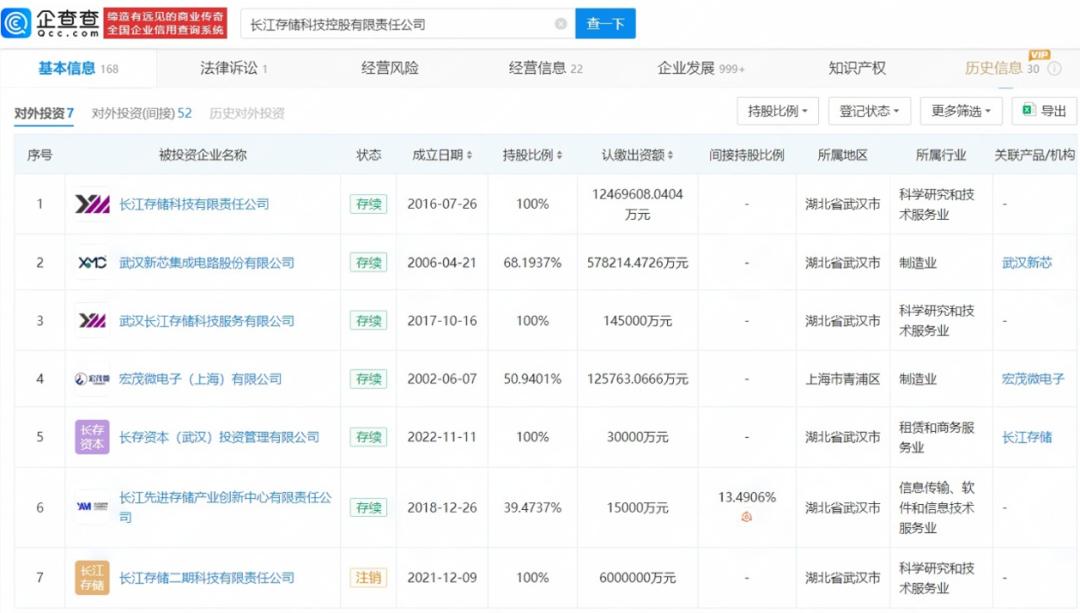
Core Viewpoint - Yangyuan Beverage, known for its "Six Walnuts" brand, is facing declining performance and has announced a capital increase of 1.6 billion yuan in Changjiang Storage Technology Holding Co., aiming to acquire 0.99% of its shares [1][7]. Group 1: Financial Performance - In 2024, Yangyuan Beverage reported revenue of 6.058 billion yuan, a year-on-year decrease of 1.69%, and a significant drop of approximately one-third from its peak revenue of 9.117 billion yuan [1][3]. - The company's net profit attributable to shareholders was only 1.722 billion yuan, down from a previous high of 2.837 billion yuan, representing a "halving" of profits [1][3]. Group 2: Historical Context - Yangyuan Beverage was originally a small state-owned enterprise under Hengshui Laobai Gan Group, facing bankruptcy before being restructured in 2005 [2]. - The company saw rapid growth from 2008 to 2015, with revenue increasing from 285 million yuan to 9.117 billion yuan, achieving a compound annual growth rate (CAGR) of 64.09% [2]. Group 3: Market Challenges - The decline in performance is attributed to macroeconomic shocks, consumer preference shifts, and the failure of the company's single-product strategy [3]. - In 2024, new product lines contributed only slightly over 10% to revenue, with walnut milk still accounting for 88.70% of total revenue [3]. Group 4: Investment Strategy - Yangyuan Beverage has attempted to diversify through cross-industry investments, including real estate, AI, and renewable energy, but these efforts have not yielded satisfactory returns [4][5]. - From 2023 to 2024, the company reported negative investment returns of 129 million yuan and 126 million yuan, respectively [6]. Group 5: Recent Developments - The recent capital increase in Changjiang Storage is seen as a potential turning point for Yangyuan Beverage, as the semiconductor industry is gaining attention from various investment platforms [7][8]. - Changjiang Storage has made significant advancements in the semiconductor field, including the successful mass production of 232-layer 3D NAND flash chips, positioning it at the forefront of global storage technology [7][8].
投资连亏后再砸16亿!养元饮品2024年核桃乳销量再下滑,跨界半导体能救场吗
Zheng Quan Zhi Xing· 2025-04-30 09:48
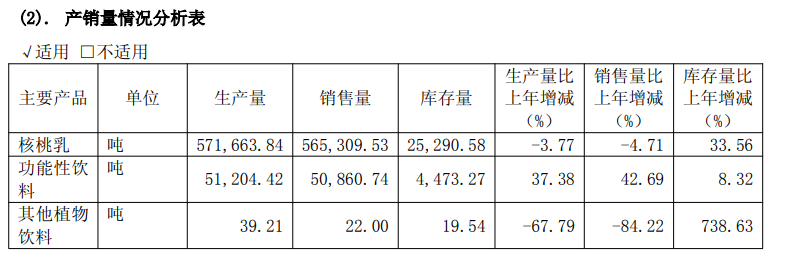
Core Viewpoint - Yangyuan Beverage (603156.SH) reported a decline in revenue but an increase in net profit for 2024, indicating a "profit without revenue growth" scenario. The company is facing challenges in its core walnut milk product market, prompting it to seek growth through cross-industry investments [1][2]. Financial Performance - In 2024, Yangyuan Beverage achieved revenue of 6.058 billion yuan, a year-on-year decrease of 1.69%, while net profit attributable to shareholders was 1.722 billion yuan, an increase of 17.35% [1]. - The first quarter of 2025 saw a significant decline in revenue across all regions, with an overall drop of 20.44%, and revenue and net profit down 19.7% and 26.95% year-on-year, respectively [1][2]. - For the first three quarters of 2024, the company experienced a dual decline in performance, with revenue and net profit decreasing by 7.81% and 4.69%, respectively [2]. Product Performance - The walnut milk product, represented by "Six Walnuts," saw a sales volume decline of 4.71% to 571,663.84 tons, and revenue decreased by 5.86% to 5.373 billion yuan, marking three consecutive years of revenue failing to exceed 6 billion yuan [2][3]. - Despite a significant increase in inventory by 33% due to pre-Spring Festival stocking, the core product's performance remains under pressure [2]. Regional Performance - The company’s revenue from offline distribution channels decreased by 2.99% to 5.729 billion yuan, with only the Northeast and Northwest regions showing positive growth [3][5]. - In the first quarter of 2025, revenue from the distribution model plummeted by 22.55% to 1.644 billion yuan, with all seven major regions reporting declines [3]. Investment Strategy - Yangyuan Beverage is attempting to find new growth avenues through cross-industry investments, recently announcing a 1.6 billion yuan investment in Changjiang Storage Technology Holding Co., acquiring a 0.99% stake [1][6]. - The company has a history of significant investments, with annual long-term equity investments exceeding 1 billion yuan from 2017 to 2022, but these investments have not yielded expected returns, leading to consecutive years of investment losses [6][7]. - The company’s investment in private equity funds has been particularly problematic, with substantial losses reported in recent years, raising concerns about the sustainability of its investment strategy [6][7].
六个核桃,芯片补脑
3 6 Ke· 2025-04-28 06:29
Core Viewpoint - The investment by Yangyuan Beverage in Changjiang Storage Technology Holding Co., amounting to 1.6 billion yuan, has drawn attention from investors, indicating a shift from its core business of walnut milk to cross-industry investments as a means to seek new growth opportunities [1][2][10]. Group 1: Investment Details - Yangyuan Beverage's investment in Changjiang Storage represents 90% of its net profit for the previous year, highlighting the significant financial commitment involved [2][10]. - The investment aims to explore a new business model through equity investment, suggesting a strategic pivot from traditional manufacturing to investment [11][14]. - The investment in Changjiang Storage is part of a broader trend where Yangyuan has engaged in various cross-industry investments, including real estate and technology sectors, over recent years [14][15]. Group 2: Company Background and Performance - Yangyuan Beverage, known for its walnut milk product "Six Walnuts," has seen a decline in revenue and profit since its peak in 2015, with 2024 projected revenue at 6.058 billion yuan, down one-third from its peak [22][25]. - The company has struggled with product innovation, relying heavily on its walnut milk, which has led to stagnation in growth [22][25]. - Despite attempts to diversify its product offerings, new products have not significantly contributed to revenue, with functional beverages accounting for only 10% of total revenue [25][26]. Group 3: Industry Context - Changjiang Storage is recognized as the largest storage chip enterprise in China, with significant potential for growth if it goes public [6][7]. - The semiconductor industry, where Changjiang Storage operates, is capital-intensive and currently undergoing cyclical adjustments, which may impact profitability [7][10]. - Yangyuan's investment strategy reflects a broader trend in the beverage industry, where companies are increasingly looking to diversify and invest in high-growth sectors to offset stagnation in traditional markets [14][27].