生物医药等

Search documents
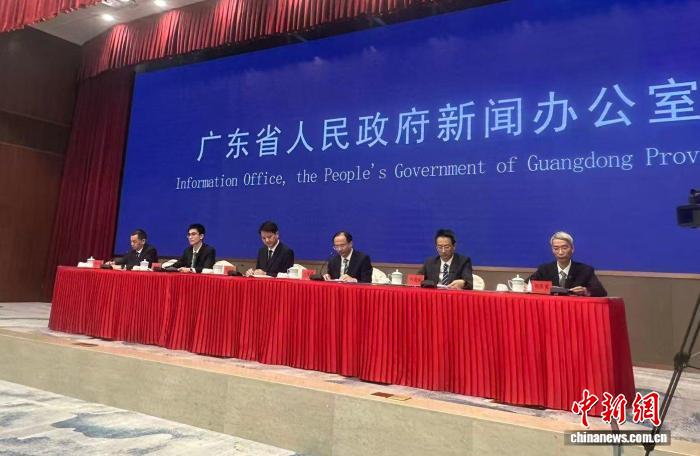
商务部详解《大连等9城市服务业扩大开放综合试点任务》主要内容
Di Yi Cai Jing· 2026-01-09 13:18
Group 1 - The core focus of the initiative is to support the opening up of the service industry in nine cities, including Dalian, with 159 pilot tasks across three main areas: telecommunications and digital industries, healthcare and wellness, and financial international cooperation [1][2] - The plan aims to enhance the efficiency of pilot work by implementing 103 common tasks and 3 additional tasks approved by relevant departments in the nine cities by April 2025 [1] - The initiative encourages cities to develop tailored tasks based on their unique advantages and industries, promoting innovation and collaboration among the cities [2] Group 2 - Specific support measures include enhancing logistics in Dalian, promoting cross-border trade in Ningbo, facilitating cultural trade in Xiamen, and advancing marine technology in Qingdao [2] - The initiative emphasizes the importance of organizational implementation, with clear requirements for strengthening responsibilities and ensuring compliance with regulations [2]
商务部外资司负责人就《大连等9城市服务业扩大开放综合试点任务》答记者问
Zheng Quan Shi Bao Wang· 2026-01-09 12:59
Core Viewpoint - The Ministry of Commerce has outlined the "Comprehensive Pilot Tasks for Expanding Service Industry Opening in Dalian and 8 Other Cities," focusing on enhancing telecommunications, healthcare, financial cooperation, and innovation in trade and tourism sectors, with a total of 159 pilot tasks proposed [1]. Group 1: Pilot Tasks Overview - The pilot tasks aim to effectively advance the implementation in Dalian and the other 8 cities, integrating 103 common tasks from the "Accelerating the Comprehensive Pilot Work Plan for Expanding Service Industry Opening" and 3 additional tasks to enhance efficiency and expedite the opening process [1]. Group 2: Localized Exploration - Cities are encouraged to develop differentiated tasks based on their unique advantages and industries, promoting complementary innovation and systematic integration. For instance, Dalian will leverage its position as a Northeast Asia international shipping center, while Ningbo will focus on advanced manufacturing and cross-border trade [2]. Group 3: Organizational Implementation - There are clear requirements for strengthening responsibility, ensuring implementation, and refining regulations to support the pilot tasks [3].
内蒙古新认定7个先进制造业集群
Xin Lang Cai Jing· 2026-01-05 15:36
Core Insights - The Inner Mongolia Autonomous Region has officially recognized seven advanced manufacturing clusters, which include aluminum-based new materials, fine chemicals in the Ordos region, biological manufacturing in Hohhot, alloy materials in Ulanqab, wind power equipment in Baotou, wool spinning in Erdos, and data centers in Hohhot [1] Group 1: Advanced Manufacturing Clusters - The recognition of these clusters is a significant step in promoting the upgrade and expansion of advanced manufacturing in Inner Mongolia, enhancing the resilience and security of the industrial supply chain [1] - The focus areas for Inner Mongolia's advanced manufacturing development include high-end equipment, new materials, modern coal chemical industry, fine chemicals, wool textile, food processing, and biomedicine [1] - Currently, Inner Mongolia has cultivated three national-level and eleven regional-level advanced manufacturing clusters, indicating a robust framework for industrial development [1] Group 2: Future Development Plans - The Inner Mongolia Industrial and Information Technology Department plans to further cultivate advanced manufacturing clusters with substantial industrial scale and development momentum [1] - There is an emphasis on guiding these clusters to demonstrate innovation in technology, green development, and industrial collaboration [1] - The overall goal is to advance the manufacturing sector towards intelligent, green, and integrated development [1]


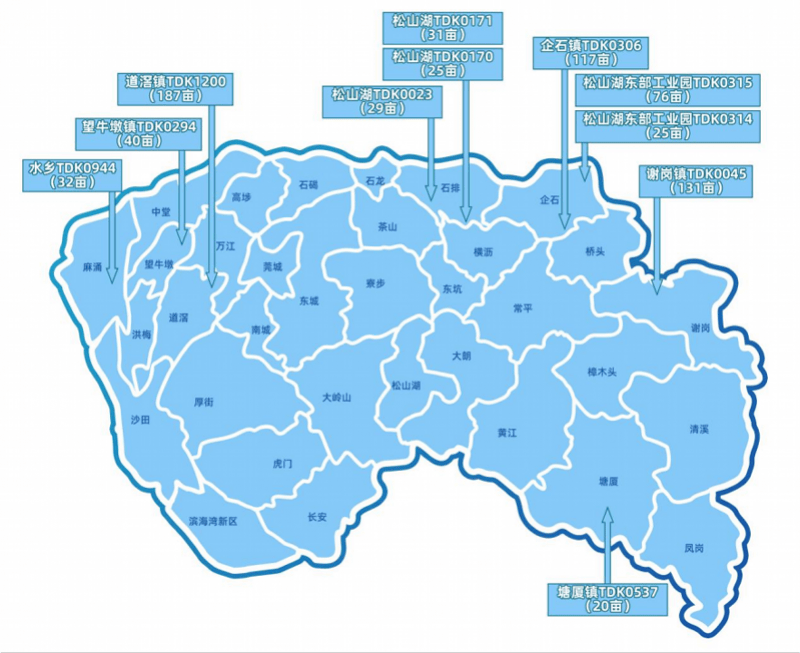
虚位以待!东莞集中发布11宗产业用地
Sou Hu Cai Jing· 2026-01-05 12:40
Core Insights - Dongguan has released 11 plots of high-quality industrial land to attract global enterprises and projects, emphasizing its commitment to the "manufacturing industry" core strategy [1][5] Group 1: Land Development and Strategic Focus - The 11 plots are strategically located in areas with excellent transportation and complete facilities, targeting strategic emerging industries and future industries such as high-end manufacturing, new generation information technology, semiconductors, new materials, new energy, biomedicine, artificial intelligence, and low-altitude economy [2][4] - Specific areas like Songshan Lake are designated for new generation information technology and semiconductor industries, while the Water Town functional area focuses on new energy, robotics, and low-altitude economy [2][4] Group 2: Infrastructure and Living Environment - The transportation network is a highlight, with plots connected to major transport routes, ensuring efficient movement of people and goods, integrating deeply into the Guangdong-Hong Kong-Macao Greater Bay Area's "one-hour living circle" [4] - Surrounding amenities include commercial complexes, quality medical resources, educational institutions, and ecological spaces, creating a favorable environment for talent retention and business operations [4][5] Group 3: Commitment to High-Quality Development - The release of industrial land reflects Dongguan's determination to optimize the business environment and promote high-quality development, aligning with the spirit of the municipal party committee's plenary session [5] - Dongguan invites domestic and international entrepreneurs to invest, highlighting its readiness to provide space, streamlined mechanisms, and improved services for collaborative high-quality development [5]
苏州加速竞逐“智造之城”
Su Zhou Ri Bao· 2026-01-04 00:54
Core Insights - The integration of AI into manufacturing processes in Suzhou is transforming the industry, enhancing efficiency and quality control across various sectors [1][4][5] Group 1: AI Applications in Manufacturing - AI technologies are being implemented in real-time quality control, such as detecting fabric defects and optimizing battery production processes [1][4] - Suzhou's MegalaxyLab3.0 has reduced the development cycle for complex biological tasks from 6-10 months to 6-8 weeks through AI-driven solutions [2] - The AI data center at Kunshan Huguang Automotive Electric has improved production scheduling efficiency, reducing planning time from 4 hours to 1 hour [3] Group 2: Industry Transformation and Efficiency Gains - AI applications have led to significant efficiency improvements, such as a 90% reduction in new material creation time and a 35% increase in production capacity for Tesla's harness lines [3] - The implementation of AI in quality inspection processes has increased detection speed by 30% and improved product quality rates to over 98% [5] - AI technologies are reshaping production processes, enabling a shift from manual inspections to automated quality checks, thus establishing consistent quality standards [5] Group 3: Policy and Ecosystem Support - Suzhou has established a comprehensive policy framework to support the integration of AI in manufacturing, including the creation of an AI application pilot base [6][7] - The city is focusing on building a collaborative AI industry ecosystem, emphasizing data resource development and the establishment of high-quality data sets [7] - Continuous policy support aims to enhance the synergy between AI technology development and its application in manufacturing, fostering a conducive environment for innovation [6][7]
杭州再推“春晖计划”升级版
Sou Hu Cai Jing· 2026-01-01 01:53
Core Insights - Hangzhou has officially launched the upgraded "Chunhui Plan," introducing 43 cost-reduction measures aimed at alleviating the financial burden on enterprises, with an expected annual savings of approximately 70 billion yuan [1] Group 1: Overview of the Chunhui Plan - The Chunhui Plan was first introduced in June 2024, featuring 32 cost-reduction measures across ten areas, including taxes, labor, energy, land use, logistics, government procurement, financing, innovation, market expansion, and institutional transaction costs [1] - The upgraded version retains 27 effective measures from 2024, optimizes 5, and adds 11 targeted initiatives to better address the needs of enterprises [1] Group 2: New Measures and Focus Areas - New measures directly address pain points for businesses, such as providing subsidies for foreign trade companies participating in domestic exhibitions and enhancing financing support for projects in digital economy, AI, low-altitude economy, and biomedicine [2] - The plan includes stricter regulations on administrative inspections to reduce redundancy and inefficiency, aiming to streamline the regulatory environment for enterprises [2] Group 3: Emphasis on Innovation and Financial Support - The upgraded plan emphasizes supporting the development of new productive forces, with 4 out of the 11 new measures specifically aimed at reducing innovation costs, including tiered support for R&D investments by tech SMEs and high-tech enterprises [3] - Financial support mechanisms have been enhanced, with the target for industry fund investments in private projects increased from 75% to no less than 80%, and new measures introduced to optimize "no-repayment renewal loans" for eligible enterprises [3] Group 4: Implementation and Future Outlook - The upgraded Chunhui Plan is set to take effect on December 26, 2025, with a commitment from the Hangzhou Development and Reform Commission to ensure effective policy implementation and service provision [3] - The initiative aims to create a favorable environment for high-quality development of the private economy through proactive policy promotion and efficient service delivery [3]
创新中国 攀高向新(科技视点)
Ren Min Wang· 2025-12-30 22:10
Core Insights - In 2025, China achieved significant breakthroughs in various technological fields, marking a year of innovation that contributed to high-quality development and global progress [11][13]. Group 1: Technological Innovations - The DeepSeek AI model gained recognition as the first major model to pass peer review, showcasing China's advancements in AI and breaking traditional paths of development [17]. - The successful construction of the "Zuchongzhi No. 3" quantum computing prototype demonstrated processing speeds millions of times faster than current supercomputers, indicating a leap in quantum technology [19]. - The EAST nuclear fusion experiment achieved a world record of maintaining plasma at 1 million degrees Celsius for 1066 seconds, reinforcing China's leadership in fusion energy research [20]. Group 2: Space Exploration - The Tianwen-2 probe was launched for asteroid exploration, marking a significant step in China's deep space exploration capabilities [21]. - The successful launch of the Shenzhou-22 manned spacecraft highlighted advancements in China's manned space program and emergency response capabilities [21]. Group 3: Healthcare and Biomedical Advances - The first invasive brain-computer interface clinical trial in China allowed patients to control devices through thought, showcasing advancements in neurotechnology [18]. - A record number of 69 innovative drugs were approved for market in 2025, surpassing the previous year's total and indicating a robust growth in the pharmaceutical sector [25]. Group 4: Industrial and Economic Impact - The integration of AI technologies across various sectors, including healthcare and transportation, is driving high-quality development and enhancing productivity [23]. - The promotion of carbon capture technology in the cement industry and the digital transformation in the steel sector reflect ongoing efforts to modernize and green the economy [25][26].
多举措助力产业科技创新能力提升
Ren Min Ri Bao Hai Wai Ban· 2025-12-30 01:50
Core Insights - The article emphasizes the importance of applying technological innovations to specific industries and supply chains to enhance industrial competitiveness. The recent national industrial and information technology conference outlined key initiatives for 2026 aimed at accelerating the transformation of technological innovations into productive forces, signaling a deep integration of technological and industrial innovation [1]. Group 1: Focus on Core Technologies - The conference highlighted the need to "overcome a batch of core technologies that drive industrial development," indicating a strong focus on innovation guided by industrial needs and applications. This approach is crucial for building a modern industrial system [2]. - The strategy involves targeting current needs for "precision" innovation while aligning with broader industrial transformation trends. Strengthening key common technologies, frontier leading technologies, modern engineering technologies, and disruptive technology innovations is essential for establishing a solid technological foundation for industrial development [2]. Group 2: Manufacturing Pilot Platforms - China has established over 2,400 pilot platforms for manufacturing in recent years. Statistics show that the industrialization success rate of technological achievements verified through pilot testing can reach over 80%, compared to only 30% for those that have not undergone such validation [3]. - The conference called for enhancing high-level manufacturing pilot platforms and emphasized the creation of a national manufacturing pilot service network that encourages multi-party participation and resource sharing, aiming to address the "last mile" challenge in technology transfer [3]. Group 3: Market-Oriented Technology Transfer - The conference proposed a "pay after use" reform pilot for technology achievements by 2026, aimed at lowering the barriers for technology transfer and reducing innovation risks for enterprises. This initiative is expected to increase the willingness and motivation of companies to engage with technological innovations [4]. Group 4: Cultivating New Industries - The focus on new industries includes the development of emerging pillar industries such as integrated circuits, new displays, new materials, aerospace, low-altitude economy, and biomedicine. Support for artificial intelligence breakthroughs and the orderly launch of satellite IoT commercial trials are also highlighted [5]. - The Ministry of Industry and Information Technology plans to nurture high-quality enterprises, including new "little giant" companies and manufacturing champions, while also addressing overdue payments to businesses and creating public service demonstration platforms for small and medium-sized enterprises [5].
创投“国家队”亮相 新兴产业和未来产业迎利好
Zhong Guo Qing Nian Bao· 2025-12-30 00:00
Core Viewpoint - The National Venture Capital Guidance Fund has officially launched, marking a significant milestone for the venture capital industry in China, aimed at supporting technological innovation and development in key sectors [1][2]. Group 1: Fund Structure and Investment Strategy - The National Venture Capital Guidance Fund is established with a three-tier structure: "Fund Company - Regional Fund - Sub-Fund," which aligns national strategies while considering regional industrial characteristics [2]. - The fund will utilize 100 billion yuan from special long-term government bonds, encouraging social capital participation at the regional fund and sub-fund levels [2]. - The fund focuses on early-stage, small, long-term investments in hard technology, targeting strategic emerging industries and future industries as outlined in the 14th Five-Year Plan [1][5]. Group 2: Regional Funds and Investment Intentions - Three regional funds have been established: Beijing-Tianjin-Hebei Venture Capital Guidance Fund, Yangtze River Delta Venture Capital Guidance Fund, and Guangdong-Hong Kong-Macau Greater Bay Area Venture Capital Guidance Fund, each with a total scale exceeding 50 billion yuan [3]. - The regional funds have signed investment intentions with 49 sub-funds and 27 direct investment projects, indicating readiness for operational investment [3]. Group 3: Market Impact and Trends - The venture capital market in China is showing signs of recovery, with a reported 18.3% increase in the number of newly raised funds and an 8.0% increase in total fundraising scale in the first three quarters of 2025 [3]. - Key investment areas include IT, semiconductors, biotechnology/healthcare, and mechanical manufacturing, reflecting a focus on hard technology sectors [3]. Group 4: Role of the Guidance Fund - The National Venture Capital Guidance Fund aims to address the long-term capital shortage in the venture capital industry by acting as an "angel investor" to support early-stage innovative enterprises [5]. - The fund will complement existing funds focused on growth-stage cultivation and technology transfer, avoiding redundancy in the market [5]. Group 5: Performance Management and Regulatory Framework - The Ministry of Finance will actively fulfill its responsibilities as a state investor, focusing on performance evaluation and compliance of the guidance fund [6]. - A comprehensive risk prevention system covering the entire lifecycle of the fund will be established to enhance the effectiveness of fund utilization [6].
东莞亿级产业支柱梯次成型 “世界工厂”内涵迭代升级
Zhong Guo Xin Wen Wang· 2025-12-29 17:36
Core Insights - Dongguan is evolving as a "world factory," producing nearly 25% of global smartphones, 20% of sweaters, and 25% of animation derivatives, along with 85% of China's trendy toys, indicating a significant upgrade in its industrial capabilities [1][3] Group 1: Economic Development - During the "14th Five-Year Plan" period, Dongguan's new generation electronic information industry is steadily developing, with the electrical machinery and equipment manufacturing output surpassing 500 billion yuan [3] - The new materials industry has reached a trillion yuan output level, while emerging industries such as semiconductors, new energy, biomedicine, and artificial intelligence are showing initial results [3] - Dongguan's economic total has crossed the 1.2 trillion yuan mark, marking a new milestone in its economic growth [3] Group 2: Industrial Growth - From January to November this year, the production of integrated circuits, smartwatches, servers, and industrial robots increased by 72%, 33%, 27%, and 8% year-on-year, respectively [3] - Dongguan has seen nearly a doubling of industrial investment over five years, with over 8,500 small industrial enterprises upgraded to larger scale enterprises, ranking first in the province for growth [3] - 70% of regulated industrial enterprises have implemented digital transformation, and over 300 national-level specialized and innovative "little giants" have been cultivated, the highest number among prefecture-level cities in the province [3] Group 3: Investment and Manufacturing - As of November this year, Dongguan has completed high-tech manufacturing investments totaling 286.3 billion yuan, ranking second in the province, with a year-on-year growth of 76% [3]