
先进制造业

Search documents
李迅雷:关注“十五五”规划三大亮点——科技自立、消费提振与构建全国统一大市场
Zheng Quan Shi Bao Wang· 2025-11-14 11:00
Group 1 - The article highlights three major investment opportunities under the "14th Five-Year Plan": accelerating "technological self-reliance," promoting consumption, and constructing a unified national market [1] - The focus on "technological self-reliance" aims to build a modern industrial system centered on advanced manufacturing, with key investments in six areas: future manufacturing, future information, future materials, future energy, future space, and future health [1] - The promotion of consumption includes significant investments in people's livelihoods to address aging population issues, with new growth points identified in the silver economy, innovative pharmaceuticals, and service consumption [1] Group 2 - The construction of a unified national market seeks to break down regional and industry barriers through "anti-involution," reforming pricing mechanisms, and enhancing ROE via mergers and acquisitions to address the low profitability of listed companies [1]
21专访|上海交大陈宪:APEC助深圳转型“综合功能型城市”
2 1 Shi Ji Jing Ji Bao Dao· 2025-11-13 08:20
21世纪经济报道记者 陈思琦 深圳报道 继2001年上海、2014年北京后,深圳成为中国"APEC第三城",将于2026年11月举办亚太经合组织第三十三次领导人非正式会议。 "举办APEC会议,将是深圳从'产业型城市'向'综合功能型城市'转型的重要节点,这一转型此前在上海已经完成。"上海交通大学安泰经济与管理学院教授陈 宪说。 除了市场驱动的自主创新,深圳不同于其他城市的特点还在于移民文化。虽然深圳现在的移民规模没有二三十年前那么大,但始终是一个人口净流入城市, 移民带来了更多城市活力,也形成了务实的移民文化。 陈宪长期工作、生活于上海,近两年移居深圳。他近期出版著作《创新无限:深圳奇迹启示录》。 在观察深圳城市发展逻辑时,陈宪时常以其熟悉的上海 为参照系。 他在接受21世纪经济报道记者专访时谈到,深圳比上海、北京更早探索市场经济,形成了以企业为创新主体的自主创新模式,截然不同于京沪的"大院大 所"模式,由此催生腾讯、比亚迪、大疆等一批头部科技企业,也构成了深圳如今强劲的城市竞争力。 陈宪观察到,上海从我国的传统工业重镇,到如今着力建设"五个中心",已成为我国城市功能最齐全、实力最强大的城市之一;深圳借着AP ...
中加基金持续掘金“专精特新”核心资产
Zhong Guo Ji Jin Bao· 2025-11-13 02:44
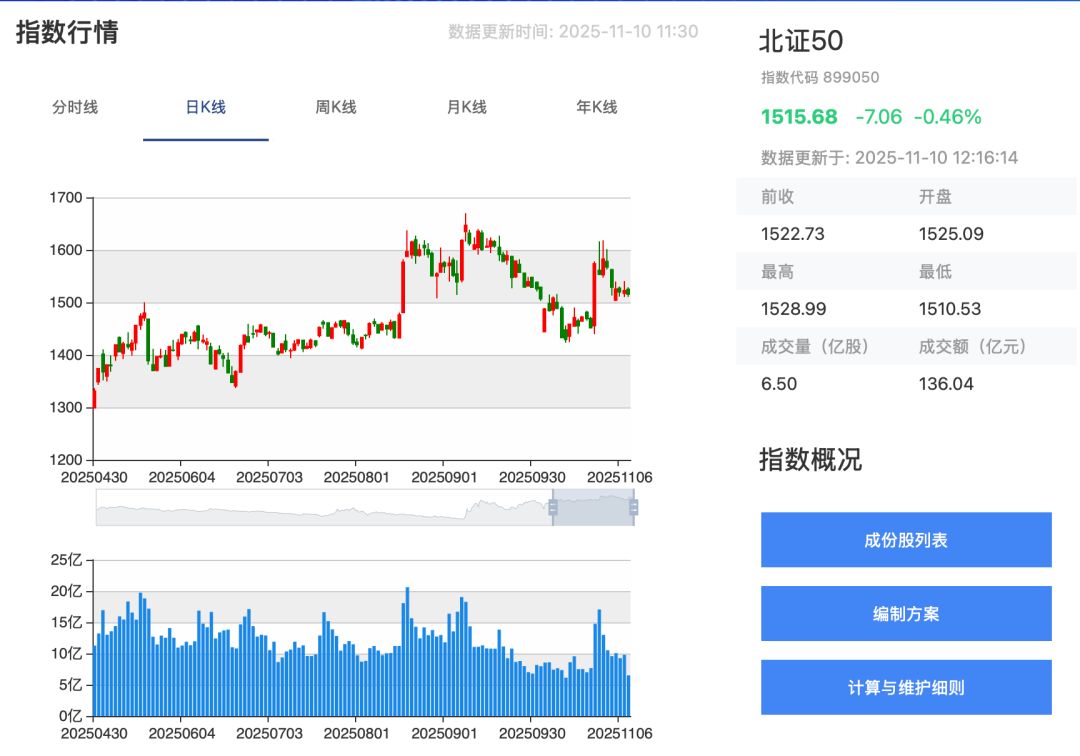
2025年以来,聚焦北交所核心资产的北证50指数年内涨幅近五成,领跑A股主要指数,吸引众多投资者关注。 如何抓住"创新摇篮"带来的投资机遇,参与北证50指数投资是重要方向。作为北交所的标杆指数,这一由50只市场代表性龙头证券构成的核心标的池,对 创新型中小企业达到"精准覆盖",更网罗了一批细分赛道的"隐形冠军"。根据数据统计,2025年上半年,北证50成份股40%为专精特新企业,88%为高新 技术企业 。 从业绩指标来看,北证50指数不仅收益率领先其他科创类指数,夏普比率、Calmar比率等风险调整后的收益指标也都处于领先的地位。2025年7月31日成 交额为2022年指数成立初期的44倍,流动性也有了新的突破。 在政策红利密集释放,创新活力加速涌动的前提下,北交所正以服务创新型中小企业主阵地之姿强势出圈! 作为资本市场赋能新质生产力发展的重要载体,这里汇聚了280家上市公司,战略性新兴产业、先进制造业企业超过八成,国家级专精特新"小巨人"企业 过半。目前,全市场已有近950万户合格投资者与公募、QFII等机构资金形成多元生态合力。在深化改革托底、创新产业(300832)汇聚与资金活水持续 注入的共振下,北交 ...

湖北275个项目拟引入民间资本841.4亿
Chang Jiang Shang Bao· 2025-11-12 23:44
Core Insights - The Hubei Provincial Development and Reform Commission has released the second batch of investment projects for private capital in 2025, comprising 275 projects with a total planned investment of 216.99 billion yuan and an aim to attract 84.14 billion yuan from private capital [1][4] - The initiative is part of a broader strategy to encourage private investment in major projects, focusing on infrastructure, industry, and social services, with the goal of enhancing the province's economic development [2][5] Group 1: First Batch of Projects - The first batch of projects included 229 initiatives with a total investment of 293.47 billion yuan, targeting to attract 91.67 billion yuan from private capital [2] - Key sectors highlighted in the first batch include modern industry clusters such as optoelectronics, new materials, biotechnology, and modern agriculture, with a total investment of 124.95 billion yuan aimed at attracting 39.74 billion yuan from private capital [3] - Infrastructure projects in the first batch focused on transportation, water conservancy, energy, and new infrastructure, totaling 108.86 billion yuan with an expected 23.3 billion yuan from private investment [3] Group 2: Second Batch of Projects - The second batch of 275 projects spans various sectors including advanced manufacturing, logistics, environmental protection, energy, and urban infrastructure, with a total planned investment of 216.99 billion yuan [4] - The projects will utilize multiple methods to attract private capital, including commissioned operations, equity participation, and public-private partnerships, with government support mechanisms such as capital injections and investment subsidies [4] - The Hubei Provincial Development and Reform Commission aims to facilitate private capital engagement by providing transparent project information and ensuring a conducive investment environment [5]
海外华媒海南行:在海口国家高新区感受自贸港蓬勃活力
Zhong Guo Xin Wen Wang· 2025-11-12 02:29
Core Insights - The Haikou National High-tech Industrial Development Zone is a key area for the Hainan Free Trade Port, focusing on the development of high-tech industries, tourism, and modern services [1][3] Group 1: Industrial Development - The Haikou National High-tech Zone emphasizes the "3+X" industrial development model, focusing on biomedicine, high-end food processing, and energy conservation, along with advanced manufacturing [3] - The industrial output value of the Haikou National High-tech Zone is projected to reach 51.47 billion yuan in 2024, with a year-on-year growth of 4.1% [3] - The zone has registered over 18,000 companies, showcasing its robust industrial growth [1] Group 2: Policy and Economic Incentives - Companies in the zone benefit from preferential tax policies, including a 15% tax rate and a 30% tariff exemption on processing value-added [4] - The East Lake High-tech Haikou Biomedicine City project aims to create a specialized industrial cluster for biomedicine and zero-carbon initiatives, with over 160 companies already established [6] Group 3: Regional Cooperation and Future Prospects - The Haikou National High-tech Zone is developing into a regional cooperation demonstration area, with plans for a Guangdong-Hainan advanced manufacturing cooperation park covering nearly 17 square kilometers [7] - The zone is expected to attract more global enterprises, talent, and capital as the Hainan Free Trade Port continues to develop [7]
“千校万岗”苏陕协作大学生就业专场招聘会举办
Shan Xi Ri Bao· 2025-11-12 00:04
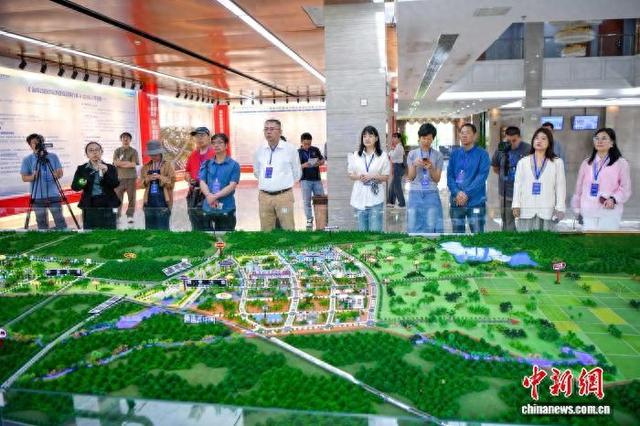
Core Insights - The "Thousand Schools and Ten Thousand Positions" employment fair for college students was held on November 6, 2023, in Xi'an, aiming to enhance employment opportunities for graduates through collaboration between Shaanxi and Jiangsu provinces [1][2] - The event attracted 148 companies from both provinces, offering over 4,500 job positions across various sectors including advanced manufacturing, new materials, new energy, information technology, and modern services [1] - The fair featured six functional areas to improve the job-seeking experience, including policy consultation, employment guidance, skills certification, AI interview and assessment services, workplace image instant photography, and military recruitment consultation [1] Employment Collaboration - The event represents a beneficial exploration of youth employment service collaboration between Shaanxi and Jiangsu, combining online and offline recruitment methods to attract quality talent for local enterprises and broaden employment channels for graduates [2] - Future efforts will focus on deepening collaboration, tapping into job resources, and building an efficient bridge for supply and demand matching to create more opportunities for youth employment and entrepreneurship [2]
国家发展改革委: 支持民间资本有序流向高价值服务行业
Zhong Guo Zheng Quan Bao· 2025-11-11 20:12
Core Viewpoint - The National Development and Reform Commission (NDRC) is promoting private investment development by detailing requirements for private capital participation in project construction and encouraging investments in high-value service industries [1][2]. Group 1: Encouragement of Private Investment - The NDRC has introduced measures to encourage private capital participation in key projects, allowing for a shareholding ratio of over 10% in certain qualified projects, with some nuclear power projects reaching up to 20% [2][6]. - The NDRC aims to support various types of economic entities in project construction, promoting complementary advantages among different ownership types [2][3]. Group 2: Focus on Productive Service Industries - The NDRC is directing private capital towards high-value service sectors, including industrial design and quality certification, to enhance participation in productive service projects [2][4]. - There is an emphasis on the integration of advanced manufacturing and modern service industries, encouraging regions to innovate policies that support the service-oriented transformation of manufacturing [3][5]. Group 3: Support for Major Pilot Platforms - The NDRC is advocating for the establishment of significant pilot platforms by private enterprises, which are crucial for linking innovation with industry [4]. - The NDRC encourages collaboration between state-owned enterprises, universities, and research institutions to provide market-oriented pilot services to private companies [4][5]. Group 4: Expansion of Financing Channels - The NDRC is actively supporting the issuance of infrastructure REITs for qualified private investment projects, with 14 out of 18 recommended projects already listed, raising nearly 30 billion yuan [6]. - Future efforts will focus on expanding the market for private investment projects, facilitating the listing of new asset types, and establishing a supportive coordination mechanism for REITs [6].
促进民间投资!国家发改委 最新发声
Zhong Guo Zheng Quan Bao· 2025-11-11 12:29
Core Viewpoint - The National Development and Reform Commission (NDRC) is introducing measures to further promote private investment development, aiming to enhance investment vitality and overall effectiveness [1][2]. Group 1: Encouragement of Private Investment - The NDRC will push industry authorities and local governments to detail specific requirements for private capital participation in project construction [2][3]. - There is a focus on encouraging private enterprises to enter high-value-added sectors such as industrial design and common technology services [5][6]. - The NDRC supports the construction of significant pilot platforms by private enterprises, which are crucial for integrating innovation and industry [7][8]. Group 2: Infrastructure and REITs - The NDRC is facilitating the issuance of infrastructure REITs for more eligible private investment projects, with 14 out of 18 recommended projects already listed, raising nearly 30 billion [12][13]. - The total amount raised from various asset types has reached 207 billion, expected to drive over 1 trillion in new project investments [12]. Group 3: Digital Transformation - The NDRC emphasizes the importance of digital transformation in manufacturing and service industries, promoting the establishment of comprehensive digital empowerment platforms [10]. - The initiative aims to leverage data to enhance transformation and investment opportunities, particularly for small and medium-sized enterprises [10].
事关民间投资!国家发改委答证券时报记者问
Zheng Quan Shi Bao· 2025-11-11 11:32
Core Viewpoint - The National Development and Reform Commission (NDRC) emphasizes the importance of promoting private investment and the establishment of major pilot testing platforms to enhance the integration of innovation and industry, particularly in the context of the 14th Five-Year Plan [1] Group 1: Promotion of Private Investment - The NDRC has introduced measures to support private enterprises in building significant pilot testing platforms, aligning with market needs and technological advancements [1] - The measures encourage local governments to simplify project approval processes for pilot testing, recognizing its role as an intermediary step before mass production [1] Group 2: Open Pilot Testing Services - The measures advocate for state-owned enterprises, universities, and research institutions to provide market-oriented pilot testing services to private companies, fostering an open and shared ecosystem [2] - Successful practices from various regions, such as Sichuan's "1+N" model and financial support mechanisms in Shanghai and other provinces, are highlighted as examples of effective collaboration [2] Group 3: REITs Projects and Investment - The NDRC has recommended 18 private investment REITs projects to the China Securities Regulatory Commission (CSRC), with a total fund issuance of nearly 30 billion yuan, marking a significant step in infrastructure investment [3] - A total of 105 REITs projects have been recommended, with 83 already issued, covering various sectors and expected to drive over 1 trillion yuan in new project investments [4] Group 4: Financial Support and Capital Participation - The measures enhance the coordination of investment, fiscal, and financial policies to better direct credit resources to private enterprises [5] - There is a requirement for feasibility studies to include the participation of private capital in projects that require national approval, with potential private ownership exceeding 10% in certain cases [6][7]
房地产止跌回稳前PPI仍面临下行压力|宏观晚6点
Xin Lang Cai Jing· 2025-11-11 10:07
Group 1: Macroeconomic News - The National Development and Reform Commission (NDRC) held a meeting to discuss the "14th Five-Year Plan" and gather suggestions for accelerating the development of the service industry [1] - NDRC Director Zheng Zhaojie emphasized the implementation of actions to enhance and expand the service industry, aiming to create better development conditions and environments for business entities [1] - The focus will be on integrating modern services with advanced manufacturing and modern agriculture to improve quality, reduce costs, and lower carbon emissions in the industry [1] Group 2: Automotive Industry - In the first ten months of this year, China's new energy vehicle (NEV) production and sales continued to grow significantly [2] - In October, the monthly sales of new energy vehicles surpassed 50% of the total new car sales for the first time [2]