电子信息

Search documents
浙江安吉:守正创新育新机 “产业之花”次第开
Zhong Guo Xin Wen Wang· 2026-01-16 11:37
Core Insights - Anji's green home furnishings industry has been recognized twice by national authorities, indicating its significant role in China's manufacturing landscape and its contribution to high-quality industrial development [1][3] Group 1: Industry Recognition - Anji Chair Industry has been included in the "2025 China Influential Industry Brand" and the Ministry of Industry and Information Technology's list of "2025 China Consumer Brands," highlighting its national importance [1] - The recognition reflects Anji's commitment to high-quality manufacturing and its role in promoting industrial strength in the region [1] Group 2: Industry Growth and Innovation - Anji's green home furnishings sector, along with health, equipment manufacturing, electronic information, and new materials, is experiencing robust growth, with a reported output value of 355.8 billion yuan in the first eleven months of 2025 [3][5] - Yongyi Co., a pioneer in technological innovation within the industry, has achieved significant sales, with the Flow550 series alone generating over 200 million yuan in revenue from 80,000 units sold in 2025 [3] Group 3: Emerging Industries - The bamboo industry in Anji is revitalizing with innovative products like lightweight, high-strength bamboo composite boards, which are expected to have a daily production capacity of 10,000 sheets upon full operation [5] - New industries are becoming key pillars of growth, with the equipment manufacturing and electronic information sectors seeing value increases of 40.5% and 42% year-on-year, respectively [6] Group 4: Talent and Collaboration - The influx of young tech talent is fostering innovation, with startups focusing on robotics and AI applications establishing operations in Anji [8] - The establishment of specialized parks and services for health and biotechnology industries has led to the creation of over 70 related projects, achieving an output value of 76.2 billion yuan in 2025 [6] Group 5: Industrial Synergy - The collaboration between industries is enhancing productivity, as seen with the integration of local suppliers for new manufacturing projects, which improves quality control and efficiency [9] - The establishment of a precision medical industry park has attracted nearly 20 upstream and downstream enterprises, with over 50% achieving industrialization [11]


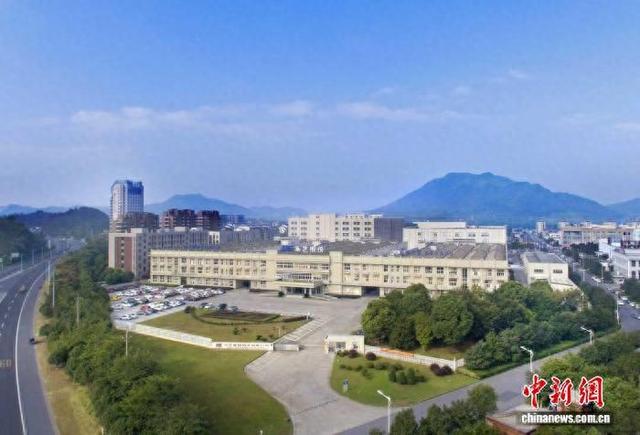
中国电子董事长:2026年将着力打造国产全谱系全流程EDA工具系统,推出新一代高性能芯片
Zheng Quan Shi Bao Wang· 2026-01-16 04:51
Core Viewpoint - In 2026, China Electronics aims to develop a comprehensive domestic EDA tool system and launch a new generation of high-performance chips to enhance the "China Chip, China Manufacturing" capability [1] Group 1: Developments in EDA Tools and Chips - China Electronics will focus on creating a full-spectrum EDA tool system by 2026 [1] - The company plans to introduce a new generation of high-performance chips to achieve substantial breakthroughs across the entire industry chain [1] Group 2: Advancements in Software and Computing - In the field of basic software, China Electronics will develop the next-generation Kirin operating system that integrates artificial intelligence [1] - The company aims to deploy a fully autonomous kernel on domestic platforms [1] - In the computing terminal sector, China Electronics is working to establish the China Great Wall N90 laptop as a "champion laptop," transitioning from "usable" to "well-used" for domestic secure terminals [1]
2025年广西外贸进出口总额突破8000亿元
Guang Xi Ri Bao· 2026-01-16 02:58
Core Insights - In 2025, Guangxi's foreign trade showed strong resilience, with a total import and export value of 819.26 billion yuan, marking an 8.4% year-on-year growth, surpassing both scale and growth rate of 8% for the first time [1] - Guangxi ranked 13th nationally and 2nd in the western region for foreign trade scale, with a growth rate exceeding the national average by 4.6 percentage points, placing it 11th nationally and 7th in the western region [1] Group 1: Trade with ASEAN - In 2025, Guangxi's trade with ASEAN reached 429.22 billion yuan, a year-on-year increase of 8%, accounting for nearly half of Guangxi's total foreign trade [2] - ASEAN has maintained its position as Guangxi's largest trading partner for 26 consecutive years, with trade with Vietnam exceeding 300 billion yuan for the first time, growing by 5.4% [2] - Trade with Indonesia, Singapore, and Myanmar saw growth rates exceeding 40% [2] Group 2: Market Diversification - Guangxi has successfully diversified its markets, with exports to Latin America, the Middle East, Africa, and the EU reaching 121.95 billion yuan, 51.1 billion yuan, 47.12 billion yuan, and 28.15 billion yuan respectively, with growth rates of 27.4%, 21.6%, 15.8%, and 46.3% [2] - The number of trading entities with import and export records reached 6,155, an increase of 550 from the previous year, indicating enhanced vitality in foreign trade [2] Group 3: Role of Enterprises - Private enterprises played a crucial role in foreign trade, with imports and exports totaling 563.45 billion yuan, a 4.7% increase, accounting for nearly 70% of Guangxi's foreign trade [2] - State-owned and foreign enterprises also contributed significantly, with imports and exports of 151.91 billion yuan and 74.62 billion yuan respectively, growing by 22.7% and 23.6% [2] Group 4: Industrial Growth - Guangxi's industrial economy has steadily grown, supporting high-quality foreign trade development, with exports of electronic information products reaching 89.34 billion yuan, a 36.9% increase [3] - Exports of automotive parts and lithium batteries were 31.11 billion yuan and 25.38 billion yuan, growing by 24.6% and 60.7% respectively [3] - Imports of major commodities, driven by key industries such as non-ferrous metals and steel, totaled 194.16 billion yuan, a 9% increase, accounting for nearly 60% of Guangxi's total imports [3]
海门区四甲镇:布局“一核四区”产业园,打造空港枢纽“活力新城”
Xin Hua Ri Bao· 2026-01-15 22:20
Core Insights - The article highlights the strategic development of Sijia Town, focusing on the establishment of an industrial park layout anchored by "one core and four zones" to create a vibrant new city around the airport hub and a strong industrial town by the river and sea [1][2][3] Group 1: Infrastructure Development - Sijia Town is leveraging its advantageous location with the new S19 Xitong Expressway and the Nantong New Airport, enhancing connectivity with major transportation hubs [1] - The modern transportation network integrates air, land, and rail, allowing for efficient travel times to key destinations, such as 10 minutes to the high-speed rail and 20 minutes to the river and sea [1] Group 2: Industrial Growth and Investment - The town has initiated significant projects, including a 500 million yuan investment in the Airport Industrial Park, focusing on advanced sectors like smart equipment and new materials [1] - In 2025, Sijia Town signed contracts for five major projects exceeding 100 million yuan and nine high-growth tech projects, demonstrating a robust investment climate [2] Group 3: Business Environment and Support - Sijia Town has implemented a "full lifecycle" service mechanism for businesses, providing comprehensive support from project signing to production, enhancing the local business environment [2] - The town's investment target completion rate reached 214%, significantly exceeding expectations and ranking it among the top in the district for project construction [2] Group 4: Future Plans - Looking ahead, Sijia Town plans to develop three new major projects: the second phase of the Airport Industrial Park, the Airport Commercial Street, and the Jianghai River Intermodal Industrial Park [3] - The town aims to attract high-quality projects by offering optimal policies and efficient services, positioning itself as a fertile ground for investment and innovation [3]
提升成渝地区双城经济圈发展能级
Jing Ji Ri Bao· 2026-01-15 21:26
Core Viewpoint - The Chengdu-Chongqing Economic Circle is emerging as a significant growth engine for high-quality development in China, with its economic output projected to increase from 6.4 trillion yuan in 2019 to 8.7 trillion yuan by 2024 [1] Group 1: Industrial Development - The Chengdu-Chongqing Economic Circle is focusing on building a modern industrial system that emphasizes collaboration, competition, and integration, enhancing its development capabilities and comprehensive strength [2] - The advanced manufacturing sector is being strengthened, with industrial added value expected to reach 2.42 trillion yuan in 2024, marking a 6.3% increase from the previous year [3] - The region is developing four trillion-yuan industrial clusters in electronics, equipment manufacturing, advanced materials, and specialty consumer goods, with the electronic information cluster projected to reach 1.72 trillion yuan by 2024, accounting for 10.6% of the national total [3] Group 2: Digital Economy - The digital economy is rapidly evolving, with significant advancements in digital infrastructure, including the establishment of 29 large and super-large data centers by August 2025, achieving a total computing power exceeding 20,000 P [4] - The integration of digital and physical economies is deepening, with industries such as big data, advanced computing, and blockchain experiencing accelerated growth [4] Group 3: Modern Service Industry - The modern service industry is showing significant improvement, with service sector added value projected to grow by 6.5% in 2024 [5] - The financial sector is expanding, with total deposits expected to reach 17.5 trillion yuan and loans 16.7 trillion yuan by 2024, reflecting annual growth rates of 9.6% and 12.6%, respectively [5] Group 4: Agricultural Development - The region is advancing modern, efficient, and characteristic agriculture, with total grain production expected to reach 38.116 million tons in 2024 [6] - Collaborative agricultural projects are being established, focusing on high-standard farmland and integrated agricultural parks [6] Group 5: Ecological Cooperation - The Chengdu-Chongqing Economic Circle is prioritizing ecological protection and pollution control, with a focus on collaborative governance to improve environmental quality [14][15] - The region has implemented a joint mechanism for environmental risk prevention and control, achieving a 100% compliance rate for water quality in 25 cross-border river monitoring points [15] Group 6: Consumer Market Development - The region is actively working to create an international consumption destination, with a focus on integrating consumption markets and enhancing infrastructure [19] - By 2024, the total retail sales of consumer goods in the Chengdu-Chongqing Economic Circle are expected to exceed 4 trillion yuan [21] - Efforts are being made to enrich consumer experiences through diverse consumption formats and innovative consumption scenarios [22]
2026企业出海大会·上合站在上合示范区举办
Sou Hu Cai Jing· 2026-01-15 15:15
Core Viewpoint - The "2026 Enterprise Going Global Conference - SCO Station" held in Qingdao focuses on exploring new opportunities and practices for Chinese enterprises to expand internationally under the framework of the Shanghai Cooperation Organization (SCO) [1][3]. Group 1: Event Overview - The conference, themed "Gathering SCO, Marking the Future," was co-hosted by the SCO Demonstration Zone Management Committee and TÜV Rheinland Greater China, attracting over 150 industry experts and representatives [1]. - The event aims to address challenges in globalization and compliance management in key sectors such as smart home appliances, machinery manufacturing, and electronic information [1]. Group 2: Regulatory and Support Framework - The Shandong Provincial Market Supervision Administration emphasized the importance of testing and certification as a "universal language" for international markets, which directly impacts the efficiency and success of enterprises going global [3]. - The SCO Demonstration Zone is positioned as a significant platform for international cooperation under the Belt and Road Initiative, facilitating a conducive environment for enterprises to expand abroad [3]. Group 3: Strategic Initiatives - The SCO Demonstration Zone has developed a service system called the "SCO Toolbox," which includes 11 platforms aimed at supporting enterprises in their international endeavors, focusing on sectors like smart home appliances and machinery manufacturing [5]. - The zone has introduced 138 innovative reform measures to enhance the facilitation of logistics, trade, and investment, thereby providing practical scenarios and models for enterprises [5]. Group 4: Collaboration with TÜV Rheinland - TÜV Rheinland introduced the "Guidelines for Enterprises Going Global," which offers a comprehensive compliance guide covering the entire lifecycle of overseas factory establishment [6]. - Future collaboration between the SCO Demonstration Zone and TÜV Rheinland will focus on providing efficient, precise one-stop solutions for enterprises, promoting higher quality and sustainable globalization [6].
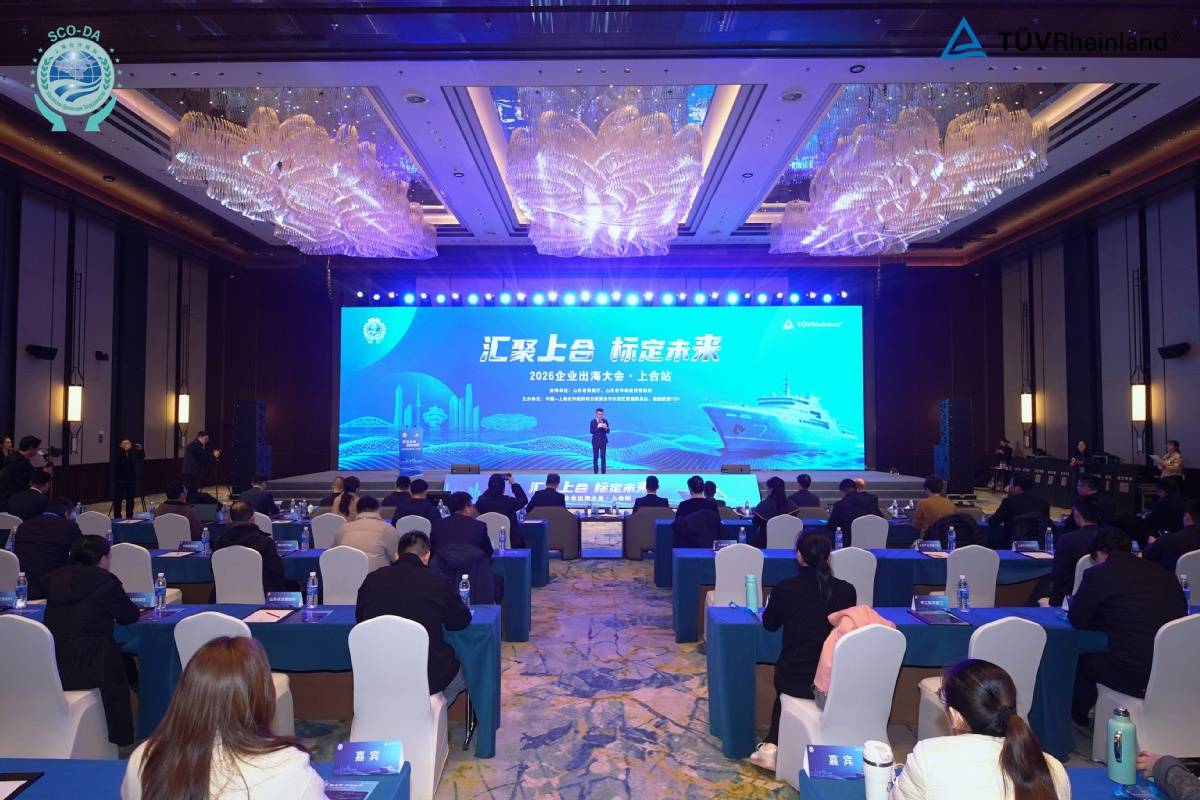
“2026企业出海大会 上合站”活动在上合示范区举办
Qi Lu Wan Bao· 2026-01-15 14:28
Core Insights - The "2026 Enterprise Going Global Conference" was held in the SCO Demonstration Zone, focusing on the globalization challenges and compliance management for Chinese enterprises under the SCO framework [1][2] - The conference aimed to create a platform for cooperation and standardization among SCO member states, enhancing the internationalization of Chinese manufacturing [1][3] Group 1: Event Overview - The conference was co-hosted by the SCO Demonstration Zone Administrative Committee and T V Rheinland, attracting over 150 industry experts and representatives [1] - The event emphasized the importance of building a service ecosystem for overseas expansion, focusing on smart home appliances, machinery manufacturing, and electronic information [1][2] Group 2: Strategic Initiatives - T V Rheinland's President highlighted the shift of Chinese enterprises from merely exporting products to a more integrated approach involving capacity, technology, and standardized systems [2] - The SCO Demonstration Zone introduced an "SCO Toolbox" service system, comprising 11 platforms to support enterprises in their overseas endeavors, aligning with the needs of SCO member states [2] Group 3: Future Directions - The SCO Demonstration Zone plans to deepen its overseas comprehensive service system, aiming for high-quality globalization through collaboration with T V Rheinland [3] - T V Rheinland released a "Guideline for Enterprises Going Global," providing a one-stop compliance guide covering the entire lifecycle of overseas factory establishment [3]
南财快评丨广货凭什么行天下?
2 1 Shi Ji Jing Ji Bao Dao· 2026-01-15 14:23
Group 1 - Guangdong's manufacturing prowess is highlighted by the fact that one in three household appliances globally is produced there, with nearly half of China's appliance exports coming from the province in the period from January to November 2025 [1] - The region has developed nine trillion-yuan industrial clusters, including electronic information and new energy, and boasts 77,000 high-tech enterprises, maintaining the top position in national innovation capability for several consecutive years [1] - Guangdong's culinary reputation is recognized internationally, with UNESCO designating Shunde and Chaozhou as "Cities of Gastronomy," showcasing the local commitment to traditional flavors and culinary excellence [1] Group 2 - The natural beauty of Guangdong is exemplified by attractions like the ancient Longxia Gorge and the 140,000-year-old volcanic crater lake in Zhanjiang, which reflect the region's rich environmental heritage [2] - Cultural events such as dragon boat races have gained international recognition, and local heritage sites are preserved, contributing to the region's appeal [2] - The essence of Guangdong's identity is rooted in its practical approach to manufacturing, culinary arts, and appreciation of nature, creating a unique cultural tapestry that attracts both locals and visitors [2]
总规模超3500亿,成都最大产业基金集群来了
FOFWEEKLY· 2026-01-15 10:01
Core Viewpoint - Sichuan is accelerating its venture capital landscape with a total fund size of 355.3 billion yuan, driven by policy innovation and capital aggregation [2][3]. Group 1: Fund Size and Investment Focus - As of January 14, 2026, Sichuan has signed 174 funds with a total scale of 355.3 billion yuan, focusing on key industries such as electronic information, healthcare, and artificial intelligence [5]. - The "Chengdu High-tech Zone Industry Fund Investment List" has been released, detailing the 355.3 billion yuan fund cluster and facilitating capital and project information disclosure [6]. Group 2: Policy Framework and Goals - In May 2025, Sichuan announced measures to promote high-quality development in venture capital, aiming for 500 private equity and venture capital management institutions and a fund management scale exceeding 400 billion yuan by 2030 [8]. - The measures include innovative mechanisms such as breaking the restrictions on fund registration and return ratios, and a loss tolerance mechanism for state-owned funds, allowing up to 60% loss tolerance [8]. Group 3: Ecosystem Development - The venture capital ecosystem in Sichuan is being activated, with a rapid increase in the number and scale of funds, including 50 provincial government-guided funds approved by the end of 2025, targeting a total scale of 99.26 billion yuan [9]. - Sichuan is building a comprehensive capital ecosystem covering various sectors, including hard technology and advanced manufacturing, supported by large-scale mother funds and targeted industry funds [11]. Group 4: Capital Deployment and Collaboration - The Sichuan Social Security Science and Technology Innovation Fund, with a total scale of 50 billion yuan, focuses on strategic emerging industries such as artificial intelligence and biomedicine [11]. - Various local funds have been established, such as a 20 billion yuan gas industry fund focusing on hydrogen energy and LNG, and funds for low-altitude economy, enhancing capital support for technology development [13]. Group 5: National Context and Future Outlook - The national venture capital guidance fund has completed strategic layouts in key regions, with a focus on early-stage investments, indicating a broader trend of capital gathering towards technology innovation and advanced manufacturing [14]. - The capital landscape in Sichuan reflects a national trend of recovery in the primary market, with a growing emphasis on patient capital supporting technological innovation [16].

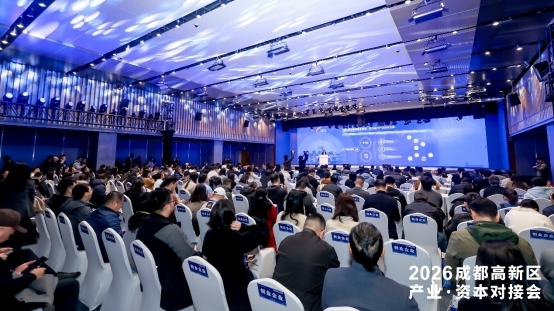
“双清单”牵线搭桥 耐心资本赋能新质生产力2026成都高新区产业·资本对接会举行
Sou Hu Wang· 2026-01-15 02:34
Group 1 - The "2026 Chengdu High-tech Zone Industry and Capital Docking Conference" was held with the theme "Industry-Finance Coordination, Empowering Development," focusing on the region's "3+6+6" modern industrial system [1] - The conference gathered over 300 representatives from various levels of government, investment institutions, and high-quality new productivity enterprises [1] - The event aimed to create an efficient platform for precise matching between capital and industry, injecting strong capital momentum into the development of new productivity in Chengdu High-tech Zone [1] Group 2 - The "Chengdu High-tech Zone Industry Financing Demand List" and "Chengdu High-tech Zone Industry Fund Investment Direction List" were released, serving as important tools for the mechanization of industry-finance coordination [3] - The financing demand list includes 100 high-quality projects in key areas such as electronic information, healthcare, and artificial intelligence, highlighting projects with high growth potential and technical barriers [3] - The investment direction list is supported by a 355.3 billion yuan industrial fund cluster, establishing a three-tiered capital ecosystem and aligning with the financing demand list [3][4] Group 3 - The dual lists utilize the "Capital Connect" online platform for digital matching, creating a regular mechanism that bridges information barriers between capital and projects [4] - The conference provided a platform for industry exchange, with investment institutions sharing valuable insights and project pitches from six high-quality companies showcasing advanced technologies [6] - Initial cooperation agreements were reached between multiple institutions and enterprises during the investment intention voting at the event [6] Group 4 - Chengdu High-tech Zone has developed a comprehensive capital support service system covering the entire lifecycle of investment, with a total of 174 funds signed and a total scale of 355.3 billion yuan [8] - The region has established a multi-level, regular interaction mechanism to efficiently communicate financing project needs and cooperation intentions [8] - The zone aims to optimize industrial policies and financial environments, guiding capital towards key industries and future tracks to enhance the capital ecosystem [9]