Workflow
半导体制造
icon
Search documents
冲刺“中国SiC芯片第一股”!又一SiC企业IPO“进度条”刷新
Sou Hu Cai Jing· 2025-12-01 09:53
Core Viewpoint - The approval of the overseas listing and domestic "full circulation" registration for Basic Semiconductor marks a significant step towards its IPO in Hong Kong, potentially making it the first domestic "silicon carbide chip" stock [2] Group 1: Company Overview - Basic Semiconductor was founded in 2016 by a team of PhD graduates from Tsinghua University and the University of Cambridge, focusing on silicon carbide MOSFETs, diodes, and power semiconductor devices [3] - The company has established a comprehensive industrial chain covering chip design, wafer manufacturing, module packaging, and gate driver design, creating a significant technological moat [3] - Basic Semiconductor has achieved mass production at its manufacturing bases in Shenzhen and Wuxi, effectively shortening delivery times and reducing production costs through a flexible IDM and foundry cooperation model [3] Group 2: Research and Development - The company has a strong commitment to R&D, with 28.9% of its workforce dedicated to this area and R&D expenditures exceeding 30% for three consecutive years [4] - Basic Semiconductor holds 163 patents and has submitted 122 patent applications, positioning itself as a key player in the silicon carbide sector [4] - The company collaborates with Tsinghua University and has established several research centers focused on third-generation semiconductor materials and devices [4] Group 3: Financial Performance - Basic Semiconductor's revenue is projected to grow at a compound annual growth rate (CAGR) of 59.9% from 2022 to 2024, indicating strong growth [5] - The company is one of the first in China to mass-produce silicon carbide solutions for electric vehicles, with its power modules already used in over 50 models from more than 10 automotive manufacturers [5] - The revenue CAGR for its silicon carbide power modules reached 434.3% during the reporting period, ranking the company seventh in the global market for these products by 2024 revenue [5] Group 4: Market Strategy - The upcoming Hong Kong listing will enable Basic Semiconductor to enhance R&D investments, expand its global distribution network, and establish itself as a leading international brand in silicon carbide power devices [6] - The company aims to leverage its full industrial chain and technological advantages to boost its competitiveness in the global silicon carbide power device market and accelerate its globalization strategy [6]
20cm速递|科创创业ETF(588360)涨超1.0%,政策与行业数据支撑科技板块表现
Mei Ri Jing Ji Xin Wen· 2025-12-01 07:48
Core Insights - The current policy direction for the domestic economy emphasizes the development of new productive forces, with a focus on technology and innovation companies expected to achieve excess returns under a backdrop of liquidity easing [1] Industry Performance - From January to October, profits in the high-tech manufacturing sector increased by 8.0% year-on-year, surpassing the average growth of all industrial sectors by 6.1 percentage points [1] - The smart electronics manufacturing sector showed strong growth, with profits in the smart unmanned aerial vehicle manufacturing and smart vehicle-mounted equipment manufacturing industries rising by 116.1% and 114.9%, respectively [1] - The semiconductor manufacturing sector also experienced rapid profit growth, with integrated circuit manufacturing, electronic special materials manufacturing, and semiconductor discrete devices manufacturing seeing profit increases of 89.2%, 86.0%, and 17.4%, respectively [1] - The precision instruments manufacturing sector demonstrated high-quality development, with profits in optical instrument manufacturing and specialized instruments and meters manufacturing growing by 38.2% and 14.1%, respectively [1] - The equipment manufacturing sector saw a year-on-year profit increase of 7.8% from January to October, with the railway, shipbuilding, and aerospace industries achieving double-digit profit growth rates of 32.0% and 12.8%, respectively [1] Investment Opportunities - The Science and Technology Innovation and Entrepreneurship ETF (588360) tracks the Science and Technology Innovation 50 Index (931643), which has a daily fluctuation limit of 20%. This index selects 50 large-cap, liquid technology innovation companies from the Sci-Tech Board and the Growth Enterprise Market, covering high-tech industries such as information technology, biomedicine, and new energy [1]
放量反攻,大A的反攻还能持续多久?
Sou Hu Cai Jing· 2025-12-01 07:38
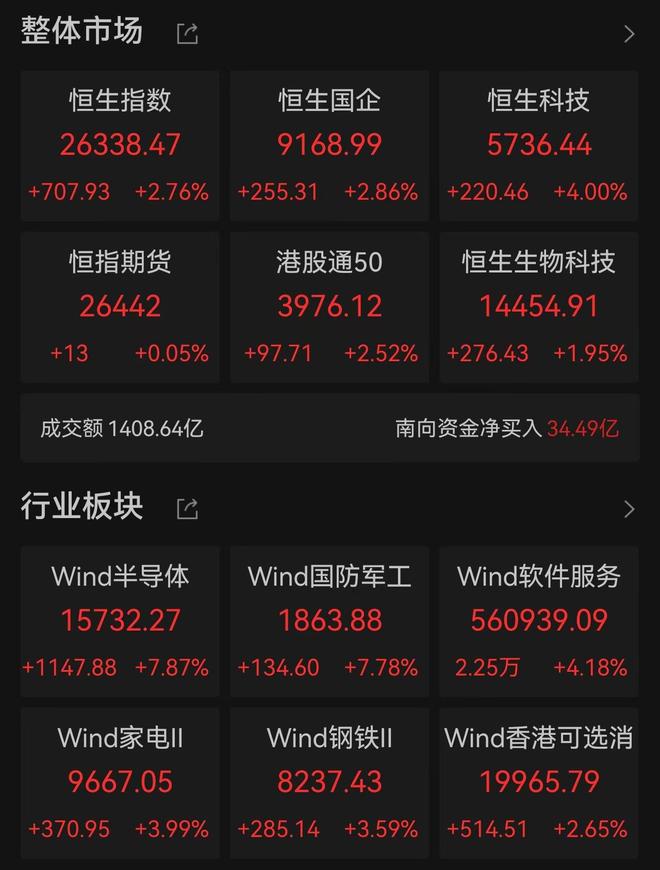
早上,地产龙头万某在经历了上周的连续债券下跌之后,今天再度以跌停停牌。同时股权还遭到广东某法院的冻结。 真是雪上加霜,屋漏偏逢连夜雨。不要太冲动,现在过去,日子不会太好过。 我喜欢左侧,但不代表有问题的地方也想去。 不清不楚就上车,不是我的想法,耐心等待机会,步步为营,才是炒股的思路。 我是李聪,10年读书会主理人,活到老、学到老,关注我,一起向上成长! 以上仅为个人看法,不作为任何建议! 之前大A向下快速跌落的时候,我精准判断出可能要反攻,但自己不动手。一个是位置还不够好,另一个是动能不够,如果被套住,需要等待更久时间。 那现在要出另一个看法,本轮反攻,能够持续多久? 根据当下环境和过去大A的走势来看,我认为本轮反攻不会持续太久,甚至可能在近期就会结束。 基于这样的判断,即使短期内能够赚个三瓜两枣,我还是不会上车,继续等待机会! 板块上: 第一:半导体继续反攻 算上今天,半导体连涨7天了,将将回到了前期向下的高位附近。虽然连续上攻,但是力度都很小。 估值太高是这样的,毕竟难以吸引到更多资金上车。我不搞他,免得咬到了自己。 第二:锂矿小幅下跌 总有一些行业能够更快反映市场的走势,比如这次锂矿就是。之前是大涨的 ...
5家上市公司暴露环境风险 粤海饲料控股公司超标排放被罚
Mei Ri Jing Ji Xin Wen· 2025-11-30 12:34
Core Viewpoint - Environmental risks are increasingly becoming a significant operational risk for listed companies, impacting both their development and corporate image [2]. Group 1: Environmental Violations and Penalties - Guangdong Hai Feed's subsidiary, Zhanjiang Hairong Feed Co., was fined 250,000 yuan for exceeding the permitted emission concentration limits of sulfur dioxide and nitrogen oxides in boiler exhaust [2][3]. - The average calculated concentrations of sulfur dioxide and nitrogen oxides from Hairong's emissions were 443 mg/m³ and 472 mg/m³, exceeding the permitted limits by 1.215 times and 1.36 times, respectively [3]. - Junzheng Group was fined 90,000 yuan for not disposing of wastewater according to the regulations set in their discharge permit [6]. Group 2: Company Responses and Remediation Actions - Following the penalty, Guangdong Hai Feed stated that Hairong would comply with environmental information disclosure regulations and has established an internal management mechanism for environmental information [5]. - Hairong has initiated emergency response measures and conducted third-party monitoring, which confirmed compliance with emission standards after corrective actions were taken [5]. - Junzheng Group acknowledged the penalty and indicated they would investigate the situation, although no further response was received by the time of reporting [6]. Group 3: Broader Implications for Investors - The environmental risks associated with these companies could potentially affect the 690,700 shareholders linked to the five listed companies identified in the report [2]. - The increasing focus on ESG (Environmental, Social, and Governance) principles suggests that investors are becoming more attentive to companies' sustainable development capabilities [7].
国科微终止收购中芯宁波股权
Bei Jing Shang Bao· 2025-11-30 03:42
Core Viewpoint - The planned acquisition of a 94.366% stake in Zhongxin Integrated Circuit (Ningbo) Co., Ltd. by Guokewai has been terminated due to the inability to reach an agreement within the expected timeframe [1] Group 1: Acquisition Details - Guokewai intended to acquire Zhongxin Ningbo, which specializes in RF front-end, MEMS sensors, and special process semiconductors [1] - The termination was based on prudent considerations after thorough communication and negotiation with relevant parties [1] Group 2: Financial Impact - Guokewai reported a revenue of approximately 1.172 billion yuan for the first three quarters of the year, representing a year-on-year decline of 2.5% [1] - The net profit attributable to shareholders was approximately 7.4054 million yuan, showing a significant year-on-year decrease of 89.42% [1] Group 3: Operational Status - The company stated that its production and operational status remains normal, and the termination of the acquisition will not have a significant adverse impact on its financial condition [1]
心智观察所:等死与找死?FD-SOI何以成为中国半导体的一条活路
Guan Cha Zhe Wang· 2025-11-30 00:56
Core Viewpoint - The FD-SOI technology, once abandoned by the mainstream semiconductor industry, is now emerging as a viable alternative for China's semiconductor sector amidst geopolitical challenges and supply chain constraints [2][21]. Group 1: Historical Context - In the early 2010s, Soitec, a leader in SOI substrate materials, faced severe financial difficulties due to the slow growth of the FD-SOI market, relying on government loans to survive [1]. - The Chinese National Integrated Circuit Industry Investment Fund (the "Big Fund") considered investing in Soitec but ultimately opted for FinFET technology, reflecting a widespread belief that pursuing FD-SOI was a dead end [1][2]. Group 2: Technological Divergence - The divergence in technology routes began in the late 1990s when two solutions were proposed to overcome the limitations of CMOS technology: FinFET and FD-SOI [3][5]. - FinFET technology enhances control over electrical currents by adopting a three-dimensional structure, while FD-SOI employs an insulating layer to prevent leakage, offering a simpler manufacturing process [5][7]. Group 3: Industry Response - The semiconductor industry overwhelmingly favored FinFET due to its compatibility with existing processes and the perceived challenges of FD-SOI, particularly its stringent substrate requirements [9][10]. - Intel's decision to focus solely on FinFET led to a domino effect, with TSMC and other companies following suit, effectively sidelining FD-SOI [9][10]. Group 4: Strategic Investment - In 2016, Shanghai Silicon Industry Investment Co. strategically invested in Soitec, acquiring approximately 14.5% of its shares, which facilitated access to the Smart-Cut technology essential for FD-SOI [10][12]. - This investment not only saved Soitec but also strengthened the collaboration between Chinese firms and French technology, laying the groundwork for China's capabilities in FD-SOI [12]. Group 5: Current Market Dynamics - FD-SOI technology is gaining traction as a cost-effective alternative to FinFET, particularly in applications requiring lower power consumption, such as IoT and automotive electronics [13][21]. - The global FD-SOI market is projected to grow from approximately $700 million in 2022 to over $4 billion by 2027, with a compound annual growth rate exceeding 30% [20][21]. Group 6: Ecosystem Development - Over the past decade, a complete FD-SOI ecosystem has been developing in China, encompassing substrate materials, wafer foundries, EDA tools, and IP design [16][17]. - Key players include GlobalFoundries, which has been a major proponent of FD-SOI technology, and various Chinese companies adopting FD-SOI for IoT chip designs [16][17]. Group 7: Challenges Ahead - Despite progress, the FD-SOI ecosystem faces challenges, including a smaller market presence compared to FinFET and higher substrate costs, which hinder widespread adoption [18][19]. - The lack of local foundry capacity for advanced FD-SOI processes remains a significant barrier, necessitating reliance on overseas production facilities [19]. Group 8: Future Outlook - The potential for integrating SOI substrates with FinFET structures is being explored, indicating that both technologies may coexist and serve different market needs [20][21]. - FD-SOI's strategic value for China's semiconductor industry lies in its ability to maintain technological development in a constrained environment, providing a pragmatic approach to addressing supply chain vulnerabilities [21][22].
DRAM双雄,疯狂扩产
半导体行业观察· 2025-11-29 02:49
Group 1 - The core viewpoint of the article highlights the significant demand for High Bandwidth Memory (HBM) due to AI servers, leading to a supply shortage of standard DRAM for personal computers, laptops, smartphones, and general servers [1][2] - SK Hynix, the world's second-largest memory manufacturer, is actively expanding its standard DRAM production capacity, aiming for over a 10% increase in supply by 2026 compared to 2025 [1][2] - The company is adjusting production strategies at its main wafer fabs, M15 and M16, to enhance capacity utilization and convert some production lines to DRAM manufacturing [1][2] Group 2 - Despite being a leader in the HBM market with a market share of 70% to 80%, SK Hynix recognizes that the standard DRAM market is significantly larger, making it a strategic focus to meet this demand while maintaining its AI memory leadership [2] - The competitive landscape includes Samsung, which is also expanding its DRAM capacity, utilizing its P3 alternative factory and planning to increase capacity at P4 [2] - Market analysts expect global DRAM supply to see double-digit growth by 2026, supported by SK Hynix's commitment to invest up to 106.2 trillion Korean Won from 2022 to 2027 [2]
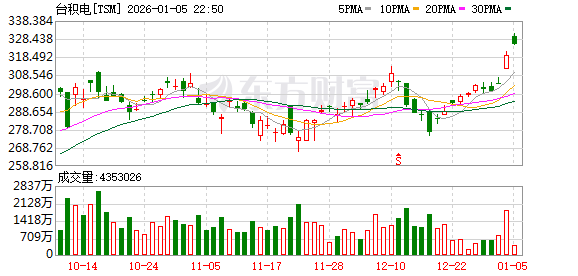
台积电两座封装厂将量产,规划再建六座
半导体行业观察· 2025-11-29 02:49
公众号记得加星标⭐️,第一时间看推送不会错过。 台积电在嘉科园区建2座CoWos先进封装厂,虽工安意外频传,但仅部分工区停工,对进度影响不 大,反而是7月台风及豪雨影响较大,嘉义县长翁章梁透露,目前第2厂已装机测试,预计明年投入量 产,第1厂预计明年装机,后年投入量产,有望为地方带来3000名就业人口,据了解,未来会扩厂设 多座3D先进封装厂。 台积电嘉义厂区今年传出多次工安意外,外界忧影响工程及装机进度。据了解,仅有部分工区停工, 对整体进度影响不大,台积电厂区目前部分取得使用执照,已经进厂开始装机,预计明年投入量产。 台积电有计划扩厂,将在嘉义科学园区2期再设约6座3D先进封装厂。 加星标⭐️第一时间看推送,小号防走丢 求点赞 求分享 求推荐 台积电先进封装营运二处嘉义厂长许永隆说,丹娜丝台风让嘉义县许多校园严重受损,台积电调度临 时办公室的工班支援,优先复原学校设施,临时办公室工程延宕,现在还是「临时办公室中的临时办 公室」,简称「临临办」,这是台积电第一次发明的模式,希望与地方长远合作,共好共荣。 (来源:联合报) *免责声明:本文由作者原创。文章内容系作者个人观点,半导体行业观察转载仅为了传达一种不 ...
28日,安世中国郑重声明!
是说芯语· 2025-11-29 00:57
Core Viewpoint - Nexperia China emphasizes that the current supply chain chaos is primarily caused by improper actions from Nexperia B.V. and the Dutch government, and outlines specific demands to restore stability and cooperation within the semiconductor supply chain [1][10]. Summary by Sections Current Supply Chain Situation - Nexperia China asserts that there is no issue of "inability to contact" and has always welcomed communication with Nexperia B.V. However, Nexperia B.V. has taken actions that disrupt communication [5][6]. - The Dutch side's actions are identified as the main cause of the global supply chain chaos, stemming from government interference in corporate affairs [6][10]. Demands from Nexperia China - Nexperia China demands that Nexperia B.V. acknowledge the core issues and engage in sincere consultations to find constructive solutions [12]. - The company requests an immediate halt to overseas capacity expansion plans, particularly in Malaysia, to respect the established division of labor in the semiconductor industry [12]. - Nexperia China insists on the restoration of normal supply chains and the timely payment of outstanding debts to ensure operational stability [1][2]. Actions by Nexperia B.V. - Nexperia B.V. has disrupted the supply of wafers to Nexperia China, affecting core production operations [7]. - The company has failed to allocate agreed funds, including over RMB 1 billion in service fees, and has withheld employee wages, adding pressure to Nexperia China's operations [7][8]. - Nexperia B.V. has publicly instructed suppliers not to cooperate with Nexperia China, further complicating supply chain operations [11]. Impact on the Semiconductor Industry - The ongoing chaos has created significant uncertainty for downstream enterprises relying on Nexperia products, threatening the stability of the global semiconductor industry [6][9]. - Nexperia B.V.'s plans to invest over USD 300 million in capacity expansion outside of China and achieve 90% of production needs outside China by mid-2026 are seen as detrimental to the global semiconductor supply chain [8][9].
安世荷兰再发公开信!警告即将停产,望重建对话?
Xin Lang Cai Jing· 2025-11-28 12:30
Core Viewpoint - The Dutch government's takeover of the Chinese-controlled company Nexperia (Anshi Semiconductor) has led to a crisis in the global semiconductor supply chain, affecting various industries, particularly automotive manufacturing [1][2]. Group 1: Company Actions and Responses - Anshi Semiconductor's Dutch subsidiary has publicly stated that it attempted multiple times to communicate with its Chinese parent company, but received no substantial response [1]. - On November 23, the Chinese parent company, Wingtech Technology, urged the Dutch subsidiary to engage in constructive dialogue to resolve control issues and ensure global supply chain stability [1]. - Following the Dutch government's intervention, Anshi China criticized the Dutch management for attempting to shift blame and disregarding the interests of its employees [2]. Group 2: Government and Regulatory Developments - The Dutch government ordered the takeover of Anshi Semiconductor on September 30, citing "national security" concerns, but only publicly announced it on October 12 [1]. - On November 24, reports indicated that the Dutch government decided to take constructive measures to suspend its intervention in Anshi Semiconductor, suggesting a potential shift in the situation [2]. - Wingtech Technology has filed an appeal against the Dutch government's takeover decision, arguing that it constitutes an unprecedented and disproportionate "expropriation of property" lacking legal basis [4][5]. Group 3: Industry Impact - The takeover has caused significant disruptions in the global automotive supply chain, with manufacturers in the US, Europe, and Japan facing chip shortages and having to adjust production plans [2]. - Experts have noted that the crisis illustrates the risks associated with splitting multinational companies, which can jeopardize supply chains and critical industries [3].