动力电池

Search documents
奇瑞旗下20GWh动力电池项目启动!
起点锂电· 2025-12-12 01:36
Core Viewpoint - The article highlights the recent developments in Chery's battery projects, particularly the launch of a new 20GWh power battery project by De Yi Energy, a subsidiary of Chery, which signifies an expansion in Chery's battery business and its commitment to high-performance battery technology [4][6]. Group 1: Project Launch and Investment - De Yi Energy's new 20GWh power battery project, located in the Dangshan Economic Development Zone, officially commenced on December 8, 2023, with a fixed asset investment of approximately 4 billion yuan [5][6]. - The project will focus on high-performance, high-safety, and long-life power and energy storage batteries, with plans to establish a highly automated production line capable of producing 60PPM [5]. - The project aims to achieve a production capacity of 20GWh by the end of 2027, with a total investment of around 4 billion yuan [5]. Group 2: Existing Facilities and Future Plans - This is the third battery factory for De Yi Energy, following previous projects in Tongling and Wuhu, with the Tongling facility having a total investment of 10 billion yuan and a planned capacity of 20GWh [7]. - The Wuhu project will serve as the headquarters and R&D center for battery technology, with an investment of 8.01 billion yuan, focusing on high-performance battery development [8]. - The first phase of the Wuhu project is set to be completed by March 2024, with a target of over 40% battery self-supply rate by 2025 [9]. Group 3: Strategic Partnerships and Innovations - Chery's solid-state battery subsidiary, Anwa Technology, has signed a cooperation agreement with Horizon Automotive to supply 1GWh of solid-state batteries for zero-emission trucks [10]. - Anwa Technology is developing a new solid-state battery production facility with a planned capacity of 60-100GWh, with the first production line capable of switching between different battery chemistries [11]. - Chery is pursuing a multi-faceted strategy in the battery sector, including self-research, external capacity investment, and procurement from suppliers like CATL and Guoxuan High-Tech, with a significant portion of its hybrid vehicle battery supply coming from Guoxuan [12].

孚能科技:江西立达通过集中竞价方式减持了公司股份约85万股
Mei Ri Jing Ji Xin Wen· 2025-12-11 10:48
Group 1 - Company Fudi Technology (孚能科技) announced a share reduction by Jiangxi Lida and other subsidiaries, with approximately 850,000 shares sold, accounting for 0.0698% of the total share capital, totaling around 14.11 million yuan [1] - For the year 2024, Fudi Technology's revenue composition is as follows: 97.08% from power battery systems and 2.92% from other businesses [1] - The current market capitalization of Fudi Technology is 19.7 billion yuan [2]

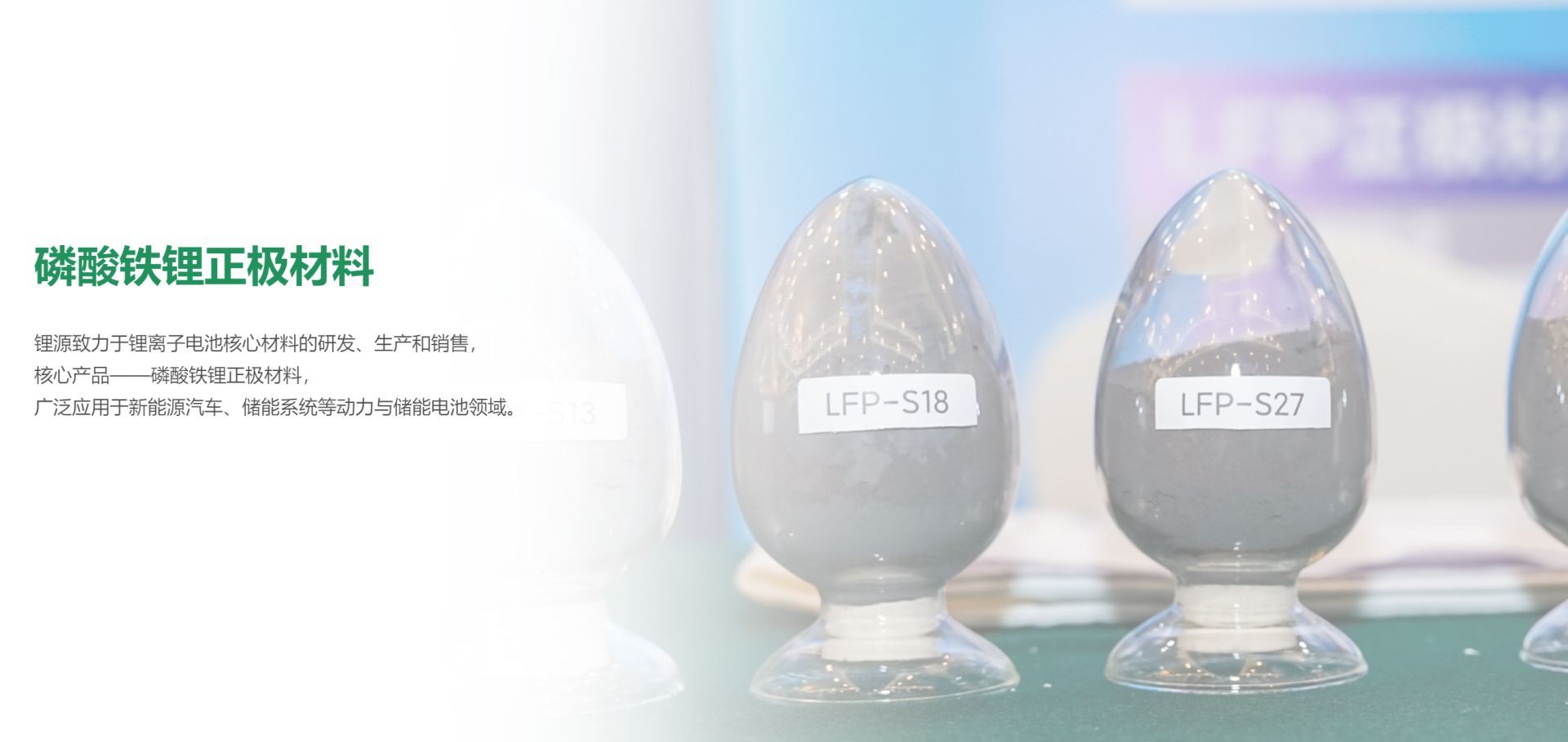
磷酸铁锂企业集体酝酿涨价,车企“抢货大战”再上演
Mei Ri Jing Ji Xin Wen· 2025-12-11 10:19
Core Viewpoint - The recent price increase of lithium iron phosphate (LFP) materials is driven by multiple factors, including rising upstream raw material costs and the ongoing losses in the industry, prompting several LFP manufacturers to negotiate price hikes with downstream battery manufacturers [1][5]. Group 1: Price Increase Dynamics - Multiple LFP companies have proposed price increases to downstream battery manufacturers, with one company planning to raise processing fees by 3,000 yuan per ton starting January 1, 2026 [3]. - The cost structure of LFP batteries shows that cathode materials account for over 40% of the total cost, indicating that price hikes from LFP manufacturers could significantly impact downstream battery and new energy vehicle sectors [3][5]. - Some battery manufacturers, such as Funeng Technology, have acknowledged the trend of rising battery prices due to increased raw material costs and expanding market demand [3][5]. Group 2: Market Conditions and Trends - The price of LFP materials has seen a significant decline from 173,000 yuan per ton at the end of 2022 to 34,000 yuan per ton in August 2025, a drop of 80.2%, leading to over 36 months of continuous losses in the industry [5]. - As of December 10, 2023, the average market price for LFP batteries has stabilized at 41,000 yuan per ton for power-type, 37,800 yuan per ton for energy storage-type, and 25,400 yuan per ton for repair-type [5]. - The domestic power battery installation volume reached 578.0 GWh from January to October 2023, with LFP batteries accounting for 470.2 GWh, representing 81.3% of the total and a year-on-year growth of 59.7% [6]. Group 3: Industry Sentiment and Future Outlook - The rapid growth of the downstream new energy vehicle and energy storage markets has provided LFP manufacturers with confidence to pursue collective price increases [7]. - Many leading LFP companies have their orders booked through the first half of the next year, operating at near full capacity [7]. - The upcoming reduction in vehicle purchase tax for new energy vehicles is intensifying competition among car manufacturers for battery supply, further complicating the supply chain dynamics [9].


投资奇瑞,被大众投资,国轩高科能否重返全球动力电池一线阵营?
3 6 Ke· 2025-12-11 07:32
Core Viewpoint - The collaboration between Guoxuan High-Tech and Volkswagen Group marks a significant milestone with the mass production of the world's first "standard cell," potentially allowing Guoxuan High-Tech to re-enter the global top tier of power battery manufacturers [2][3]. Group 1: Partnership and Production Milestones - Guoxuan High-Tech completed the mass production delivery of the "standard cell" on November 20, 2025, marking the transition to large-scale production in its five-year strategic partnership with Volkswagen Group [3]. - The "standard cell" is designed to be highly compatible, significantly reducing R&D complexity and potentially cutting costs by up to 50% compared to traditional custom cells [3][5]. - Guoxuan High-Tech is set to deliver high-performance lithium iron phosphate and other standard cells to Volkswagen from 2026 to 2032 [3]. Group 2: Market Position and Performance - In the first three quarters of 2025, Guoxuan High-Tech's power battery installation volume reached 29.7 GWh, with a global market share of 3.7%, an increase of 0.7 percentage points year-on-year [7]. - The company ranked eighth in the international market (excluding China) with a battery installation volume of 6.9 GWh, a year-on-year growth of 61% [7]. - Guoxuan High-Tech's overseas revenue for 2024 reached 11 billion yuan, marking a 71.21% year-on-year increase, the first time surpassing the 10 billion yuan mark [8]. Group 3: Financial Performance - For the first three quarters of 2025, Guoxuan High-Tech reported a revenue of 29.5 billion yuan, a year-on-year increase of 17.21%, and a net profit of 2.53 billion yuan, up 514.35% [10]. - The third quarter of 2025 saw a revenue of 10.11 billion yuan, a 20.68% increase year-on-year, with a net profit of 2.17 billion yuan, reflecting a staggering 1434.42% growth [10][11]. - The company’s gross margin for lithium battery products was 15.5%, down 0.86 percentage points year-on-year, compared to 22.41% for its competitor, CATL [13]. Group 4: Expansion and Future Plans - Guoxuan High-Tech plans to invest 25.14 billion euros (approximately 191 billion yuan) in lithium battery projects in Morocco and Slovakia, with the Slovak project expected to start production in the second quarter of 2026 [14]. - The company is also investing 4 billion yuan in new battery manufacturing bases in Nanjing and Wuhu, focusing on solid-state battery technology [17]. - Guoxuan High-Tech is pursuing a dual strategy in solid-state battery development, aiming for both full solid-state and semi-solid-state battery commercialization [21][22].

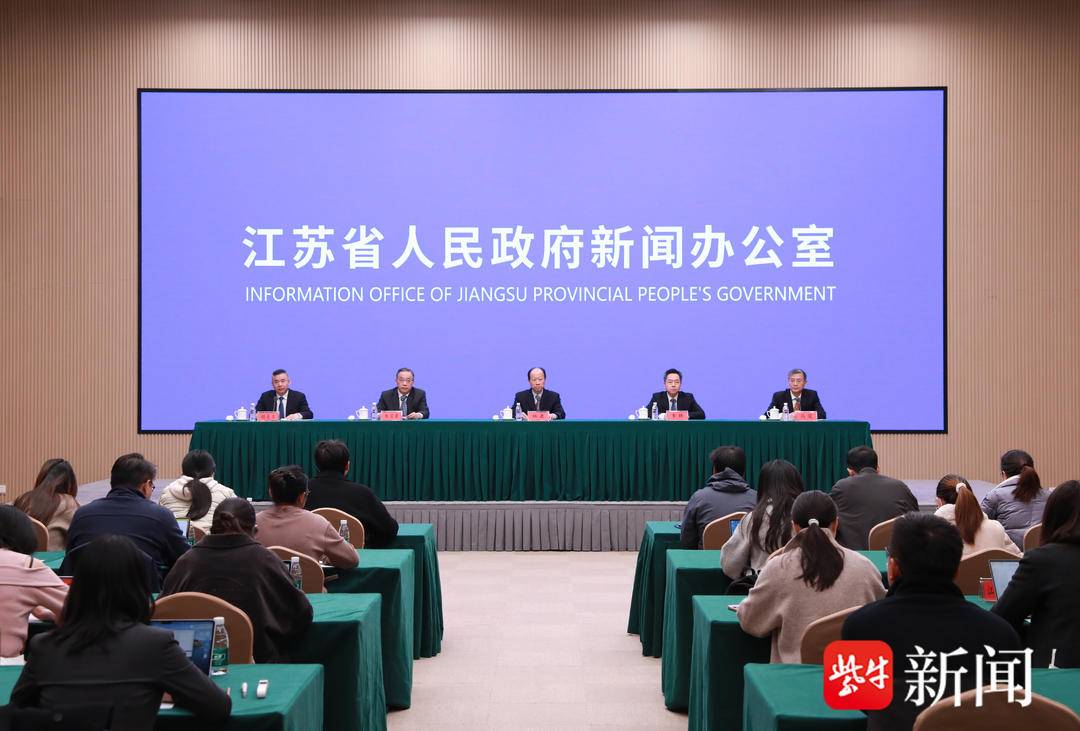
江苏经济总量今年将突破14万亿元巨轮破浪,经济高质量发展成色足
Xin Hua Ri Bao· 2025-12-10 23:15
Economic Growth and Development - Jiangsu's economic total is projected to rise from 10.5 trillion yuan in 2020 to 13.7 trillion yuan in 2024, marking the crossing of the fourth trillion yuan milestone during the "14th Five-Year Plan" period [1][2] - The province's labor productivity increased from 213,000 yuan per person in 2020 to 284,000 yuan per person in 2024, with an average annual growth rate exceeding GDP growth by 0.5 percentage points from 2021 to 2024 [2] Structural Optimization and Innovation - Economic growth is increasingly driven by structural optimization, technological advancement, and efficiency improvements, with Jiangsu's social retail sales remaining among the top in the country [3] - Jiangsu has implemented over 1,600 major provincial projects in five years, enhancing its regional innovation capabilities to rank second nationally, with R&D investment intensity reaching the average level of innovative countries and regions [3] Environmental Sustainability and Quality of Life - Jiangsu has made significant strides in carbon neutrality initiatives, with renewable energy capacity surpassing coal power, and has maintained PM2.5 levels within national standards for four consecutive years [4] - The income disparity between urban and rural residents has narrowed to a ratio of 2.04:1, with urban employment growth consistently above 10% nationally [4] Consumer Market and Domestic Demand - Jiangsu has hosted over 12,000 consumer promotion events during the "14th Five-Year Plan," distributing approximately 2.54 billion yuan in consumption vouchers and digital currency [5][6] - The province has established a comprehensive network of commercial infrastructure, including 918 "quarter-hour" convenience living circles and 15 national e-commerce demonstration bases, leading the nation in these initiatives [6] Manufacturing and Industrial Strength - Jiangsu has maintained its position as the leading manufacturing province in China for four consecutive years, with manufacturing value added reaching 4.63 trillion yuan in 2024, accounting for 33.8% of GDP [8] - The province has developed a modern industrial system focused on advanced manufacturing, with 14 national-level advanced manufacturing clusters, the highest in the country [8][9] Future Industry and Technological Advancement - Jiangsu's strategic emerging industries have seen a 5 percentage point increase in their share of industrial output over four years, with sectors like new energy and high-end equipment exceeding one trillion yuan in revenue [9] - The province's artificial intelligence industry is estimated to be worth nearly 400 billion yuan, with significant advancements in technology innovation and application across various sectors [9]
何小鹏酒局背后,动力电池行业何去何从?
汽车商业评论· 2025-12-10 23:07
Core Viewpoint - The article discusses the current challenges and dynamics in China's new energy vehicle (NEV) industry, particularly focusing on the supply chain issues related to battery production and the ongoing competition between automakers and battery suppliers [4][5][7]. Group 1: Supply Chain Challenges - The recent interactions between automakers and battery manufacturers highlight the supply-demand imbalance in the battery industry, which is critical for vehicle manufacturing [5][7]. - Automakers are facing a "sweet trouble" as they set ambitious sales targets that exceed initial expectations, leading to concerns about whether suppliers can meet these demands [9][10]. - The surge in sales for models like the Chery Fengyun A9L and SAIC MG4 has exposed the limitations in battery supply, as both models experienced sales far exceeding their initial production plans [10][11][12]. Group 2: Battery Market Dynamics - The domestic power battery installation volume reached 578.0 GWh from January to October, marking a 42.4% year-on-year increase, indicating strong demand in the market [13]. - The price of lithium carbonate has seen significant fluctuations, with a recent increase causing additional challenges for battery manufacturers in managing costs and supply [16][19]. - The article notes that the lithium carbonate price has risen sharply from a low of 59,900 CNY/ton in May to 81,000 CNY/ton in August, reflecting the volatility in raw material costs [19]. Group 3: Automaker Strategies - Automakers are increasingly taking control of their battery supply chains by investing in battery production capabilities, as seen with companies like Geely and FAW [24][26]. - The trend of automakers establishing joint ventures and acquiring battery companies is aimed at ensuring a stable supply of batteries and reducing dependency on external suppliers [22][30]. - The overall profit margins for the automotive industry have been declining, with the profit rate dropping to 4.3% in 2024, prompting manufacturers to seek more control over battery costs [23]. Group 4: Future Outlook - The article raises concerns about the future of the battery supply chain as production capacity expands, questioning the sustainability of the current growth trajectory in the NEV market [30]. - The ongoing competition between automakers and battery suppliers is expected to intensify as both parties navigate the challenges of supply, pricing, and technological advancements [30].

14万亿可期 江苏交经济建设新答卷
Jiang Nan Shi Bao· 2025-12-10 16:24
Economic Growth - Jiangsu's GDP is projected to exceed 14 trillion yuan in 2024, with a continuous increase from over 11 trillion in 2021 and over 12 trillion in 2022, showcasing strong economic resilience and growth potential [1] - The province's per capita GDP is expected to reach 22,600 USD in 2024, with labor productivity increasing from 213,000 yuan per person in 2020 to 284,000 yuan per person in 2024, indicating a focus on quality alongside scale [2] Domestic Demand - The total retail sales of consumer goods in Jiangsu are anticipated to rise from 3.63 trillion yuan in 2020 to 4.49 trillion yuan in 2024, reflecting a robust internal demand strategy [2] - Over 12,000 "Su New Consumption" promotional events have been held, distributing approximately 2.54 billion yuan in consumption vouchers and digital currency, which has significantly boosted domestic consumption [2] Innovation and Industry Upgrade - Jiangsu ranks second nationally in regional innovation capability, with significant R&D investment and breakthroughs in basic research, particularly in strategic emerging industries like new energy and high-end equipment [4][5] - The province has established a comprehensive industrial system with 16 advanced manufacturing clusters and 50 key industrial chains, leading to a strong global competitive position in various sectors [5] Manufacturing Sector - Jiangsu's manufacturing quality development index has ranked first nationally for five consecutive years, with a focus on digital transformation and smart manufacturing [5] - The province's strategic emerging industries have seen an average annual growth of 8% over the past five years, with sectors like biomedicine and integrated circuits leading nationally [5] Social Welfare and Common Prosperity - Jiangsu has made strides in reducing the urban-rural income gap to 2.04:1, with urban employment growth exceeding 10% nationally [6] - The province has implemented various social welfare projects, including a comprehensive elderly care system and high enrollment rates in education, enhancing the overall quality of life for residents [6] Future Outlook - Jiangsu aims to continue leading in high-quality development by focusing on technological and industrial innovation, deep reforms, and promoting common prosperity as part of its long-term strategy [7]
三年400亿,中创新航为何扫货铜箔?
Xin Lang Cai Jing· 2025-12-10 13:56
Core Insights - 中创新航 has secured a significant supply agreement with 诺德股份 for 37.3 million tons of copper foil over three years, valued at approximately 400 billion yuan based on current market prices, indicating a strategic move to strengthen its supply chain in the energy storage sector [1][2][13] - The copper foil supply will increase annually, with quantities of 58,000 tons, 130,000 tons, and 185,000 tons, which exceeds 诺德股份's current production capacity, highlighting potential challenges in meeting demand [2][13] - 中创新航 has rapidly ascended to become the third-largest global player in the power battery market, with a 76.5% year-on-year increase in battery installation volume, surpassing LG Energy Solution [6][16][17] Company Developments - 中创新航 has shifted its focus from commercial vehicle batteries to the rapidly growing passenger vehicle market, which has been pivotal in its turnaround from significant losses to becoming a market leader [7][19] - The company has also expanded into the energy storage market, with energy storage system revenue reaching 5.757 billion yuan in the first half of 2025, a 109.7% increase year-on-year, indicating a strong growth trajectory [8][19] - In the first three quarters of this year, 中创新航 reported revenue of 28.538 billion yuan, a 49.9% increase, and a net profit of 685 million yuan, reflecting a substantial growth momentum [9][20] Market Outlook - Analysts predict a significant upside for 中创新航, with a target stock price of 42.9 HKD, suggesting over 50% potential growth from the current price of 27.76 HKD [10][21] - The company is expected to double its net profit to 2.7 billion yuan by 2026, driven by increased production capacity and market demand for energy storage solutions [10][21] - Forecasts indicate that 中创新航's net profit will reach 1.37 billion yuan, 3.04 billion yuan, and 4.79 billion yuan from 2025 to 2027, reflecting a continuous upward growth trajectory [10][21]

连跨3个万亿元台阶,江苏地区生产总值今年有望突破14万亿元
Yang Zi Wan Bao Wang· 2025-12-10 13:42
Economic Growth - Jiangsu's GDP has increased from 10.5 trillion yuan in 2020 to 13.7 trillion yuan in 2024, with expectations to surpass 14 trillion yuan this year, marking the crossing of the fourth trillion yuan milestone during the "14th Five-Year Plan" [1][3] - All 13 cities in Jiangsu have entered the national top 100, reflecting significant economic progress [3] Consumer Market - The retail sales of consumer goods in Jiangsu remain among the highest in the country, with a projected consumption boost of over 351 billion yuan from the "old-for-new" consumption initiative in 2024-2025 [3] - The integration of events and consumption has led to the emergence of new business models, stimulating consumer potential [3] Manufacturing and Innovation - Jiangsu's regional innovation capability has risen to second in the nation, with over 70% growth in high-tech enterprises and significant contributions to patent creation and technological platforms [4] - The province leads the nation in advanced manufacturing clusters and strategic emerging industries, including power batteries, integrated circuits, and biomedicine [4] Environmental Initiatives - Jiangsu is actively promoting carbon neutrality and has launched a provincial carbon footprint public service platform to track emissions across various stages of production [5] - The province has achieved significant environmental quality improvements, with PM2.5 levels meeting national standards for four consecutive years [5] Employment and Social Welfare - Jiangsu has maintained urban employment growth above 10% nationally, with a reduction in the urban-rural income gap to 2.04:1 [6] - The province has established a comprehensive elderly care service system and achieved high rates of basic health insurance coverage [6] Consumer Engagement and Events - The province has issued approximately 2.54 billion yuan in consumption vouchers and digital currency red packets, with over 500,000 businesses participating in the "Su New Consumption + Su Super League" initiative [7] - Various promotional activities, including food festivals and local delicacies, have attracted significant public engagement, enhancing the integration of commerce, culture, and sports [7]
百战百败:欧洲动力电池的时代泥潭
远川研究所· 2025-12-10 13:14
以下文章来源于远川科技评论 ,作者徐珊珊 今年6月的欧洲电池展,大众旗下电池公司 PowerCo 的COO Sebastian Wolf 面对在场同胞毫不客气,表示欧洲在动力 电池环节已经被东亚人远远甩在了后面[1]: 我们正在从老师变成学生。 入职大众前,Sebastian Wolf在博世爬过技术的雪山,在孚能科技趟过业务的草地。这番话的背景是欧洲电池公司接二 连三垮台,2020年至今,中国电池公司在欧洲市场的份额从10%提高到了65%,仅宁德时代一家就占了45%。 作为动力电池产业的老革命,Sebastian Wolf可谓看在眼里,痛在心上。 欧洲车企在电动化上步履蹒跚,但在动力电池这个赛道上,欧洲可谓起步早、决心强、投入大。动力电池既承载着减 碳环保的大义,又肩负着欧洲汽车工业再续辉煌的重任,精神文明物质文明两手都要抓。 过去几年,欧洲大陆围绕动力电池量产开启了浩浩荡荡的制造业复兴运动,既艰苦卓绝、又筚路蓝缕,遗憾的是直到 今天,Made by Europe的量产电芯依然为零。 远川科技评论 . 刻画这个时代(的前沿科技) 目前,全球动力电池装机量TOP10榜单中,中国公司占据六席,日韩公司占据四席,前 ...