
奢侈品

Search documents
LVMH大中华区总裁吴越加入泡泡玛特董事会,何愚退出
2 1 Shi Ji Jing Ji Bao Dao· 2025-12-10 12:07
Group 1 - The announcement of the resignation of He Yu as a non-executive director of Pop Mart, effective December 10, 2025, due to other work commitments [1] - He Yu, known as a partner at Black Ant Capital, has been involved with Pop Mart since its initial investment in late 2017, participating in multiple funding rounds [1] - Black Ant Capital's funds have invested in Pop Mart, and the founder and CEO Wang Ning is a limited partner in one of these funds [1] Group 2 - Wu Yue has been appointed as a non-executive director of Pop Mart, effective December 10, 2025 [1] - Wu Yue has extensive experience in the luxury goods sector, having served as the president of LVMH Greater China since November 2005, overseeing multiple brands in the Chinese market [2] - Wang Ning has expressed interest in studying the luxury goods market, particularly the business model of brands like LV, which generates significant revenue in China [2]

中产消费观变了,奢侈品牌向普通客户发邀约
第一财经· 2025-12-10 08:34
2025.12. 10 本文字数:4706,阅读时长大约8分钟 作者 | 第一财经 郑娜 "这是我能去的活动吗?"今年上半年突然收到卡地亚销售发来的珠宝展邀约消息时,Jennie忍不住这 样感叹。作为一个购买力有所收缩的"中产",她过往在卡地亚的消费记录就只有一次。这种邀约在过 去发生的概率很低。 Jennie的经历并不是个例。近来的社交媒体上时而可以看到奢侈品牌降下"身段",向普通客户发出邀 约的情况,各大品牌的活动也办得更加频繁。 这些现象背后都是当前奢侈品牌的销售压力。今年上半年,无论是LVMH集团,还是开云集团,业绩 都遭遇两位数下挫。全球经济大周期下,奢侈品辉煌的"闭眼卖"时代成为过去。 关闭低效能门店、集中资源开出更大的旗舰店,各大品牌向一线城市或新一线城市核心商圈的高端商 场聚集,试图向客户提供更集中、更丰富的服务和体验。这也给当前的零售商业带来了"集体撤 店"和"扎堆开业"共存的反差景象。 在品牌扩张、闭店之间,开发商的心态也不断发生变化,从过去讲究定位和格调,转向更加务实的现 金流。而当购物狂潮落幕,体验与情感成为消费增长的新引擎的当下,开发商也开始转向能提供愉悦 体验、情感共鸣的多元品牌。 ...

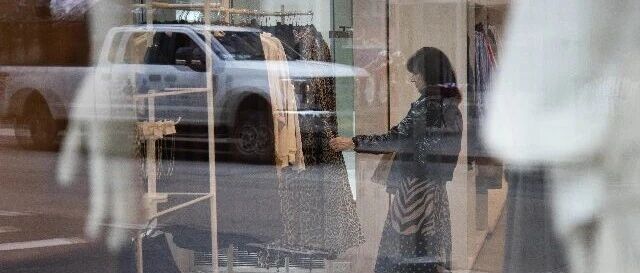
事出反常必有妖,百姓基本上都没钱了,九大反常现象还是出现了!
Sou Hu Cai Jing· 2025-12-10 07:26
Group 1: Economic Trends - The phenomenon of "revenge saving" is emerging in China, with consumers prioritizing savings over spending due to economic uncertainties [1][11] - In Q2 2025, household deposits exceeded 128 trillion yuan, a year-on-year increase of 12.3%, indicating a shift in consumer behavior towards saving [3] - Retail sales growth remains stagnant at around 4%, significantly below the initial forecast of 5.5%, reflecting cautious consumer sentiment [3] Group 2: Real Estate Market - Despite lower down payment ratios and historically low mortgage rates, the sales area of commercial housing in China decreased by 8.3% in the first half of 2025, with sales revenue dropping by 12.6% [3] - The phenomenon of "fear of debt" is prevalent, as individuals are hesitant to take on large loans despite favorable borrowing conditions [3] - Population migration trends show a net outflow of 172,000 people from first-tier cities, while second and third-tier cities see a net inflow of 268,000, indicating shifting urban dynamics [3] Group 3: Consumer Behavior - There is a stark divide in the consumer market, with luxury brands like LV and Chanel experiencing double-digit sales declines, while sales of micro electric vehicles surged by 43.7% [5] - Young consumers are increasingly opting for practical purchases over brand-name products, reflecting a significant shift in consumption attitudes [5] - The rise of online shopping and community-based retail models is reshaping traditional retail landscapes, leading to increased foot traffic in online platforms while physical stores struggle [5] Group 4: Employment Market - The unemployment rate for individuals aged 25-35 is at 6.7%, with youth unemployment exceeding 20%, highlighting structural issues in the job market [7] - Many young people are shifting career paths towards flexible employment or self-media, indicating a response to changing job market demands [7] - The decline in marriage and birth rates is attributed to high living costs, with young couples facing significant financial burdens [7] Group 5: Economic Structure and Policy Responses - The growth in sectors like renewable energy and semiconductors is not sufficient to offset declines in real estate and traditional manufacturing [9] - There is a 30% mismatch between the skills of graduates and the needs of employers, exacerbating employment challenges [9] - Policy measures, including increased minimum wage standards and financial support for families, are being implemented to address these economic challenges [9]

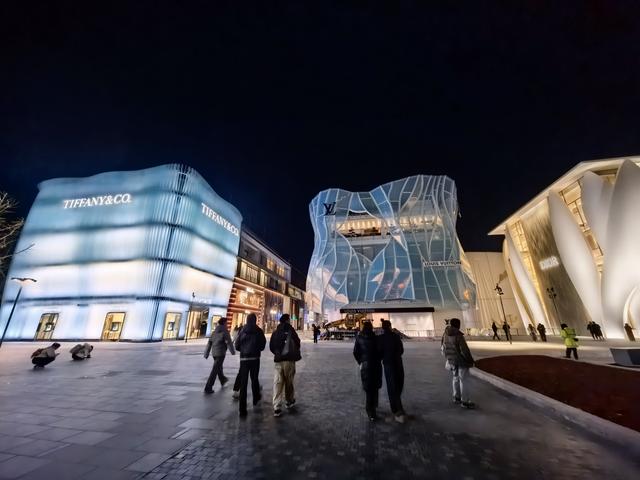
三里屯太古里焕新再立时尚潮头
Bei Jing Wan Bao· 2025-12-10 06:48
Group 1 - The core idea of the news is the revitalization of Sanlitun Taikooli in Beijing, featuring the opening of new flagship stores for global luxury brands and the introduction of artistic sculptures, enhancing the area's fashion and cultural appeal [1][2][3] Group 2 - The newly opened flagship stores include Dior, Louis Vuitton, and Tiffany, each designed by renowned architects, showcasing unique architectural styles that blend art and retail [1][2] - The Tiffany flagship store features a two-level layout, with the first floor dedicated to classic pieces and the second floor themed around love, including a section dedicated to Audrey Hepburn [2] - Upcoming openings include the Beijing Dior House, which will feature a Michelin-starred restaurant, and the Beijing Louis Vuitton House, which will have a café, marking the brand's third restaurant in China [2] - Additional lifestyle brands are also entering the Sanlitun Taikooli area, including FENG FULL, Sanqingtan, Kurasu, and OROR by Fine, enhancing the diversity of offerings [2] - The area also features artistic sculptures designed by international artist Jaime Hayon, inspired by Eastern aesthetics, inviting visitors to explore the open space [3]
中产消费观变化,奢侈品牌收缩战线,高端商场变局已至
Di Yi Cai Jing· 2025-12-10 03:21
Core Insights - The luxury brand industry is experiencing significant sales pressure, leading to a shift in marketing strategies and customer engagement approaches [2][12][21] - The consumer behavior of the middle class is changing, with a noticeable decline in luxury purchases and a preference for value-driven options [4][12][19] - Despite the decline in sales, luxury brands are increasing their event invitations to attract customers, indicating a shift in marketing tactics [5][6][12] Industry Trends - Luxury brands are facing double-digit declines in performance, with LVMH and Kering reporting significant drops in revenue and profit [2][12] - The market for personal luxury goods is expected to stabilize by 2025, with growth primarily supported by ultra-high-net-worth individuals, while middle-class consumers are pulling back [4][12][21] - There is a notable trend of luxury brands closing underperforming stores while focusing on flagship locations in major cities [2][14][16] Consumer Behavior - Middle-class consumers are increasingly seeking cost-effective options, often opting for overseas purchases due to favorable exchange rates [4][12] - The frequency of luxury purchases among middle-class consumers has decreased, with many now attending brand events more for the experience than for purchasing [3][5][6] - Consumers are shifting from buying products to seeking unique experiences, prompting luxury brands to adapt their offerings [19][21] Marketing Strategies - Luxury brands are hosting more events and activities to engage customers, despite the high costs associated with these initiatives [5][6][7] - Retailers are enhancing customer experiences through exclusive services and promotions to retain clientele and boost sales [9][11][19] - The focus is shifting towards providing emotional and experiential value rather than just product sales, with brands exploring new categories like high-end outdoor and dining experiences [19][21] Real Estate and Development - Developers are adjusting their strategies, prioritizing cash flow over brand prestige, leading to a more pragmatic approach in leasing spaces [17][19] - The number of new luxury store openings has decreased significantly, with a 38% drop in new stores in non-first-tier cities [13][14] - There is a trend of luxury brands concentrating their efforts in high-potential urban areas and airports to maximize customer reach [15][21]
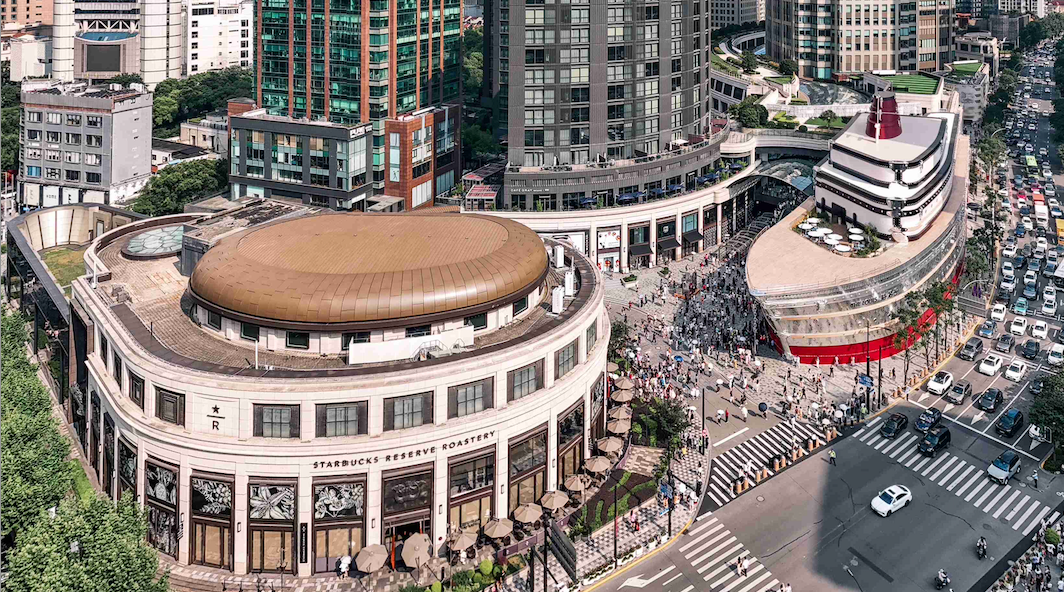
中国经济保持稳健向好,开放合作创造增量空间,“1+10”对话共谋全球发展
Huan Qiu Shi Bao· 2025-12-09 23:34
Core Insights - The "1+10" dialogue held by Premier Li Qiang aims to foster global governance and development through open cooperation, emphasizing China's role in providing solutions to global challenges [1][3][4] - China's trade data shows significant growth in imports and exports, highlighting its position as a major player in the global market and the opportunities it presents for other countries [1][7][8] Group 1: Global Governance and Cooperation - The "1+10" dialogue is an important high-level communication mechanism between the Chinese government and major international economic organizations, aimed at enhancing global economic governance [3][5] - Open cooperation is identified as a key entry point for addressing global economic challenges and maintaining stable supply chains, with a focus on innovation and mutual market access [3][4] Group 2: Economic Performance and Trade - China's total goods trade value reached 41.21 trillion yuan in the first 11 months of the year, with a year-on-year growth of 3.6%, indicating a recovery in trade activities [7] - The country has achieved "double growth" in exports and imports with over 110 countries and regions, reflecting its expanding global trade relationships [7][8] - The establishment of 54,000 new foreign-invested enterprises in China this year, a 14.7% increase, underscores the country's attractiveness as a destination for foreign investment [9] Group 3: Future Economic Outlook - Economic forecasts suggest that China will continue to play a crucial role in global economic growth, with GDP growth predictions for 2026 and 2027 being revised upwards by Goldman Sachs [9] - The emphasis on domestic demand and consumption in upcoming economic policies indicates a strategic shift towards sustaining economic momentum and ensuring a strong start to the 14th Five-Year Plan [6][9]
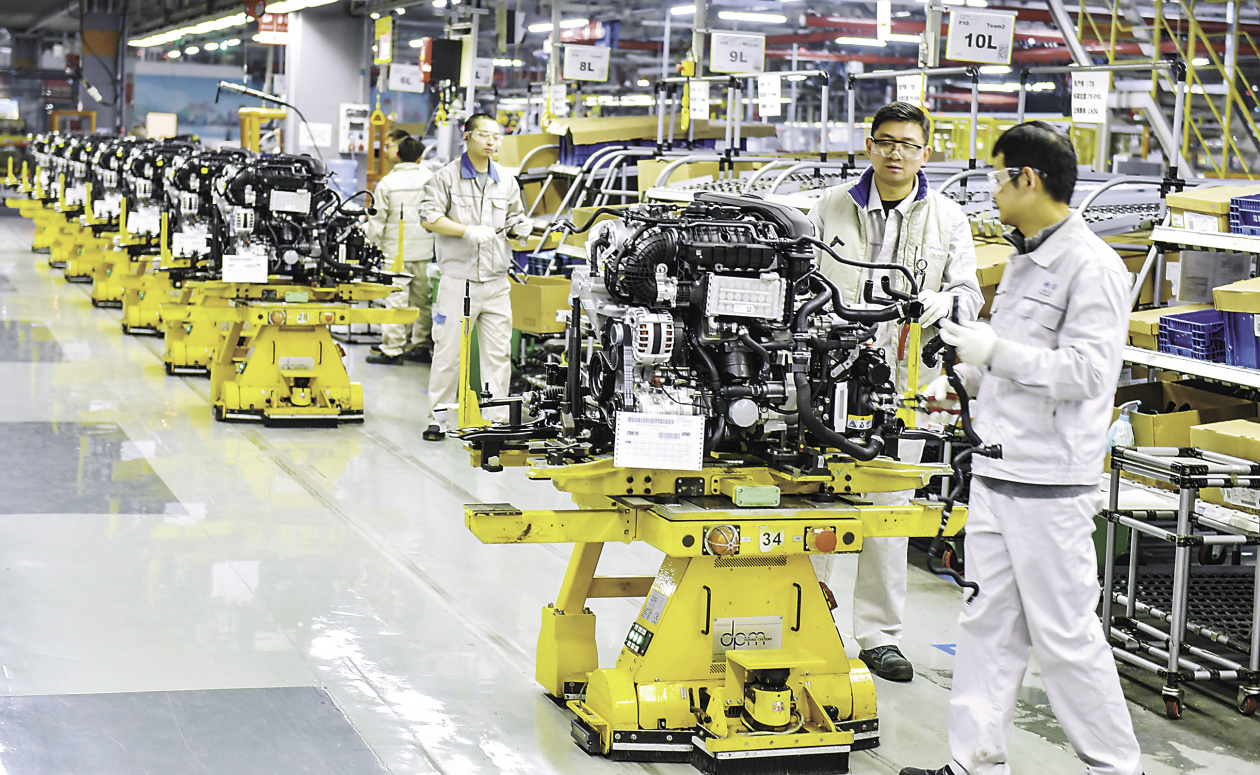
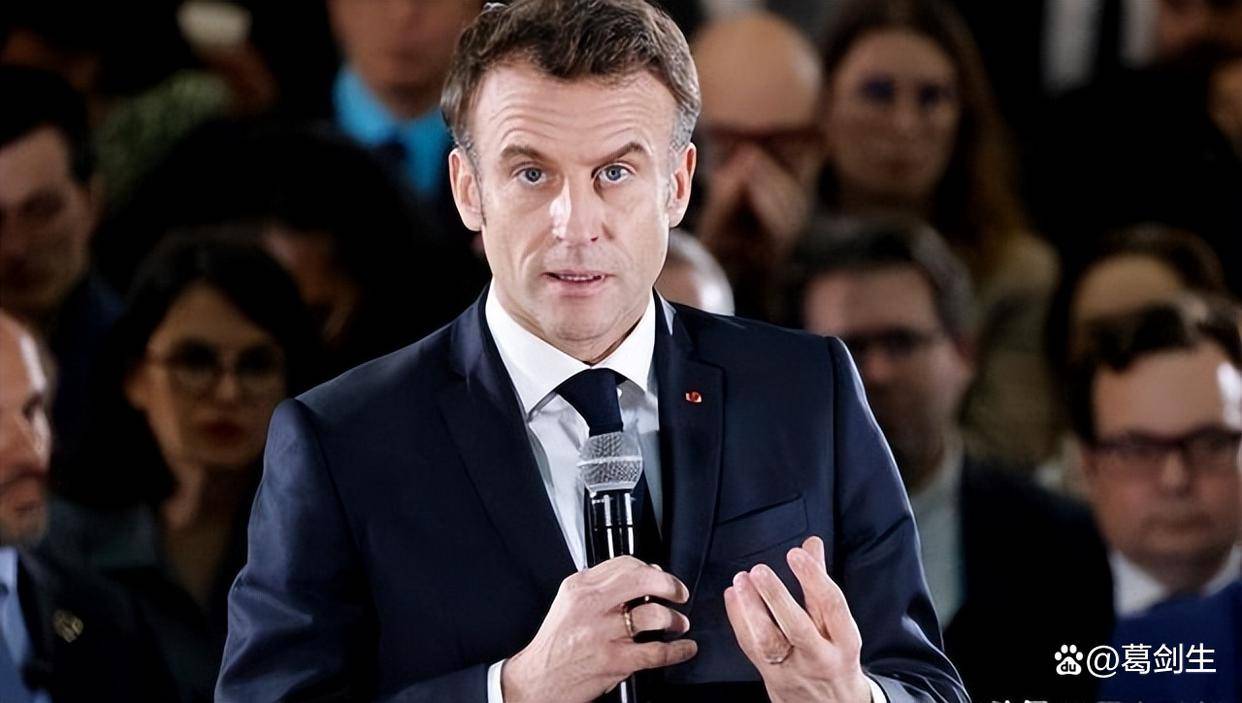
结束访华才2天,马克龙就变脸了,要是中国不进口欧洲东西,或对华加税
Sou Hu Cai Jing· 2025-12-09 21:29
中欧贸易格局在全球经济复苏进程中显现出显著不平衡,欧盟对华逆差持续扩大,主要源于双方产业分工差异和出口结构调整。 中国制造业通过技术升级和供应链优化,提升了产品竞争力,如电动汽车和高端装备出口增速明显,而欧盟出口以传统优势领域为主,受内部管制影响,高 科技产品对华输出受限。 这种局面反映出欧洲经济体内部协调难题,法国作为欧盟重要成员,其对华贸易逆差已达数百亿欧元规模,凸显需通过对话寻求互惠路径。 马克龙访华后迅速转变立场,强调如果中国不增加从欧洲进口商品,欧盟可能征收关税,这暴露了法国对贸易失衡的焦虑。 欧盟内部对华政策分歧明显,德国作为对华贸易额最大的成员国,依赖中国市场深度投资,尤其在汽车和化工领域,通过本地化生产规避部分壁垒,与法国 单一出口模式形成对比。 德国企业在中国投资存量远超法国,这推动了技术转移和就业创造,贸易额突破2000亿美元,显示互利合作的可行性。 马克龙呼吁中国反向投资欧洲,类似于25年前欧洲对华投资模式,但当前中国企业在欧洲已设立多家工厂,涵盖新能源和制造业,投资规模逐年扩大,这种 双向流动有助于平衡逆差,却被法国视为威胁。 欧盟此前对中国电动汽车的反补贴调查虽征收关税,但中国出口仍 ...
2025年中国奢侈品行业市场研究报告
硕远咨询· 2025-12-09 14:07
Investment Rating - The report rates the luxury goods industry as a strong growth sector, with a positive outlook for the coming years, particularly in the Chinese market [18][19]. Core Insights - The luxury goods market in China is expected to surpass 1 trillion RMB by 2025, driven by economic growth, consumer upgrades, and the rise of digital channels [18][19]. - The market is characterized by a diverse segmentation, with fashion apparel, jewelry, and watches being the largest categories, reflecting varied consumer preferences and spending behaviors [21][30]. - The influence of younger generations, particularly Gen Z and Millennials, is reshaping consumption patterns, emphasizing personalization and brand storytelling [34][36]. Market Overview - The luxury goods industry is defined by high-quality, unique products that serve as status symbols, encompassing a wide range of categories from fashion to luxury travel [4][5]. - The market has evolved from reliance on overseas purchasing to a robust domestic consumption model, supported by government policies and improved retail environments [12][14]. Market Size and Growth Trends - The luxury market is projected to grow at an annual rate of 8% to 10% from 2024 to 2025, indicating strong potential for expansion [19]. - Fashion apparel holds approximately 40% of the market share, followed by jewelry and watches at 25% and 15%, respectively [21][30]. - Online sales are expected to account for 35% to 40% of the market by 2025, driven by e-commerce and live-streaming sales [24][26]. Consumer Structure Analysis - The primary consumer demographic is aged 25 to 40, with a notable shift towards younger consumers who prioritize brand culture and personal expression [30][31]. - Female consumers dominate the luxury market, particularly in fashion and beauty sectors, while male consumers focus on watches and high-end automobiles [32][33]. Emerging Growth Drivers - The digital transformation and social media influence are significantly altering marketing and sales strategies within the luxury sector, enhancing brand engagement and consumer loyalty [37][38]. - The trend of overseas shopping is shifting back to domestic markets, as consumers prefer local flagship stores and e-commerce platforms for luxury purchases [39][40]. Competitive Landscape - The luxury market is highly concentrated, primarily led by international brands like Louis Vuitton and Chanel, which maintain strong market positions through brand loyalty and premium pricing [42][43]. - Local brands are gaining traction by integrating cultural elements into their designs and targeting younger consumers, contributing to market diversification [43][48].
三里屯焕新!国际品牌独栋旗舰店亮相
Bei Jing Ri Bao Ke Hu Duan· 2025-12-09 13:07
Group 1 - The core viewpoint of the article highlights the revitalization of Sanlitun Taikoo Li in Beijing, showcasing new flagship stores of global luxury brands and artistic sculptures that enhance the shopping experience [1][3]. - The newly opened standalone flagship stores include Dior, Louis Vuitton, and Tiffany, featuring unique architectural designs that contribute to the artistic atmosphere of the commercial area [3][5]. - The architectural designs are created by renowned architects, with Dior's store designed by Christian de Portzamparc, Louis Vuitton's by Jun Aoki, and Tiffany's by MVRDV in collaboration with Peter Marino [3][5]. Group 2 - The Tiffany flagship store features a two-level layout, with the first floor dedicated to classic pieces and the second floor showcasing an art space themed around love, including a section dedicated to Audrey Hepburn [5]. - Upcoming openings include the Beijing Dior House, which will feature a Michelin-starred restaurant, and the Beijing Louis Vuitton House, which will have a Louis Vuitton Café, marking the brand's third restaurant in China [5]. - The North District of Sanlitun Taikoo Li will also see the introduction of lifestyle brands, including FENG FULL, Sanqingtan, Kurasu, and OROR by Fine, while the South District will welcome Korean brands Ader Error and Tamburins [5][7]. Group 3 - International artist Jaime Hayon has designed an art sculpture titled "Travel Angel," inspired by Eastern aesthetics, which will be installed throughout the street, inviting visitors to explore the open space [7].
首店、旗舰店加速入市 品质服务驱动北京商业蝶变
Bei Jing Shang Bao· 2025-12-09 12:52
Core Viewpoint - The retail industry is positioned as a key focus for cultivating a complete domestic demand system and strengthening the domestic circulation during the "14th Five-Year Plan" period, aiming for high-quality development driven by quality and service [1] Group 1: Industry Trends - Beijing's commercial market is entering a new phase with established malls accelerating brand upgrades and new projects introducing engaging activities and interactive services [1] - High-end brands are shifting from mere sales to service experience consumption, driven by younger consumer demographics, particularly those born in the 1990s and 2000s [3][4] - The "first store economy" is becoming an accelerator for commercial upgrades in Beijing, with over 960 new first stores added in the first 11 months of 2025, enhancing service experiences through innovative scenarios [5] Group 2: Consumer Behavior - The demand for experiential services is increasing among younger consumers, leading to a transformation in the consumption market from product purchasing to service experience [3] - Community commercial spaces are also upgrading through brand renewal and service enhancements, filling gaps in quality consumption in specific regions [6] Group 3: Government and Policy - The government emphasizes the need for further improvement in retail network layout, supply-demand adaptation, and online-offline balance, advocating for integrity in operations and high-quality goods and services [6] - The retail sector has made significant contributions to promoting consumption and investment since the "14th Five-Year Plan," with projected growth in national retail sales of consumer goods by 3.5% in 2024 [7]
