
连锁餐饮

Search documents
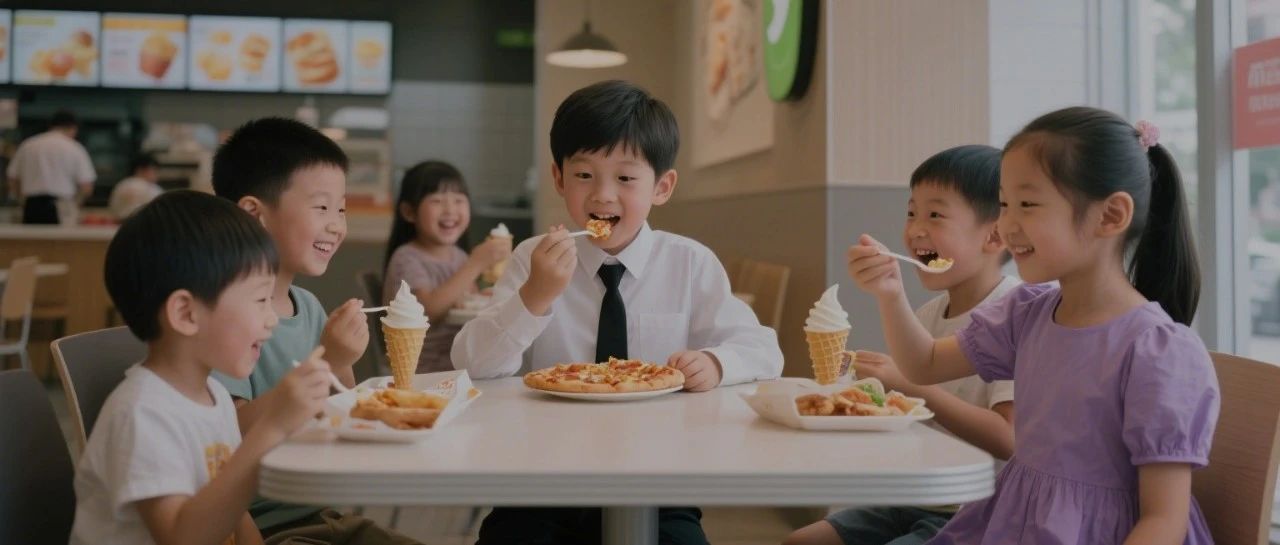
广东人最捧场的萨利亚,又偷偷涨价了
创业邦· 2025-07-19 10:20
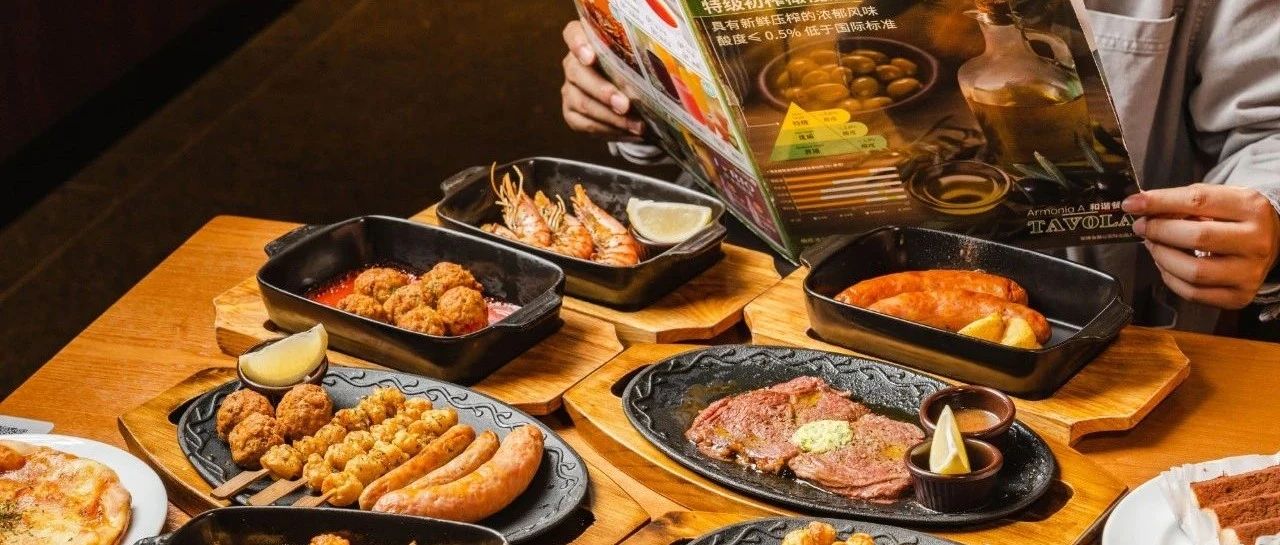
Core Viewpoint - SAIZERIYA, a Japanese Italian restaurant chain, is significantly increasing its investment in the Chinese market, establishing new subsidiaries and expanding its presence in various cities, particularly in Central China [4][5][6]. Group 1: Company Expansion - SAIZERIYA announced the establishment of a wholly-owned subsidiary in Wuhan with a registered capital of 3 billion yen (approximately 147 million yuan) to manage its restaurants in the city [4]. - The company is also setting up a new parent company in China, with a registered capital of about 300 million yen (approximately 15 million yuan), aimed at managing all SAIZERIYA outlets in China [4]. - As of now, SAIZERIYA has nearly 500 stores in China, with a significant concentration in Guangdong, where the Guangzhou branch manages 222 restaurants [6][8]. Group 2: Financial Performance - For the fiscal year 2025, SAIZERIYA reported a sales revenue of 188.34 billion yen (approximately 9.09 billion yuan), a year-on-year increase of 15.4%, with a net profit of 7.78 billion yen (approximately 376 million yuan), up 50.4% [9]. - The Asian segment, primarily driven by the Chinese market, generated sales of 63.06 billion yen (approximately 3.05 billion yuan), reflecting a 10.5% increase and accounting for over 30% of SAIZERIYA's total revenue [9]. Group 3: Market Strategy - SAIZERIYA is aggressively expanding into lower-tier cities, having opened its first stores in places like Zhaoqing and Jiangyin this year, and aims to penetrate the Central China market with the new Wuhan subsidiary [13]. - The company plans to invest approximately 30 million USD (about 215 million yuan) in a new factory in Guangzhou to support its expansion, with the goal of increasing its store count to 1,000 in China [15]. - Despite the expansion, SAIZERIYA has faced challenges in profitability, with a 5.4% decline in operating profit for the Asian segment, indicating that the push for growth may be impacting margins [15]. Group 4: Pricing Strategy - SAIZERIYA has begun to increase menu prices after previously stating it would not do so, with price hikes of 1-2 yuan on various dishes due to rising raw material costs [16]. - Specific price increases include the garlic chicken bacon cheese baked rice, which rose from 18 yuan to 19 yuan, and the truffle chicken cheese baked rice, which increased from 20 yuan to 21 yuan [16].

美团将开超1万家外卖卫星店;KKR公司收购大窑汽水相关交易获批
Sou Hu Cai Jing· 2025-07-17 00:28
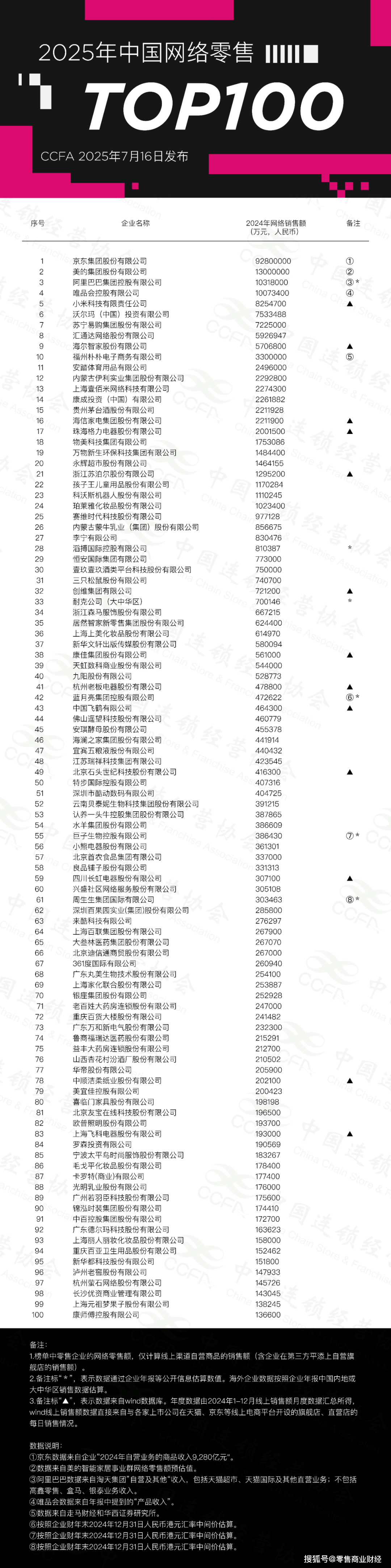
Group 1 - The core viewpoint of the article highlights the release of the "2025 China Online Retail TOP 100" list, with JD.com ranking first with a network sales amount of 928 billion yuan, marking a year-on-year growth of 13.6% in total online sales for the listed companies [1][2][3] - The total online sales of the top 100 companies reached 2.17 trillion yuan, with 63 consumer goods companies, 24 physical retail companies, and 13 e-commerce companies contributing to the trillion-level market [1] - Four companies, including JD.com, Midea, Alibaba, and Vipshop, are part of the "billion-dollar club," while 20 companies are in the "hundred-million camp," forming the backbone of the market [1][2] Group 2 - The announcement from Guoquan indicates an expected net profit of approximately 180 million to 210 million yuan for the first half of 2025, representing a year-on-year increase of about 111% to 146% [7] - KKR's acquisition of Dayao Soda has been approved, with KKR set to acquire 85% of the shares, aligning with previous media reports [8] - Meituan plans to open over 10,000 satellite stores by the end of this year, having already established over 5,500 stores in collaboration with more than 800 major restaurant brands [13]





锅圈(02517):1H25同店增长亮眼,盈利能力快速提升
HTSC· 2025-07-16 01:50
Investment Rating - The report maintains a "Buy" rating for the company with a target price of HKD 4.30 [1][2][10] Core Insights - The company is expected to achieve a net profit of HKD 180-210 million for the first half of 2025, representing a year-on-year increase of 111-146% [1][6] - The significant profit growth is attributed to improved supply chain efficiency and effective pricing strategies, which have enhanced store performance and accelerated store expansion [6][7] - The company aims to open 1,000 new stores in 2025, supported by a successful new store signing process [7][9] Financial Performance and Projections - Revenue projections for the company are as follows: - 2025E: RMB 7,246 million (up 12% from 2024) - 2026E: RMB 8,355 million (up 15.3% from 2025) - 2027E: RMB 9,608 million (up 15% from 2026) [5][10] - The net profit attributable to the parent company is projected to be: - 2025E: RMB 398.41 million (up 72.8% from 2024) - 2026E: RMB 517.09 million (up 29.79% from 2025) - 2027E: RMB 661.81 million (up 27.99% from 2026) [5][10] - The report anticipates an increase in the company's core operating profit margin, expected to exceed 1 percentage point compared to the same period last year [8][10] Strategic Initiatives - The company is focused on a "community central kitchen" strategy, expanding its product offerings to include home-cooked meals and various dining solutions [9][10] - The introduction of high-value meal packages and the enhancement of store operations through self-sourcing and cost efficiencies are key components of the growth strategy [6][9] - The company is also leveraging its supply chain advantages to create high-cost performance products and enhance customer engagement through innovative retail formats [9][10]
大消费行业观察:头部茶饮品牌迎外卖红利;政策助力家电文旅升级
Sou Hu Cai Jing· 2025-07-14 04:35
Group 1: Trends in the Consumer Sector - The consumer sector is experiencing two major trends: a "subsidy war" among leading food delivery platforms significantly activating the instant retail market, with tea and chain dining brands being the biggest beneficiaries [1] - The subsidy strategies of major platforms like Meituan, Taobao Flash, and JD are differentiated, with Meituan focusing on high-frequency consumption scenarios, Taobao Flash covering all categories with a 50 billion subsidy, and JD targeting high-ticket quality dining [1][2] - Leading brands are capturing traffic benefits, while small and medium-sized businesses face profit pressure due to cost-sharing from platform subsidies and increased operational expenses [1] Group 2: Sustainability of Subsidies and Future Competition - The sustainability of subsidies is questioned, as current strategies rely on short-term platform investments, and long-term user loyalty cannot be built solely on low prices [2] - Experts suggest that the ultimate value of instant retail lies in local resource integration and ecosystem building, emphasizing the need for improved service quality over price competition [2] Group 3: Policy Impact on Home Appliances and Tourism - Beijing's new consumption policy focuses on expanding the "old for new" subsidy for home appliances and digital products, promoting smart and green upgrades [3] - The policy is expected to enhance consumer willingness to replace old appliances, driving technological investment and optimizing product structures in the industry [3] Group 4: Expansion of Cultural and Tourism Consumption - The policy aims to optimize cultural and tourism experiences, promoting themed tourism and rural tourism projects to stimulate consumer demand [4] - The sports sector is set to cultivate a premium event system, with the event economy expected to generate additional market opportunities through ticket sales and related services [4] Group 5: Long-term Development of the Industry - The optimization of the consumption environment through enhanced market regulation and consumer protection is expected to boost consumer confidence and support long-term industry growth [5] - The upgrades in the home appliance and tourism sectors are likely to give rise to new business models, such as "home appliances + smart home ecosystems" and "tourism + digital experiences" [5]
美国专注连锁加盟的基金GSP深度访谈:品牌与门店的定价、投资、整合和退出
IPO早知道· 2025-07-12 02:25
Core Viewpoint - The article highlights the growing global competitiveness of Chinese franchise brands, with notable successes in both domestic and overseas markets, exemplified by Luckin Coffee's expansion into the U.S. market [2][3]. Group 1: Investment Strategies and Performance - Garnett Station Partners (GSP) has achieved a compound annual return of 33% since its inception in 2014, focusing on the trillion-dollar franchise and consumer services sector [3][4]. - GSP employs a strategy of acquiring small franchise stores at 3-6 times EBITDA, improving operations, and then selling them at 6-7 times EBITDA to private equity firms [3][4]. - GSP's investments have shown that average revenue per store is at the industry's top tier, with a minimum profit margin of 20% and a payback period for new stores not exceeding three years [3][4]. Group 2: Profitability Paths - GSP identifies four key profitability paths for its investments: 1. Increasing same-store sales by 4-5% through technology and management [4]. 2. Optimizing the income statement by controlling costs, labor, and rent to improve profit margins by 2% [4]. 3. New store development and acquisitions with a 20-40% return on invested capital [4]. 4. Achieving valuation multiple expansion by creating diversified and specialized enterprises [4]. Group 3: Franchise Business Model Insights - The franchise business model is characterized by a three-party dynamic involving buyers, sellers, and brand owners, which allows for win-win scenarios with minimal economic loss for brand owners [22]. - The average EBITDA margin for franchise stores is around 15-20%, with brand fees reducing net profit margins to single digits [15]. - GSP emphasizes the importance of scale in reducing risks associated with market fluctuations, such as changes in consumer traffic due to external factors [19][20]. Group 4: Market Trends and Future Outlook - The U.S. franchise market is substantial, with a market size exceeding one trillion dollars, and is expected to see significant value transfer from the baby boomer generation to new owners over the next 20 years [41]. - GSP aims to be the preferred partner for founders and entrepreneurs, helping them maximize enterprise value through strategic capital partnerships [41][42]. - The company focuses on industries with high fragmentation and organic growth potential, ensuring that their investments align with long-term market trends [39][40].

【IPO前哨】三家连锁餐企上市飘红,老乡鸡赴港胜算如何?
Sou Hu Cai Jing· 2025-07-08 07:31
Group 1 - Three chain restaurants have gone public in Hong Kong in 2023, with notable stock performance: Dashi Holdings (01405.HK) up 116.74%, Xiaocaiyuan (00999.HK) up 25.65%, and Green Tea Group (06831.HK) up 31.57% since their IPOs [2][3] - Dashi Holdings, the operator of Domino's Pizza in Greater China, has seen its stock price rise from an IPO price of 46.00 HKD to 99.70 HKD [2][3] - Xiaocaiyuan and Green Tea Group also reported positive stock performance since their IPOs, with current prices of 10.68 HKD and 9.46 HKD respectively [2][3] Group 2 - Laoxiangji, a chain restaurant based in Anhui, has submitted an application for an IPO in Hong Kong, aiming to replicate the success of other listed chain restaurants [2][3] - Established in 2003, Laoxiangji has expanded its network to 1,564 stores across 58 cities by April 2025, with a focus on a "direct + franchise" expansion model [4][5] - The number of franchise stores has outpaced self-operated stores, with a significant increase in franchise locations from 118 to 653 between the end of 2022 and April 2025 [5] Group 3 - Laoxiangji's supply chain is a key advantage, having established an integrated supply chain covering breeding, procurement, processing, storage, and logistics [7] - In 2024, Laoxiangji reported total revenue of 6.288 billion RMB and an adjusted net profit of 439 million RMB, resulting in a net profit margin of 6.99% [7][8] - Compared to other newly listed chain restaurants, Laoxiangji's same-store sales growth rate of 2.6% is slightly higher than Dashi Holdings' 2.5%, while Green Tea and Xiaocaiyuan reported negative growth [7][8] Group 4 - Laoxiangji faces challenges, including intense competition from food delivery platforms affecting both delivery and dine-in services [9] - The company has a high dependency on the East China market, with 86% of its stores located in this region, particularly in Anhui [9] - Financially, Laoxiangji has a current ratio of 0.74, indicating potential liquidity issues, with cash reserves of approximately 572 million RMB against significant payables [9] Group 5 - The company plans to use the funds raised from the IPO to enhance its supply chain, expand its store network, improve IT capabilities, and strengthen brand marketing [9][10] - However, the recent surge in IPO activities in Hong Kong raises questions about investor interest in Laoxiangji's prospects [10]
食饮吾见 | 一周消费大事件(6.23-6.27)
Cai Jing Wang· 2025-06-27 11:25
Group 1: Dairy Industry Insights - The domestic dairy industry is transitioning from liquid to solid products, with significant growth potential as per capita cheese consumption remains low [1] - The demand for high-quality protein and dairy fat is increasing, driven by health policies and weight management needs, reinforcing cheese's role as a natural nutritional carrier [1] - The penetration of cheese in B-end markets such as Western cuisine, tea, coffee, and baking is rising, which is expected to enhance C-end consumer awareness and demand for cheese [1] Group 2: Company Developments - Angel Yeast plans to invest approximately 502.25 million yuan in a new bio-manufacturing center, which will include a seven-story building and various advanced equipment [2] - Vitasoy International reported a 1% increase in revenue to 6.274 billion HKD for the fiscal year ending March 31, 2025, with a gross profit of 3.218 billion HKD, up 3% [3] - China Wangwang's total revenue for the fiscal year 2024 was 23.5107 billion yuan, with a slight decline of 0.3%, but a profit attributable to equity holders increased by 8.6% to 4.3356 billion yuan [5] Group 3: Market Activities - Anji Food's H-share public offering began on June 25, 2025, with a maximum issue price of 66 HKD per share, and the listing is expected on July 4, 2025 [4] - Tims China reported a 3.5% increase in system sales to 376.3 million yuan in Q1, with a total of 1,024 stores nationwide [7] - Starbucks China is evaluating the best ways to seize future growth opportunities while focusing on revitalizing its business in China [7]
读懂《萨莉亚经营术》做好餐饮营销|商业高研院
Sou Hu Cai Jing· 2025-06-26 09:14
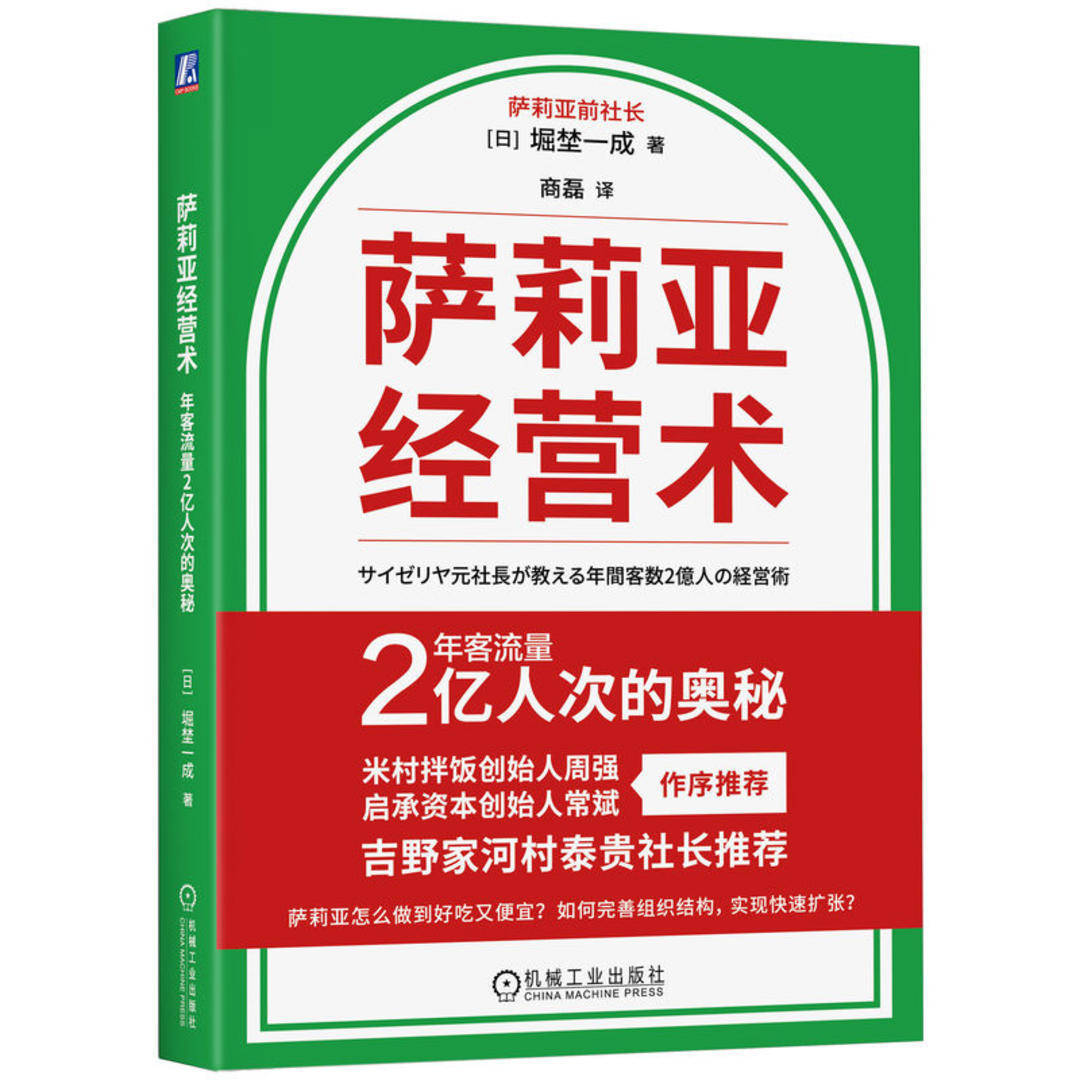
Core Insights - The article highlights the unique business model of Salvia, a chain restaurant that has over 1,500 locations in China and Japan, serving more than 200 million customers annually, without relying on celebrity endorsements or prime locations [2] - Salvia's success is attributed to its ability to offer quality Italian cuisine at an affordable price of 300 yen, achieving long-term profitability in the competitive Chinese restaurant industry [2] Group 1: Business Model and Strategy - Salvia's transformation from a founder-driven decision-making process to a systematic and replicable operational model under the leadership of its second general manager, Kazunari Hori, is emphasized [2] - The restaurant industry in China is facing oversupply and intense competition, necessitating a focus on customer experience and operational efficiency for long-term survival [2][3] Group 2: Key Lessons for the Industry - Continuous iteration and optimization of store operations are crucial for success [4] - Balancing cost reduction with maintaining food quality and customer experience is essential [4] - Deepening the supply chain is important for sustained industry growth [4] Group 3: Practical Insights - The essence of a successful chain is not just high sales but generating sufficient profit from stores with average sales [5] - The book provides practical experiences on establishing standardized processes, controlling costs during rapid expansion, enhancing customer experience, and driving teams through project-based initiatives rather than relying on star employees [6]
月薪三万都嫌贵的西贝,多少打工人是被逼着一个月连吃四次?
创业邦· 2025-06-20 10:16
Core Viewpoint - The article discusses the unique positioning of Xibei restaurant as a children's dining establishment, highlighting its appeal to families and the strategies it employs to attract young customers while maintaining a profitable business model [5][11][30]. Group 1: Target Audience and Market Positioning - Xibei's primary audience is identified as preschool children, with the restaurant's offerings being highly favored by this demographic [9][10]. - The restaurant has redefined its brand image from a traditional Northwest cuisine restaurant to a "family gathering restaurant," targeting families with children [74]. - Xibei's children's meals have seen a significant revenue increase of 415% from 2019 to 2022, indicating a successful market strategy [72]. Group 2: Pricing and Product Strategy - Xibei's pricing strategy includes high-priced children's meals, with average spending per customer reaching 98 yuan, despite complaints about the value [30][67]. - The restaurant has introduced a variety of children's meal options, with 11 special items developed specifically for this segment [74]. - The children's meals are marketed as "professional children's meals," emphasizing health and nutrition, although they are primarily pre-prepared [65][70]. Group 3: Customer Experience and Engagement - Xibei creates a child-friendly environment with activities such as balloon art, coloring books, and interactive dining experiences, enhancing the overall dining experience for families [39][46]. - The restaurant offers birthday party services and regular parent-child activities, further solidifying its role as a children's entertainment venue [55][54]. - Staff training includes skills beyond food service, such as magic and entertainment, contributing to a unique dining atmosphere that appeals to children [59][62]. Group 4: Competitive Landscape - The article notes that Xibei is not the only restaurant targeting children's meals, as other brands are also entering this market, indicating a growing trend in the industry [80][89]. - The demand for children's meals is characterized as a "scarce and necessary" business opportunity, with high expectations from parents regarding quality and safety [90][92]. - Xibei's approach to children's meals reflects a broader industry shift towards healthier, safer dining options for children, which is becoming increasingly important to parents [106].
杨铭宇黄焖鸡创始人卸任总经理;雷诺CEO梅奥将在卸任后执掌开云集团
Mei Ri Jing Ji Xin Wen· 2025-06-17 23:43
Group 1 - The "Duo Wei" sanitary napkin brand, owned by Huang Zitao, is facing consumer complaints regarding the presence of black foreign objects, which may impact consumer trust in product quality [1] - The incident could lead to increased scrutiny and tighter regulations in the sanitary napkin industry, prompting companies to enhance quality control to maintain market confidence [1] - Negative news like this may shift market focus towards quality control in the fast-moving consumer goods sector, influencing investors' long-term assessments of related companies [1] Group 2 - Yang Mingyu's founder, Yang Xiaolu, has stepped down from key management positions, indicating potential changes in the company's governance structure, which may affect management stability and market expectations for brand development [2] - This leadership change could prompt investors to evaluate the impact of management transitions on the operations of chain restaurants, particularly in the context of small to medium-sized enterprises [2] Group 3 - Wanda Film's Chairman and CEO, Chen Zhixi, emphasized the importance of diversifying revenue streams beyond box office earnings, aiming for a 40:60 ratio between box office and non-box office income [3] - The strategic shift towards non-box office revenue indicates a potential change in investor expectations regarding cinema business models and operational strategies [3] - This approach may encourage the cultural media sector to explore diverse income sources, influencing future profitability structures for related companies [3] Group 4 - Luca de Meo, CEO of Renault, is set to take over as CEO of Kering Group, reflecting the recognition of his cross-industry management experience within the luxury sector [4] - This transition may lead to shifts in investor expectations regarding Renault's future strategic direction, as well as increased market interest in talent mobility across industries [4][5] - The high-profile executive change could stimulate discussions on cross-industry management models, affecting investors' perceptions of strategic adaptability in related companies [5]

