
电商平台

Search documents
淘宝闪购新客双11电商订单数破亿
Di Yi Cai Jing· 2025-11-06 03:55
天猫双11数据显示,截至11月5日,淘宝闪购带来的新用户在双11期间的电商订单数已超过1亿。天猫双 11期间,淘宝闪购有19958个餐饮品牌、863个非餐品牌的成交额相比双11前增长超100%。 淘宝闪购带来的新用户在双11期间的电商订单数已超过1亿。 ...
抖音电商专项治理虚假发货 超4000商家遭清退或停业
Zheng Quan Shi Bao· 2025-11-05 18:27
Core Viewpoint - Douyin E-commerce has initiated strict measures against fraudulent shipping practices during the "Double 11" shopping festival, aiming to protect consumer rights and maintain platform integrity [1][2]. Group 1: Actions Taken by Douyin E-commerce - Douyin E-commerce has identified and penalized 13,000 merchants for violations since September, with 4,200 merchants either being expelled or undergoing business rectification [1]. - The platform has also targeted logistics service providers involved in fraudulent activities, resulting in the expulsion of companies like Zhongtong Cold Chain and Jishida [1][2]. Group 2: Industry Context and Reactions - The issue of false shipping practices is widespread, with over 281,000 complaints related to "false shipping" recorded on the "Black Cat Complaint" platform, highlighting the prevalence of problems such as "showing shipment without logistics updates" and "empty package delivery" [2]. - Experts suggest that the platform's role as a "gatekeeper" is crucial in enhancing compliance costs for merchants, which may lead to a healthier e-commerce ecosystem in the long run [2][3]. Group 3: Challenges and Recommendations - The persistence of fraudulent shipping is attributed to weak compliance awareness among small merchants and loopholes in end-point supervision by logistics providers [3]. - Recommendations for improvement include real-time verification of logistics data, AI models to predict high-risk merchants, and incentives for compliant merchants to enhance service quality [3].
洪涛谈新电商:拼多多创新路径引领,七大策略助力高质量发展
Sou Hu Cai Jing· 2025-11-05 08:08
Core Insights - The seminar on "New Decade, New Engine - High-Quality Development of New E-commerce" highlighted the evolution of China's e-commerce over 34 years, identifying five stages: introduction, interruption, growth, development, and prosperity, with the current phase characterized by "multiple strengths coexisting" [1] - Pinduoduo is presented as a key example of digital e-commerce innovation, showcasing its strategic evolution through various initiatives such as the group buying model, agricultural supply chain reconstruction, and user engagement through virtual farming games [1][3] Group 1 - The seven pathways for new e-commerce platforms to achieve high-quality development include building differentiated operational models and transforming competitors into partners to create a collaborative ecosystem [3] - Emphasis is placed on a "chain development" model that fosters equal partnerships among e-commerce platforms, merchants, consumers, logistics providers, and financial service providers for sustainable industry growth [3] - A new cultural system for e-commerce is proposed, incorporating product culture, marketing culture, brand culture, environmental culture, and ethical culture, aiming to integrate e-commerce with the real economy to enhance economic vitality [3][4] Group 2 - In the context of rural e-commerce modernization, it is suggested that e-commerce platforms align with national strategies, particularly in the modernization of the circulation industry, which is foundational to the national economy [3] - The transformation of mobile technology, live streaming, and digital tools into "new farming tools," "new farming practices," and "new agricultural resources" is advocated to empower farmers and drive rural e-commerce upgrades [3] - The multi-dimensional nature of new e-commerce cultural construction is emphasized, with a focus on how digital technology is reshaping rural production and lifestyle, contributing to urban-rural integration and common prosperity [4]



抖音电商专项治理虚假发货 超四千商家被清退或停业
Zheng Quan Shi Bao Wang· 2025-11-05 03:23
Core Insights - Douyin E-commerce has made significant progress in its special governance initiative against false shipping practices since its launch in September [1][2] - The platform has identified and penalized numerous merchants engaging in fraudulent shipping methods, which disrupt consumer rights and platform operations [1][2] Group 1: Governance Measures - Douyin E-commerce has implemented strict penalties for merchants involved in false shipping, including stopping settlements, business suspensions, and expulsions [1] - Since the initiative began, the platform has dealt with 13,000 violating merchants, with 4,200 either expelled or suspended [1] - The platform has exposed several typical cases of fraud, including merchants sending incorrect items or empty packages to consumers [1] Group 2: Ongoing Violations - Some merchants have attempted to evade shipping deadlines by using bulk false shipping clicks, later canceling shipments and recalling packages [2] - Other violators have engaged in false collection practices with logistics companies, resulting in unupdated shipping statuses [2] - The platform has restricted transactions and frozen funds for these merchants to maintain compliance [2] Group 3: Consumer Protection - For fraudulent shipping orders, Douyin E-commerce will impose a penalty of 30% of the actual payment amount to compensate consumers, with a minimum of 10 yuan and a maximum of 100 yuan per order [2] - The platform emphasizes the importance of compliance among merchants to ensure a safe and high-quality shopping experience for consumers [2]
Shopify(SHOP.US)三季度MRR不及预期 但预计假日季销售强劲
智通财经网· 2025-11-04 14:07
智通财经APP获悉,周二,Shopify(SHOP.US)公布了超预期的第三季度业绩与强劲的第四季度营收指 引。Shopify 第三季度营收增长至 32%,达到 28.4 亿美元,超过了20%至 25%的指引。据FactSet数据, 该公司的营收也超过了27.6 亿美元的华尔街预期。 在本季度(包括重要的假日购物季),Shopify 预计营收将增长约 24%至 29%,FactSet 调查的分析师预期 增长 22.6%。预计毛利润将以低至中等的21%至26%的比率增长,运营费用预计在 30%至 31%之间,股 票激励费用为 1.3 亿美元。 尽管市场一直都在为消费者的消费减少做准备,但 Shopify 的表现却表明,其商户在借助新的人工智能 和企业工具的支持下,展现出了强大的韧性,即便在零售业形势不稳定的情况下,也推动了平台的增 长。这对于构成 Shopify 客户群体中很大一部分的中小型企业来说尤其有益,因为它们可以通过借助人 工智能来完成诸如设置折扣或生成销售报告等任务来节省成本。 Shopify 继续保持了迅猛的增长态势,其平台上的商家数量不断增加,商品销售量也大幅上升。该电商 公司在 8 月份曾表示, ...

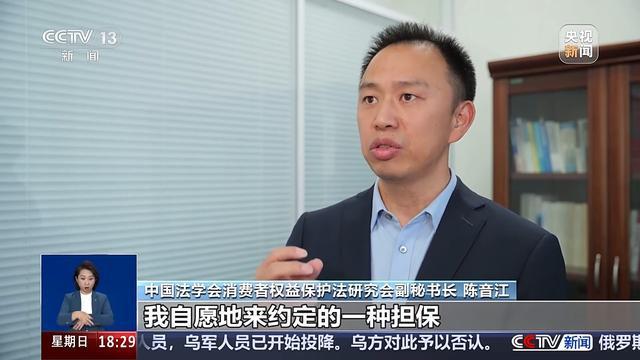
电商购物节“定金”和“订金”分不清?小心吃大亏
Huan Qiu Wang Zi Xun· 2025-11-04 09:24
Core Points - The article discusses the confusion among consumers regarding the refundability of "deposit" (定金) versus "advance payment" (订金) in online shopping, particularly during promotional events like "Double 11" [1][3] - It highlights the legal implications of these terms as defined by the Civil Code of the People's Republic of China, emphasizing that deposits are non-refundable under certain conditions, while advance payments can be refunded [1][3] Legal Definitions - The term "deposit" (定金) is a legal term that serves as a guarantee for a contract, meaning if the payer fails to fulfill their obligations, they cannot request a refund [3] - In contrast, "advance payment" (订金) is a customary term that allows both parties to request a refund if the contract does not proceed [3] Consumer Complaints - There has been a notable increase in complaints regarding non-refundable deposits during the pre-sale phase, with many consumers unaware of the legal distinctions [1][5] - Common issues also include promotional discrepancies such as "disappearing discounts" and "lack of after-sales service for gifts," which have become frequent sources of consumer complaints [6] Consumer Rights and Protections - The article references the Consumer Protection Law, which mandates that businesses ensure the quality and performance of both purchased and promotional items [8][9] - It emphasizes that gifts, despite being free, should meet the same quality standards as purchased items, and businesses cannot refuse returns based on the gift status [9] Evidence Collection for Consumer Rights - To effectively protect their rights, consumers are advised to retain four types of evidence: screenshots of product listings, payment receipts, communication records with sellers, and photos or videos of received products [10][11] - Consumers should also seek assistance from platforms to obtain necessary evidence if direct contact with sellers is challenging [13] Choosing Reputable Sellers - The article suggests that consumers should check for business licenses and contact information when selecting sellers on shopping platforms to minimize the risk of disputes [15]
海外双11前,多家亚马逊头部品牌大幅拉升速卖通备货
Xin Lang Ke Ji· 2025-11-04 04:59
Group 1 - Multiple leading brands on Amazon have doubled their inventory for AliExpress ahead of the overseas Double 11 shopping festival, including top brands in five major categories [1] - ROCKBROS, a leading cycling brand, has significantly increased its inventory for AliExpress, doubling the stock reserved for this year's Double 11 and Black Friday [1] - Alpicool, a leading brand for car refrigerators, has tripled its inventory for AliExpress ahead of Double 11, with sales on the platform exceeding 10,000 units since 2025 [1] - ILIFE, a prominent brand for robotic and floor cleaning machines, has increased its inventory for AliExpress to over 80,000 units, more than double last year's stock [1] Group 2 - In September, AliExpress launched the "Super Brand Going Global Plan" and introduced the "Brand+" channel, allowing brands to achieve new growth at half the cost compared to Amazon, attracting mid-to-high-end brands to invest more [2] - Since the launch of the "Super Brand Going Global Plan," several brands with annual sales exceeding one million dollars have reported higher sales on AliExpress than on Amazon [2]
供应链电商平台与传统电商平台的深度对比:数商云的创新实践与行业启示
Sou Hu Cai Jing· 2025-11-04 04:03
Core Insights - The article discusses the transformation of e-commerce platforms in the digital economy, highlighting the shift from traditional transaction-based models to supply chain e-commerce platforms that integrate the entire supply chain [2][9] - It emphasizes the innovative practices of Shushangyun as a benchmark in the industrial internet sector, showcasing how supply chain e-commerce can reshape industry ecosystems [2][9] Group 1: Definition and Positioning - Traditional e-commerce platforms are defined as "digital transaction venues," focusing on information matching and transaction completion, while supply chain e-commerce platforms like Shushangyun serve as "industrial internet infrastructure" that creates value throughout the entire supply chain [3] - The technical architecture of traditional e-commerce is standardized with SaaS deployment, whereas Shushangyun employs a "private deployment + customized development" approach, significantly reducing data security risk costs by over 2 million yuan annually for a client [3] Group 2: Service Ecosystem Reconstruction - Traditional e-commerce platforms have a pyramid structure, leading to a "Matthew effect" where small businesses face high traffic costs, while supply chain e-commerce platforms create a "networked collaborative ecosystem" that enhances trust by 40% through a blockchain-based quality traceability system [4] - In cross-border trade, Shushangyun's global trading platform helped a foreign trade enterprise achieve over 5 billion yuan in B2B export value in Q1 2025, with Southeast Asia accounting for 35% of this figure [4] Group 3: Operational Model Comparison - Traditional e-commerce supply chain management is characterized as a "stock transfer game," with suppliers facing an average payment term of 90 days and inventory turnover rates below 4 times per year, while Shushangyun's VMI model improved inventory accuracy to 99.5% and reduced stockout rates to below 1% [5] - The "intelligent trading engine" developed by Shushangyun has significantly reduced order processing times and logistics tracking from an average of 7 working days to much shorter durations, particularly benefiting the fresh produce sector [6] Group 4: Core Function Innovations - Shushangyun's "data intelligence engine" enhances decision-making capabilities, exemplified by a construction materials company that improved gross margins by 5 percentage points through dynamic pricing and reduced defect rates from 0.5% to 0.02% [7] - The "ecological service engine" developed by Shushangyun has proven valuable in crisis management, reducing downtime by 50% and annual maintenance costs by 3 million yuan during global supply chain fluctuations [7] Group 5: Future Trends - The integration of AI and blockchain is expected to dominate future trends, with Shushangyun planning to achieve three major technological breakthroughs by 2026, potentially capturing 35% of the global B2B market by 2028 [8] - Shushangyun's strategy for "deep integration of global resources" has already shown results, with a client expanding into the Latin American market and establishing a distribution network across 12 countries within six months, achieving a monthly order growth rate of 23% [8] Group 6: Conclusion - The analysis of Shushangyun's innovative practices highlights the fundamental differences between supply chain e-commerce platforms and traditional e-commerce, with the former acting as "ecosystem builders" and the latter as "transaction channel providers" [9] - As traditional e-commerce platforms face rising traffic costs and stagnant user growth, supply chain e-commerce platforms are opening up new market opportunities worth trillions through technological applications and ecological service innovations [9]

短剧带货成“双11”新战场,头部电商入局推动产业繁荣
Zheng Quan Shi Bao· 2025-11-04 01:59
Core Insights - Short dramas are emerging as a new entry point for user attention in the context of traditional e-commerce reaching its growth ceiling and high customer acquisition costs [1] - The integration of short dramas with e-commerce is becoming a focal point for both e-commerce and content platforms during major shopping events like "Double 11" [1] Group 1: Short Drama and E-commerce Integration - ByteDance's free short drama app, Hongguo Short Drama, is testing a new shopping feature that links products from Douyin's brand flagship stores, focusing on categories closely related to the content [2] - Hongguo Short Drama has seen rapid user growth, with a monthly active user count reaching 210 million in June, a 179% year-on-year increase, surpassing Youku for the first time [2] - The app's monetization strategy is shifting towards e-commerce, as the average revenue per user (ARPU) from e-commerce is higher than that from information flow advertising [2][3] Group 2: Industry Challenges and Perspectives - The short drama e-commerce model faces challenges such as balancing content quality with commercialization, increasing content homogenization leading to user fatigue, and the need for robust supply chain and fulfillment capabilities [3] - Some industry experts argue that the short format and high information density of short dramas may not align well with e-commerce, potentially disrupting user experience [3] Group 3: Major E-commerce Players' Involvement - Major e-commerce platforms like Taobao, JD.com, and Pinduoduo are actively entering the short drama space, utilizing various models to enhance their offerings [4] - JD.com has launched customized dramas featuring brands and integrated shopping links, while Taobao has created a "theater" section to aggregate short drama content [4] Group 4: Market Dynamics and Future Outlook - The push for short dramas is driven by the need to address growth bottlenecks in traditional e-commerce and capture incremental traffic [5] - Short dramas are evolving into comprehensive commercial vehicles that enhance brand marketing, user retention, and consumption conversion [5] - The short drama market in China is projected to reach 67.79 billion yuan by 2025, with a year-on-year growth of 34.4%, and is expected to exceed 150 billion yuan by 2030 [6] Group 5: Policy and Industry Development - The Chinese government is promoting high-quality development in the short drama industry through various policies aimed at fostering a healthy and prosperous environment [7] - The market structure is shifting from small production teams to larger players, including professional film companies and internet giants, driven by increased investment and supportive policies [7]

洪涛:拼多多创新发展正当时
Zhong Guo Jing Ying Bao· 2025-11-04 01:02
Core Insights - The development of e-commerce in China has evolved through various stages over 34 years, entering a phase characterized by "multiple strong coexistence" and a focus on high-quality development in the next decade [1] Group 1: Historical Context - The concept of e-commerce in China began in 1993, with significant milestones including the introduction of EDI in 1991, leading to various phases such as introduction, interruption, growth, development, and prosperity [1] - The last decade has been marked as a new era for e-commerce, emphasizing the need for innovative paths for platforms like Pinduoduo [1] Group 2: Pinduoduo's Development - Pinduoduo has continuously innovated since its inception, with key initiatives including the group buying model in 2015, the "Duoduo Orchard" in 2018, and the "Billion Subsidy" program starting in 2019 [1] - The company has also launched initiatives like the "Western Action" in 2022 to address regional imbalances in online shopping and plans for a trillion support program by 2025 [1] Group 3: Paths for High-Quality Development - Seven paths for achieving high-quality development in new e-commerce platforms have been proposed, including unique models, distributed supply chain development, and transforming competitors into partners [2][3] - Emphasizing the importance of a new e-commerce culture that integrates product, marketing, brand, and ethical considerations is crucial for the sustainable growth of the industry [2][3] Group 4: Rural E-commerce and Modernization - The modernization of rural e-commerce and agricultural product e-commerce is highlighted as essential, with e-commerce serving as a critical support for the circulation industry, which plays a foundational role in the national economy [2]