
家电

Search documents
李迅雷:如何解读对出口引擎的“认知偏差”
Xin Lang Cai Jing· 2026-02-22 03:03
Core Viewpoint - The divergence between intuition and data regarding China's export growth is attributed to the continuous drag from export prices and exchange rates, which affects the dollar-denominated export growth and global share of China's exports. Excluding these factors, the quantity of China's exports as a share of global exports continues to rise, contributing significantly to GDP growth [1][3][14]. Export Growth Analysis - The WTO data indicates that only in 2024 did China's dollar-denominated exports grow faster than the global average, while in 2022, 2023, and the first three quarters of 2025, China's export growth lagged behind the global rate [2][14]. - From 2015 to 2019, China's export share of global exports remained stable at around 13%. From 2020 to the first three quarters of 2025, this share slightly increased but fluctuated between 14% and 15%. The peak was in 2021 at 14.9%, with subsequent years showing lower shares [2][14]. Factors Influencing Export Quantity Share - China's export quantity share increased from 13.2% in 2019 to 17.0% in the first three quarters of 2025, driven by three main factors: 1. Accelerated industrial transformation and an increase in high-value-added product exports. Labor-intensive and raw material-intensive exports decreased from 18.43% and 5.13% in 2019 to 13.67% and 4.09% respectively by 2025, while capital-intensive exports rose from 56.80% to 62.97% [4][16]. 2. Continuous decline in export product prices due to a "strong supply, weak demand" environment, with a cumulative price drop of 10.1% from 2023 to 2025 [4][16]. 3. Expansion into new markets through the Belt and Road Initiative, which mitigated external shocks. Key trading partners like ASEAN, Africa, and India saw increased export shares, while traditional partners like the US and EU saw declines [5][18]. Future Export Trends - Future predictions indicate that China's export quantity share will continue to rise due to several factors: 1. The ongoing support for technology and industrial transformation as highlighted in the recent party congress [6][19]. 2. Limited likelihood of significant increases in export prices in the short term due to the absence of large-scale capacity reductions [6][19]. 3. Potential improvements in the external environment, leading to increased shares in emerging markets [6][19]. Price Factors and Currency Exchange - Price factors that have negatively impacted exports are expected to gradually weaken. The absolute level of export prices has limited room for further decline due to: 1. Trade friction risks that may restrict price reductions [7][20]. 2. Government policies aimed at stabilizing export prices and encouraging industrial upgrades [7][20]. 3. The linkage between domestic and export prices, which limits the incentive for further price cuts [7][20]. - The RMB's exchange rate is a significant factor affecting exports. Since 2022, despite a growing trade surplus, the RMB's effective exchange rate has declined by 16.12% [10][23]. Future expectations suggest a stable or rising RMB due to resilient exports and limited short-term dollar appreciation [10][23]. Long-term Export Share Projections - Estimates suggest that from 2026 onwards, China's global export share will continue to recover, potentially reaching around 17% by 2030, indicating a more than 2% increase from current levels [12][25].


制造业“硬实力”遇上服务业“软实力”,会激荡出怎样的能量? 广东给出答案:融则强 合则胜
Xin Lang Cai Jing· 2026-02-22 01:29
Core Insights - Guangdong is focusing on the "coordinated development of manufacturing and service industries" at the high-quality development conference, signaling a strong push for industrial transformation through deep integration of these sectors [1][2]. Manufacturing Industry - Guangdong's manufacturing base is robust, with the super high-definition video display industry cluster recently surpassing 1 trillion yuan in revenue, marking it as the first in the nation to achieve this milestone [2]. - By 2025, the added value of high-tech manufacturing in Guangdong is expected to account for 34.7% of the industrial output, while equipment manufacturing will represent 59.6%, exceeding national averages by 17.6 and 22.8 percentage points respectively [2]. - The province is home to ten trillion-yuan industrial clusters, including electronics, textiles, and new energy, which are crucial for supporting its economic backbone [2]. Service Industry - The modern service industry is positioned as a core engine for high-quality development, with its added value projected to reach 8.5 trillion yuan by 2025, making up 58.3% of GDP [3]. - There is a notable gap in the proportion of productive service industries compared to developed economies, indicating a need for Guangdong to transition from being a "world factory" to a "global service hub" [3][4]. Policy and Strategy - The Guangdong government has initiated measures to promote deep integration between manufacturing and productive services, focusing on 12 dimensions to create a systematic framework for collaboration [4][5]. - The province aims to establish 100 clusters for productive services by 2027, moving from isolated breakthroughs to comprehensive collaboration across regions [4]. Innovation and R&D - Guangdong leads the nation in innovation capabilities, with significant investments in R&D and a high number of high-tech enterprises [6]. - The province has implemented reforms to facilitate the transformation of scientific achievements into practical applications, significantly reducing costs for SMEs [6]. Case Studies - Zhijing Technology is transforming the garment industry in Guangzhou by integrating digital technology into the entire manufacturing process, enhancing efficiency and collaboration among small and medium-sized enterprises [10][11]. - Shugen Internet is pioneering digital maintenance services in the shipbuilding sector, creating a new industrial model that combines manufacturing with high-end services [12][14].
美国1750亿美元关税退税,对A股的影响(附50股)
Sou Hu Cai Jing· 2026-02-21 11:41
Group 1 - The core point of the article is that the recent US Supreme Court ruling on the $175 billion tariff refund has significant implications for both China and the A-share market, despite the refund being an internal US matter [2][6][28] - The $175 billion in tariffs was primarily collected from imports, including a 10% tariff on Chinese goods, and is now being refunded to US importers [8][10] - The refund will indirectly benefit Chinese companies as US importers, who have been financially strained by tariffs, will use the refunded money to pay off debts to Chinese suppliers and resume orders [12][14][28] Group 2 - The immediate impact on the A-share market is expected to be positive, with a potential "opening red" for A-shares as market sentiment improves following the ruling [40][46] - The ruling is seen as a signal that the previous high tariffs on Chinese goods may not be a permanent state, which could lead to a more favorable environment for Chinese exports [20][48] - Structural opportunities in the A-share market are identified, focusing on five main lines: export-oriented sectors, domestic substitution, strategic resources, domestic consumption, and new energy [51][62][88] Group 3 - Export-oriented sectors, particularly those with high exposure to the US market, are expected to benefit directly from the tariff refunds, with companies like Midea Group and Haier expected to see improved performance [52][72][73] - Domestic substitution and self-sufficiency in sectors like semiconductors and military equipment are highlighted as long-term strategic focuses, with companies like SMIC and AVIC Shenyang Aircraft being key players [53][78][86] - Strategic resources such as rare earths and gold are also expected to see price support due to ongoing global supply chain disruptions, benefiting companies like Northern Rare Earth and Shandong Gold [56][87]





焕新优惠激活新春消费
Xin Hua Wang· 2026-02-21 11:19
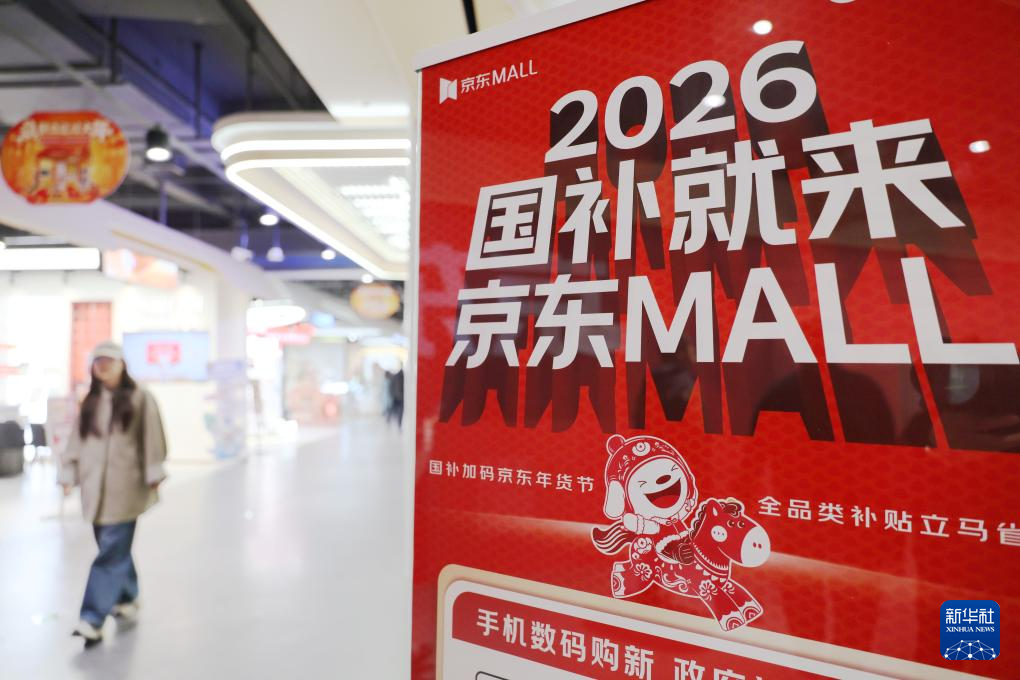
Group 1 - The core viewpoint of the article highlights a significant increase in consumer activity in the home appliance, automotive, and digital sectors during the Spring Festival holiday, driven by promotional activities like "Happy Shopping Spring" and supportive policies [1][2][6][23]. - The demand for new products is robust, indicating a strong revival of consumer spending during the holiday period [1][6][22]. Group 2 - Various locations across China, including Tianjin, Jiangsu, and Hubei, reported increased consumer purchases in shopping malls and automotive dealerships, showcasing a nationwide trend in consumer behavior [4][5][7][9][12][18][21]. - The article emphasizes the ongoing vitality of holiday consumption, suggesting a positive outlook for the retail and consumer goods sectors [1][10][19].
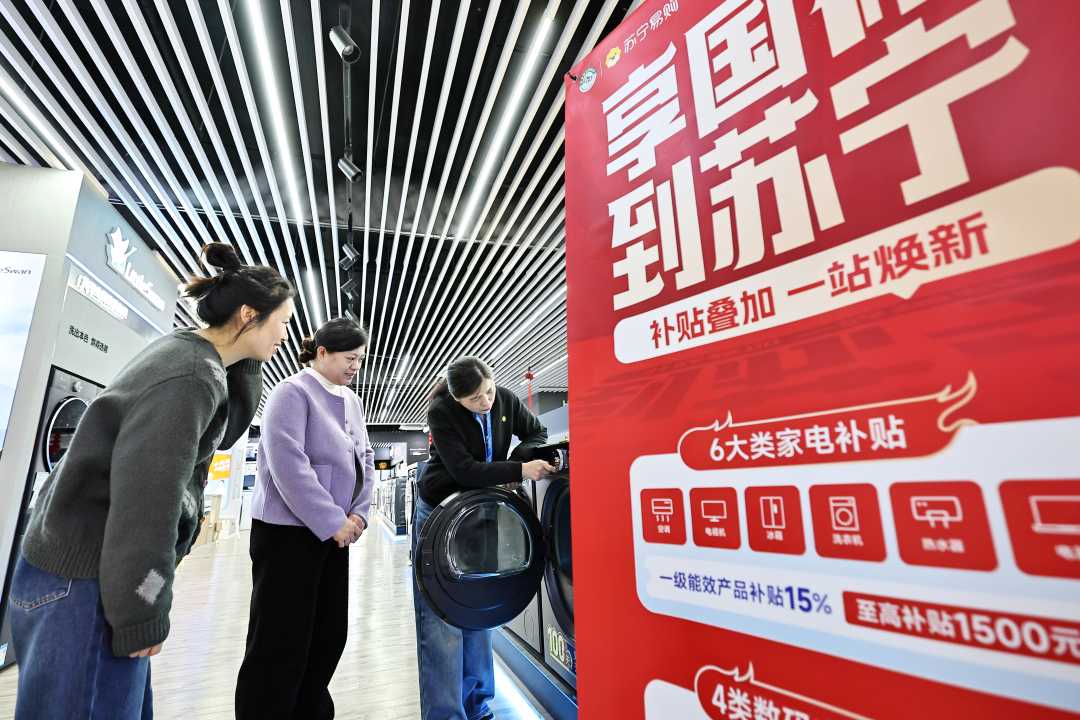
“新春焕新”激发消费热
Xin Lang Cai Jing· 2026-02-21 11:03
2月21日,消费者在浙江省嘉兴市南湖区一家家电卖场选购洗衣机。嘉兴各大家电卖场和汽车销售门店推出"新春焕新"消费系列促销活动,吸引众多消费 者。 金鹏摄(中经视觉) (来源:经济日报) 转自:经济日报 ...
泰国工业联合会:特朗普10%的全球关税将重创泰国电子产品和汽车行业出口
Ge Long Hui· 2026-02-21 08:26
Group 1 - The Thai Industrial Federation (FTI) reports that following the U.S. Supreme Court's limitation on "countervailing duties," Trump has invoked Section 122 of the Trade Act of 1974 to impose a 10% tariff on global imports, referred to as "global tariffs" [1] - This tariff policy will impact Thailand's exports of electronic products such as hard disk drives (HDD), printed circuit boards (PCB), and integrated circuits (IC), as Thailand is a major manufacturing base for these products [1] - The automotive and parts industry, particularly the tire sector, will face severe consequences as the new 10% tariff will compound existing anti-dumping duties, significantly increasing costs [1] Group 2 - Exports of household appliances, such as air conditioners and refrigerators, will also be adversely affected, given that the U.S. is a primary market for these products [1] - Thailand, being one of the major exporters of gems and jewelry, has substantial export volumes to the U.S. that will be impacted [1] - Conversely, Thai agricultural products and fisheries, including rice, durian, mangosteen, and various tropical fruits, have received tariff exemptions [1]
别乱换股!节后三大主线锁定,稳抓修复行情!
Sou Hu Cai Jing· 2026-02-21 05:50
Core Viewpoint - The A-share market is expected to experience a recovery post-Spring Festival, driven by three main investment themes that are supported by policy, demand recovery, and performance realization [1][8]. Group 1: Market Overview - Historical data indicates that the probability of the A-share market initiating a spring rally after the Spring Festival exceeds 70%, with an expected increase in market risk appetite due to policy expectations from the March Two Sessions [1]. - This year's market is anticipated to be structurally strong rather than a broad-based rally, focusing on specific investment themes that align with policy support and demand recovery [1]. Group 2: Investment Themes - **Theme 1: New Productive Forces (AI, High-end Manufacturing, Semiconductors)** - This theme is emphasized by regulatory bodies and is a key focus in brokerage reports, with high-tech manufacturing PMI remaining in the expansion zone and a significant increase in orders related to new productive forces [4]. - The theme combines policy support, technological implementation, and capital concentration, with a strong rebound expected post-holiday [4]. - **Theme 2: Consumption Recovery (Home Appliance Replacement, Cultural Tourism, Dining)** - The consumption recovery is evidenced by increased sales of smart wearable devices and green home appliances during the Spring Festival, with retail sales in related categories showing double-digit growth [6]. - The ongoing "old-for-new" policy in home appliances further strengthens the certainty of performance in this sector, making it a defensive investment option [6]. - **Theme 3: High Prosperity in New Energy (Photovoltaics, Energy Storage)** - The new energy sector, a core part of the national energy strategy, has seen its valuations return to reasonable levels after adjustments, with domestic photovoltaic installations and energy storage projects exceeding expectations [7]. - The sector is expected to experience valuation recovery as industry chain prices stabilize and performance reports are released, particularly for leading companies with robust cash flows [7]. Group 3: Investment Strategy - Investors are advised to focus on the identified main themes and avoid frequent stock changes, as patience and the right selection are crucial for capitalizing on post-holiday market opportunities [8].

年集有新意
Xin Lang Cai Jing· 2026-02-20 23:48
Group 1 - The "Xiamen Year · Tong'an Flavor" New Year Goods Fair features over 130 stalls across nine themed exhibition areas, showcasing a blend of new consumer trends and traditional festive flavors [1] - During the Spring Festival, the local government launched the "Buy and Save" campaign, distributing over one million yuan in consumer vouchers through the "Cloud Flash Payment" platform, benefiting various sectors including supermarkets and popular restaurants [1] - A local vendor reported daily foot traffic exceeding 100 customers and sales surpassing 600,000 yuan during the festival, highlighting the positive impact of government initiatives on consumer spending [1] Group 2 - The "Buy and Save" campaign is part of a year-round consumer brand initiative, with plans for seasonal activities around major holidays to create a new consumption ecosystem that boosts local market activity [2] - Xiamen is enhancing its 2026 Consumer Festival with nearly a thousand online and offline promotional activities, targeting key tourist attractions, unique dining experiences, and cultural products [2] - The city is leveraging artificial intelligence to develop new consumption scenarios and has introduced innovative tax refund models to improve services for international tourists, aiming to enhance their shopping experience during the Spring Festival [2]
里昂:维持海尔智家“跑赢大市”评级 目标价升至32港元
智通财经网· 2026-02-20 07:47
Core Viewpoint - Credit Lyonnais maintains a "Outperform" rating for Haier Smart Home (06690), raising the A-share target price from 32 RMB to 34 RMB and the Hong Kong stock target price from 30 HKD to 32 HKD, supported by strong recovery in overseas demand [1] Group 1: Domestic Market Outlook - The impact of the appliance replacement policy is expected to diminish, leading to a slowdown in Haier's revenue growth in China to low single digits by 2026 [1] - Confidence remains high regarding the expansion of Haier's domestic market gross margin, as the company continues to streamline product models and enhance channel efficiency [1] Group 2: International Market Outlook - The U.S. market presents significant uncertainties; however, if new policy changes successfully stimulate housing supply, revenue growth could accelerate significantly [1] - Haier's revenue growth in the U.S. market is projected to increase from low single digits in 2025 to mid single digits in 2026 [1]

里昂:维持海尔智家(06690)“跑赢大市”评级 目标价升至32港元
智通财经网· 2026-02-20 07:40
Core Viewpoint - Credit Lyonnais maintains a "Outperform" rating for Haier Smart Home (06690), raising the A-share target price from 32 RMB to 34 RMB and the Hong Kong stock target price from 30 HKD to 32 HKD, supported by strong recovery in overseas demand [1] Group 1: Domestic Market Outlook - The impact of the appliance replacement policy is expected to diminish, leading to a slowdown in Haier's revenue growth in China to low single digits by 2026 [1] - Confidence remains high regarding the expansion of Haier's domestic market gross margin, as the company continues to streamline product models and enhance channel efficiency [1] Group 2: International Market Outlook - The U.S. market presents significant uncertainties; if new policy changes successfully stimulate housing supply, revenue growth could accelerate substantially [1] - Haier's revenue growth in the U.S. market is projected to increase from low single digits in 2025 to mid single digits in 2026 [1]