
智能家电

Search documents
石头科技董事长昌敬减持套现8.88亿后清空账号 他怎么能这样干?
Sou Hu Cai Jing· 2025-08-20 10:25
Group 1 - The core viewpoint of the article highlights that despite a decline in profits for 2024, Stone Technology continues to face challenges in Q1 2025, with net profits continuing to drop while seeking a dual listing on the Hong Kong Stock Exchange [1][3][4] Group 2 - In Q1 2025, the company reported total revenue of 3.428 billion, an increase of 86.22% year-on-year, while the net profit attributable to shareholders was 267 million, a decrease of 32.92%, indicating a situation of "increased revenue but decreased profit" [3] - The company's founder and chairman, Chang Jing, has sold off 2.6282 million shares, cashing out approximately 888 million, which has drawn public attention amid concerns over the company's declining stock price [3] - Despite the stock price concerns, Chang Jing has urged investors to remain patient during the "strategic transformation period," a contradictory stance that has sparked controversy and led to trending discussions on social media [3][4] - Chang Jing's net worth has significantly decreased from 16.05 billion in 2021 to several billion less by 2025, reflecting a substantial loss in personal wealth [4]


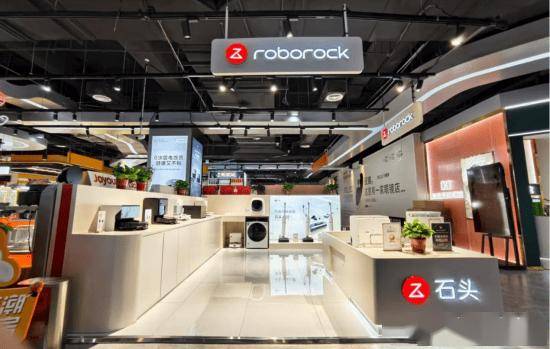
通过规模、技术、渠道,石头科技正在构建市场主导权
Zheng Quan Zhi Xing· 2025-08-20 09:31
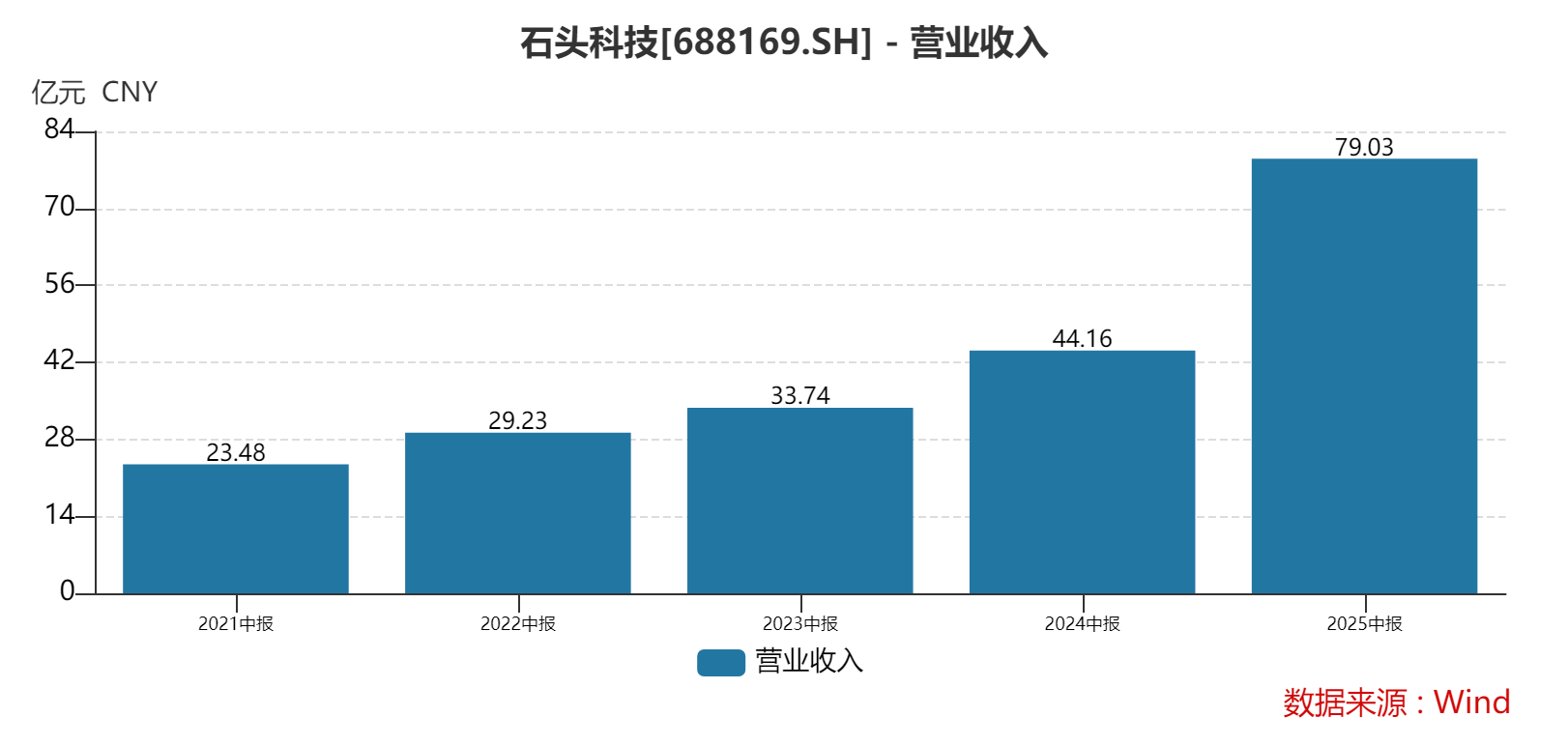
Core Viewpoint - Stone Technology's recent financial performance indicates a strategic choice to prioritize scale, technological innovation, and channel upgrades over short-term profit, aiming for future industry leadership [3][5][15]. Revenue Growth - As of June 30, 2025, Stone Technology reported a total revenue of 7.903 billion yuan, a year-on-year increase of 78.96%, demonstrating strong growth [1]. - The rapid revenue growth is seen as a critical factor for market share expansion, outweighing concerns about short-term profit declines [4][5]. Profitability Concerns - Market skepticism regarding "increasing revenue without increasing profit" is addressed by highlighting that the decline in net profit is a strategic decision rather than a failure [3][15]. - The company achieved a net profit of 678 million yuan, indicating a focus on long-term growth strategies [1]. Scale Advantage - The rapid revenue growth reflects a significant user base and product acceptance, which are essential for establishing competitive advantages [4]. - Companies with substantial scale and market share can influence market dynamics, pricing, and industry standards, which is crucial for maintaining market leadership [4][15]. Technological Innovation - Stone Technology's R&D investment reached 685 million yuan in the first half of 2025, a 67.28% increase year-on-year, representing 8.67% of total revenue [6][8]. - The company has made significant advancements in technology, including the development of proprietary algorithms and innovative products, which enhance its competitive edge [8][12]. Product Development - The introduction of innovative products, such as the G30Space robot and the Z1Plus washing and drying machine, showcases the company's ability to disrupt existing markets and create new demand [10][12]. - The focus on technology across various layers ensures that Stone Technology maintains its innovation leadership [12]. Channel Strategy - Stone Technology is transitioning to a direct sales model, reducing reliance on local distributors, which may pressure short-term profit margins but is expected to enhance long-term competitiveness [13][14]. - Recent sales data indicates significant growth in various markets, with European sales increasing by 124% and North American sales by 42% [14]. Long-term Strategy - The company's approach to sacrificing short-term profits for long-term strategic investments in scale, technology, and channels is viewed as a pathway to achieving sustainable market dominance [15][16]. - The integration of scale, innovation, and direct channels is expected to transform Stone Technology from a product supplier to an industry leader [15].
海信与福耀科技大学达成全面战略合作 联手布局具身智能机器人
Jing Ji Guan Cha Wang· 2025-08-20 09:08
Group 1 - Hisense Group and Fuyao University signed a strategic cooperation framework agreement to enhance collaboration in talent cultivation, technological innovation, and personnel exchange [1][2] - The establishment of the "Future Factory and Embodied Intelligent Robot Joint Innovation Center" aims to address common needs in global manufacturing and promote the rapid application of embodied intelligence technology [1][3] - Hisense has positioned AI as a new strategic direction, emphasizing the integration of technology and sustainable development [2][4] Group 2 - The collaboration will focus on joint research and development, academic exchanges, and the establishment of a new model for talent cultivation, including internship bases and graduate workstations [2][3] - Hisense has been involved in the construction of Fuyao University’s smart campus, providing various smart home appliances and solutions [3][4] - The partnership aims to create a seamless connection between talent cultivation, scientific research, and industry needs, fostering innovative talent [4]


中国企业绿色答卷:以生态破局新能源产业
Zhong Guo Xin Wen Wang· 2025-08-20 08:58
Core Viewpoint - Chinese companies are transitioning from participants to leaders in the global shift towards green and low-carbon energy, with a responsibility to build an energy community for the future [1] Group 1: Company Strategy and Development - The development of the company is significantly supported by Shenzhen's market environment, policies, and talent resources, which have facilitated its growth from smart appliances to the new energy sector [3] - The company has established its first photovoltaic production base in Shenzhen, benefiting from local support and policies, which have helped its television business grow internationally [3] - The company leverages its 30 years of experience in the smart appliance sector to create unique advantages in the new energy business, with a marketing capability that reaches over 11,000 towns [3] Group 2: Technological Innovation and Efficiency - The company focuses on three main areas to enhance power station efficiency and reduce carbon emissions: developing higher energy conversion efficiency stations, optimizing project fault detection mechanisms, and promoting synergy between energy usage and storage [5] - The company is investing in distributed photovoltaic and energy storage sectors, integrating AI technology for system health management, and collaborating with universities to accelerate innovation [5][6] Group 3: Ecosystem Development - The launch of the "Xihuan" ecological platform represents the company's strategic shift from a product supplier to an ecosystem builder, integrating smart appliances with new energy technologies [5][6] - This platform aims to optimize energy distribution through intelligent algorithms, ensuring that clean energy meets demand efficiently and promoting collaborative energy creation [6] - The platform connects investors, channel partners, and users, focusing on continuous feedback to enhance services and address industry challenges [6] Group 4: Global Engagement and Future Vision - The company actively participates in global energy governance, expanding its new energy business in markets like Germany, Italy, and Thailand, while promoting technology sharing and ecosystem building [6] - The future vision emphasizes a transition from passive emission reduction to proactive green innovation, aiming for sustainable development in collaboration with various stakeholders [7]
全文|小米Q2业绩会实录:肯定会增加AI和芯片投入 相信Q4手机毛利率会回升
Xin Lang Cai Jing· 2025-08-20 06:39
Core Insights - Xiaomi Group reported a total revenue of 116 billion yuan for Q2 2025, representing a year-on-year growth of 30.5%, and a net profit of 11.9 billion yuan, up 134.2% year-on-year [1] - Adjusted net profit, based on non-IFRS measures, reached 10.8 billion yuan, reflecting a 75.4% increase year-on-year [1] Financial Performance - Revenue and profit reached historical highs, indicating strong performance in the second quarter [2] - The company’s air conditioning sales exceeded 5 million units, contributing significantly to the IoT business revenue growth [6][21] - The overall growth in the home appliance sector was reported at 66%, with air conditioning being a standout category [21] IoT and Retail Expansion - The AIoT segment showed robust growth in both domestic and international markets, driven by the expansion of retail channels [3][4] - Xiaomi plans to open 400 to 500 new retail stores globally by the end of the year, with a target of over 1,000 stores in the following year [4] - The company’s IoT business is expected to benefit significantly from the establishment of a controlled retail channel [4] Mobile Business Insights - The mobile business experienced a slight decline in gross margin due to rising component costs, particularly in memory and battery materials [5][6] - The company anticipates a recovery in mobile gross margins by Q4 2025, coinciding with the launch of new products [5][6] - Long-term gross margin improvement in the mobile segment is expected to be driven by a focus on high-end products and technological investments [6] R&D and AI Investments - R&D spending increased by over 40% year-on-year, with significant investments in core technologies such as chips and AI [7][25] - The company is committed to enhancing its AI capabilities, with 25% of its R&D budget allocated to AI technology development [25] Automotive Business - The automotive segment achieved a gross margin of 26.4%, benefiting from a strategic focus on high-end vehicle offerings [10] - The average selling price of vehicles reached approximately 253,000 yuan, indicating a successful high-end market entry [10] - The company aims to achieve profitability in its automotive business by the second half of the year, although cumulative profitability remains a long-term goal [11][18] International Market Strategy - Xiaomi's international internet business is growing faster than its domestic counterpart, with a focus on localized operations to enhance user engagement [12][13] - The company plans to enter the European market by 2027, leveraging its established business model from China [19][20] Home Appliance Sector - The home appliance business is expected to continue its growth trajectory, with significant potential remaining in the Chinese market [24] - The company is focused on maintaining competitive pricing and product quality despite industry-wide price wars [21][24]
三条曲线狂飙:小米凭什么成中国科技最稳增长极?
格隆汇APP· 2025-08-20 01:54
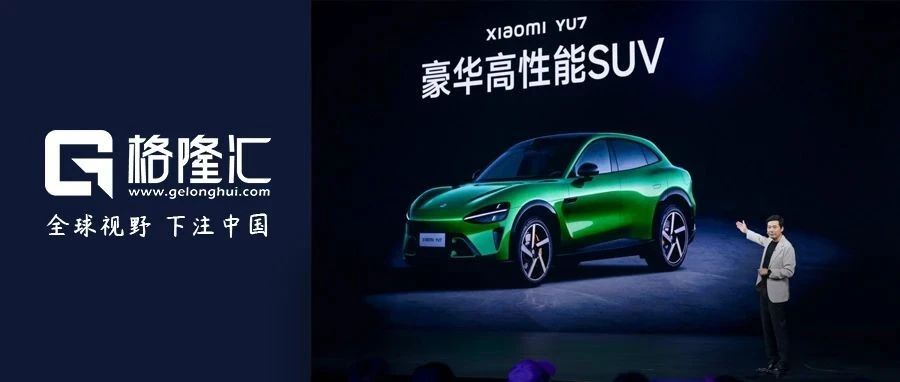
Core Viewpoint - The article highlights the strong growth potential of Xiaomi, which is gaining significant attention from foreign capital, particularly in the technology, e-commerce, and new energy sectors, positioning it as one of the "Chinese Technology Seven Heroes" alongside its impressive financial performance and strategic business model [2][4][19]. Group 1: Financial Performance - In Q2 2025, Xiaomi reported revenue of 116 billion RMB, a year-on-year increase of 30.5%, marking a historical high for five consecutive quarters [8]. - The net profit for Q2 was 11.9 billion RMB, with adjusted net profit at 10.8 billion RMB, reflecting year-on-year growth of 134.2% and 75.4% respectively, showcasing a significant operating leverage effect [8]. - The revenue structure is evolving, with the smartphone business contributing approximately 39.3% of total revenue, while the automotive and home appliance sectors are rapidly growing [9]. Group 2: Business Segments - **Smartphones**: Xiaomi's smartphone revenue in Q2 was 45.5 billion RMB, maintaining its position among the top three globally with a shipment of approximately 4.24 million units [9]. - **Automotive**: The automotive segment saw over 157,000 units delivered in the first half of 2025, with the second model, YU7, achieving over 240,000 orders shortly after launch, indicating strong market demand [10][11]. - **Home Appliances**: Revenue from IoT and consumer products reached nearly 38.7 billion RMB, with a year-on-year growth of over 44.7%, driven by strong sales in major appliances [12][13]. Group 3: Strategic Positioning - Xiaomi's business model focuses on creating an integrated ecosystem through its three growth curves: smartphones, automotive, and home appliances, which collectively tap into a market potential of 28 trillion RMB [19][20]. - The company is leveraging its technological foundation, including AI, self-developed chips, and the 澎湃 OS system, to enhance user experience and operational efficiency [21][22][24]. - Xiaomi's unique cross-sector collaboration allows it to provide a seamless smart living experience, making it difficult for competitors to replicate its ecosystem [30][31]. Group 4: Market Potential - The global market sizes for smartphones, automotive, and home appliances are approximately 4.2 trillion RMB, 18.8 trillion RMB, and 5 trillion RMB respectively, indicating significant growth opportunities for Xiaomi as its current market penetration is below 2% [20]. - The article suggests that Xiaomi's valuation potential is substantial, with its current market cap being only a fraction of that of industry giants like Apple and Tesla, while it holds entry points into multiple trillion-yuan markets [29][36].
小米在欧洲市场首次超越苹果
21世纪经济报道· 2025-08-20 01:45
Core Viewpoint - Xiaomi Group reported a total revenue of 1159.56 billion yuan for Q2 2025, a year-on-year increase of 30.5%, and a net profit of 108.31 billion yuan, up 75.4% year-on-year, despite a challenging global smartphone market [1]. Business Performance - Xiaomi's smartphone and AIoT businesses remain the revenue pillars, generating 946.93 billion yuan in Q2, a 14.8% increase year-on-year, accounting for 81.7% of total revenue [5]. - The smartphone revenue for Q2 was 455.2 billion yuan, a decrease of approximately 10% from Q1 due to a decline in average selling price (ASP), although this was partially offset by an increase in shipment volume [5]. - The ASP for smartphones dropped from 1210.6 yuan in Q1 to 1073.2 yuan in Q2, a decline of 11.3%, primarily due to a higher proportion of lower-priced models sold overseas [5]. - Xiaomi's smartphone shipments reached 42.4 million units in Q2, a 1.5% increase quarter-on-quarter, with a market share of 16.8% in China, making it the top brand domestically [5][9]. Market Position - In Q2, Xiaomi's smartphone market share in Southeast Asia rose to 18.9%, ranking first, while in Europe, it regained the second position with a market share of 23.4%, surpassing Apple for the first time [6]. - Xiaomi's smartphone shipments have shown continuous growth in international markets, ranking in the top three in 60 countries and regions [6]. Strategic Goals - The company aims to enter the "200 million club" for annual smartphone sales, positioning itself alongside Apple and Samsung in a competitive landscape [10]. - Xiaomi's strategy has shifted from scale expansion to balancing quality and profit, focusing on high-end products and ecosystem synergy for new growth opportunities [9]. Business Structure Optimization - In Q2, Xiaomi's smartphone revenue share decreased to 39.3%, while IoT and lifestyle products increased to 33.4% [12]. - IoT and lifestyle product revenue reached 387 billion yuan, a 44.7% year-on-year increase, with smart home appliances growing by 66.2% [12]. - The innovative business segment, including smart electric vehicles and AI, generated 213 billion yuan, a staggering 234% increase year-on-year [12]. Future Outlook - Xiaomi's management expressed confidence in achieving a 30% year-on-year revenue growth target for the year, driven by smartphone sales and the growth of its internet services and electric vehicle segments [13].

追觅组建无人机团队:挖角大疆人才,靠“贴牌”抢市场?
Xin Lang Cai Jing· 2025-08-20 01:04
智能家电品牌追觅正在拓展无人机业务,公司总部位于苏州,并在深圳设立分公司。据《BUG》栏目 了解,目前该项目已有来自大疆、美团等多人加入。有业内人士指出,大疆早已布局扫地机器人多年, 追觅是知道的,再加上今年低空经济的风口,以及无人机行业成熟的供应链以及人才,追觅进军无人机 业务算是顺理成章,消费级市场虽然很卷,但工业级无人机的场景非常多样,对于一些地区和市场来说 还存在机会。(新浪科技) ...
欧洲市场反超苹果,万亿小米风起
2 1 Shi Ji Jing Ji Bao Dao· 2025-08-20 00:09
Core Insights - Xiaomi Group reported a total revenue of 1159.56 billion yuan for Q2 2025, a year-on-year increase of 30.5%, and a net profit of 108.31 billion yuan, up 75.4% year-on-year [2][3] Business Performance - Despite a challenging global smartphone market, Xiaomi's smartphone business achieved significant growth, with Q2 smartphone shipments reaching 42.4 million units, a 1.5% increase quarter-on-quarter [5][6] - Xiaomi's smartphone revenue for Q2 was 455.2 billion yuan, a decrease of approximately 10% from Q1 due to a decline in average selling price (ASP), which fell from 1210.6 yuan to 1073.2 yuan [5][6] - The company aims to enter the "200 million club" for annual smartphone sales, positioning itself alongside Apple and Samsung [3][10] Market Position - In the Southeast Asian market, Xiaomi's market share rose to 18.9%, ranking first, while in Europe, it regained the second position with a market share of 23.4%, surpassing Apple for the first time [6][7] - In the domestic market, Xiaomi's smartphone activation volume reached 11.5 million units, securing a market share of 16.8% [6][9] Revenue Breakdown - Xiaomi's smartphone and AIoT businesses remain the main revenue drivers, contributing 946.93 billion yuan in Q2, a year-on-year increase of 14.8%, accounting for 81.7% of total revenue [5][11] - IoT and lifestyle products revenue reached 387 billion yuan, up 44.7% year-on-year, while smart electric vehicles and AI-related businesses generated 213 billion yuan, a staggering 234% increase [12][13] Strategic Focus - The company is shifting its strategy from scale expansion to a focus on quality and profitability, emphasizing high-end products and ecosystem synergy for new growth opportunities [8][10] - Xiaomi's high-end smartphone sales accounted for 27.6% of total smartphone sales in Q2, an increase of 5.5 percentage points year-on-year [9][11] Future Outlook - Xiaomi is confident in achieving its annual revenue growth target of approximately 30%, driven by smartphone scale and high-end user growth, alongside steady growth in internet services and smart vehicles [13]
研报掘金丨开源证券:科沃斯Q2业绩延续高增,维持“买入”评级
Ge Long Hui A P P· 2025-08-19 07:04
Core Viewpoint - The report from Kaiyuan Securities indicates that Ecovacs is expected to maintain high growth in Q2 2025, with an improved profitability due to the high-end product matrix, and maintains a "buy" rating [1] Financial Performance - In H1 2025, Ecovacs brand achieved revenue of 4.81 billion yuan, representing a year-on-year increase of 41.4% [1] - The Tineco brand generated revenue of 3.66 billion yuan, reflecting a year-on-year growth of 9.0% [1] Shipment Volume - The global shipment volume for Ecovacs service robots and Tineco floor cleaning machines increased by 55.5% and 17.5% year-on-year, respectively [1] Market Presence - According to data from AVC, in Q2 2025, the online sales revenue for Ecovacs brand vacuum cleaners and Tineco brand floor cleaning machines increased by 57.5% and 11.4% year-on-year, respectively [1] - As of Q2 2025, Ecovacs and Tineco brands have established over 8,100 offline retail outlets nationwide, with nearly 170 flagship stores covering various formats such as shopping malls, electronics superstores, and home experience centers [1] - The market share for both Ecovacs and Tineco brands in the domestic offline market is approximately 60% [1]
