火锅

Search documents
打卡“牡丹”同款 西安餐饮“心动”国风潮
Zhong Guo Shi Pin Wang· 2025-07-18 10:56
Group 1: Industry Trends - The popularity of the drama "Jinxiu Fanghua" has sparked a culinary trend in Xi'an, leading to a surge in themed dining experiences and cultural engagement [1][8] - Restaurants in Xi'an are leveraging social media platforms like Douyin to promote "Jinxiu Fanghua" themed menus, resulting in increased sales and customer footfall [1][8] - The integration of traditional culture with modern dining experiences is creating a unique market opportunity for local restaurants [1][26] Group 2: Restaurant Innovations - "Huo Lu Pang" barbecue restaurant has successfully combined traditional Chinese aesthetics with modern dining, attracting customers through immersive experiences [3][5] - The restaurant's themed menu, including the "Jinxiu Fanghua" package, has seen daily sales of nearly 100 orders since its launch [8] - The use of cultural elements, such as staff dressed as historical figures and dishes inspired by Tang Dynasty poetry, enhances the dining experience and customer engagement [10][18] Group 3: Marketing Strategies - The collaboration with Douyin has significantly increased online orders and in-store traffic, with 30% of customers being tourists drawn by social media promotions [8][25] - Live streaming events and interactive promotions have proven effective in driving customer interest and sales, with a notable increase in engagement during live broadcasts [19][22] - Emotional marketing strategies, focusing on creating a "heartfelt experience," have led to a 75% increase in transaction volume for restaurants featured on Douyin's trending list [26]

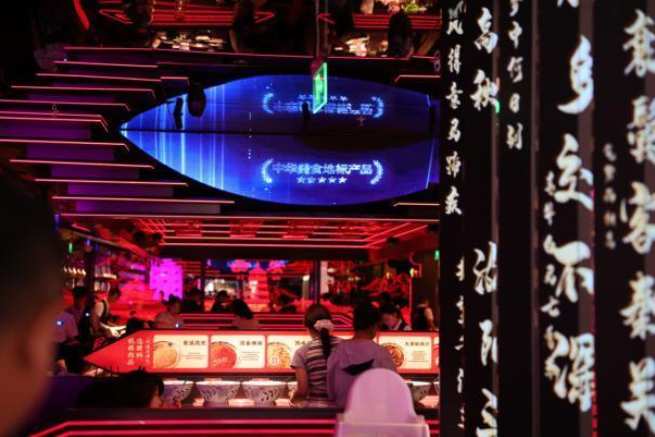
呷哺呷哺选择先在内部“开放加盟”
3 6 Ke· 2025-07-18 08:17
Core Viewpoint - The company is facing significant challenges, including a 97% stock price drop, a cumulative loss of 1.2 billion, and the closure of 219 stores in one year, prompting the launch of the "Feng Huan Chao" partner program to empower employees as store partners [1][11][12] Group 1: "Feng Huan Chao" Partner Program - The "Feng Huan Chao" program aims to incentivize frontline employees, with the first batch of 21 core employees becoming partners, focusing on operational managers and store managers [5][7] - The partnership model involves a tripartite shareholding structure among partners, the company, and executives, allowing partners to focus on store performance while the company provides funding and brand support [5][6] - This internal partnership approach is designed to bind talent and activate the organization, transforming employees from executors to decision-makers, thereby enhancing responsibility and loyalty [7][8] Group 2: Market Challenges and Strategic Shifts - The company is navigating a rapidly changing hot pot market, facing challenges from competitors and internal struggles, including a significant decline in the performance of its high-end brand, Coucou [3][10][14] - The company has accumulated losses of 1.183 billion from 2021 to 2024, with a peak loss of 401 million in 2024, largely attributed to the underperformance of Coucou [11] - The company is shifting focus away from the high-end market, which has seen competitors like Haidilao and Banu gaining traction, while it struggles to maintain its customer base [17][18] Group 3: Food Safety and Quality Control - The partner program mandates that all partner stores must integrate into a global supply chain and management system to ensure food safety and service standards, mitigating risks commonly associated with traditional franchise models [12] - Recent complaints about food safety issues highlight the need for stringent quality control measures, reinforcing the importance of the new management structure [12][20] Group 4: Market Position and Future Outlook - The hot pot market is projected to grow, with a significant increase in small hot pot establishments, but the company faces challenges in positioning itself within this competitive landscape [18][19] - The company must prioritize quality and value to regain market share, as competitors are increasingly encroaching on its target demographic with lower-priced offerings [20][21]
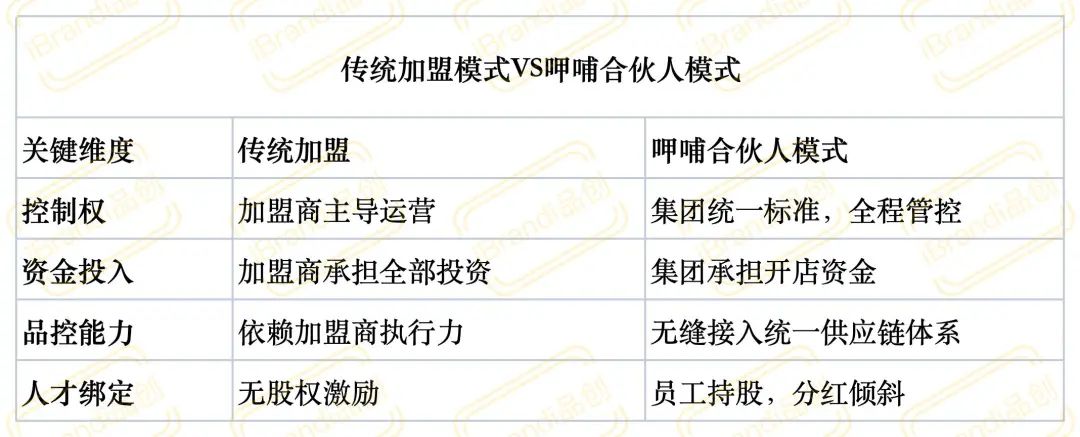
员工摇身一变成老板 呷哺呷哺推出合伙人制
Bei Jing Shang Bao· 2025-07-16 12:49
Core Viewpoint - The company has launched the "Feng Huan Chao" partner program to incentivize frontline employees and attract experienced talent in the restaurant industry, aiming to enhance store performance and brand competitiveness [1][3][5] Group 1: Partner Program Details - The "Feng Huan Chao" partner program targets frontline employees who contribute significantly to store growth, with 21 initial partners already signed, primarily from operational managers and store managers [3][4] - Partners will hold shares alongside the company, aligning their interests with store profitability and encouraging proactive engagement [3][4] - The program offers a higher profit-sharing ratio to frontline employees, ensuring they receive the maximum benefits [3][4] Group 2: Support and Standards - The company will provide comprehensive support to partners, including brand authorization, supply chain assurance, and standardized management practices, to alleviate operational concerns [3][4] - All partner stores must adhere to strict global management standards and food safety protocols to maintain brand integrity and service quality [4] - A dedicated service team will assist partners throughout the entire process, from site evaluation to operational supervision [4] Group 3: Market Context and Strategy - The restaurant industry, particularly the hot pot sector, is highly competitive, with many local brands emerging, putting pressure on the company [4][5] - The partner program aims to retain top internal talent while attracting external industry experts to accelerate brand expansion and adapt to market changes [5] - The company anticipates adding approximately 50 to 100 partner stores annually, enhancing both the quality and quantity of its outlets [4]
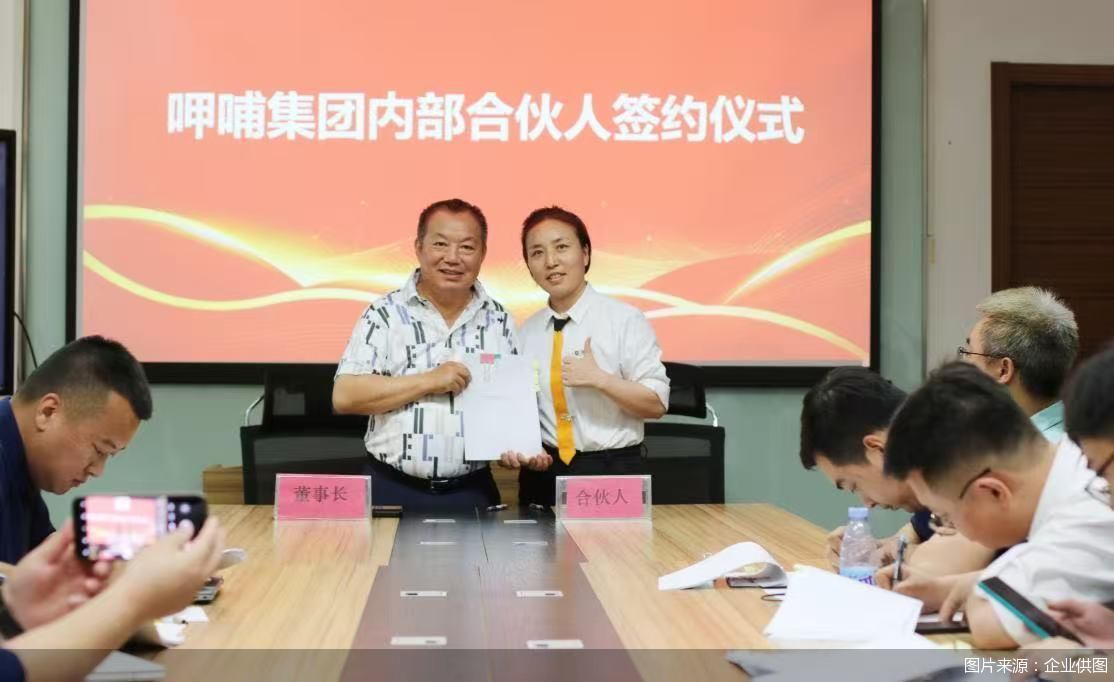
“连锁火锅第一股”呷哺呷哺宣布推行“凤还巢”合伙人计划
Mei Ri Jing Ji Xin Wen· 2025-07-16 06:40
Group 1: Company Initiatives - The company launched the "Feng Huan Chao" partner program aimed at retaining and attracting top talent in the restaurant industry by sharing profits with employees [1] - The program primarily targets frontline staff who contribute significantly to store growth, allowing them to hold shares and bind store profits with the company [1] - The first batch of partners consists of outstanding internal employees from key positions such as operation managers and store managers across the country [1] Group 2: Industry Overview - The hot pot market in China is projected to reach a scale of 650 billion yuan by 2025, with a year-on-year growth of 5.6% expected in 2024 [2] - The number of hot pot stores is anticipated to peak at over 520,000 by November 2024, while the number of related enterprises is expected to decline slightly [2] - Competitors like Haidilao are also adapting by establishing a franchise division, with 13 franchise stores reported by the end of 2024 [2]
去林俊杰演唱会“捞人”:海底捞和巴奴撕开一道突围缺口
3 6 Ke· 2025-07-16 02:36
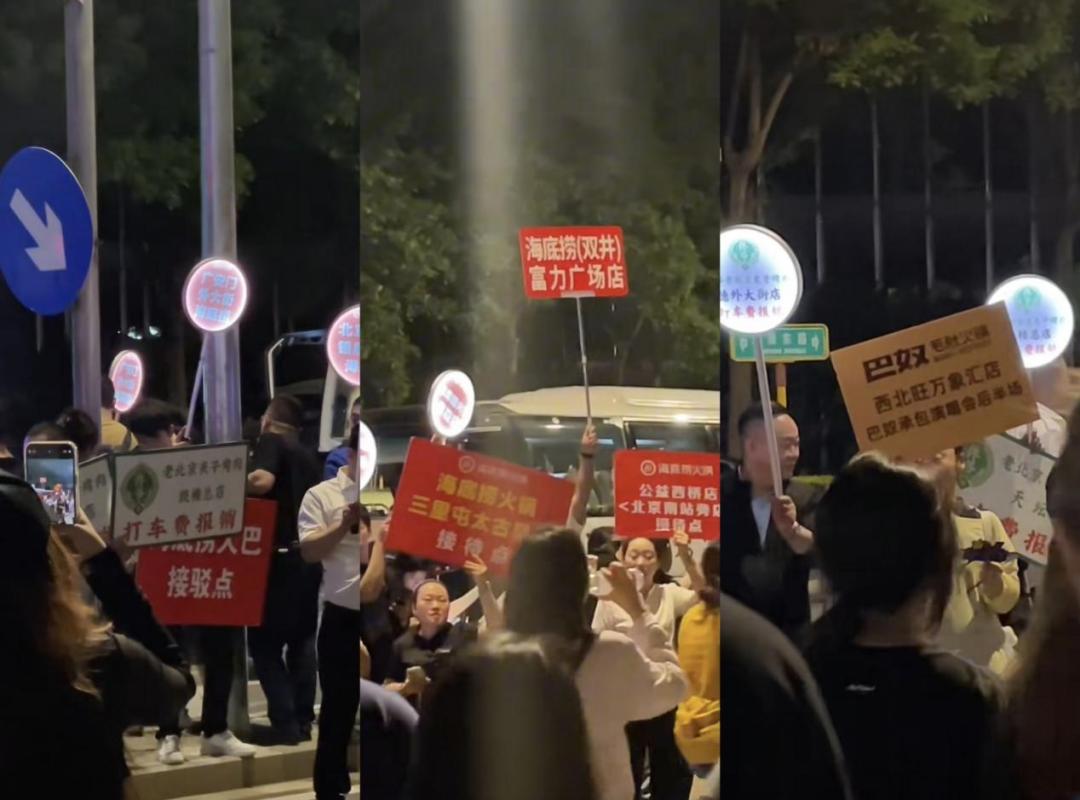
Core Viewpoint - The competition in the food delivery market is intensifying, with companies like Meituan, Taobao, and JD.com launching aggressive promotional campaigns, while traditional dining establishments are exploring new revenue streams by attracting customers from events like concerts [1][10]. Group 1: Concerts as a Marketing Strategy - Restaurants like Haidilao and Banu are actively engaging concert-goers by providing free shuttle services to their establishments, capitalizing on the late-night dining demand generated by events [2][4]. - The concert of singer Lin Junjie attracted over 500,000 tickets sold, creating a significant opportunity for restaurants to capture the audience's attention post-event [2][10]. - The strategy of attracting customers from concerts is not new for these restaurants, as they have previously implemented similar tactics in various cities, enhancing their visibility and customer engagement [4][7]. Group 2: Target Audience and Consumer Behavior - The target demographic for these marketing efforts primarily consists of young adults aged 18 to 35, who are known for their strong purchasing power and social needs, aligning well with the typical hotpot consumer profile [8][10]. - Market research indicates that young consumers, particularly those aged 21 to 30, are the main drivers of hotpot consumption, with peak dining hours aligning with concert end times [8][9]. - The emotional state of concert-goers, who are often excited and hungry after the event, increases the likelihood of them choosing to dine out, thus enhancing conversion rates for restaurants [8][9]. Group 3: Business Impact and Brand Exposure - By providing free transportation and creating a lively atmosphere, restaurants not only attract customers but also enhance their brand visibility at a relatively low cost [9][10]. - The late-night dining strategy has proven effective in increasing foot traffic during typically low-traffic hours, with reports of restaurants being fully booked after concerts [9][10]. - This approach allows restaurants to leverage the concert's popularity, resulting in increased sales and positive customer experiences, thereby building brand loyalty [9][11]. Group 4: Challenges in the Food Industry - The rise of food delivery platforms has created significant challenges for traditional dining establishments, including pressure on pricing and profit margins due to competitive discounts and high commission fees [10][11]. - The shift in consumer behavior towards seeking unique dining experiences and social interactions has prompted restaurants to innovate and adapt their strategies to remain competitive [10][11]. - The success of concert-based marketing strategies suggests a potential pathway for restaurants to navigate the challenges posed by delivery platforms and changing consumer preferences [10][11].

火锅不止重口味——大龙燚设定植物性餐食目标,探索更健康的成都风味
Xiao Fei Ri Bao Wang· 2025-07-15 05:36
据悉,未来大龙燚将推出更多以植物性食材为灵感的菜品与小吃,巧妙结合四川在地风味与健康理 念,让顾客在享受成都风味的同时,也能体验火锅带来的健康与新鲜感。 此次设立植物性餐食目标,彰显了大龙燚对可持续发展的重视,以及对"健康中国"战略的积极响 应,主动履行社会责任。根据力矩中国一项针对数千名中国消费者的调研显示,近90%的消费者认为植 物性饮食更健康,超过85%希望在餐厅菜单中看到更多植物性选择。大龙燚新的品牌目标不仅顺应消费 者对健康、营养、体重管理等方面的需求,也体现出其作为行业先行者,对市场趋势的敏锐把握与前瞻 视野。 大龙燚火锅负责人宋波表示:"大龙燚一直关注消费者的健康需求,持续探索如何让顾客吃得过 瘾、也吃得健康。我们将持续优化菜单结构,在保留经典川味锅底精髓的同时,深入挖掘巴蜀风土丰富 的饮食文化,把特色食材融入植物性菜品创新,我们在7月推出了'蜀地非遗风味志'主题的上新动作, 搜罗了来自川西、川南、川北、川东的非遗、地标食材,像是开江的百年非遗食材-豆笋、宜宾的非遗 芽菜等。不仅是为了向健康饮食靠拢,更赋予了此目标更厚重的人文底蕴。预计在2026年实现40%的植 物性菜品供应,为消费者提供更多样 ...
海底捞加码“黄金夜宵季”推新品矩阵
Bei Jing Shang Bao· 2025-07-15 03:59
Core Insights - Haidilao is targeting the peak night snack period from June to August by launching a new summer night menu that includes a variety of hot pot bases, dipping items, snacks, drinks, and barbecues to cater to late-night consumer demands [1][2] - The new flagship product, the "Jumping Frog Fish Hot Pot," combines multiple cooking techniques and carefully selected ingredients, featuring Sichuan's intangible cultural heritage "Ma Jing Old Jar Pickles" and Haidilao's own lager beer [1] - The company has opened nearly 30 night snack-themed stores in cities like Shenzhen, Beijing, Shanghai, Suzhou, Hangzhou, and Zhengzhou since launching its first night snack store in Guangzhou in January [2] Product Offerings - The night menu includes unique items such as "Waterfall Squid Slices" and "Melon Party" featuring various summer vegetables, along with refreshing drinks like "Guava Berry Avocado" and "Coconut Grapefruit Ice Cream" [1] - Classic late-night combinations such as "Dipping Small Seafood," "Grilled Beef and Lamb Skewers," "Spicy Crayfish," and "Green Grape Ale" have also been upgraded [1] Consumer Engagement - To enhance customer experience, some stores are offering a themed interactive event called "Tang Dynasty Minister," where customers can exchange a red spherical item for fresh lychees after purchasing specific new hot pot bases [1] - The company aims to integrate "products + scenes + culture" to create appealing consumption scenarios for young consumers, contributing to the vibrancy of the night economy [2]
年赚23亿,80%由下沉市场买单,火锅界“爱马仕”冲击IPO
3 6 Ke· 2025-07-15 00:07
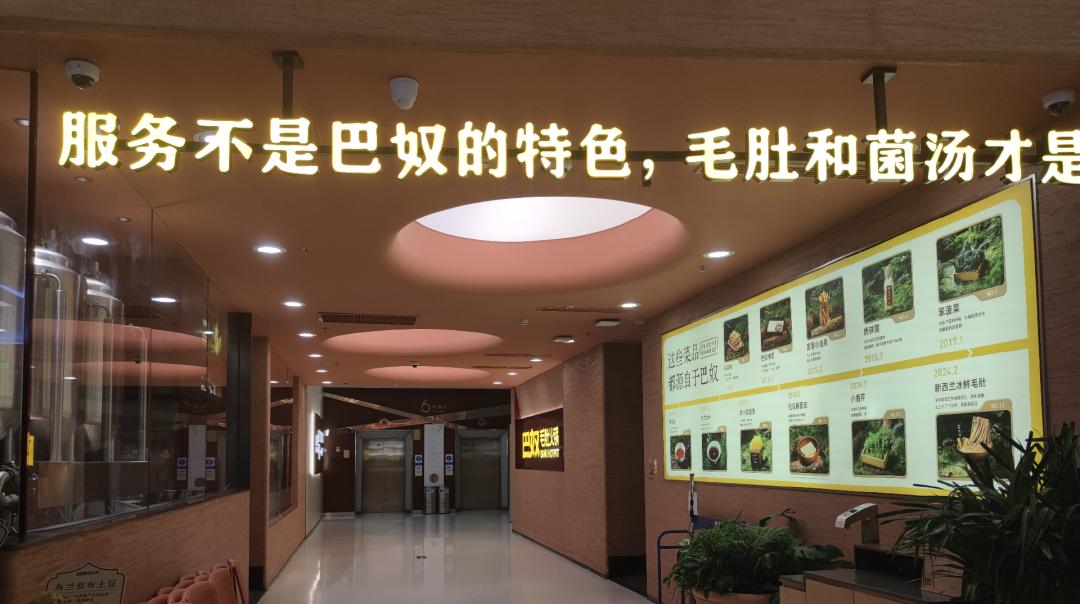
Core Viewpoint - The company Banu has initiated its IPO process amidst a competitive hot pot market, characterized by high consumer expectations and a focus on premium offerings, despite the trend of cost-conscious consumption among consumers [1][2]. Company Overview - Banu's average customer spending is significantly higher than its competitors, with a projected average of 148 RMB per person by March 2025, which is 45% more than Haidilao [1]. - The company has positioned itself as a high-end brand, often referred to as the "Hermès of hot pot," focusing on product quality rather than competitive pricing [1][2]. Financial Performance - Banu's revenue has shown growth from 14.33 billion RMB in 2022 to a projected 23.07 billion RMB in 2024, but it remains significantly lower than Haidilao's revenue of 427.55 billion RMB in 2024 [4][5]. - The adjusted net profit margins for Banu are 2.9%, 6.8%, and 8.5% from 2022 to 2024, while Haidilao maintains a net profit margin above 10% since 2023 [4]. Market Positioning - Banu has expanded its store count from 83 in 2022 to 145 by March 2025, with a focus on lower-tier cities, where 78.6% of its stores are located [5][12]. - The company has a compound annual growth rate (CAGR) of 26.9% over three years, driven largely by store openings [5]. Customer Experience and Membership - Banu's membership system categorizes customers into different tiers, with "肚神" (Dushen) members receiving special privileges, although there have been complaints about reduced benefits and increased prices [7][9]. - The company has faced challenges with customer satisfaction due to perceived inequities in service for members versus regular customers, leading to negative experiences [9]. Challenges and Strategic Focus - Banu has not yet ventured into the delivery business, relying heavily on in-store dining for 97% of its revenue, contrasting with competitors like Haidilao, which has successfully integrated delivery services [12]. - The company plans to open 40, 50, and 60 new stores in the next three years, indicating a strong focus on physical expansion despite the challenges of maintaining profitability in high-rent areas [12][13]. Supply Chain and Operational Efficiency - Banu operates five central kitchens across various regions, but the utilization rates are below 75%, indicating a need for further expansion to optimize supply chain costs [14]. - The company is under pressure from investors to achieve significant growth and complete its IPO by December 2029, highlighting the urgency of its expansion strategy [13][14].
第十四届齐鲁火锅节将于2026年5月在济南举办!
Qi Lu Wan Bao· 2025-07-14 02:17
Core Viewpoint - The 14th Qilu Hot Pot Festival will be held from May 22-24, 2026, in Jinan, Shandong, showcasing the significance of the hot pot industry in China and its growing market opportunities [2][3]. Group 1: Event Overview - The Qilu Hot Pot Festival is the first industry-specific exhibition in China to receive UFI certification, known for its strong effectiveness in the industry [2][5]. - The festival has been successfully held for thirteen consecutive years, establishing itself as a trusted brand exhibition in the hot pot industry [2][3]. Group 2: Market Significance - Shandong Province, a major player in China's catering industry, has over 30,000 hot pot restaurants as of the first half of 2024, ranking among the top in the nation [3]. - The surrounding provinces, such as Henan and Jiangsu, have hot pot markets that are nearly on par with Shandong, indicating a vast market potential for the festival [3]. Group 3: Industry Impact - The festival has significantly increased its industry influence in East and North China, attracting numerous enterprises and professional visitors from various regions [3][6]. - The festival serves as a high-quality communication and development platform for the hot pot industry, especially amid rapid changes and competition within the catering sector [7][9]. Group 4: Future Developments - The 14th Qilu Hot Pot Festival will focus on enhancing the participation of professional audiences from various levels within Shandong, aiding exhibitors in exploring the local market [6][11]. - The festival will continue to host high-quality supporting activities, including competitions and forums, to promote industry communication and collaboration [9][11].

巴奴火锅,传7月底启动香港上市管理层NDR
Xin Lang Cai Jing· 2025-07-11 06:09
Group 1 - The core viewpoint is that Banu International, a leading quality hotpot brand in China, is set to launch a non-deal roadshow (NDR) on July 31 for its upcoming IPO, aiming to raise approximately $100 million to $200 million depending on market feedback [2] - Banu International is recognized as the largest quality hotpot enterprise in China, specializing in "beef tripe + mushroom soup" as its signature offering, and holds a dominant position in the quality hotpot market [2] - As of the end of 2024, Banu International operates 145 directly-owned stores across 39 cities in China [2] Group 2 - According to a report by Frost & Sullivan, Banu International is the largest brand in the quality hotpot market in China, with a market share of 3.1% based on revenue in 2024 [6] - The company's financial performance indicates a revenue of RMB 2.307 billion for the entire year of 2024, with over RMB 709 million in revenue for the first quarter of 2025 [6] - The store operating profit margin has increased from 15.2% in 2022 to 23.7% in the first quarter of 2025, surpassing the national industry average [6] - The overall table turnover rate has improved from 3.0 times per day in 2022 to 3.7 times per day in the first quarter of 2025 [6]