Gaming

Search documents
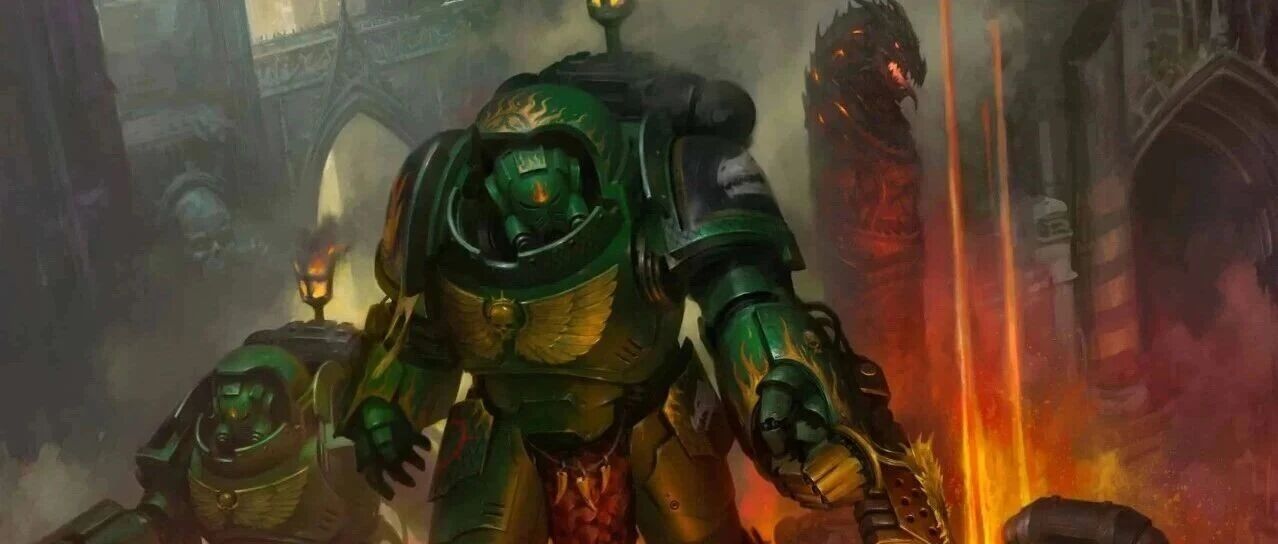
员工一律禁用 AI!50 年老牌游戏公司下发最严禁令,CEO直言:“内部没人真的看好”
程序员的那些事· 2026-01-20 07:43
Core Viewpoint - The article discusses Games Workshop's (GW) strong stance against the use of AI in content creation and design processes, contrasting it with the industry's trend of embracing AI as a core business element [1][4]. Group 1: Company Policy on AI - GW has implemented a strict internal policy prohibiting employees from using AI to generate any official content or participate in design processes, including concept setting, illustrations, writing, and sculpture [5]. - Only a few executives are allowed to research AI out of curiosity, and none of them are particularly excited about it [6]. Group 2: Investment in Human Creators - Contrary to industry trends of layoffs, GW is increasing its investment in human creators by hiring more concept designers, illustrators, writers, and sculptors, emphasizing the importance of human creativity and intellectual property protection [6][7]. - The CEO stated that passionate and talented individuals are essential for creating the rich and engaging IP that is Warhammer [7]. Group 3: Community Sentiment and Brand Integrity - GW's zero-tolerance policy towards AI reflects a keen understanding of the community's sentiments, as even minor AI-like elements can trigger trust issues among fans [9][10]. - The company is aware that any association of its artwork with AI could lead to significant backlash, especially given the high value of its products like the Warhammer 40K Codex, which contains premium illustrations and lore [11][12]. Group 4: Legal and Ethical Considerations - GW's cautious approach is rooted in concerns over the copyright and data source issues associated with generative AI, as the current legal framework does not guarantee the transparency of training data or the non-infringement of output content [13]. - The company prioritizes maintaining the integrity of its IP over adopting potentially faster but riskier AI solutions, indicating a preference for a slower, more deliberate approach to innovation [14][15].

画风“吓死人”、月吸金5亿,百万“小孩姐”撑起年度游戏黑马
Feng Huang Wang· 2026-01-20 07:17
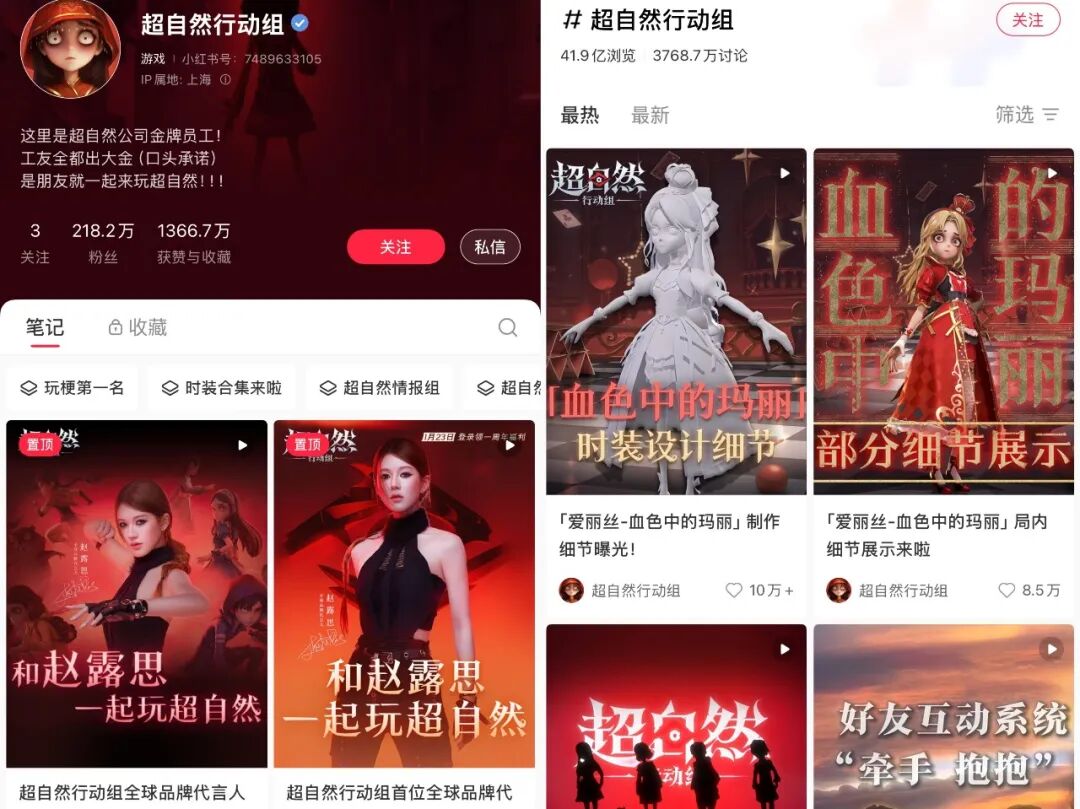
Core Insights - The mobile game "Supernatural Action Group," developed by Giant Network, has rapidly gained popularity among minors, achieving significant revenue milestones since its launch, including 1.7 billion yuan in Q3 and 500 million yuan in September [1][6][11] - The game has been a game-changer for Giant Network, boosting its revenue by 72% month-on-month in August and elevating its ranking among publishers to 16th place [1][11] - The game targets a young audience, with 60%-70% of its players being female, and has successfully engaged users through social media and community-driven marketing strategies [1][10] Revenue and Market Performance - "Supernatural Action Group" has contributed to a remarkable increase in Giant Network's stock price, which rose from 12.66 yuan at the beginning of 2025 to around 50 yuan, pushing the company's market capitalization to over 98 billion yuan [1][11][13] - The game has achieved a peak of over 1 million concurrent users, significantly outperforming similar titles in the market [7][10] User Engagement and Demographics - The game employs a popular "search and fight" gameplay style, appealing to young players' preferences for social interaction and entertainment [7][10] - Many players report spending substantial amounts on in-game purchases, with some claiming to have spent over 4,000 yuan since starting to play [11] Regulatory and Ethical Concerns - There are growing concerns regarding the protection of minors, as many parents have reported difficulties in obtaining refunds for unauthorized charges made by their children [3][4][5] - The current regulatory framework poses challenges for parents seeking to prove that the charges were made by minors, highlighting a gap in the enforcement of minor protection policies [5][12] Company Strategy and Future Outlook - Giant Network aims to continue optimizing resource allocation for "Supernatural Action Group" to enhance both user satisfaction and commercial value [11][12] - The company is at a crossroads, needing to balance its commercial success with social responsibility, particularly in addressing the issues surrounding minor protection and refund processes [13]

《超自然行动组》推出深度融合AI大模型原生玩法,聚焦游戏ETF(159869)低位布局通道
Mei Ri Jing Ji Xin Wen· 2026-01-20 04:54
Group 1 - The gaming sector experienced a brief surge followed by a decline, with the gaming ETF (159869) dropping nearly 1%, indicating a potential opportunity for low-position investments [1] - As of January 19, the gaming ETF (159869) reached a scale of 14.315 billion, providing investors with a convenient tool to invest in leading A-share gaming companies [1] - Giant Network's new feature in "Supernatural Action Group" integrates AI large model challenges into core gameplay, marking the first deep integration of AI in a high DAU game in China [1] Group 2 - The AI-driven NPCs in "Supernatural Action Group" enhance user interaction, with over 25 million AI participation counts in just one week, demonstrating high user engagement and stickiness [1] - The gaming sector is currently benefiting from multiple catalysts, including policy support, product cycles, and AI empowerment, suggesting a favorable window for investment in the gaming track [2] - The gaming ETF tracks the China Securities Animation and Gaming Index, with the highest AI application content in the market, accurately reflecting the overall performance of the A-share animation and gaming industry [2]
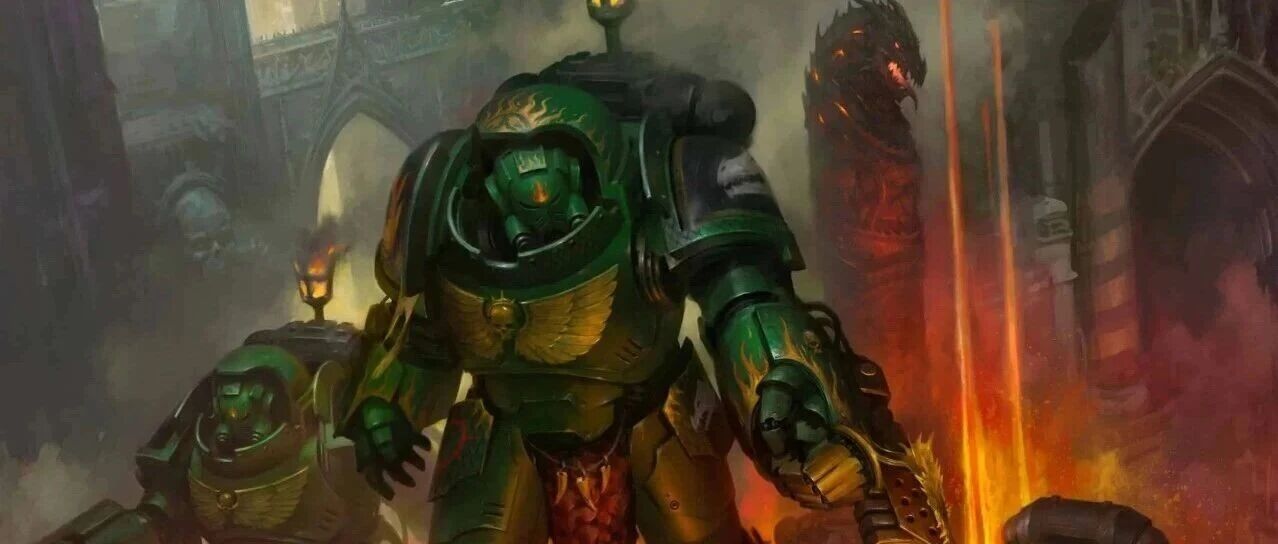
员工一律禁用AI!50年老牌游戏公司下发最严禁令,CEO直言:“内部没人真的看好”
猿大侠· 2026-01-20 04:11
Core Viewpoint - The article discusses Games Workshop's (GW) strong stance against the use of AI in content creation and design processes, contrasting it with the industry's trend of embracing AI as a core business element [1][2][4]. Group 1: Company Policy on AI - GW has implemented a strict internal policy prohibiting employees from using AI to generate any official content or participate in design processes, including concept setting, illustrations, and writing [5][6]. - The CEO, Kevin Rountree, emphasized that while a few executives are allowed to research AI out of curiosity, none are genuinely excited about its potential [6][4]. Group 2: Investment in Human Creators - Contrary to industry trends of layoffs, GW has increased its investment in human creators by hiring more concept designers, illustrators, writers, and sculptors, explicitly stating a commitment to respecting human creators and protecting intellectual property [6][7]. - The CEO highlighted that passionate and talented individuals are essential for creating the rich and engaging IP that is Warhammer [7]. Group 3: Community Sentiment and Brand Integrity - GW's zero-tolerance policy towards AI reflects a keen understanding of the community's sentiments, as even the slightest indication of AI involvement can lead to a trust crisis among fans [9][10]. - The company is cautious about the potential risks associated with AI, particularly regarding copyright and data sources, which could jeopardize the integrity of its core assets, such as the Warhammer universe [13][14]. Group 4: Long-term Vision - GW prefers a slower, more deliberate approach to content creation rather than risking the loss of its brand's "soul" due to AI involvement, which may not be the most efficient choice but is deemed the most rational in an industry where IP value surpasses that of models [14][15].
The Biggest Investment Mistake to Avoid in 2026
The Smart Investor· 2026-01-20 03:30
Core Viewpoint - The assumption that stock prices will always rebound quickly after corrections is a significant investment risk in 2026, as market behavior is changing and past patterns may not hold true [1][6]. Group 1: Market Behavior and Investor Mindset - Investors have developed a belief in quick recoveries after dips, influenced by historical patterns of fast rebounds [3][4]. - This mindset can lead to complacency and excessive risk-taking, as investors may neglect necessary analysis and take on larger positions than they can manage [4][10]. - The stock market in 2026 is characterized by slower growth and higher earnings expectations, making corrections more selective and choppier [6][8]. Group 2: Case Studies and Examples - Singapore Technologies Engineering (SGX: S63) experienced a 15% drop from S$8.96 to S$7.61 but rebounded to S$9.01, illustrating the potential for quick recoveries [3]. - Genting Singapore Limited (SGX: G13) saw its stock price decline by approximately 31% from a high of S$1.06 to S$0.73, highlighting that not all stocks will recover quickly [7]. Group 3: Investment Strategy Recommendations - Investors should focus on understanding the fundamentals of a company, including its balance sheet, free cash flow, and revenue sustainability, rather than rushing to buy every dip [11][12]. - It is crucial to analyze a company's valuation in relation to its long-term earnings and to assess the specific risks associated with the industry [12][13]. - Patience is emphasized as a key strategy, as market corrections in 2026 may be longer-lasting, requiring investors to hold stocks for extended periods [16].

摆脱买量,微小、抖小都在布局,下一个流量机会?
3 6 Ke· 2026-01-20 00:23
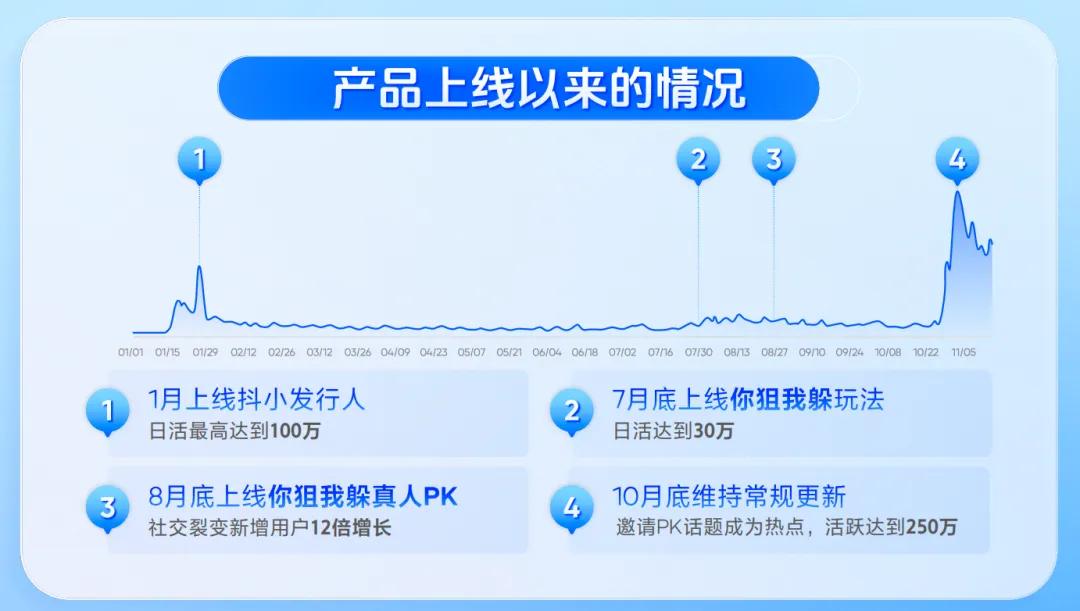
Core Insights - The core focus of the recent annual conferences held by WeChat and Douyin mini-games is the strategic elevation of "social" as a key growth driver, alongside significant growth in DAU, MAU, and revenue metrics [1] Product Case Analysis - Social gameplay has evolved from an "auxiliary function" to a "core growth engine" in the mini-game industry, validated by flagship products from both platforms [2] - WeChat's "Social Arena" component has become a benchmark for social gameplay, enhancing user engagement through real-time competition and reward mechanisms, resulting in a fivefold increase in sharing efficiency [2] - Douyin's "You Shoot, I Hide" social gameplay in "Alien Sniper" led to a 12-fold increase in new users, with 35% of users coming from social sharing, highlighting the effectiveness of content-driven virality [3] - The physical marketing model of "My Garden World" leverages tangible rewards to attract users from lower-tier markets, enhancing emotional engagement and encouraging social sharing [5] Platform Observations - WeChat's social ecosystem is built on its inherent social attributes, featuring components like "Social Arena" and "Friend Assistance," and is expanding to include multi-platform interactions [7][8] - Douyin mini-games utilize its content distribution mechanisms to enhance social interactions, with features that allow for easy sharing of game clips and live interactions, driving user engagement [9] Core Reasons for Social Focus - The shift towards social gameplay is driven by the need to reduce customer acquisition costs in a saturated market, with social channels providing a low-cost, high-efficiency means of user acquisition [10] - User demand has evolved from short-term entertainment to long-term engagement, with a growing preference for social integration in gaming experiences [12] - The increasing participation of female users in mini-games, with a significant rise in their engagement compared to male users, creates fertile ground for social content development [17] Predictions for 2026 - The emergence of "quirky content" is expected to be a breakthrough point for Douyin mini-games, with the potential for viral sharing and user engagement [21] - Both platforms are breaking traditional boundaries, with WeChat exploring unfamiliar social territories and Douyin activating familiar social connections, indicating a significant opportunity for developers [22] - Social gameplay is expected to penetrate various game genres, with developers encouraged to design unique social features tailored to their specific game types [25]
一年超8万家游戏公司成立,网易字节阿里老兵纷纷创业
3 6 Ke· 2026-01-19 12:41
Core Insights - The domestic gaming industry and user base experienced steady growth in 2025, with over 80,000 gaming companies established, marking an increase from over 50,000 in 2024 and over 60,000 in 2023 [1] - A wave of entrepreneurship is emerging in the gaming sector, with notable industry figures leaving established companies to start their own ventures [1][2] - Despite a competitive market, opportunities remain for new companies due to an influx of talented individuals and market openings created by larger firms focusing on leading projects [1] Company Developments - Guangzhou Fenglan Games, founded in January last year, has nearly 100 employees and is developing a hardcore space-themed SLG titled "Code: Space," set for its first test in March [2] - Chengdu Xiaozhiyou, founded by Chen Shaohao, has over 300 team members and is working on a UE5-based open-world action game, with significant past revenue from previous projects exceeding 30 billion [4] - Shanghai Mengshang Technology, founded by former MiHoYo technical director He Jia, focuses on AI gaming and has secured funding [7] - Guangzhou Jiezhi Information, co-founded by former NetEase executive Jin Tao, has received IP authorization for "Onmyoji" and is developing a project similar to a previously unapproved title [7] Trends in Entrepreneurship - Many former industry leaders are launching startups, often securing funding before product launches, indicating a strong demand for quality content providers [2][7] - Companies are increasingly exploring new directions such as AI-driven content and interactive gaming experiences, with several startups focusing on these emerging trends [13][15] - The SLG genre continues to attract attention, with global strategy mobile game revenue increasing by 20% year-on-year, prompting more companies to enter this space [20][22] Market Dynamics - The gaming industry remains volatile, yet this environment has created entrepreneurial opportunities for many professionals [26] - New companies are often targeting lighter, hybrid gameplay experiences, reflecting a shift in consumer preferences [20][22] - The rise of AI and interactive gaming is drawing interest from outside the traditional gaming sector, leading to innovative projects and collaborations [13][15]

三角洲行动的最大竞品,是它自己
雷峰网· 2026-01-19 10:04
Core Viewpoint - Tencent has shifted its strategy from maintaining its existing products to aggressively pursuing new opportunities, particularly with the success of "Delta Action" in the shooting game market [28]. Group 1: Tencent's Game Development and Market Position - Analysts have historically focused on Tencent's established products like "Honor of Kings" and "Peace Elite," but attention has now shifted to "Delta Action," which has generated significant revenue and user engagement [3][4]. - "Delta Action" achieved a remarkable milestone by surpassing 300 million daily active users (DAU) shortly after its launch, indicating its strong market presence [6][8]. - The game has been positioned as a "platform product" within Tencent's shooting game portfolio, suggesting its potential for long-term growth and adaptability to player preferences [4][9]. Group 2: Market Dynamics and User Engagement - The game has successfully tapped into a previously underserved market of hardcore shooting game players, who had limited access to quality FPS games in China [14][15]. - "Delta Action" employs a lightweight design that lowers the entry barrier for casual players while retaining elements that appeal to hardcore gamers, thus broadening its user base [17][20]. - The game has created a resilient monetization model that combines seasonal content, loot boxes, and ticket economies, catering to both casual and hardcore players [18]. Group 3: Competitive Landscape and Challenges - Despite its domestic success, "Delta Action" faces challenges in the international market, where it competes against established franchises like Call of Duty and Battlefield [24]. - The game's industrialization capabilities have improved, but there are still areas for refinement, particularly in user experience and game mechanics [25][26]. - The complexity of catering to diverse player groups within a single platform poses risks for future development and market expansion [22][30].
Memory Shortage Boosts Sandisk — and May Kill Personal Computers
Yahoo Finance· 2026-01-19 05:01
Core Insights - The AI boom has created a significant demand for computer memory, leading to a shortage and increased prices in the memory market [1][3] - Sandisk has emerged as a top performer in the S&P 500, with a total return of 559% in 2025 after separating from Western Digital [5] Industry Overview - Hyperscalers have significantly increased their demand for memory, causing memory manufacturers to struggle with supply [3] - Micron has reported being sold out for 2026, indicating a tight supply situation in the memory market [3] Company Performance - Sandisk's shares have risen by an additional 50% since the beginning of the year, following a remarkable performance in 2025 [5] - The company plans to increase capital expenditures by 18% in the current fiscal year, anticipating a 44% increase in revenue [5] Market Dynamics - The rising cost of memory has impacted other companies, such as Nintendo, which saw a 40% increase in memory costs for its Switch 2 hardware [3] - Sandisk's CEO emphasized the need for long-term supply agreements with hyperscalers to maintain a competitive edge [4]
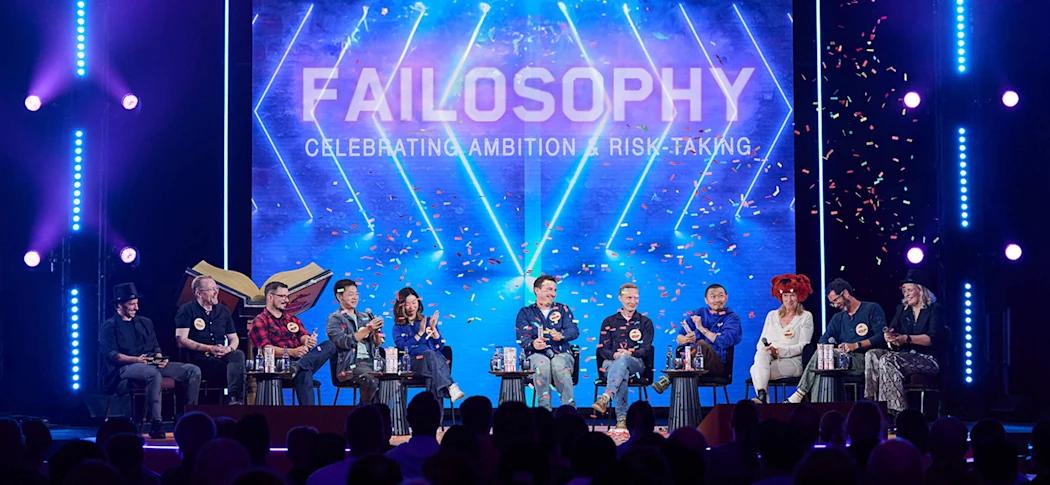
Supercell内部800人大会:项目被砍、业务被裁撤,失败了怎么办?
3 6 Ke· 2026-01-19 02:48
Core Insights - Supercell's recent blog post titled "What We've Learned from Failures" reveals the heavy side of their optimistic culture of celebrating failures, emphasizing that acknowledging failures does not equate to enjoying them [1][3]. Group 1: Company Culture and Learning from Failures - Supercell held an internal meeting where veteran employees shared significant failures, highlighting the need for newer employees to understand the company's history beyond its current successes [3]. - The blog serves as a declaration that celebrating failure does not mean it is pleasant; rather, it often comes with substantial sunk costs and emotional turmoil [3][5]. Group 2: Key Lessons from Failures - Supercell identified three core lessons from their failures, addressing common issues in the gaming industry: resource management, team dynamics, and value judgment [5]. - The first lesson emphasizes that ambition requires boundaries; unlimited resources can hinder innovation, as seen in the failure of "Clash Mini" due to indecision and lack of focus [6][10]. - The second lesson stresses the importance of team alignment with the game genre; "Hay Day Pop" failed because the team lacked passion for the match-three genre, leading to a reliance on data rather than instinct [11][18]. - The third lesson revolves around pride in the work; a failed marketing campaign for "Clash of Clans" was halted not due to poor data but because it did not meet Supercell's quality standards, reinforcing the importance of maintaining brand integrity [19][26]. Group 3: Psychological Safety and Organizational Structure - Supercell's commitment to celebrating failures through rituals like "opening champagne" fosters a culture of psychological safety, allowing employees to feel secure in taking risks without fear of retribution [28][30]. - This safety net is crucial for a decentralized organization where decision-making is distributed, as it encourages innovation and risk-taking among project leaders [30][32].