奢侈品制造

Search documents
法国市场获喘息契机:政治动荡中资产初稳,静待9月8日信任投票终极考验
智通财经网· 2025-08-27 08:29
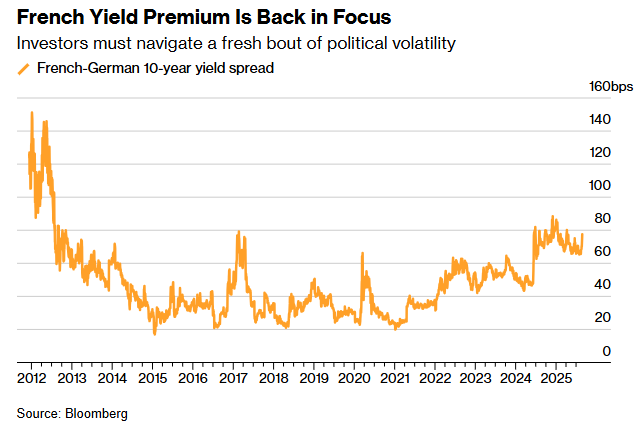
Group 1 - French assets stabilized in early trading, providing a respite ahead of a crucial vote next month that could trigger a government collapse [1] - The CAC 40 index rose by 0.4%, aligning with the broader European Stoxx 600 index, with leading gains from companies like Louis Vuitton, TotalEnergies, and Axa [1] - The yield premium on French bonds narrowed by 1 basis point to 77 basis points, following a recent peak not seen since April [1] Group 2 - Prime Minister François Bérou is facing political resistance due to a €44 billion ($51 billion) spending cut and tax increase plan, deemed essential to avoid a public finance disaster [4] - If the political crisis escalates, the yield spread on ten-year French government bonds could surge to 100 basis points, marking the highest level since 2012 [4] - Financial consolidation is viewed as a necessary action for the country, with expectations that French bonds will continue to perform poorly [4]

死亡终局?爱马仕150亿美元股权离奇失踪案
36氪· 2025-08-14 13:35
Core Viewpoint - The article discusses the mysterious disappearance of 6 million shares of Hermès stock, valued at approximately $15 billion, belonging to Nicolas Puech, a key heir of the Hermès family, following the death of his financial advisor Eric Freymond, which has led to a complex legal battle and raised questions about trust and wealth management in high-net-worth families [4][5][10]. Group 1: Background of the Case - Nicolas Puech, a significant member of the Hermès family, once held about 5.7% of the company's shares, amounting to 6 million shares, making him the largest individual shareholder [7][8]. - In 2022, Puech discovered that his 6 million shares had mysteriously vanished, leading to a public outcry and legal actions against Freymond, whom he suspected of fraud [5][10]. - The case has drawn attention due to its implications for wealth management practices among the ultra-wealthy, highlighting the risks of blind trust in financial advisors [28][30]. Group 2: Legal Proceedings and Findings - Swiss courts dismissed Puech's claims against Freymond, citing a lack of evidence for financial misconduct and emphasizing Puech's voluntary delegation of financial authority to Freymond [13][14]. - In contrast, French authorities initiated a deeper investigation, leading to preliminary charges against Freymond for forgery and serious breach of trust, suggesting potential wrongdoing [15][16]. - Freymond's defense included claims that Puech had previously sold portions of his shares to LVMH, raising questions about Puech's knowledge and involvement in these transactions [17][18]. Group 3: Financial Implications for Hermès - Following the legal turmoil, Puech's personal wealth has significantly diminished, with reports indicating he has only €600,000 in cash and approximately €96 million in illiquid investments, effectively losing his status as a billionaire [20][21]. - Hermès, however, continues to perform well financially, with a reported revenue growth of about 15% in 2024, indicating resilience despite the internal family disputes [30]. - The case has led to market fluctuations, with some investors temporarily reducing their holdings due to uncertainties surrounding the stock's ownership [29]. Group 4: Broader Industry Insights - The incident underscores the vulnerabilities in wealth management practices, prompting a reevaluation of how financial advisors handle client assets and the importance of transparency and oversight [28][30]. - The luxury goods sector is experiencing structural differentiation, with top brands like Hermès maintaining strong market positions while smaller brands struggle amid changing consumer demands [30]. - The ongoing saga of Puech's missing shares serves as a cautionary tale about the complexities of wealth preservation and the potential pitfalls of misplaced trust in financial relationships [28][31].
爱马仕股权迷局:最大个人股东出局,百亿股权离奇失踪|贵圈
Xin Lang Cai Jing· 2025-08-04 14:15
Group 1 - The CEO of Hermès, Axel Dumas, confirmed that Nicolas Puech, the former largest individual shareholder, no longer holds shares in the company, which was a reason for initiating legal proceedings, although Dumas does not believe the company can recover these shares [1] - Nicolas Puech previously held approximately 6 million shares of Hermès, valued at around €14 billion [1] - LVMH has been attempting to acquire Hermès since 2001, gradually increasing its stake and becoming the second-largest shareholder by 2010 with a 17.1% ownership [1] Group 2 - The Hermès family strongly opposed LVMH's acquisition efforts, with heirs freezing about 51% of their shares in a holding company, H51, to prevent any sales for 20 years [2] - In 2012, Hermès sued LVMH for holding over 20% of its shares through insider trading and was awarded a fine of €8 million for the lack of transparency in the transactions [2] - Nicolas Puech was implicated in assisting LVMH's chairman in stock exchange transactions, being the only family member not to sign a joint holding agreement [2] Group 3 - In 2014, Nicolas Puech retired from the Hermès board but remained the largest individual shareholder until recent news about his financial troubles emerged [3] - Puech accused his financial advisor of mismanagement and fraud, leading to the disappearance of his stock valued at $13 billion [3] - The latest wealth rankings indicate that the Hermès founding family has surpassed LVMH's Bernard Arnault, marking a significant shift in the French wealth landscape [3] Group 4 - Hermès reported a consolidated revenue of €8.034 billion for the first half of 2025, reflecting an 8% increase year-over-year at constant exchange rates and a 7% increase at current rates [4] - The second quarter sales reached €3.91 billion, showing a 9% growth at constant exchange rates, indicating an improvement compared to the first quarter [4]
牛人很多,为啥都不愿回印度?
虎嗅APP· 2025-08-04 14:05
Core Viewpoint - The article discusses the significant outflow of talent from India, particularly in the tech and medical fields, and the government's efforts to reverse this trend through various initiatives aimed at attracting Indian professionals back to the country [4][5][10]. Group 1: Talent Outflow - Many top Indian talents, including over 20,000 IIT alumni, have chosen to work abroad, particularly in the U.S., which poses a challenge to India's goal of becoming a developed nation by 2047 [4][5]. - The U.S. H-1B visa restrictions and academic policies have created a turbulent environment for global talent movement, potentially benefiting India's "Bring Back the Phoenix" initiatives [5][11]. - In the AI sector, only 1% of the world's top AI researchers from India remain in the country, while in the medical field, around 70,000 Indian-trained doctors practice abroad, leading to a significant shortage of healthcare professionals domestically [11][12]. Group 2: Government Initiatives - The Modi government has launched several policies to attract talent back to India, including initiatives like "Make in India," "Digital India," and "Startup India," aimed at creating a conducive environment for innovation [13][14]. - The government is also promoting the Overseas Citizen of India (OCI) program, offering tax incentives and grants to encourage Indian expatriates to reintegrate into the Indian economy [13][14]. - Specific scholarship programs, such as the VAIBHAV scholarship, have been established to facilitate collaboration between overseas Indian scientists and Indian institutions [14][17]. Group 3: Success Stories and Challenges - There has been a noticeable increase in the return of Indian professionals, including entrepreneurs and scientists, with about 20% of India's unicorn startups having founders educated in the U.S. [17]. - Despite the positive trends, challenges remain, including the need for improved research infrastructure and regulatory environments to retain returning talent [19][20]. - Historical examples, such as the successful transformation of India's automotive industry through the return of Indian engineers from the U.S., highlight the potential benefits of attracting talent back to India [20].

欧股迎来风险情绪释放!美欧达成15%关税协议,汽车、奢侈品板块料领涨
智通财经网· 2025-07-27 23:51
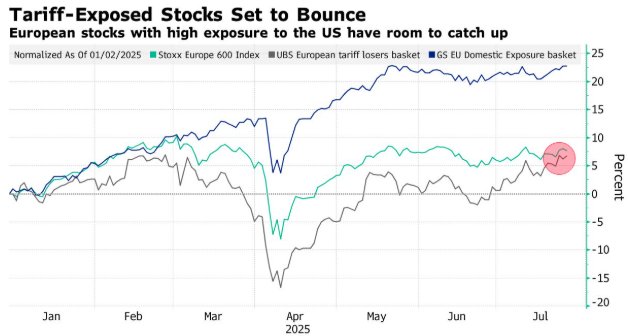
Group 1: Market Reaction and Expectations - Investors expect a rebound in European stock markets following the trade agreement between the US and EU, with automotive and luxury goods manufacturers leading the rise [1][3] - The Stoxx 600 index is currently 2.3% lower than its historical high in March, indicating potential for recovery in sectors heavily impacted by tariffs [3] - The agreement is seen as a significant boost for the European stock market, especially during the earnings season [3] Group 2: Key Sectors and Companies - The automotive sector, including companies like Stellantis, Volkswagen Group, Mercedes-Benz Group, and BMW, is expected to benefit significantly from the 15% tariff agreement [3][4] - Luxury goods manufacturers such as LVMH, Kering, and Ferragamo are also in focus, as North America is a crucial market for the luxury sector [3] - Beverage manufacturers and shipping companies, including Diageo, Remy Cointreau, and Maersk, are highlighted due to their sensitivity to freight business and tariffs [4] Group 3: Market Sentiment and Future Outlook - Market sentiment is cautious, with some investors warning that the initial rise may be temporary until more details about the trade agreement are clarified [4][5] - Analysts suggest that while there may be a short-term rebound, long-term implications could suppress economic growth in Europe [5] - The automotive sector is identified as a major winner from the tariff agreement, with potential benefits also extending to US defense and energy sectors due to EU procurement commitments [5]

用“恐龙皮”做奢侈品包包,是高级洗绿还是真实解决方案?
3 6 Ke· 2025-07-17 04:10
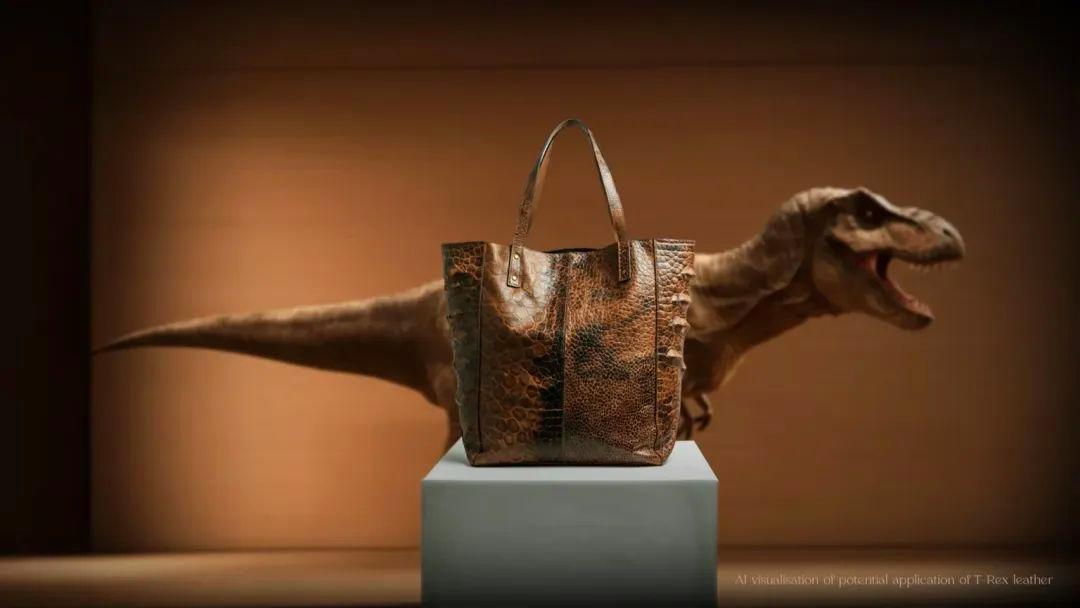
Core Viewpoint - The collaboration between VML, The Organoid Company, and Lab-Grown Leather aims to create "dinosaur leather" from collagen fragments found in a T. rex fossil, positioning it as a luxury item with claims of being "zero cruelty" and "biodegradable" [1][6][7]. Group 1: Scientific and Technical Aspects - The process involves extracting collagen fragments from a T. rex fossil discovered in Montana in 1988, which are then used to reconstruct the dinosaur's collagen gene sequence by referencing the genes of its modern relatives [3][6]. - Lab-Grown Leather claims that their "dinosaur leather" mimics the structure and feel of genuine leather, but the scientific validity of this claim is questioned due to the fragmented nature of the collagen extracted [6][7]. - The production of the leather requires extensive testing and processing, including tanning and finishing, to ensure quality standards such as thickness and durability [4]. Group 2: Environmental and Ethical Concerns - The environmental claims of "zero animal harm" and "biodegradable" are scrutinized, as the energy consumption and carbon footprint of the cell culture process remain undisclosed [7][8]. - The potential for the product to be a mere marketing gimmick rather than a genuine technological breakthrough raises concerns about the authenticity of the environmental narrative [6][8]. - The commercialization of extinct species raises ethical questions about the privatization of natural heritage, as it could lead to a new form of class distinction based on access to such luxury items [8][9]. Group 3: Industry Context and Challenges - The luxury goods industry is currently facing challenges, including a downturn in sales and changing consumer perceptions, particularly among younger generations who no longer view luxury items as status symbols [10][16][17]. - The high price point of the proposed dinosaur leather products is seen as a continuation of the luxury market's strategy to create scarcity and justify exorbitant pricing [8][14]. - Despite the potential for sustainable practices within the luxury sector, the focus on marketing and exclusivity may overshadow genuine efforts towards innovation and sustainability [11][13].
爱马仕首款Birkin拍出7200万元,为何能成“全球最贵”包袋?
3 6 Ke· 2025-07-13 23:39
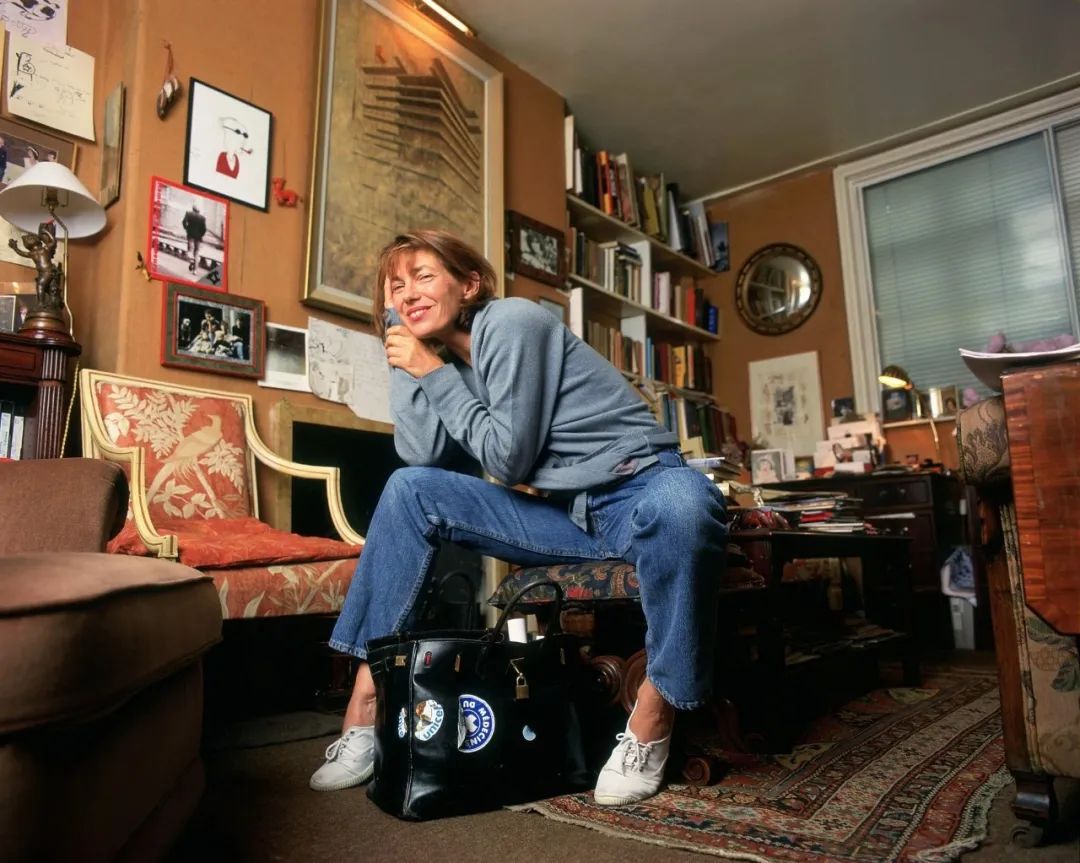
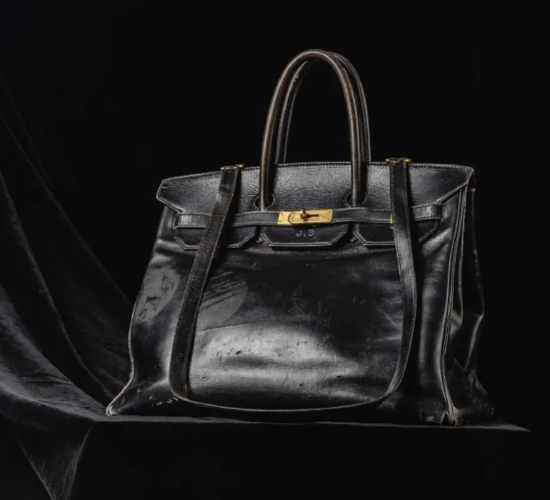
Core Insights - The original Birkin bag designed for actress Jane Birkin was sold for an astonishing €8.5825 million (approximately ¥72 million), making it the most expensive handbag ever sold at auction and the second most expensive fashion item in history [1][2] - The auction took place at Sotheby's in Paris, with the bag's starting bid set at €1.7 million, significantly higher than the expected range of €1 million to €2 million [1] - The intense bidding lasted about 10 minutes, showcasing the strong global demand for rare luxury collectibles [1] Summary by Category Auction Details - The Birkin bag was sold to a private collector from Japan via telephone bidding [1] - The auction attracted collectors from around the world, indicating a robust market for luxury items [1] Brand and Cultural Significance - The Birkin bag represents the core spirit and cultural significance of the Hermès brand, embodying a unique story and emotional value [2] - The bag's design was inspired by a chance encounter between Jane Birkin and Jean-Louis Dumas, the then head of Hermès, in 1981 [2][5] - The original Birkin bag features unique design elements that distinguish it from later mass-produced versions, such as an unremovable shoulder strap and specific metal details [4][5] Investment Potential - Since its inception, the average annual price increase of Birkin bags has been 14.2%, outperforming many global stock markets, thus being regarded as a "money-making asset" [10] - Special editions and unique materials of Birkin bags also perform well in the auction market, with some fetching prices in the hundreds of thousands of dollars [10] Historical Context - The original Birkin bag was auctioned after being preserved by a private collector and had previously been exhibited at the Museum of Modern Art in New York [7] - The cultural and historical narratives associated with the Birkin and Kelly bags enhance their emotional value and market appeal, making them more than just functional items [13]
原版爱马仕柏金包拍出7200万元天价,成拍卖史上最昂贵包袋|贵圈
Xin Lang Ke Ji· 2025-07-11 03:12
Group 1 - The Hermès Birkin bag was sold for €8.5825 million (approximately $10 million) at a Sotheby's auction in Paris, making it the most expensive handbag ever sold at auction [1] - The bag was originally custom-made in 1984 for the late British singer and actress Jane Birkin by then-Hermès CEO Jean-Louis Dumas [1] - Prior to this auction, the most expensive handbag was a diamond-encrusted crocodile skin Himalaya Kelly bag, which sold for HK$4 million (about $510,000) in 2021 [1] Group 2 - The Birkin bag was launched by Hermès in 1984 and is named after Jane Birkin, who inspired its design during a flight with Jean-Louis Dumas [2] - The original Birkin bag differs from commercial versions, featuring a non-removable shoulder strap and a nail clipper, with the initials "J.B." of Jane Birkin embossed on the front flap [2] - In the first quarter of 2025, Hermès reported a 9% year-on-year revenue growth, contrasting with a 3% decline in organic revenue for LVMH during the same period [2]
24小时环球政经要闻全览 | 7月11日
Ge Long Hui· 2025-07-11 00:35
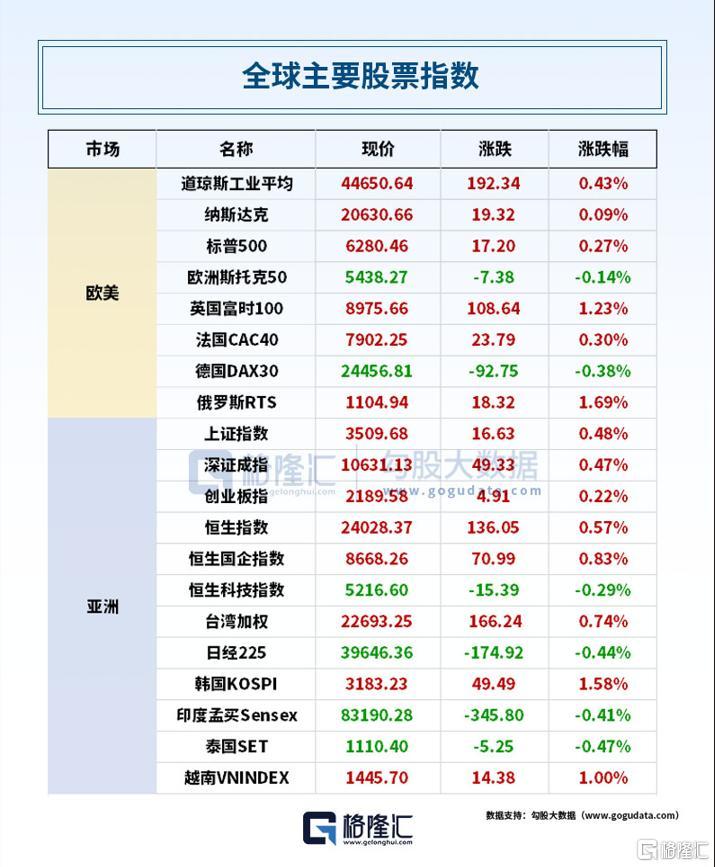
Market Performance - Major stock indices in the US showed mixed results, with the Dow Jones Industrial Average at 44,650.64, up by 192.34 points (0.43%) [1] - The S&P 500 index increased by 17.20 points (0.27%) to 6,280.46, while the Nasdaq rose by 19.32 points (0.09%) to 20,630.66 [1] - In Europe, the UK FTSE 100 rose by 108.64 points (1.23%) to 8,975.66, while the German DAX 30 fell by 92.75 points (-0.38%) to 24,456.81 [1] Economic Commentary - President Trump emphasized the strength of the US economy, citing record highs in technology stocks and the Nasdaq index, and urged the Federal Reserve to lower interest rates [2] - Trump claimed that since the imposition of tariffs, Nvidia's stock has surged by 47%, highlighting the impact of tariffs on the market [2] Investment Outlook - JPMorgan forecasts a potential inflow of $500 billion into the US stock market in the second half of the year, which could lead to a 5%-10% increase in the S&P 500 index by year-end [5] - Retail investors have already invested $630 billion in stock funds in the first four months of the year, with an additional $360 billion expected to be allocated in the next six months [5] Corporate Developments - Delta Air Lines reported a net profit of $2.13 billion for Q2 2025, marking a 63% year-on-year increase, and has reinstated its financial guidance for the year [10] - Delta anticipates earnings per share to reach between $5.25 and $6.25, with free cash flow projected at $3 to $4 billion [10] Technological Advancements - Elon Musk announced that the AI chatbot Grok will soon be integrated into Tesla vehicles, enhancing the driving experience and supporting full self-driving capabilities [11]
法拉利正越来越像爱马仕,而非传统汽车制造商
阿尔法工场研究院· 2025-07-06 03:38
Core Viewpoint - Ferrari stands out in the automotive industry due to its unique identity, high market value, and impressive profit margins compared to mass-market manufacturers like Stellantis [3][4][5]. Group 1: Company Performance - In the previous year, Ferrari sold nearly 14,000 cars, while Stellantis sold 5.7 million cars, yet Ferrari's market value reached €74 billion (approximately $87 billion), significantly higher than Stellantis's €25 billion (approximately $28 billion) [3]. - Since separating from Fiat Chrysler, Ferrari's sales have nearly doubled since 2015, and its revenue has quadrupled, with its market value increasing about ninefold since its IPO [4]. - Under CEO Benedetto Vigna's leadership, Ferrari has successfully positioned itself as more than just a luxury brand, aiming to outperform even the most valuable luxury companies [4][9]. Group 2: Pricing and Demand - Ferrari has maintained its exclusivity by adhering to the principle of selling "one car less than market demand," resulting in rapid price increases for new models, with the latest 12-cylinder model priced 30% higher than its predecessor [5]. - The upcoming F80 model is expected to generate over €2.3 billion in revenue, and Ferrari has introduced limited-edition models to fill gaps between major releases [5][6]. - Customization options have also increased, allowing prices to rise by 20%, with average spending per owner projected to exceed €500,000 next year [6][7]. Group 3: Customer Loyalty and Marketing - Approximately 80% of Ferrari's customers are existing owners, fostering a strong brand loyalty that drives demand [7]. - Ferrari's marketing strategy involves creating an exclusive community among collectors, with high demand for models like the F80, which has three times the number of orders compared to available units [8]. - The company's marketing director emphasizes the importance of exclusivity, often rejecting potential buyers to maintain brand prestige [8]. Group 4: Competitive Landscape - Ferrari's unique position is contrasted with luxury brands like Hermès, as Ferrari combines traditional craftsmanship with cutting-edge technology and motorsport participation [10][12]. - Unlike Hermès, which relies on a broader range of products, Ferrari's revenue is primarily derived from ultra-wealthy consumers, making it less susceptible to economic downturns [12]. Group 5: Challenges Ahead - Concerns have been raised about Ferrari's aggressive price increases and the potential impact on brand uniqueness if production scales up [13]. - The company faces challenges in transitioning to electric vehicles, with its first electric model, Elettrica, set to launch next year, and delays reported for the second electric model until 2028 [13].