
女装

Search documents
2025女装上市企业半年考:谁在领跑,谁在突围?
Sou Hu Cai Jing· 2025-09-02 08:37
Industry Overview - The overall retail sales of clothing, shoes, and textiles in China reached 742.6 billion yuan in the first half of 2025, with a year-on-year growth of 3.1%, but the growth rate in June was only 1.9%, indicating market demand fluctuations [1] - Cumulative textile and clothing exports amounted to 143.978 billion USD, with a slight year-on-year increase of 0.76%, while clothing exports decreased by 0.2%, reflecting challenges from global economic changes and trade policy adjustments [1] Women's Fashion Market - Consumer purchasing habits are significantly changing, with online shopping becoming a major channel, prompting women's clothing companies to increase their digital marketing investments [2] - The demand for women's clothing is evolving beyond basic functionality to include fashion sense, comfort, personalization, and environmental sustainability [2] Winner Fashion - Winner Fashion reported a total revenue of 3.104 billion yuan in the first half of 2025, a decline of 6.12% compared to the same period in 2024, indicating cautious consumer spending in the mid-to-high-end women's clothing market [4] - The company achieved a net profit of 289 million yuan, a 2.17% increase year-on-year, with a net profit margin rising from 8.55% to 9.31% [4] - Cash flow from operating activities increased significantly by 98.27% to 896 million yuan, showcasing improved working capital management [4] E-commerce Performance - E-commerce channels became a highlight for Winner Fashion, with total revenue from e-commerce platforms reaching 595 million yuan, an increase of 8.88% [5] - The Douyin platform saw a revenue growth of 14.25%, while WeChat video accounts experienced a remarkable 136.45% increase, driven by the company's focus on live-streaming sales and collaborations with KOLs [5] Brand Performance - Winner Fashion's high-end brand La Koradior achieved a revenue growth of 9.65% to 280 million yuan, reflecting strong demand from high-income consumers [6] - The core brand Koradior generated 1.044 billion yuan, accounting for 33.64% of total revenue, showing stability despite a slight decline [6] - Other brands like NAERSI and ELSEWHERE faced revenue declines, indicating the need for strategic adjustments [6] Anzheng Fashion - Anzheng Fashion demonstrated strong growth in the first half of 2025, with total revenue of 1.146 billion yuan, a year-on-year increase of 12.38% [8] - The company achieved a net profit of 22.0834 million yuan, a significant increase of 282.36% [8] - E-commerce became a key growth driver, with the e-commerce service segment growing by 9.34% [9] Jin Hong Group - Jin Hong Group reported a revenue decline of 4.04% to 1.994 billion yuan and a net profit drop of 23.03% to 114 million yuan [11] - The company is transitioning from a "product manufacturer" to a "cultural operator," integrating cultural elements into product design [12] Daybo Fashion - Daybo Fashion experienced a revenue decline of 7.92% to 378 million yuan, but net profit turned positive at 38.2876 million yuan, a significant improvement [15] - The company implemented cost control measures, reducing sales and management expenses, which contributed to profit growth [15] Dizhu Fashion - Dizhu Fashion's revenue decreased by 5.55% to 1.067 billion yuan, with a net profit decline of 23.54% [18] - The company faces challenges in the mid-to-high-end women's clothing segment, with consumer purchasing behavior becoming more rational [19] Ge Li Si - Ge Li Si reported a slight revenue decline to 1.371 billion yuan, but net profit increased by 45.3% to 85.06 million yuan [22] - The brand matrix showed strong performance, particularly in online sales, which grew by 21% [24] Tai Ping Bird - Tai Ping Bird's total revenue fell by 7.86% to 2.898 billion yuan, with a net profit decline of 54.61% [26] - The company is actively adjusting its channel structure, focusing on flagship and collection stores [27] Langzi Co. - Langzi Co. achieved a revenue of 2.788 billion yuan, a decline of 4.3%, but net profit increased by 64.09% to 274 million yuan [30] - The company is enhancing its digital operations and expanding its online sales channels [31] Xin He Co. - Xin He Co. reported a revenue increase of 0.78% to 707 million yuan and a net profit growth of 214.92% to 14.6979 million yuan [34] - The company improved its profitability through effective cost control and marketing strategies [35] Market Trends and Future Outlook - The women's clothing industry is experiencing a divergence in performance among major companies, influenced by market conditions, brand strategies, channel layouts, and cost control [37] - Future opportunities include the growing demand for personalized, high-quality, and sustainable women's clothing, alongside the integration of digital technologies in operations [39] - Companies are encouraged to strengthen brand positioning, innovate products, and optimize channel strategies to adapt to changing consumer preferences [40]

朝闻国盛:央地财政关系的历史、现状和前景分析
GOLDEN SUN SECURITIES· 2025-08-27 00:24
Group 1: Central-Local Fiscal Relations - The report discusses the historical, current, and future analysis of central-local fiscal relations, indicating that reforms may focus on cultivating local tax sources, moderately centralizing fiscal responsibilities, and promoting fiscal system reforms below the provincial level [5]. - It highlights that the macro tax burden is decreasing and land finance is waning, making it essential to cultivate new tax sources for local governments, with a projected increase in local revenue of approximately 209.3 billion yuan from consumption tax reforms [5]. - The report suggests that the central government may take on more fiscal responsibilities in areas with broader impacts, such as higher education, public health, and social security, to alleviate local fiscal pressures [5]. Group 2: Computer Industry - Cambrian Technology - Cambrian Technology reported a significant revenue increase of 4,348% year-on-year for H1 2025, reaching 28.81 billion yuan, with a net profit of 1.038 billion yuan, reflecting a 296% increase [9][10]. - The company maintained a gross margin of 55.88% in Q2 2025, indicating stable profitability despite rapid revenue growth, with expectations for strong cash flow and inventory recovery in Q3 [10][11]. - The report anticipates that the AI wave will significantly boost demand for computing power, with Cambrian positioned to benefit from increased domestic market share in the face of geopolitical challenges [11][12]. Group 3: Food and Beverage Industry - Nongfu Spring - Nongfu Spring reported a revenue of 25.622 billion yuan for H1 2025, a year-on-year increase of 15.6%, with a net profit of 7.622 billion yuan, up 22.1% [20]. - The company is expected to continue recovering market share in packaged water and is focused on innovation in beverage products, projecting net profits of 14.6 billion yuan by 2027 [20]. Group 4: Environmental Sector - Huahong Technology - Huahong Technology experienced significant profit growth in H1 2025, driven by improved cost control and the recovery of rare earth prices, with expectations for rapid growth as new capacities come online [21]. - The report maintains a "buy" rating, emphasizing the company's strong position in the recycling of rare earths and the anticipated demand from the automotive sector [21]. Group 5: Real Estate Sector - China Overseas Property - China Overseas Property reported a revenue increase of 3.7% in H1 2025, with a net profit of 7.69 billion yuan, reflecting a 4.3% growth [24]. - The company is focusing on optimizing its service structure and expanding its management area, with expectations for continued growth in the property management sector [25].






赢家时尚(03709.HK):业绩表现符合预期 盈利能力提升 资产质量稳健
Ge Long Hui· 2025-08-26 19:50
Core Viewpoint - The company reported its mid-year performance for 2025, which met expectations, with a revenue of 3.104 billion yuan, a year-on-year decrease of 6.1%, and a net profit attributable to shareholders of 289 million yuan, a year-on-year increase of 2.2% due to significant reductions in share-based compensation expenses [1] Group 1: Brand Performance - Among the main brands, Koradior saw a slight revenue decline of 1.2% to 1.04 billion yuan, accounting for 33.6% of total revenue, with a net reduction of 22 stores to 654 [1] - NAERSI's revenue decreased by 10.9% to 655 million yuan, representing 21.1% of total revenue, with a net reduction of 11 stores to 425 [1] - La Koradior stood out with a revenue increase of 9.7% to 280 million yuan, despite a net reduction of 3 stores [1] Group 2: Channel Performance - E-commerce maintained steady growth for 12 consecutive years, with online revenue increasing by 8.9% to 595 million yuan, accounting for 19.2% of total revenue, and a gross margin increase of 2.3 percentage points to 63.4% [2] - The company optimized its offline store strategy, closing a net total of 74 stores, bringing the total to 1,765, with a direct retail revenue decrease of 7.7% to 2.431 billion yuan, accounting for 78.3% of total revenue [3] Group 3: Financial Performance - The company achieved a significant increase in net cash flow from operating activities, reaching 896 million yuan, a year-on-year growth of 98.3% [4] - The overall gross margin remained stable at 76.4%, with a notable reduction in selling and distribution expenses by 8.1% [3] - The net profit margin attributable to shareholders increased by 0.8 percentage points to 9.3% due to improved operating profit and reduced share-based compensation expenses [3] Group 4: Future Outlook - The company aims to establish itself as a leading Chinese light luxury brand management group, with expectations for stronger growth momentum under new positioning and management upgrades [4] - Profit forecasts for 2025-2027 have been adjusted downwards, with expected net profits of 510 million, 550 million, and 590 million yuan respectively [4] - The company is compared to peers in the mid-to-high-end women's wear sector, with a target price-to-earnings ratio of 10 times, indicating a potential upside of 13% from the current market value [4]
赢家时尚(03709.HK):净利润表现稳健 渠道优化持续推进
Ge Long Hui· 2025-08-26 19:50
Core Viewpoint - The company demonstrated stable performance in H1 2025 with a revenue of 3.1 billion and a net profit of 290 million, showing a year-on-year decline in revenue but an increase in net profit [1] Financial Performance - In H1 2025, the company's revenue and net profit were 3.1 billion and 290 million respectively, reflecting a year-on-year change of -6% and +2% [1] - The gross profit margin increased by 0.1 percentage points to 76.4%, while the sales expense ratio decreased by 1.2 percentage points to 56.3%, and the management expense ratio decreased by 1.1 percentage points to 10.1%, resulting in a net profit margin increase of 0.8 percentage points to 9.3% [1] Brand Performance - Brand performance varied, with La Koradior showing steady growth, while Koradior and NEXY.CO remained relatively stable. The company has eight high-end women's wear brands that complement each other in market positioning and pricing [2] - Specific brand revenues for H1 2025 include: Koradior at 1.04 billion (-1% YoY), NAERSI at 650 million (-11% YoY), NEXY.CO at 480 million (-4% YoY), and La Koradior at 280 million (+10% YoY) [2] - The total number of SKUs decreased by 7.4% to 5,894, focusing resources on core styles [2] Channel Optimization - The company continues to optimize its channel structure, primarily focusing on direct sales. In H1 2025, revenue from direct sales, franchises, and e-commerce was 2.43 billion, 80 million, and 590 million respectively, with year-on-year changes of -8%, -38%, and +9% [3] - The number of direct stores decreased by 56 to 1,388, while franchise stores decreased by 18 to 377, with expectations for stable store numbers in H2 2025 [3] - Inventory turnover slowed down, with inventory amounting to 1.49 billion (+17% YoY) and turnover days increasing by 97 days to 376 days [3] Outlook for 2025 - For the full year of 2025, the company anticipates a potential decline in revenue due to changes in customer traffic and channel expansion plans [4] - However, the company aims to improve profit quality through cost control and efficiency optimization, expecting stable growth in net profit for the year [4] - The company is positioned as a leading player in the domestic mid-to-high-end women's wear market, with operational efficiency improvements expected to drive long-term performance growth [4]
实探主理人网红店TWOI:有爆款二手价炒5倍 进店需预约
Xin Jing Bao· 2025-08-24 04:46
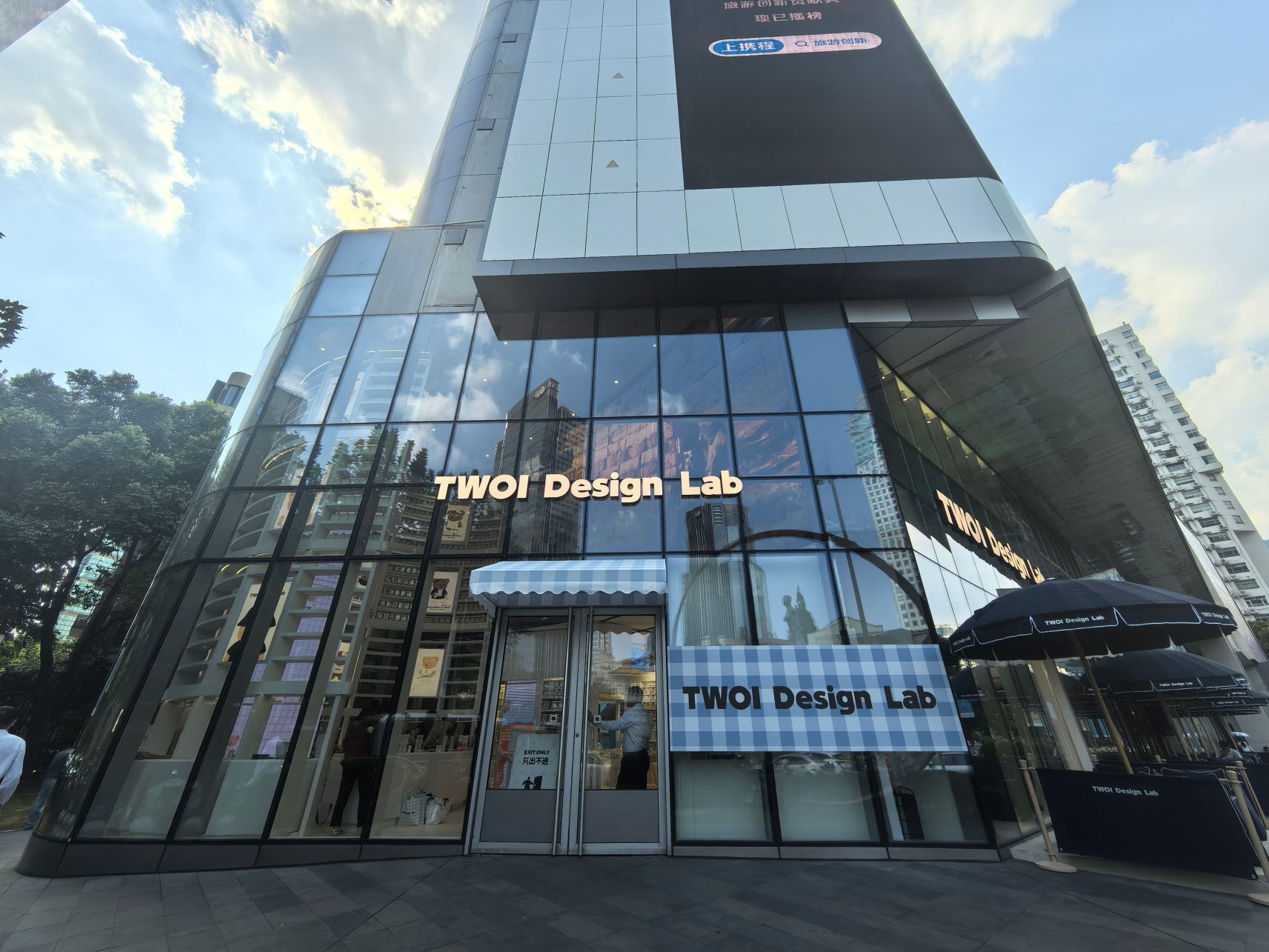
Core Insights - TWOI, a designer women's clothing brand, opened its first store in Shanghai in mid-August, generating significant customer interest and long queues on opening day [1][3] - The brand's popular product, the "werwer hairpin," has seen its resale price on second-hand platforms soar to 1.9 to 5.8 times its original price [7][8] - Following safety concerns and a temporary closure, the store implemented a reservation system for customers to manage foot traffic [1][5] Company Overview - TWOI Design Lab, founded in 2018 by Bing Xiong Xiao Ying, targets young women aged 18-28 and focuses on their diverse needs [8] - The brand entered the e-commerce market in 2022 and opened its first permanent offline store in Beijing in May 2024 [8] - TWOI's sales performance during the "6.18" shopping festival exceeded expectations, achieving a GMV of 200 million yuan [8] Store Operations - On August 22, the reopened TWOI store in Shanghai saw minimal customer traffic, with staff outnumbering shoppers [5][6] - The store has adopted a QR code reservation system to control the number of customers entering, gradually increasing the hourly capacity from 30 to 100 [5][6] - Despite the initial hype, the actual customer turnout has been less than 30% of the reserved slots [5][6]
“经济上行的美”,是真繁荣还是怀旧幻象?
虎嗅APP· 2025-08-18 09:47
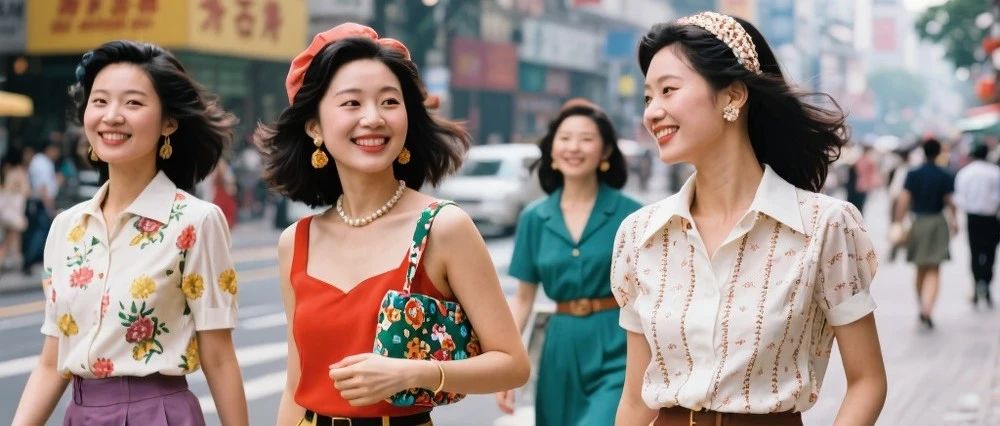
Core Viewpoint - The article discusses the evolving dynamics of the women's fashion market, highlighting the tension between traditional feminine aesthetics and modern minimalist styles, while critiquing the societal pressures and standards imposed on women's bodies through fashion and advertising [4][5][6]. Group 1: Fashion Trends and Societal Pressures - The women's fashion market is experiencing a split between soft, feminine elements and rational, minimalist styles, which often impose new standards on body types [4]. - Advertising in the lingerie sector emphasizes the "no trace" concept, reinforcing the idea that women's bodies should not leave any "marks," thus promoting products that "correct" perceived body flaws [5]. - Language surrounding women's bodies has become more derogatory, with terms like "camel toe" and "pork belly line" demonizing natural body contours, often through voyeuristic perspectives [5]. Group 2: Cultural Reflections in Media - The film "Barbie" serves as a counter-narrative to the unrealistic standards of femininity, portraying a character that embodies the complexities of real women's experiences rather than an idealized version [5][6]. - The conclusion of "Barbie" resonates with contemporary women's anxieties about conforming to a compressed and modified standard of beauty, questioning the allowance for authentic bodily experiences [5]. Group 3: Shifts in Fashion Meaning - The role of clothing has fundamentally shifted from merely aesthetic to a powerful symbol of identity and moral judgment, reflecting broader societal changes [6][7]. - The red MAGA hat is cited as a prime example of how clothing can convey political messages and reinforce tribal identities, showcasing the intersection of fashion and ideology [7]. Group 4: The Impact of Social Media - Social media has transformed personal expression, with private details of life becoming public, thus reshaping individual identity and self-perception [22][23]. - The phenomenon of "everyone being a blogger" highlights the pressure to curate a public persona, often leading to fragmented identities across different platforms [24]. Group 5: Labor and Ethical Considerations in Fashion - The fast fashion industry is critiqued for its exploitative labor practices, particularly affecting women workers in developing countries, who face long hours and low wages [31][32]. - The systemic undervaluation of labor in the fashion supply chain raises ethical questions about consumer choices and the true cost of "freedom of choice" in fashion [31][33].
“淘系女装第一股”戎美走不出舒适圈
Xin Lang Cai Jing· 2025-08-12 03:03
Core Viewpoint - Rongmei Co., Ltd. has not fully realized its fundraising plan since its IPO, with a significant portion of the raised funds redirected to supplement working capital instead of intended projects [1][2][4]. Fundraising and Project Implementation - The company raised a total of 17.33 billion yuan, with 6.01 billion yuan designated for investment projects, but only about 3.2 billion yuan was actually used for these projects [2][4]. - The largest project, the "Modern Manufacturing Service Base Project," was completed with an actual investment of 2.4 billion yuan, leaving a surplus of 1.9 billion yuan for working capital [1][2]. - The remaining three projects were concluded with significant budget reductions, leading to a total surplus of approximately 1.2 billion yuan, all allocated for working capital [2][4]. Business Performance and Market Position - Rongmei's revenue peaked at 949 million yuan in 2022 but has since declined to 767 million yuan in 2023 and is projected to drop further to 689 million yuan in 2024, with a 17% decline in Q1 2025 [7][9]. - The company maintains a strong position in the Taobao platform, contributing 99.9% of its revenue, with its main store ranking among the top in sales [6][7]. - Despite external pressures, the company has not effectively adapted its strategy, remaining conservative in channel expansion and failing to establish a strong brand identity [8][9]. Strategic Adjustments and Future Outlook - The company plans to reduce investment in physical expansion and focus on improving online store operations, reflecting a shift in strategy due to market conditions [4][9]. - Rongmei's approach to cost-cutting has led to a 34% reduction in sales expenses, resulting in a 26% increase in net profit, but its gross margin remains lower than industry peers [9]. - Analysts suggest that the company needs to clarify its brand positioning and develop a long-term strategy to avoid stagnation and ensure growth [9][10].
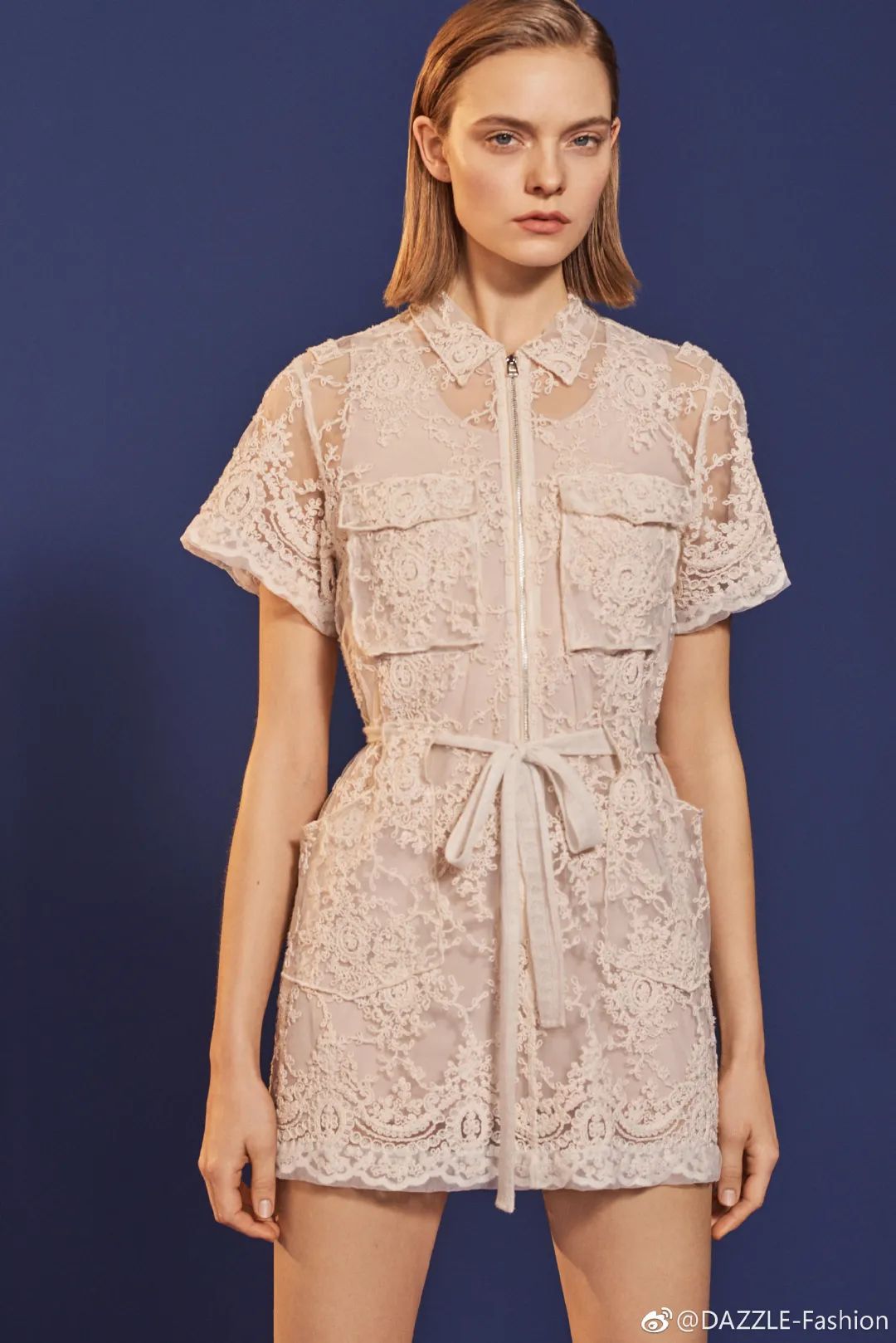
“女装一姐”,卖不动了?
3 6 Ke· 2025-07-20 23:46
Core Viewpoint - The fashion brand Dazzle is facing significant challenges, with declining revenues and profits, as well as a loss of market position among urban women's clothing brands, reflecting a broader shift in consumer preferences and fashion trends [3][10][24]. Financial Performance - Dazzle's financial report indicates a decline in both revenue and net profit for the fiscal year 2024, with a continued downward trend into the first quarter of 2025 [3][10]. - The company closed over 100 stores within a year, with its main brand Dazzle experiencing an 18.37% revenue drop, the largest among its four brands [3][10][24]. - The revenue in the East China region, which contributes the most to Dazzle's earnings, fell by 15.16% to 9.62 billion [10]. Market Position and Competition - Dazzle's main brand did not make it to the top sales rankings during major promotional events, while competitors like Moco, Cos, and Edition performed well [3][10][24]. - The brand's image and offerings are perceived as lacking differentiation in a market that has become increasingly segmented and competitive [21][24]. Consumer Behavior and Trends - There is a noticeable shift in consumer preferences, with high heels and luxury handbags losing their appeal, leading to a more casual workplace attire [26]. - Consumers express dissatisfaction with Dazzle's current offerings, citing a lack of appealing designs [10][21]. Marketing and Brand Strategy - Dazzle is attempting to revitalize its brand image through collaborations with popular celebrities and influencers, but this has not translated into increased sales [22][24]. - The brand's marketing expenses have decreased, which may impact its visibility and sales performance [24][25]. Online and Offline Sales Channels - Dazzle's online revenue decreased by 7.31% to 3.68 billion, accounting for 16.60% of total revenue, while offline sales dropped by 17.88% to 18.46 billion, making up 83.40% of total revenue [24][25]. - The total number of Dazzle stores decreased to 890, with the main brand closing the most locations [24].

女装网购退货率为啥这么高?
Ren Min Ri Bao Hai Wai Ban· 2025-07-16 23:59
Core Viewpoint - The high return rate in the women's clothing e-commerce sector is attributed to various factors, including consumer expectations, product quality discrepancies, and sizing inconsistencies, leading to a significant challenge for both consumers and retailers [6][10][11]. Group 1: Consumer Behavior and Expectations - Consumers are increasingly ordering more clothing items online but finding it harder to keep them, resulting in a return rate where 50% to 60% of women's clothing is returned [7][8]. - A study by 36Kr Research Institute indicates that the return rate for women's clothing is particularly high, with live-streamed sales seeing rates as high as 80% [7]. - Many consumers report that the quality of items received often does not match their expectations based on online representations, leading to dissatisfaction and returns [9][10]. Group 2: Quality and Sizing Issues - The complexity of women's clothing design contributes to the difficulty in finding suitable fits, as different body types can drastically change how a garment looks [9]. - There is a notable inconsistency in sizing standards across different retailers, causing confusion and leading to returns when items do not fit as expected [12]. - Retailers often prioritize low-cost production, which can compromise quality, resulting in garments that do not meet consumer expectations [10][11]. Group 3: E-commerce Platform Dynamics - E-commerce platforms have simplified return processes, which, while consumer-friendly, have also led to some consumers abusing the system, treating online stores as "free fitting rooms" [13][14]. - Platforms are implementing measures to address high return rates, such as using big data for better size recommendations and quality assessments, which have reportedly reduced return rates by 2 to 3 percentage points [15]. - The introduction of features like "return treasure" aims to encourage consumers to try new products while helping retailers manage return costs more effectively [15].

【私募调研记录】仁桥资产调研朗姿股份
Zheng Quan Zhi Xing· 2025-07-11 00:13
Group 1: Company Overview - Renqiao Asset recently conducted research on a listed company, Langzi Co., which showed varied performance among its medical beauty brands in Q1 2025, with Jingfu Medical Beauty's net profit increasing by 633.07% while other brands like Milan Baiyu and Wuhan Wuzhou experienced declines [1] - Langzi Co. aims to focus on technological innovation, customer needs, marketing channel optimization, and data governance in its medical beauty business, adhering to the philosophy of "safe medical beauty, reputation medical beauty, and quality medical beauty" without engaging in price competition [1] - The company has reduced its holdings in Ru Yuchen and accounted for the difference between the book value and the proceeds from the sale as investment income [1] Group 2: Financial Performance - In Q1, the revenue distribution among medical beauty departments was 45.14% for minimally invasive, 39.95% for dermatology, and 14.57% for surgery [1] - The sales expense ratio for medical beauty was 35.53%, with major marketing channels including local life platforms and short video platforms [1] - Online sales in the women's clothing segment increased by 14.31%, raising its revenue share to 42.62% of the women's clothing business [1]
