
氢能和核聚变能

Search documents
先进制造业地位凸显 新兴产业和未来产业蕴藏新机遇
Zhong Guo Zheng Quan Bao· 2025-10-28 21:10
Core Insights - The "14th Five-Year Plan" emphasizes the construction of a modern industrial system, reinforcing the foundation of the real economy, with a focus on intelligent, green, and integrated development [1][2] Group 1: Advanced Manufacturing - The plan highlights the importance of maintaining a reasonable proportion of the manufacturing sector, underscoring the critical role of advanced manufacturing in economic development [1][3] - Advanced manufacturing is identified as a key focus for future development, with institutions suggesting it will drive the transformation and upgrading of the economic structure [2][3] Group 2: Traditional Industries - The plan calls for the optimization and upgrading of traditional industries, aiming to enhance the global competitiveness of sectors such as mining, metallurgy, and machinery [2][3] - It emphasizes the need for technological transformation and the promotion of smart, green, and service-oriented manufacturing [2][3] Group 3: Emerging and Future Industries - The plan aims to cultivate and expand emerging and future industries, focusing on strategic sectors like new energy, aerospace, and low-altitude economy [3][4] - It outlines initiatives for large-scale application demonstrations of new technologies and products, accelerating the development of emerging industries [3][4] Group 4: Future Industry Development - The plan encourages exploration of diverse technological routes and business models in future industries, including quantum technology and hydrogen energy [4] - It highlights the potential of sectors like energy storage and solid-state batteries, which are expected to drive growth in emerging industries [4]
(经济观察)锚定2035年,中国人均GDP如何实现跨越?
Zhong Guo Xin Wen Wang· 2025-10-28 20:43
Core Insights - The "15th Five-Year Plan" aims for significant improvements in China's economic, technological, defense, and international standing by 2035, with a target of reaching the per capita GDP of a moderately developed country, estimated to be around $20,000 [1][2] Economic Growth Projections - China's GDP is projected to exceed 130 trillion yuan in 2024, reaching approximately 13.49 trillion yuan, with per capita GDP expected to hit $13,445, marking a continuous increase above $13,000 for two consecutive years [2] - To achieve the per capita GDP target of $23,000 by 2035, an average nominal growth rate of 5% per year is required over the next decade, which would represent a significant increase of nearly $10,000 from current levels [2] Challenges and Strategies - The upcoming "15th Five-Year Plan" is seen as a crucial period for addressing internal challenges such as aging population and declining total population, which are predictable and manageable through reforms aimed at enhancing economic vitality [3] - Transitioning from factor-driven growth to total factor productivity improvement is essential for overcoming demographic and international challenges, with major economic provinces expected to lead this transformation [3] Industry Development Initiatives - The Chinese government plans to upgrade key industries, estimating an additional market space of around 10 trillion yuan over the next five years, focusing on emerging sectors such as quantum technology, biomanufacturing, hydrogen energy, and sixth-generation mobile communications [4] - These initiatives are expected to inject new momentum into China's economy and contribute to the goal of increasing per capita GDP by 2035, effectively creating a new high-tech industrial scale equivalent to another China [4]
未来产业,大国科技竞赛“必争之地” | 新京报专栏
Xin Jing Bao· 2025-10-28 16:24
Core Insights - The "15th Five-Year Plan" outlines strategic priorities for China's economic and social development, emphasizing the importance of future industries such as quantum technology, biomanufacturing, hydrogen energy, nuclear fusion, brain-computer interfaces, embodied intelligence, and 6G technology as new economic growth points [2][3][11] Future Industries - The six identified future industries are expected to fundamentally alter production methods and drive high-quality economic development, reflecting China's strategic response to global technological competition [3][4] - Quantum technology is anticipated to initiate a second quantum revolution, while hydrogen and nuclear fusion energy may provide ultimate solutions for energy challenges [3][4] - Brain-computer interfaces and embodied intelligence are set to usher in a new era of human-machine integration, and 6G will define the infrastructure for future intelligent societies [3][4] Social Impact - The development of these future industries is projected to significantly transform social structures and lifestyles, with brain-computer interfaces potentially unlocking human cognitive boundaries and aiding in the treatment of severe diseases [4][5] - Embodied intelligence, combining robotics and AI, is expected to reshape various sectors including industry, services, and healthcare [4][5] - The alignment of these technologies with sustainable development goals is highlighted, with hydrogen and nuclear fusion supporting carbon neutrality, and biomanufacturing reducing reliance on petroleum-based materials [4][5] Economic Transformation - Future industries are positioned as core engines for economic transformation, shifting the growth model from factor-driven to innovation-driven [5][11] - Biomanufacturing is identified as a key pathway for a green industrial revolution, with projections indicating that by 2030, biobased chemicals could replace 25% of organic chemicals and 20% of petroleum fuels in the U.S. [5] - China's biomanufacturing market is valued at 420 billion yuan in 2023, with significant growth potential compared to the U.S. [5] Strategic Value - Maintaining a leading position in these fields is crucial for national security and industrial autonomy, especially in the context of intensified global competition [6][11] - Quantum communication's unconditional security is seen as a means to establish a national information highway, while biomanufacturing technology is critical for food and pharmaceutical supply chain stability [6][11] Regional Collaboration - The future industries involve a global competition for strategic advantage, with China adopting a "top-level design + regional collaboration" approach to drive development [6][7] - Major cities like Beijing, Shanghai, and Shenzhen are emerging as technology hubs, leveraging their resources to lead in quantum technology, brain-computer interfaces, and 6G [6][7] - The regional economic structure is expected to deepen, with eastern coastal areas dominating core technology R&D and high-end manufacturing, while central and western regions focus on supporting functions [7] International Cooperation - China is enhancing international cooperation, as evidenced by the signing of the upgraded free trade agreement with ASEAN, which includes digital and green economy collaboration [7][10] - Major cities are hosting international future industry summits to attract global talent and capital, fostering an open innovation ecosystem [7][10] Long-term Vision - The global competition for future industries is intense, with countries vying for strategic advantages in technological transformation [8][9] - China's proactive planning through the "15th Five-Year Plan" aims to capitalize on technological iterations and achieve a leapfrog development in key areas [10][11] - The focus on establishing a collaborative innovation ecosystem and participating in international standard-setting is essential for enhancing China's influence in global industrial chains [10][11]

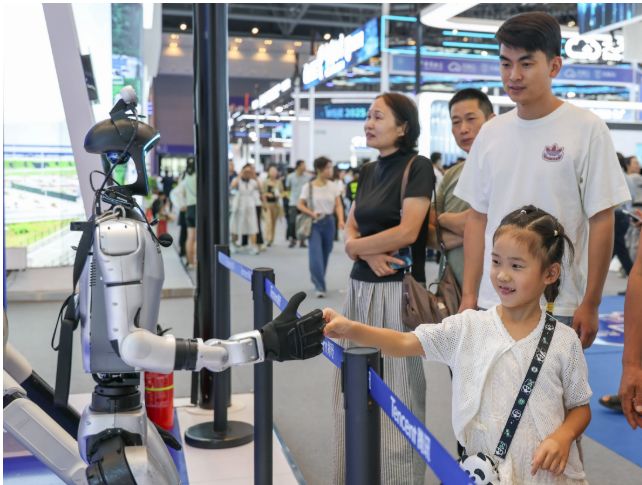
【广发宏观郭磊】未来五年有哪些新重点:十五五和十四五规划建议稿的比较研读
郭磊宏观茶座· 2025-10-28 15:25
Core Viewpoint - The article discusses the key changes and focuses in the "15th Five-Year Plan" (2026-2030) compared to the "14th Five-Year Plan" (2021-2025), highlighting shifts in development goals, industry focus, and policy priorities. Development Environment - The "15th Five-Year Plan" emphasizes the complexity of the development environment, including unilateralism and hegemonism, while also recognizing favorable long-term trends. It highlights issues such as insufficient effective demand and pressures on employment and income growth, indicating a greater focus on total demand during this period [1][14][16]. Development Goals - The "15th Five-Year Plan" sets seven goals, with a clear emphasis on "significant achievements in high-quality development," which includes maintaining reasonable economic growth, improving total factor productivity, and increasing the resident consumption rate. The plan also introduces a new goal of significantly enhancing self-reliance in technology [2][17][18]. Industry Development - The plan includes a focus on optimizing traditional industries and nurturing emerging and future industries. It highlights the importance of traditional sectors like mining and manufacturing while also emphasizing new industries such as quantum technology and hydrogen energy [3][19][20]. Technological Innovation - The "15th Five-Year Plan" aims for decisive breakthroughs in key core technologies through a new national system and extraordinary measures, particularly in areas like integrated circuits and advanced materials. It also proposes increased R&D tax deductions and greater government procurement of innovative products [4][20][21]. Expanding Domestic Demand - The plan shifts from a supply-driven approach to one that emphasizes demand, aiming to stimulate consumption and investment. It includes measures to enhance consumer spending and streamline government investment processes [5][22][23]. Systemic Reform - The "15th Five-Year Plan" focuses on enhancing the vitality of various business entities and improving the market-oriented allocation of resources. It emphasizes the need for stronger protection of property rights and the optimization of asset structures [7][24][25]. Opening Up - The plan advocates for a steady expansion of institutional openness, aiming to align with international high-standard trade rules and enhance the internationalization of the Renminbi, reflecting a proactive approach in the context of global economic changes [8][26]. Rural Revitalization - The "15th Five-Year Plan" continues to prioritize rural revitalization, incorporating lessons from previous initiatives to improve rural infrastructure and public services, thereby promoting agricultural modernization [9][27][28]. Regional Development - The plan emphasizes the role of key regions in driving economic growth and proposes measures to enhance public services based on residency registration, reflecting a focus on urbanization and regional advantages [10][29]. Green Development - The "15th Five-Year Plan" aims to accelerate the establishment of a new energy system, focusing on increasing the share of renewable energy and implementing dual control over carbon emissions, indicating a commitment to sustainable development [11][30]. Social Welfare - The plan places a strong emphasis on high-quality employment and income distribution, introducing measures to enhance social security and housing supply, reflecting a shift in the perception of housing as a social issue [12][31][32].

“十五五”规划:促进中小企业专精特新发展,培育独角兽企业|快讯
Hua Xia Shi Bao· 2025-10-28 12:12
Core Insights - The "Suggestions" for the 15th Five-Year Plan emphasize innovative regulatory approaches and the development of venture capital to foster the growth of future industries and risk-sharing mechanisms [1] - The plan aims to promote the development of specialized and innovative small and medium-sized enterprises (SMEs) and cultivate unicorn companies [1] - It highlights the importance of forward-looking layouts for future industries, exploring diverse technological routes, typical application scenarios, feasible business models, and market regulatory rules [1] - Key sectors identified for economic growth include quantum technology, biomanufacturing, hydrogen energy, nuclear fusion energy, brain-computer interfaces, embodied intelligence, and sixth-generation mobile communication [1] - The plan also focuses on building emerging pillar industries and implementing industrial innovation projects to accelerate the development of strategic emerging industry clusters such as new energy, new materials, aerospace, and low-altitude economy [1] - It calls for the improvement of the industrial ecosystem and the implementation of large-scale application demonstration actions for new technologies, products, and scenarios to expedite the scaling of emerging industries [1]
21社论丨再造一个中国高技术产业,掌握全球科技竞争主动权
21世纪经济报道· 2025-10-27 23:10
Core Viewpoint - The article emphasizes the strategic goal of "recreating a Chinese high-tech industry," which aims to achieve significant growth in scale, value-added, and contribution to GDP over the next decade, effectively creating a new high-tech industrial landscape in China [1][2][3]. Group 1: Emerging and Future Industries - The strategy involves nurturing and expanding emerging industries that already have a foundation and are rapidly growing, such as new energy, new materials, aerospace, and low-altitude economy, which are expected to generate several trillion-level markets [1][2]. - Long-term strategies include forward-looking layouts for future industries like quantum technology, biomanufacturing, hydrogen energy, nuclear fusion, brain-computer interfaces, embodied intelligence, and sixth-generation mobile communication, which are anticipated to become new economic growth points [1][2]. Group 2: Economic Growth and Modernization - The recreation of the existing Chinese high-tech industry is seen as essential for achieving socialist modernization by 2035, with a target of reaching a per capita GDP comparable to that of moderately developed countries, supported primarily by high-tech industries [2][3]. - Traditional industries currently account for about 80% of the value-added in manufacturing, and through upgrading key industries like chemicals, machinery, and shipbuilding, an estimated market space of around 10 trillion yuan is expected to be added over the next five years [2]. Group 3: Technological Innovation and Global Competitiveness - The article highlights the need for deep integration of technological and industrial innovation to maintain a proactive position in the new round of technological revolution and industrial transformation, ensuring that innovation is supported by market and industrial foundations [3]. - The strategy aims to reshape the global industrial competitive landscape, providing a solid foundation for achieving socialist modernization and ensuring that China occupies a leading position in the new technological revolution and industrial transformation [3].

再造一个中国高技术产业,掌握全球科技竞争主动权
2 1 Shi Ji Jing Ji Bao Dao· 2025-10-27 22:11
Core Viewpoint - The Chinese government aims to "recreate a high-tech industry" over the next decade, which will significantly enhance the scale, value-added, and GDP contribution of the high-tech sector, injecting new momentum into the economy and high-quality development [1][2][3][4] Group 1: Emerging and Future Industries - The strategy involves nurturing emerging industries that already have a foundation and are rapidly expanding, including sectors like new energy, new materials, aerospace, and low-altitude economy, which are expected to create several trillion-level markets [1][2] - Long-term strategies focus on future industries such as quantum technology, biomanufacturing, hydrogen energy, nuclear fusion, brain-computer interfaces, embodied intelligence, and sixth-generation mobile communication, which will become new economic growth points [1][2] Group 2: Economic Growth and Modernization - The recreation of the high-tech industry is essential for achieving the goal of modernizing socialism and reaching a per capita GDP level of a moderately developed country by 2035, requiring sustained economic growth primarily driven by high-tech industries [2][3] - Traditional industries currently account for about 80% of the value added in manufacturing, and upgrading these industries is expected to create an additional market space of approximately 10 trillion yuan over the next five years [2] Group 3: Technological Innovation and Global Competitiveness - The initiative to recreate the high-tech industry is a response to the new round of technological revolution and industrial transformation, aiming to seize the high ground in technological development and continuously generate new productive forces [3][4] - The integration of technological innovation and industrial innovation is crucial for establishing a virtuous cycle between technology, industry, and market, ensuring that innovations are supported by market and industrial foundations [3][4] Group 4: Strategic Goals and Confidence - The strategic goal of recreating the high-tech industry is not only about scaling up but also about achieving a qualitative leap in the industry, providing strong momentum for high-quality economic development and laying a solid foundation for socialist modernization [4] - During the "14th Five-Year Plan" period, there is a need to focus on building a modern industrial system centered around advanced manufacturing and enhancing technological self-reliance to maintain strategic determination and confidence [4]
中央定调六大未来产业,这些城市已抢先布局
第一财经· 2025-10-26 02:45
Core Viewpoint - The article emphasizes the importance of emerging industries such as quantum technology, biomanufacturing, hydrogen energy, nuclear fusion energy, brain-computer interfaces, and embodied intelligence as new economic growth points in China's future development strategy [3][4]. Quantum Technology - Quantum technology is identified as a core area of the new technological revolution, with Hefei, Beijing, and Shanghai forming the "first tier" in terms of enterprise and patent applications [6][7]. - Hefei leads the domestic quantum industry, ranking second globally after San Francisco, with 93 quantum enterprises and over 2000 related patents [7]. - Beijing focuses on foundational technology breakthroughs, leveraging its dense research resources, and aims to build a trillion-yuan industry cluster by 2030 [7][8]. - Shanghai is concentrating on neutral atom quantum computing and has established key laboratories to drive innovation [8]. Biomanufacturing - Shanghai, Beijing, Shenzhen, and Tianjin are the top four cities in biomanufacturing competitiveness, with Shanghai's industry scale expected to exceed 1 trillion yuan by 2025 [10][11]. - Shenzhen has established a national biomanufacturing innovation center and is a hub for new enterprises in synthetic biology [11]. - Tianjin is leveraging its chemical industry base to develop biomanufacturing projects, attracting multinational companies [11]. Hydrogen and Nuclear Fusion Energy - Hydrogen and nuclear fusion energy are highlighted as clean energy "dual engines," with Beijing and Shanghai leading in technology and infrastructure development [12][13]. - Beijing plans to have 1,200 hydrogen fuel cell buses and 35 hydrogen stations by 2025, while Shanghai aims for its hydrogen industry to reach international leading levels by 2035 [13]. - Hefei is making significant advancements in nuclear fusion technology, participating in key international projects [14]. Brain-Computer Interfaces - The brain-computer interface (BCI) market in China is projected to grow from 3.2 billion yuan in 2024 to 5.58 billion yuan by 2027, with Shanghai, Beijing, and Shenzhen as the leading cities [15][16]. - Shanghai is developing a comprehensive BCI ecosystem and has launched the first BCI industrial cluster [16]. - Beijing is focusing on non-invasive BCI technologies, while Shenzhen is applying BCI in various fields, including education and gaming [17]. Embodied Intelligence - Embodied intelligence, represented by humanoid robots, sees Beijing, Shenzhen, Shanghai, and Hangzhou as the leading cities in technology and industry [18][19]. - Beijing aims to achieve significant technological breakthroughs and establish a robust industrial cluster by 2027 [19]. - Shenzhen is the manufacturing hub for humanoid robots, with a goal to support over 1,200 related enterprises by 2027 [19][20]. - Shanghai is working on a complete ecosystem for robotics, targeting a core industry scale of over 50 billion yuan by 2027 [20]. 6G Technology - 6G technology is being developed with Beijing as a core hub for standard-setting and innovation, aiming to create a testing environment by 2026 [21][22]. - Shenzhen is integrating 6G with AI and plans to establish a low-altitude economy demonstration zone [21][22]. - Nanjing is focusing on terahertz communication breakthroughs and aims for a 300 billion yuan industry value within five years [22][23].

中央定调六大未来产业,这些城市已抢先布局
Di Yi Cai Jing Zi Xun· 2025-10-26 01:13
Core Insights - The National Development and Reform Commission emphasizes the development of emerging pillar industries, including quantum technology, biomanufacturing, hydrogen energy, nuclear fusion energy, brain-computer interfaces, embodied intelligence, and 6G technology as new economic growth points [1] Quantum Technology - Hefei, Beijing, and Shanghai form the "first tier" in quantum technology, leading in enterprise and patent applications [2] - Hefei ranks first in China's quantum industry and second globally, with significant achievements in quantum computing [2] - Beijing focuses on foundational technology breakthroughs, while Shanghai specializes in neutral atom quantum computing [3] Biomanufacturing - Shanghai, Beijing, Shenzhen, and Tianjin are the top four cities in biomanufacturing competitiveness [4] - Shanghai's biomanufacturing industry is projected to exceed 1 trillion yuan by 2025, focusing on synthetic biology and cell therapy [5] - Shenzhen has established a national biomanufacturing innovation center, attracting a significant number of new enterprises [6] Hydrogen and Nuclear Fusion Energy - Beijing and Shanghai lead in hydrogen and nuclear fusion energy development, with various cities forming differentiated layouts [7] - Beijing plans to establish a comprehensive hydrogen energy infrastructure and has made breakthroughs in hydrogen fuel cell catalysts [8] - Shanghai aims to develop a leading hydrogen energy industry by 2035, with significant advancements in fuel cell vehicles [8] Brain-Computer Interfaces - Shanghai, Beijing, and Shenzhen are the leaders in the brain-computer interface market, which is expected to grow significantly by 2027 [9] - Shanghai has initiated a comprehensive layout for brain-computer interface technology, while Beijing focuses on non-invasive applications [10] Embodied Intelligence - Beijing, Shenzhen, Shanghai, and Hangzhou are leading in the embodied intelligence sector, particularly in humanoid robotics [12] - Beijing has established a humanoid robot innovation center, while Shenzhen is a manufacturing hub with a significant number of related enterprises [12][13] 6G Technology - Beijing, Shenzhen, Nanjing, and Shanghai are collaborating to establish a future network through 6G technology [14] - Beijing is a core hub for 6G standard formulation, while Shenzhen has a complete communication industry chain [15] - Nanjing has made breakthroughs in 6G terahertz frequency, aiming to become a 6G city with significant industrial output [16]
在关键时期争取更大主动
Zhong Guo Qing Nian Bao· 2025-10-24 23:19
Group 1: Economic Development Strategy - The core outcome of the 20th Central Committee's Fourth Plenary Session is the approval of the "Suggestions on Formulating the 15th Five-Year Plan for National Economic and Social Development" [1] - The "15th Five-Year" period is crucial for achieving socialist modernization, with a focus on solidifying foundations and breaking through bottlenecks [1][2] - The emphasis is on relying on the real economy for future growth, with a significant contribution from the "three new" economies, which accounted for over 18% of GDP in 2024 [2] Group 2: Industrial and Agricultural Modernization - The plan outlines 12 strategic tasks, with the first being the construction of a modern industrial system to strengthen the real economy [2][3] - Traditional industries, which account for about 80% of manufacturing value, will undergo quality upgrades, with an estimated market space increase of around 10 trillion yuan over the next five years [3] - Agricultural modernization is prioritized, with specific measures to enhance agricultural productivity and ensure rural revitalization [4][5] Group 3: Technological Innovation - Technological innovation is highlighted as a key driver for economic and social development, with R&D investment expected to exceed 3.6 trillion yuan in 2024, a 48% increase from 2020 [7][8] - The focus will be on integrating technology with industry to enhance productivity and foster new economic growth points, particularly in artificial intelligence and high-tech sectors [8] Group 4: Open Economy and Global Integration - The strategy aims to shift from a "follower" to a "leader" in global trade, with initiatives to expand autonomous openness and enhance trade innovation [10][11] - China aims to leverage its large market potential, with over 800 million people expected to join the middle-income group in the next decade, to boost consumption and attract foreign investment [11]