
邮轮

Search documents
股价暴涨18.65%!皇家加勒比邮轮26年业绩指引超预期 邮轮度假需求加速推动船队扩张
美股IPO· 2026-01-29 23:50
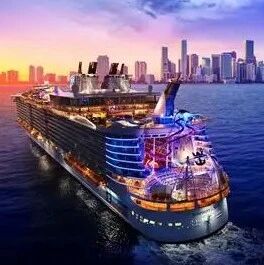
随着邮轮度假需求持续加速增长,皇家加勒比邮轮(RCL.US)公布了好于预期的2026年业绩指引。财报 显示,皇家加勒比邮轮2025年第四季度营收同比增长13.2%至42.6亿美元,符合市场预期,该公司营 收已连续多季度保持增长。净利润同比增长36.3%至7.54亿美元;调整后的每股收益为2.80美元,同样 符合市场预期。皇家加勒比邮轮周四美股涨超18%。 皇家加勒比邮轮表示,所谓的"邮轮预订黄金季(waveseason)"(指第一季度邮轮促销高峰期) 已"迎来一个非常强劲的开局"。该公司表示,自"邮轮预订黄金季"开始以来,其经历了公司历史 上订舱量最高的七个星期。目前,约三分之二的2026年邮轮运力已被预订,而且预订价格创下 历史新高。该公司首席财务官纳夫塔利·霍尔茨表示:"我们对整个业务组合所展现出的强劲表现 感到非常满意,消费者仍在持续优先选择我们的度假体验。" 皇家加勒比邮轮还宣布与位于法国圣纳泽尔的一家船厂达成协议,建造其"探索级"(Discovery Class)邮轮。协议包括两艘邮轮的建造订单,并附带再建造四艘邮轮的选择权,首艘邮轮预计将 于2029年下水。此外,该公司旗下的名人邮轮(Celebr ...


宇树人形机器人和智能机器狗将登MSC荣耀号及华丽号
Cai Jing Wang· 2026-01-29 02:03
据MSC地中海邮轮消息,MSC旗下亚洲旗舰MSC荣耀号于1月27日重返上海母港。以此为契机,MSC推 出"邮轮+科技"创新互动体验,宇树科技自主研发的智能机器狗与人形机器人将登上MSC荣耀号2026年 上海母港航线及MSC华丽号2026年环球航线。这也是智能机器狗与人形机器人首次联合亮相海上场 景。 (MSC地中海邮轮) ...

多家邮轮公司纷纷加码上海母港新春航季——登上新春航线 过海上中国年
Jie Fang Ri Bao· 2026-01-28 01:40
记者 李宝花 昨天清晨,被誉为"亚洲旗舰"的"MSC荣耀号"邮轮缓缓靠泊上海吴淞口国际邮轮港,正式开启2026 年中国母港全新航季。这艘17.2万吨的豪华邮轮搭载着近4000名宾客抵沪,其中韩国、日本、俄罗斯等 国游客占比超90%,创下近年来上海邮轮母港单航次国际入境游客新高。 随着"双母港""类双母港"等创新运营模式的持续推广,以及上海邮轮港服务能力的不断提升,上海 作为东北亚最重要邮轮访问港的地位将进一步巩固。未来,上海有望吸引更多国际邮轮公司来华部署航 线,持续带动邮轮产业链上下游协同发展、提质升级。 昨天,皇家加勒比游轮也正式公布2026年5月至2027年4月"海洋光谱号"航线部署计划,将以更灵活 的航线结构、更丰富的目的地组合,精准回应消费者多元需求。 多家邮轮公司纷纷加码上海母港新春航季。2月中旬,皇家加勒比"海洋光谱号"将开启多条往返上 海、釜山、济州的新春航线,目前部分航次仍有早订特惠;"爱达·魔都号"则继续以上海为母港,推出 多条5天4晚、6天5晚国际航线,到访济州、釜山、首尔等经典目的地,带领宾客深度感受韩国的人文风 情与自然风光。 作为首艘国产大型邮轮,"爱达·魔都号"的新春航次还突出" ...
上海吴淞口国际邮轮港迎来2026年度首次“双船同靠”
Zhong Guo Xin Wen Wang· 2026-01-27 03:58
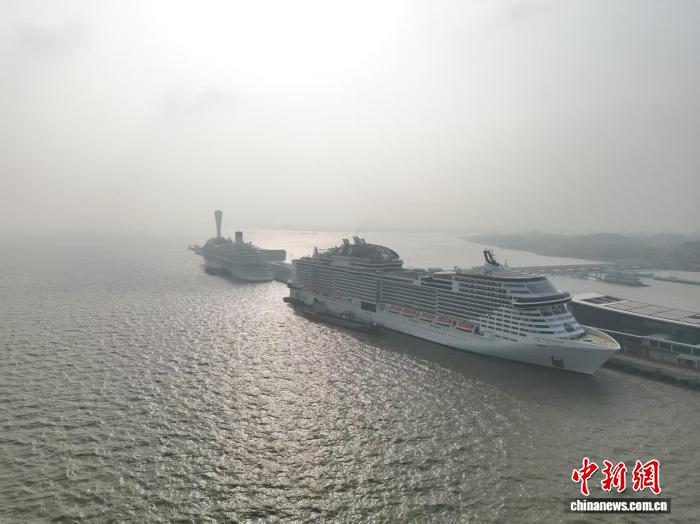
上海吴淞口国际邮轮港迎来2026年度首次"双船同靠" 中新网上海1月27日电 (陈静 卢姣)27日,上海吴淞口国际邮轮港迎来2026年度首次"双船同靠"。时隔四 个月重返中国市场的"地中海荣耀"号,与国产大型邮轮"爱达·魔都号"同时靠泊。 据悉,随着各类免签政策的持续实施,选择乘坐邮轮到访中国已成为越来越多国际旅客的便利选择。 2025年,有超12万人次的外籍旅客从上海邮轮口岸出入境,同比增长82.6%。 两艘邮轮27日同时停靠上海吴淞口国际邮轮港。(高翔摄) 据悉,此次"地中海荣耀"号邮轮共载有3800多名旅客,其中包括来自美国、英国、韩国、日本等三十余 个国家(地区)的3500多名外籍旅客,国际化、多元化特征显著,超98%的外籍旅客享受了免签入境政 策。 为应对此次"双船同靠"带来的集中客流,上海边检机关提前部署,对"地中海荣耀"号邮轮采用"随船查 验"模式。在该模式下,边检民警于邮轮抵港前登轮,在航行途中即为旅客集中办理相关手续。邮轮靠 泊后,旅客可快速核验通关,极大压缩了候检时间,实现"靠港即下"。 今年,是"十五五"的开局之年,也是《上海市促进邮轮经济发展若干规定》的启动实施之年,浦江边检 站将进一 ...
邮轮业集体返贫
投资界· 2026-01-25 08:11
Core Viewpoint - The cruise industry in China is facing a potential price war in 2026, driven by the cancellation of Japanese port routes and a shift towards Korean ports, leading to increased competition and pressure on pricing [4][12][18]. Group 1: Market Dynamics - The cancellation of Japanese routes has forced cruise companies to focus on Korean ports, which has resulted in a significant drop in sales and increased competition among major players [5][12]. - The price of cruise tickets has plummeted, with examples such as Royal Caribbean's Spectrum of the Seas offering tickets as low as 1,831 yuan, indicating a return to a low-price era [9][11]. - The market is experiencing extreme product homogeneity, where cruise offerings are similar, leading consumers to choose based solely on price [18]. Group 2: Industry Challenges - Companies like Aida Cruises are facing dual pressures of internal restructuring and declining sales after the cancellation of Japanese routes [5][12]. - The industry is witnessing aggressive marketing tactics, such as free cruise experiences for travel agents, to maintain market interest amid declining sales [6][8]. - The historical context of the industry shows that past geopolitical events, like the THAAD incident, have had immediate and severe impacts on cruise operations, suggesting that current challenges may be similarly disruptive [14][17]. Group 3: Strategic Opportunities - The introduction of a dual homeport model by MSC Cruises, allowing for both Chinese and Korean passengers, represents a potential shift in the operational model of the cruise industry in China [19][21]. - This new model could transform cruise ships from mere transportation to platforms for international tourism and local economic stimulation, aligning with national policies aimed at expanding service industry openness [24]. - The shift in perspective regarding the role of ports and cruise lines could provide a pathway for recovery and growth in the face of ongoing price competition [24].

跌破1800元,中国邮轮业正在集体返贫
36氪· 2026-01-22 13:46
Core Viewpoint - The cruise industry is facing a potential price war due to the cancellation of Japanese port routes and the resulting shift in focus to South Korea, leading to increased competition and declining ticket prices [4][12][22]. Group 1: Market Dynamics - Since late last year, cruise companies have significantly reduced or canceled routes to Japan, making South Korea a critical alternative for many operators [4][6]. - A foreign cruise company's executive noted that the demand for South Korean ports has surged, but securing docking schedules has become competitive, with many slots already booked by domestic companies [5][6]. - Sales for South Korean routes are lagging compared to the previous year, indicating a challenging market environment [8][9]. Group 2: Pricing Trends - The return of low ticket prices has been observed, with Royal Caribbean's Spectrum of the Seas offering interior cabins at prices as low as 1,831 yuan, marking a significant drop [13]. - MSC Mediterranean's Glory has introduced promotions such as "buy 1 get 3 free" for family bookings, reflecting the aggressive pricing strategies being employed [15]. - The overall decline in ticket prices is attributed to increased competition among major players like MSC, Aida, and Royal Caribbean, despite a perceived reduction in the number of competitors [16][17]. Group 3: Market Structure and Consumer Behavior - The Chinese cruise market differs fundamentally from overseas markets, where the cruise itself is often the destination; in China, the destination primarily drives pricing [18][20]. - The cancellation of Japanese routes has led to a homogenization of cruise offerings, forcing consumers to choose based on price rather than unique experiences [32][34]. - The reliance on low prices for survival indicates a shift in the market, where differentiation is crucial for maintaining profitability [35][36]. Group 4: Strategic Innovations - The introduction of a dual homeport model by MSC, allowing both Chinese and Korean tourists to board in either country, represents a significant shift in operational strategy [40][49]. - This model could enhance the value of cruise offerings by attracting international tourists to Chinese ports, thereby transforming the cruise experience into a more integrated travel platform [52][53]. - The recent policy initiatives from the Ministry of Commerce to promote service industry expansion in various cities align with the need for the cruise industry to adapt and innovate [55][61].
在华发展迈入全新“国际化体验年” MSC地中海邮轮首推“上海—釜山”双母港航线
Xin Lang Cai Jing· 2026-01-20 16:47
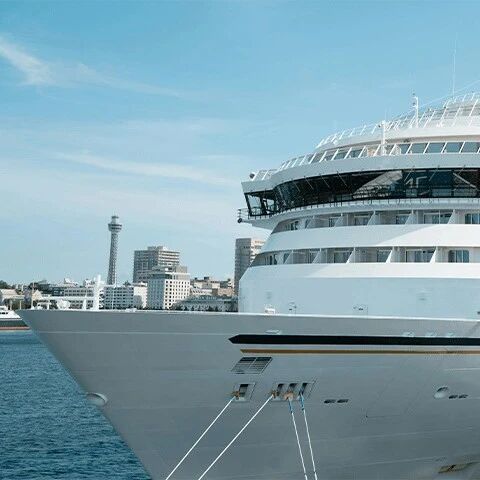
Core Insights - MSC Mediterranean Cruises is celebrating its 20th anniversary in the Chinese market by launching the "Asia flagship" MSC Glory, which will return to Shanghai on January 27, 2026, featuring significant upgrades in routes, products, and technology [1][4] Group 1: Operational Developments - The MSC Glory will operate under a new "Shanghai-Busan" dual homeport model, enhancing international guest experiences and promoting a diverse vacation atmosphere for Chinese guests [1][3] - On January 27, the MSC Glory is expected to carry nearly 4,000 international tourists to Shanghai, and on January 29, approximately 1,000 Korean guests will board from Busan, joining the cruise to Jeju and Shanghai [3][5] Group 2: Strategic Vision - The company emphasizes a commitment to "long-termism," focusing on value creation and market trust, as demonstrated by the upgraded cruise experience and the introduction of the dual homeport model [4] - MSC Mediterranean Cruises aims to position Shanghai as a key cruise hub in Northeast Asia, contributing to the high-quality development of the Chinese cruise industry [4][5] Group 3: Future Plans - In 2026, MSC Glory will continue to operate from Shanghai, offering selected voyages during peak travel periods such as Spring Festival and National Day, providing diverse vacation options to popular destinations like Jeju and Busan [5] - Additionally, the MSC Lirica will debut on a global cruise route, making its first stop in China on March 29, 2026, and bringing over 2,000 international guests to experience Shanghai [5]
专访MSC地中海邮轮中国区总裁黄瑞玲:推行“双母港”运营,撬动出入境市场
Bei Jing Shang Bao· 2026-01-19 11:36
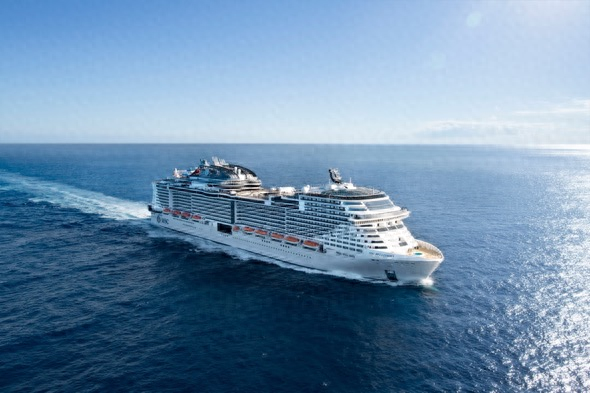
Core Viewpoint - MSC Mediterranean Cruises is set to return the "MSC Glory" to Shanghai on January 27, initiating a "dual home port" operation model with Busan, South Korea, to adapt to changes in the outbound tourism market and enhance global passenger sourcing during the upcoming long Spring Festival holiday [1][6]. Group 1: Operational Strategy - The "dual home port" strategy aims to alleviate operational pressure by attracting both Chinese tourists from Shanghai and Korean tourists from Busan, facilitating a two-way flow of passengers [8][9]. - In 2025, MSC Mediterranean Cruises plans to operate 25 voyages from its Chinese home port, with an average passenger capacity of approximately 5,000, estimating around 120,000 tourists for the year [4][5]. - The company has observed a significant rebound in demand starting from the second quarter of 2025, following a challenging first quarter due to market fluctuations [4][5]. Group 2: Market Trends - The cruise market in China is experiencing a revival, particularly among family travelers, as cruises offer comprehensive services and controlled budgets compared to traditional travel methods [5][10]. - The upcoming nine-day Spring Festival holiday is expected to positively impact cruise bookings, with differentiated itineraries designed to meet diverse customer needs [11]. - The company anticipates that the internationalization of its customer base will allow for longer cruise itineraries, enhancing pricing stability and reducing sales pressure on shorter voyages [10][12]. Group 3: Future Outlook - The company envisions a future where approximately 50% of passengers on cruises departing from Chinese home ports will be international tourists, supporting the long-term operation of larger cruise ships [12]. - The Ministry of Transport and the Ministry of Culture and Tourism have issued measures to promote cruise transport and tourism services, indicating a supportive regulatory environment for the industry [12]. - The competitive edge of cruise products is expected to increasingly rely on content design and experiential innovation, tailored to the preferences of Chinese tourists [12].

从“问题清单”到“动能清单” 上海宝山启动营商环境改革
Zhong Guo Xin Wen Wang· 2026-01-17 04:56
Core Viewpoint - The Shanghai Baoshan District is launching a comprehensive reform initiative aimed at optimizing the business environment and promoting investment, focusing on addressing the core demands and challenges faced by enterprises during the "14th Five-Year Plan" period [1] Group 1: Business Environment Reform - The reform aims to transform the "problem list" of enterprises into a "dynamic list" for regional development, supporting Baoshan's strategic blueprint to build an "international first-class business environment" [1] - The initiative emphasizes "precise drip irrigation" and "value empowerment" as key characteristics of the business environment reform [1] - The Baoshan government is committed to a collaborative approach, where enterprises present their needs, and the government responds effectively to facilitate the implementation of the "one land and three zones" strategy [1][2] Group 2: Innovation and Technology Support - Baoshan has established an integrated network comprising "concept verification centers, pilot acceleration platforms, and high-quality incubators" to streamline the innovation process for hard technology projects [2] - The Baoshan Emei Sanjiang New Materials Industry Innovation Center has been recognized as a high-quality incubator, focusing on overcoming bottlenecks in the transformation of new materials [1][2] Group 3: Internationalization Support - The district is implementing a "Four Ones" initiative to assist enterprises in going global, which includes a professional service alliance, a foreign-related legal service center, a green low-carbon supply chain public service platform, and a customs service specialist [3] - This initiative aims to enhance the international competitiveness of Baoshan's industries, particularly in the context of the "East Riverside Industrial Belt" [3] Group 4: Cost Reduction and Efficiency Improvement - Baoshan has introduced several reforms to lower comprehensive costs and enhance operational efficiency for enterprises, including the implementation of an AI assistant and the reduction of application materials by approximately 60% [4] - The district is transitioning its business environment construction from mere convenience to a more predictable and interference-free institutional guarantee [4] Group 5: Smart Manufacturing Initiatives - Baoshan has launched the "Top Ten Actions for Building a Smart Manufacturing Leading Area (2026-2028)" to systematically implement its strategic goals in smart manufacturing [5] - The action plan focuses on dual drivers of "manufacturing intelligence" and "intelligent manufacturing," aiming to reshape regional manufacturing capabilities through digital empowerment and technological innovation [5][6]
发布28条政策促进消费和服务业联动发展 上海:优化汽车贷款流程 放宽申请条件
Zhong Guo Zheng Quan Bao· 2026-01-13 21:03
Group 1 - The core viewpoint of the article is the introduction of 28 policy measures by the Shanghai Municipal Government to enhance service quality and boost consumption across six key sectors: finance, information services, transportation, cultural and entertainment services, life services, and inspection and certification [1][3] Group 2 - In the financial sector, the measures encourage innovation in financial products tailored to new consumption trends, such as holiday, night, nostalgic, and anime economies, and include personal consumption loan interest subsidies and optimized auto loan processes [1][2] - In transportation services, the government supports airlines in launching new international routes and developing luxury tourism trains, as well as enhancing airport commercial layouts to create composite consumption scenarios [2] - In the cultural and entertainment sector, there is a focus on promoting the gaming and esports industry, supporting the development of original IP games, and incentivizing quality micro-short film content creation [2] Group 3 - The next steps involve ensuring the effective implementation of the measures by coordinating service supply with consumer demand, promoting digital, green, and intelligent consumption, and enhancing service quality [3] - The government aims to create a favorable environment for sustained consumption growth by implementing fiscal and financial support policies and improving service quality management and brand building [3]