
汽车

Search documents
长城汽车跌0.33%,成交额3.03亿元,后市是否有机会?
Xin Lang Cai Jing· 2026-03-18 07:29
Core Viewpoint - Great Wall Motors is experiencing fluctuations in stock performance, with a recent decline of 0.33% and a total market capitalization of 180.31 billion yuan. The company is focusing on expanding its electric vehicle (EV) production and enhancing its smart driving technology [1][12]. Company Overview - Great Wall Motors Co., Ltd. is located in Baoding, Hebei Province, and was established on June 12, 2001. It was listed on September 28, 2011. The company primarily engages in the production and sale of automobiles and auto parts, with automotive sales accounting for 86.37% of its revenue [8][20]. - As of September 30, 2025, the number of shareholders is 137,500, a decrease of 22.95% from the previous period. The average circulating shares per person is 0, unchanged from the previous period [20]. Financial Performance - For the period from January to September 2025, Great Wall Motors achieved operating revenue of 153.58 billion yuan, representing a year-on-year growth of 7.96%. However, the net profit attributable to shareholders decreased by 17.20% to 8.64 billion yuan [9][20]. - The company has distributed a total of 34.70 billion yuan in dividends since its A-share listing, with 8.95 billion yuan distributed over the past three years [21]. Stock and Market Analysis - On March 18, the stock price of Great Wall Motors fell by 0.33%, with a trading volume of 303 million yuan and a turnover rate of 0.23%. The average trading cost of the stock is 23.90 yuan, with a current support level at 21.04 yuan [1][7][19]. - The main capital flow shows a net outflow of 16.49 million yuan today, with a total industry net outflow of 1.136 billion yuan over the past two days [4][16]. New Energy Vehicle (NEV) Growth - In 2024, Great Wall Motors' NEV production and sales are expected to continue rapid growth, with annual production and sales surpassing 10 million units for the first time, achieving 12.888 million and 12.866 million units respectively, marking year-on-year increases of 34.4% and 35.5% [2][13]. - NEVs accounted for 40.9% of total new car sales, with pure electric vehicle production and sales reaching 7.758 million and 7.719 million units, reflecting year-on-year growth of 15.7% and 15.5% [2][13]. Smart Driving Technology - The company's smart driving system, Pilot, has reached Level 3 capabilities, with plans to achieve Level 4 by 2020. Current products include partial driving assistance features and human-machine interaction systems [3][14].

比亚迪:首次覆盖:技术革新,乘势出海-20260318
Shanghai Aijian Securities· 2026-03-18 06:24
Investment Rating - The report assigns a "Buy" rating for BYD (002594.SZ) as a first coverage [6]. Core Insights - The report highlights that BYD is positioned to lead in the new energy vehicle (NEV) market, with a strong focus on high-end products and continuous technological innovation. The company's overseas sales are expected to grow significantly, enhancing profitability [6]. - The report emphasizes the transition of the NEV market from price competition to a focus on core technology and supply chain resilience, with BYD's vertical integration and R&D investments providing a competitive edge [6]. - BYD is not just an NEV manufacturer but is evolving into a comprehensive energy ecosystem player, integrating solar power, energy storage, and electric vehicles [6]. Financial Data and Profit Forecast - Total revenue projections for BYD are as follows: - 2023: 602.32 billion CNY - 2024: 777.10 billion CNY - 2025E: 851.63 billion CNY - 2026E: 968.98 billion CNY - 2027E: 1,089.33 billion CNY - Year-on-year growth rates are projected at 42.0% for 2023, 29.0% for 2024, and gradually decreasing to 12.4% by 2027 [5][13]. - The net profit attributable to the parent company is forecasted as follows: - 2023: 30.04 billion CNY - 2024: 40.25 billion CNY - 2025E: 34.30 billion CNY - 2026E: 44.75 billion CNY - 2027E: 56.45 billion CNY - The report anticipates a significant increase in net profit growth, with a peak of 80.7% in 2023, followed by a decline in 2025E to -14.8% before recovering [5][6][13]. Market Position and Competitive Landscape - BYD's market share in the NEV sector is substantial, with a reported 23.4% market share in early 2026, leading among competitors [7]. - The report notes that BYD's automotive business revenue will exceed 80% of total revenue, indicating a strong focus on this segment [8]. - The competitive landscape is shifting towards technological advancements and ecosystem building rather than price wars, positioning BYD favorably for future growth [6].

汽车产业观察 | 当产业链深陷成本危机,消费者还愿意买单多久?
彭博Bloomberg· 2026-03-18 06:06
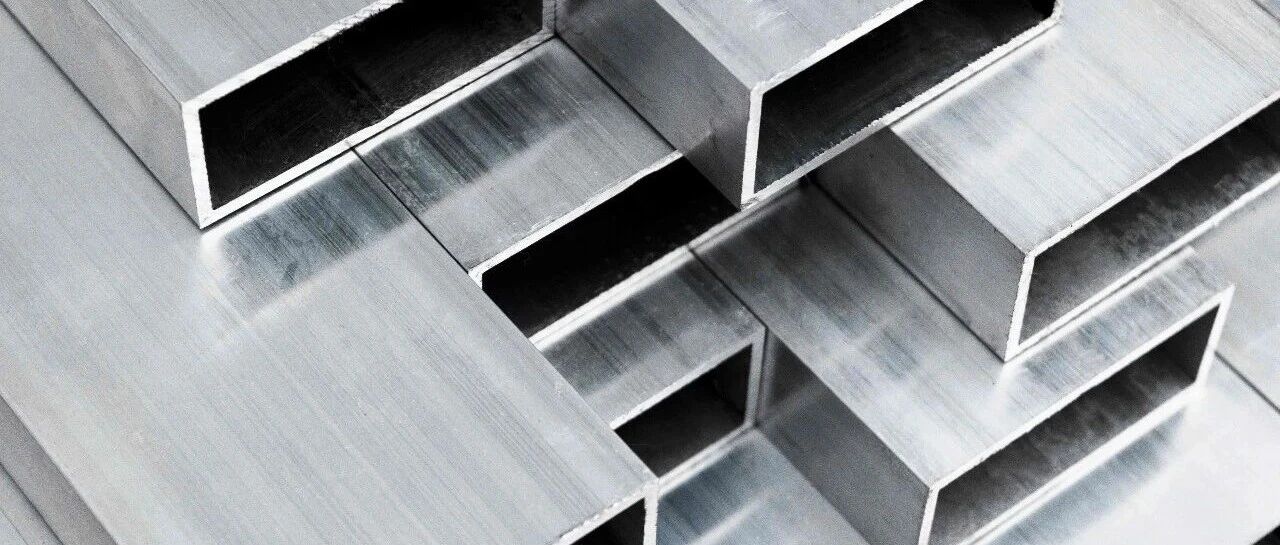
Core Viewpoint - The automotive industry is facing a cost crisis due to multiple factors including geopolitical tensions, AI supercycles, shortages of key raw materials, and trade frictions, which have driven input costs beyond what consumers can bear for vehicle prices [3]. Group 1: Geopolitical and Material Supply Issues - The tensions in the Strait of Hormuz threaten aluminum supply, with global average usage per vehicle nearing 230 kg, and a potential supply gap of 5.7 million tons if the strait is blocked [4][7]. - Aluminum prices have surged to their highest levels since 2022 due to geopolitical tensions in Iran [4]. Group 2: Rare Earth Elements and Magnetic Materials - Rare earth elements, particularly neodymium (Nd) and praseodymium (Pr), are critical for electric vehicle motors, with prices remaining high due to strong demand from AI data centers and military technology [5][8]. - The strategic importance of magnetic metals has been highlighted by the U.S. Department of Defense's acquisition of a 15% stake in MP Materials to reduce reliance on Chinese supply chains [8]. Group 3: Semiconductor Supply Chain Challenges - Rising prices of storage chips, which have increased by 200%-300% year-on-year, are pushing inflation and forcing the automotive industry to secure supply chains [9][10]. - The supply tightness is primarily due to the "crowding out" effect of data center demand, impacting the automotive and consumer electronics sectors [9]. Group 4: Consumer Pressure - There is uncertainty regarding how much additional price pressure consumers, particularly in the U.S. market, can withstand [11].

比亚迪(002594):首次覆盖:技术革新,乘势出海
Shanghai Aijian Securities· 2026-03-18 06:06
Investment Rating - The report assigns a "Buy" rating for BYD (002594.SZ) as a first coverage [6]. Core Insights - The report highlights that BYD is leading in the new energy vehicle (NEV) market with a strong sales performance and is gradually expanding its high-end product offerings alongside continuous iterations of core electric technologies. The company's overseas sales are also showing significant growth, which is expected to enhance its profitability [6]. - The report emphasizes the transition of the automotive industry from price wars to competition based on core technology, supply chain resilience, and ecosystem building. BYD's vertical integration and substantial R&D investments provide it with a competitive edge [6]. - The report outlines that BYD is evolving from a traditional automaker to a comprehensive energy ecosystem giant, integrating solar power, energy storage systems, fast-charging stations, and electric vehicles into a closed-loop energy system [6]. Financial Data and Profit Forecast - Total revenue projections for BYD are as follows: - 2023: 602.32 billion CNY - 2024: 777.10 billion CNY - 2025E: 851.63 billion CNY - 2026E: 968.98 billion CNY - 2027E: 1,089.33 billion CNY - The year-on-year growth rates for total revenue are projected at 42.0% for 2023, 29.0% for 2024, 9.6% for 2025, 13.8% for 2026, and 12.4% for 2027 [5][13]. - The net profit attributable to the parent company is forecasted as follows: - 2023: 30.04 billion CNY - 2024: 40.25 billion CNY - 2025E: 34.30 billion CNY - 2026E: 44.75 billion CNY - 2027E: 56.45 billion CNY - The year-on-year growth rates for net profit are expected to be 80.7% for 2023, 34.0% for 2024, -14.8% for 2025, 30.5% for 2026, and 26.1% for 2027 [5][13]. Market Position and Competitive Landscape - BYD's market share in the NEV sector reached 23.4% in the first two months of 2026, maintaining its position as the leading automaker in China [7]. - The report notes that the company is expected to benefit from the release of new models equipped with advanced battery technologies, which could enhance its market share and profitability [6]. Key Assumptions - Revenue growth is anticipated to be approximately 9.6% in 2025, 13.8% in 2026, and 12.4% in 2027, with automotive business revenue growth projected at 10.0%, 15.0%, and 13.0% respectively [6]. - The gross margin is expected to improve gradually, reaching approximately 17.6% in 2025, 18.5% in 2026, and 19.3% in 2027 [6].
乘用车行业月报:2月淡季销量同环比下滑,新车周期有望驱动市场回升
GUOTAI HAITONG SECURITIES· 2026-03-18 05:45
Investment Rating - The report assigns an "Overweight" rating for the automotive sector, indicating a positive outlook for the industry [6][31]. Core Insights - The report anticipates a rebound in automotive sales driven by seasonal demand recovery, the introduction of new products and technologies, and the upcoming Beijing International Auto Show in April [2][23]. - In February 2026, China's passenger car wholesale sales reached 1.518 million units, reflecting a year-on-year decline of 14% and a month-on-month decline of 23% [10][23]. - The wholesale sales of new energy passenger vehicles in February were 723,000 units, down 13% year-on-year and 17% month-on-month [10][23]. Summary by Sections 1. Overall Market Performance - In February 2026, the total wholesale sales of passenger cars in China were 1.518 million units, with a year-on-year decrease of 14% and a month-on-month decrease of 23% [10]. - New energy vehicle sales were 723,000 units, showing a year-on-year decline of 13% and a month-on-month decline of 17% [10]. 2. Key Automotive Companies BYD - In February, BYD delivered 190,000 vehicles, a year-on-year decrease of 41% and a month-on-month decrease of 9% [11]. - The company launched its second-generation blade battery and megawatt charging technology, which significantly enhances charging efficiency [11]. Geely - Geely delivered 206,000 vehicles in February, marking a year-on-year increase of 1% but a month-on-month decrease of 24% [12]. - The company achieved a remarkable 138% increase in new car exports, totaling 61,000 units [12][13]. Changan - Changan's February sales reached 152,000 vehicles, with a month-on-month increase of 13% despite a year-on-year decline of 6% [14]. - The company reported significant growth in its new energy vehicle sales, which reached 42,000 units [14]. Great Wall Motors - Great Wall Motors delivered 73,000 vehicles in February, reflecting a year-on-year decrease of 7% and a month-on-month decrease of 20% [17]. - The company is advancing its high-end product strategy with the introduction of new models [17]. Li Auto - Li Auto delivered 26,000 vehicles in February, showing a year-on-year increase of 1% but a month-on-month decrease of 5% [18]. Leap Motor - Leap Motor's sales reached 28,000 vehicles in February, a year-on-year increase of 11% [19]. Xpeng Motors - Xpeng delivered 15,000 vehicles in February, reflecting a year-on-year decrease of 50% and a month-on-month decrease of 24% [20]. NIO - NIO delivered 21,000 vehicles in February, a year-on-year increase of 58% [22]. 3. Market Outlook - The report suggests that the automotive market is expected to recover in March due to the release of new models and technological advancements [23].

乘用车行业月报:2月淡季销量同环比下滑,新车周期有望驱动市场回升-20260318
GUOTAI HAITONG SECURITIES· 2026-03-18 05:24
Investment Rating - The report assigns an "Overweight" rating for the automotive sector, indicating a positive outlook for the industry [6][25]. Core Insights - The report highlights that the wholesale sales of passenger vehicles in China for February 2026 were 1.518 million units, representing a year-on-year decline of 14% and a month-on-month decline of 23%. However, it anticipates a recovery in sales due to seasonal demand, the introduction of new products and technologies, and the upcoming Beijing International Auto Show in April [2][23]. - Recommended stocks include NIO, Geely Automobile, Leap Motor, BYD, Xpeng Motors, Great Wall Motors, and Changan Automobile [6][23]. Summary by Sections 1. Overall Market Performance - In February 2026, the wholesale sales of passenger vehicles in China were 1.518 million units, down 14% year-on-year and 23% month-on-month. The wholesale sales of new energy passenger vehicles were 723,000 units, also down 13% year-on-year and 17% month-on-month [10][23]. 2. Key Automotive Companies BYD - In February, BYD delivered 190,000 vehicles, a decrease of 41% year-on-year and 9% month-on-month. Overseas sales reached 101,000 units, up 50% year-on-year [11][12]. Geely Automobile - Geely delivered 206,000 vehicles in February, a slight increase of 1% year-on-year but down 24% month-on-month. Export sales reached 61,000 units, up 138% year-on-year [12][13]. Changan Automobile - Changan delivered 152,000 vehicles in February, down 6% year-on-year but up 13% month-on-month. New energy vehicle sales were 42,000 units, up 6% year-on-year [14][15]. Great Wall Motors - Great Wall delivered 73,000 vehicles in February, down 7% year-on-year and 20% month-on-month. New energy vehicle deliveries were 13,000 units [17]. Li Auto - Li Auto delivered 26,000 vehicles in February, a 1% increase year-on-year but a 5% decrease month-on-month. The new model, Li L9 Livis, is set to launch in Q2 2026 [18]. Leap Motor - Leap Motor delivered 28,000 vehicles in February, an 11% increase year-on-year but a 13% decrease month-on-month. The A10 model is set to begin pre-sales [19]. Xpeng Motors - Xpeng delivered 15,000 vehicles in February, a 50% decrease year-on-year and a 24% decrease month-on-month. The 2026 X9 electric version was officially launched [20][21]. NIO - NIO delivered 21,000 vehicles in February, a significant increase of 58% year-on-year but a 23% decrease month-on-month. The penetration rate of intelligent driving features improved [22]. 3. Market Outlook - The report suggests that the automotive market is expected to rebound in March due to the release of new models and technologies, alongside the seasonal demand recovery. Nearly 30 new models are set to be launched or announced in March [23].
国家发改委,推出新一批重大外资项目
财联社· 2026-03-18 05:16
Core Viewpoint - The National Development and Reform Commission has launched a new batch of 13 significant foreign investment projects with a planned investment of $13.4 billion, primarily focusing on the manufacturing sector and modern service industries [1][2] Group 1: Investment Projects - The new projects are concentrated in manufacturing, including electronic manufacturing, chemicals, automotive, and electrical machinery, aimed at accelerating the development of industrial clusters [1] - For the first time, logistics projects have been included in the list, alongside continued support for research and development centers in the biopharmaceutical sector [1] Group 2: Investment Impact - To date, the cumulative investment in significant foreign investment projects has reached $108 billion, demonstrating a notable引资示范带动效应 [2]
吉利和英伟达将开展深度合作
新华网财经· 2026-03-18 04:33
Core Viewpoint - Geely and NVIDIA are set to collaborate on smart driving, smart cockpit, and smart manufacturing and research, focusing on three dimensions: physical AI, enterprise AI, and industrial AI [1] Group 1: Collaboration Focus - The collaboration will explore the continuous evolution of core capabilities in smart vehicles, leveraging NVIDIA's high-performance computing platform and Geely's deep expertise in vehicle-level scene understanding and multi-modal decision-making [1] - The partnership aims to advance physical AI technology architecture represented by the World Action Model (WAM), enhancing vehicles' environmental perception, behavior prediction, and collaborative execution capabilities [1]



信达国际控股港股晨报-20260318
Xin Da Guo Ji Kong Gu· 2026-03-18 03:30
Market Overview - The Hang Seng Index faces short-term resistance at 26,500 points due to ongoing geopolitical uncertainties and potential fluctuations in international oil prices, with capital likely to flow out of Asian markets [2] - The economic growth target for mainland China has been slightly adjusted to a range of 4.5% to 5% for this year, aligning with expectations, while the market anticipates limited stimulus measures in the short term [2] - The Hang Seng Index has formed a head-and-shoulders pattern since January, recently testing support at 25,000 points, with a potential rebound resistance at the 50-day moving average around 26,500 points [2] Company News - Alibaba (9988) launched an enterprise-level AI agent platform called "Wukong" [10] - Tencent Music (1698) reported a 25% increase in adjusted profit year-on-year, but this fell short of expectations, with a decline in active users [10] - Reading Group (0772) saw a 25% drop in adjusted profit year-on-year [10] - WanGuo Data (9698) turned a profit of 950 million RMB last year [10] - Kwan Tai Group (0148) reduced its stake in Kwan Tai Laminated Board by 8.7%, cashing out over 2.7 billion RMB [10] Macro Focus - The China Securities Regulatory Commission indicated that the dismantling of red-chip structures is a normal regulatory requirement, aiming to prevent capital outflow [8] - The National Development and Reform Commission is reportedly promoting a new batch of foreign investment projects with a total investment of 13.4 billion USD, primarily in manufacturing sectors [8] - The Chinese government is focusing on enhancing key core technology breakthroughs and developing emerging pillar industries [8] Industry Insights - AI stocks are experiencing rapid growth due to intensive upgrades in AI models, driving significant growth in the semiconductor industry [7] - The aluminum sector is facing supply disruptions due to geopolitical conflicts, leading to fluctuations in aluminum prices [7]
2025年北京理想汽车有限公司汽车产量为39.79万辆,汽车产量同比下滑22.04%
Chan Ye Xin Xi Wang· 2026-03-18 03:28
Group 1 - The core viewpoint of the articles highlights the projected decline in production and sales for Beijing Ideal Automotive Co., Ltd. in 2025, with a production volume of 397,900 vehicles, representing a year-on-year decrease of 22.04%, and sales of 406,300 vehicles, reflecting a year-on-year decline of 18.81% [1][2] - The production and sales rate for new energy vehicles in 2025 is projected to be 102.11%, indicating a slight increase in production relative to sales [2] - The data is sourced from the China Automobile Industry Association and compiled by Zhiyan Consulting, which specializes in industry research and consulting services [3] Group 2 - The articles reference various automotive companies, including BYD, Seres, Great Wall Motors, SAIC Motor, and others, indicating a broad industry context [1] - Zhiyan Consulting has released a report titled "Research on the Market Operation Status and Investment Potential of the Chinese Automotive Industry from 2026 to 2032," suggesting ongoing research and analysis in the automotive sector [1] - The articles provide detailed statistics on the production and sales of different types of vehicles by Beijing Ideal Automotive Co., Ltd. from 2020 to 2025, emphasizing the importance of data in understanding market trends [1][2]

