
低空经济

Search documents
“通往再平衡之路”系列:经济“开门红”或较温和
Orient Securities· 2026-01-11 06:18
Group 1: Economic Outlook - A moderate "opening red" is expected for 2026, with a divergence in market opinions regarding initial economic data and risk preferences[5] - The overall fiscal strength for 2026 will depend on the outcomes of local two sessions, impacting early-year economic performance[8] - The broad fiscal index showed slight improvement at the end of 2025, but remains low, indicating limited rebound potential for early 2026 infrastructure growth[15] Group 2: Investment Trends - Investment direction is shifting from traditional infrastructure to new productive forces, with increased focus on digital economy, AI, and green initiatives[19] - In Henan province, the first quarter investment targets for transportation, energy, and water conservancy are significantly lower than previous years, indicating a shift in investment focus[19] - Policy-driven financial tools are expected to support investments beyond traditional infrastructure, with significant funding allocated to emerging sectors[19] Group 3: Risks and Challenges - The risk of "anti-involution" policies may exceed the positive effects of fiscal tools, potentially suppressing investment and impacting overall growth[20] - Changes in assumptions regarding fiscal measurements could lead to deviations in projected outcomes, highlighting the uncertainty in economic forecasts[22]

今年经济大省向哪拼?广东、江苏、河南等各有侧重
Sou Hu Cai Jing· 2026-01-11 05:06
Group 1: Economic Focus of Major Provinces - Major provinces in China are prioritizing economic development themes for 2026, with a focus on manufacturing, artificial intelligence, agriculture, and cultural tourism [1][4][10] - Henan province emphasizes high-quality development in manufacturing, aiming to implement significant infrastructure projects and align with national industrial policies [4][5] - Jiangsu province is concentrating on artificial intelligence, with local governments holding meetings to enhance AI integration in various industries [6][7][8] Group 2: Specific Initiatives and Goals - Henan plans to implement over 150 digital transformation projects with an investment of more than 19 billion yuan in the first quarter of 2026 [5] - Zhejiang province's government meeting focused on setting economic indicators for the first quarter without specifying numerical targets, aiming for stability and growth in the service sector [5] - Guangdong's leadership is prioritizing low-altitude economy and biomedicine, with a goal to significantly contribute to the province's economic growth [10][11] Group 3: Agricultural and Cultural Tourism Development - Shandong province is focusing on enhancing agricultural production and water conservancy to ensure food security, with a grain output target of over 1.14 billion jin in 2025 [13] - Sichuan province is promoting cultural tourism and consumption, emphasizing the development of modern regional centers and the integration of tourism with local resources [14]


“十五五”开好局 起好步丨低空经济规模化落地 大湾区如何护航万亿赛道?
Xin Lang Cai Jing· 2026-01-11 02:48
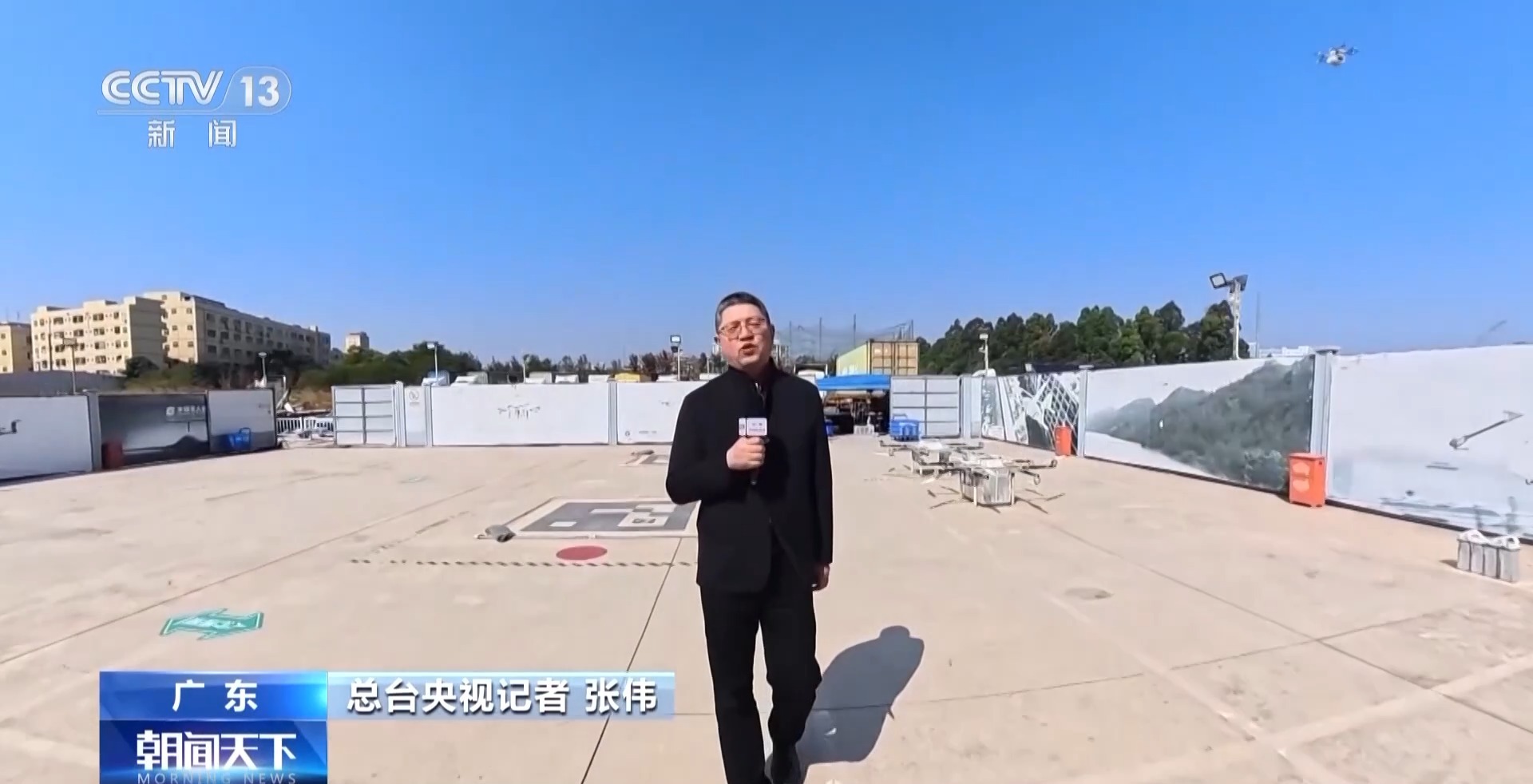
Core Insights - The article discusses the development of the low-altitude economy in the Guangdong-Hong Kong-Macao Greater Bay Area, highlighting its transition from pilot projects to large-scale implementation [1][9]. Industry Development - The Greater Bay Area is focusing on building new pillar industries, particularly in strategic emerging sectors like the low-altitude economy [1]. - Shenzhen has established a robust logistics network that supports hundreds of drone flight routes, facilitating rapid delivery of essential components and documents across cities like Shenzhen, Dongguan, Zhongshan, and Zhuhai [3][7]. Supply Chain and Innovation - Approximately 90% of the components for drones are sourced locally, leveraging Shenzhen's strong logistics and supply chain capabilities, allowing for quick assembly and production [5]. - The low-altitude economy has created a "invisible industry chain" that enhances operational efficiency and reduces delays from research and development to market deployment [3][5]. New Market Opportunities - The growth of the low-altitude economy is not limited to logistics; it is also fostering new sectors such as cultural tourism and high-end equipment manufacturing, leading to increased market demand and talent requirements [9][15]. - The article notes that drone performances have become increasingly popular, with companies conducting numerous shows domestically and internationally, indicating a growing market for entertainment applications [11]. Talent Development - The rapid expansion of the industry has resulted in a growing workforce, with professionals like drone route planners quickly advancing in their careers and taking on more complex projects [13][15]. - The demand for skilled personnel is rising, with teams now planning drone routes that extend over 100 kilometers and include cross-city and cross-sea applications [13][15]. Infrastructure and Standards - The development of the low-altitude economy is supported by institutional innovation and standardization efforts, addressing common challenges in the industry [19][21]. - Guangdong has established the first provincial-level standardization technical committee for the low-altitude economy, aiming to create key standards for various aspects of drone operations [19][21]. - By 2026, Guangdong plans to implement the first provincial standard for drone parcel transportation in island scenarios, providing comprehensive guidelines for the entire logistics chain [19][21].
“空中服务”走进现实!长沙低空经济发展推介活动成功举办
Chang Sha Wan Bao· 2026-01-11 02:20
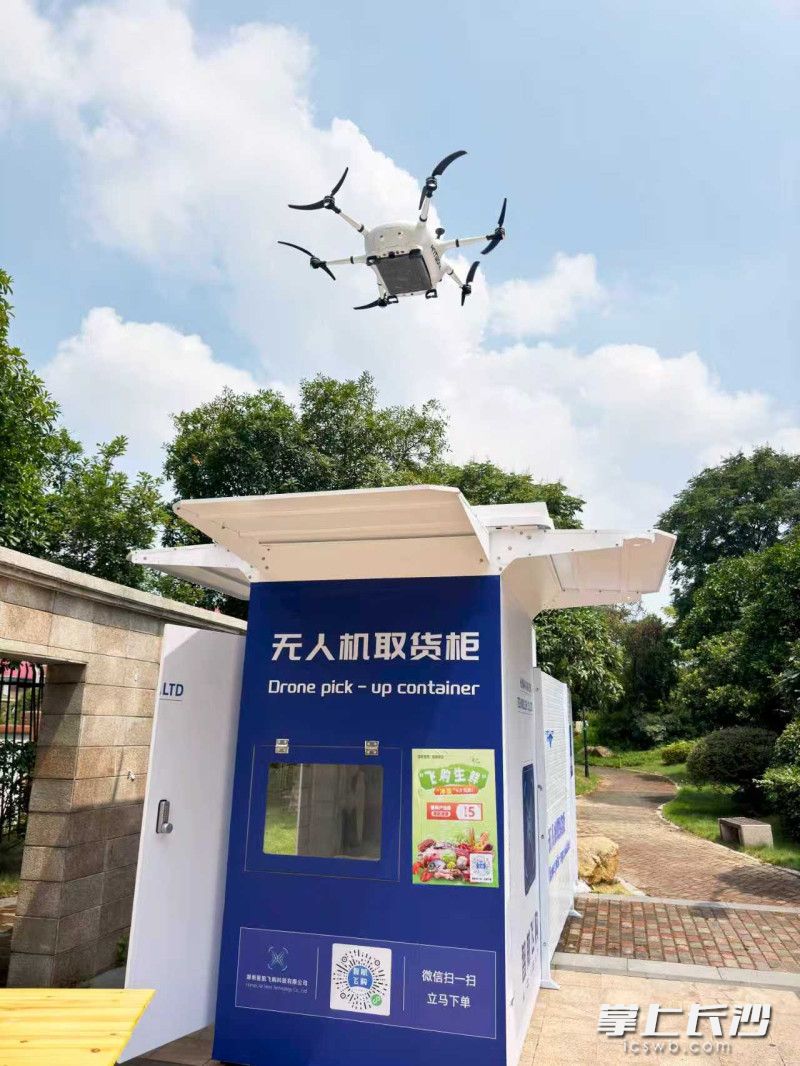
Group 1 - The event held in Changsha on January 10 aimed to promote the development of the low-altitude economy, marking a key initiative for the city to seize new opportunities in this sector [1] - The event featured a multi-dimensional presentation outlining the top-level design, implementation paths, and regional layout for the development of the low-altitude economy in Changsha [1] - Guangdong Xpeng Huitian Aerospace Technology Co., Ltd. showcased its core product, the split-type flying car "Land Carrier," which is designed for urban commuting and low-altitude sightseeing, significantly reducing operational difficulty with its single-rod control system [1] Group 2 - Hunan Zhihang Feigou Technology Co., Ltd. focused on the low-altitude logistics sector, presenting its self-developed low-altitude digital operation service platform, which has launched 26 drone delivery routes in Changsha County [1] - A series of strategic cooperation agreements were signed between Changsha Low-altitude Industry Development Group Co., Ltd. and various leading enterprises, financial institutions, and research institutes, covering key areas such as technology development and data sharing [4] - The establishment of the Changsha Low-altitude Group aims to focus on capital operations, scene development, and digital empowerment, accelerating the construction of low-altitude infrastructure and promoting the establishment of a complete industrial ecosystem [7] Group 3 - The low-altitude economy is recognized as a strategic emerging industry, becoming a new engine for economic transformation and growth [7] - Changsha has released a three-year implementation plan for high-quality development of the low-altitude economy, including the layout of vertical take-off and landing facilities and the construction of a comprehensive regulatory service platform [7] - The city aims to integrate low-altitude communication, navigation, monitoring, and meteorological infrastructure, supporting diverse low-altitude application scenarios and fostering an ecological industrial chain [7]
【感知中国活力】大湾区:低空经济开年“起飞”
Yang Shi Wang· 2026-01-10 22:34
央视网消息:"十五五"规划建议提出,要加快新能源、新材料、航空航天、低空经济等战略性新兴产业 集群发展。一开年,粤港澳大湾区的低空经济就持续升温。无人机物流密集投运、跨城航线加速织密、 产业链高效运转,一个万亿级的市场正在加速启航。 ...
2025城市经济研究专题:向先而行,深圳加快建设中国特色社会主义先行示范区
Sou Hu Cai Jing· 2026-01-10 07:11
Core Viewpoint - Shenzhen is accelerating its development as a leading demonstration zone for socialism with Chinese characteristics, leveraging its unique urban positioning and economic vitality to achieve high-quality growth [1]. Group 1: Urban Positioning - Shenzhen has transformed from an early processing trade model to a technology-driven industrial transformation, supported by multiple strategic advantages such as being a special economic zone and a core engine of the Guangdong-Hong Kong-Macao Greater Bay Area [1][10]. - The city aims to cultivate new productive forces, with the added value of strategic emerging industries accounting for 42.3% of GDP in 2024, maintaining the highest total industrial output value and added value among cities in China for three consecutive years [1][18]. Group 2: Industrial Growth - Shenzhen has established leading advantages in several frontier industries, including a complete semiconductor and integrated circuit supply chain, rapid growth in the smart connected vehicle sector, and a strong foundation in high-end medical devices [2][18]. - The "20+8" industrial cluster strategy is being upgraded to create several trillion-yuan and 500-billion-yuan industrial clusters, showcasing strong development potential [1][18]. Group 3: Collaborative Development - The city's development relies on both internal collaboration and close ties within the Greater Bay Area, with key districts like Nanshan and Futian leading in technological innovation and international finance, respectively [2][18]. - Shenzhen's cooperation with Hong Kong is advancing towards deeper integration of rules and cross-border flow of innovative factors, while collaboration with surrounding cities like Dongguan and Huizhou forms an efficient industrial chain [2][18]. Group 4: Advantages and Challenges - Shenzhen's high-quality development is supported by its innovative capabilities, with a 10.5% year-on-year growth in the added value of strategic emerging industries in 2024, and a significant increase in high-tech manufacturing investments [18][25]. - The city faces challenges such as external uncertainties, competition in key technologies, and regional competition, necessitating continued efforts in economic reform, optimizing the business environment, and enhancing the innovation ecosystem [3][18]. Group 5: Future Opportunities and Policy Recommendations - The report emphasizes the need for Shenzhen to strengthen its competitive edge in artificial intelligence, semiconductors, and biomedicine through institutional innovation and capital empowerment, positioning itself as a global leader in industrial innovation [3][18].

签订单、增投资,火热!海南各行业抢抓封关后政策新机遇开辟发展新热土
Yang Shi Wang· 2026-01-10 02:42
Group 1 - Hainan Free Trade Port is set to enter a new phase of development in 2026, with various industries seizing new policy opportunities post-closure [1] - Hainan has selected over a hundred quality projects from its "14th Five-Year Plan" for development, covering all 18 cities and counties, including low-altitude economy and tropical agriculture [3] - A business leader indicated that with sufficient funding, they expect to generate 200 to 300 million yuan in equipment output by 2026, expressing confidence in establishing and growing their operations in Hainan [6] Group 2 - Hainan has seen a significant increase in tourist numbers, with inbound visitors to Sanya and Haikou rising by 28% and 15% respectively during the first week of the new year [10] - The duty-free shopping in Hainan has surged, with sales amounting to 1.21 billion yuan in the first week of the new year, marking an 88% year-on-year increase, and nearly 150,000 shoppers, a 38.3% increase [15] - The marketing director of a global duty-free city reported a 10% increase in inventory for new product categories, anticipating a busy shopping season as the Spring Festival approaches [21] Group 3 - Since the closure, Hainan has added 4,396 new foreign trade registered enterprises, with many companies signing contracts and increasing investments, showing optimism for the new year [22] - A business leader mentioned that they have imported over 5 million yuan worth of "zero tariff" biomedical technology equipment, saving nearly 1 million yuan, and expect to establish a project worth over 20 million yuan by 2026 [24] - Another business leader projected a 20% increase in orders for 2026 compared to 2025, indicating growth expectations [25]

长江新画卷丨低空经济+AI双轮驱动 长三角新质生产力加速崛起
Yang Shi Wang· 2026-01-10 02:42
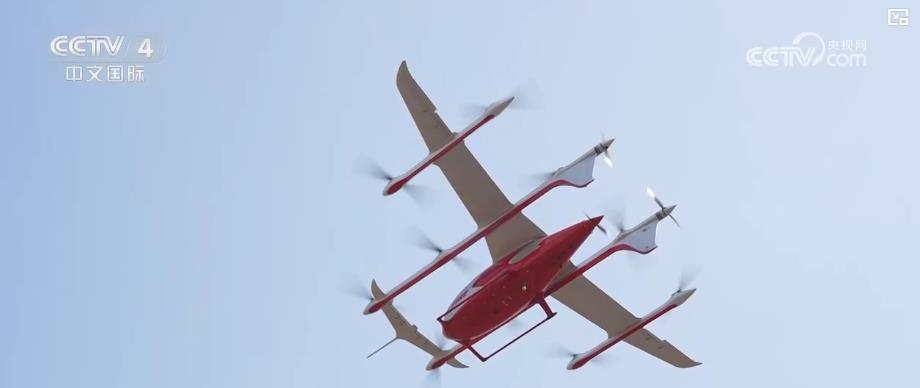
Core Viewpoint - Technological innovation is driving industrial upgrades, with the low-altitude economy emerging as a core engine for new productive forces in the Yangtze River Economic Belt [1] Group 1: Low-altitude Economy Development - The low-altitude economy is rapidly developing in the Yangtze River Delta, with over 70 companies in the industry cluster and a scale exceeding 5 billion yuan [7] - A new generation of manned aircraft is under development, capable of reaching speeds of 200 kilometers per hour for various applications such as commuting and emergency rescue [3] - The first batch of aircraft is undergoing concentrated delivery and testing, showcasing the potential of low-altitude economic solutions [3][5] Group 2: Innovation and Collaboration in Shanghai - The "Moli Community" in Shanghai serves as a hub for AI and traditional manufacturing integration, facilitating zero-distance collaboration between upstream and downstream industries [10][14] - Since its operation began in August 2024, the community has gathered hundreds of companies across various AI verticals, creating over 30 application scenarios and hundreds of vertical application models [14] - The community leverages the advantages of AI technology to meet the deep-seated needs of traditional manufacturing, fostering a new model of collaboration in the Yangtze River Delta [18]
一起“开箱”,解锁中国企业出海新图景!
21世纪经济报道· 2026-01-10 02:11
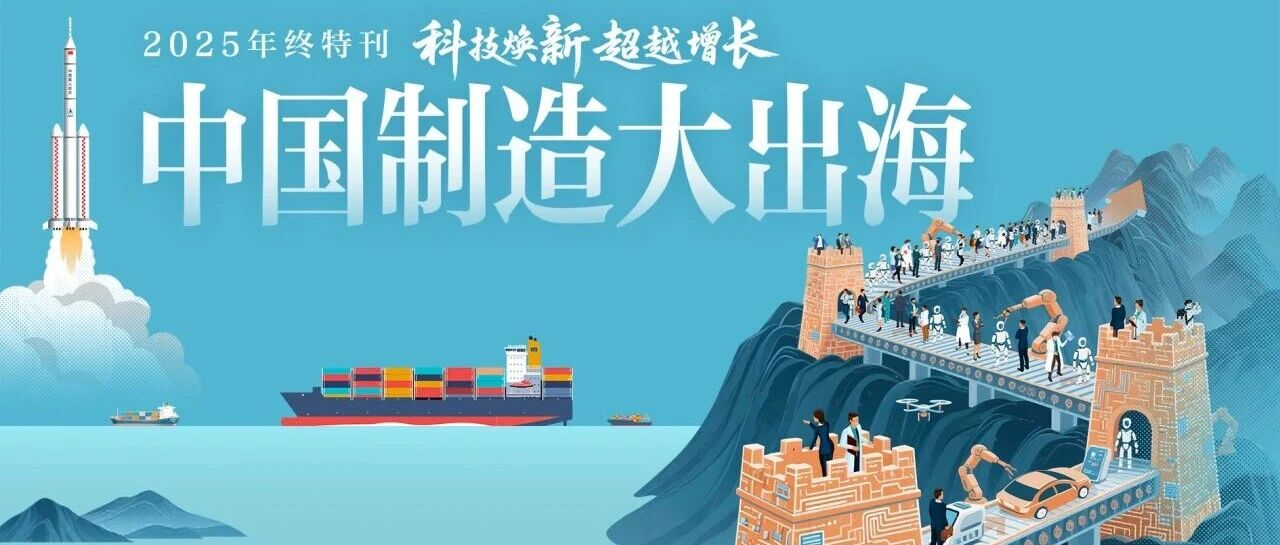
Group 1: Manufacturing and Technology Exports - Chinese "New Energy Vehicles" are rapidly expanding in global markets, showcasing strong growth potential [1] - The "New Energy Equipment" sector is injecting significant green energy capabilities into the global market [3] - Chinese "Industrial Robots" are increasingly entering global production facilities, while "Home Appliances" are experiencing explosive sales worldwide [5] Group 2: Biopharmaceuticals - Chinese "Innovative Drugs" are transitioning from a "follower" position to a "leader" in the global pharmaceutical landscape [7] Group 3: Future Industries - Chinese advancements in "Artificial Intelligence" and "Humanoid Robots" are making strides on the international stage [9] - The "Commercial Space" sector is pursuing ambitious goals in space exploration [11] - The "Low-altitude Economy" is positioning China as a global leader in this emerging market [13] Group 4: Consumer and Service Exports - Chinese "Smart Home" products are becoming integrated into overseas households, enhancing global consumer experiences [15] - The "IP Trendy Toys" sector is showcasing the charm of Chinese culture to international audiences [17] Group 5: Financial and Capital Markets - The Chinese "Financial Capital Market" is gaining prominence, highlighting its potential for international investment [19] - "Cross-border E-commerce" is facilitating the entry of "Chinese Quality Goods" into households around the world [19] Conclusion - By 2025, China's outbound ventures are set to open a new chapter, characterized by technological advancements and mutual trust [21]
从会议现场奔赴工作一线 代表委员返岗即攻坚
Chang Jiang Ri Bao· 2026-01-10 01:04
Group 1 - Representatives and committee members are returning to their work immediately after the city’s two sessions, aiming to translate the spirit of the meetings into practical actions across various sectors such as project construction, technological innovation, urban renewal, and public services [1] - The Wuhan government emphasizes the cultivation and expansion of characteristic advantageous industrial clusters, with a focus on network security as a key guarantee for enterprises' digital transformation [2] - The design industry sees opportunities in urban renewal projects, with representatives actively engaging in discussions to align their work with government directives [3][4] Group 2 - The low-altitude economy is identified as a new industry with many standards still undefined, presenting a significant opportunity for development [4] - Companies are adjusting their research directions based on government reports, aiming to align macro-level strategies with micro-level operations [5] - A focus on high-end equipment industry development is highlighted, with companies increasing R&D investments to capture international market opportunities [6] Group 3 - The tourism sector is being prioritized, with representatives working on strategies to enhance the winter sports economy and create new consumer experiences [7] - The development of smart port technologies is underway, aiming to improve efficiency and safety in port operations [8][9] - Infrastructure projects are being closely monitored to ensure timely completion, which is crucial for enhancing local transportation networks and optimizing the business environment [10]