水产养殖

Search documents
午后异动!龙头股“秒”涨停
Zhong Guo Zheng Quan Bao· 2025-11-19 08:48
Market Overview - The A-share market experienced rapid rotation in the afternoon, with sectors such as gold, organic silicon, and storage chips showing significant movements. Precious metals, insurance, and aquaculture sectors led the gains, while sectors like Hainan, gas, and film and television adjusted [1] Aquaculture Sector - Multiple aquaculture stocks surged to their daily limit in the afternoon, with leading stock Guolian Aquatic (300094) hitting a 20% limit up. Other stocks like Zhangzi Island (002069) and Dahu Co. (600257) also reached their limits. The aquaculture sector saw a quick rally, with several stocks hitting their limits within seconds [2][3] - Longjiang Securities reported that the Chinese aquaculture industry is expected to recover in 2025, with prices of major aquatic products generally rebounding due to the industry's inventory digestion from 2023 to 2024 [3] Precious Metals Sector - The precious metals sector was active, with energy metals, lead, and zinc rising over 2%. The precious metals sector rose by 5.38%, while the gold concept sector increased by 1.22%. Notable individual stock performances included Zhongjin Gold (600489) and Shandong Gold (600547) [4][5] - As of 15:05 Beijing time, COMEX gold futures rose by 0.7% to $4095.1 per ounce, while London gold increased by 0.61% to $4092.28 per ounce [7] Industrial Metals and Lithium - Industrial metal futures showed strong performance, with lithium carbonate futures rising by 4.97%, industrial silicon by 4.68%, and polysilicon by 4.28%. Shanghai gold futures increased by 1.09%, priced at 937 yuan per gram [9] - Zhongtai Securities expressed optimism about the industrial metals sector, particularly copper and aluminum prices, while energy metals are expected to see improved supply-demand dynamics due to rising storage demand [11] - CITIC Construction Investment projected a significant improvement in the lithium supply-demand balance by 2026, with a forecasted supply of 208.9 million tons and consumption of 200.4 million tons, indicating a structural shortage [12]


国联水产:股票交易异常波动
Xin Lang Cai Jing· 2025-11-19 08:42
国联水产公告,公司股票交易价格连续3个交易日内(2025年11月17日、2025年11月18日、2025年11月 19日)收盘价格涨幅偏离值累计超过30%,根据深圳证券交易所的有关规定,属于股票交易异常波动的 情况。公司前期所披露的信息不存在需要更正、补充之处;公司近期经营情况正常,内外部经营环境未 发生重大变化;公司、控股股东及实际控制人不存在应披露而未披露的重大事项或处于筹划阶段的重大 事项;在公司股票交易异常波动期间,公司控股股东、实际控制人未有买卖公司股票的情形。 ...
11月19日主题复盘 | 水产养殖大涨,黄金、有机硅等走强
Xuan Gu Bao· 2025-11-19 08:33
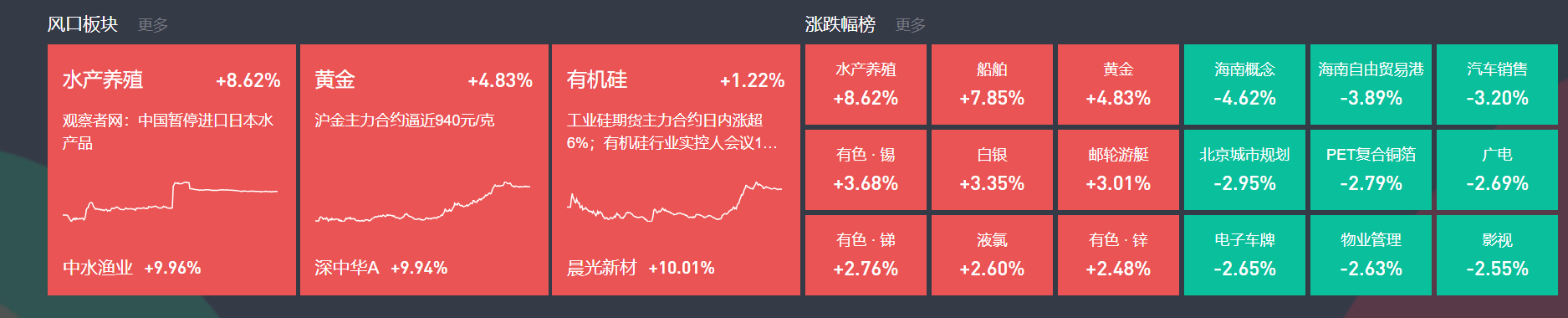
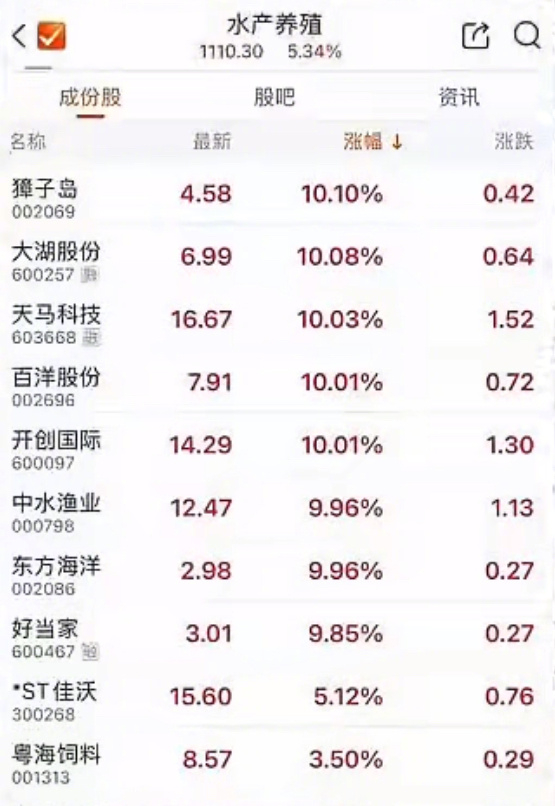
Market Review - The Shanghai Composite Index experienced narrow fluctuations, while the ChiNext Index saw a rise followed by a decline. The aquaculture sector surged, with stocks like Zhangzi Island and Dahu Co. hitting the daily limit. Gold stocks also rose in the afternoon, with Shen Zhonghua A reaching the daily limit and Zhongjin Gold touching the limit. The military industry performed actively, with Jianglong Shipbuilding and China Shipbuilding Defense hitting the daily limit. Conversely, popular sectors in Fujian and Hainan saw declines, with Haima Automobile and Sanmu Group hitting the daily limit. Overall, over 4,200 stocks in the Shanghai, Shenzhen, and Beijing markets were in the red, with a total transaction volume of 1.74 trillion yuan [1]. Hot Topics Aquaculture - The aquaculture concept saw a significant rise today, with Zhongshui Fishery achieving four consecutive limits, and stocks like Kaichuang International, Guolian Aquatic Products, Dongfang Ocean, and Haodangjia also hitting the daily limit. According to CCTV news, on November 19, the Chinese Foreign Ministry announced the suspension of imports of Japanese seafood due to strong public outrage over Japanese Prime Minister Fumio Kishida's remarks on major issues like Taiwan. This situation suggests that even if Japan exports seafood to China, there will be no market for it [4]. Organic Silicon - The organic silicon sector saw renewed activity in the afternoon, with Chenguang New Materials hitting the daily limit and Dongyue Silicon Materials and Yuanxiang New Materials rising over 10%. A seminar on the high-quality development of methyl chlorosilane enterprises is being held in Shanghai, which may lead to the establishment of production reduction targets [6]. Gold - The gold sector experienced another significant rise, with Shen Zhonghua A hitting the daily limit and Zhongjin Gold and Shandong Gold following suit. Market data indicated that the main gold futures contract surged over 1% in the afternoon, approaching 940 yuan per gram [8]. Military Industry - The military sector remains active, with stocks like Jianglong Shipbuilding and China Shipbuilding Defense hitting the daily limit. Reports indicate heightened concerns regarding Japan's military stance, as highlighted in a recent article from the Liberation Army Daily [14]. Lithium Battery - The lithium battery sector showed signs of recovery, with lithium carbonate futures breaking through the 100,000 yuan mark, and prices of electrolyte additives continuing to rise [16].
最新回应!暂停进口日本水产品?水产板块午后爆发,个股强势涨停;外交部:即使不暂停,在中国也不会有市场!
雪球· 2025-11-19 08:22
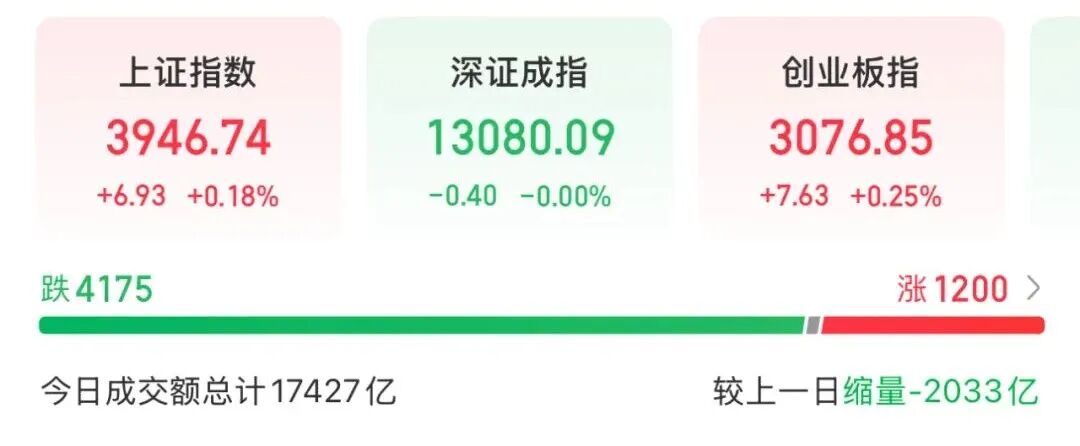
Market Overview - The A-share market showed mixed performance with the Shanghai Composite Index up by 0.18%, Shenzhen Component flat, and the ChiNext Index rising by 0.25% [2] - Total market turnover was 17,427 billion, a decrease of 2,033 billion from the previous day, with over 4,100 stocks declining [3][4] Sector Performance - The top-performing sectors included precious metals, military industry, and aquaculture, while sectors such as Hainan, gas, and film and television saw significant declines [5] - The aquaculture sector experienced a notable surge in the afternoon, with stocks like Zhongshui Fishery and Guolian Aquatic Products hitting the daily limit [6][8] Aquaculture Sector - The aquaculture sector saw a collective surge in stock prices, with several companies reaching their daily limit, including Guolian Aquatic Products (+20.09%) and Dahu Co. (+10.08%) [10] - This surge was influenced by reports that the Chinese government has suspended imports of Japanese seafood, a move seen as a response to political tensions [10][11] Precious Metals Sector - The precious metals sector, particularly gold, experienced significant gains, with stocks like Zhongjin Gold rising by 8.76% and Xiaocheng Technology by 7.89% [13] - The rise in gold prices is attributed to market speculation regarding potential interest rate cuts by the Federal Reserve, with a 50% probability of a rate cut in the upcoming FOMC meeting [15] Global Market Context - Since November, global markets have been in a correction phase, with the A-share market showing the smallest decline of only 0.2% compared to significant drops in U.S. and European markets [18] - UBS forecasts a potential 14% increase in the MSCI China Index by the end of 2026, driven by factors such as innovation in AI, supportive policies, and ample liquidity [18][19]




A股水产板块大涨8.97%,国联水产等多股涨停
3 6 Ke· 2025-11-19 08:19
Core Insights - The A-share aquatic product sector has experienced a significant surge, with the aquatic index rising by 8.97% and several stocks reaching their daily limit up [1] - A report from Changjiang Securities indicates that China's aquatic industry is expected to see a notable recovery by 2025, with major aquatic product prices returning to historical highs [1] Industry Performance - As of the report, key stocks such as Guolian Aquatic Products increased by over 20%, while Zangzi Island, Dahu Co., Baiyang Co., and Kaichuang International all saw gains exceeding 10% [1] - The prices of major aquatic products have shown substantial increases, with grass carp reaching 14 yuan/kg, a 25% rise since the beginning of the year [1] Price Trends - Specialty aquatic products like California bass and yellow catfish have also seen price increases, reaching 22.1 yuan/lb and 15.8 yuan/lb respectively, marking the highest levels since 2021 [1] - The price recovery is attributed to the industry's necessary adjustment following two years of stock management from 2023 to 2024 [1]


军工股爆发,黄金、水产强势拉升,江龙船艇20cm涨停、中金黄金猛涨8%
2 1 Shi Ji Jing Ji Bao Dao· 2025-11-19 08:14
Market Overview - On November 19, A-shares experienced a rise and then a pullback, with the Shanghai Composite Index up by 0.18% and the ChiNext Index up by 0.25%. The total market turnover reached 1.74 trillion, with over 4,100 stocks declining [1] Sector Performance - The precious metals, military industry, and aquaculture sectors saw significant gains, while sectors such as Hainan, gas, and film and television experienced notable declines [1] - The aquaculture sector had a strong performance in the afternoon, with several key stocks hitting the daily limit up, making it one of the most notable sectors in the capital market. Guolian Aquatic (300094) opened the afternoon session with a 20% limit up, and other stocks like Zangzi Island (002069), Dahu Co. (600257), Zhongshui Fishery (000798), and Kaichuang International (600097) also reached the limit up [1] Military and Gold Stocks - The military equipment sector saw another surge in the afternoon, with Jianglong Shipbuilding (300589) hitting the 20% limit up, and other companies like China Shipbuilding Defense (600685) and Yaxing Anchor Chain (601890) also reaching the limit up. Tianhai Defense (300008) rose over 14% [2] - Gold stocks strengthened in the afternoon, with Zhongjin Gold (600489) reaching the limit up and closing with an 8.76% increase. Other notable performers included Chifeng Gold (600988) and Shandong Gold (600547) [2] Lithium Carbonate Market - On November 19, the lithium carbonate futures market experienced a significant rally, with the main contract breaking the 100,000 yuan/ton mark for the first time since June 2024, with an intraday increase approaching 6%. The strong demand and improved supply-demand relationship were highlighted as key factors driving this price surge [4] - Analysts noted that the current market logic is centered around robust demand growth, with SMM weekly data indicating a rapid decrease in lithium carbonate inventory, contributing to optimistic market expectations [4]



刚刚!日本突发,直线涨停!
中国基金报· 2025-11-19 07:54
中国基金报记者 泰勒 兄弟姐妹们啊,今天的市场,走势颇为震荡,一起看看发生了什么事。 【导读】A股震荡,水产股直线涨停 | 代码 | 名称 | | 涨幅% | 现价 | | --- | --- | --- | --- | --- | | 300589 江龙船艇 | | R | 20.03 | 19.18 | | 300123 | 亚光科技 | 1 R | 19.93 | 7.28 | | 300008 | 天海防务 | . R | 14.16 | 7.82 | | 601890 | 亚星锚链 | R | 10.02 | 10.65 | | 000547 | 航天发展 | R | 10.01 | 12.53 | | 600682 | 中船防务 | R | 10.00 | 28.93 | | 300600 | 国瑞科技 | | 8.71 | 17.10 | | 300810 | 中科海讯 | | 7.21 | 41.92 | | 688543 | 国科学 | ન્દ્ | 6.94 | 53.00 | | 301327 | 北方长龙 | R | 6.70 | 165.80 | | 300397 | 天和防务 | ...

贾跃亭再提还债回国
21世纪经济报道· 2025-11-19 07:50
贾跃亭表示,他的第二个不可撤销信托已经正式设立完毕并付诸实施。目前, 该信托的资产主要来自两大部 分:一是FF授予贾跃亭的"股东股民First"的股权激励下获得股份的50%;二是贾跃亭投资的纳斯达克上市公 司AIXC对应的约7%股份的50%。 贾跃亭透露,后者投资的本金来自FFGP合伙人公司借款,该部分资产将很 快注入到第二信托中。 11月19日上午,贾跃亭在微博发布出镜视频,称生命中最重要的事情之一是"早日还债回国"。他将继续全力推 动法拉第未来(以下简称"FF")和AIXC成功,"从而让国内债权人尽早得到实质性的回报"。 记者 | 李益文,见习记者林健民 编辑 | 谢珍 贾跃亭还向债权人喊话,欢迎符合条件的债权人参与此次信托计划,并通过视频下方邮箱尽快联系第二信托债 务处理小组。 值得注意的是,11月14日,FF在官方微博披露今年第三季度财务业绩,称FX Super One已获得超过 11000 台 付费预订单合同,并在加州汉福德工厂进入试生产阶段,目标是年底美国首车下线。然而,同花顺iFinD数据 显示,今年前三季度,FF营收仅为40.70万美元,同比增长33.88%;前三季度归母净利润为亏损3.57亿 ...

青海都兰产“沙漠蟹”远销沪苏粤
Zhong Guo Xin Wen Wang· 2025-11-19 07:40
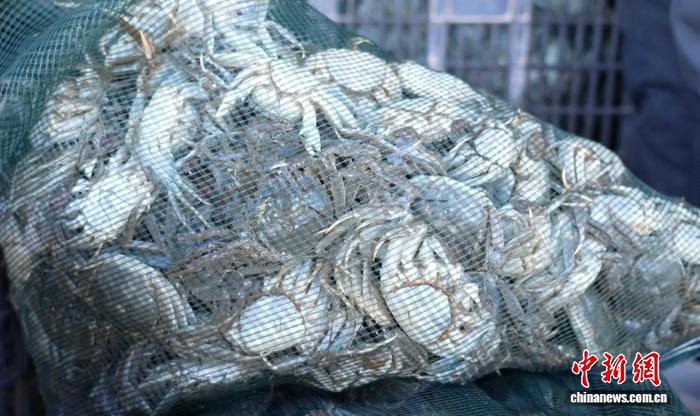
青海都兰产"沙漠蟹"远销沪苏粤 中新网西宁11月19日电 (马效勇 希日尖措 孙睿)记者18日从青海省海西州都兰县委宣传部获悉,作为都 兰首个沙漠水产养殖项目,小柴旦沙漠养殖基地投放的3万斤"沙漠蟹"获丰收,并远销江苏、上海、广 东等地。 图为沙漠蟹迎来丰收。都兰县委宣传部 供图 养殖基地负责人李继青说:"谁能想到沙漠里能养出这么肥的辽宁早熟蟹。当初决定在这儿搞养殖,就 是看中了昆仑山冰川水的水质,这种水质能让螃蟹肉质更紧实、鲜味更浓郁。" 据悉,该养殖基地目前已达300亩,引进的3万斤辽宁早熟蟹苗经过两年半的生长周期,已初见成效,由 于在沙漠里养殖,也被称为"沙漠蟹"。 香日德镇小夏滩村村民李勇说:"以前我们就在戈壁里放牧,现在有了养蟹基地,我可以一边放牧一边 在蟹塘干活,每个月能拿2000多元工资,家里的基本开销都够了。" 都兰县农牧和科技局工作人员表示,都兰县将继续扩大私人养殖规模,同时构建"科研院所+基地+合作 社+农户"的产学研模式,探索螃蟹与南美白对虾、花甲的立体养殖技术,进一步延伸产业链条,"后期 将结合柴达木盆地的旅游资源,打造'沙漠养蟹观光体验'项目,推动生态养殖与乡村旅游深度融合。 (完) ...
超4100只个股下跌
第一财经· 2025-11-19 07:37
Market Overview - The A-share market experienced a fluctuating trend, with the Shanghai Composite Index rising by 0.18% to close at 3946.74, while the Shenzhen Component Index remained flat and the ChiNext Index increased by 0.25% to 3076.85 [3][4]. Sector Performance - The gold sector showed strength, and the aquaculture sector surged in the afternoon, with stocks like Guolian Aquatic and Zangzi Island hitting the daily limit [4][5]. - The banking sector also performed well, with China Bank rising over 3% to reach a historical high, alongside significant gains in other banks like Everbright Bank and Ping An Bank [6]. Trading Volume and Market Sentiment - The total trading volume in the Shanghai and Shenzhen markets was 1.73 trillion, a decrease of 200.2 billion from the previous trading day, with over 4100 stocks declining [7]. - Main funds saw a net inflow into sectors such as telecommunications, banking, and precious metals, while there was a net outflow from computer, media, and pharmaceutical sectors [9]. Institutional Insights - Shenwan Hongyuan predicts a comprehensive market rally may start in the second half of 2026, marking the beginning of "Bull Market 2.0" [10]. - Zhongyuan Securities notes that the current A-share market is in a phase of consolidation around the 4000-point mark, with a likely continuation of style rebalancing between cyclical and technology sectors [11]. - CITIC Securities observes that the Shanghai Composite Index is fluctuating around 4000 points, with total market turnover decreasing to around 2 trillion, indicating active investment in thematic and growth sectors [12].