智能硬件

Search documents
夸克AI眼镜将于11月27日正式发布,AI眼镜S1在“双11”预售期间表现亮眼,位列天猫智能眼镜品牌、智能眼镜店铺、XR品类榜销量第一
Ge Long Hui· 2025-11-12 06:52
Core Insights - Quark AI Glasses launch event is scheduled for November 27, with the S1 model performing exceptionally well during the "Double 11" pre-sale, ranking first in sales among smart glasses brands on Tmall [1] - The Quark AI Glasses S1 is Alibaba's first self-developed flagship dual-display AI glasses, featuring multiple proprietary technologies, dual flagship chips, and adjustable dual optical displays [1] - The product innovatively incorporates a dual battery and replaceable battery design, allowing users to change the battery by removing the temple [1] - Quark AI Glasses S1 integrates Alibaba's Qwen closed-source large model with Quark's AI capabilities, supporting basic functions like calls, music, photography, and teleprompter, while also deeply integrating with core ecosystem applications such as Alipay, Gaode, and Taobao, covering high-frequency application scenarios like payment and navigation [1]

定档11月27日,夸克AI眼镜将正式发布
Xin Lang Ke Ji· 2025-11-12 06:27
Core Insights - Quark AI Glasses launch event is scheduled for November 27, with the S1 model performing exceptionally well during the "Double 11" pre-sale, ranking first in sales among smart glasses brands and stores on Tmall [1] Product Features - Quark AI Glasses S1 is Alibaba's first self-developed flagship dual-display AI glasses, featuring multiple proprietary technologies and equipped with dual flagship chips [1] - The glasses utilize a dual battery and replaceable battery design, allowing users to change the battery by removing the temple [1] - The product integrates Alibaba's Qwen closed-source large model with Quark's AI capabilities, supporting basic functions like calls, music, photography, and teleprompter, while also deeply integrating with core ecosystem applications such as Alipay, Gaode, and Taobao, covering high-frequency application scenarios like payment and navigation [1]
安克创新,筹划港股上市
Zhong Guo Zheng Quan Bao· 2025-11-12 04:18
Group 1 - The company, Anker Innovations, announced plans to issue shares overseas (H-shares) and apply for a listing on the Hong Kong Stock Exchange to enhance its global strategy and competitiveness [1][2] - The company will consider the interests of existing shareholders and market conditions, aiming to complete the issuance and listing within 24 months of the shareholders' meeting resolution [2] - Anker Innovations reported a revenue of 21.019 billion yuan for the first three quarters of 2025, representing a year-on-year growth of 27.79%, and a net profit of 1.933 billion yuan, up 31.34% year-on-year [3] Group 2 - The company is advancing its research and development in embodied intelligence, focusing on both two-dimensional basic robots and three-dimensional mobile robots, with ongoing efforts to enhance user experience and technology [4] - Anker Innovations has established a stable commercial scale in two-dimensional robots like vacuum cleaners and lawn mowers, while also initiating technical research for three-dimensional robots such as robotic dogs and drones [4] - The company is actively recruiting high-end talent in computing power, algorithms, and hardware to strengthen its team in line with strategic needs and research development pace [4]
专访时空壶CEO:不惧苹果入局,AI翻译耳机远未到终局
3 6 Ke· 2025-11-12 01:32
Core Insights - The article discusses the competitive landscape of AI translation devices, particularly focusing on the impact of major tech companies entering the market, which poses challenges for smaller startups [2][3][4] Industry Overview - The AI translation market is still in its early stages, with many companies, including Timekettle, facing intense competition from larger firms like Apple and Google [3][6] - Timekettle has achieved significant growth, projecting revenues of 200 million yuan in 2024 and maintaining a leading position in the industry for six consecutive years, with over one million users across more than 170 countries [3][4] Company Strategy - Timekettle's founder emphasizes a hardware-first approach, focusing on creating a natural conversation experience through their translation devices, which are priced around 1,000 yuan [3][4][11] - The company aims to differentiate itself by reconstructing the entire cross-language communication system rather than merely adding translation features to existing products [7][8] Market Dynamics - The entry of major players like Apple, which holds a 23% share of the global TWS market, is seen as a significant threat to smaller companies in the translation device sector [2][3] - Timekettle's strategy involves focusing on the core problem of communication barriers rather than competing directly on features with larger companies [6][7] Technological Challenges - Current AI translation capabilities are estimated to only understand cultural context about 10% to 20% of the time, indicating a significant gap compared to human translators [3][15] - The company is exploring advancements in "edge AI" to improve performance in areas with poor network conditions, which is crucial for user experience [11][12] Future Outlook - Timekettle aims to enhance its products to achieve a higher level of translation accuracy and user experience, targeting a transition from L3 to L4 in AI translation capabilities within the next 2 to 3 years [14][18] - The company is also considering the integration of multimodal interaction methods, such as understanding tone and gestures, to further improve communication [12][18]


“从历史展望未来的行程”,驻华使馆领事官员文旅体验活动走进海淀
Bei Jing Ri Bao Ke Hu Duan· 2025-11-11 13:17
Group 1 - The event "Tech Pulse, New Visions in Culture and Tourism" was organized by the Ministry of Culture and Tourism, showcasing Beijing's dual identity as a center for technological innovation and a historical cultural city [3][5] - Participants included over 50 diplomats and consular officials from more than 30 countries, who experienced advanced technologies such as immersive CAVE spaces and 3D display technology at the Liad Group [3][5] - The event featured a historical exhibition showcasing artifacts from the Neolithic era to the Qing Dynasty, allowing international guests to appreciate Beijing's rich cultural heritage [3][5] Group 2 - The event highlighted over 490 core technological innovations, including humanoid robots and suborbital spacecraft, demonstrating China's advancements in various fields [3][5] - Cultural performances, such as the original classical dance drama "Cao Xueqin," were presented, emphasizing the blend of traditional art and modern technology [5] - The Ministry of Culture and Tourism reported that China has signed cultural cooperation agreements with over 150 countries, promoting a global network for cultural and tourism collaboration [6]

国泰海通|中小与股权研究:小米生态链的崛起密码
国泰海通证券研究· 2025-11-11 11:33
Core Insights - The article discusses the rapid growth of various companies and brands associated with Xiaomi, analyzing the reasons behind their rise and detailing their core businesses and partnerships with Xiaomi [1][3]. Group 1: Xiaomi Ecosystem and Brand Development - Xiaomi has incubated numerous fast-growing enterprises within its ecosystem, leading to significant revenue growth and market leadership in a short time [1]. - Stone Technology became the global leader in the robotic vacuum cleaner industry in 2023, with revenue soaring from 183 million in 2016 to 11.945 billion in 2024 [1]. - Ninebot, starting with Xiaomi, acquired Segway and established itself as a leader in electric riding tools, achieving a 52.62% global market share in electric scooters by 2020 [1]. - Zimi Technology launched the first Xiaomi power bank, quickly becoming the top seller globally and marking Xiaomi's first product to exceed 10 million units sold [1]. - Huami Technology partnered with Xiaomi, achieving over 20 million sales of the Xiaomi Mi Band within two years, driving explosive growth in the industry [1]. Group 2: Redmi Brand and Automotive Expansion - The Redmi brand, a crucial part of Xiaomi's strategy, began in July 2013 and became an independent brand in January 2019, covering a wide range of consumer electronics [2]. - Xiaomi entered the smart electric vehicle market in March 2021, with the first model, SU7, launching on March 28, 2024, and achieving a delivery volume of 136,900 units in its first year, setting a record for the fastest electric vehicle company to reach 100,000 deliveries [2]. - The SU7 became the best-selling model in its category in 2024, with the YU7 model's pre-order data exceeding expectations and an annual delivery target of 350,000 units set for 2025 [2]. Group 3: Factors Behind Rapid Growth - The rapid rise of Xiaomi-related companies is attributed to several factors, including precise product selection and market positioning, focusing on niche markets with significant demand [3]. - Xiaomi provides comprehensive support to partner companies, sharing traffic and channels, empowering supply chains, and offering capital support [3]. - The unique "bamboo forest ecosystem" model allows for mutual support among ecosystem companies while enabling independent growth, creating strong cluster effects and risk resilience [3]. - Deep user engagement and rapid product iteration through feedback from "Mi Fans" help Xiaomi's ecosystem products effectively address user pain points [3].

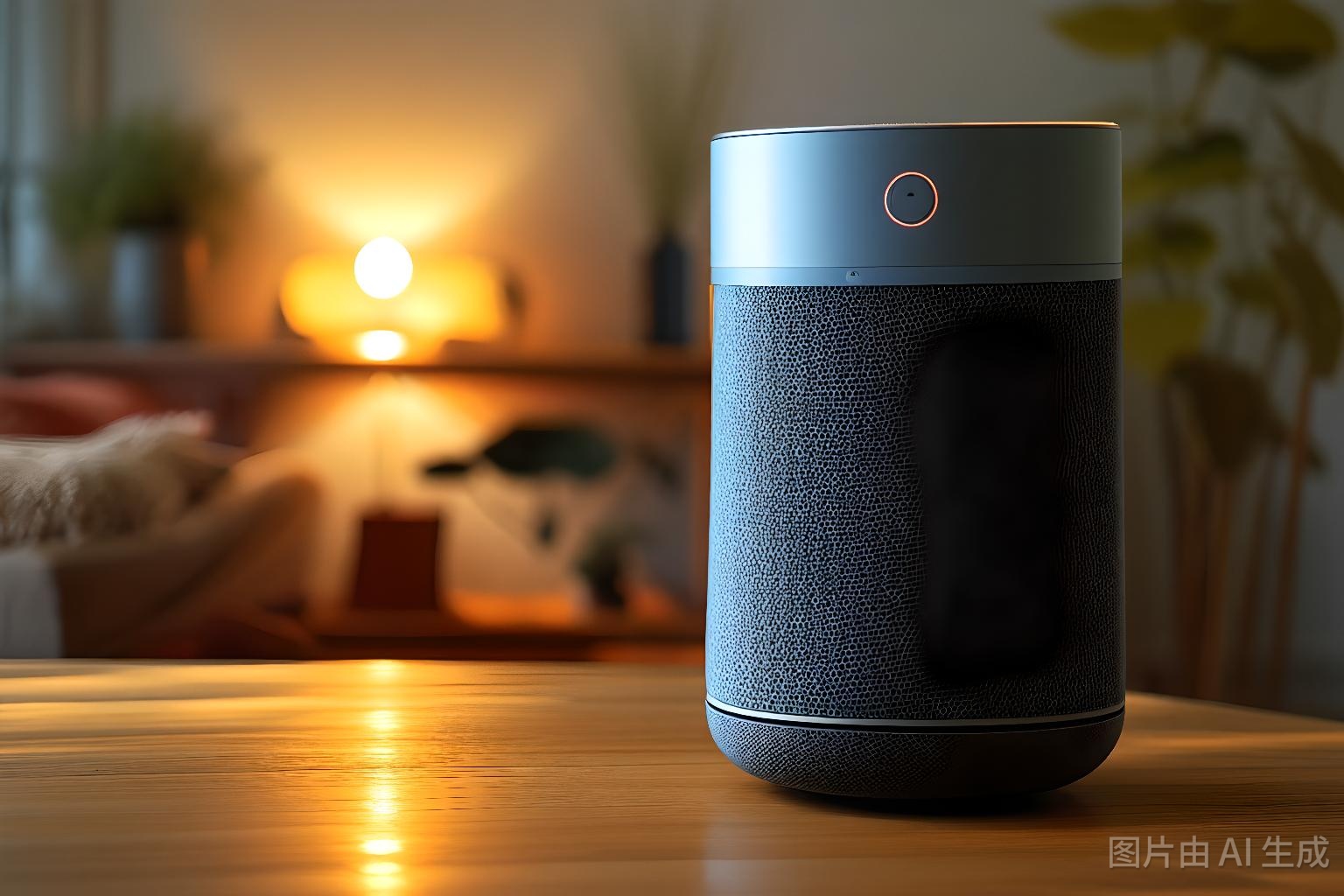
AI救不了智能音箱
Xi Niu Cai Jing· 2025-11-11 10:42
Core Insights - The smart speaker market in China is experiencing a significant decline, with Q3 2025 sales dropping to 3.057 million units, a year-on-year decrease of 11.9%, marking the fourth consecutive year of decline [2][5] - Despite the rise of AI technologies, the smart speaker market has not benefited, as consumer demand remains low and high-end products have not translated into increased sales [5][8] - The market is characterized by high concentration, with the top three brands (Baidu, Xiaomi, and Tmall Genie) holding over 97% of the market share [9][13] Market Performance - The total sales for 2024 are projected to be 15.7 million units, reflecting a year-on-year decline of 25.6%, with a further expected drop of 9.6% to 14.2 million units in 2025 [5] - The average price of smart speakers has increased to 280 yuan, up 8.9% year-on-year, but this has not led to a corresponding increase in sales revenue [5][6] - Xiaomi leads the market with a 48.8% share, but its low-priced strategy has resulted in a perception of low value, impacting its ability to attract higher-end consumers [13] Brand Analysis - Baidu, once a market leader, has seen a decline in its market share despite maintaining a 32.8% share in Q3 2025, attributed to a lack of innovative features compared to competitors [13][14] - Tmall Genie is facing challenges due to slow technological updates and a declining market share, now at approximately 16% [14] - Huawei, while part of the top four, holds less than 2% of the market, focusing on high-end products, which limits its market reach [14] Consumer Behavior - The initial growth of the smart speaker market was driven by price subsidies and novelty, but the market has since become saturated with similar products [6][15] - Current consumer needs primarily revolve around music playback, information queries, and basic appliance control, with many advanced features failing to resonate with users [7][8] - The integration of AI has not yet addressed core consumer pain points, leading to a disconnect between product offerings and actual user needs [7][8]
亿道信息(001314) - 2025年11月11日投资者关系活动记录表
2025-11-11 10:32
Group 1: Company Strategy and Future Plans - The company will continue to deepen its "AI+ strategy," focusing on the integration of AI technology and smart hardware across various vertical scenarios [2] - The mission is to make cutting-edge technology more accessible, aiming to explore existing customer needs and expand product lines and downstream application areas [2] - The company is committed to investing in key technology areas such as artificial intelligence, perception technology, and spatial computing to reserve core technologies and explore future products [2] Group 2: Development and Innovation Focus - The company aims to enhance human-computer interaction and strengthen its edge in artificial intelligence by cultivating interdisciplinary talents [2] - There is a focus on the research and development of XR, AIoT, and domestically controllable products to accurately seize opportunities in the digital economy and new productive forces [2] - The goal is to foster new profit growth points and promote high-quality development of the enterprise [2]
股市必读:石头科技(688169)11月10日主力资金净流出3317.17万元,占总成交额5.45%
Sou Hu Cai Jing· 2025-11-10 17:03
Core Viewpoint - Stone Technology (688169) reported a closing price of 157.26 yuan on November 10, 2025, with an increase of 1.79% and a trading volume of 3.91 million shares, amounting to a total transaction value of 609 million yuan [1]. Trading Information Summary - On November 10, the net outflow of main funds was 33.17 million yuan, accounting for 5.45% of the total transaction value; retail investors had a net inflow of 21.23 million yuan, representing 3.49% of the total transaction value [2][4]. Company Announcement Summary - Stone Technology plans to increase its foreign exchange hedging business limit to 500 million USD to mitigate exchange rate fluctuation risks, funded by its own capital without involving raised funds. Additionally, due to the vesting of restricted stock and capital reserve conversion to share capital, the company's registered capital will increase from 184.72 million yuan to 259.11 million yuan, with total shares rising from 184,723,148 to 259,106,368 [3].

刚需赛道+分成机制!格行双产品线解析:为何说它是下沉市场创业优选?
Sou Hu Cai Jing· 2025-11-10 15:40
Core Insights - The article emphasizes that successful business models are not based on heavy investments but rather on five core principles: light asset operation, leveraging resources, simplifying processes, meticulous cost management, and low-risk decision-making [2][3] Group 1: Light Asset Operation - Light asset operation is a prerequisite for a good business, allowing for reduced trial and error costs and flexible capital flow. The case of a friend engaging in a brand agency project exemplifies this model, which requires no franchise fees, inventory, or fixed locations [2] - The project mentioned operates on a zero-franchise fee basis, avoiding traditional financial pitfalls associated with high upfront costs [2] Group 2: Leveraging Resources - Successful businesses do not need to own everything but should integrate existing resources. The brand in question has established market recognition, allowing agents to leverage this brand equity to attract customers without building brand awareness from scratch [2] - This approach significantly reduces the difficulty of market expansion by utilizing the brand's reputation and existing customer base [2] Group 3: Simplifying Processes - A straightforward operational model is crucial for replicating success. The core business of the agency involves selling essential products, which allows for easy onboarding and execution without complex training [2] - The simplicity of the operational process enables quick replication and the establishment of a reusable profit template [2] Group 4: Cost Management - Effective cost management is essential for maintaining high profits. The project's revenue model is precise, generating immediate commissions from equipment sales and ongoing revenue from user subscriptions without additional operational costs [3] - Every income stream translates into pure profit, embodying the principle of maximizing earnings [3] Group 5: Low-Risk Decision Making - Low risk arises from targeting genuine market needs and avoiding false opportunities. The demand for mobile networks has become essential, particularly among specific demographics, ensuring a stable market for the products offered [3] - The increasing awareness of security has also made home monitoring a necessity, further solidifying the business's foundation in a robust market [3] Group 6: Conclusion - The logic of a successful business is straightforward: focus on "light, leverage, simplicity, savings, and stability." Identifying light asset entry points in essential markets and simplifying operations through existing resources can lead to sustainable profitability in competitive environments [3]