半导体

Search documents
美股“炸”了!股债金三杀,资金疯狂抛售!
格隆汇APP· 2026-03-21 09:28
Market Overview - The U.S. stock market experienced significant declines, with the Dow Jones falling by 0.96% and the S&P 500 dropping by 1.51%, marking the longest consecutive weekly decline since February 2023, with a total drop of 2.11% for the week [2][3] - The technology sector was particularly hard hit, with major tech companies collectively losing over $400 billion in market value in a single day [6] Key Stock Movements - Notable declines included Nvidia down 3.12%, Tesla down 3.08%, and both Google and Meta down over 2% [6][8] - The market capitalization of major tech companies such as Nvidia and Google was reported at $4.2 trillion and $3.64 trillion respectively [8] Gold and Bond Market Reactions - COMEX gold futures fell by 2.47% to $4492 per ounce, with a weekly decline of 11.26%, the largest since 1981 [8] - U.S. Treasury bonds also saw a significant drop, with yields rising over 10 basis points across various maturities, indicating a severe sell-off in the market [9] Market Sentiment and External Factors - The ongoing conflict in the Middle East has been identified as a key trigger for the market turmoil, with escalating tensions leading to fears of higher oil prices [12][15] - Goldman Sachs warned that if the conflict persists, oil prices could exceed $180 per barrel, which would increase inflationary pressures on consumers and businesses [14][15] Federal Reserve Policy Impact - The Federal Reserve's recent shift in policy expectations, including an increase in inflation forecasts and a delay in anticipated interest rate cuts, has contributed to market panic [15][20] - The market is now pricing in a 50% chance of rate hikes by 2026, reversing previous expectations of rate cuts [15] Technical Market Dynamics - The "Quadruple Witching" event, where multiple derivatives expire simultaneously, exacerbated market volatility, with a record nominal value of $5.7 trillion in options expiring [17] - The S&P 500 index is approaching critical support levels, and a breach could trigger further selling pressure from various funds [19] Institutional Outlook - Analysts from Goldman Sachs and JPMorgan have expressed concerns that the current market volatility may not be over, particularly if geopolitical tensions and high oil prices persist [18][20] - Despite the current turmoil, the underlying fundamentals of the U.S. economy remain resilient, suggesting that the market adjustment may be a correction rather than a fundamental shift [21][23]





数码家电行业周度市场观察:行业环境头部品牌动态投资运营产品技术营销活动-20260321
Ai Rui Zi Xun· 2026-03-21 08:31
Investment Rating - The report does not explicitly provide an investment rating for the industry Core Insights - The industry is witnessing a significant shift towards AI integration across various sectors, with a focus on military applications and consumer technology [4][10] - The AI chip market is experiencing rapid growth, with major companies like Meta and OpenAI signing multi-billion dollar contracts, although concerns about market sustainability and technological bottlenecks are emerging [7][10] - The AI toy market is booming, with online sales expected to reach 520 million yuan in 2025, driven by innovative products and increased investment [8][10] - The outdoor economy is boosting the mobile refrigerator market, with production expected to exceed 4.5 million units in 2024 [10] - The humanoid robot sector is seeing the emergence of unicorns with valuations exceeding 10 billion yuan, although challenges in commercialization and supply chain remain [11][10] Industry Trends - The military application of AI is accelerating, with historical comparisons showing a rapid transition from technology to military use [4] - The integration of AI with 6G technology is expected to revolutionize communication and user experience, with significant advancements showcased at major tech events [4] - The advertising industry is undergoing transformation as major players invest heavily in AI to enhance marketing efficiency and data integration [7] - The AI chip industry is facing challenges related to performance limits and the need for customized solutions, with significant capital expenditure pressures [7] - The competition in generative AI is intensifying, with companies focusing on cost efficiency and user experience [8] Top Brand News - Alibaba's leadership emphasizes the need for educational reform in the AI era, focusing on human-centric values rather than technical skills [13] - Meituan is facing challenges in its AI strategy, needing to enhance its AI capabilities to remain competitive [13] - Ant Group's AI health assistant app has rapidly gained over 100 million users, highlighting the potential of AI in healthcare despite existing challenges [14] - Efort Intelligent Equipment is expanding into the photovoltaic industry through strategic acquisitions, aiming to enhance its technological capabilities [14] - Broadcom's financial performance is significantly boosted by its AI business, with optimistic revenue projections for the upcoming quarters [16]
手机涨价潮
投资界· 2026-03-21 08:22
Core Viewpoint - The consumer electronics industry is facing significant pressure from rising memory prices, leading to price increases across various brands, including Xiaomi, Transsion, Lenovo, OPPO, and vivo, as they attempt to offset the impact on profit margins [3][4][5]. Group 1: Memory Price Surge - Memory prices have skyrocketed, with Xiaomi's president stating that in Q1 2026, memory prices increased by 400% year-on-year, rising from $30 to over $120 [4][5]. - The surge in memory prices has led to a structural impact on the Bill of Materials (BOM) costs for smartphones, with low-end devices particularly affected, as memory now constitutes 43% of total material costs [10][11]. - Counterpoint's report indicates that DRAM prices increased by over 50% and NAND prices by over 90% in Q1 2026, significantly affecting the cost structure of low-end smartphones [10][11]. Group 2: Impact on Companies - Transsion, known as the "king of African phones," has been particularly affected by rising storage costs, leading to a decline in overall gross margins [4][5]. - Apple is also feeling the pressure from memory price increases, with CEO Tim Cook highlighting supply constraints and cost pressures during earnings calls [6][7]. - Lenovo has responded to the rising memory prices by signing long-term supply contracts to ensure adequate supply, but has also announced price increases for some of its computer products [8][9]. Group 3: Market Dynamics - The current market is characterized by a shift from a buyer's market to a seller's market, with companies now negotiating memory prices on a quarterly basis rather than annually [7][9]. - The demand for memory is being driven by the AI sector, which is squeezing supply for consumer electronics, particularly in the low-end market [10][12]. - Companies are facing a dilemma where they must raise prices to maintain margins, but this could lead to decreased consumer demand for their products [10][12]. Group 4: Future Outlook - Analysts predict that memory prices will remain high until at least the end of 2027, with no immediate relief in sight due to ongoing demand from AI applications [13][14]. - The structural changes in the memory market are expected to persist, with companies needing to adapt their product lines and pricing strategies to cope with the new reality [11][15]. - The potential for a market correction, such as an AI bubble burst, could alter the dynamics, but for now, the focus remains on navigating the high-cost environment [16].





画质革命还是AI整容?DLSS 5引爆全网争议,老黄亲自下场论战
机器之心· 2026-03-21 05:04
Core Viewpoint - Nvidia's latest AI image reconstruction and super-resolution technology, DLSS 5, has sparked significant controversy despite being touted as a major breakthrough in computer graphics since the introduction of real-time ray tracing in 2018 [2][3]. Group 1: Technology Overview - DLSS 5 is described as capable of injecting photo-realistic lighting and materials into pixels, enhancing overall visual performance [4][5]. - The technology aims to bring Hollywood-level visual effects into real-time gaming, supporting resolutions up to 4K while maintaining smooth interactivity [24]. - Unlike previous versions, DLSS 5 shifts from hardware-dependent methods to a fully generative AI approach, utilizing a large AI model trained to understand complex scene semantics [25][28]. Group 2: Industry Response and Concerns - Many players have expressed disappointment, claiming that DLSS 5 alters character models into generic AI-generated faces, undermining the artistic efforts of creators [12][20]. - The technology has received mixed reviews, with some praising the improved graphics while others liken it to a beauty filter that detracts from the original artistic vision [21][22]. - Concerns have been raised about the potential for AI to homogenize artistic styles, as AI-generated faces often exhibit similar features, leading to a loss of individuality in character design [29][30]. Group 3: Developer Control and Future Implications - Nvidia asserts that the integration of generative AI with real game data is controllable by developers, allowing them to fine-tune the AI to align with their artistic styles [32]. - The company emphasizes that the technology is not merely a post-processing filter but involves generative modeling at the geometric level, ensuring that developers retain control over the artistic direction [32].

复星创富投资心法:慢半步、快半拍,做好产品平衡
创业邦· 2026-03-21 03:59
Core Viewpoint - The article emphasizes the investment philosophy of Fosun Chuangfu, which focuses on a balanced approach of being slightly slower in entering markets while being quick to seize opportunities when certainty arises in investments [5][9][11]. Investment Philosophy - Fosun Chuangfu adopts a "slow half-step, fast half-beat" investment strategy, allowing them to observe market trends before making investments [6][9]. - The firm believes that many successful investments occur when they enter markets after initial pioneers have established a trend, thus reducing risk [11][8]. Investment Stages - The investment strategy is described as "dumbbell-shaped," with 40% of funds allocated to early-stage VC and 40% to pre-IPO companies, while 20% is directed towards mid-growth stage companies [13][14]. - The focus on early-stage investments aims for high returns, while the later stages are about achieving certainty and financial product balance [14][16]. Market Observations - Many Chinese tech companies, especially in the B2B sector, struggle to progress beyond a certain revenue threshold, which creates a cautious investment environment for mid-stage companies [17]. - Fosun Chuangfu is particularly excited about companies like Lixuan Technology, which specializes in GPU technology, indicating a strong market potential despite higher valuations [17][18]. Valuation Criteria - The firm typically targets VC projects with valuations around 300 million RMB, as most projects do not reach IPO status [18]. - Investments are made with a focus on certainty, requiring companies to have validated products and technology, even if they are not yet profitable [18][20]. Ecosystem Utilization - Since 2018, the investment landscape has shifted towards hard technology, necessitating a regional team approach to cover active tech hubs across China [22][23]. - Fosun Chuangfu operates multiple industry funds in collaboration with its listed companies, ensuring strategic alignment with the group's overall business goals [25][36]. Investment Process - The investment process involves thorough due diligence, including spending at least five days researching a target company and interviewing multiple stakeholders [30][31][32]. - The firm employs a unique "54321" analysis method to ensure comprehensive understanding and validation of potential investments [29][33]. Strategic Positioning - Fosun Chuangfu positions itself as an "EVC" (Ecosystem Venture Capital), leveraging its ecosystem to empower portfolio companies and facilitate collaboration [36].
价格涨3倍,AI带火「钌」
半导体行业观察· 2026-03-21 02:53
Core Viewpoint - Ruthenium is emerging as a critical material in the technology industry, particularly due to its role in hard disk magnetic layers and advanced chips, with its price skyrocketing over threefold in the past year due to surging demand driven by AI and cloud data centers [2][4]. Group 1: Importance of Ruthenium - Ruthenium, a member of the platinum group metals, possesses high hardness, wear resistance, and corrosion resistance, making it essential in electronics, semiconductors, and chemical processes [3]. - The demand for Ruthenium is increasing alongside the growth of AI technology, which drives the need for data storage and the expansion of data centers, affecting both solid-state drives (SSD) and traditional hard disk drives (HDD) [3]. - Ruthenium is crucial for enhancing storage density in hard disks through nanometer-scale thin film technology, and its role in storage technology is expected to remain irreplaceable until a more cost-effective alternative emerges [3]. Group 2: Supply Challenges - Ruthenium is not mined independently but is a byproduct of platinum group metal extraction, with major sources concentrated in South Africa, where production is declining [4]. - The annual global production of Ruthenium is only a few dozen tons, making it extremely scarce compared to base metals like copper and aluminum, which produce millions of tons [4]. - The price of Ruthenium has surged, reaching approximately $1,750 per ounce as of March 13, 2023, up from about $500-$600 a year prior, reflecting its newfound prominence in the investment market [4]. Group 3: Future Demand and Market Position - Research institutions predict that the supply-demand balance for Ruthenium will remain tight, with a projected supply gap of approximately 203,000 ounces by 2026 [5]. - Taiwanese companies are positioning themselves in the Ruthenium supply chain, with Formosa Plastics Group focusing on semiconductor materials and developing atomic layer deposition (ALD) Ruthenium precursors [6]. - Other Taiwanese firms, like Kinsus Interconnect Technology, are also involved in Ruthenium, emphasizing recycling and refining capabilities to produce high-purity Ruthenium for advanced applications [6][7].

思科芯片,来势汹汹
半导体行业观察· 2026-03-21 02:53
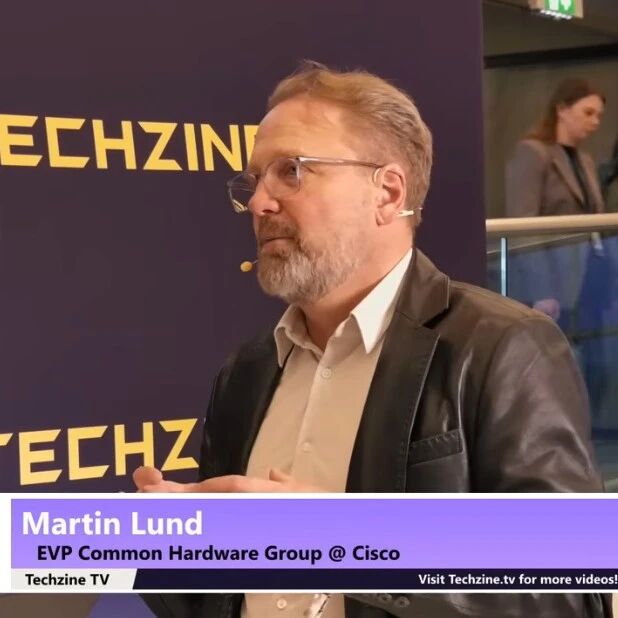
Core Insights - Cisco recently launched the Silicon One G300, a 102.4Tbps network chip, representing one of the most advanced switching solutions in AI data center infrastructure [2] - The G300 chip is built on TSMC's 3nm process and supports 64 1.6Tb Ethernet ports, doubling the capacity compared to its predecessor, the G200 [4] - Cisco's unified approach in its hardware division allows for a comprehensive vertical solution covering various products from Wi-Fi access points to core routers and large-scale AI infrastructure switches [2] Group 1: G300 Chip Features - The G300 chip achieves a total switching capacity of 102.4Tbps, which is 10,000 times the bandwidth of the 10Gb standard introduced nearly 25 years ago [4] - The chip's extreme performance poses significant heat dissipation challenges, necessitating liquid cooling for deployment [4] - The programmable architecture of the G300 allows for reconfiguration post-deployment, adapting to changing network demands, which is particularly crucial for AI infrastructure [6][7] Group 2: Ethernet vs. InfiniBand - The debate between Ethernet and InfiniBand in AI infrastructure has been resolved in favor of Ethernet, especially after the formation of the Ultra Ethernet Alliance and NVIDIA's support for Ethernet technology [9] - InfiniBand has limitations in scalability, supporting only 65,000 nodes, which is insufficient for large AI clusters that may require hundreds of thousands to millions of nodes [9] - The shift to Ethernet as a universal standard enables a decoupled AI computing architecture, enhancing flexibility as the hardware landscape diversifies beyond GPU-centric models [9] Group 3: Deployment and Market Adoption - The initial deployment focus of the G300 is on connecting large-scale GPU clusters in AI data centers, with five out of six major cloud providers already adopting Cisco's Silicon One technology [11] - The rise of new cloud service providers and sovereign cloud projects expands the market beyond traditional large-scale cloud vendors, with enterprises also deploying dedicated AI factories [11] - The G300 is positioned at the top of Cisco's Silicon One family, which includes various series catering to different scenarios from campus switches to carrier infrastructure [11] Group 4: Future of Silicon Photonics - Silicon photonics is expected to be the next significant technological shift, with co-packaged optics (CPO) reducing power consumption by up to 70% compared to current methods [13] - The potential for optical technology to penetrate deeper into chip architecture remains a topic of discussion, with true optical packet switching still years away [13] - Reliability challenges exist for photonic systems compared to copper-based systems, with solutions like external pluggable lasers being explored to mitigate these issues [15][16] Group 5: Cisco's Vertical Integration Strategy - Cisco's approach mirrors Apple's vertical integration model, designing its own chips, hardware, software, and management tools, while selling solutions to millions of global customers [17] - The Silicon One architecture functions like an instruction set, allowing for scalability across various optimization points and use cases, from campus networks to large-scale AI infrastructure [17]

马斯克能否拯救美国的芯片制造业?
半导体行业观察· 2026-03-21 02:53
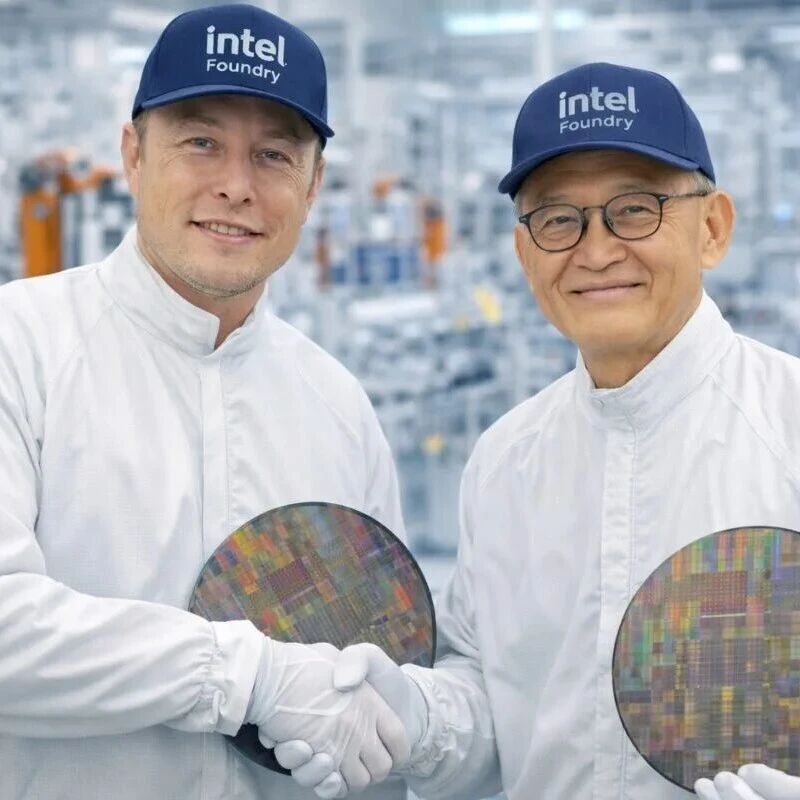
Core Viewpoint - Intel has faced three consecutive years of declining revenue, with a reported loss of $18.76 billion in 2024, despite receiving substantial government funding. The underlying issue is cultural rather than technical, characterized by slow decision-making and risk aversion, contrasting sharply with TSMC's efficient operations [2][4]. Group 1: Intel's Challenges - Intel's decline is attributed to a cultural shift from data-driven decision-making to political decision-making, leading to a lack of accountability and a failure to address problems effectively [5][6]. - The company has been criticized for spending as much on stock buybacks as on capital expenditures for wafer fabs, indicating a focus on financial engineering rather than manufacturing [5][6]. - The organizational failures at Intel mirror those seen in other companies like General Motors and Samsung, where a culture of avoiding problems has led to significant operational issues [5][14]. Group 2: Elon Musk's Potential Impact - Elon Musk's approach to revamping the Fremont factory demonstrates a successful cultural transformation, emphasizing rapid decision-making and accountability, which could be applied to Intel or similar manufacturing challenges [4][6]. - Musk's experience in turning around a failing factory into a leading automotive production site suggests he could replicate this success in the semiconductor industry, particularly in addressing cultural issues [7][16]. - The current labor market conditions, with Intel cutting its workforce significantly, may provide Musk with a talent pool to draw from for any potential semiconductor ventures [8][16]. Group 3: Competitive Landscape - The semiconductor industry is witnessing aggressive moves from global competitors, with TSMC and Samsung leading in advanced manufacturing capabilities, while Japan is investing heavily in new fabs [10][11]. - TSMC's operations in Arizona and Samsung's factory in Texas highlight the ongoing challenges in establishing a competitive U.S. semiconductor manufacturing base, as these facilities are still reliant on foreign operational cultures [12][13]. - The structural issues within companies like Samsung, where problems are hidden rather than addressed, reflect a broader trend that could hinder U.S. competitiveness in the semiconductor sector [14][15].
32G内存条涨至3800元,周五沪指跌破4000点 | 财经日日评
吴晓波频道· 2026-03-21 02:48
Monetary Policy - The People's Bank of China has kept the one-year Loan Prime Rate (LPR) at 3% and the five-year LPR at 3.5% for ten consecutive months, indicating a stable monetary policy stance amid economic fluctuations [2][3] - The average corporate loan interest rate is approximately 3.2%, down 2.4 percentage points from the peak in late 2018, reflecting a low financing cost environment [2] Oil Prices - Domestic gasoline prices are expected to rise to the "9 yuan era" due to an increase in international oil prices, with a projected increase of about 2000 yuan per ton [4] - The rise in oil prices could lead to higher costs for various industrial products, potentially causing widespread inflation [5] Memory Prices - The price of 32GB memory modules has surged from 800 yuan to 3800 yuan due to increased demand from AI applications, impacting the prices of storage devices and leading to higher costs for consumer electronics [6][7] - The memory price increase is driven by a significant demand from AI data centers, with supply constraints expected to persist in the short term [7] Tesla's Procurement - Tesla plans to procure approximately 29 billion USD (around 200 billion yuan) worth of photovoltaic manufacturing equipment from Chinese suppliers to support its goal of adding 100GW of solar manufacturing capacity in the U.S. [8][9] - This procurement highlights the competitive advantage of China's photovoltaic supply chain and its ability to meet large-scale demands efficiently [8] Alibaba's Financial Performance - Alibaba reported a 2% year-on-year revenue growth in Q4, with total revenue reaching 284.84 billion yuan, while net profit fell by 67% to 16.32 billion yuan [10][11] - The growth in revenue was primarily driven by Alibaba Cloud, which saw a 36% increase in revenue, and AI-related products that have maintained triple-digit growth for ten consecutive quarters [10][11] Pig Farming Industry - The average price of live pigs has dropped below 10 yuan per kilogram, indicating a significant decline in profitability for pig farmers, with many facing losses [14][15] - The industry is experiencing overproduction despite regulatory efforts to control pig production capacity, leading to a challenging market environment for pig farming [14][15] Stock Market Trends - The Shanghai Composite Index fell below the 4000-point mark, reflecting a weak market sentiment with significant declines in small and mid-cap stocks [16][17] - The market has shown low trading enthusiasm, with most sectors experiencing adjustments, while the energy sector, particularly related to Tesla's procurement, showed some resilience [16][17]

七巨头齐挫,美股连跌四周
财联社· 2026-03-21 02:14
Core Viewpoint - The article discusses the impact of geopolitical tensions in the Middle East on the U.S. stock market, highlighting significant declines in major indices and concerns over rising oil prices due to military actions and potential U.S. troop deployments [1][4][5]. Market Performance - On March 20, U.S. stock indices opened lower and closed down, with the S&P 500 falling by 1.51% to 6506.48 points, the Nasdaq Composite down 2.01% to 21647.61 points, and the Dow Jones Industrial Average down 0.96% to 45577.47 points, marking the lowest closing prices since October of the previous year [1][2]. - For the week, the Dow fell 2.11%, the S&P 500 dropped 1.9%, and the Nasdaq declined 2.07%, with all three indices experiencing four consecutive weeks of decline [2]. Geopolitical Impact - The Dow and Nasdaq indices entered a "correction zone," being down 10% from their historical highs, influenced by reports of the U.S. military increasing its presence in the Middle East [4]. - Brent crude oil futures rose by 3.26% to $112.19 per barrel due to concerns over oil field operations in Iraq being affected by "force majeure" measures [4]. Analyst Commentary - Baird investment strategist Ross Mayfield indicated that if the conflict escalates to ground troop deployments, there could be several weeks of rising oil and gas prices, suggesting that the market has not yet fully reflected the potential for further declines [5]. - Art Hogan, chief market strategist at B. Riley, noted that a 10% correction in any index is not uncommon in uncertain environments, with the S&P 500 showing a smaller decline due to its broader and more diversified composition [7]. Stock Performance - Major tech stocks, referred to as the "Seven Giants," all experienced declines: Nvidia down 3.28%, Apple down 0.39%, Google down 2.27%, Microsoft down 1.84%, Amazon down 1.63%, Meta down 2.15%, and Tesla down 3.24% [7][8]. - The Philadelphia Semiconductor Index fell by 2.45%, with only three of its 30 components gaining, while several storage and optical communication stocks saw significant declines [9][10]. Company News - Amazon is reportedly planning to launch a new smartphone, marking its return to the market after over a decade, aimed at integrating with its Alexa voice assistant [13]. - Eightco announced an additional $40 million investment in OpenAI, bringing its total investment to $90 million, which now constitutes about 30% of Eightco's total holdings [14]. - Xiaopeng Motors' CEO announced plans for mass production of the new IRON humanoid robot by the end of 2026, with a monthly production target of over a thousand units [15]. - Tencent has disbanded its AILab, reallocating personnel to other departments, indicating a strategic shift in its AI research focus [16].