
储能

Search documents
国金证券:把握全球实物资产VS中国资产这一重要主线
智通财经网· 2026-02-24 00:07
Group 1 - The investment activities are shifting from being solely AI-driven to a broader spectrum of real sectors, indicating a recovery in global manufacturing cycles supported by a smoother path for U.S. interest rate cuts [1][4] - The revaluation of Chinese assets is expected as capital flows back, promoting internal consumption and inflation cycles [1][4] - The report suggests specific asset allocation strategies, including physical assets like copper, aluminum, and oil, as well as sectors with global comparative advantages such as Chinese equipment exports and domestic manufacturing [1][4] Group 2 - The U.S. GDP growth for Q4 2025 was below expectations, primarily due to government spending disruptions, but investment in AI and non-AI sectors is showing signs of recovery [2] - The manufacturing PMI data indicates a global manufacturing recovery, with Europe exceeding expectations and the U.S. maintaining expansion, suggesting a positive outlook for the manufacturing sector [2] - The recent U.S. Supreme Court ruling on tariffs may ease domestic inflation pressures and support global export recovery, shifting the burden of inflation control from the Federal Reserve to other sectors [2] Group 3 - Commodity prices, particularly for industrial and precious metals, are experiencing high volatility, but there is a shift towards real industrial pricing rather than financial speculation [3] - The geopolitical risks and supply disruptions are expected to maintain a premium on industrial metals, while demand from tech giants for AI investments remains strong [3] - The focus on inflation control is shifting from the Federal Reserve to government actions, which may benefit commodities like gold as a hedge against economic uncertainty [3] Group 4 - The core of market style rebalancing is not about the existence of an AI bubble but rather the macroeconomic impacts of AI combined with monetary policy and major country policy choices [4] - The report emphasizes the importance of physical asset revaluation based on low inventory and stable demand, highlighting sectors such as oil, rare earths, and various manufacturing industries [4] - The report identifies opportunities in sectors benefiting from capital market expansion and a bottoming out of long-term asset returns, particularly in non-bank financials [4]

马年A股如何开局? | 每周研选
Sou Hu Cai Jing· 2026-02-23 16:46
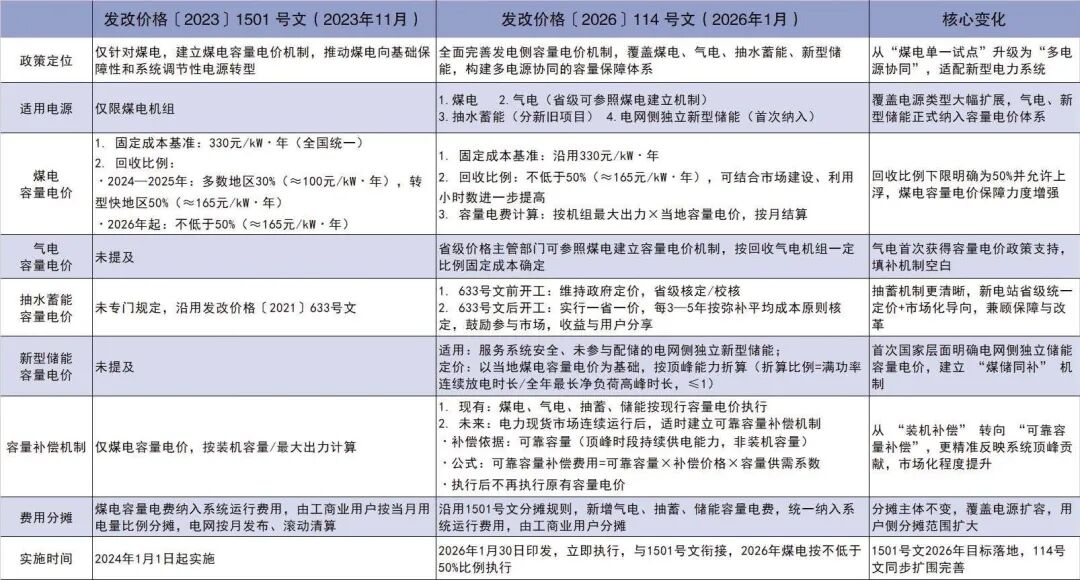
Core Viewpoint - The overseas markets showed a slight rebound during the Spring Festival holiday, with U.S. stocks recovering and commodities performing strongly, driven by geopolitical disturbances that significantly increased the prices of oil, gold, and copper. The performance of Chinese assets, particularly the FTSE China A50 index futures, also indicated a positive trend, suggesting a potentially favorable start for the A-share market in the Year of the Horse [2][4]. Group 1: Market Performance and Trends - The overseas non-U.S. assets maintained a strong performance during the holiday, indicating a high risk appetite among overseas investors, which is expected to benefit the A-share market post-holiday [5]. - The inflow of funds into the market remains unchanged, with a notable decrease in household deposits and an increase in non-bank financial institution deposits, suggesting a shift towards equity markets [6]. - Historical data shows that the A-share market typically performs well in the 20 trading days following the Spring Festival, with a 75% probability of the CSI All A Index rising during this period [9]. Group 2: Sector Focus and Investment Opportunities - The focus for investment should be on sectors benefiting from AI and resource commodities, with a particular emphasis on the robotics and AI technology applications showcased during the Spring Festival [13][14]. - The traditional sectors such as real estate and liquor are expected to see a recovery as their valuations are at historical lows, supported by improving fundamentals and policy catalysts [11]. - The "反内卷" (anti-involution) policy is anticipated to enhance the supply dynamics of resource commodities, making them attractive for investment [11]. Group 3: Strategic Recommendations - Investors are advised to focus on the technology sector, particularly in robotics and AI applications, as well as cyclical sectors like chemicals, construction materials, and machinery, which are expected to benefit from rising prices and improved demand [15]. - The market is entering a configuration phase where "technology + cyclical" remains the main theme, with technology sectors likely to respond first to market catalysts [15].

视频丨油田开发、并网发电 春节期间重大工程加速推进
Yang Shi Xin Wen Ke Hu Duan· 2026-02-23 14:31
Group 1 - The construction sites for key projects across the country are busy during the Spring Festival, with workers dedicated to advancing engineering projects [2] - In the Tarim Basin, over a thousand oil exploration team members are working in harsh conditions to collect geological data for a high-precision three-dimensional exploration project [4] - In the Bohai Sea, 47 employees are focused on critical operations to enhance oil field thermal energy supply capabilities [4][6] Group 2 - The Haicheng Energy Storage Integrated Zero-Carbon Industrial Park project in Shandong, with a total investment exceeding 13 billion yuan, is progressing with over 90% of equipment installation completed during the Spring Festival [8] - The world's largest compressed air energy storage demonstration power station is nearing completion, with builders working overtime to prepare for grid connection [10] - The Baihetan Hydropower Station, the second largest in the world, has completed annual maintenance on eight units and conducted comprehensive safety inspections to ensure optimal operation during the Spring Festival supply tasks [12] Group 3 - The Guangxi Water Resource Allocation Project, a key national water network project, has 157 work fronts accelerating construction during the Spring Festival [14] - The project manager emphasizes the importance of their work for providing safe drinking water to 14 million residents, with 2026 being a critical year for project completion [16]
张掖储能如何应对政策“红包雨”
Guo Ji Jin Rong Bao· 2026-02-23 14:11
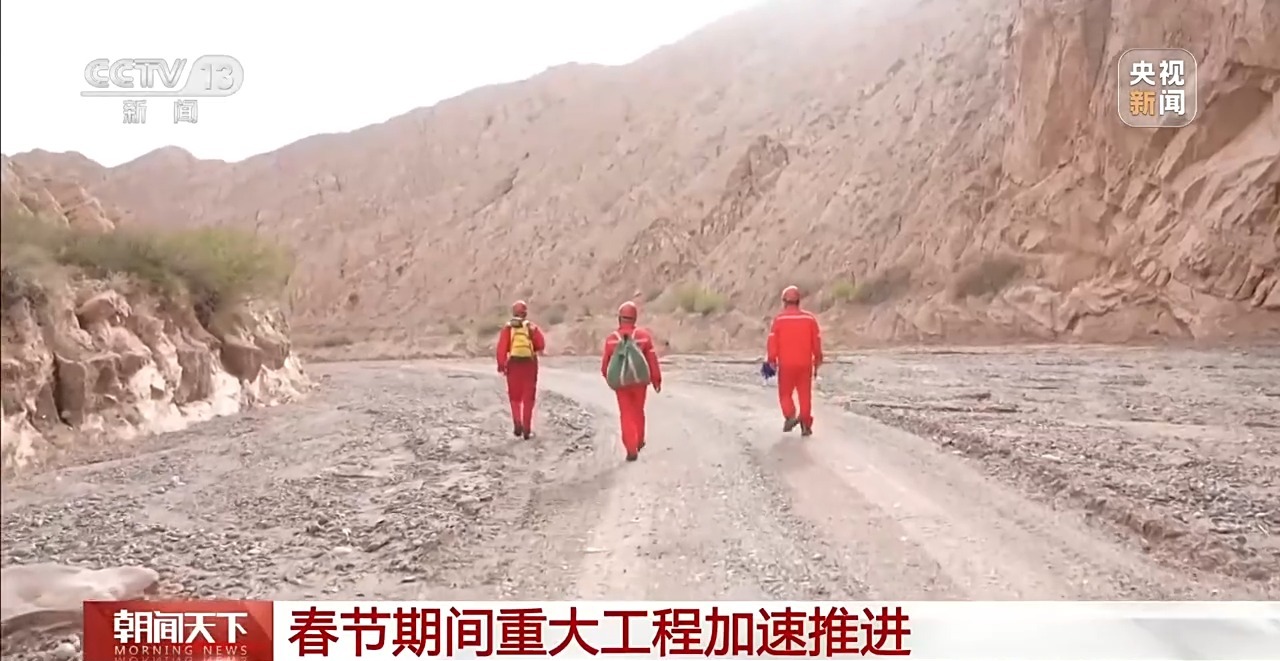
Core Viewpoint - The news highlights the significant developments in Zhangye's energy sector, particularly the potential of the Badanjilin Desert (Zhangye) project to transform the city into a key energy hub within the Belt and Road Initiative, focusing on renewable energy and innovative transmission models [1] Policy Developments - The introduction of the 114 document in January 2026 aims to enhance the capacity pricing mechanism for various power sources, including coal, gas, pumped storage, and new energy storage, marking a shift from a single pricing model to a dual-track compensation system [3][4] - The 114 document specifies that from 2026, the proportion of fixed costs recovered through capacity pricing will be no less than 50%, significantly increasing the financial support for coal power plants [4][5] Market Dynamics - Despite the favorable policies, Zhangye is focusing on controlling the number of new project registrations to avoid oversaturation in the energy storage market, which could dilute profitability for existing projects [6][7] - The city has shifted its focus from "heavy construction" to "heavy operation," emphasizing the importance of optimizing existing projects and ensuring sustainable profitability [7][8] Energy Storage Capacity - By 2025, Zhangye's total installed power capacity is expected to reach 10.27 million kW, with over 80% from renewable sources, and the city aims to have its energy storage capacity exceed 298,000 kW by the end of 2026 [9][10] - Zhangye has already established a competitive edge in the energy storage sector, with significant projects underway, including several large-scale independent storage stations [10][11] Financial Viability - The profitability of energy storage projects in Zhangye is supported by a combination of capacity compensation, market price differentials, and auxiliary service revenues, with projections indicating substantial returns on investment [12][14] - For instance, a 100 MW energy storage station could generate annual revenues of approximately 6.53 million yuan, with a payback period of around eight years, aligning with current market conditions [13][14] Employment and Economic Impact - The growth of the energy storage sector in Zhangye is expected to create numerous job opportunities, with significant investments from companies like Yisite, which plans to build a 200 MW energy storage station [15][16] - The development of a comprehensive energy storage industry chain is anticipated to benefit local employment, with thousands of jobs created across various projects [16]

张掖储能如何应对政策“红包雨”|新春走基层
Guo Ji Jin Rong Bao· 2026-02-23 14:04
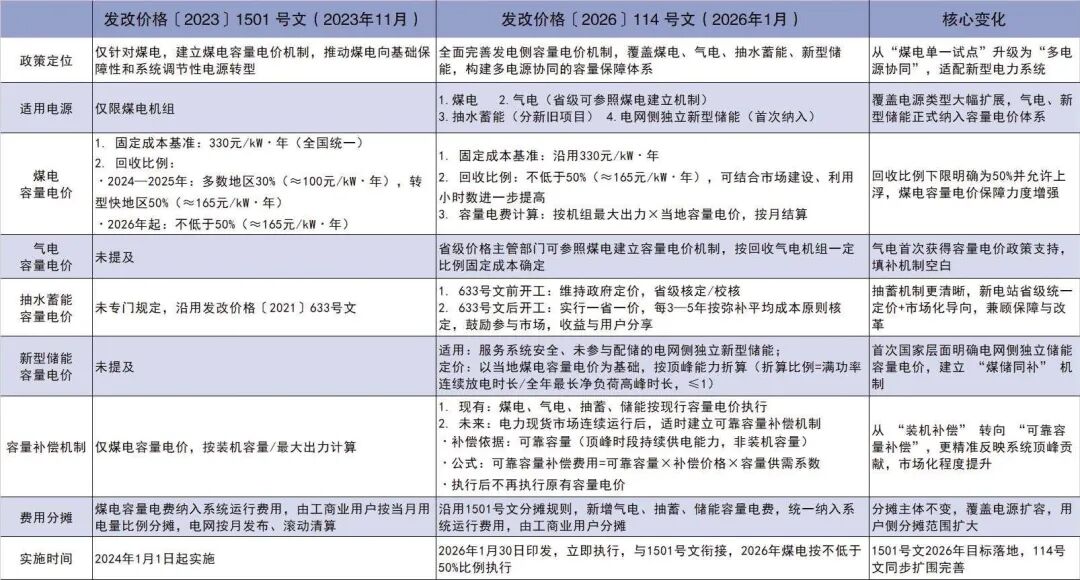
Core Viewpoint - The news highlights the significant developments in Zhangye's energy sector, particularly in the context of new policies that favor the growth of energy storage and renewable energy projects, positioning Zhangye as a key player in China's energy landscape and a model for similar regions [1][2][6]. Policy Developments - The introduction of the "114 Document" and the "1501 Document" marks a shift in China's energy pricing mechanism, transitioning from a single electricity price to a dual mechanism that includes capacity pricing, which is expected to enhance the profitability of energy storage projects [3][4][5]. - The "114 Document" expands the capacity pricing mechanism to include not only coal power but also gas power, pumped storage, and new types of storage, thus broadening the scope of the energy market [5]. Market Dynamics - Zhangye is experiencing a surge in energy storage projects, with a focus on optimizing existing projects rather than rapidly expanding new ones to avoid market saturation and protect profitability [6][7]. - The city has implemented a strategic plan to control the number of new energy storage projects, ensuring that existing projects maintain their profitability and operational efficiency [7][8]. Technological Advancements - Zhangye's energy storage projects are utilizing various technological approaches, including virtual power plants and self-organizing networks, which enhance the reliability and efficiency of energy distribution [11][12]. - The city is also encouraging energy storage stations to participate in market trading, aligning with national goals for a unified electricity market by 2030 [8][10]. Economic Impact - The financial viability of energy storage projects in Zhangye is promising, with projected annual revenues from capacity compensation and market trading significantly exceeding operational costs [12][14]. - Investments in the energy sector are not only attracting external capital but also creating local employment opportunities, with substantial job creation linked to ongoing and future projects [15][16].
A股策略周报:节后主线将更加清晰-20260223
SINOLINK SECURITIES· 2026-02-23 13:49
Global Assets: Rebalancing Continues - The current market rebalancing is based on internal and external recovery, with AI trading entering its second phase, leading to a focus on the actual impact of AI on various industries [3][13] - From February 16 to February 20, 2026, global risk assets showed an overall upward trend, but internal performance was mixed, with industrial, financial, and energy sectors gaining favor [3][13] - The focus has shifted from whether AI is a bubble to identifying the real industrial impacts and critical supply-demand issues as AI transitions from a thematic to a macro factor [3][13] Manufacturing Cycle Further Rising - The U.S. GDP data for Q4 2025 showed slower growth primarily due to government spending disruptions, while AI-related investments remained strong [4][25] - Non-AI and residential investment growth is showing signs of bottoming out, indicating a broader recovery in investment activities beyond just AI [4][25] - The February manufacturing PMI data indicated a recovery in global manufacturing, with Europe exceeding expectations and the U.S. maintaining expansion, suggesting a positive trend in manufacturing cycles [4][25][34] Commodities: Transitioning from Financial Overtrading to Industrial Pricing - Recent fluctuations in industrial and precious metals prices are attributed to macro and industrial events, with a return to real supply-demand signals expected [5][44] - Geopolitical risks continue to support industrial metal prices, while demand from tech giants for AI investments remains robust, indicating a potential new support for demand [5][44] - Historical data suggests that current copper and aluminum price ratios are low compared to historical manufacturing PMI levels, indicating potential for price recovery [5][44][45] Focus on Global Physical Assets vs. Chinese Assets - The core of market rebalancing is not about the existence of an AI bubble but rather the macro impacts of AI combined with monetary and major country policy choices [6][56] - The relative smooth path for future U.S. interest rate cuts is expected to support the recovery of the global manufacturing cycle, which may lead to a revaluation of Chinese asset capacity [6][56] - Specific investment recommendations include physical assets like copper, aluminum, and oil, as well as sectors benefiting from capital inflows and consumption recovery in China [6][56]
【IPO前哨】德兰明海转道港股:高毛利与隐忧并存的DTC储能之路
Sou Hu Cai Jing· 2026-02-23 12:01
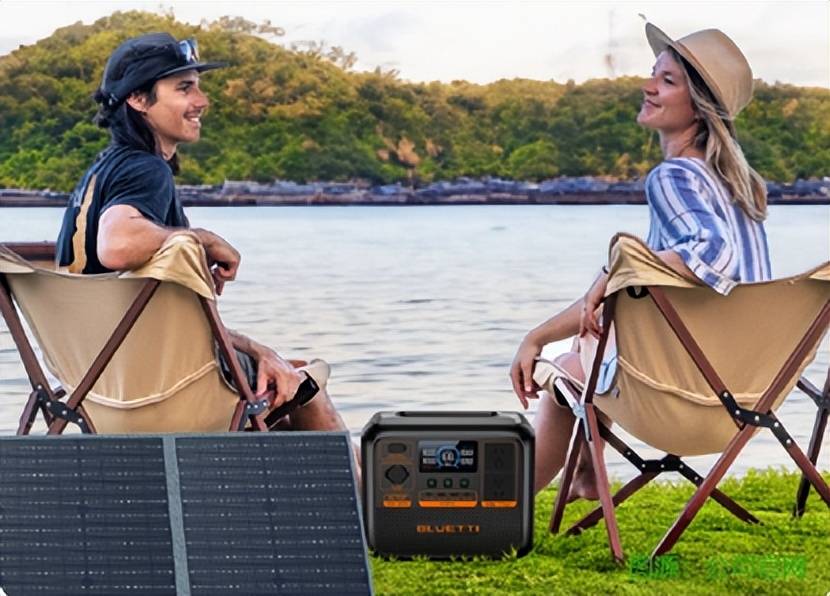
Core Viewpoint - Shenzhen Delanminghai New Energy Co., Ltd. is seeking to go public on the Hong Kong Stock Exchange after a failed attempt to list in A-shares, raising concerns about corporate governance and compliance due to recent financial maneuvers and regulatory penalties [2][11]. Group 1: Company Overview - Delanminghai, established in 2013, is a leading player in the global portable energy storage market, focusing on distributed energy storage products and microgrid technology [3]. - The company operates under the BLUETTI brand, offering a range of products for outdoor adventures, off-grid living, and home backup power [3]. Group 2: Market Position and Financial Performance - As of 2024, Delanminghai holds a 6.6% market share by revenue and 7.5% by shipment volume in the global portable energy storage market, ranking fourth globally [4]. - The company's revenue for 2023 was 1.777 billion RMB, projected to grow to 2.174 billion RMB in 2024, reflecting a year-on-year increase of 22.4%. However, revenue growth has slowed to only 3.3% in the first three quarters of 2025 [4][6]. Group 3: Regional Revenue Breakdown - The company heavily relies on the North American and European markets, with revenue shares of 44.0% and 33.4% in 2023, increasing to 48.1% and 35.2% in 2024. However, European revenue saw a decline of 16.9% in the first three quarters of 2025 due to weak demand [5][6]. Group 4: Sales Strategy and Challenges - Delanminghai employs a Direct-to-Consumer (DTC) model, which has provided high gross margins, exceeding 40% in recent periods. However, this model also incurs high marketing costs and faces intense competition from over 50 suppliers in the market [7][9]. - The company has invested heavily in sales, with expenditures reaching 480 million RMB in the first three quarters of 2025, which has impacted profitability, resulting in losses of 184 million RMB in 2023 and 46.6 million RMB in 2024 [6][9]. Group 5: Future Strategies and Market Outlook - To overcome growth challenges, Delanminghai plans to expand into the commercial energy storage market and enhance its product offerings through technology upgrades, including AI integration [10]. - The global portable energy storage market is expected to grow at a compound annual growth rate of 21.0% from 2024 to 2029, presenting significant opportunities for the company [10].
锂电1月洞察:动储收官迎新高,碳酸锂趋势反转
SINOLINK SECURITIES· 2026-02-23 10:45
Investment Rating - The report maintains a "Buy" rating for the electric power equipment and new energy industry [1] Core Insights - The lithium battery sector is experiencing a price surge, with lithium carbonate prices rising to 170,000 CNY/ton, a 42% increase from the previous month, and lithium hydroxide prices increasing by 62% to 165,000 CNY/ton [1] - In December, the wholesale sales of domestic new energy passenger vehicles reached 1.42 million units, with a year-on-year increase of 26% for the entire year [1] - The report highlights a reversal in the lithium carbonate cycle, driven by domestic energy storage capacity subsidy policies and the explosive growth of global new energy demand [3][32] Summary by Sections Section 1: Research Insights - The lithium carbonate market is at a cyclical turning point, with prices expected to rise significantly, impacting the entire lithium battery supply chain [14][15] - Sodium batteries are emerging as a cost-effective alternative, with a clear long-term cost advantage over lithium iron phosphate batteries [26][30] Section 2: Industry Tracking and Review - The global new energy vehicle market showed strong growth in December, particularly in China and Europe, while the U.S. market faced challenges [34][36] - In December, domestic energy storage installations reached 63 GWh, a 95% year-on-year increase, indicating a shift towards market-driven growth [40] Section 3: Investment Recommendations - The report recommends focusing on companies involved in lithium carbonate, separators, and solid-state battery technologies, including Ningde Times, Yiwei Lithium Energy, and others [7][32]




ST东尼拟转让东尼新能源21.7%股权予地方国资,交易价2.3亿元
Sou Hu Cai Jing· 2026-02-23 09:05
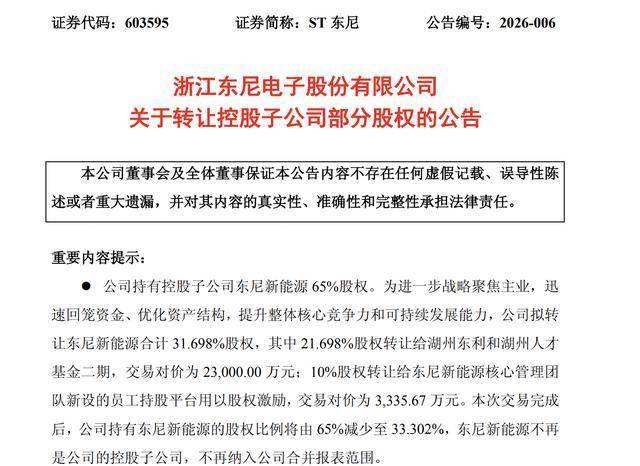
Core Viewpoint - ST Dongni (SH603595) plans to transfer a total of 31.7% equity in its subsidiary Dongni New Energy, with the aim of focusing on its core business and enhancing overall competitiveness [2][5]. Equity Transfer Details - 21.7% of the equity will be sold to Huzhou Dongli and Huzhou Talent Fund Phase II for a transaction price of 230 million yuan [2]. - 10% of the equity will be transferred to a newly established employee stock ownership platform for the core management team, with a transaction price of 33.3567 million yuan [2]. - After the transaction, ST Dongni's stake in Dongni New Energy will decrease from 65% to 33.3%, while Huzhou Dongli and Huzhou Talent Fund Phase II will hold a combined 56.7% [4]. Valuation and Financial Performance - As of November 30, 2025, the total equity valuation of Dongni New Energy is estimated at 1.06 billion yuan, reflecting an increase of 726 million yuan and a growth rate of 217.78% compared to the book value [2]. - Dongni New Energy's revenue for 2024 and the first eleven months of 2025 is projected to be 406 million yuan and 585 million yuan, respectively, with net profits of 17.39 million yuan and 54.89 million yuan [2]. Performance Commitment - The actual controllers of ST Dongni have committed that Dongni New Energy's net profit for the years 2026, 2027, and 2028 will not be less than 240 million yuan. If this commitment is not met, the controllers will provide cash compensation to Huzhou Dongli and Huzhou Talent Fund Phase II [3]. Strategic Focus - The transaction is part of ST Dongni's strategic plan to focus on its main business, quickly recover funds through the sale of subsidiary equity, and enhance its core competitiveness by developing new projects and products with major clients [5].

尽管面临政策阻力,美国电池市场仍将增长
Xin Lang Cai Jing· 2026-02-23 07:22
美国一家太阳能行业协会预计,由于对电池的需求超过了政策阻力,今年储能市场将增长21%。根据太 阳能产业协会和市场研究公司Benchmark Mineral Intelligence Ltd.的一份报告,到2026年,电池部署量将 增加到70吉瓦时,而2025年的为58吉瓦时。报告称,预计到2030年,市场规模将超过110吉瓦时。 ...