
咖啡

Search documents
现场签约57家,这个咖啡新品牌靠什么成了博华展“人气王”?
Zhong Guo Shi Pin Wang· 2025-11-17 09:23
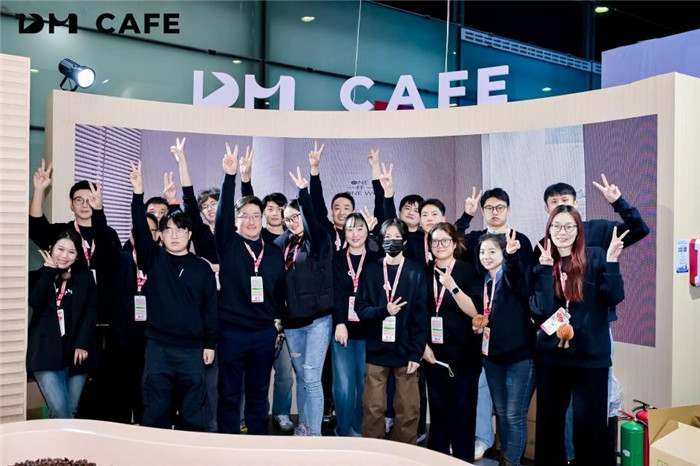
Core Insights - DM CAFE successfully attracted attention at the Shanghai International Franchise Exhibition with unique booth design and interactive experiences, including free coffee and robotic coffee delivery [1][10] - The exhibition saw a record number of franchise agreements, with 57 signed and a total value exceeding 17 million yuan, indicating a strong interest in the brand [3][12] - DM CAFE's innovative marketing strategies, such as offering half-price orders through an app, led to a significant increase in app downloads by 1200% and record sales in hand-brewed coffee [5][19] Group 1: Exhibition Performance - The SFE exhibition featured over 150 well-known brands, with DM CAFE being the most popular, receiving over 1000 inquiries daily [8][10] - The brand's booth design emphasized an "experience-based franchise" approach, enhancing visitor engagement through artistic elements and interactive technology [10][19] - DM CAFE's promotional offers during the exhibition, including substantial discounts on deposits and operational support, contributed to the high number of franchise agreements [12][14] Group 2: Brand Strength and Market Position - DM CAFE has expanded its market presence significantly, with nearly 20 stores opened and a consistent signing rate of two new stores per day [14] - The brand's comprehensive support system for franchisees includes site evaluation, legal assistance, training, and marketing support, ensuring smooth operations for partners [14][16] - DM CAFE's unique profit-sharing model, which allows the brand to earn only after franchisees achieve profitability, enhances partner confidence and reduces investment risks [17][19]

分拆、合资、放权......入华二十多年的洋快餐为何都要“独立”?
Xin Lang Cai Jing· 2025-11-17 08:12
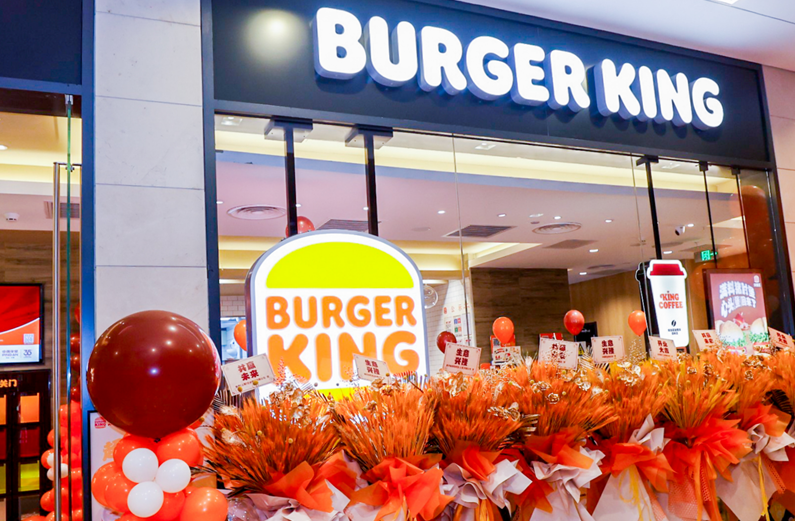
Core Insights - The article highlights a trend of multinational companies, particularly in the food and beverage sector, increasingly opting for joint ventures and local partnerships in China to enhance growth and localization strategies [1][10][15]. Group 1: Joint Ventures and Partnerships - Starbucks announced a joint venture with Boyu Capital, selling up to 60% of its Chinese operations for an estimated valuation of $4 billion (approximately 284.84 billion RMB) [3][10]. - CPE Yuanfeng has formed a joint venture with Restaurant Brands International (RBI) to take over Burger King's operations in China, with CPE holding approximately 83% and RBI retaining about 17% [1][10]. - The trend of forming joint ventures is not new; McDonald's previously sold 80% of its China operations to a consortium led by CITIC and Carlyle in 2017, while Yum China was spun off from Yum Brands in 2016 [3][11][15]. Group 2: Growth and Localization Strategies - Starbucks aims to expand its store count in China from 8,000 to 20,000, leveraging Boyu's local expertise to penetrate smaller cities and emerging regions [3][10]. - Burger King plans to increase its store count from 1,250 to over 4,000 with the support of CPE Yuanfeng, focusing on product upgrades and digital transformation [3][10]. - McDonald's set a goal to grow its store count from 2,500 to 4,500 within five years after partnering with CITIC and Carlyle, emphasizing delivery and digital trends [3][10]. Group 3: Market Dynamics and Competition - The Chinese market is significant, with McDonald's identifying it as its second-largest and fastest-growing market globally, contributing about 8% to Starbucks' revenue [5][6]. - The competitive landscape is shifting, with local players like Luckin Coffee and Wallace rapidly gaining market share, prompting international brands to rethink their strategies [7][19]. - Starbucks' market share in China has declined from 42% in 2017 to an estimated 14% in 2024, indicating increasing competition from local brands [6][19]. Group 4: The Role of Local Partners - The introduction of local partners is seen as a crucial strategy for navigating the complexities of the Chinese market, as evidenced by the success of brands like Luckin Coffee and Heytea [9][29]. - The partnership model allows foreign brands to maintain brand ownership while leveraging local expertise for operational execution, enhancing their adaptability in a competitive environment [29][30]. - The article emphasizes that successful localization does not mean abandoning brand values but rather adapting to local consumer preferences and market dynamics [34][36].


进博会消费观察|Nespresso奈斯派索卢翰霖:继续讲好“把咖啡放进胶囊”的故事
Jing Ji Guan Cha Bao· 2025-11-17 02:57
Core Insights - Nespresso emphasizes its unique story of "putting coffee into capsules" as a key differentiator in the competitive coffee market, particularly in China [1][2] - The company is focusing on localizing its products to cater to Chinese consumers' preferences for larger cup sizes and instant coffee options [2][3] - Sustainability is a central theme in Nespresso's brand narrative, exemplified by its collaboration with ASH to create shoes made from recycled coffee grounds and aluminum [1][3] Product Innovation - Nespresso has introduced the Vertuo series coffee machine to meet the diverse cup size demands of Chinese consumers, allowing for the preparation of five different cup sizes [2] - The launch of the Crystal Instant Coffee series, utilizing advanced freeze-drying technology, addresses the growing demand for instant coffee among Chinese consumers [2] Brand Positioning - The brand promotes the concept of "artistic moments" in coffee consumption, aiming to enhance consumers' lifestyles through coffee [3] - Nespresso has opened a new concept boutique in Nanjing, integrating traditional craftsmanship with modern retail to strengthen brand identity [3] Market Expansion - Nespresso is accelerating its store expansion in China, increasing its number of stores from 38 to 49 since June 2023, with plans for further openings by the end of the year [4] - The company is adopting a localized approach to store operations, tailoring its offerings to fit the unique characteristics of different markets [4] Industry Outlook - The coffee market in China is experiencing positive growth, with an increasing number of consumers embracing coffee culture, which presents favorable conditions for Nespresso's premium coffee positioning [4]
昔日商场四大顶流,排队请“中国贵人”出手相救
投中网· 2025-11-16 07:04
Core Viewpoint - The trend of foreign brands seeking "Chinese partners" is becoming popular, with companies like Starbucks and Burger King exemplifying different motivations behind such partnerships [6][7][8]. Group 1: Starbucks and Burger King - Starbucks announced a strategic partnership with Boyu Capital to sell 60% of its Chinese business for a total of $4 billion, forming a new joint venture, despite achieving a 6% year-on-year revenue growth in Q4 [7]. - In contrast, Burger King is seen as "selling out" by partnering with CPE Yuanfeng, which will inject $350 million into Burger King China, resulting in an 83% ownership stake [8][10]. - Burger King's performance in China is significantly lagging, with only about 1,300 stores compared to competitors like McDonald's and KFC, and an average annual sales per store of approximately $40,000, which is among the lowest in the industry [8][12][16]. Group 2: Häagen-Dazs - Häagen-Dazs is rumored to be selling its Chinese stores, having closed nearly 20% of its locations and experiencing a double-digit decline in customer traffic [20][22]. - The brand's previous high-end positioning has been challenged by increased competition and price discrepancies, with Häagen-Dazs products being 30% cheaper in the U.S. compared to China [22][23]. - The emergence of local brands offering competitive pricing and appealing flavors has further eroded Häagen-Dazs' market share, necessitating a search for new selling points [25][27]. Group 3: Ingka Group and IKEA - Ingka Group is reportedly planning to sell 10 of its shopping centers in China, with the first three expected to fetch around 16 billion yuan, despite the popularity of its shopping centers [28][29]. - IKEA's declining performance in China, with a nearly 30% revenue drop compared to 2019, has prompted the need for Ingka to focus on core business areas [33][34][36]. - The high maintenance costs of the shopping centers and the need for cash flow improvements are driving the decision to seek partners [36][37]. Group 4: Decathlon - Decathlon is considering selling 30% of its shares in China for an estimated €1-1.5 billion due to a 15.5% decline in net profit, marking its lowest in four years [39][40]. - The brand's shift towards higher-end products has alienated its traditional customer base, leading to criticism for becoming unaffordable [44][46]. - Decathlon's need for a "Chinese partner" is seen as a way to upgrade its offerings and better align with the evolving market demands [47].
在勇哥直播间看人创业,成了打工人的新乐子
虎嗅APP· 2025-11-16 03:09
Core Viewpoint - The article discusses the phenomenon of young entrepreneurs in China who, despite facing significant financial risks, are determined to start their own businesses, often leading to failure and debt. It highlights the common pitfalls and the influence of fast-track recruitment companies that exploit these aspiring entrepreneurs [5][101]. Group 1: Entrepreneurial Trends - A new wave of entrepreneurs is emerging, willing to incur substantial debt to open businesses, particularly in the food and beverage sector, such as tea and burger shops [5][11]. - Many entrepreneurs are drawn to the idea of starting their own businesses without conducting proper market research, leading to poor decision-making and financial losses [16][17]. - The article illustrates various entrepreneurial archetypes, including those who rely on loans and leverage to start their businesses, often resulting in significant debt [16][34]. Group 2: Common Pitfalls - Entrepreneurs frequently fall victim to fast-track recruitment companies that promise easy success but often lead to financial ruin [101][105]. - Many aspiring business owners lack basic business acumen, such as understanding market demand and competition, which contributes to their failures [17][94]. - The article provides examples of individuals who invested heavily in franchises without proper due diligence, leading to rapid financial losses [20][24][88]. Group 3: Case Studies - A case study highlights a woman who lost 900,000 yuan in just six days after opening a poorly chosen franchise, illustrating the risks of blind entrepreneurship [20][24]. - Another example features a man who invested 100,000 yuan in a lavishly designed tea shop but faced daily losses due to poor location and competition from established brands [34][36]. - The article also discusses a woman who opened a juice shop next to a popular brand, believing her product would attract customers despite the overwhelming competition [70][79]. Group 4: Market Dynamics - The article emphasizes the saturation of the food and beverage market, particularly in the tea and coffee segments, where established brands dominate and new entrants struggle to survive [111][105]. - It notes that many entrepreneurs are misled by the allure of trendy brands and fail to recognize the realities of market competition [89][120]. - The influence of social media and fast-track recruitment companies exacerbates the issue, as they promote unrealistic success stories that entice individuals to invest without proper understanding [120][121].


顶级资本正在“抄底”消费
Xin Lang Cai Jing· 2025-11-16 02:14
Core Insights - The recent surge in mergers and acquisitions in the consumer sector contrasts with the sluggish growth of the consumption market, raising questions about the underlying investment logic of top-tier capital [1][4]. Group 1: Current Market Conditions - The retail sales of consumer goods in China reached 36.59 trillion yuan in the first three quarters, growing by 4.5% year-on-year, which is still below the 8% growth rate seen in 2019 [1]. - The performance of listed consumer companies shows significant divergence, with major players like Kweichow Moutai and Yum China experiencing slowed growth compared to previous years [2]. - Smaller food and beverage companies are facing considerable operational pressure, with many reporting declines in both revenue and net profit [2]. Group 2: Investment Logic Behind Mergers - The first logic is that target companies possess strong cash flow and a solid foundation, making them attractive despite slower growth rates [4]. - The second logic highlights the brand influence of the target companies, which have established networks and consumer loyalty, making them appealing for capital investment [5]. - The third logic suggests that the current market downturn presents a "buying opportunity" for capital, allowing for acquisitions at reasonable prices [5]. - The fourth logic emphasizes the ongoing opportunities in the consumer sector, as the majority of production activities ultimately cater to consumer needs [5]. Group 3: Future Trends in the Consumer Market - Companies face challenges in understanding new consumer demographics, adapting to new marketing methods, and embracing innovative organizational structures [6]. - Three key trends to watch include a focus on cost-effective innovation, the rise of niche products that provide immediate satisfaction, and growth in self-improvement sectors such as health investments and knowledge-based services [6]. - The exit strategies for capital in the consumer market are evolving, with a shift towards long-term investment approaches rather than relying solely on rapid growth and IPOs [7].





拆解挪瓦7800家店:用“寄生”抢规模,与便利店共舞
Ge Long Hui· 2025-11-15 20:10
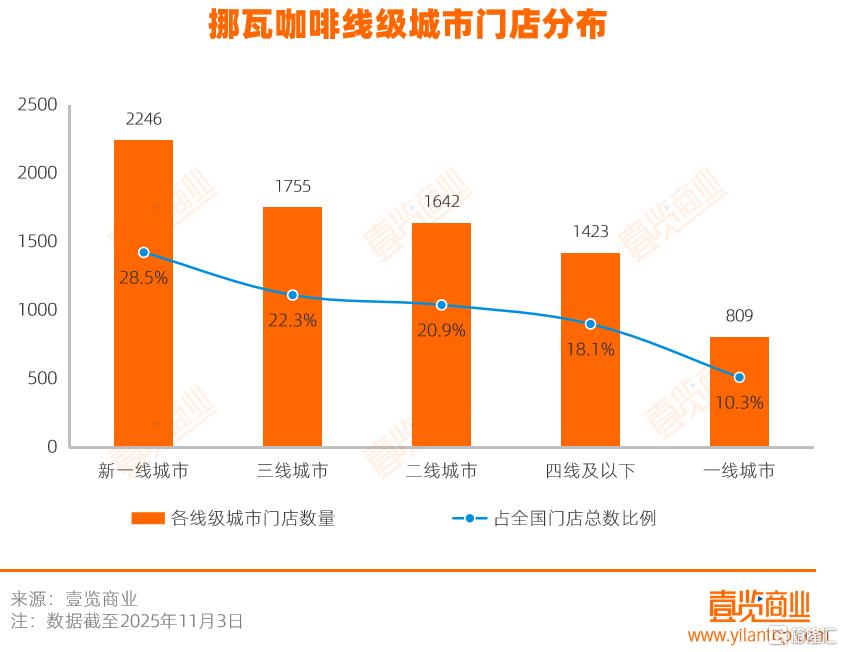
Core Insights - The rapid expansion of Nova Coffee is primarily driven by its "parasitic model," which allows the brand to embed its coffee business within existing commercial entities, significantly reducing costs and leveraging established customer traffic [4][19] - As of November 3, 2025, Nova Coffee has opened 7,235 parasitic stores, accounting for 91.9% of its total stores, with a strong focus on convenience stores [5][6] - The brand's partnership with Meiyijia convenience stores is crucial, with 3,635 stores featuring Nova Coffee, representing 46.2% of its total outlets [8][12] Store Distribution - New first-tier cities have become a key focus for store distribution, with 2,246 stores, making up 28.5% of the total [1] - Lower-tier cities (fourth-tier and below) have seen significant penetration, with 1,423 stores, representing 18.1% of the total [1] Parasitic Model Advantages - The parasitic model offers three main advantages: low cost and asset-light operations, shared customer traffic, and rapid market testing capabilities [4] - Nova Coffee has successfully utilized this model to achieve remarkable growth, opening an average of 56 stores per day over the past three months [4] Convenience Store Dominance - Convenience stores are the primary venue for Nova Coffee's parasitic model, with 7,164 stores located within various convenience store chains, making up 99.0% of its parasitic outlets [6] - The alignment of convenience store locations with coffee consumer demographics enhances customer access and increases sales potential [8] Operating Hours - Over 70% of Nova Coffee's stores operate 24 hours, with 5,561 stores open around the clock, providing a competitive edge in the market [12][15] - The 24-hour operation aligns well with the convenience store model, allowing Nova Coffee to meet consumer demand across all times of the day [18] Online Expansion - Nova Coffee is also expanding its online presence, with 7,425 stores offering delivery services through mini-programs, achieving a 94.2% activation rate [18]
5家消费公司拿到新钱;胖东来今年销售额突破200亿元;喜茶重新上线DIY杯贴功能|创投大视野
36氪未来消费· 2025-11-15 06:03
Group 1 - "Andao Pharmaceutical" completed over 400 million RMB in Series C financing, with funds primarily allocated for clinical research of AND017 and AND019 globally, as well as IND research for small molecule drugs and ADC drugs [3] - Dealism raised 15 million USD in angel round financing led by Hillhouse Ventures, focusing on creating personalized sales experiences using advanced AI technology [4] - Leyunmeng Technology secured 8 million RMB in angel round financing to enhance product development and expand its "Five-Minute Happy Life Circle" business model [5] Group 2 - Huatu Youxue completed 10 million RMB in angel round financing, aimed at course development and market expansion in the vocational skills training sector [6] - Xinye NEAVES announced 30 million RMB in angel round financing to optimize product development and supply chain systems [7] - Pang Donglai's sales exceeded 20 billion RMB, marking a 3 billion RMB increase from the previous year, despite plans to control sales growth [8] Group 3 - Laifen has entered the floor cleaning machine market, with leadership from a former DJI executive, indicating a strategic expansion into home cleaning products [9] - Whoop Inc. is considering an IPO within the next two years while exploring new health tracking features [10] - Anker Innovations plans to issue overseas shares and apply for a listing on the Hong Kong Stock Exchange [12] Group 4 - Xicha has reintroduced a DIY cup sticker feature, generating significant user engagement on social media [13] - Shanshayou Song launched a fragrance line, marking its first independent product offering in the fragrance market [14] - Kudi Coffee collaborated with "Detective Conan" for a nationwide promotional event, featuring themed products and limited-time offers [15] Group 5 - A survey revealed that 97% of respondents could not distinguish between AI-generated music and human-created music, raising concerns about copyright issues [16] - The "Nai Pi Zi+" product line has sparked a creative trend in the dairy industry, with 29,500 related companies currently operating in China [17] - The Chinese film market is projected to surpass 50 billion RMB in total box office revenue this year, driven by several major film releases [18] Group 6 - Japan plans to increase visa fees for foreign tourists for the first time in over 40 years, with the current fees significantly lower than those in the US and Europe [19] - JPMorgan Private Bank predicts that gold prices may exceed 5,000 USD per ounce by the end of 2026, driven by central bank purchases from emerging markets [21] - Japan's labor shortage is projected to result in an economic loss of approximately 1,040 billion USD in 2024, highlighting the impact of an aging population [22]



苏州原力谷咖啡有限公司成立 注册资本50万人民币
Sou Hu Cai Jing· 2025-11-15 01:43
Core Insights - Suzhou Yuanli Valley Coffee Co., Ltd. has been established with a registered capital of 500,000 RMB [1] - The legal representative of the company is Lei Yuliang [1] Business Scope - The company is engaged in the sale of pre-packaged food and various agricultural products, including wholesale and retail of edible agricultural products [1] - It also sells grains, beans, tubers, tea sets, daily ceramics, household goods, and daily necessities [1] - Additional services include restaurant management, marketing planning, technical services, and consulting [1] - The company is involved in the sale of electric food processing equipment, household appliances, and internet equipment [1] - It offers data processing and storage support services, as well as import and export activities [1]
星巴克之后汉堡王中国也卖了,中国市场玩法变了
2 1 Shi Ji Jing Ji Bao Dao· 2025-11-14 23:32
Core Insights - International brands like Starbucks and Burger King are seeking local partnerships in China to adapt to the unique market dynamics and consumer preferences [1][2] - The rapid growth of local dining brands and changing consumer expectations have made traditional strategies less effective for foreign brands [1][3] Group 1: Market Dynamics - Burger King announced a joint venture with CPE Yuanfeng, investing $350 million to expand its Chinese stores from 1,250 to 4,000 by 2035 [1] - Starbucks has partnered with Boyu Capital, relinquishing 60% of its stake in its Chinese operations [1] - The shift towards localization is driven by the need for brands to innovate their product offerings to meet the evolving tastes of Chinese consumers [1][3] Group 2: Strategic Adaptations - Companies must enhance supply chain agility to quickly respond to trending flavors and consumer demands [2] - There is a need for deeper market insights and localized decision-making, moving away from centralized control [2] - Successful examples include McDonald's and Yum China, which have thrived after local partnerships and restructuring, demonstrating the importance of a localized approach [2] Group 3: Broader Industry Trends - The trend of localization is not limited to the food industry; it is also evident in the automotive sector, where traditional car manufacturers are adopting comprehensive localization strategies [3] - The competitive landscape in China is increasingly favoring brands that understand local consumer needs and preferences [3] - Future innovations may include products that blend local and international flavors, enhancing consumer experience [3]