
海洋新能源

Search documents
变海洋优势为竞争优势
Jing Ji Ri Bao· 2025-09-24 22:49
Core Insights - The national marine production value reached 5.1 trillion yuan in the first half of the year, growing by 5.8% year-on-year, highlighting its role as a significant engine for economic growth [1] - Coastal cities in China have not fully leveraged their marine economic potential, facing challenges in industrial structure, technological innovation, ecological pressure, and regional development coordination [1] - A new development model that integrates land and sea, regional collaboration, and innovation-driven strategies is necessary to transform marine resource advantages into economic competitive advantages [1] Group 1: Development Strategies - The establishment of a "marine economy + ecological protection" model is essential, focusing on high-level protection to support high-quality marine economic development [1] - Exploring blue carbon trading and innovative mechanisms for realizing the value of marine ecological products is crucial [1] - The construction of a multi-level marine economic cooperation system and the exploration of "marine ranching +" integration models are recommended [1] Group 2: Urban Development and Collaboration - The construction of global marine city clusters and a new collaborative development pattern is necessary, emphasizing the importance of differentiated advantages among cities [2] - The Guangdong-Hong Kong-Macao Greater Bay Area aims to create a "marine golden triangle" centered around Shenzhen, Hong Kong, and Guangzhou, forming a comprehensive industrial chain [2] - The development of modern marine industrial systems and the promotion of traditional industry upgrades alongside emerging industries are vital for releasing industrial cluster spillover effects [2] Group 3: Technological Innovation - Fostering marine technology innovation is key to enhancing the marine economy's productivity, with cities like Shenzhen, Hong Kong, and Guangzhou leading in marine electronic information, green shipping finance, and intelligent ship manufacturing [2] - Increased investment in marine technology research and development and the establishment of collaborative innovation systems are essential for coastal cities [2] Group 4: International Cooperation - Expanding openness in the marine sector and deepening international cooperation is crucial for integrating into global marine governance [3] - Localized seed supply through fisheries cooperation demonstration zones can facilitate both domestic and international marine cooperation [3]
广东出台海洋经济司法服务保障政策
Zhong Guo Zi Ran Zi Yuan Bao· 2025-09-18 07:58
Core Viewpoint - The Guangdong Provincial High People's Court has issued the "Opinions on Judicial Services to Support High-Quality Development of the Marine Economy," marking the first provincial-level normative document in China focused on judicial support for the marine economy [1] Group 1: Legal Environment for Marine Economy - The "Opinions" aim to optimize the legal environment for marine economic development, emphasizing the need to legally punish marine-related crimes and enhance the protection of marine ecological environments [2] - It highlights the importance of judicial protection for intellectual property in marine sectors such as marine renewable energy, marine engineering equipment, and marine biomedicine [2] Group 2: Policy Innovations for Marine Industry - A series of measures are proposed to support the upgrade of the modern marine industry system, ensuring judicial coverage from marine ranching to renewable energy [3] - The document suggests establishing a special management mechanism for marine renewable energy cases and providing judicial support for the large-scale development of marine renewable energy [3] Group 3: Cross-Border Cooperation and Financial Support - The "Opinions" propose enhancing cross-border cooperation in the Guangdong-Hong Kong-Macao Greater Bay Area, focusing on maritime judicial rules and multi-faceted dispute resolution [3] - It emphasizes the need to improve financial judicial efficiency, supporting marine enterprises in areas such as investment and insurance products related to marine activities [2]
智库共探中国东盟蓝色经济合作
Zhong Guo Xin Wen Wang· 2025-09-17 20:26
Core Viewpoint - The China-ASEAN 2025 Think Tank Forum held in Haikou focuses on building a blue partnership between China and ASEAN countries, emphasizing cooperation in blue economy sectors such as marine renewable energy, sustainable fisheries, and marine biomedicine [1][2]. Group 1: Blue Economy Cooperation - Experts suggest that China and ASEAN countries should engage in substantial blue economy cooperation, promoting joint research and industrial investment in marine renewable energy, sustainable fisheries, and marine biomedicine [1]. - A proposed "China-ASEAN Blue Economy Industrial Park" aims to enhance regional marine governance and facilitate experience sharing in coastal management and marine spatial planning [1]. Group 2: Framework for Collaboration - A common blue economy framework is recommended, focusing on five key areas: economic development and trade connectivity, energy security and climate change response, food security and sustainable fisheries, innovation, technology and digitalization, and marine environmental protection [1]. - The collaboration between China and ASEAN in marine ecological protection has already begun, with projects like the marine ranching initiative between China and Indonesia, which includes artificial reefs and intelligent monitoring [1][2]. Group 3: Regional Synergies - The blue economy roadmap developed by Indonesia aligns well with the development strategies of Hainan Free Trade Port in areas such as marine science, aquaculture, and renewable energy, suggesting potential for joint ventures in seafood value chains and green marine fuel research [2]. - Strengthening technical cooperation and legal frameworks is essential to enhance communication security in the South China Sea, particularly concerning undersea cables vulnerable to natural disasters and fishing activities [2].
山东:鼓足“蓝色动能”,向海洋强省进发
Xin Hua Wang· 2025-09-06 01:40
Group 1 - The core viewpoint emphasizes the strategic importance of the marine economy in Shandong, which has achieved a marine production value exceeding 1.8 trillion yuan, contributing 23.9% to the province's GDP [1] - Shandong aims to enhance its marine economy by innovating and implementing a layered spatial management system for marine usage, allowing for diverse marine activities to coexist [2] - The integration of port, industry, and city development is a key focus for Shandong, with significant investments in infrastructure and a strong emphasis on collaborative growth among these sectors [3] Group 2 - The province plans to leverage international cooperation through forums and partnerships, aiming to attract global investment and enhance the competitiveness of its marine industries [4] - By 2027, Shandong targets to cultivate 20 marine characteristic industrial clusters and increase marine production value to over 2 trillion yuan [4]
加强海洋生态环境保护
Jing Ji Ri Bao· 2025-09-04 22:04
Core Viewpoint - China is placing significant emphasis on marine ecological environment protection and promoting green development of the marine economy, aiming to create a harmonious marine ecological environment for humans and nature. Group 1: Marine Ecological Environment Status - The overall status of China's marine ecological environment is stable, with positive trends in typical ecosystems, but challenges remain due to climate change, marine disasters, and coastal erosion [2][4] - By 2024, the proportion of good water quality in nearshore waters is expected to reach 83.7%, an increase of 6.3 percentage points from 2020 [5] Group 2: Policy and Legal Framework - China is enhancing its legal and regulatory framework for marine ecological environment protection, including the revision of the Marine Environmental Protection Law and the establishment of various regulations [3] - The "14th Five-Year" marine ecological environment protection plan has been introduced to strengthen marine spatial planning and ecological protection [3] Group 3: Comprehensive Governance Initiatives - Comprehensive governance efforts are being implemented in key marine areas such as the Bohai Sea, Yangtze River Delta, and Pearl River Delta, focusing on pollution control and ecological restoration [7][8] - The average concentration of total nitrogen in national control river mouths entering the sea has decreased by 4.1 percentage points year-on-year [8] Group 4: Achievements in Marine Ecological Protection - Significant progress has been made in marine ecological protection, with a 50% reduction in the area of excessive active phosphate in important fishery waters compared to 2020 [5] - The construction of beautiful bays has advanced, with over 110 beautiful bays being developed, and notable achievements in the protection of marine species such as the Chinese white dolphin [5] Group 5: Future Directions and Challenges - Future efforts will focus on further integrating marine ecological protection with economic development, enhancing the efficiency of marine resource utilization, and addressing existing challenges such as pollution and biodiversity loss [15][16] - The need for improved cross-regional and cross-departmental coordination in marine governance is highlighted, along with the importance of public participation in ecological protection [10][16]
到2027年,山东将培育20个海洋特色产业集聚区,海洋生产总值突破2万亿元
Qi Lu Wan Bao· 2025-08-29 02:19
Core Viewpoint - The Shandong Provincial Government is actively promoting the 2025 Marine Cooperation Development Forum to enhance the modern marine economy through four key strategies aimed at international collaboration and technological innovation [1][3]. Group 1: Marine Industry Cooperation - The forum aims to deepen marine industry cooperation and establish a blue economy growth pole by integrating with the Belt and Road Initiative and RCEP, creating marine industrial parks, and attracting investments to upgrade traditional industries such as marine fisheries and shipping [3]. - The goal is to cultivate 20 marine characteristic industrial clusters by 2027, with marine production value exceeding 2 trillion yuan [3]. Group 2: Marine Technology Cooperation - The forum will gather global marine technology ideas and top talents, attracting international research teams to collaborate with Shandong's universities and research institutions to establish joint laboratories [3]. - A series of technology cooperation demonstration projects will be implemented to accelerate breakthroughs in key technologies in deep-sea resource exploration and high-tech shipbuilding [3]. Group 3: Marine Port Development - The initiative includes accelerating the construction of marine ports to create an international logistics corridor, enhancing global supply chain capabilities, and developing a modern port and shipping system [4]. - By 2027, the coastal port cargo throughput is expected to reach 2.2 billion tons [4]. Group 4: Marine Governance Cooperation - The forum will provide an international platform for marine ecological protection, with Shandong actively participating in global marine governance and international standard-setting in emerging marine fields [4]. - Efforts will focus on the systematic protection and restoration of coastal wetlands and habitats for important marine species, contributing to global marine ecological protection [4].

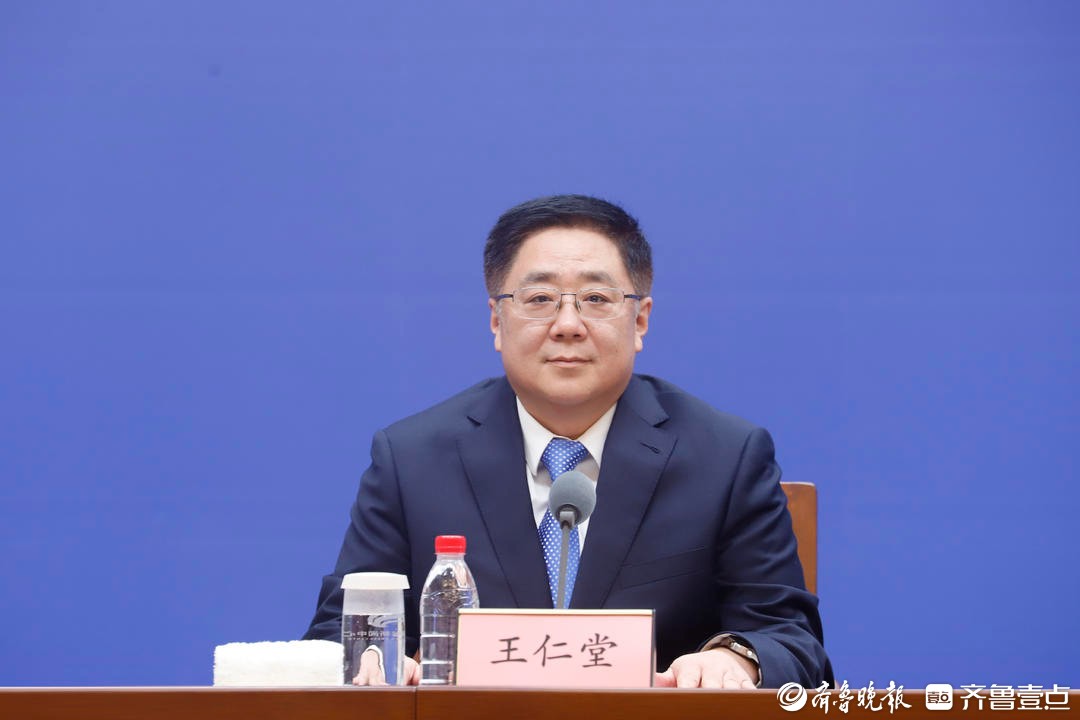
速看!“2025 海洋合作发展论坛” 即将启幕,五大亮点不容错过
Qi Lu Wan Bao· 2025-08-29 02:19
Core Viewpoint - The 2025 Marine Cooperation Development Forum aims to promote sustainable marine economy and enhance international collaboration in marine sectors, building on the success of the previous year's event [1][3]. Group 1: Theme and Focus - The forum's theme is "From Blue to Future - Developing Sustainable Marine Economy, Building a Beautiful and Abundant Ocean," aligning with the Central Financial Committee's directives [3]. - It will focus on sharing advanced experiences and cases in the marine economy, aiming for broader and deeper marine open cooperation [3]. Group 2: Structure and Topics - The forum will feature a "1+1+4+5" structure, emphasizing guidance, foresight, constructive communication, and sustainable cooperation [3]. - Key areas of focus include artificial intelligence, ports, biomedicine, and youth talent, with parallel forums dedicated to these topics [3]. Group 3: Participation and Engagement - The forum will host participants from 68 countries and regions across six continents, with over 160 foreign guests and more than 180 business representatives from marine-related enterprises [3][4]. - The event aims to enhance high-level cooperation and exchanges in the marine economy [4]. Group 4: Outcomes and Achievements - The forum will release ten outcomes, including the "2025 China Marine Development Index," and establish the Marine Artificial Intelligence Large Model Industry Alliance [4]. - It will facilitate exchanges among mayors of marine cities, expanding the dialogue to include representatives from cities like Yeosu, South Korea, and Mombasa, Kenya [4]. - Eight matchmaking meetings will be organized to promote marine industry development, focusing on high-end equipment, intelligent manufacturing, renewable energy, desalination, and marine biomedicine [4]. Group 5: Organization and Services - The forum will adhere to principles of frugality, sustainability, and high-quality service, with a comprehensive organizational structure led by provincial government leaders [4]. - A multi-level organizational framework will ensure effective preparation and execution of the forum [4].
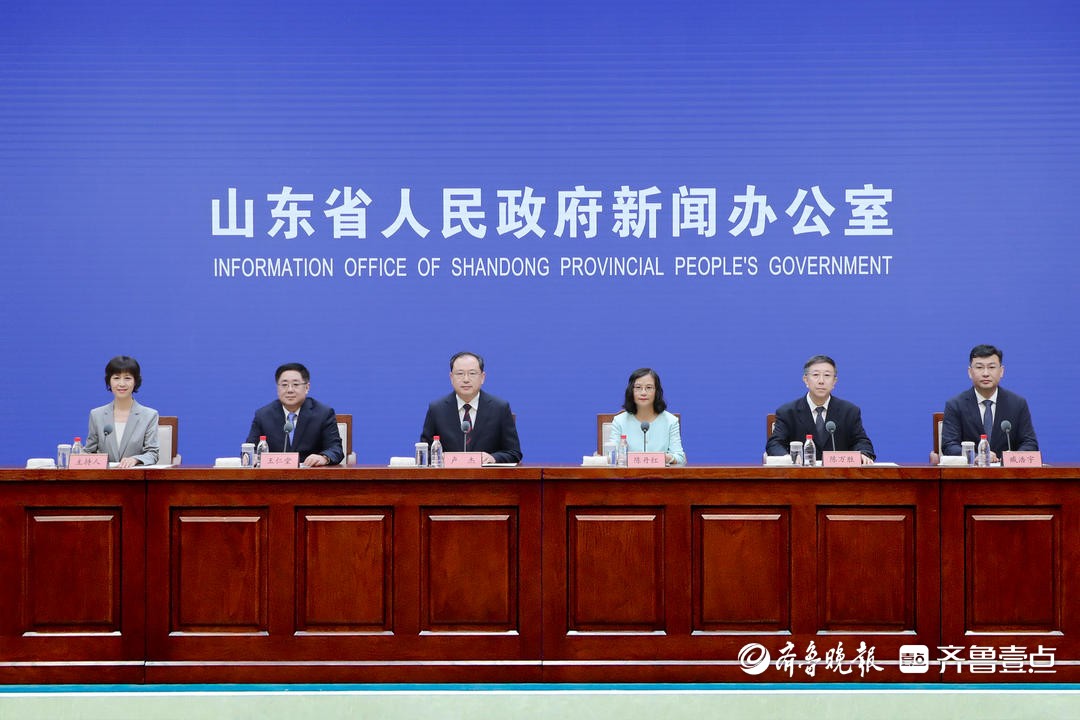
山东海洋生产总值将突破2万亿元
Qi Lu Wan Bao· 2025-08-28 21:25
Core Viewpoint - Shandong aims to enhance the effects of the 2025 Marine Cooperation Development Forum by focusing on four key areas to establish a modern marine economy development hub Group 1: Marine Industry Cooperation - Deepening marine industry cooperation to create a blue economy growth pole by integrating with the Belt and Road Initiative and RCEP, establishing marine industrial parks, and implementing blue economy cooperation demonstration projects [1] - Attracting quality domestic and international enterprises to invest in Shandong, accelerating the transformation and upgrading of traditional industries such as marine fisheries, marine mining, marine transportation, and marine chemicals, while nurturing emerging industries like marine biomedicine, marine engineering equipment, marine new energy, and seawater desalination [1] - By 2027, the goal is to cultivate 20 marine characteristic industrial clusters and achieve a marine production value exceeding 2 trillion yuan Group 2: Marine Technology Cooperation - Strengthening marine technology cooperation to establish a source of technological innovation by attracting international research teams to collaborate with Shandong universities and research institutions [2] - Organizing a series of technology cooperation demonstration projects to accelerate breakthroughs in key technologies in deep-sea resource exploration, high-tech ships, and deep-sea aquaculture [2] - Developing a technology achievement transformation platform to facilitate the landing of advanced domestic and international technologies in Shandong, fostering leading marine technology enterprises and specialized small and medium-sized enterprises [2] Group 3: Marine Port Development - Accelerating marine port construction to build an international logistics corridor by enhancing the connectivity of ports and expanding multimodal transport networks [3] - Improving the radiation capacity of Shandong ports and their position in the global supply chain, constructing bulk commodity storage and transportation bases, and promoting integrated development of maritime trade along the Silk Road [3] - By 2027, the target is to achieve a cargo throughput of 2.2 billion tons at coastal ports [3] Group 4: Marine Governance Cooperation - Promoting marine governance cooperation to build a community of shared marine destiny by actively participating in global marine governance and international standard-setting in emerging marine fields [4] - Engaging in international cooperation on marine disaster prevention and mitigation, ecological protection, and marine observation [4] - Collaborating with international organizations on marine ecological protection and advancing the systematic protection and restoration of coastal wetlands and important marine habitats [4]
新一轮“海上风口”,江苏要抓住什么?
Sou Hu Cai Jing· 2025-08-21 23:16
Core Insights - The total scale of China's marine economy is projected to reach 10.54 trillion yuan in 2024, with a marine GDP of 5.1 trillion yuan in the first half of this year, reflecting a year-on-year growth of 5.8% [1] - The Central Economic Committee emphasizes the need for high-quality development of the marine economy as part of China's modernization strategy [1] Group 1: Jiangsu's Marine Economy Development - Jiangsu's marine GDP is expected to exceed 1 trillion yuan for the first time in 2024, marking a significant milestone for the province [2][3] - The marine industry contributes 47.8% to Jiangsu's marine economic growth, with the shipbuilding industry being a prominent sector [3] - Jiangsu has over 70 listed companies in shipbuilding and marine engineering, with a total market value of approximately 743.5 billion yuan and cumulative fundraising of 180.9 billion yuan [3] Group 2: Shipbuilding Industry Performance - Jiangsu's shipbuilding industry achieved an industry added value of 38.08 billion yuan, accounting for 27.8% of the national total, maintaining a "16 consecutive championships" record [3] - Yangtze River Shipbuilding Group reported a record net profit of 4.2 billion yuan in the first half of 2024, with a gross profit margin of 35% [4] - Jiangsu is home to the largest offshore wind power equipment manufacturing base, with Yancheng alone accounting for over 40% of the national offshore wind power capacity [4] Group 3: Challenges and Opportunities - Jiangsu's marine economy is characterized by a relatively low overall scale and slower growth compared to other coastal provinces, with marine GDP accounting for only 7.3% of the provincial GDP [6] - The province faces limitations such as a lack of deep-water ports and competitive marine cities, which hampers its marine economic development [7] - The "coastal axis" development strategy is seen as crucial for unlocking Jiangsu's marine economic potential, with plans to enhance cooperation among coastal cities [9][10] Group 4: Future Directions - The development of the coastal axis is essential for Jiangsu to transition from a "marine big province" to a "marine strong province," emphasizing the need for high-quality marine economic growth [8] - Jiangsu aims to integrate coastal development with national strategies, focusing on coordinated growth among cities along the coastal axis [10] - The province's robust private economy and the rise of specialized small and medium enterprises in marine sectors are expected to play a significant role in fostering new marine productivity [10]
海洋经济“浙江模式”:不拼规模拼什么?
2 1 Shi Ji Jing Ji Bao Dao· 2025-08-20 04:09
Core Viewpoint - Zhejiang is restructuring its marine economy with a focus on high-quality development, leveraging its extensive coastline and marine resources to explore new industries such as tidal energy and offshore wind power [1][2][3] Group 1: Marine Economic Development - The central government has emphasized the need for high-quality development of the marine economy, with plans to establish national marine economic development demonstration zones and support policies for marine strong provinces [1] - Zhejiang aims to build a world-class port industry cluster, including two trillion-level and three hundred billion-level marine industry clusters, but lacks a clear development plan for its marine industry system [2][3] - In 2024, Zhejiang's marine GDP is projected to exceed 1.2 trillion yuan, ranking fourth nationally, trailing behind Guangdong, Shandong, and Fujian [3] Group 2: Industry Structure and Innovation - Experts suggest that Zhejiang needs to develop a modern marine industry system that combines traditional and emerging industries, ensuring the stability of its major marine industry clusters while fostering innovation [2][5] - The province's marine economy is characterized by a significant presence of private small and medium-sized enterprises, which are noted for their rapid technological innovation and transformation capabilities [6] Group 3: Traditional and Emerging Industries - Key traditional marine industries in Zhejiang include green petrochemicals, port logistics, and modern marine fisheries, with the marine fishery output value exceeding 98 billion yuan in 2024 [5] - Emerging industries such as marine clean energy, marine new materials, and marine biomedicine are being prioritized for development, with a focus on high-value sectors [5][9] Group 4: Digital Economy Integration - Zhejiang is leveraging its digital economy to enhance marine economic development, with initiatives like the establishment of the first marine big data application center in the province [10][11] - The integration of digital technologies, including AI and blockchain, is expected to improve the efficiency and effectiveness of marine industry applications, addressing issues of data fragmentation and low utilization [11]