
石油

Search documents
布油将创下史上最大月度涨幅
财联社· 2026-03-30 09:30
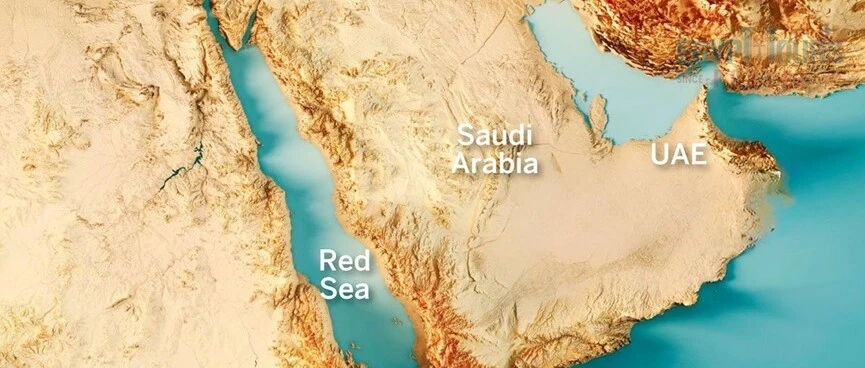
Group 1 - The article highlights that the recent escalation of conflicts in the Middle East, particularly involving Iran and the Houthis, has led to a significant increase in oil prices, with Brent crude reaching $108.78 per barrel and WTI at $101.78 per barrel, marking monthly increases of nearly 60% and 51.2% respectively [1] - Morgan Stanley analysts warn that the conflict is spreading beyond the Persian Gulf and Hormuz Strait to critical shipping routes like the Red Sea and Bab el-Mandeb Strait, which could disrupt global oil and refined product transportation [1] - If oil exports from the Red Sea are interrupted, Saudi Arabia may have to reroute oil through the SUMED pipeline, which has a daily capacity of 2.5 million barrels, compared to the currently utilized east-west pipeline capacity of 7 million barrels [1] Group 2 - Analysts express growing pessimism about the ability to quickly lower oil prices due to the ongoing Iran conflict, noting that the Middle East's estimated daily oil production is around 20 million barrels, with total storage capacity at only 450 million barrels, allowing for a maximum of 25 days of buffer before production must cease [2] - A sudden halt in production could lead to permanent damage to oil wells, affecting their long-term capacity due to the collapse of fine rock and clay particles [2] - Countries releasing strategic oil reserves face a 100-day countdown related to the degradation of stored oil quality, which could lead to the extraction of lower-quality crude that may cause operational issues in refineries [2] Group 3 - The risk of oil market paralysis increases with each day of the ongoing US-Iran conflict, suggesting that even if the Strait of Hormuz reopens quickly, oil prices may not experience a sharp decline but rather stabilize at high levels [3] - Analysts from Capital Alpha Partners indicate that there is a 25% chance the conflict will end by the end of May, a 45% chance it will conclude in the fall, and a 35% chance it could extend until 2027, indicating a high probability of sustained elevated oil prices [3]


Pricing in oil at $170 a barrel, could well go to $200: analyst
Youtube· 2026-03-30 09:18
Core Insights - The current energy crisis is characterized by unprecedented physical disruptions in oil and gas markets, with significant implications for pricing and demand [1][5][10] Oil Market Analysis - The total disruption amounts to approximately 20 million barrels per day of oil and products, with a shortfall of 9 to 10 million barrels expected [2] - If the crisis persists, demand destruction could necessitate a reduction of around 10 million barrels per day to stabilize the market [8] - Current high prices for products like jet fuel and gasoline are already leading to demand reductions, indicating a potential for further demand destruction [9][10] Gas Market Vulnerability - Gas markets are deemed more vulnerable than oil markets due to a lack of significant offsets to supply disruptions [3][4] - The crisis is expected to initially impact Asia more severely, as over 70% of Middle Eastern oil flows to Asia, leading to early demand reductions in that region [6][7] Long-term Market Changes - The resolution of the crisis may lead to permanent changes in demand forecasts, with a likelihood of sustained high prices prompting a shift towards alternative energy sources [13] - Countries may increase their strategic stockpiling of oil and gas to mitigate future crises, which could create bullish demand for these products [14] Price Projections - If the current disruptions continue, oil prices could potentially reach levels of $170 to $200 per barrel [14]

海外宏观周报:“TACO”失效之后-20260330
Ping An Securities· 2026-03-30 08:50
Group 1: Market Overview - As of March 27, the market showed deepening divergences after the brief "TACO" trading, with oil and the dollar declining while U.S. stocks opened higher but gradually retracted gains[3] - Canadian and European stock indices saw gains, while Asian markets remained under pressure due to energy supply chain risks[3] - U.S. tech stocks experienced valuation corrections due to rising real interest rates, with the Nasdaq down 3.23% and the S&P 500 down 2.12%[15] Group 2: Economic Policies and Risks - The U.S. inflation rate is expected to rise, with Brent crude oil prices increasing by 55.3% from $72.48 per barrel on February 27 to $112.57 per barrel[7] - U.S. gasoline prices rose to $3.79 per gallon, a 31.3% increase from $2.88 per gallon on March 2[5] - The market has pushed back the next Federal Reserve rate cut expectation to December 2027, with a potential rate hike of about 0.2 times before the end of 2026[4] Group 3: Geopolitical Tensions - The U.S.-Iran situation remains tense, with Trump delaying military action and indicating ongoing negotiations, but significant differences in demands persist[5] - The U.S. has submitted a "15-point plan" to Iran, which includes demands for dismantling nuclear facilities, while Iran has countered with five essential demands[5] - The closure of the Strait of Hormuz has severely limited commercial shipping, with only about 1 vessel per day passing through compared to a historical average of 138 vessels[5] Group 4: Asset Performance - Commodity prices showed mixed results, with oil prices rebounding after initial declines, while gold prices fell due to rising real interest rates[21] - The dollar strengthened after the "TACO" failure, with the dollar index rising 0.67% to 100.17, while most non-U.S. currencies depreciated[23] - Agricultural prices are under upward pressure due to ongoing fertilizer supply chain disruptions, with soybeans and corn prices declining slightly, while wheat prices increased by 1.7%[21]
原油成品油早报-20260330
Yong An Qi Huo· 2026-03-30 08:03
Report Overview - This is an early report on crude oil and refined oil, focusing on market data, news, inventory, and weekly views [2] 1. Market Data 1.1 Price and Spread Changes from March 23 - 27, 2026 - WTI rose from $88.13 to $99.64, up $5.16 [3] - BRENT increased from $99.94 to $112.57, up $4.56 [3] - SC increased by 7.70, OMAN by 9.34 [3] - BRENT 2 - month spread rose by 1.13, reaching 7.25 [3] - WTI - BRENT spread changed by 0.60, reaching - 12.93 [3] - Domestic gasoline - BRT decreased by 270.00 [3] - Japan naphtha - BRT increased by 7.98, reaching 315.61 [3] 1.2 Other Market Indicators - On March 27, 2026, BFO reached 111.68, up 1.9 from March 23 [3] 2. Daily News 2.1 Iran - US Tensions - Iran's Parliament Speaker says armed forces are waiting for US ground operations [3] - US and Israel attacked an Iranian dock near the Strait of Hormuz, causing 5 deaths and 4 injuries [4] - US Vice - President says the US has no intention of staying in Iran and will withdraw soon [4] - US government has discussed seizing Kharg Island [5] 2.2 Revenue Potential of Strait of Hormuz - If Iran sets up a toll system in the Strait of Hormuz, its monthly revenue could reach over $800 million, equivalent to 15% - 20% of Iran's monthly oil export revenue in 2024 [4] 3. Weekly Inventory 3.1 EIA Report for the Week of March 20, 2026 - US crude oil exports decreased by 1.576 million barrels per day to 3.322 million barrels per day [5] - US domestic crude oil production decreased by 0.011 million barrels to 13.657 million barrels per day [5] - Commercial crude oil inventory (excluding strategic reserves) increased by 6.926 million barrels to 456 million barrels, a 1.54% increase [5] - US crude oil product four - week average supply was 20.678 million barrels per day, a 2.37% increase compared to the same period last year [5] - US Strategic Petroleum Reserve (SPR) inventory remained at 415.4 million barrels [5] - US commercial crude oil imports (excluding strategic reserves) were 6.464 million barrels per day, a decrease of 0.73 million barrels per day from the previous week [5] 4. Weekly View - This week, oil prices fluctuated at high levels. On Friday, due to the tense situation between the US and Iran, the absolute price strengthened again. The Brent month - spread reached a new high, and the Oman crude oil discount weakened significantly. Crude oil spot prices around the world converged [5] - The US has not ruled out a ground offensive, but it's unclear to what extent Trump will approve the Pentagon's plan. The passage of VLCCs through the Strait of Hormuz remains interrupted, and Saudi Arabia has fully shifted to Yanbu Port for exports, with a maximum export volume of 5 million barrels per day. Currently, there is no supply interruption in Saudi Arabia, and the subsequent export situation at Yanbu Port should be monitored [5] - In the refined oil market, the cracking spread of European diesel reached a new high, the refined oil inventory in the European ARA region decreased significantly, and the refined oil inventory in the US increased. Before the passage through the strait is restored, the fundamental supply interruption will continue. With the recent escalation of the situation, the absolute price will rise, but attention should be paid to the price fluctuation risk caused by Trump's TACO [5]
”美国中选“系列之二:特朗普还能如何压制油价?
Shenwan Hongyuan Securities· 2026-03-30 07:47
Group 1: Current Oil Price Situation - The geopolitical premium has contributed 65% to the recent oil price increase, with $29.6 per barrel attributed to geopolitical risks and $16 per barrel to supply-demand factors[2] - Brent crude oil prices are projected to remain around $85 per barrel in the fourth quarter, with a potential recovery of 70% of shipping volume through the Strait of Hormuz by September[5] - The current oil price center is estimated at $80 per barrel, indicating that even with a decrease in geopolitical risks, prices may not return to pre-conflict levels[17] Group 2: U.S. Government Measures to Control Oil Prices - The U.S. government has released 400 million barrels of oil from strategic reserves, averaging an increase of 3.33 million barrels per day[12] - Future measures may include export controls, which could paradoxically increase international oil prices due to reduced global supply[4] - The Treasury Department may need to establish short positions of 100,000 to 150,000 contracts in oil futures to have a noticeable impact on prices, requiring significant capital and posing high risks[24] Group 3: Potential Policy Adjustments - Possible direct interventions at the consumer level include suspending federal fuel taxes, which could lower gasoline prices by approximately $0.184 per gallon[26] - Other measures could involve relaxing refinery pollution standards and allowing summer sales of E15 gasoline, potentially reducing prices by 3 to 10 cents per gallon[26] - The TACO index indicates a 95% probability that the Trump administration may make concessions to control oil prices amid rising market pressures[34]
法国兴业银行称,石油市场面临库存“大幅下降”和停产。
Xin Lang Cai Jing· 2026-03-30 07:00
Group 1 - The core viewpoint of the article is that the oil market is facing a significant decline in inventories and production shutdowns [1] Group 2 - The report from Société Générale indicates that there is a substantial decrease in oil inventories, which could impact market dynamics [1] - The potential for production shutdowns adds further uncertainty to the oil supply landscape [1]

绕开霍尔木兹,沙特 “石油生命线” 满负荷运转
财联社· 2026-03-30 06:13
Core Insights - Saudi Arabia's east-west oil pipeline is currently operating at full capacity, transporting 7 million barrels per day, marking a significant achievement in bypassing the Strait of Hormuz [1] - The pipeline's operation has allowed Saudi Arabia to export approximately 5 million barrels of crude oil daily through the Yanbu port, significantly alleviating supply shortages [1] - The existence of the east-west pipeline has contributed to stabilizing oil prices, preventing them from soaring to levels seen during previous supply shocks [2] Group 1 - The east-west pipeline is crucial for Saudi Arabia's emergency plan to maintain oil exports in case of closure of major export routes [1] - The pipeline, which spans over 1,000 kilometers, connects major oil fields in eastern Saudi Arabia to the industrial port city of Yanbu in the west [2] - Prior to the current conflict, approximately 15 million barrels of oil were transported daily through the Strait of Hormuz, highlighting the significance of the east-west pipeline in mitigating supply disruptions [2] Group 2 - Recent reports indicate that oil shipments through the Strait of Hormuz are gradually resuming, with some Saudi crude oil reaching Pakistan [3] - The rise in oil prices above $100 per barrel is attributed to disruptions in the Strait of Hormuz, which supplies about one-fifth of the world's oil and liquefied natural gas [3] - The involvement of the Houthi forces in the conflict raises concerns about potential threats to shipping routes in the Red Sea, although no direct attacks on oil tankers have been confirmed yet [2]
中东局势持续紧张,布伦特原油期价逼近冲突以来最高点
中国能源报· 2026-03-30 06:09
Group 1 - The core viewpoint of the article highlights the ongoing tension in the Middle East, which has led to a significant increase in international oil prices, with Brent crude oil futures surpassing $116 per barrel, nearing the highest level since the outbreak of the conflict between the U.S., Israel, and Iran [1] - As of the evening of the 29th, New York crude oil futures opened at $103 per barrel, reflecting a rise of $3.74, or 3.75%, compared to the previous trading day's closing price [1] - The article notes that the conflict has persisted for a month, with unclear prospects for negotiations between the U.S. and Iran, leading to market concerns about the short-term resolution of the conflict and the normalization of shipping through the Strait of Hormuz, which has contributed to the upward trend in oil prices [1]

辩证分析海外能源供给缺口对中国的影响
HTSC· 2026-03-30 05:35
Group 1: Impact of Middle East Conflict on China's Energy Supply - The direct impact of the Middle East conflict on China's energy supply is estimated to be around 4-5.4% of total energy consumption, which is significantly lower than that of Japan and South Korea[2] - Approximately 30% of China's crude oil imports in 2025 are expected to transit through the Strait of Hormuz, compared to 54% for Japan and 63% for South Korea[11] - China's energy consumption structure shows that oil and gas account for about 30% of total energy, which is lower than that of developed Asian countries[12] Group 2: Long-term Economic Implications - If energy shortages persist for an extended period, China's economy, despite its resilience, will still be affected[3] - A prolonged energy supply gap could depress global growth, negatively impacting China's external demand, with potential GDP growth reductions of 0.1-0.3 percentage points if oil prices rise to $80 per barrel[63] - Trade conditions may weaken, affecting corporate revenues and profit margins, as a significant portion of imported oil is used for processing and re-export[66] Group 3: Global Energy Transition and China's Competitive Advantage - The ongoing conflict may accelerate the global energy transition, potentially enhancing China's manufacturing advantages in the long term[4] - China's energy transition has shown positive trends, with renewable energy costs entering a downward cycle, which could further support export demand for "new three items"[4] - By 2024, China's oil refining capacity is expected to reach 18%, the highest globally, indicating a strong position in the energy market[53]
西南期货早间评论-20260330
Xi Nan Qi Huo· 2026-03-30 05:28
1. Report Industry Investment Ratings No relevant content provided. 2. Core Views of the Report - The overall market is affected by various factors such as geopolitical conflicts, macro - economic conditions, and supply - demand relationships. Different commodities show different trends and investment outlooks. [5][7][10] - In the face of uncertainties, investors are advised to take different strategies for different commodities, including waiting and seeing, light - position participation, etc. [6][9][11] 3. Summary by Commodity Fixed - income - **Treasury Bonds**: The previous trading day, treasury bond futures closed with mixed results. Given the current macro - economic situation, the market is expected to face some pressure, and caution is advised. [5][6] Equity - **Stock Index Futures**: The previous trading day, stock index futures showed different trends. Although the domestic economy is stable, the recovery momentum is not strong. Considering the uncertainties in the Iran situation, the market volatility is expected to increase, and it is advisable to stay on the sidelines. [7][8][9] Precious Metals - **Gold and Silver**: The previous trading day, gold and silver futures rose. The "anti - globalization" and "de - dollarization" trends are beneficial to the value of gold. However, due to the uncertainties in the Iran situation, the market volatility is expected to increase, and it is advisable to stay on the sidelines. [10][11] Base Metals - **Steel Products (Rebar and Hot - Rolled Coil)**: The previous trading day, rebar and hot - rolled coil futures fluctuated. In the short term, the Middle East conflict may affect sentiment, while in the medium term, it is dominated by supply - demand. Rebar prices may rebound but with limited space, and hot - rolled coil may follow a similar trend. Investors can pay attention to low - position long - entry opportunities. [12][13] - **Iron Ore**: The previous trading day, iron ore futures fluctuated. The Middle East conflict may affect sentiment, but has little impact on the actual supply - demand. The increase in demand may support prices, but the high inventory may limit the upside. Technically, it may rebound in the short term, and investors can consider low - position long - entry. [14][15] - **Coking Coal and Coke**: The previous trading day, coking coal and coke futures declined slightly. The Middle East conflict may affect sentiment, but has little impact on the actual supply - demand. Coking coal supply may increase, while coke demand may expand. Technically, they may continue to be strong in the short term, and investors can pay attention to low - position long - entry opportunities. [15][16] - **Ferroalloys**: The previous trading day, manganese silicon rose and silicon iron fell. The cost of ferroalloys is fluctuating slightly, and the supply is relatively loose. After a short - term price increase, investors can consider taking profits on long positions. [17][18] Energy - **Crude Oil**: The previous trading day, INE crude oil opened high and closed low. The increase in net long positions in futures and options shows that US funds are optimistic about the future of crude oil. The reduction in the number of drilling rigs by US shale oil producers supports prices. Due to the complex situation in the US - Iran - Israel conflict, it is advisable to stay on the sidelines. [19][20][22] Chemicals - **Polyolefins**: The previous trading day, the PP market in Hangzhou mostly rose, and the LLDPE market in Yuyao was stable. Supply pressure is expected to ease, but demand growth is slow. The market is expected to be in a high - level consolidation in the short term, and it is advisable to stay on the sidelines. [23][24] - **Synthetic Rubber**: The previous trading day, the synthetic rubber contract rose. The cost of butadiene is high, and the supply pressure is slightly relieved. The market is expected to be in a strong - side shock. [25][26][27] - **Natural Rubber**: The previous trading day, natural rubber contracts rose. The market is in a short - term multi - empty game, and it is expected to be in a wide - range shock. [28][29] - **PVC**: The previous trading day, the PVC contract fell. The market is in a game between cost support, demand start, and high inventory. It is expected to be in a strong - side shock, but the upside is limited by high inventory. [30][31][32] - **Urea**: The previous trading day, the urea contract fell. The market is in a game between high supply and policy constraints. It is expected to fluctuate, and the downside is limited. [33][34] - **PX**: The previous trading day, the PX contract rose. The PX factory load has decreased, and the supply is expected to be tight. The price may fluctuate widely in the short term, and cautious operation is recommended. [35][36] - **PTA**: The previous trading day, the PTA contract rose. The PTA plant restarted, and the downstream polyester plant cut production. The short - term multi - empty game is intensifying, and cautious operation is recommended. [37] - **Ethylene Glycol**: The previous trading day, the ethylene glycol contract rose. The supply may decline, but the demand is weak. The price needs to be treated with caution, and attention should be paid to the negotiation progress and the situation in the Strait. [38][39] - **Short - Fiber**: The previous trading day, the short - fiber contract rose. The supply increased, and the demand was weak. It is still trading based on the cost logic, and attention should be paid to the geopolitical situation and plant dynamics. [40] - **Bottle Chips**: The previous trading day, the bottle - chip contract rose. The supply and demand fundamentals have little change, and the processing fee is being repaired. Due to the changing Middle East situation, it is advisable to participate cautiously. [41][42] - **Soda Ash**: The previous trading day, the soda - ash contract fell slightly. The supply is relatively high, and the demand is average. The cost support is affected by the fundamentals, and the price is expected to be in a stalemate. [43][44] - **Glass**: The previous trading day, the glass contract rose slightly. The production line is shrinking, and the inventory reduction is slowing down. The cost support is still there, and the market sentiment may fluctuate. [45] - **Caustic Soda**: The previous trading day, the caustic - soda contract fell. The supply decreased slightly, and the inventory did not decrease significantly. The price of caustic soda in Shandong and other places has risen, and attention should be paid to overseas plant dynamics and export orders. [46][47] - **Pulp**: The previous trading day, the pulp contract rose slightly. The port inventory increased rapidly, and the demand was weak, which restricted the rebound height. [48][49] Non - ferrous Metals - **Lithium Carbonate**: The previous trading day, the lithium - carbonate contract rose. The global lithium resource supply - demand balance is being reshaped, and the supply is tight. The demand in the energy - storage and power - battery sectors is improving. The price has short - term support, but the short - term volatility may increase. [50][51] - **Copper**: The previous trading day, the copper contract fell. The macro - sentiment and fundamentals jointly affect the price. The price is expected to be in an oscillatory adjustment. [52][53] - **Aluminum**: The previous trading day, the aluminum and alumina contracts rose. The supply is affected by policies and geopolitical conflicts, and the demand is strong. The price is expected to be in an oscillatory adjustment and may rise in the long term. [54][55][56] - **Zinc**: The previous trading day, the zinc contract rose. The supply is relatively sufficient, and the demand is improving. The price is expected to be in a range - bound oscillation. [57][58] - **Lead**: The previous trading day, the lead contract fell. The supply is tightened, and the demand has rigid support. The price is expected to be in a range - bound operation. [59][60][61] - **Tin**: The previous trading day, the tin contract rose. The supply is slightly relieved, and the demand in the emerging fields is strong. The price has support, but the short - term volatility may increase. [62] - **Nickel**: The previous trading day, the nickel contract fell. The policy risk in Indonesia increases, and the supply of nickel ore is expected to be tight. However, the downstream demand is weak, and the overall supply is in surplus. [63][64] Agricultural Products - **Soybean Oil and Soybean Meal**: The previous trading day, the soybean - meal contract fell, and the soybean - oil contract rose. The supply of soybeans is expected to be relatively loose in the medium term, and the short - term supply may be tight. It is advisable to wait and see. [65][66] - **Palm Oil**: The previous trading day, the palm - oil contract rose. The export volume increased, and the inventory is at a relatively high level. It is advisable to consider closing long positions. [67][68][69] - **Rapeseed Meal and Rapeseed Oil**: The previous trading day, the rapeseed - meal contract fell, and the rapeseed - oil contract was stable. The imports of rapeseed, rapeseed oil, and rapeseed meal increased, and the inventory is at different levels. It is advisable to wait and see. [70][71] - **Cotton**: The previous trading day, the cotton contract fluctuated. The global cotton production is expected to decrease, and the domestic supply is expected to be tight in the long term. The short - term supply pressure is relieved by the quota issuance. The price is expected to be strong in the long term. [72][74][75] - **Sugar**: The previous trading day, the sugar contract fluctuated. The international sugar price has support, and the domestic supply is sufficient. The long - term sugar price bottom has risen. [76][77][78] - **Apple**: The previous trading day, the apple contract fluctuated. With the peak of Tomb - Sweeping Festival备货, the demand is released, and the market is expected to be stable and strong. Attention should be paid to the weather during the flowering period. [79][80] - **Live Hogs**: The previous trading day, the live - hog contract rose. The supply pressure is still large, and the consumption is weak. It is advisable to hold short positions lightly. [81][82] - **Eggs**: The previous trading day, the egg contract rose. The egg supply is improving, and the supply structure is differentiated. It is advisable to wait and see. [83][84] - **Corn and Corn Starch**: The previous trading day, the corn and corn - starch contracts fell. The domestic corn supply and demand are basically balanced, and the corn - starch demand is slightly improving. Attention can be paid to the short - term selling opportunity of the forward contract. [85][86][87] - **Logs**: The previous trading day, the log contract rose. The supply of New Zealand logs may shrink, the downstream demand is improving, and the consumption shows a differentiated pattern. The market is affected by geopolitical conflicts. [88][89][90]