美妆护肤

Search documents
埃森哲:中国消费市场的新主张和新机遇
财富FORTUNE· 2025-12-18 13:06
Core Insights - The article discusses the evolving landscape of consumer behavior in China, emphasizing the shift from passive acceptance to active engagement in the market, driven by changing values, emotional connections, and technological advancements [1][2]. Group 1: Changes in Consumer Preferences - Domestic brands are gaining popularity, with consumers prioritizing local products over international ones. For instance, the percentage of consumers preferring domestic beauty and skincare brands rose from 12% in 2021 to 43% in 2025, while preference for domestic 3C digital products increased from 23% to 55%, and for home appliances from 33% to 69% [3]. - Consumers are re-evaluating their life priorities, focusing more on health and financial stability. The proportion of consumers valuing health increased by 9 percentage points to 87%, and those valuing wealth rose by 12 percentage points to 47% [8]. Group 2: Shifts in Information Channels and Brand Loyalty - The channels through which consumers obtain shopping information are diversifying, with traditional marketing methods becoming less effective. E-commerce platforms remain the primary source for 60% of consumers, but video platforms like Douyin and Kuaishou have become significant, with usage rising to about 50% [9]. - Brand loyalty is diminishing, with 55% of consumers frequently comparing multiple brands even if they have a favorite, an increase of 13 percentage points since 2021. Nearly 70% of consumers feel indifferent or resistant to marketing content [10]. Group 3: The Role of AI in Consumer Behavior - AI is becoming a crucial factor in consumer decision-making, with nearly 80% of Chinese consumers using AI weekly or daily. About 37% have utilized AI tools in shopping, primarily for assistance in unfamiliar categories or for quick comparisons [10][21]. - Brands must adapt to interact with AI as a representative of consumers, providing structured and accurate content to influence AI-generated recommendations, which will affect brand visibility and conversion rates [18][21]. Group 4: Brand Strategies in a Changing Landscape - Brands are encouraged to demonstrate tangible value to consumers, moving beyond just price to emphasize visible and verifiable product benefits. This shift is evident in the focus on quantifiable effects and scientific backing in product descriptions [12][15]. - Creating integrated experiences that resonate emotionally with consumers is essential. Brands should aim for a multi-channel ecosystem that combines online and offline experiences, enhancing consumer engagement and satisfaction [16]. Group 5: Consumer Expectations and Brand Accountability - Consumers are increasingly seeking stability and meaningful engagement from brands, evaluating their relevance, consistency, and ability to fulfill promises. This reflects a deeper human need for trust and connection [22]. - Companies aiming to capture the Chinese consumer market face challenges from outdated growth models but also have opportunities to respond effectively to these profound changes with courage and adaptability [22].



【IPO追踪】高端国货护肤品林清轩开启招股,下一个毛戈平?
Sou Hu Cai Jing· 2025-12-18 08:55
Core Viewpoint - Lin Qingxuan, a high-end domestic skincare brand, is set to launch its IPO in Hong Kong, following the success of Mao Geping, and is attracting significant investor interest due to its strong market position and growth potential [2][5]. Group 1: IPO Details - Lin Qingxuan's IPO subscription period is from December 18 to December 23, with an expected listing date of December 30 [2]. - The company plans to issue approximately 13.97 million H-shares, with 10% allocated for public offering in Hong Kong and 90% for international offering, along with a 15% over-allotment option [2]. - The offer price is set at HKD 77.77 per share, aiming to raise approximately HKD 999.7 million if the over-allotment option is not exercised [2]. Group 2: Financial Performance - Lin Qingxuan reported revenues of RMB 691 million, RMB 805 million, RMB 1.21 billion, and RMB 1.05 billion for the years 2022 to 2025 (first half), with net profits of RMB -5.93 million, RMB 84.5 million, RMB 187 million, and RMB 182 million respectively [5]. - The adjusted net profits for the same periods were RMB -3.66 million, RMB 88.5 million, RMB 200 million, and RMB 201 million, indicating a strong recovery and growth trajectory [5]. Group 3: Use of Proceeds - The net proceeds from the IPO will be allocated as follows: 20% for brand value enhancement, 20% for expanding sales networks, 15% for production and supply chain improvements, 15% for R&D and product development, 15% for brand matrix development through internal incubation and acquisitions, 5% for digital infrastructure upgrades, and 10% for working capital and general corporate purposes [4]. Group 4: Market Position and Support - Lin Qingxuan focuses on anti-aging skincare products and has established itself as a leader in the facial oil segment, with its camellia oil product ranking first in retail sales for 11 consecutive years since 2014 [5]. - The IPO has garnered support from cornerstone investors, including Fidelity, SS Capital, and others, with a total subscription amount of USD 62 million [5].
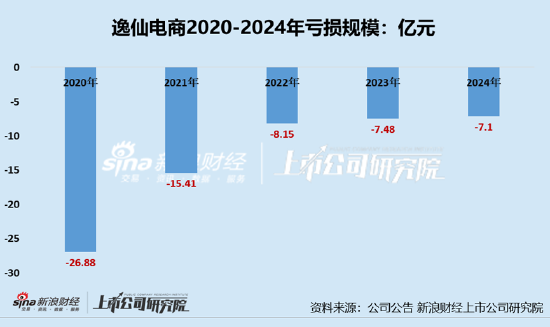
逸仙电商上涨11.31%,报4.33美元/股,总市值4.07亿美元
Jin Rong Jie· 2025-12-15 15:15
Core Viewpoint - Yatsen Holding Limited (YSG) has shown significant stock performance and financial growth, indicating a strong position in the beauty market in China [1] Financial Performance - As of September 30, 2025, Yatsen's total revenue reached 2.919 billion RMB, reflecting a year-on-year growth of 30.01% [1] - The company's net profit attributable to shareholders was -88.933 million RMB, which represents a year-on-year increase of 72.55% [1] Company Overview - Yatsen Holding Limited is a Cayman Islands-registered holding company that operates primarily through its domestic subsidiary, Guangzhou Yatsen E-commerce Co., Ltd. [1] - Founded in 2016, Yatsen is a leading player in the Chinese beauty market, aiming to create an exciting journey of beauty exploration for consumers in China and worldwide [1] - The company owns several high-growth cosmetic and skincare brands, including Perfect Diary, Little Ondine, Abbys Choice, Galenic, DR.WU, EVE LOM, Pink Bear, and EANTiM [1] - Yatsen engages customers through both online and offline channels, with a broad presence on major e-commerce, social, and content platforms in China [1]

逸仙电商持续亏损资本市场耐心不足、财报发布股价跌超20% 核心品牌完美日记“双11”榜上无名
Xin Lang Cai Jing· 2025-12-10 14:16
Core Viewpoint - Yatsen Holding, the parent company of Perfect Diary, reported a 47.5% year-on-year revenue growth for Q3 2025, marking the fourth consecutive quarter of growth. However, the stock price plummeted by 20.32% post-announcement, indicating market skepticism regarding the sustainability of this growth amid ongoing losses and high marketing costs [1][5][12]. Financial Performance - For the first three quarters of 2025, Yatsen's total revenue reached 29.18 billion yuan, reflecting a 30.2% year-on-year increase, yet the company remains in a loss-making position [3][14]. - The company's revenue figures from 2021 to 2024 were 58.4 billion yuan, 37.06 billion yuan, 34.15 billion yuan, and 33.93 billion yuan, with year-on-year changes of -36.54%, -7.46%, and -0.6% respectively. Cumulative losses exceeded 60 billion yuan during this period [3][14]. Marketing and Cost Structure - In Q3 2025, sales and marketing expenses accounted for 68.3% of total revenue, an increase from the previous year. The marketing expense ratio has consistently remained above 60% from 2021 to 2024, indicating a significantly higher marketing investment compared to industry peers [7][18]. - The reliance on a "traffic-driven" growth model has become increasingly unsustainable as online traffic growth plateaus and competition intensifies [2][18]. Business Segmentation and Growth Drivers - The skincare segment, particularly the high-end brand Galénic, has been a key growth driver, with skincare revenue increasing by 83.2% year-on-year, making up 49.2% of total revenue [8][19]. - Despite the growth in skincare, other brands under Yatsen, such as DR.WU and EVE LOM, have not shown similar expansion, indicating potential risks in brand diversification [20]. Market Position and Challenges - Perfect Diary, once a leading brand in the domestic cosmetics market, has seen a decline in market presence and sales, failing to appear in major sales rankings during the 2025 Double 11 shopping festival [10][21]. - The company's challenges reflect broader issues faced by new consumer brands that lack a strong product moat, leading to increased pressure on growth as the market evolves [18].
两大美妆巨头同时出手,一边狂买一边狂卖
2 1 Shi Ji Jing Ji Bao Dao· 2025-12-10 12:25
Group 1 - L'Oréal Group announced the acquisition of an additional 10% stake in Galderma, increasing its ownership from 10% to 20%, indicating a strategic focus on the aesthetic and medical beauty market [1][2] - The acquisition is expected to be completed in the first quarter of 2026, with plans to nominate two non-independent directors from L'Oréal to Galderma's board [2] - L'Oréal's recent investments include a €4 billion acquisition of luxury beauty licenses from Kering Group, reflecting a strong recovery in its performance, particularly in the North Asia region [3] Group 2 - Unilever is undergoing a restructuring process, focusing on core businesses by divesting non-core brands, including the planned spin-off of its ice cream business [4][5] - Unilever's CEO emphasized that the spin-off aims to create a more streamlined company, concentrating on beauty and personal care sectors for higher profit margins [5] - The contrasting strategies of L'Oréal's acquisitions and Unilever's divestitures reflect a broader industry trend of resource concentration on core business areas [5][6] Group 3 - Estee Lauder is also considering divesting its Korean beauty brand Dr. Jart+ and has previously planned to sell Too Faced and Smashbox, indicating a trend of brand portfolio optimization among major beauty companies [6] - Domestic brands are also pursuing acquisitions to build their brand portfolios, as seen with Perfect Diary's parent company acquiring high-end skincare brands [6] - An ideal brand matrix in the beauty industry should exhibit strategic synergy, growth gradient, and profit orientation to withstand market fluctuations [7]


2025洞见全球高价值客群
Sou Hu Cai Jing· 2025-12-07 02:37
Group 1 - The concentration of wealth is at an all-time high, with 13% of the global adult population holding 85% of societal wealth, and only 3% being corporate leaders at the top of the decision-making chain [1] - Among ultra-high-net-worth families (investable assets ≥ $25 million), there are approximately 249,000 households, with about 49,000 having assets exceeding $100 million, representing an 80% growth over the past decade [1] - This elite group contributes 38% of liquid financial assets, with the top tier of ultra-high-net-worth individuals alone accounting for 26% [1] Group 2 - China is identified as a vibrant growth market for wealth, with a diverse demographic of high-net-worth individuals, including older private entrepreneurs and younger generations from various sectors [2] - The generational divide is significant, with Gen Z spending an average of 128 minutes daily on social media, while older generations rely on traditional media for brand decisions [2] Group 3 - Eastern markets prioritize "new" and "expensive," with high-net-worth individuals in China, Southeast Asia, and the Middle East leading in technology adoption and luxury consumption [3] - In contrast, Western markets emphasize "quality" and "substance," with North American consumers focusing on high-quality standards and European consumers valuing craftsmanship [3] Group 4 - In wealth management, "risk aversion" and "legacy" are key themes, with a shift in investment focus from real estate to gold, as 15.7% of respondents indicate it as their top choice for the coming year [4] - The demand for integrated financial services is increasing among ultra-high-net-worth individuals, including family trusts and tax planning [4] Group 5 - Traditional high-end services are no longer sufficient for ultra-high-net-worth clients, who seek highly customized experiences, such as art investment consulting and philanthropic planning [5]
东北兄弟卖美妆,6个月收入10亿,冲刺国货高端护肤第一股
2 1 Shi Ji Jing Ji Bao Dao· 2025-12-06 12:18
Core Viewpoint - Lin Qingxuan, a domestic beauty brand, has resubmitted its IPO application to the Hong Kong Stock Exchange, highlighting significant revenue growth and a rebranding to position itself as a high-end skincare brand in China [1][2]. Group 1: Company Performance - In the first half of 2025, Lin Qingxuan reported total revenue of 1.05 billion RMB, representing a remarkable year-on-year growth of 98% compared to the first half of 2024 [1]. - The company's gross margin reached 82.4% in the first half of 2025, up from 81.9% in the same period of 2024, indicating strong pricing power and operational efficiency [3]. - The revenue contribution from the essence oil product line accounted for 45.5% of total revenue in the first half of 2025, showing a consistent upward trend in its importance to overall sales [2]. Group 2: Market Positioning - Lin Qingxuan emphasizes its high-end positioning, ranking first among domestic high-end skincare brands in China by retail sales in 2024, and is the only domestic brand among the top 15 high-end skincare brands [2]. - The high-end skincare market in China is relatively concentrated, with the top 15 brands holding 66.1% of the market share, indicating a competitive landscape [2]. Group 3: Marketing and Sales Strategy - The company has significantly increased its sales and distribution expenses, which rose by 100.2% to 580.6 million RMB in the first half of 2025, driven by enhanced online and offline marketing activities [4]. - Lin Qingxuan's marketing strategy has been questioned for being "heavy on marketing and light on R&D," but industry experts suggest that marketing and brand strength are crucial competitive factors in the cosmetics industry [3]. Group 4: Investment and Shareholding - The founder, Sun Laichun, holds 38.21% of the shares directly and approximately 79.27% in total, indicating strong founder control [5]. - Notable external investors include Yagao Fashion, Country Garden Venture Capital, and others, with Yagao holding 4.49% of the shares [5]. - Recent share acquisitions before the IPO have led to an estimated pre-IPO valuation of approximately 3.846 billion RMB for Lin Qingxuan [6]. Group 5: Industry Trends - The trend of domestic beauty brands pursuing IPOs in Hong Kong has intensified, with Lin Qingxuan following other brands like Natural Hall and Proya, reflecting a strategic move to access capital markets for growth [7]. - The domestic cosmetics market is expected to see increased demand for plant-based essential oils, indicating a potential growth area in the coming years [8].
东北兄弟卖美妆,6个月收入10亿,冲刺国货高端护肤第一股
21世纪经济报道· 2025-12-06 10:24
Core Viewpoint - Lin Qingxuan, a domestic beauty brand, has resubmitted its IPO application to the Hong Kong Stock Exchange, highlighting a significant revenue growth of 98% year-on-year for the first half of 2025, reaching 1.05 billion yuan [1]. Company Overview - Founded in 2003 and headquartered in Shanghai, Lin Qingxuan focuses on high-end anti-aging skincare products, with core product prices ranging from 200 to 800 yuan [3]. - The company has rebranded itself from "Shanghai Lin Qingxuan Biotechnology Co., Ltd." to "Shanghai Lin Qingxuan Cosmetics Group Co., Ltd." to align with its positioning as a high-end domestic skincare brand [2]. Market Position and Performance - Lin Qingxuan ranks first among domestic high-end skincare brands in China by retail sales, and is the only domestic brand among the top 15 high-end skincare brands [3]. - The high-end skincare market in China is concentrated, with the top 15 brands holding 66.1% of the market share [3]. - The company's revenue from its essence oil product line accounted for 45.5% of total revenue in the first half of 2025, showing a rising trend from previous years [3]. Financial Metrics - Lin Qingxuan achieved a gross margin of 82.4% in the first half of 2025, up from 81.9% in the same period of 2024, indicating strong pricing power [4]. - Sales and distribution expenses increased significantly, from 290.1 million yuan in the first half of 2024 to 580.6 million yuan in the first half of 2025, primarily due to increased marketing activities [4]. Investment and Shareholding - The founder, Sun Laichun, holds 38.21% of the shares directly and approximately 79.27% in total, making him the largest shareholder [6]. - External investors include prominent names such as Yagao Fashion and Country Garden Venture Capital, with Yagao holding 4.49% of the shares [6]. Industry Trends - The trend of domestic beauty brands going public in Hong Kong is increasing, with Lin Qingxuan following other brands like Natural Hall and Proya in seeking capital for growth [9]. - The domestic beauty market is expected to see a shift towards plant-based essential oils, indicating a growing consumer demand in the coming years [10].

商业价值大爆发,“短剧F4”成了带货顶流
3 6 Ke· 2025-11-26 09:43
Core Insights - The short drama industry is experiencing rapid growth, with annual viewership surpassing 50 billion and a user base exceeding 800 million, creating a unique content ecosystem and audience demographic [1][3] - The cost of promoting a star in the short drama sector is significantly lower than in traditional film and television, with estimates suggesting costs have been reduced to the million range compared to 100-200 million for traditional platforms [1][3] - Brands are increasingly recognizing the commercial value of short drama actors, leveraging their cost-effectiveness for marketing campaigns [1][3] Brand Collaborations - Notable brands such as Yuxi and Misi Ting are engaging short drama actors for promotional activities, with actors like He Jianqi and Ke Chun being signed as brand ambassadors [3][8] - The "Short Drama F4," consisting of popular actors, has become a focal point for brand collaborations, with significant commercial partnerships emerging [4][6] - Ke Chun's brand collaborations have resulted in impressive exposure metrics, indicating the effectiveness of short drama actors in driving brand visibility and sales [6][8] Market Dynamics - The commercial cooperation of short drama actors is expected to see explosive growth by 2025, with high-demand actors becoming central to brand marketing strategies [4][15] - The shift in brand focus from image building to direct sales conversion is driving the trend of engaging short drama actors as brand representatives [15][16] - The demographic of short drama viewers aligns closely with the target audience of many beauty and consumer brands, enhancing the effectiveness of these collaborations [15][16] Industry Evolution - The short drama ecosystem is evolving from a "drama promotes people" model to a "people promote drama" model, indicating a shift in the influence and power dynamics within the industry [17][20] - The entry of trained actors into the short drama space is positively impacting the quality and professionalism of productions [17][20] - Short drama actors are expanding their business boundaries, engaging in various media formats including live streaming and traditional long-form dramas [18][20][21] Future Opportunities - The integration of e-commerce features within short drama platforms is creating new revenue opportunities for actors and brands alike [21] - Despite the current boom, the fast-paced nature of the industry poses challenges, with actors needing to continuously adapt to maintain their market relevance [21]

不止汽车,日系品牌也在迎来“全线溃败”
创业邦· 2025-11-23 03:32
Core Viewpoint - Japanese automakers are facing significant challenges due to U.S. tariffs, leading to a collective profit decline of 1.5 trillion yen (approximately 68.78 billion RMB) in the first half of 2025, marking a 27.2% year-on-year decrease [6][7]. Group 1: Impact of Tariffs - The North American market has severely impacted Mazda and Subaru, with Mazda's U.S. sales accounting for about 30% of its global sales, resulting in a profit drop of approximately 97.1 billion yen (about 4.45 billion RMB) due to tariffs [6]. - Subaru, with nearly 80% of its sales in the U.S., faced a tariff impact of 154.4 billion yen (around 7.08 billion RMB), nearly offsetting its profits from vehicle sales [6][7]. Group 2: Domestic Market Saturation - Japan's domestic car market is saturated, with a new car sales forecast of approximately 4.42 million units in 2024, a decline of about 7.5% from 2023 [8]. - The younger generation in Japan shows a declining interest in car ownership, with 32% citing "sufficient family cars" and 28% concerned about high car prices [8]. Group 3: Global Market Challenges - Japanese automakers have historically relied on overseas markets, which account for nearly 80% of their sales, but are now facing increased competition and market share losses, particularly in China and Southeast Asia [8][9]. - From 2021 to 2024, Japanese automakers lost significant market share in Southeast Asia, with declines of 5% in Malaysia, 6% in Indonesia, and 12% in Thailand [9][12]. Group 4: Declining Sales in China - Japanese automakers have seen a decline in sales in China, with Toyota's sales down 1.7% to 1.908 million units, Honda's down 10.1% to 1.234 million units, and Nissan's down 16.1% to 794,000 units in 2023 [9]. - The market share of Japanese brands in China dropped from 20.6% in 2021 to 11.2% in 2024, largely due to the rise of domestic electric vehicle brands [9][12]. Group 5: Shift in Consumer Preferences - The younger generation in Southeast Asia is increasingly favoring electric vehicles and brands that offer better value and technology, leading to a shift away from traditional Japanese automakers [12][17]. - Japanese automakers are struggling to adapt to the electric vehicle trend, with their market share in the rapidly growing EV segment remaining below 30% in Southeast Asia [16][17]. Group 6: Financial Performance and Future Outlook - Despite challenges, Toyota remains the world's most profitable automaker, with a profit of 31.2579 billion USD (approximately 224.5 billion RMB) in 2025, significantly outperforming competitors [17][21]. - The overall performance of Japanese brands in other sectors, such as convenience stores and cosmetics, is declining, indicating a broader struggle beyond the automotive industry [18][21].